Search results
Query: 3 3 2012
Links: 133 | Categories: 1
-
 Complete guide to build Jpole antennas with online dimensions calculator.
 -
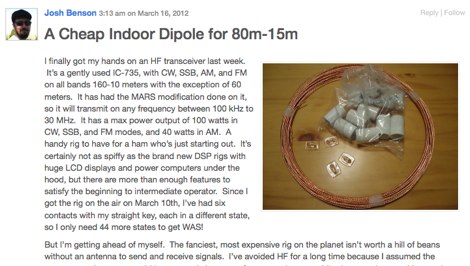 NC4JB Josh explain in this article how to setup a simple and cheap indoor dipole antenna that can be used on almost all HF bands
 -
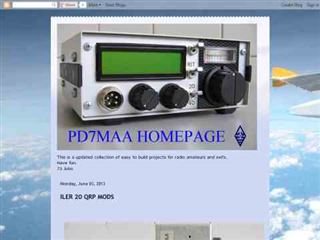 A multiband end-fed antenna that cover 3.5 to 30 Mhz using a 1:64 Balun based on a FT240-43 core
 -
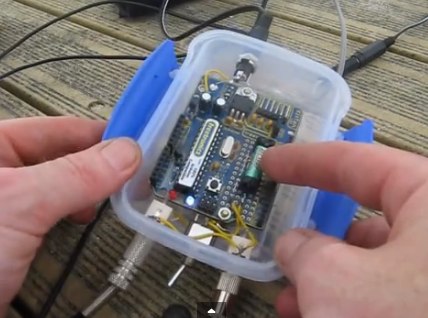
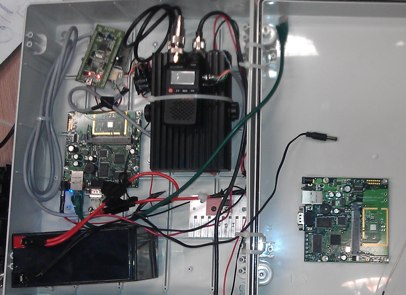 Cheap AFSK TNC, APRS for everyone with arduino, BeRTOS and a STM32F100 chip by OM5AMX
 -
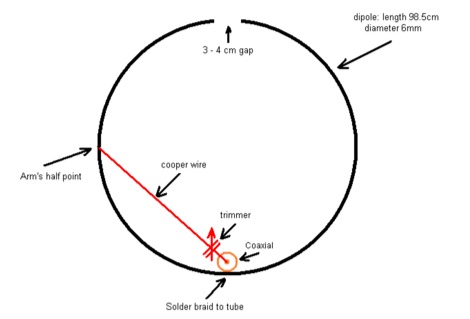 This halo antenna was built to have an omnidirectional coverage while working in VHF contests.
 -
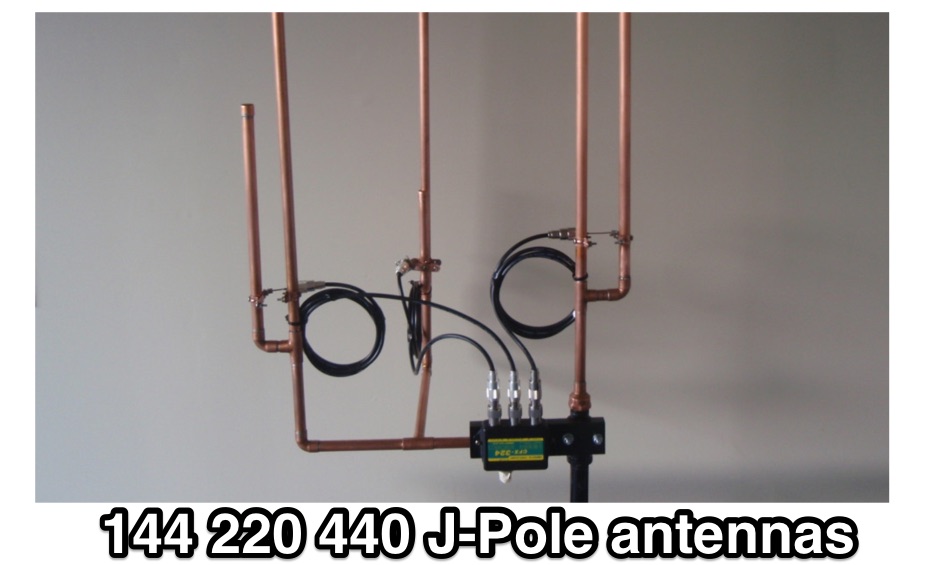 Pictures of a 2 meter, 220, 440 copper J-Pole antennas
 -
 YF1AR 80 to 40 meter vertical antenna project
 -
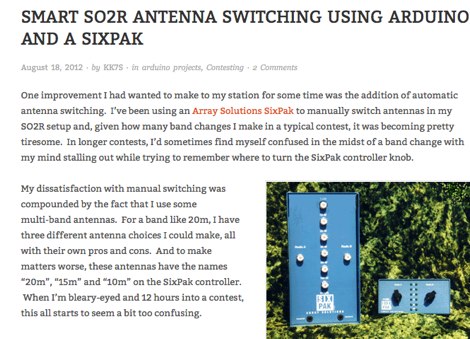 A homemade remote antenna switch made with an Arduino Uno by KK7S
 -
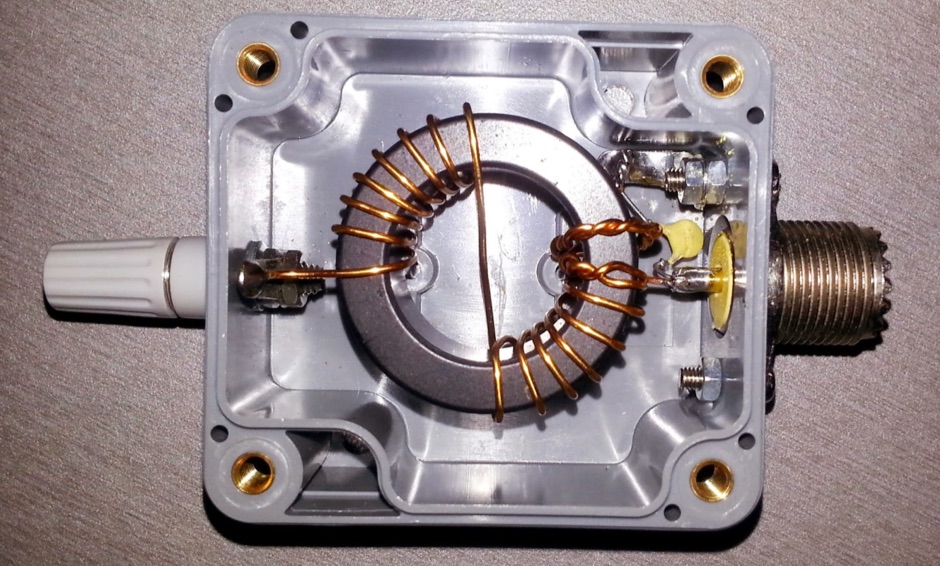 This is a 200 Watt PEP step up transformer for end fed full and half wave antennas without radials, designed as a 200 Watt PEP
 -
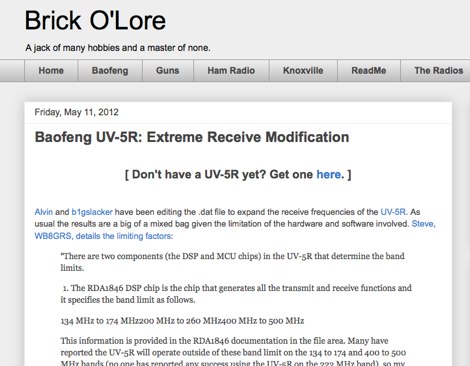 Baofeng UV-5R extreme Receive Modification
 -
 Antenna experiment - Delta Loop for 7 Mhz band by AG1LE
 -
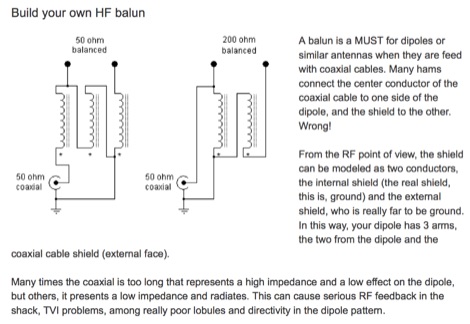 A balun is a MUST for dipoles or similar antennas when they are feed with coaxial cables. Many hams connect the center conductor of the coaxial cable to one side of the dipole, and the shield to the other. Wrong!
 -

-
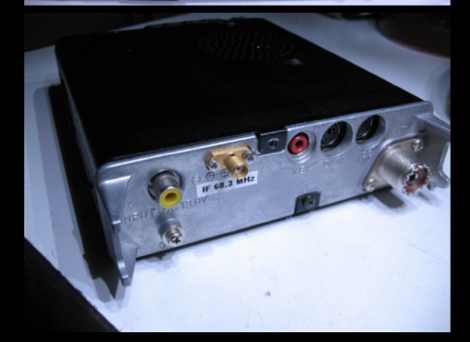 Adding a Panadapter to the Yaesu FT-817
 -
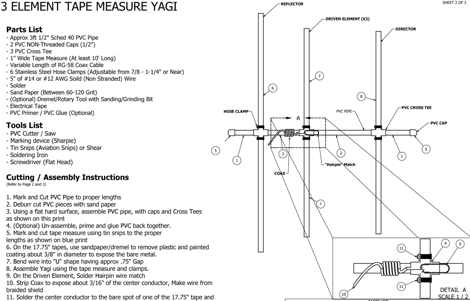
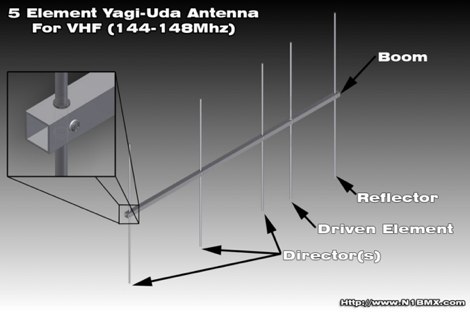 A project for a home made 5 element yagi-uda antenna for 2 meters, covering 144-148 MHz band by N1BMX
 -
 YF1AR multiband vertical antenna, based on orginal concept by VE7BS. Consist of 6 vertical elements and 6 base radials with a single 50 Ohm feed line.
 -
-
-
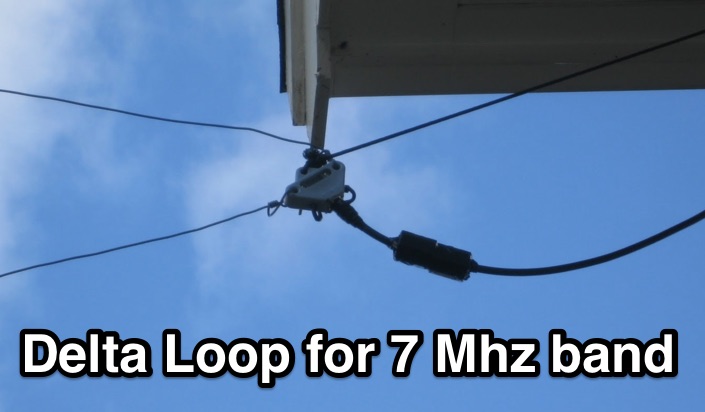 Antenna experiment a Delta loop antenna for 7 Mhz band
 -
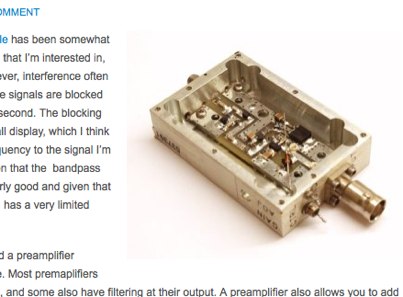 A High-End UHF Preamp for the VHF/UHF Dongle
 -
-
 2 Meter Indoor Slim Jim Antennas for Cyclone Season and Other Uses by VK4MDX
 -
 How resolve low power problems on Icom IC-7000
 -
-
 Demonstrates the construction of a 144 MHz turnstile antenna, detailing its design for omnidirectional, horizontally polarized VHF operation. The resource outlines the physical dimensions and materials required, including specific lengths for the radiating elements and the use of _RG-58_ coaxial cable for phasing. It covers the assembly process, emphasizing the critical spacing and connection points to achieve the desired radiation pattern and impedance matching for the _2-meter band_. The article presents measured _SWR_ performance across the 144-146 MHz segment, showing a low SWR of 1.2:1 at 144.5 MHz, which is suitable for general VHF use. It compares the turnstile's performance to a 9-element Yagi, noting the turnstile's advantage in providing consistent signal strength from all directions without requiring a rotator. Practical application for local FM simplex and repeater operations is implied, offering a simple yet effective antenna solution for fixed or portable stations.
 -
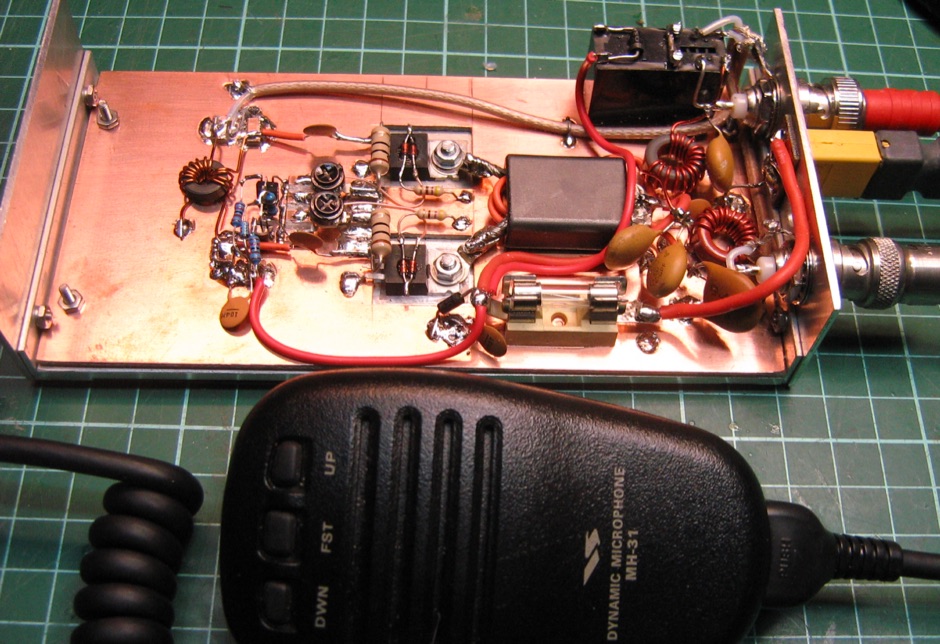 How to build a lightweight amplifier that can be backpacked around.
 -
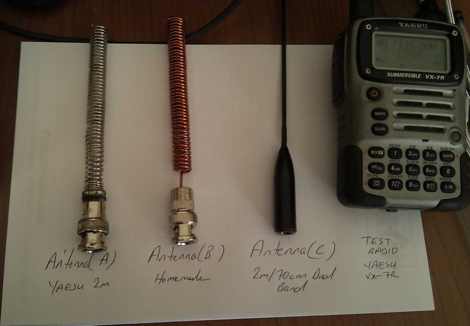 A homebrewed antenna for 2m handheld radios by TB1BIG
 -
-
 Operating on the 2200m band (135.7-137.8 kHz) often presents challenges for amateur radio transceivers, which typically exhibit poor receiver performance at these very low frequencies. This project addresses the issue by providing a design for a dedicated 137 kHz antenna preamplifier, specifically tailored to improve signal reception for radios such as the _Yaesu FT-817_. The preamplifier circuit utilizes a low-noise FET input stage, crucial for minimizing self-generated noise and maximizing the signal-to-noise ratio from weak LF signals. The design includes a detailed schematic, component values, and construction notes, enabling homebrewers to build a functional unit. The goal is to achieve significant gain, making the faint signals on 2200m more discernible and improving overall band usability. Key design considerations include impedance matching to typical antenna systems and ensuring stable operation across the narrow LF segment. The circuit aims for a **low noise figure** and sufficient amplification to overcome the inherent limitations of general-purpose HF transceivers when operating below **200 kHz**.
 -
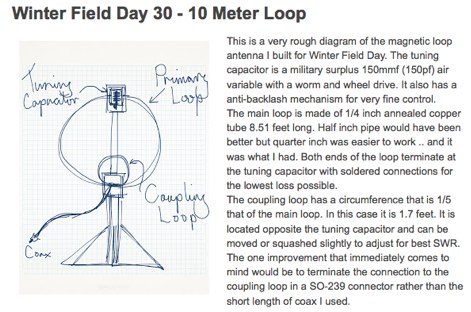 An home made magnetic loop antenna project using a military surplus 150pf capacitor by KF5CZO
 -
 Project with pictures and plans for an HF off center fed dipole by KB1NWH
 -
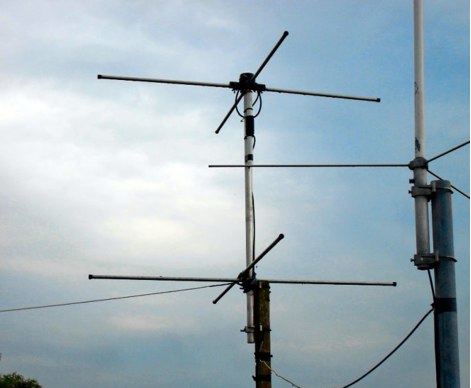 An omnidirectional and horizontally polarized VHF antenna by EA4EOZ
 -
 Round-Up of different HF Upconverters for RTLSDR by KF7LZE
 -
 An illustrated and printable introduction to PSK 31 by by Alan J. Gibbs, VK6PG
 -
 Installing a classic G5RV Antenna in Slopinv-V mode by AI4WM
 -

-
 Improve the stability of your Yaesu G-250 rotator.
 -
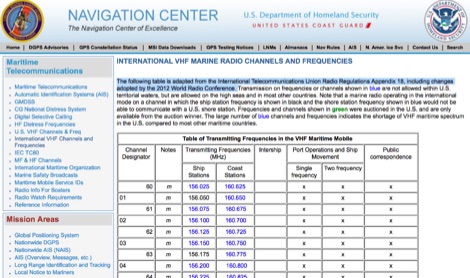 The following table is adapted from the International Telecommunications Union Radio Regulations Appendix 18, including changes adopted by the 2012 World Radio Conference.
 -
 Pictures and description of a SteppIr vertical antenna setup in a small backyard using DX Engineering radial plates.
 -
 First pictures and links for the Kenwood TS-990S HF and 50 Mhz transceiver releases in May 2012
 -
 The configuration of this antenna is a triangle with apex in the top of a very tall tree. The antenna is fed at a bottom corner using 450 ohm ladder line.
 -
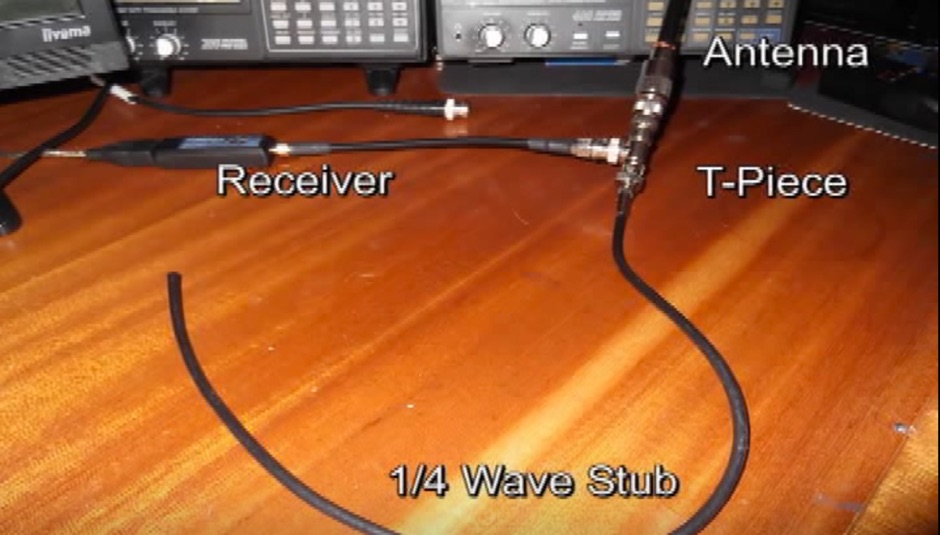 Cutting out the noise using a simple coax filter to improve the poor front end filtering
 -
-
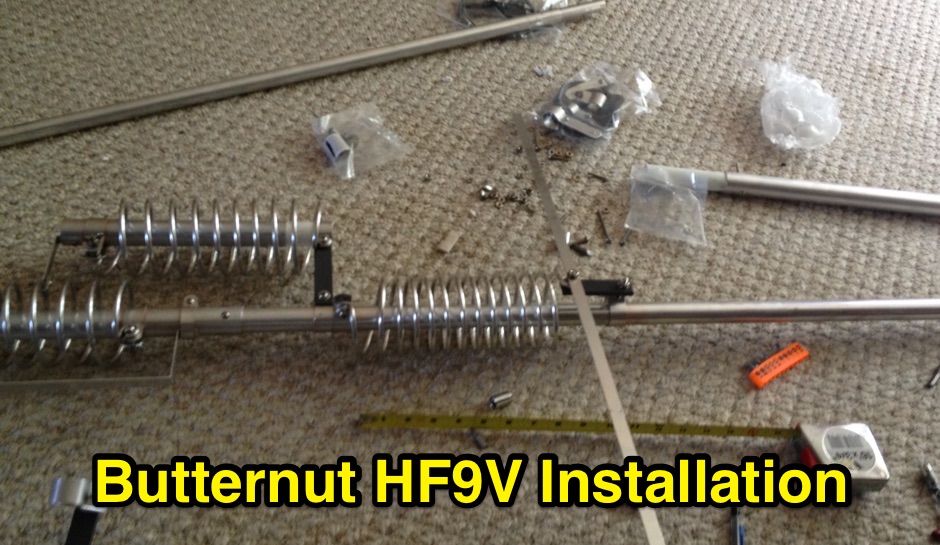 Assembling installing and tuning the Butternut HF9V multiband vertical antenna
 -
 Cushcraft A3S performances with the A743 kit to add 30 and 40 meters
 -

-
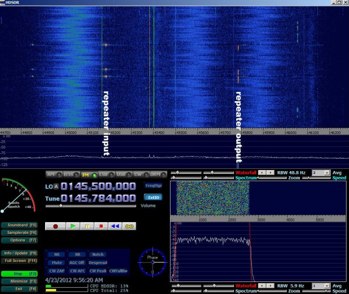 Article on RTL SDR dongles to receive UHF VHF ham radio bands
 -
 The Icom AH-4 autotuner operates efficiently across multiple HF bands, providing seamless automatic tuning for antennas from 3.5 MHz to 54 MHz. Its robust design allows for outdoor installation, making it suitable for field operations and fixed stations. The unit interfaces with Icom transceivers via a control cable, enabling automatic band switching and tuning. The AH-4 is capable of handling up to 120 watts of RF power, ensuring compatibility with most amateur radio setups. Its weather-resistant casing and compact form factor make it a versatile choice for operators requiring reliable performance in diverse environments. Field tests demonstrate the AH-4's ability to maintain low SWR across its operational range, enhancing signal quality and transmission efficiency. Compared to manual tuners, the AH-4 offers significant time savings and ease of use, particularly in rapidly changing band conditions. Its integration with Icom radios simplifies operation, eliminating the need for manual adjustments. The autotuner's performance is consistent with other high-end models, providing a cost-effective solution for amateur operators seeking dependable tuning capabilities without sacrificing performance.
 -
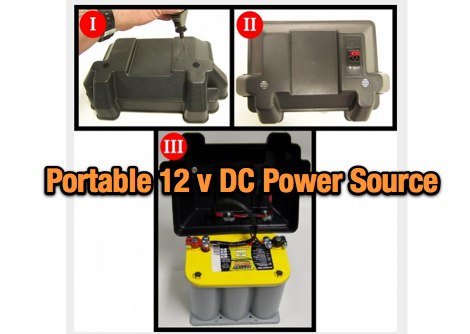 Project with pictures and descriptions for building a portable 12 Volt DC power source by N1KXR.
 -
 Decoding multiple Morse code signals automatically on a noisy RF band