Search results
Query: hotel
Links: 8 | Categories: 0
-
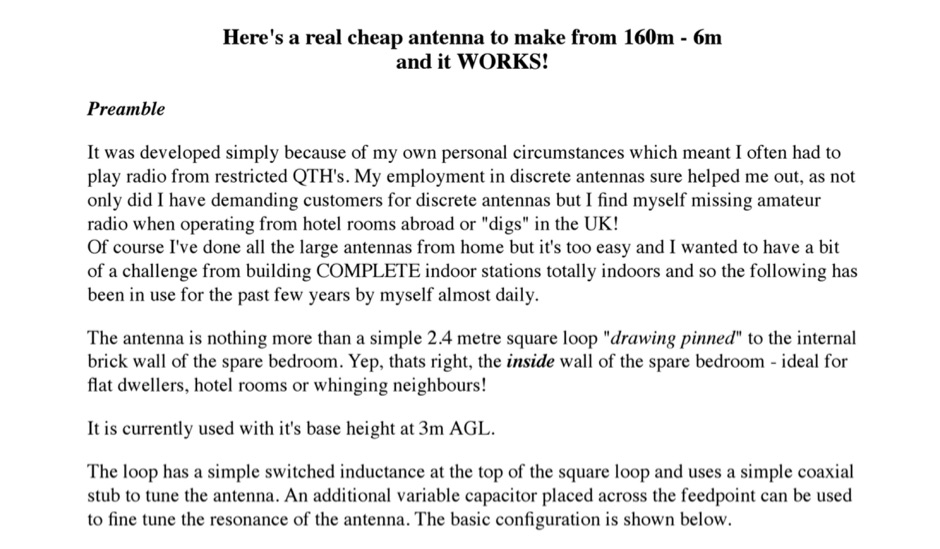 The antenna is nothing more than a simple 2.4 metre square loop drawing pinned to the internal brick wall of the spare bedroom. Yep, thats right, the inside wall of the spare bedroom - ideal for flat dwellers, hotel rooms or whinging neighbours, The loop has a simple switched inductance at the top of the square loop and uses a simple coaxial stub to tune the antenna. An additional variable capacitor placed across the feedpoint can be used to fine tune the resonance of the antenna, by Andy G0FTD
 -
 What is the best balcony antenna? what antenna would you recommend for use on typical hotel balcony? Read some answers here
 -
 Hogar de Don Guido, the hotel and amateur radio station owned and managed by Guido Rosillo HC8GR
 -
 TI0RHU Radio Club Heredia Costa Rica with ROMEO HOTEL, DX group.
 -
 The Las Vegas Radio Amateur Club operates the K7UGE repeaters on 146.94 and and 448.500. Repeater is located on top of the Las Vegas Hilton Hotel & Casino, the UHF repeater is located on top of the Tropicana Hotel & Casino.
 -
 Slim Jim Antennas are great for apartments and hotels. VHF UHF Antennas
 -
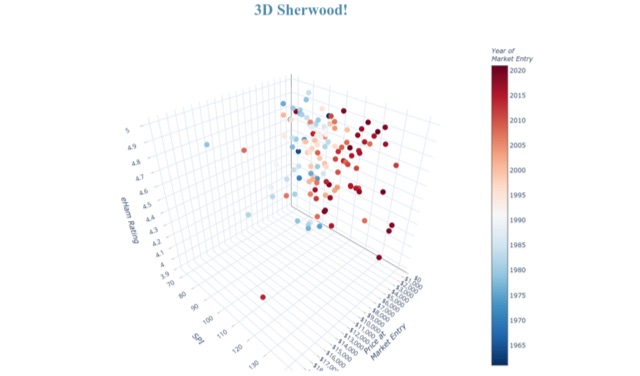 A growing set of pages with tools and analyses of various elements of data elements based on Sherwood RX tests
 -
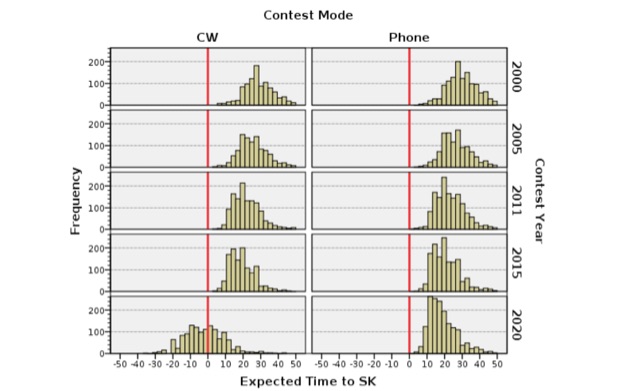 Examining the demographic shifts within amateur radio, particularly concerning **radiosport** participation, this resource analyzes survey data from the National Contest Journal (NCJ) and two regional ARRL surveys. It focuses on the relationship between age and engagement in contesting, presenting findings that suggest older amateur radio operators tend to participate in more contests annually. The author, a spatial demographer, details the methodology, including data consolidation, georeferencing, and statistical analysis performed in collaboration with Dr. Scott Wright K0MD, covering ARRL November Sweepstakes participants from 2000 to 2020. The analysis also addresses the limitations inherent in using voluntary response samples rather than random samples, which may influence the generalizability of the results. Furthermore, the resource investigates the preferred sources of contest information among different age groups, noting that older contesters frequently rely on traditional publications like the NCJ, while younger participants show a preference for online platforms. This demographic review provides insights into the evolving landscape of **amateur radio contesting** and the generational differences in information consumption.