Search results
Query: foc contest
Links: 85 | Categories: 0
-
 J49I operated from Crete Island (EU-015, KM25PH) during the 2008 _CQ WW DX CW Contest_, focusing on multi-operator category participation. The station's activity centered on maximizing contacts and multiplier acquisition across various HF bands during the competitive event. Operators aimed to achieve a high score by leveraging the island's DXCC entity status. The team, comprising Greek and Italian amateur radio operators, utilized the J49I callsign for this specific contest operation. Their efforts contributed to the overall contest results for the 2008 CW segment, with logs submitted reflecting their performance from the European continent.
 -
 The Breeze Shooters is an amateur radio organization based in Western Pennsylvania, established in 1937 by a group of local hams. The club's initial focus was on fostering camaraderie and promoting amateur radio activities among its members. Over the decades, its membership has grown significantly, at one point exceeding 1,800 individuals, making it one of the larger regional ham radio clubs. The organization maintains a casual operational structure, emphasizing member participation in various aspects of the hobby rather than strict formal governance. The club actively supports and organizes events such as the annual Breeze Shooters Hamfest, a significant gathering for the amateur radio community in the region. Members frequently engage in contesting, DXing, and local emergency communications support. The club's history includes a strong tradition of mentoring new hams and providing a platform for experienced operators to share knowledge and resources. Its enduring presence in Western Pennsylvania underscores its role in sustaining local amateur radio interest and activity.
 -
 The _Alessandro Volta RTTY Contest_ is an annual digital mode competition focusing on Radioteletype (RTTY) operation, challenging participants to make contacts across various HF bands. This event typically occurs in January, drawing a global field of operators aiming to maximize their QSO count and multiplier accumulation. The contest emphasizes accurate exchange of signal reports and serial numbers, with specific rules governing single operator, multi-operator, and SWL categories. Participants utilize software like _N1MM Logger+_ or _WriteLog_ to manage their logs and generate Cabrillo files for submission. Scoring is based on points per QSO, multiplied by unique DXCC entities and Italian provinces worked on each band. The contest encourages both seasoned RTTY contesters and those new to digital modes to engage in competitive HF activity, promoting skill development in digital communication. Final results and logs are typically published on the contest website, showcasing top performers and providing detailed breakdowns of scores.
 -
 Founded by a small group of young hams in East St. Louis, Illinois, the W9AIU Egyptian Radio Club serves as a local amateur radio organization. The club's origins trace back to meetings held in Herb Wilhelm's, W9APX, dry cleaning shop, indicating a grassroots beginning for this community group. It operates as a typical ham radio club, fostering camaraderie and likely supporting various aspects of the hobby for its members. As an amateur radio club, W9AIU likely engages in activities such as local nets, field day operations, and perhaps provides licensing support or technical discussions. Such clubs are crucial for new hams seeking mentorship and for experienced operators looking to participate in group activities like contesting or public service communications. The club's presence in Illinois suggests a focus on local and regional amateur radio initiatives.
 -
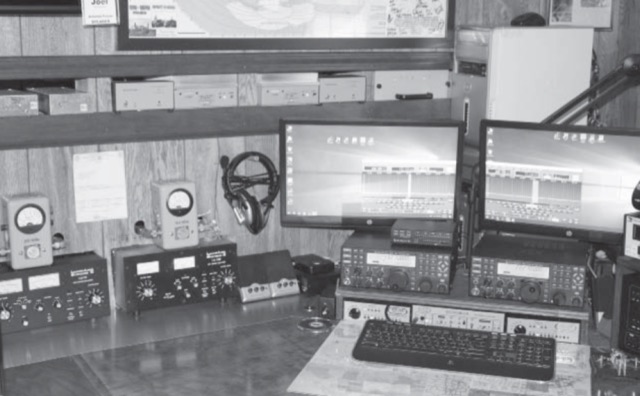 Building an amateur station for competitive radiosport involves a number of critical steps, regardless of the band or bands you focus on. These include, but are certainly not limited to: Station layout, Equipment interconnection and switching, Inter-station interference, Antenna selection. Radio interface with the logging program, CW and voice keyer integration, Rotator control
 -
 The _DL4EBY_ resource page provides operational data for Earth-Moon-Earth (EME) communications on VHF, UHF, and microwave bands. It includes a 432 MHz and above EME Directory in ASCII and HTML formats. _K1RQG_ provides 432 MHz and up EME Net Notes. EME Operating Procedures were confirmed at the EME Conference 2002 in Prague. A lunar calendar from _DL7APV_ is linked via _G4CCH_'s pages. Resources for CW contest operation include the _PED411i.zip_ file. A "Cheat Sheet 432 & up" is available for EME operations. The _Dubus_ 70cm CW EME Activity Event is referenced for moonbounce activity. DXZone Focus: Operating Activity | Global | EME, CW | VHF, UHF, Microwave
 -
 The Badger Contesters is a club of like-minded hams who are interested in VHF/UHF/SHF weak signal communications. Our geographic focus is Wisconsin, however hams in Northern Illinois, Michigan's UP, and Eastern Minnesota are welcome to join us.
 -
 The IK7IMP personal page provides details on the _Ham Portal_ software, an Italian-language application designed for managing amateur radio websites, including an online logbook feature. The resource also mentions the development of a J-pole antenna project, indicating a focus on practical radio construction and design. Content on the site covers general amateur radio topics, with specific mentions of equipment from manufacturers like Yaesu, Icom, and Kenwood, alongside antenna brands such as KLM and Tonna. The page serves as a hub for Icilio Carlino's amateur radio activities, offering insights into his interests in DXing, contesting (CW), and general radio operation. It also includes information relevant to the local amateur radio community in Lecce and Salento, Italy, referencing the Associazione Italiana Radioamatori (ARI) and the IQ7AF project.
 -
 The Order of Boiled Owls of New York (OBONY) serves as a dedicated hub for amateur radio operators passionate about contesting and DXing. Founded to promote skill development and camaraderie within the competitive ham radio sphere, OBONY members actively participate in major domestic and international contests, striving for top scores and _DXCC_ achievements. The club provides a platform for exchanging operational strategies, technical insights, and logging practices, which are crucial for success in high-stakes events. OBONY's focus extends to fostering a vibrant community where both seasoned contesters and newer operators can learn and grow. They emphasize the importance of ethical operating practices and technical proficiency, contributing to the overall advancement of the amateur radio hobby. Members frequently achieve impressive results, with many logging **thousands of QSOs** during major events and consistently placing well in various categories.
 -
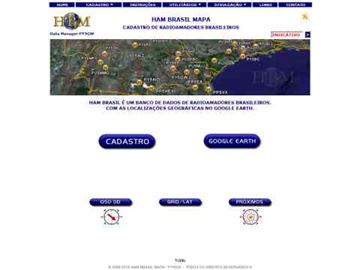 Approximately 524,475 Brazilian amateur radio operators are cataloged within this resource, offering a comprehensive database for the South American region. Each entry includes geographical coordinates, enabling users to visualize station locations directly within Google Earth. This functionality supports DXers in identifying potential contacts and understanding propagation paths relative to specific Brazilian QTHs. The platform serves as a digital callbook, primarily focused on the Brazilian amateur radio community. It facilitates the lookup of callsigns and associated location data, which is crucial for award tracking, contest planning, and general operational awareness. The integration with mapping services provides a visual dimension to traditional callsign databases, enhancing the utility for operators interested in geographical aspects of radio communication.
 -
 The West Chester Amateur Radio Association (WCARA), operating under the callsign WC8VOA, functions as a division of the _National Voice of America Museum of Broadcasting_. This organization actively promotes amateur radio, providing essential facilities for members and guests to convene and exchange technical information about the hobby. The club's primary focus includes fostering community engagement and sharing operational knowledge among enthusiasts. WC8VOA maintains a dedicated ham shack, facilitating on-air operations and technical discussions. Members utilize these resources for various amateur radio activities, including contesting and DXing, contributing to a vibrant local radio scene. The association's commitment to education and hands-on experience strengthens the amateur radio presence in the West Chester area, supporting both new licensees and seasoned operators.
 -
 The Cambridge University Wireless Society (CUWS) serves as the amateur radio society for students and staff at Cambridge and Anglia Ruskin Universities, fostering interest and activity in two-way radio communication. It provides a platform for members to engage with various aspects of amateur radio, including operating, technical experimentation, and community building within the university environment. The society's activities typically encompass station operation, antenna construction, and participation in contests and DXing. As a university-affiliated club, CUWS offers practical experience in radio theory and application, often utilizing the club callsign _G6UW_. Members learn about different modes of operation, such as CW, SSB, and digital modes, and gain hands-on experience with transceivers and associated equipment. The society's focus includes preparing members for amateur radio licensing exams and promoting ethical operating practices. Participation in CUWS provides a foundation for future involvement in the broader amateur radio community.
 -
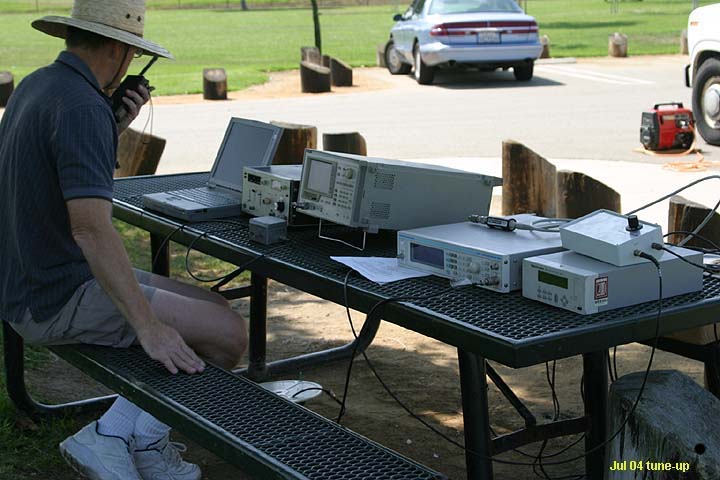 The San Bernardino Microwave Society, operating under the callsign _W6IFE_, serves as a significant technical hub for amateur radio operators specializing in frequencies above 1 GHz. This organization's influence extends across Southern California, providing a centralized resource for advanced RF experimentation and **regional frequency management** within the microwave spectrum. Its permanent value lies in its extensive archive of technical papers and project documentation, which are critical for operators engaged in high-frequency design and deployment. The society's infrastructure is primarily intellectual, focusing on the dissemination of specialized knowledge rather than a conventional repeater network. It offers a robust collection of technical papers from prominent members like K6PIP, K6BLG, and WA6EXV, covering topics such as Rubidium oscillator data, logging software, and filter design. This resource facilitates advanced amateur radio operations, including participation in microwave contests and the development of custom transverters for bands like 24 GHz. The site also details various member projects, such as the Owens Valley Radio Observatory Project, showcasing practical applications of **RF propagation analysis** and system integration. DXZone Focus: Microwave | Technical Papers | RF Propagation | Contest Results
 -
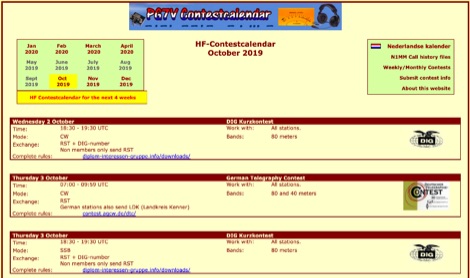 The PG7V Contest Calendar provides a curated listing of significant **HF contests**, with a particular focus on events relevant to European amateur radio operators. It details contest specifics such as start and end times in UTC, eligible bands (e.g., 80 meters, 40 meters, 10 meters), and required exchange information (e.g., serial number, CQ-zone, DOK, locator, age). The calendar includes diverse modes like CW, SSB, PSK63, RTTY, and FT4, catering to various operating preferences. Featured contests include the RSGB 80m Club Championship, WW WPX Contest, IARU Region 1 Fieldday, and ARRL International Digital Contest. Each entry links directly to the official contest rules for detailed information. The calendar also notes specific participation rules, such as the 1 KHz QSY requirement in the HA3NS Memorial Contest or the 24-hour single-operator time limit in the ARRL International Digital Contest. This resource is updated regularly, ensuring timely information for upcoming **contest operations** over a four-week period. It serves as a practical tool for hams planning their contest activity.
 -
 The G5O Contest Group blog documents contest operations and related activities of the Stockport Radio Society. It covers various **HF** and **VHF** contests, providing insights into station setup, antenna configurations, and operational strategies employed during events. The content frequently includes post-contest analyses, discussing scores, propagation conditions, and technical challenges encountered. The blog entries detail specific contest participations, often featuring photographs of the operating environment and equipment used. It serves as a chronicle of the group's contesting history, offering practical examples of multi-operator station management and logistical planning for competitive amateur radio events. The group's focus on both local and international contests is evident through the range of events covered. Regular updates provide a continuous record of the group's engagement in the amateur radio contesting community.
 -
 Documents the _XT1T_ DXpedition to Burkina Faso, active from February to March 2013. This operation provided DXers worldwide with an opportunity to work a relatively rare entity, with the team focusing on maximizing contacts across various bands and modes. The expedition utilized an online log provided by _IDT_ (Italian DXpedition Team), enabling immediate verification of contacts and facilitating QSL requests. The _IDT_ system allowed participants to check their QSOs shortly after they were made, a crucial feature for contesters and award hunters aiming for DXCC credit. The expedition's success was measured by the total number of unique contacts and countries worked, contributing significantly to the global DX community's pursuit of new entities.
 -
 Presents amateur radio activities and experiences from JJ0LUU and JJ0LXF, two operators based in Japan. The weblog, hosted on shinshu.fm, documents their on-air operations, equipment setups, and general ham radio interests. Content often includes details about specific contacts, antenna configurations, and local operating conditions within the Japanese amateur radio community. The resource primarily focuses on personal operating logs and occasional technical discussions relevant to their station. It offers a glimpse into the daily life and pursuits of Japanese **amateur radio** operators, detailing their engagement with various bands and modes. JJ0LUU and JJ0LXF share their passion for radio communication, contributing to the broader online repository of individual ham radio narratives. The site serves as a digital logbook and informal platform for sharing their **DXing** and contesting endeavors.
 -
 The YM2XBU Bilkent University Amateur Radio Club website details the club's activities and operational focus within the amateur radio community. It serves as the primary online presence for the university's ham radio enthusiasts, showcasing their involvement in various aspects of the hobby. The site provides insights into the club's station setup, operational modes, and participation in local and international amateur radio events. Club members engage in DXing, contesting, and educational initiatives, fostering practical skills in radio communication and electronics. The _YM2XBU_ club callsign is actively used for on-air operations, contributing to the global amateur radio network. Information regarding membership, meeting schedules, and contact details for _Kagan SIRDAR_ are available, facilitating engagement for students and faculty interested in amateur radio.
 -
 A news site focused on DXing and contesting, DXNews.com provides daily updates on upcoming **DXpeditions**, contest announcements, and general **amateur radio news**. The site features a continuously updated feed of articles detailing call signs, operating dates, IOTA references, and specific contest participation plans for various DX operations. Content includes detailed reports on planned activities from rare and semi-rare DX entities, often with information on operators, bands, modes, and QSL routes. It also covers major amateur radio contests, offering insights into rules, participating stations, and results. The archive depth extends back many years, providing a comprehensive historical record of DX activity. This resource is ideal for experienced DXers and contesters seeking timely information to plan their operating schedules, track rare DX entities, and stay informed about the global DX scene. It also serves general amateur radio operators interested in following significant events and operations within the DX community.
 -
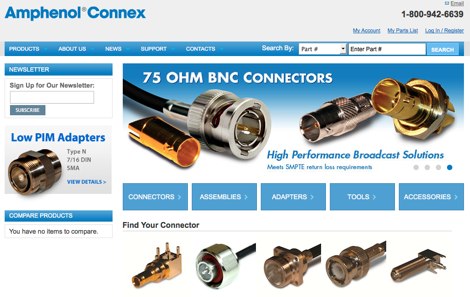 Details Amphenol Connex's product range, focusing on RF connectors, adapters, and cable assemblies. The company produces common radio frequency interfaces such as _BNC_, _SMA_, and _TNC_ connectors, alongside numerous other specialized designs. These components are critical for establishing reliable signal paths in amateur radio stations, ensuring proper impedance matching and minimal signal loss across various frequency bands. The manufacturing process emphasizes precision engineering to meet the demanding specifications of RF applications, from HF to microwave frequencies. Product lines support diverse coaxial cable types, facilitating custom cable assembly for specific station configurations. The extensive catalog provides solutions for both fixed station installations and portable operations, addressing the needs of contesters, DXers, and general amateur radio operators.
 -
 The Dickson County Amateur Radio Club (DCARC) operates as a local organization for amateur radio enthusiasts in Middle Tennessee, providing a focal point for hams in the area. The club's activities typically encompass local nets, technical discussions, and support for emergency communications, aligning with the public service aspects of amateur radio. Members often engage in various operating modes and bands, sharing knowledge and experience to enhance their collective skills. Club members participate in field days, local contests, and community events, demonstrating the practical applications of amateur radio. These gatherings offer opportunities for new hams to gain practical experience and for seasoned operators to mentor others, strengthening the local amateur radio community. The DCARC serves as a hub for camaraderie and mutual support among its members, contributing to the vibrant ham radio scene in Tennessee.
 -
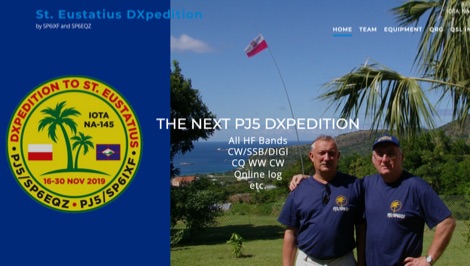 The PJ5 St. Eustatius DXpedition, active from November 16 to November 30, 2019, involved operators SP6IXF and SP6EQZ. This operation targeted Saint Eustatius, designated as NA-145 for IOTA purposes, and focused on all HF bands using CW, SSB, and digital modes. The team logged approximately 23,000 QSOs during their deployment. QSLs for PJ5 contacts are managed via the operators' home callsigns, SP6IXF and SP6EQZ, with _LoTW_ confirmation available. The expedition also participated in the _CQ WW CW_ contest, contributing to the overall QSO count. Additional support came from individuals such as JA1BK, JA3DND, SP5BB, SP5GMM, SP9FMP, SQ7NSN, and KB7MM.
 -
 WSJTX-Controller-v2, or Otto, functions as an assistant for the WSJT-X amateur radio program, specifically designed to enhance operational efficiency for weak signal digital modes. The software automates several key tasks, including call management, prioritizing DX stations based on user-defined criteria, and optimizing frequency selection within the WSJT-X interface. It requires a modified version of WSJT-X to function correctly, integrating directly with its core processes to provide augmented control. Otto supports various digital modes, facilitating auto-logging of contacts and generating specific alerts for desired stations or conditions. It is engineered to streamline the workflow for operators engaged in DXing and general weak signal communication, offering features like automatic CQ responses and intelligent band monitoring. The utility is not compatible with certain other amateur radio software and is explicitly noted as unsuitable for contest operations or the WSJT-X Hound mode, indicating its specialized focus on non-contest DX and casual operating. The project's GitHub repository provides the source code and documentation, allowing users to review its implementation and contribute to its development. The software's design emphasizes automation to reduce operator intervention during routine digital mode operations.
 -
 This practical, hands-on article offers a valuable journey through balun construction for portable antenna systems. The author skillfully navigates from theoretical debates to practical implementation, providing a well-documented DIY process using RG316 micro coax and an FT114-43 toroid core. The step-by-step instructions, complemented by photographs, make this complex technical project accessible to hobbyists. Particularly impressive is the author's focus on lightweight design (just 173 grams) for SOTA field operations. While the final antenna requires minor tuning adjustments, the successful field test during the Pirate Contest demonstrates the effectiveness of this approach. An excellent resource that transforms theory into practical application for ham radio operators.
 -
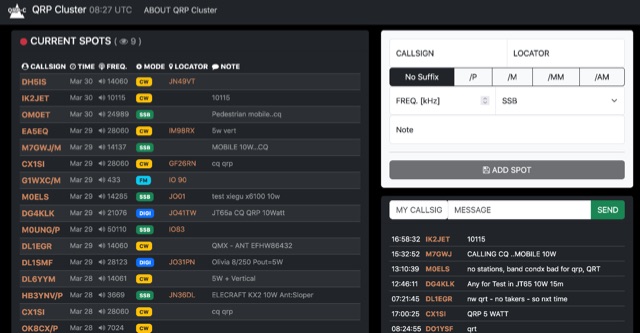 The QRP Cluster provides a dedicated platform for _QRP_ (low power) amateur radio operators to self-spot their on-air activity. This web-based service allows users to post real-time information about their current operating frequency, modulation mode, equipment used, and transmit power. It facilitates QRP-to-QRP contacts and helps other low-power stations locate active QRP signals across various bands. Unlike general DX clusters, the QRP Cluster focuses exclusively on low-power operations, fostering a community for QRP enthusiasts. It enables operators to share details such as **5 watts** or less output, often specifying antenna types or unique portable setups. The platform supports the discovery of QRP stations for casual QSOs, contests, and award hunting, enhancing visibility for stations that might otherwise be overlooked on higher-power clusters.
 -
 Wavelog, a web-based amateur radio logbook application, launched in February 2024, represents a significant fork from the established Cloudlog platform, developed by a core team including DF2ET and DJ7NT. This open-source project focuses on delivering advancements in both stability and functionality, specifically tailored for the amateur radio community. The application allows users to manage their radio logs from diverse environments, including professional servers, standard web hosting, or even compact _Raspberry Pi_ setups. The platform distinguishes itself through its emphasis on simplicity, robust features, and versatile accessibility, enabling operators to log contacts from virtually any location. It supports various operating modes and data formats, providing a flexible solution for tracking QSOs and managing station activities. The project's development is driven by the collaborative spirit of the amateur radio community, prioritizing utility and user experience over commercial objectives. Key features include comprehensive logging capabilities, support for multiple bands and modes, and integration with common amateur radio data standards, ensuring broad utility for DXers and contesters.
 -
 Analyzes the operational dynamics of the _IARU R1 VHF contest_, the world's largest 2-meter contest, focusing on factors enabling top performers to maintain consistent results amidst declining overall activity. The resource investigates the physical constraints that limit higher point totals, examining how technical capabilities, increased interference, and evolving station setups contribute to contest outcomes. It provides insights into the strategic and technical aspects of achieving high scores, such as the **1,000,000+ point** totals observed from leading stations. Compares the performance of various stations over time, highlighting the sustained success of top contenders and speculating on future trends in VHF contesting. The analysis delves into specific operational strategies and equipment choices that differentiate high-scoring stations, offering a detailed look at the competitive landscape. It also considers the impact of propagation conditions and operator skill on final scores, providing a comprehensive overview of the contest's intricate mechanics and the pursuit of maximum QSO points.
 -
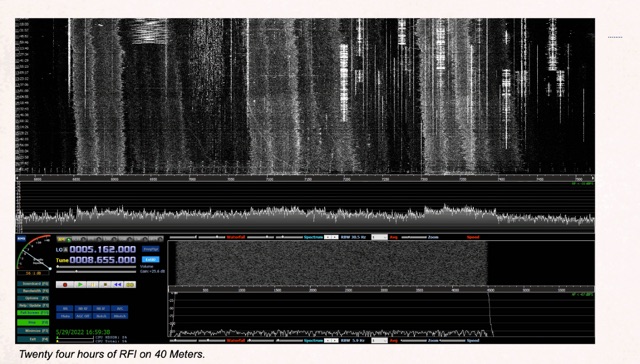 Demonstrates the application of Software-Defined Radios (SDRs) as effective tools for conducting Radio Frequency Interference (RFI) site surveys. The resource details the methodology for capturing and analyzing RFI, specifically focusing on the 80-meter band over a 24-hour period. It outlines the setup of an SDR-based survey tool, utilizing software like _S-Meter Lite_ and _Spectrum Lab_ to visualize and quantify noise sources. The article emphasizes the SDR's wideband capabilities, which allow for comprehensive identification and documentation of RFI across broad frequency ranges, crucial for effective mitigation strategies. The analysis presents practical results, illustrating how continuous monitoring can reveal intermittent RFI sources that might otherwise go undetected. For instance, the survey identified noise peaks exceeding **S9+20dB** on 80 meters during specific hours, correlating with local appliance usage. The methodology provides a repeatable process for hams to characterize their local noise floor, enabling targeted RFI suppression efforts and improving weak-signal reception, particularly for DXing and contesting.
 -
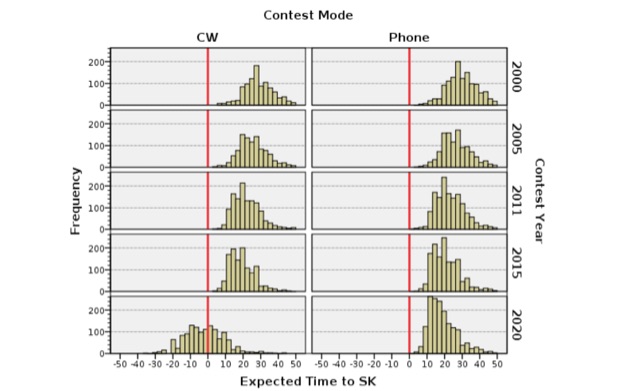 Examining the demographic shifts within amateur radio, particularly concerning **radiosport** participation, this resource analyzes survey data from the National Contest Journal (NCJ) and two regional ARRL surveys. It focuses on the relationship between age and engagement in contesting, presenting findings that suggest older amateur radio operators tend to participate in more contests annually. The author, a spatial demographer, details the methodology, including data consolidation, georeferencing, and statistical analysis performed in collaboration with Dr. Scott Wright K0MD, covering ARRL November Sweepstakes participants from 2000 to 2020. The analysis also addresses the limitations inherent in using voluntary response samples rather than random samples, which may influence the generalizability of the results. Furthermore, the resource investigates the preferred sources of contest information among different age groups, noting that older contesters frequently rely on traditional publications like the NCJ, while younger participants show a preference for online platforms. This demographic review provides insights into the evolving landscape of **amateur radio contesting** and the generational differences in information consumption.
 -
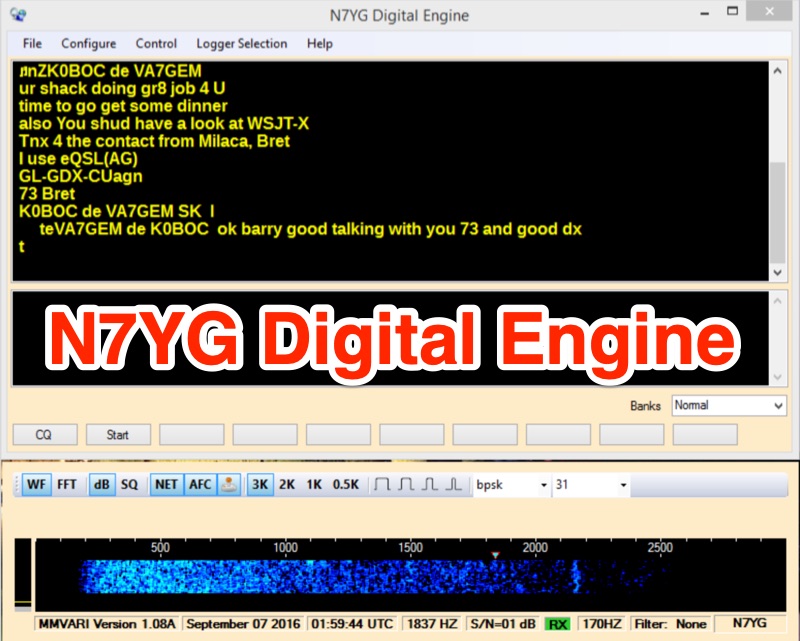 The N7YG Digital Engine, functions as a streamlined digital modem, supporting **PSK**, **RTTY**, and **MFSK** modes. It eliminates many ancillary logging and awards features found in other software, focusing instead on providing a dedicated digital interface. The software is specifically engineered to complement the N3FJP logging suite, offering a simple digital modem with a floating waterfall display that can coexist on the same screen as the logger. The application includes support for PSK Reporter, EXTFSK, TinyFSK, and K1EL Winkey FSK, enhancing its utility for various digital operations. Key features comprise a separate waterfall window, a main GUI with operational controls, receive and transmit display areas, and 10 Macro Buttons across 10 user-definable macro banks, totaling 100 macros for general and contesting use. Configuration options include sound card selection, digital gain (0-32767), AFC Level (0-100), AFC Width (in Hz), and COM Port TX keying for VOX/SignaLink or direct port control. Input and Output Mixer buttons provide direct access to OS audio mixer controls for precise level adjustments. The software is digitally signed with a security certificate, aiming to prevent conflicts with antivirus programs.
 -
 The _Colorado QSO Party_ is scheduled for **September 12, 2026**. This amateur radio event focuses on contacts with stations operating within Colorado. The _Grand Mesa Contesters of Colorado_ sponsors the event. Operators may pursue contacts across all **64 counties** of Colorado. Activations for programs such as POTA and SOTA are permissible during the event period. Logs generated from these activations are eligible for submission to both the _Colorado QSO Party_ and the associated operating program. DXZone Focus: QSO Party | Colorado | Mixed | All Amateur Bands
 -
 Presents the S21WD DXpedition to Bangladesh (IOTA **AS-140**) scheduled for 2026, organized by the Next Generation DX Club e.V. It outlines the project's progress, including final hardware and systems testing, and the team's successful arrival and activation from the target location. The resource provides a concise summary of Bangladesh, covering its geography, cultural aspects, and economic landscape. The page includes the Clublog Most Wanted ranking for Bangladesh, categorized by continent and mode, as of January 2026. The DXpedition aims to achieve over 70,000 QSOs across CW, SSB, RTTY, and FT8 modes, with a specific focus on RTTY (targeting over 2,000 QSOs) and **lowband** operations. The team plans a Multi-Single entry in the ARRL CW 2026 contest. QSO data will be uploaded to Clublog and LoTW, with Clublog livestream and daily free LoTW uploads anticipated, contingent on stable internet connectivity. The S21WD callsign corresponds to CQ Zone 22 and ITU Zone 41. Further details include a preliminary bandplan, FT8 operating guidelines using MSHV software, a VOACAP DX Prediction link, and an azimuthal map centered on Bangladesh. QSL services are managed by DJ4MX via Clublog OQRS, offering direct, bureau, and LoTW options, with daily LoTW uploads expected.
 -
 Accessing the official Estonian amateur radio call sign database is facilitated through this resource, which offers a direct search utility for **ERAU** registered licensees. Users can input a call sign to retrieve associated public information, ensuring accurate identification of Estonian stations. The system directly queries the national amateur radio society's records, providing real-time data on active **ES-prefix** operators. This utility is distinct from global callbook services, focusing exclusively on Estonian amateur radio operators. It serves as a primary source for verifying call sign authenticity and operator details within the country's regulatory framework. The interface is streamlined for quick lookups, making it efficient for DXers and contesters targeting Estonian entities. The resource's direct integration with the Estonian Radio Amateurs Union (ERAU) database ensures the presented information is current and authoritative, reflecting the latest licensing status and operator details for the amateur radio community.
 -
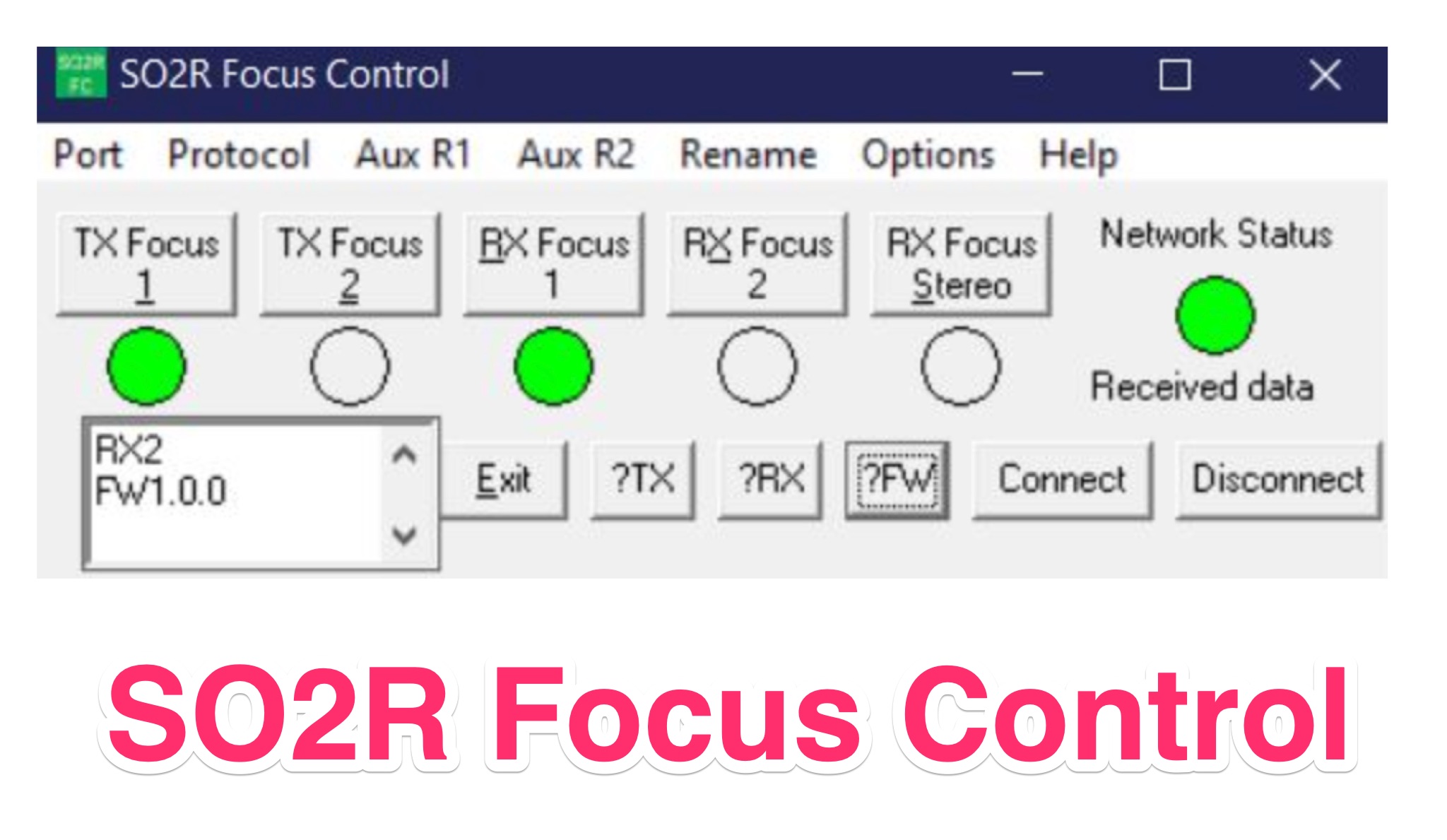 SO2R Focus Control and SO2R FC Server are freeware VB6-based tools enabling remote or local control of modern SO2R controllers (supporting OTRSP and MK2R protocols) outside contest logging sessions. The client (SO2R Focus Control) manages serial-connected controllers and can interface remotely via LAN or internet using the optional SO2R FC Server, which supports up to two concurrent clients. Key features include AUX port control with customizable labels, interlock options, AES-256 encrypted network communication, and compatibility from Windows XP through Windows 11. Designed for operators needing flexible station control—especially for remote antenna switching—both programs install cleanly via NSIS and uninstall completely.
 -
 Define the SWL contest 2026 as an event for monitoring a variety of languages on _medium wave_ (MW) and _shortwave_ (SW) AM radio stations. Participants can utilize either traditional radio receivers or _WEB SDR_ platforms to log their findings. The contest encourages the use of both analog and digital methods to maximize the diversity of languages captured. The contest rules specify that entries must include detailed logs of the stations received, including frequency, time, and language identified. Logs should be submitted in a standardized format to ensure consistency and accuracy in judging. The use of WEB SDR is particularly highlighted for its ability to access distant stations that may not be reachable with local equipment. The contest is open to all SWL enthusiasts worldwide, with a focus on European WEB SDR access. The event aims to foster a deeper understanding of global broadcasting patterns and linguistic diversity. Participants are encouraged to explore various bands within the MW and SW spectrum, enhancing their skills in signal identification and language recognition. The contest offers a unique opportunity to engage with the global SWL community and share insights into the art of listening.