Search results
Query: wiki
Links: 93 | Categories: 0
-
 Samul Morse page on wikipedia, inventor of morse code
 -
 Wiki page of the Hellschreiber or Feldhellschreiber facsimile teleprinter by Rudolf Hell
 -
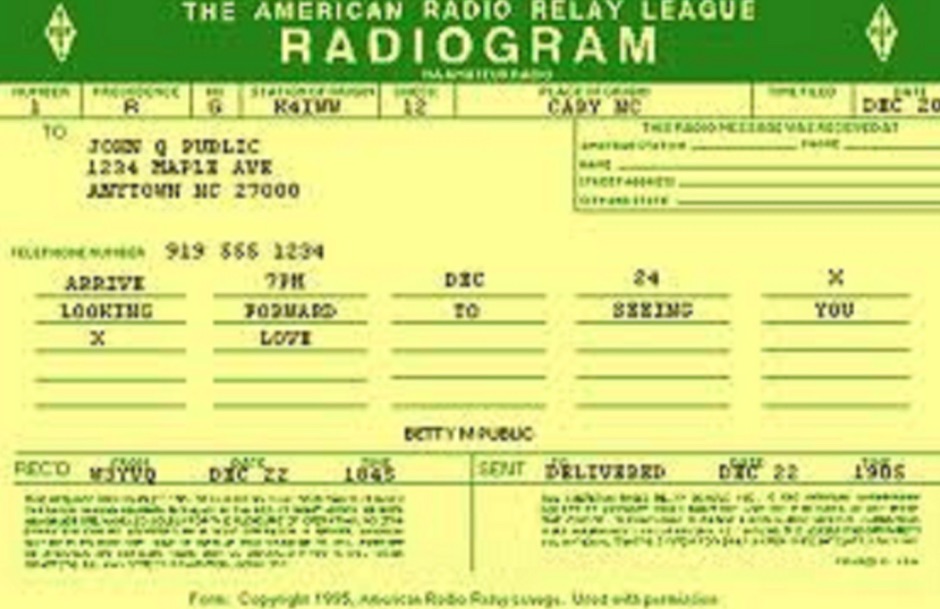 The ARRL Radiogram page at wikipedia includes, radiogram handling instructions
 -
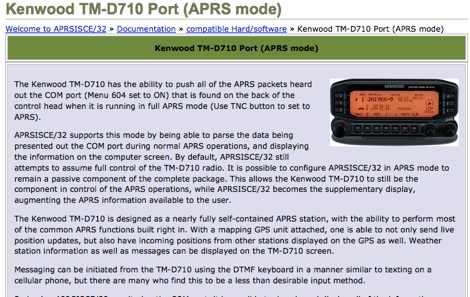 The Kenwood TM-D710 is designed as a nearly fully self-contained APRS station, with the ability to perform most of the common APRS functions built right in.
 -
 Long-delayed echoes are radio echoes which return to the sender several seconds after transmission.
 -
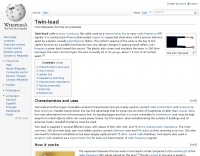 Definition and samples of Twin Lead Cables at wikipedia
 -
 The Pro 95 is a dual trunking handheld scanner designed by GRE and sold by Radio Shack
 -
 Wikipedia page about IRC International reply coupons
 -
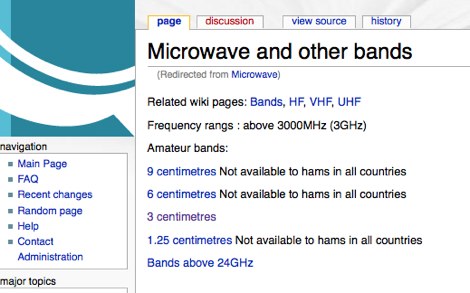 Microwave band plan - frequancy assigned to ham radio service
 -
-
 PDF file of the Uniden BC72XL Manual
 -
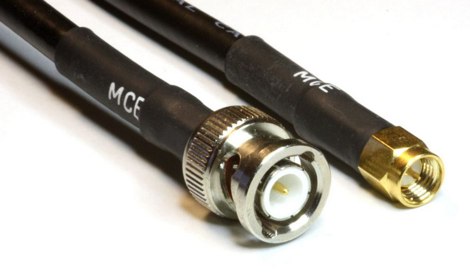 In this wikihow article you can learn how to assemble a RG-6 cable with a SMA connector or a RG-59 with a BNC Connector
 -
 The National Digital Link Cisar CisarNet Project
 -
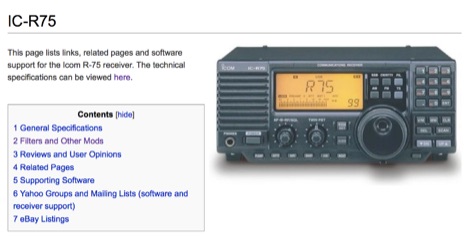 Resource page for the ICOM IC-R75 at RadioReference
 -
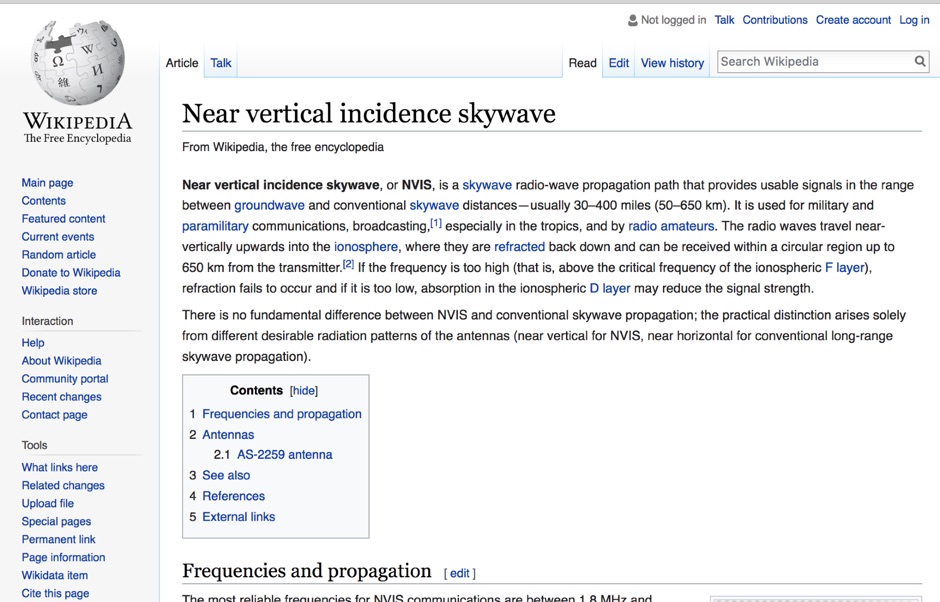 The wikipedia article about NVIS Near vertical incidence skywave with information about usable frequencies and some general information on main NVIS oeprations usages
 -
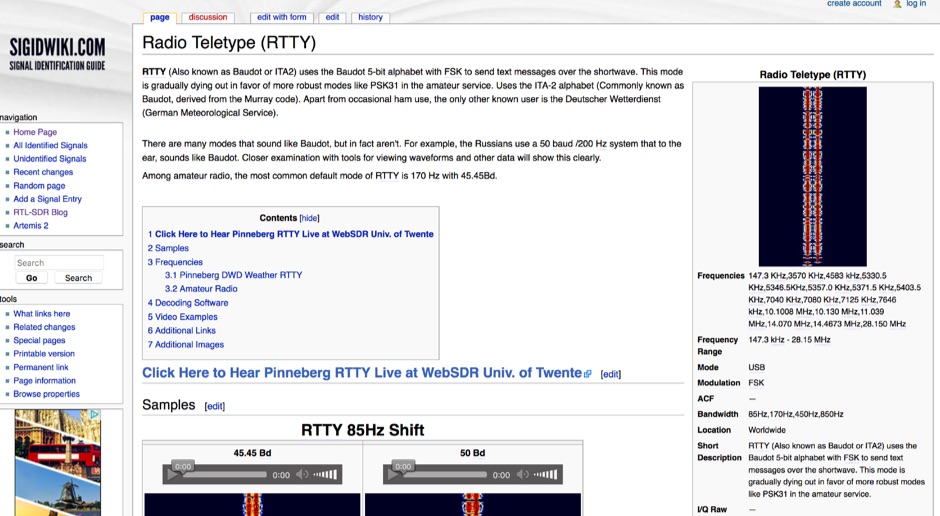 All about RTTY, including audio samples, rtty software, video exaples and rtty related links
 -
-
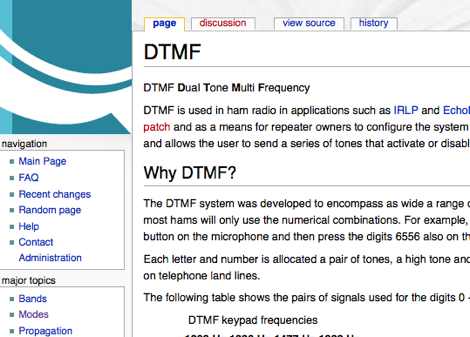 About usage of DTMF Dual Tone Multi Frequency in ham radio applications
 -
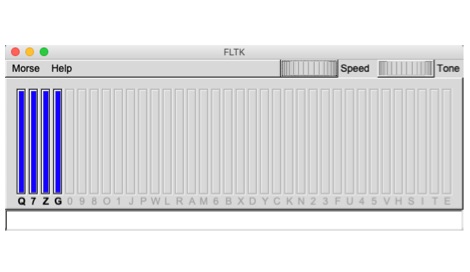 This free program teaches you to receive Morse code. It starts with a few letters and adds more when it sees that you are ready. Based on A Fully Automatic Morse Code Teaching Machine, it is a small application and it runs even on recent MacOSX versions.
 -
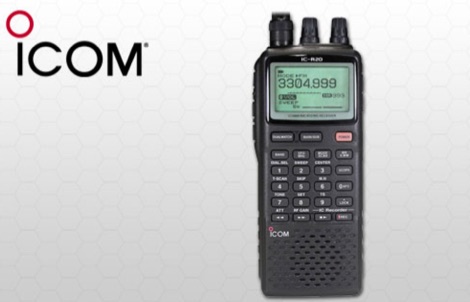 This quick-start guide is an attempt to provide some help when coming to terms with the R20 and the manual
 -

-
-
 RadioReference page on Radio Shack Pro-97
 -
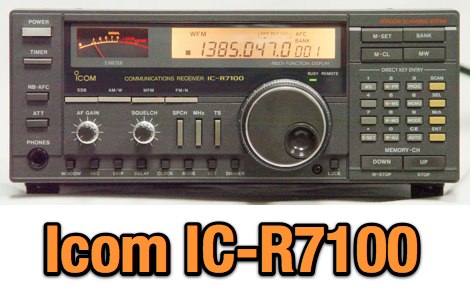 Notes on using a modified R7100 with discrimator tap
 -
 Single operator two radios (SO2R) operating practice at wikipedia
 -
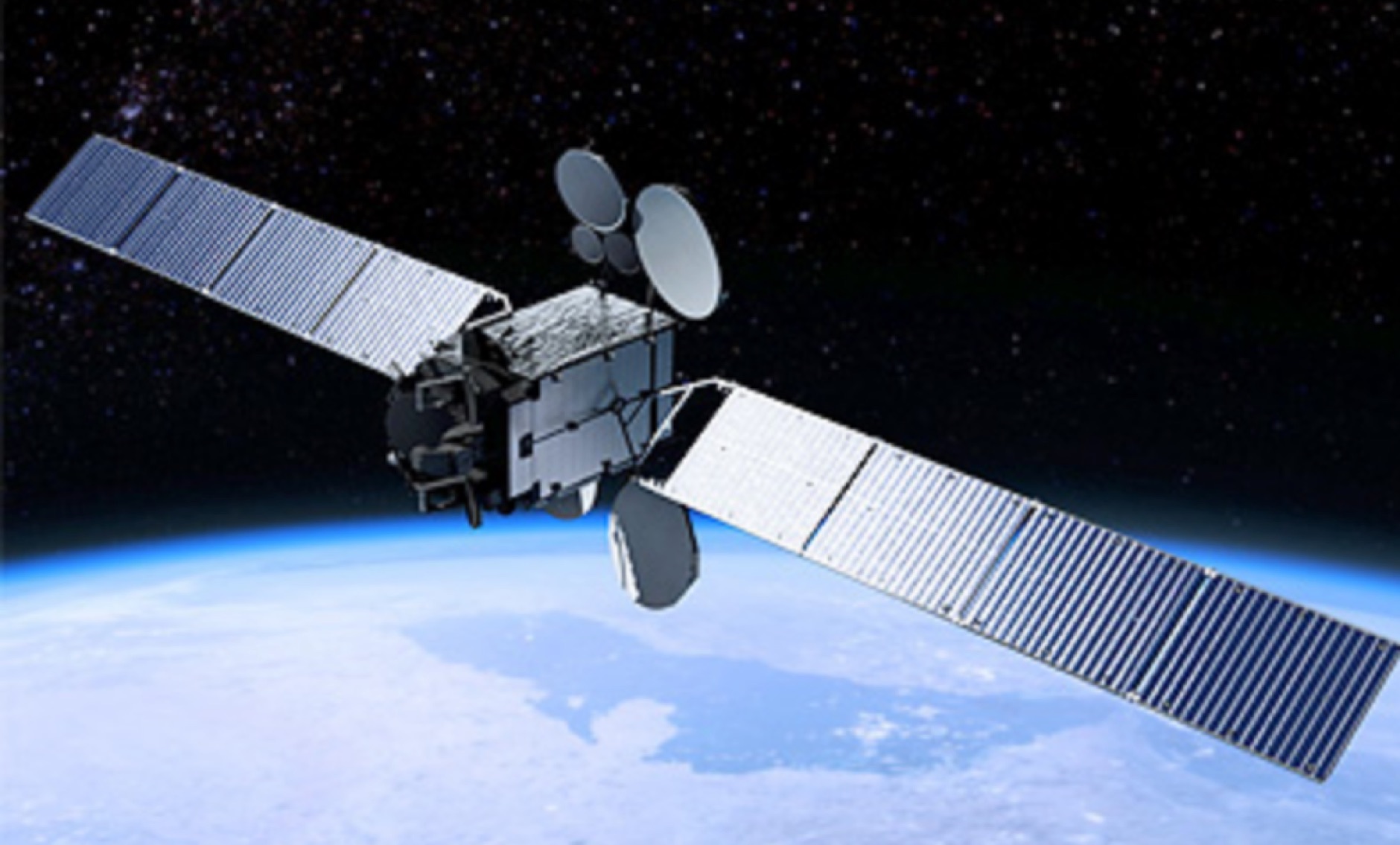 Getting started on receiving the QO-100 satellite using standard satellite LNBs and a 60cm dish
 -
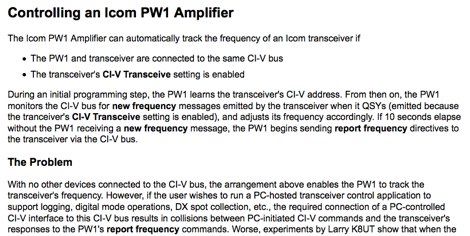 Configuring dxlab commander to properly control the Icom PW-1 power amplifier
 -
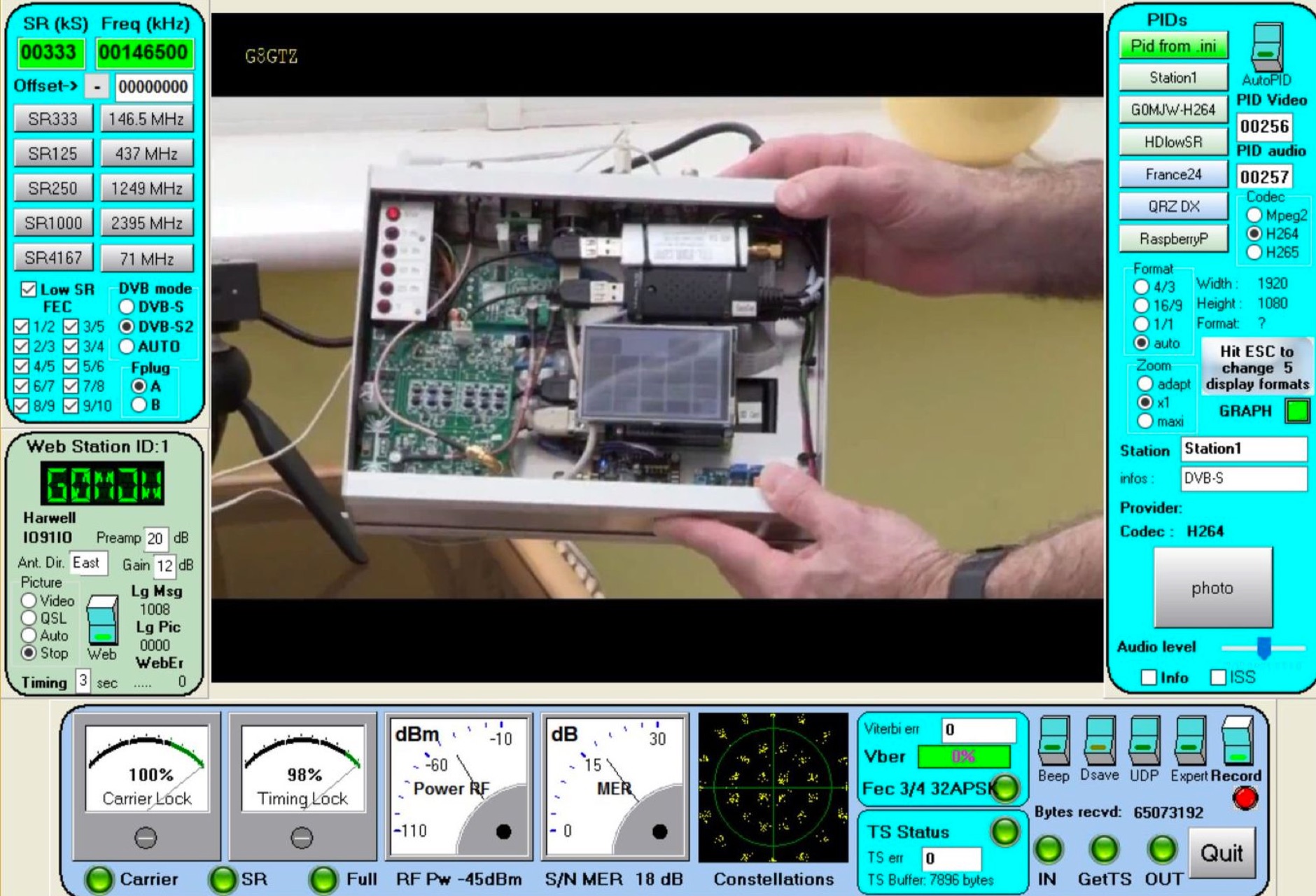 The MiniTioune receiver project, developed by Jean-Pierre F6DZP, consists of the home constructed MiniTiouner hardware which interfaces via a standard USB 2.0 port to a Windows PC running the MiniTioune software. It can be used to receive satellite broadcasts transmissions making it ideal for use on Q-oscar 100 Es hail-2 without any external frequency converters.
 -
 Spy Numbers Stations are shortwave radio stations that are speculated to have been broadcasting since World War I. The true origin and purpose of them are unknown. A popular theory is that these stations are intended for spies in the field using a One Time Pad. Another theory is that they are used in drug smuggling operations.
 -
 Learn morse code with this online version of the popular morse machine. This version is currently working on Chrome browser only. This program teaches you to receive Morse code. It starts with a few letters and adds more when it sees that you are ready.
 -
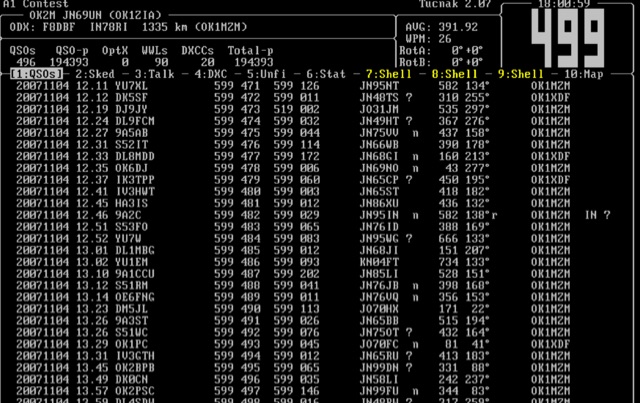 Tucnak is multiplatform VHF/HF contest logbook. It is executable on Linux and other unix-type systems. Since v3 also native under MS Windows, Android and Kindle
 -
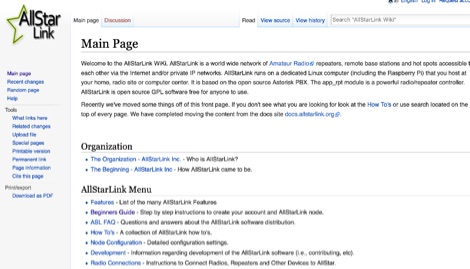 Guide to AllStarLink the world wide network of Amateur Radio repeaters, remote base stations and hot spots accessible to each other via the Internet and/or private IP networks.
 -
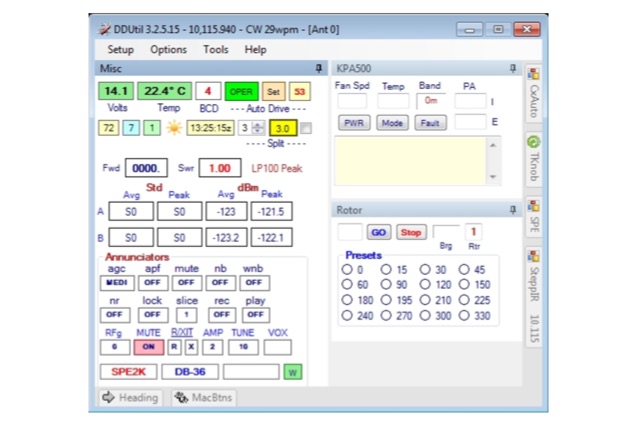 Data Decoder Utility is designed to enhance the operating experience for Flex Radio users by providing advanced connectivity to Peripheral equipment and radio control programs (RCPs) otherwise not available.
 -
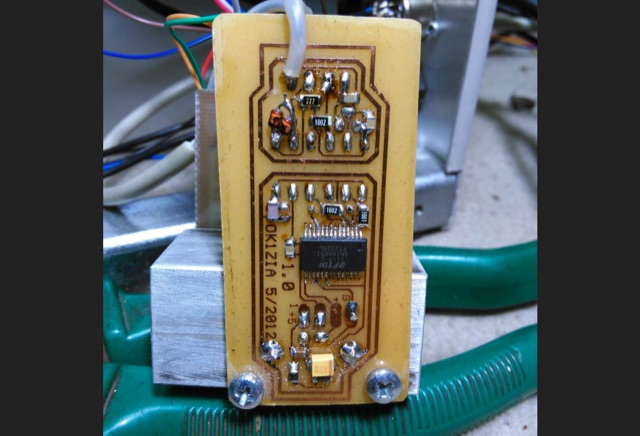 This page contains draft of USB CAT interface for Yaesu 8x7 (817, 847, 897). Tested with FT857 by OK1USW.
 -
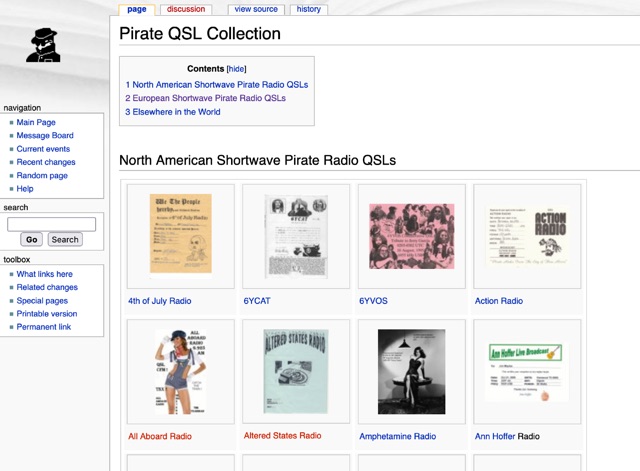 A QSL Cards collection divided into North American Shortwave Pirate Radio QSLs abd European Shortwave Pirate Radio QSLs
 -
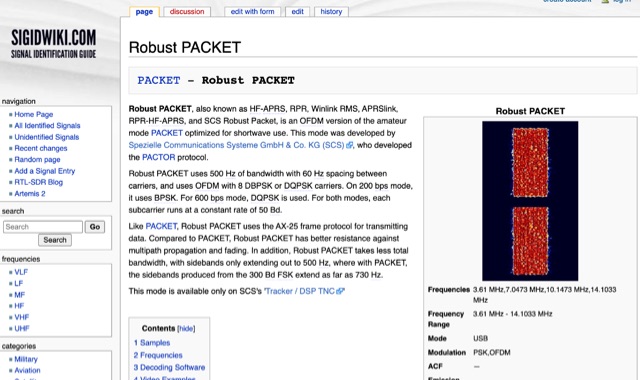 Robust PACKET, developed by Spezielle Communications Systeme GmbH & Co. KG (SCS), is an OFDM variant of the amateur PACKET mode specifically engineered for HF operation. This mode utilizes a 500 Hz bandwidth with 60 Hz carrier spacing, employing OFDM with 8 DBPSK or DQPSK carriers. It supports 200 bps using BPSK and 600 bps with DQPSK, with each subcarrier operating at a constant rate of 50 Bd. Robust PACKET leverages the AX-25 frame protocol for data transmission, similar to standard PACKET. Compared to traditional PACKET, Robust PACKET demonstrates enhanced resilience against multipath propagation and fading effects, critical for reliable HF communications. It also exhibits a more efficient spectral footprint, with sidebands extending only to 500 Hz, whereas 300 Bd FSK PACKET can produce sidebands up to 730 Hz. Operational frequencies for Robust PACKET include 3.61 MHz, 7.0473 MHz, 10.1473 MHz, and 14.1033 MHz, with specific regional frequencies also documented. Decoding software options for Robust PACKET include Wavecom W-Code and Wavecom W-Spectra. The mode is primarily supported by SCS's 'Tracker / DSP TNC' hardware.
 -
 The new beginner tutorials for GNU Radio guide users through essential concepts, from installation to creating custom blocks. Topics include flowgraph fundamentals, DSP blocks, and SDR hardware integration. Intermediate and advanced sections cover core mechanics, modulation techniques, and developing out-of-tree modules, fostering a comprehensive understanding of signal processing.
 -
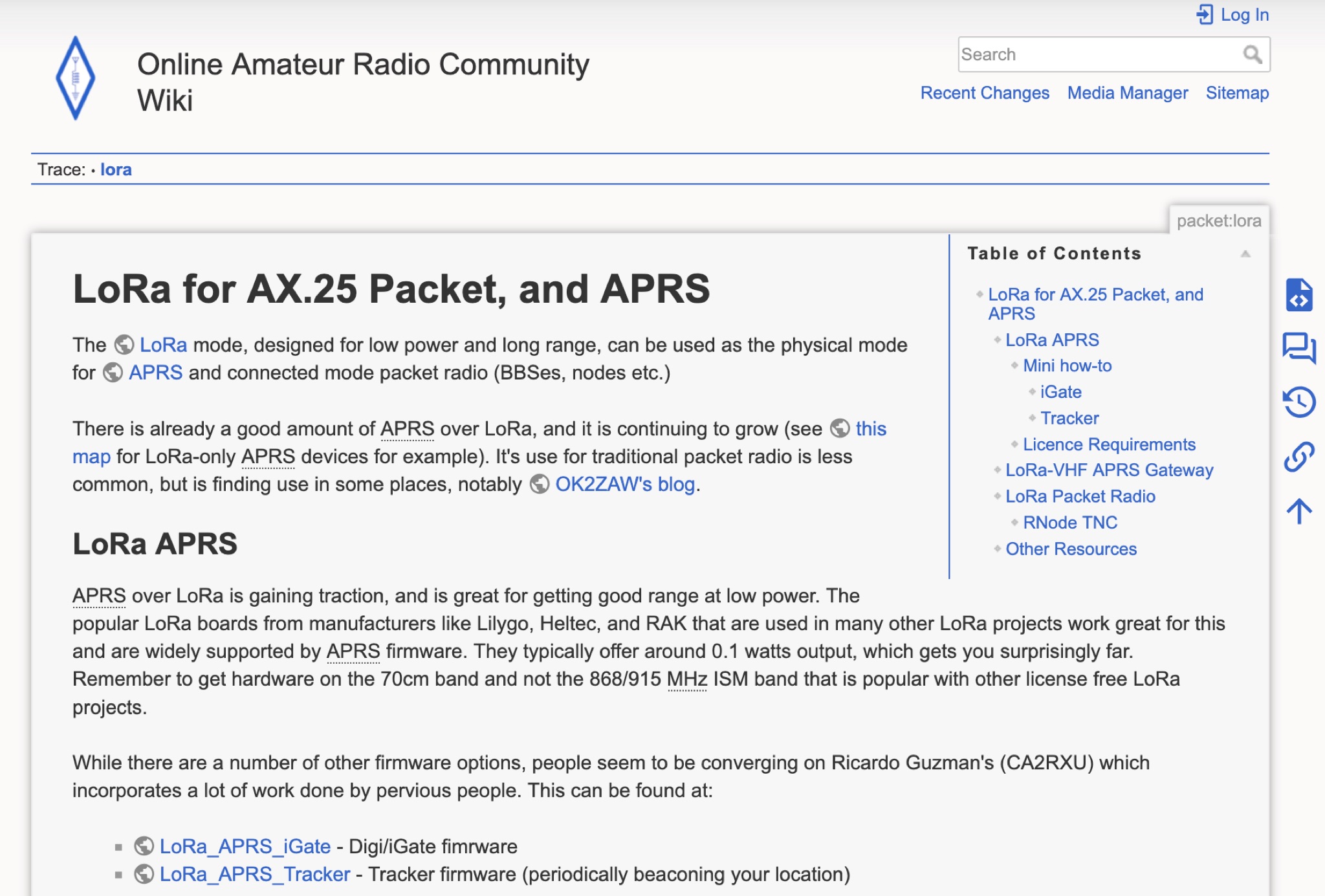 Learn how LoRa mode can be used for APRS and connected mode packet radio, offering low power and long-range communication. Discover the growing popularity of LoRa-only APRS devices and the use of LoRa boards from manufacturers like Lilygo, Heltec, and RAK. Find out about firmware options like Ricardo Guzman's CA2RXU firmware, which incorporates previous work and offers KISS for external APRS clients. Explore LoRa APRS frequency and modulation settings in the UK, and consider adding CA2RXU firmware to lora-aprs.live for more radio-specific information. Dive into the world of LoRa technology for ham radio operators and experiment with different firmware options.
 -
 Hams over IP (HOIP) is a VoIP comunication service provided by amateur radio community that offer Bridges and HoIP Extensions to ham radio opetors allowing phone communication over the internet.
 -
 The FARPN Federated Amateur Radio Packet Network Wiki is a valuable resource for hams looking to learn more about packet radio networks. The wiki provides documentation, user tools, and site tools to help users navigate and utilize the network effectively. Whether you are a seasoned ham radio operator or just starting out, the FARPN Wiki offers a wealth of resources to enhance your experience with packet radio. Explore the wiki to discover more about FARPN and how you can make the most of this network for your amateur radio communication needs.
 -
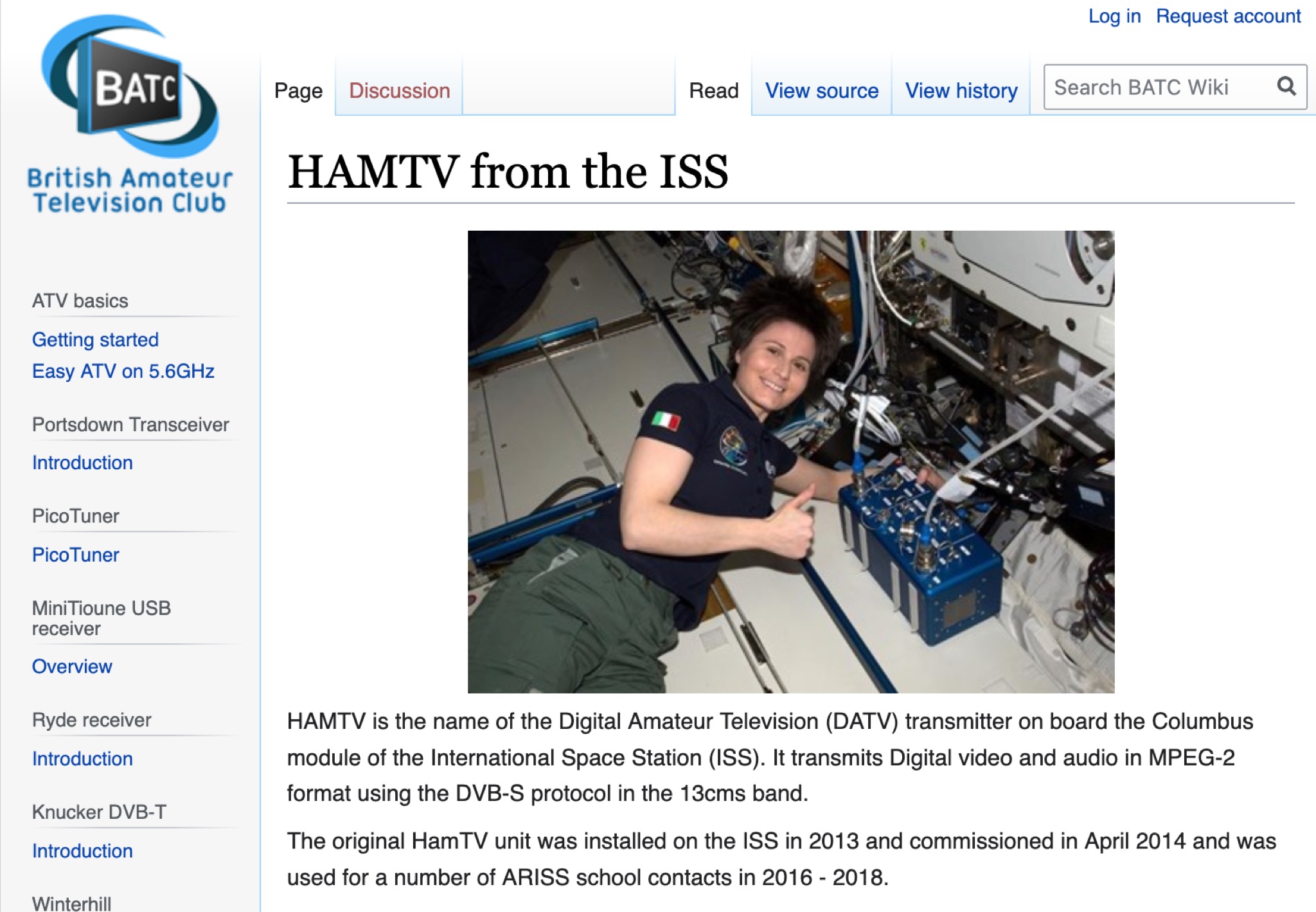 Learn about the HAMTV Digital Amateur Television (DATV) transmitter on the International Space Station (ISS), transmitting video and audio in MPEG-2 format using the DVB-S protocol. Discover its history, installations, failures, and repairs, as well as the current status and live video feed. Explore the technical details and challenges of the HAMTV transmitter, including power output, polarization, and antenna location. Find recordings of previous transmissions and understand the potential signal reflections caused by various ISS components. Stay updated on the latest developments and activities related to HAMTV from the ISS.
 -
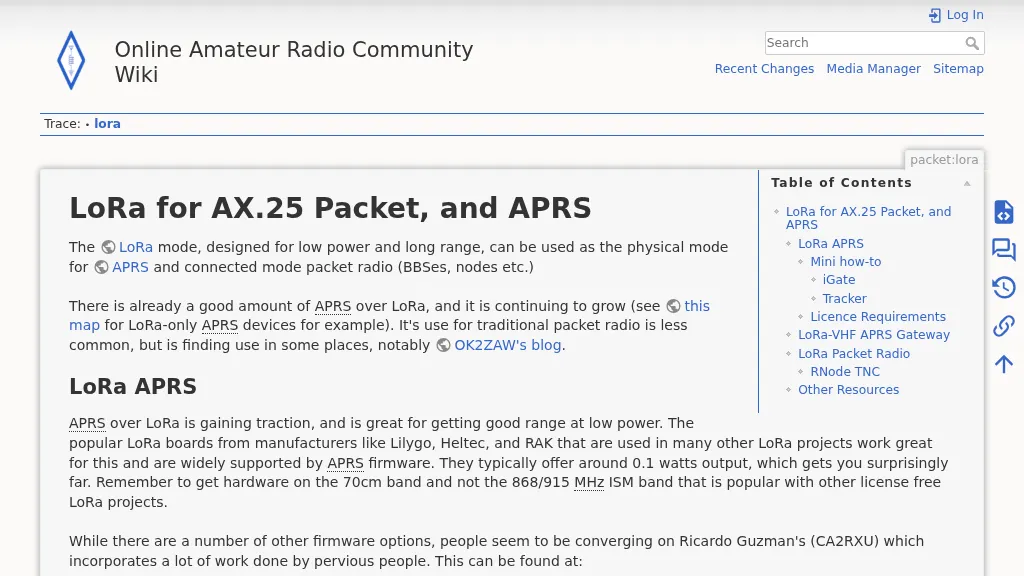 The resource details the use of LoRa for AX.25 packet radio and APRS, focusing on practical implementation. It specifies UK LoRa APRS frequency and modulation settings: **439.9125 MHz**, 125kHz bandwidth, SF12, and CR 4/5. The content provides a mini how-to for setting up an iGate using VS Code and _Platformio IDE_, with specific instructions for a Lilygo LoRa32 V2.1_1.6 board, including configuration for Wi-Fi, beaconing, and APRS-IS passcode. It also covers tracker setup using a Lilygo T-Beam Supreme, detailing firmware flashing and configuration for mobile operation. The guide differentiates LoRa APRS from traditional connected-mode packet radio, explaining why common LoRa APRS firmware is unsuitable for full AX.25 packet due to its TNC2-style payload structure. It explores alternative solutions for true LoRa packet radio, such as using an _RNode_ TNC or Raspberry Pi LoRa TNCs, and provides commands for RNode firmware installation and configuration for serial KISS operation. The resource also touches upon licensing requirements for unattended Digipeaters in the UK, noting the need for ETCC coordination and MB7Uxx callsigns.
 -
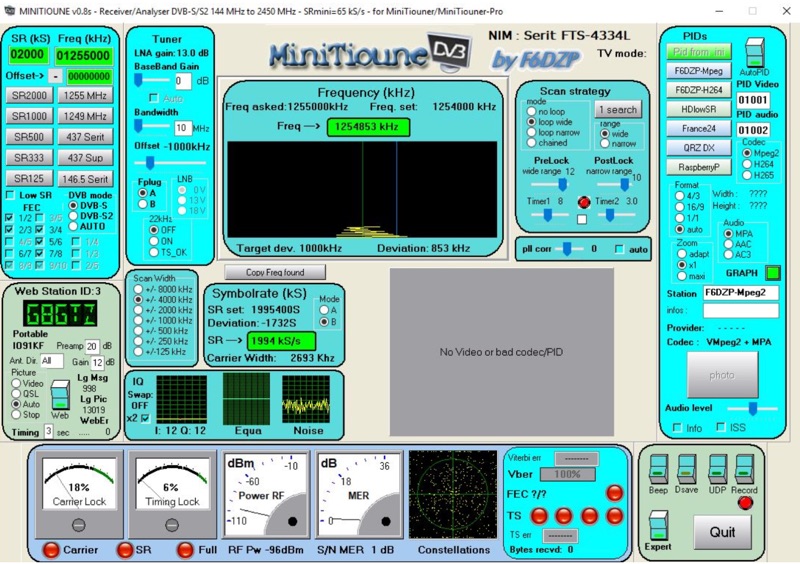 Receiving Digital Amateur Television (DATV) signals requires specialized software to interface with hardware tuners and decode the video stream. The _MiniTioune_ software, developed by F6DZP, serves this purpose, providing a Windows-based application for DVB-S and DVB-S2 reception and analysis. It is designed to work in conjunction with _MiniTiouner_ hardware, enabling hams to monitor DATV transmissions, including those from the QO-100 geostationary satellite. The resource outlines the initial setup process, including connecting the MiniTiouner hardware via a high-quality USB2 mini cable and running diagnostic test software. It details how to configure essential parameters such as symbol rate (SR), FEC rate, and DVB mode for various signal sources, from domestic satellite dishes to local DATV transmitters. Troubleshooting steps for common issues like "no video displayed" are also provided, often pointing to corrupted software filters or incorrect _Auto PID_ settings. Advanced features like the Web monitor for remote signal reporting and integration with _VLC_ media player for more tolerant decoding of non-DVB compliant signals are covered. The document also references a comprehensive user guide by W6HHC for the _MiniTiouner-Express_ system, which utilizes the same software, offering further in-depth assistance for operators.