Search results
Query: cord
Links: 225 | Categories: 5
-
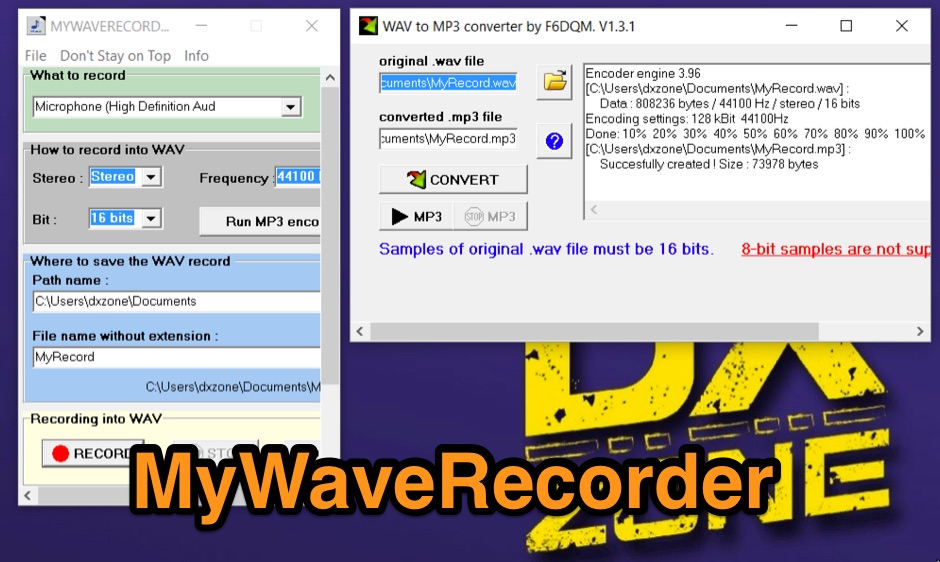 Windows free sound recorder. What you save is what you hear ! Small utility program to capture and save any sound played by your computer. Audio recorded can be converted in MP3 format.
 -
 Russian dx Contest page, records, software, results from russian contest refenece site
 -
 Offers cable protectors, cord covers, cable guards, management products, solutions and supplies. Protect your cable, wires, and hoses from foot, small carts, and vehicular traffic with the trusted Linebacker Series of Cord Covers.
 -
 Presents a personal blog, "QSL, maraca!", maintained by Luiz Belem, PY1UR, detailing his amateur radio endeavors. The content includes posts on station setup, operating experiences, and general ham radio topics, reflecting the perspective of an active DXer and contester. The blog serves as a digital logbook and platform for sharing insights with the amateur radio community. Documents PY1UR's participation in various on-air activities, showcasing his QSL card collection and providing narratives behind specific contacts. It offers practical insights into antenna configurations and radio equipment used, demonstrating effective strategies for achieving **DX contacts** and improving station performance. The blog's entries provide a historical record of PY1UR's _amateur radio journey_.
 -
 Maintaining vintage Eddystone receivers often presents unique challenges, as detailed by Victor Jenkins in his refurbishment of an EA12, where his deep understanding of RF circuits ensures optimal performance for daily shortwave listening. Similarly, Gerry O’Hara VE7GUH, a prolific contributor to the EUG website and a trustee, meticulously documented his restoration of an Eddystone S830/2, even addressing an unusual instability issue with a follow-up postscript article and YouTube videos demonstrating the fix. His work, along with numerous other articles on the "Restorations" page, showcases a master's approach to bringing vintage sets back to factory specifications or better. Beyond technical restorations, the EUG also shares compelling historical narratives. One such story recounts the discovery of a long-lost 78rpm recording featuring Eddystone Radio Ltd.'s founder, George Stratton Laughton, and other key figures discussing the company's wartime and post-war contributions to shortwave communications. This six-minute BBC production, transcribed into an MP3 file by Peter Carney, offers a rare auditory glimpse into the company's legacy, highlighting its role in supplying equipment to police, ministries, and expatriate British workers. The community aspect thrives through shared experiences, like Roger Trickett's anecdote about his Eddystone EC10, which has been continuously powered for 50 of its 54 years, traveling across continents and enduring various modifications. Another intriguing account from Roy GM4VKI details the "S640 Identity Crisis," where a seemingly standard S640 receiver turned out to be a masterfully engineered 80/20-meter SSB transceiver built into the original chassis by GI3ZX, showcasing incredible ingenuity from a bygone era of amateur radio.
 -
 This is a discussion group for developers involved with the import or export of data formatted according to the ADIF standard for Amateur Radio Software.
 -
 Relays, controllers, power meters, fault recorders, power sensing products
 -
 The I2YSB DXpedition Team presents a collection of videos documenting their past DXpedition activities. These visual records offer insights into the operational aspects, equipment deployed, and environmental conditions encountered during various DXpedition events. The resource also contains a specific announcement regarding the cancellation of the planned Ghana AF-084 DXpedition, originally scheduled for April. It further details the refund process for sponsors who had contributed donations for the cancelled operation. The content serves as an archive of DXpedition experiences, showcasing the efforts involved in activating rare or challenging entities. It provides a historical perspective on the team's operations and logistical considerations. The site also functions as a communication channel for important updates concerning future or cancelled DXpedition plans, directly addressing the amateur radio community interested in their activities.
 -
 Amateur Television (ATV) operations involve transmitting and receiving live or recorded video and audio signals over amateur radio frequencies. Unlike narrow-band modes, ATV utilizes a wider bandwidth to convey video information, often requiring specialized transceivers, antennas, and signal processing equipment. This mode allows hams to share visual content, demonstrate projects, or conduct video conferences, typically on VHF, UHF, and microwave bands due to the bandwidth requirements. The SwissATV resource focuses on the technical aspects and community engagement surrounding ATV within Switzerland. It covers topics relevant to setting up ATV stations, understanding signal propagation at higher frequencies, and participating in local ATV activities. The site serves as a central point for Swiss ATV operators to exchange knowledge and coordinate transmissions, fostering the growth of this specialized amateur radio mode.
 -
 Sixty-meter repeaters typically use a 1 MHz frequency separation between input and output, while 2-meter repeaters commonly employ a **600 kHz** split and 70-centimeter repeaters use a **5 MHz** offset. This article details the fundamental technical principles of amateur voice repeaters, explaining how they extend VHF/UHF communication range by receiving on one frequency and simultaneously retransmitting on another. It covers essential components such as receivers, transmitters, filters, and antennas, often situated on elevated locations for optimal coverage. The resource delves into the critical challenge of _desensing_—where the repeater's strong transmit signal overpowers its own receiver—and the engineering solutions employed, including antenna separation and the use of high-Q cavity filters. It also explores various control and timing systems, from basic squelch activation to more sophisticated microcontroller-based boards that manage functions like voice identification, time-out timers, and fault protection. Different access methods are discussed, including open access, toneburst, CTCSS subtone, and DTMF, each offering distinct advantages for managing repeater usage and mitigating interference. Furthermore, the article examines repeater linking, both conventional RF methods and modern internet-based solutions, highlighting how linking expands coverage and promotes activity across multiple repeaters or bands. It introduces less common repeater types such as 'parrot' repeaters, which use a single frequency and digital voice recording, and linear translators, capable of relaying multiple signals and modes simultaneously across different bands, often found in amateur satellites.
 -
 While the Sunraysia Radio Group website is no longer actively maintained, it provides a glimpse into the amateur radio community in the Sunraysia, Mallee, and Tri-State areas of Australia. The site acknowledges that its content may be outdated, directing visitors to external links for current information. This resource acts primarily as a historical record, reflecting past activities and affiliations rather than a live, dynamic hub. It references various resources previously available to local hams, including web and social media pages, though these external links would need independent verification for current status. The site's primary value now lies in documenting the existence and focus of a regional amateur radio organization. Operators interested in the history of Australian amateur radio clubs or regional group structures might find the site's archived nature informative, despite the lack of contemporary updates.
 -
 Over 100 currently valid callsigns for the Bailiwick of Guernsey are listed, encompassing full, intermediate, and foundation licenses, alongside special event and club station calls. The resource clarifies various callsign types, such as 2U0*** for intermediate licensees with a 50-watt limit and GU0*** for full licensees operating up to **400 watts**. This detailed compilation also includes specific QSL routing instructions for visiting operators and past residents, often referencing their home callsigns like _G4DIY_ or _DJ8NK_. The callbook further acknowledges "silent keys," providing a respectful record of former Guernsey amateurs, complete with their callsigns and dates of passing where available. It also lists local repeaters and provides important QSL bureau information, noting that only US dollar bills are accepted for direct QSLs, not English stamps or Euros. For full addresses, the resource directs users to _QRZ.com_, emphasizing that the provided information is offered in good faith.
 -
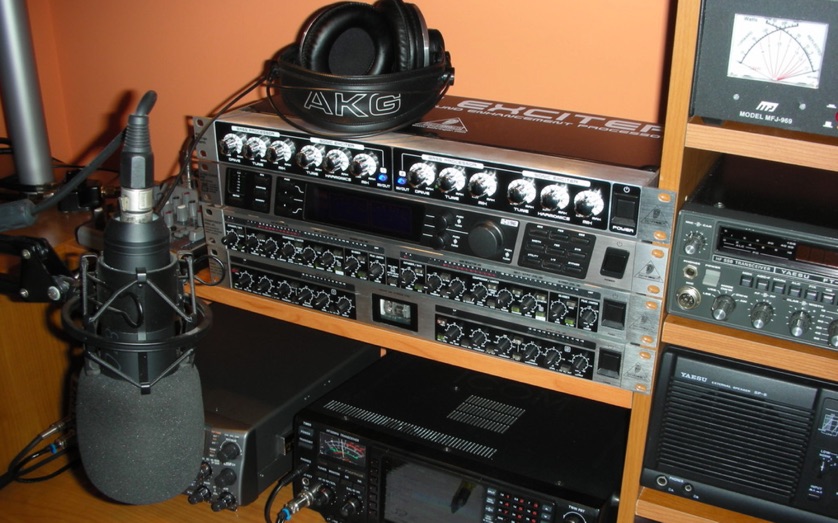 Sending the Audio from the Receiver to the Recorder, from the Recorder to the EQ, and sending the Audio from the EQ or Recorder to the Transmitter
 -
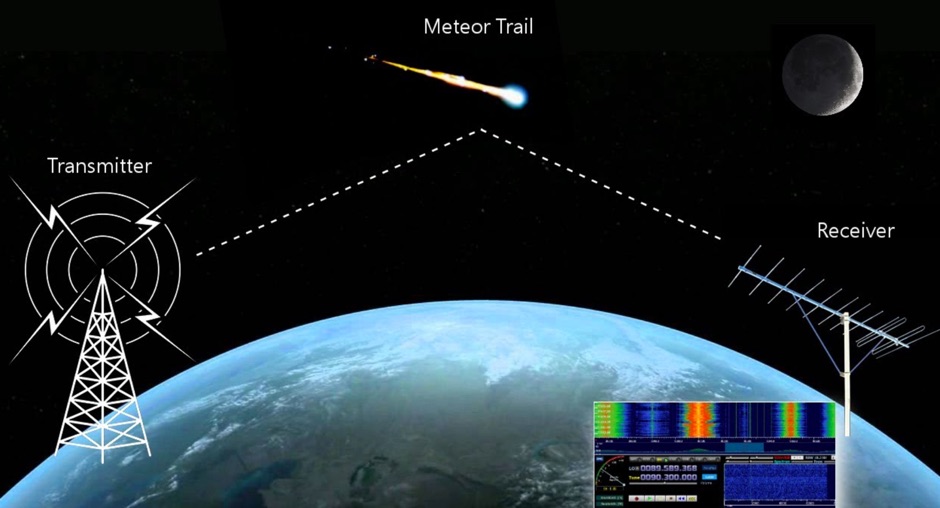 Sound recordings of meteors and things reflecting TV station video carriers , frequencies used are analog TV video carrier frequencies offset by 1 kHz SSB
 -
 Middle Georgia USA contesting station. Consistent record holder in 160 meter and 40 meter contests.
 -
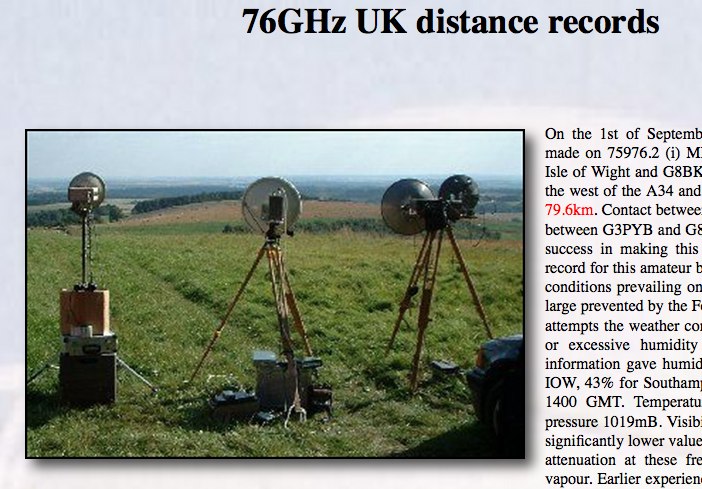 Successful two way contacts were made on 75976.2 MHz covering a distance of 79.6km and in years later 129 Km
 -
 Presented is a historical collection of short-wave listening (SWL) QSL cards, primarily from the late 1930s and early 1940s, offering a glimpse into early international broadcasting and the technical pursuits of SWL operators like Les Miles during that era. The resource showcases specific QSLs from stations such as _Broadcasting Corporation of Japan_, _XGOY - The Central Broadcasting Administration_ in Chungking, China, and _Australian broadcasting ship, Kanimbla VK9MI_, each with reception dates and frequencies like 11.90MHz or 9.525MHz. It highlights the self-sufficiency of SWL enthusiasts who constructed and maintained their own radio and test equipment, evoking the sensory experience of vintage valve receivers. The collection provides concrete examples of international broadcast stations active before and during World War II, including _2RO3 - Rome_ and _WRUL - World Wide Broadcasting Foundation_ from Boston. Each QSL entry details the station, location, reception date, and often the frequency, such as 9.63MHz or 11.26MHz, allowing for historical verification of broadcast schedules. The resource also briefly mentions the operational details of the _VK9MI_ offshore radio station, directing readers to further information on its history. This compilation serves as a tangible record of global radio communication during a pivotal historical period.
 -
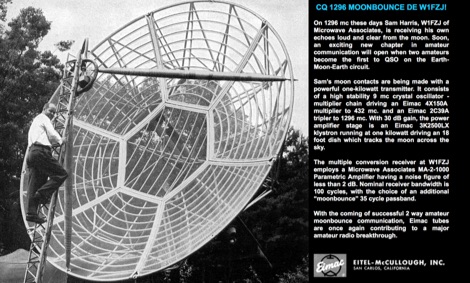 The first EME history was written in 1944 when first EME echoes were received on 564 MHz by German Wurzmann radar according to the article by Dr. Ing. W. Stepp.
 -
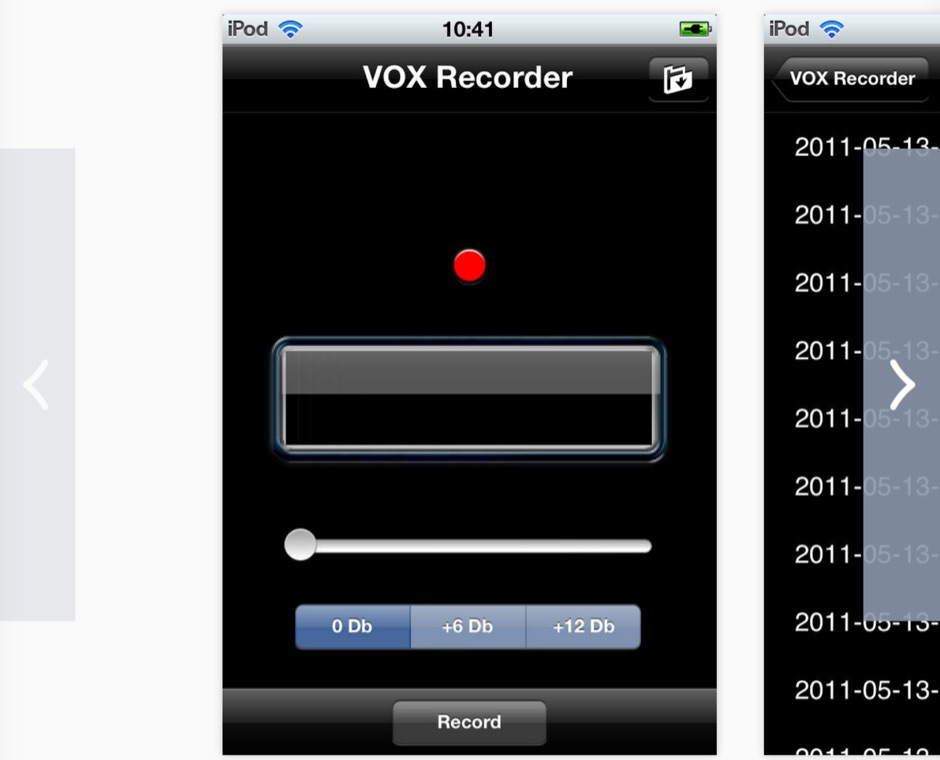 Vox recorder is activated by voice and sounds exceeding a threshold. It saves for every record a .caf file that you can play, delete or send by email. Useful for surveillance records, hamradio scanners, and many many other applications. You'll be surprised to hear what happens in an all night using Vox recorder.
 -
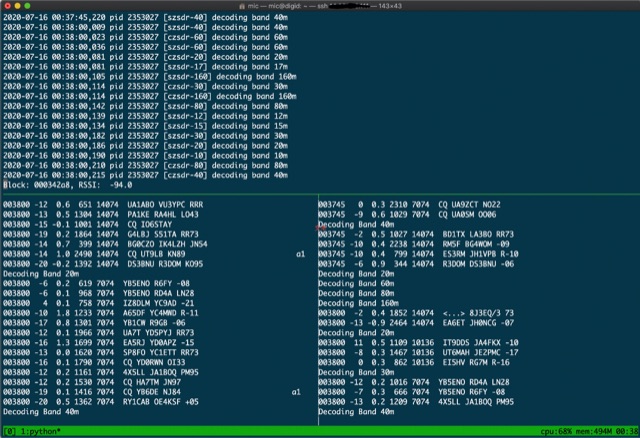 DigiSkimmer is a GIT project that permits FT8/FT4/WSPR skimmer base on kiwirecorder/KiwiSDR.
 -
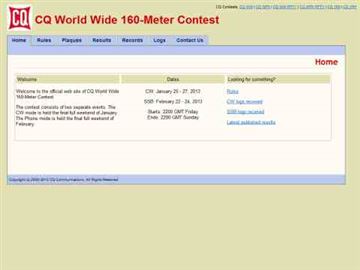 Presents the official results for the _CQ World Wide 160-Meter Contest_, a premier event for Top Band enthusiasts. The resource details final scores for both CW and SSB segments, offering links to comprehensive articles, plaque winner lists, and club score breakdowns. It also includes access to score databases for individual modes and years, along with "Soapbox/QRM Comments" from participants, providing insights into operating conditions and experiences. This archive spans results from 2010 through 2025, with a forward-looking note regarding the 2026 SSB contest date adjustment due to a conflict with the _ARRL DX CW Contest_. The site provides specific links for each year, allowing operators to review detailed outcomes, including top scores, errata, and all-time records, such as the _SX5R_ 2017 SSB performance. The structured presentation facilitates easy navigation through historical contest data.
 -
 Internal Bluetooth interface for miniVNA, Bluetooth connection to the PC allow Full cordless operation with ao external components
 -
-
 The resource, formerly JH6QIL's blog, now displays a service termination notice from teacup. byGMO, the hosting provider. It explicitly states that the teacup. byGMO service ceased operations on August 1, 2022. The page conveys a message of gratitude to users for their past patronage of the platform. This content serves as an archival record of the service's discontinuation rather than an active amateur radio blog. The original blog content from **JH6QIL** is no longer accessible through this URL, indicating a complete cessation of the hosted service.
 -
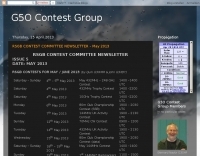 The G5O Contest Group blog documents contest operations and related activities of the Stockport Radio Society. It covers various **HF** and **VHF** contests, providing insights into station setup, antenna configurations, and operational strategies employed during events. The content frequently includes post-contest analyses, discussing scores, propagation conditions, and technical challenges encountered. The blog entries detail specific contest participations, often featuring photographs of the operating environment and equipment used. It serves as a chronicle of the group's contesting history, offering practical examples of multi-operator station management and logistical planning for competitive amateur radio events. The group's focus on both local and international contests is evident through the range of events covered. Regular updates provide a continuous record of the group's engagement in the amateur radio contesting community.
 -
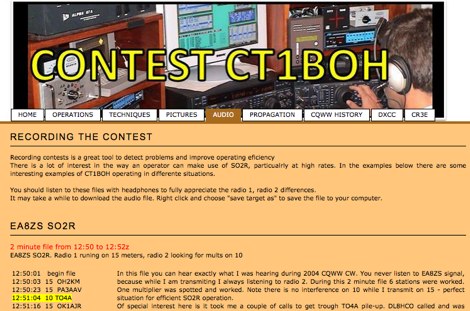 An article by CT1BOH about recording amateur radio contests. Recording contests is a great tool to detect problems and improve operating efficiency
 -
 This page contains links to a variety of data signals that have been specially recorded. Each file contains a standard test message (the quick brown fox jumped over the lazy dog) repeated twice. The files can help you learn the characteristic sound of various data modes but they can also be used to make sure your decoder is working.
 -
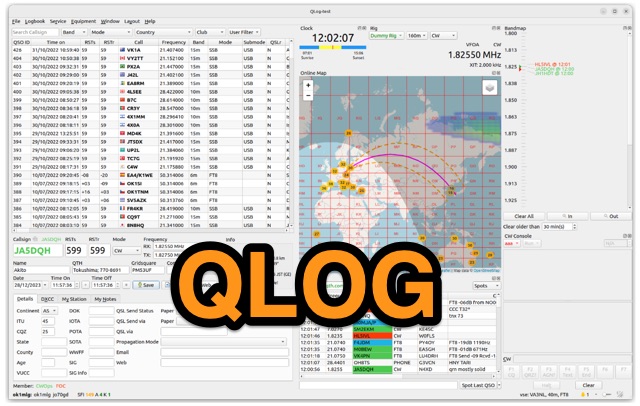 Provides a robust logging solution for amateur radio operators across multiple operating systems, QLog simplifies the process of recording contacts and managing station data. It leverages the _Qt framework_ for its graphical user interface and stores all QSO information efficiently in a local SQLite database, ensuring data integrity and accessibility. This design choice supports a streamlined user experience for daily logging activities. QLog supports essential logbook functionalities, enabling hams to accurately document their two-way radio contacts. While not specifically designed for high-speed contest operation, it serves as a reliable tool for general amateur radio logging, allowing operators to maintain detailed records of their on-air achievements and station activities. Its cross-platform compatibility, including Linux, Windows, and macOS, makes it a versatile option for a wide range of amateur radio enthusiasts seeking a free and functional logging application. The project is a fork from _7h0ma5/QLog_, indicating a continued development path.
 -
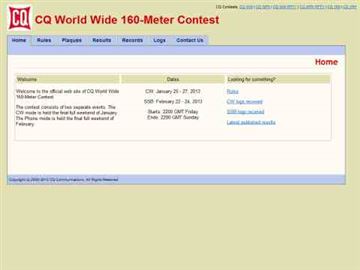 CQ World Wide 160-Meter Contest rules, results records and log official web site.
 -
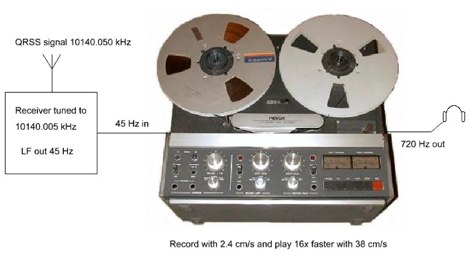 An unique method to listen to QRSS signals is... using an old tape recorder with variable speed
 -
 Documents the _5W0M_ DXpedition to Samoa (IOTA OC-097) conducted by a German team from April 4th to 18th, 2013. The resource provides operational details and insights into activating this Pacific entity. It covers the planning, execution, and on-air activities of the multi-operator team, focusing on maximizing contacts across various HF bands. The expedition successfully logged over **30,000 QSOs**, providing DXCC credit for many operators worldwide. The site serves as a historical record, allowing hams to review the expedition's progress and understand the logistical challenges of operating from a remote island. It highlights the strategic band choices and operating techniques employed to achieve a high QSO rate and reach diverse geographical areas.
 -
 A news site focused on DXing and contesting, DXNews.com provides daily updates on upcoming **DXpeditions**, contest announcements, and general **amateur radio news**. The site features a continuously updated feed of articles detailing call signs, operating dates, IOTA references, and specific contest participation plans for various DX operations. Content includes detailed reports on planned activities from rare and semi-rare DX entities, often with information on operators, bands, modes, and QSL routes. It also covers major amateur radio contests, offering insights into rules, participating stations, and results. The archive depth extends back many years, providing a comprehensive historical record of DX activity. This resource is ideal for experienced DXers and contesters seeking timely information to plan their operating schedules, track rare DX entities, and stay informed about the global DX scene. It also serves general amateur radio operators interested in following significant events and operations within the DX community.
 -
 The Ontario QSO Party (OQP), an annual event, takes place on the third full weekend of April, specifically from 1800Z April 18 to 0300Z April 19, 2026, and 1200Z to 2000Z April 19, 2026. This **QSO party** encourages stations outside Ontario to contact as many Ontario amateur radio stations as possible, while Ontario stations work both in-province and worldwide. Key rule changes for 2026 include phone QSOs now counting equally with **CW** QSOs (2 points), the introduction of VE3RHQ as a bonus station, a 250m county line proximity definition, and a new Fixed County Line Category, alongside an adjustment of contest times. Established in 1998 by Bob Chandler VE3SRE, the OQP has been managed by Contest Club Ontario (CCO) since 2006. The event contributes to the State QSO Party Challenge, offering various award categories and maintaining records of past performance. Participants can submit activation plans, review Ontario multipliers, and access county maps. Final results and certificate winners are published, and a dedicated groups.io discussion group facilitates community interaction and support for logging software.
 -
 Documents the XR0ZR DXpedition to Juan Fernandez Island (SA-005) in November 2013, providing insights into activating a highly sought-after DXCC entity. The team's efforts focused on maximizing QSO opportunities across various bands and modes, a critical aspect for stations aiming to complete their DXCC or IOTA awards. Operating from a remote location like Juan Fernandez presents unique logistical and technical challenges, which the expedition successfully navigated to put this entity on the air for thousands of eager DXers worldwide. The resource outlines the operational period, the callsign XR0ZR, and the specific island group activated. Such DXpeditions are vital for the global amateur radio community, enabling hams in less accessible regions to achieve their award goals and fostering international communication. The detailed account serves as a historical record of a significant activation.
 -
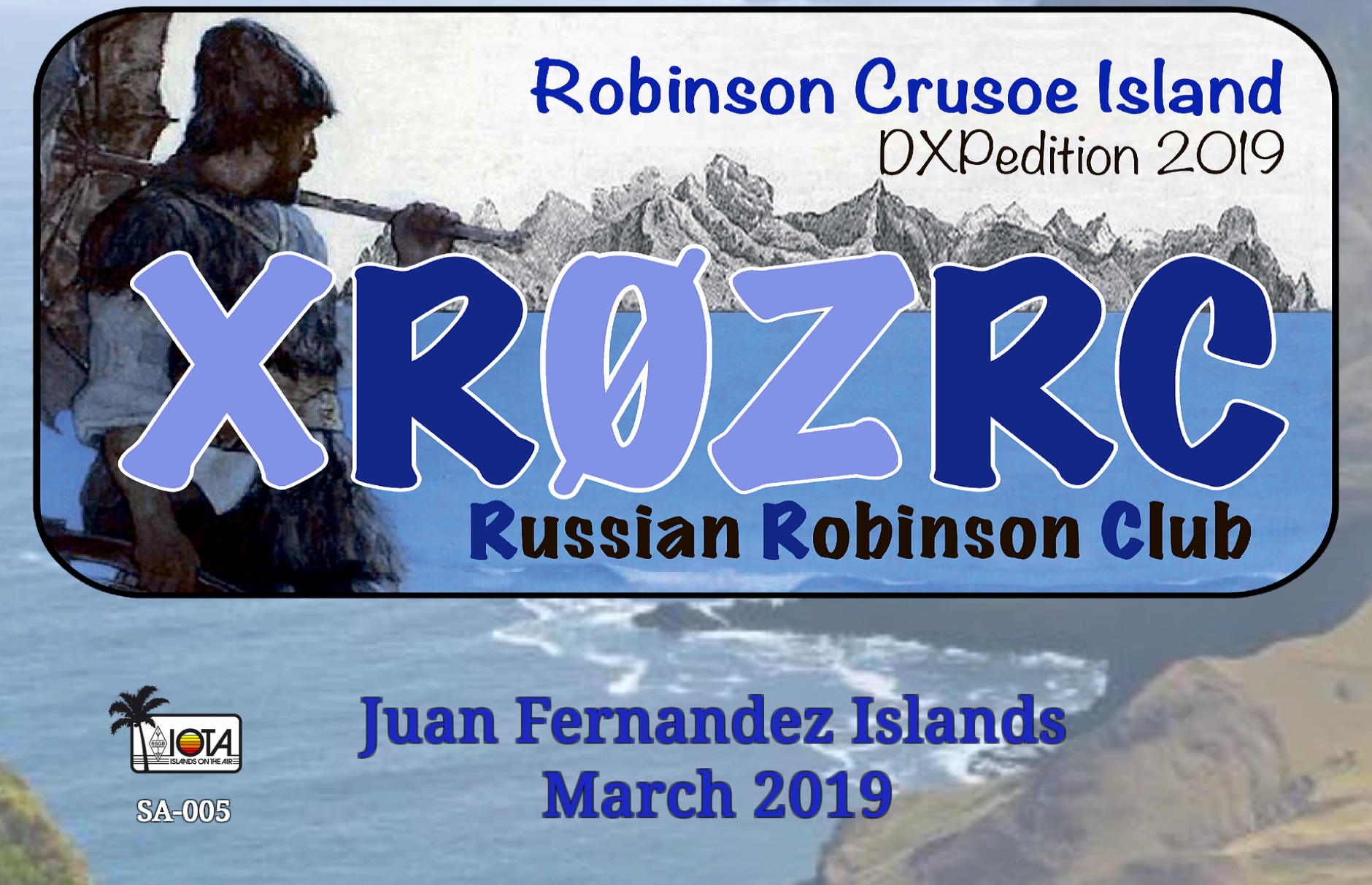 Enables operators to search the XR0ZRC DXpedition log online, a service facilitated by **Club Log**. This tool allows for rapid **QSO verification**, confirming contacts made with the XR0ZRC entity. Users can input their callsign and other contact details to ascertain if their signal report and time match the DXpedition's records, a critical step for award applications like DXCC. The platform offers a straightforward interface for checking log entries, which is particularly useful for those chasing new entities or band slots. It integrates seamlessly with the broader Club Log ecosystem, providing a reliable method for operators worldwide to confirm their DX contacts without requiring a login, reflecting the utility of real-time log updates in the amateur radio community.
 -
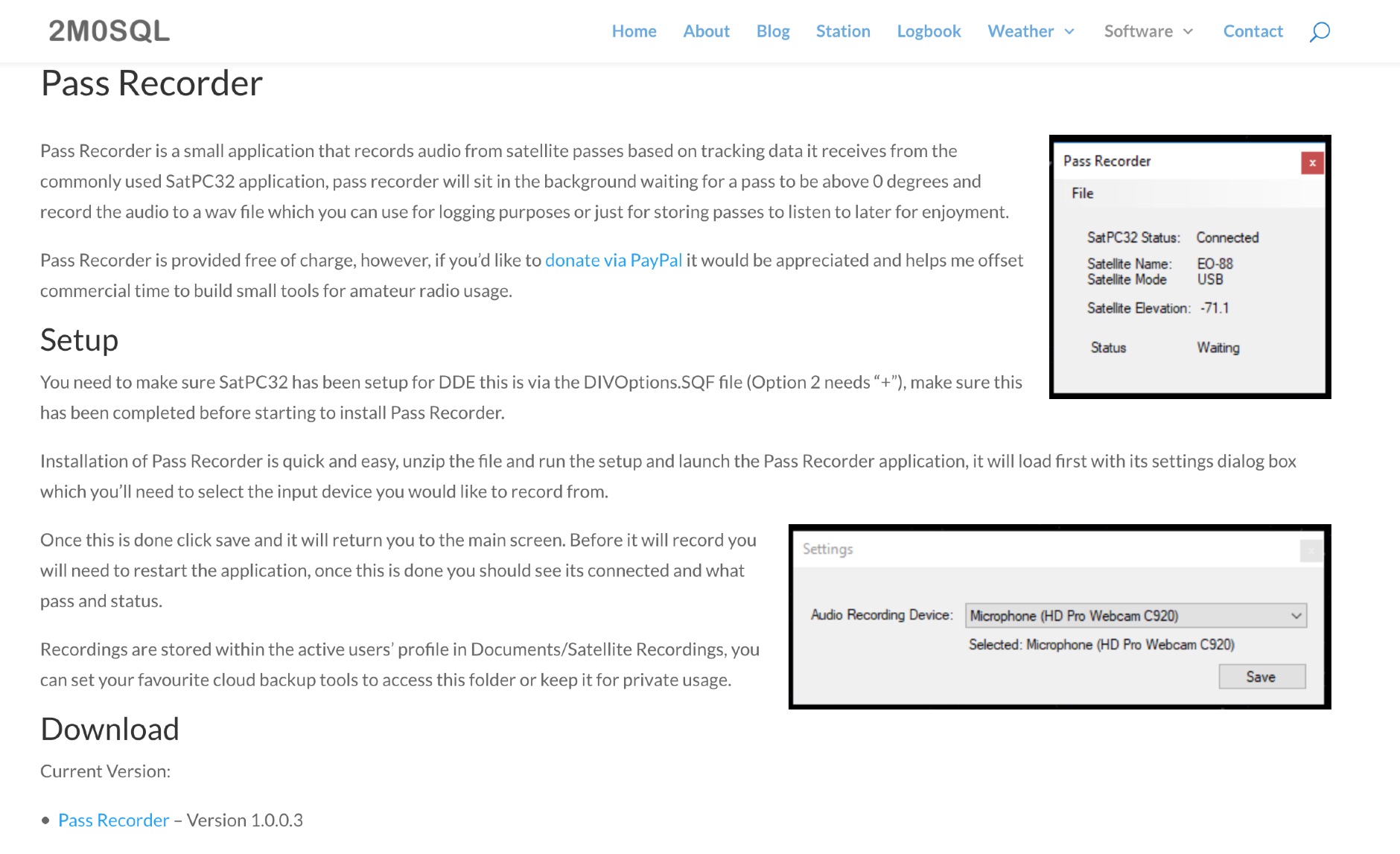 Pass Recorder is a small application that records audio from satellite passes based on tracking data it receives from the commonly used SatPC32 application
 -
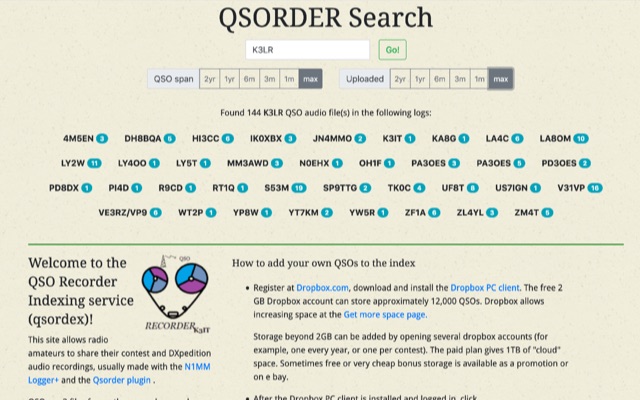 QSO Recorder Indexing service. This site allows radio amateurs to share their contest and DXpedition audio recordings, usually made with the N1MM Logger+ and the Qsorder plugin
 -
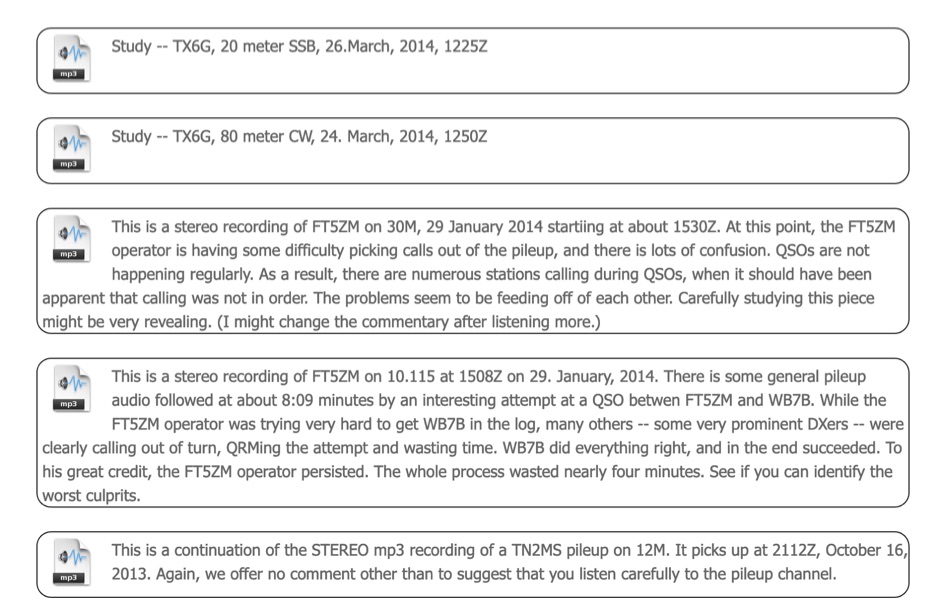 A collection of audio recordings of some DX Peditions used as case studies to evaluate dxspedition operatios behaviour and calling stations. These audio files are excerpts from real pileups recorded directly off the air in MP3 format
 -
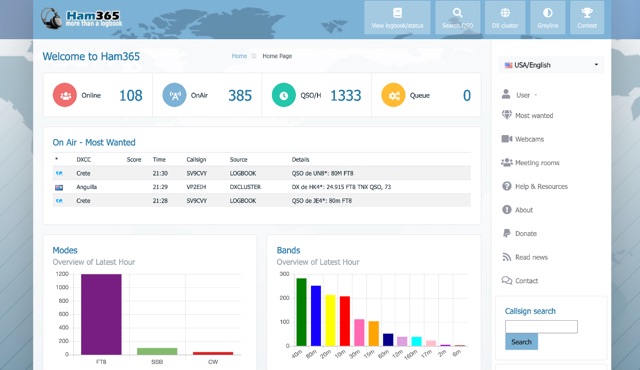 Over 15 years of continuous operation, Ham365 provides a web-based logging solution for Amateur Radio Operators, allowing them to maintain and share their QSO records online. Originally launched as the online logbook component of Ham Radio Deluxe, it has since evolved into an independent platform, now integrating with numerous other logging applications. The platform shares its database with HRDLOG.net, ensuring that operations performed on one site are reflected on the other, maintaining data consistency for users. Key features include an overview of the latest hour's activity, a display of the most recent QSOs, and a map visualizing recent contacts. It also highlights "Most Wanted" entities and ongoing DXpeditions, providing a dynamic view of current amateur radio activity. The logbook supports various operating modes, including SSB, RTTY, PSK31, and FT8, and handles ADIF data for interoperability. Users can manage their logbooks, track DX activity, and utilize features like OQRS (Online QSL Request System) through its integrated functionalities. The system is designed to be accessible to a wide range of operators, from casual ragchewers to avid DXers and contesters.
 -
 Explains the fundamental purpose of a repeater, detailing how these automated relay stations overcome distance and terrain limitations for VHF/UHF communications. It traces the historical development from early Bell Telephone Labs "relay" stations in 1922 to Art Gentry, W6MEP's, pioneering K6MYK amateur radio repeater in the mid-1950s, which remains active today. The resource clarifies the distinction between simplex and duplex operation, including the unique function of a "parrot repeater" for single-frequency recording and playback. Delving into the internal workings, the guide breaks down a repeater into its core components: the antenna system, feedline (often _Heliax_ or hardline for minimal loss), duplexer, receiver, transmitter, and controller. It emphasizes the critical role of the duplexer in preventing receiver desensitization by isolating transmit and receive signals, even with distinct frequencies. The discussion highlights the importance of high-performance, durable antennas and low-loss feedlines, citing examples of equipment installed in the 1960s and 1970s that are still in perfect working order. Operating a repeater is also covered, with an explanation of frequency offset (e.g., the 600 kHz standard for 2 meters) and the function of _CTCSS_ (PL tone) for access. It outlines standard input/output offsets for various bands, from 6 meters to 23 centimeters, while noting regional variations. The guide also touches on features like autopatch and Digital Voice Recorders (DVRs), providing a solid foundation for understanding repeater technology and usage.
 -
 DXFile is a Windows shareware application designed for amateur radio operators, providing comprehensive log management capabilities. The software, developed in Pascal, facilitates real-time and deferred QSO entry, automatically populating fields like frequency, mode, and DXCC country based on user input and system time. It includes features for searching, modifying, and deleting QSO records, with options to sort logs by date, callsign, or entry order. The program offers various printing functions, including QSL card labels in multiple formats, and can generate standard logbook printouts. Beyond basic logging, DXFile integrates modules for tracking progress towards major operating awards such as DXCC, _IOTA_, WAZ, WAS, DDFM, and DIFM. It provides detailed summaries of contacts by band and mode, including graphical representations of HF traffic. A dedicated QSL Manager module assists in processing received QSLs, allowing users to mark confirmations and print multi-line QSL labels. The application also incorporates a DXCC list viewer, which can be updated to ensure accurate country and zone data for logging and award tracking. A distinctive feature is its HF propagation prediction module, which calculates optimal frequencies and signal levels for paths between **250 km** and **6000 km**, considering both E and F layer ionospheric conditions. This module helps operators determine the best times for long-distance contacts. Additionally, DXFile includes a _Web-Cluster_ interface, enabling connection to various DX cluster servers like DXLITE, DXSCAPE, and NC7J for real-time spot information.
 -
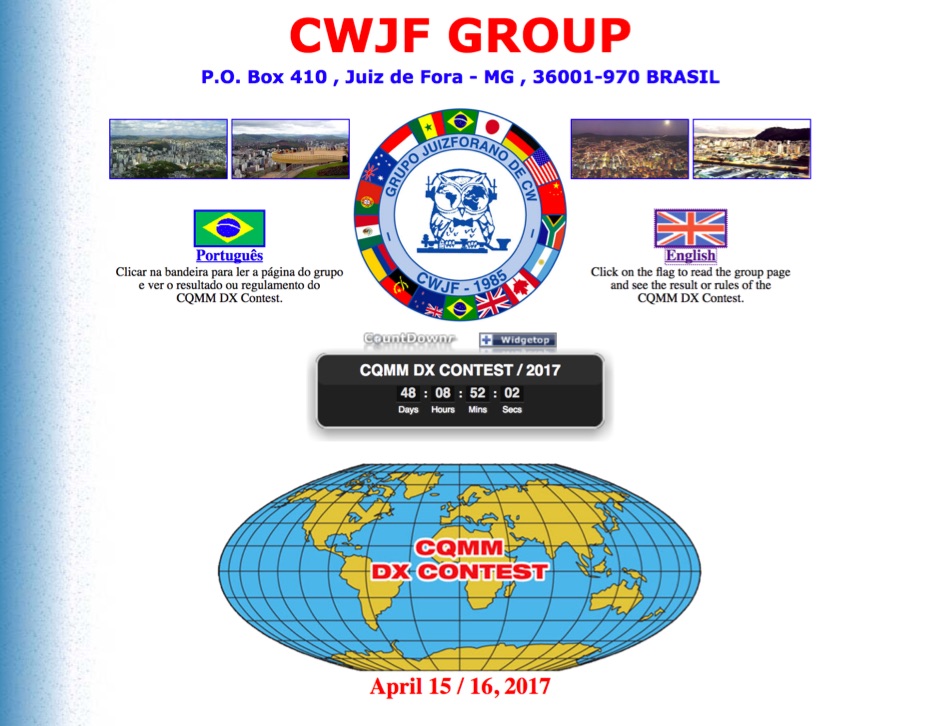 The CWJF Group began in the 80's with the ideas of an excellent telegrafist, our dear friend Julio (PY4AG) who with customary cordiality taught those interested in practice of morse code.
 -
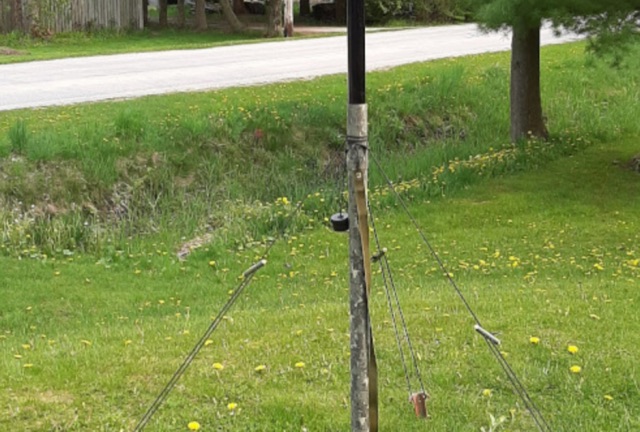 Supporting a telescopic fiberglass antenna pole for ham radio operation. Rather than cumbersome methods like using angle iron or PVC pipes, author employs lightweight tent stakes, toggles, and paracord to secure the pole effectively. With careful knot tying and simple materials, he ensures rapid deployment and stability even in windy conditions, offering a practical solution for outdoor antenna setups.
 -
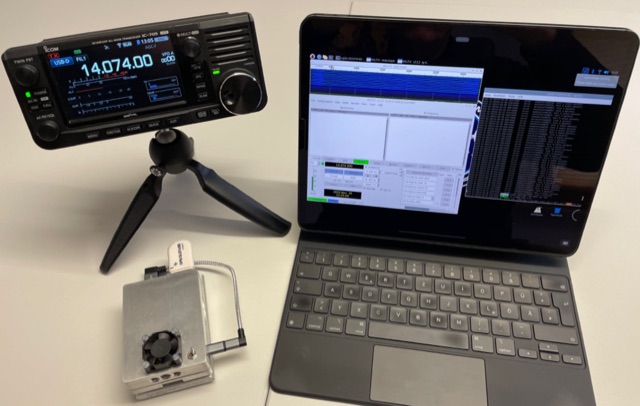 The IC-705 has a built-in server to to send and receive audio and radio control via WLAN. This allows the IC-705 to be connected directly to the user’s computer without the need for an additional server computer. Perfect to run e.g. digital operation modes completely cordless.
 -
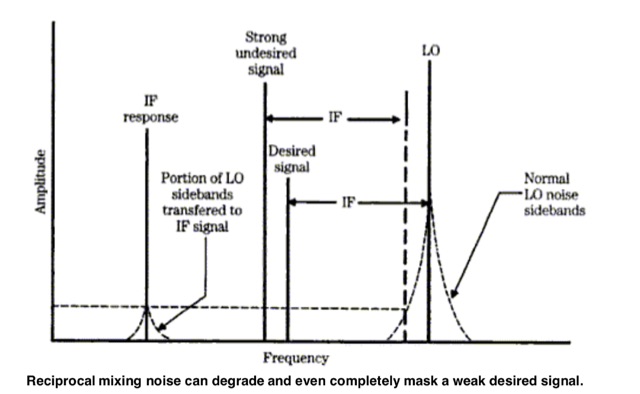 Explaining ARRL Technical Reviews of Radios a brief tutorial on radio testing. The ARRL Lab tests radio equipment according to standardized test procedures, using calibrated professional test equipment. Info on transmitter and receiver tests
 -
 Documents the A35EU DXpedition to Tonga, specifically targeting the _IOTA OC-049_ Tongatapu group during 2018. The resource outlines the operational bands from 10 to 160 meters and the primary modes utilized, including _CW_, _SSB_, RTTY, and FT8. It provides essential information for DXers interested in confirming contacts with this rare entity, detailing the logistical aspects of the operation and the specific island group activated. This page serves as an archive for the A35EU operation, offering QSL update information and confirming that all log queries were processed and a fresh log uploaded to _Clublog_. Such details are crucial for operators seeking to verify their contacts and apply for awards like DXCC or IOTA, providing a definitive record of the expedition's activity and post-operation administrative status.
 -
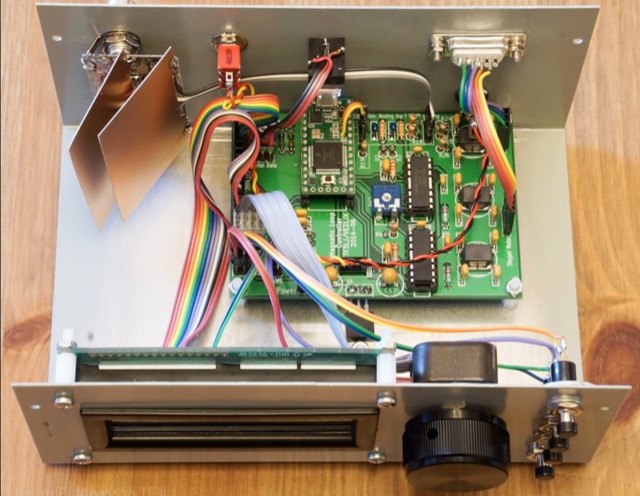 A Magnetic Loop Controller project details the construction and operation of an automatic tuning system for magnetic loop antennas, which are resonant circuits using an oversized inductor and an adjustable capacitor. The system employs a stepper motor to precisely adjust the variable capacitor, maintaining optimal resonance across the HF bands. It integrates with various transceivers, including _Icom_, _Kenwood_, and _Yaesu_ models, by monitoring the VFO frequency and adjusting the loop's tuning accordingly. The project provides comprehensive building instructions, a PowerPoint-style presentation, and the full source code for the controller's firmware, enabling hams to replicate and customize the design. The controller's firmware offers diverse functionality, including automatic frequency tracking, manual tuning, and SWR monitoring, significantly enhancing the operational efficiency of magnetic loop antennas, particularly for QRP and portable operations. The design emphasizes accurate capacitor positioning, crucial for achieving low SWR and maximum radiated power. Comparisons with manual tuning methods highlight the benefits of real-time adjustment, especially when operating across different bands or making frequent QSYs. The project's detailed documentation and available source code facilitate experimentation and modification by advanced builders, allowing for tailored performance characteristics.
 -
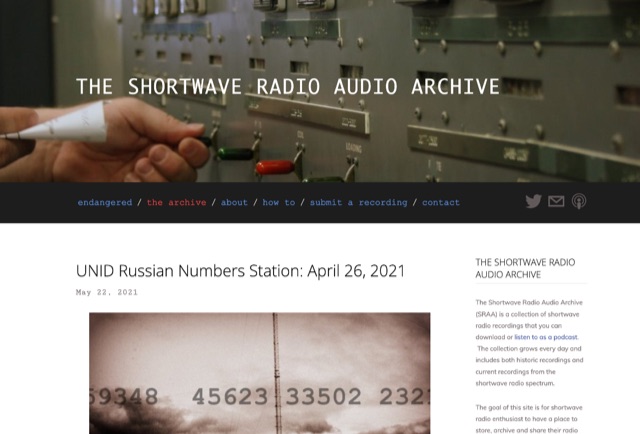 From the sortwave radio audio archive, a collection of recordings of several spy numbers stations, russian, spanish, cuban audio recordings
 -
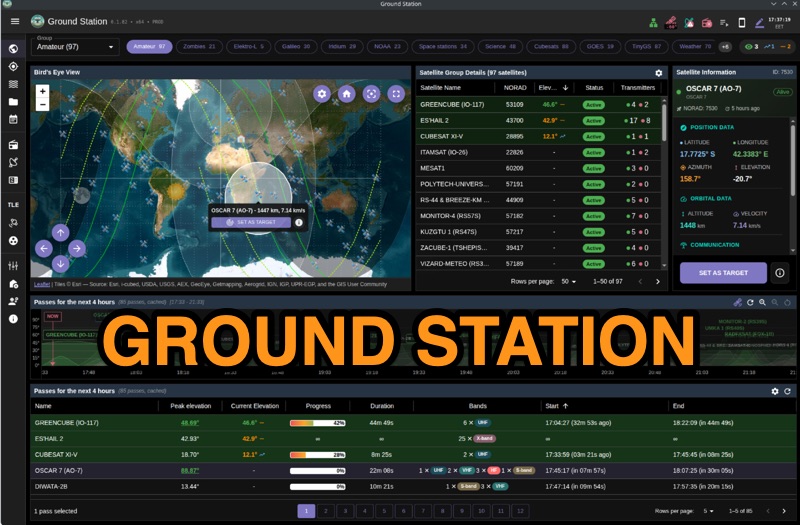 Ground Station offers real-time satellite tracking and radio communication capabilities, primarily for amateur radio operators engaged in satellite operations. It utilizes **TLE data** from sources like CelesTrak and SatNOGS for precise orbital prediction and integrates with various SDR devices, including RTL-SDR, SoapySDR, and UHD/USRP radios, to receive live signals. The software provides automated antenna rotator control and **Hamlib-compatible** rig control with Doppler correction, crucial for maintaining signal lock on fast-moving LEO satellites. It supports IQ recording in SigMF format and decodes several digital modes such as SSTV, FSK, GFSK, GMSK, and BPSK with AX25 USP Geoscan framing. Dedicated interfaces are available for satellite tracking, SDR waterfall displays with live transcription and packet decoding, and telemetry packet viewing. Users can manage TLE data synchronization and SDR hardware, along with browsing decoded outputs through an integrated file browser. An observations dashboard and DSP topology view further enhance the operational experience, providing comprehensive tools for monitoring and analyzing satellite passes.
 -
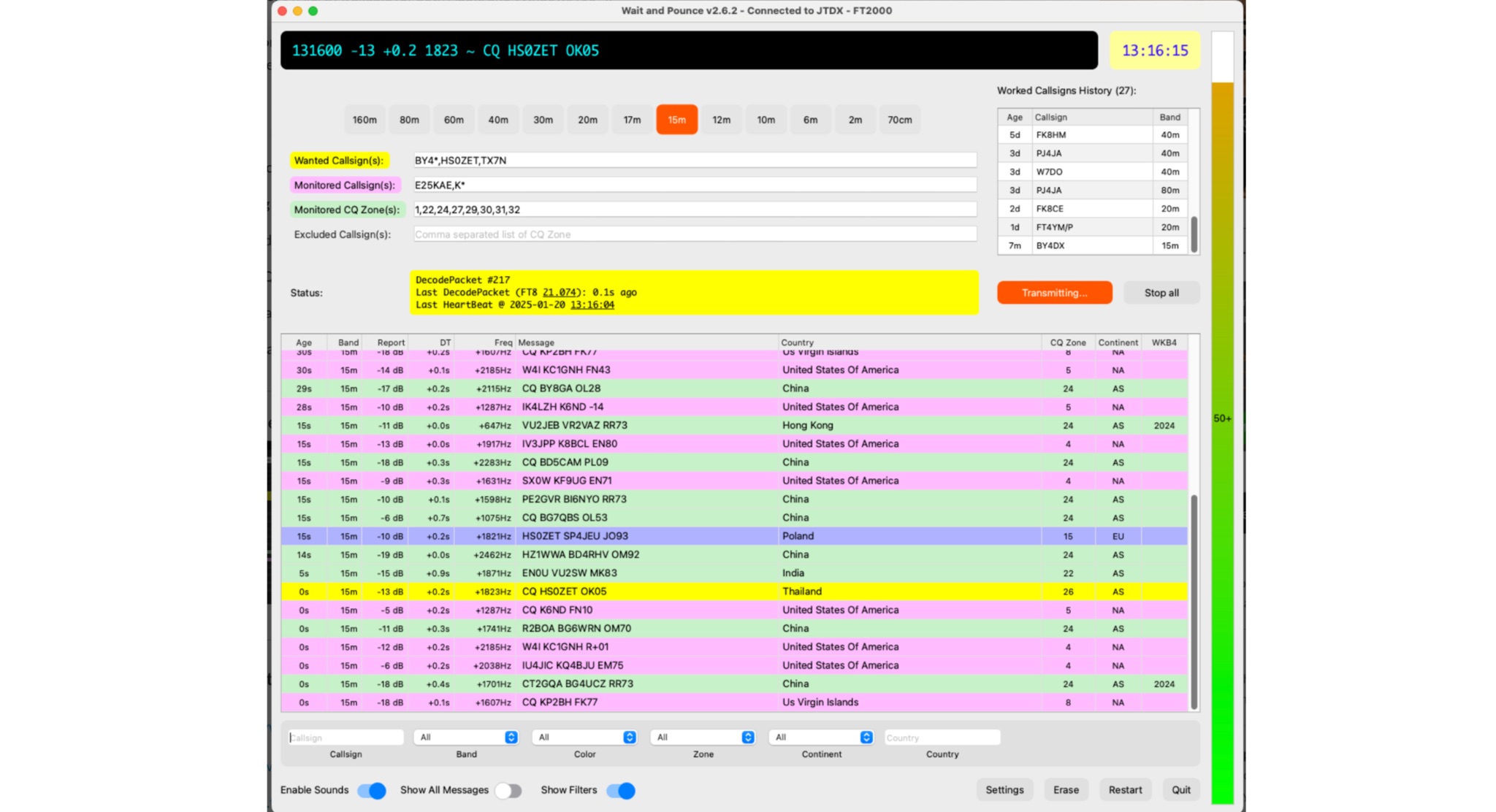 Wait to decode callsigns, then call them using UDP protocol. This utility auto respond to wanted call-signs it is a neat alternative for JTAlert. Automatic logging. Available for both MacOS and Windows (10+). Make sure to automatically call any Wanted callsigns specified. Can also be used to monitor band opening. Can handle callsign exclusions, can even handle wanted callsigns according to your worked before Rules. Works either with JTDX or WSJT.