Search results
Query: make
Links: 367 | Categories: 3
-
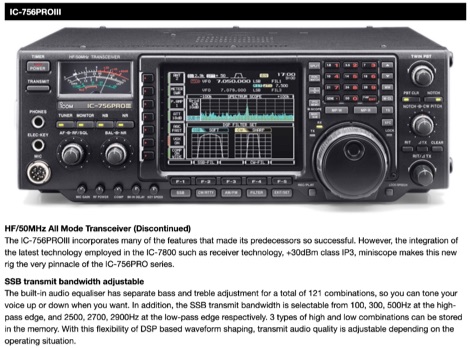 A page dedicated tho the IC-756PROIII transceiver. This radio, discontinued, incorporates many of the features that made its predecessors so successful. However, the integration of the latest technology employed in the IC-7800 such as receiver technology, +30dBm class IP3, miniscope makes this new rig the very pinnacle of the IC-756PRO series.
 -
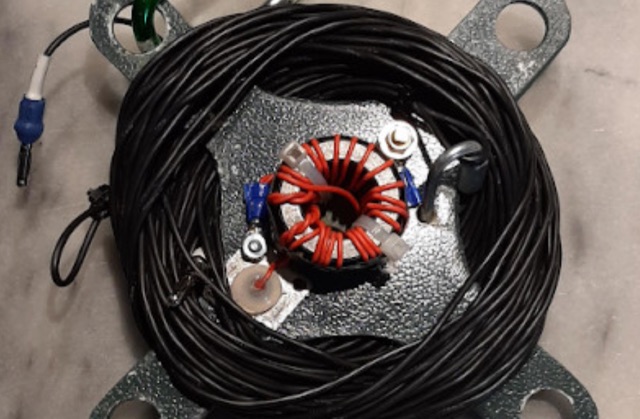 How to Design and Build a Field Expedient End-Fed Half-Wave Antenna for 20m, 40m and 80m. This Shorty 80m EFHW comprises a 49:1 autotransformer (to match the very high impedance at the end of a half-wave wire), a half-wavelength wire for 40m (also a quarter-wavelength for 80m), a loading coil and a short tail wire. The coil and the short tail wire (about 6 feet) make up the other quarter wave on 80m.
 -
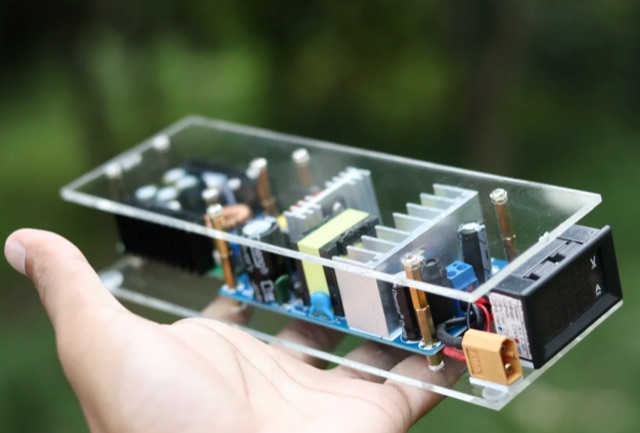 A home made battery charger 110-220 v AC providing from 1.25-24 v DC Adjustable at 8 Amps output power, with Short Circuit Protection Over Load and over charge Protection.
 -
 This practical, hands-on article offers a valuable journey through balun construction for portable antenna systems. The author skillfully navigates from theoretical debates to practical implementation, providing a well-documented DIY process using RG316 micro coax and an FT114-43 toroid core. The step-by-step instructions, complemented by photographs, make this complex technical project accessible to hobbyists. Particularly impressive is the author's focus on lightweight design (just 173 grams) for SOTA field operations. While the final antenna requires minor tuning adjustments, the successful field test during the Pirate Contest demonstrates the effectiveness of this approach. An excellent resource that transforms theory into practical application for ham radio operators.
 -
 The U01 emergency communications antenna is a versatile, multiband antenna designed for 80/60/40/20/17/15/10m bands, known for its reliability and compact size. It features a broadband transformer wound on various core options like FT82-43, FT114-43, or FT140-43, with the latter capable of handling up to 100W. The antenna incorporates a PCB with options for SMA and BNC connectors, and a weather-proofed design for durability. The lightweight construction, using materials like DX Wire UL and Polyester rope, makes it highly portable. The antenna's design has been tested and proven within the DARC Chapter U01, with multiple build options and detailed documentation available for DIY enthusiasts.
 -
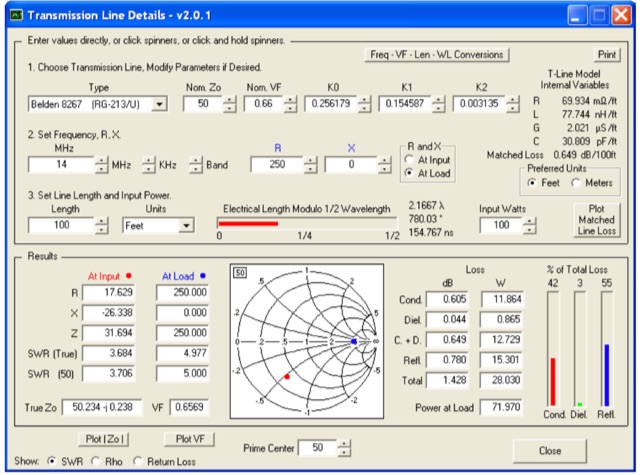 This utility program shows the impedance and reflection coefficient parameters (SWR, reflection coefficient magnitude Rho, or Return Loss RL in dB) at both ends of a transmission line and the details of power loss in the line. It includes built-in specifications for approximately 100 different line types. You can modify the specs to see how small changes affect the results or to specify custom lines. All program inputs may be changed directly or you can use spin buttons to make the changes.
 -
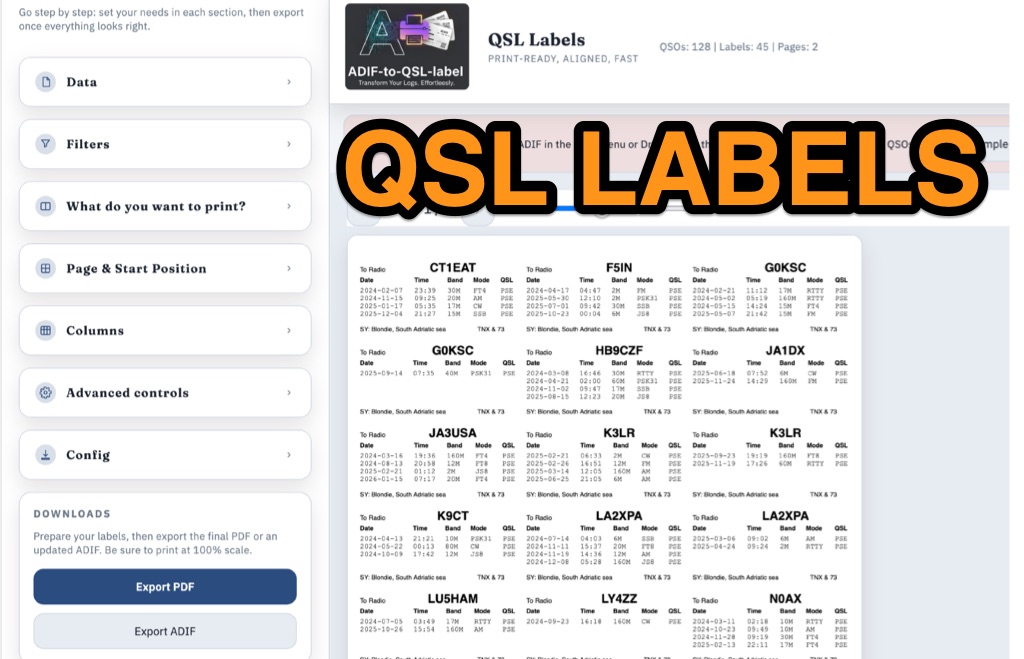 ADIF-to-QSL-label is a GitHub utility designed to generate print-ready PDF QSL labels from ADIF log files. Optimized for the Avery Zweckform 3664 format (A4, 3×8 grid), the tool accommodates up to four QSOs per label. While an HTML version is suggested, the Python script provides extensive customization via the reportlab library. Users can precisely calibrate the layout through single-point configuration, adjusting page margins, global X/Y offsets, and specific column or row nudges. Key features include dynamic column sizing, support for any ADIF field (such as RST or Mode), and debugging tools that print outlines and guides for alignment testing. Configuration is managed via the script, YAML files, or CLI arguments, requiring "Actual size" (100%) printer settings for accuracy.
 -
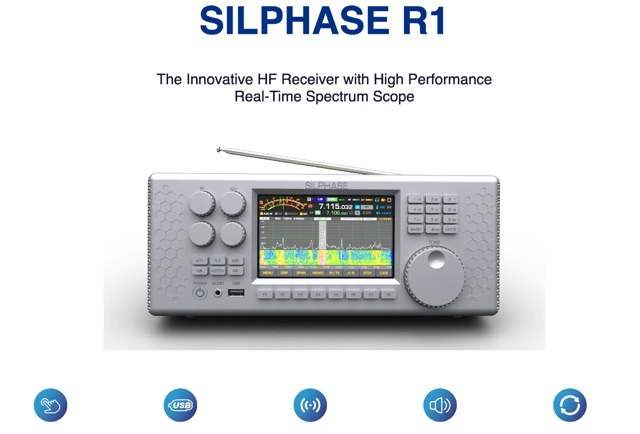 Amateur radio SDR Receiver and Transceiver manufacturer , makers of the Silphase R1 an innovative HF receiver with high performance real-time spectrum scope.
 -
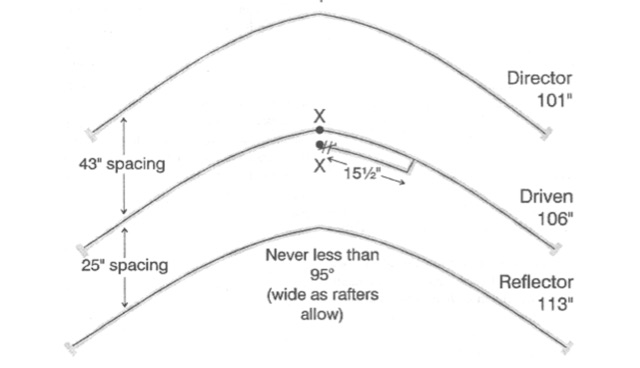 This design makes the most of having to put an aerial in the attic. This inverted-vee yagi is giving good results at GW0GHF. Directive gain is about 6 dBd. The front-to-back ratio is not brilliant, about 20 dBd.
 -
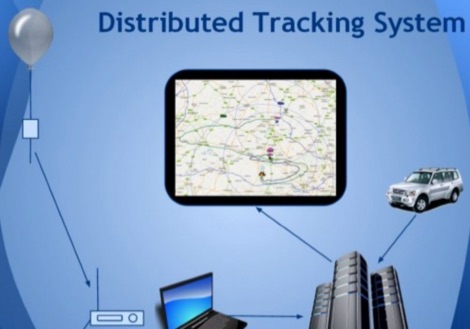 High Altitude Ballooning makes for a challenging project that sometimes turns into an engrossing hobby. Whilst it is not rocket science it does encompass a wide range of fields (sometimes literally) and there is a lot to learn before you send your first flight up into the sky.
 -
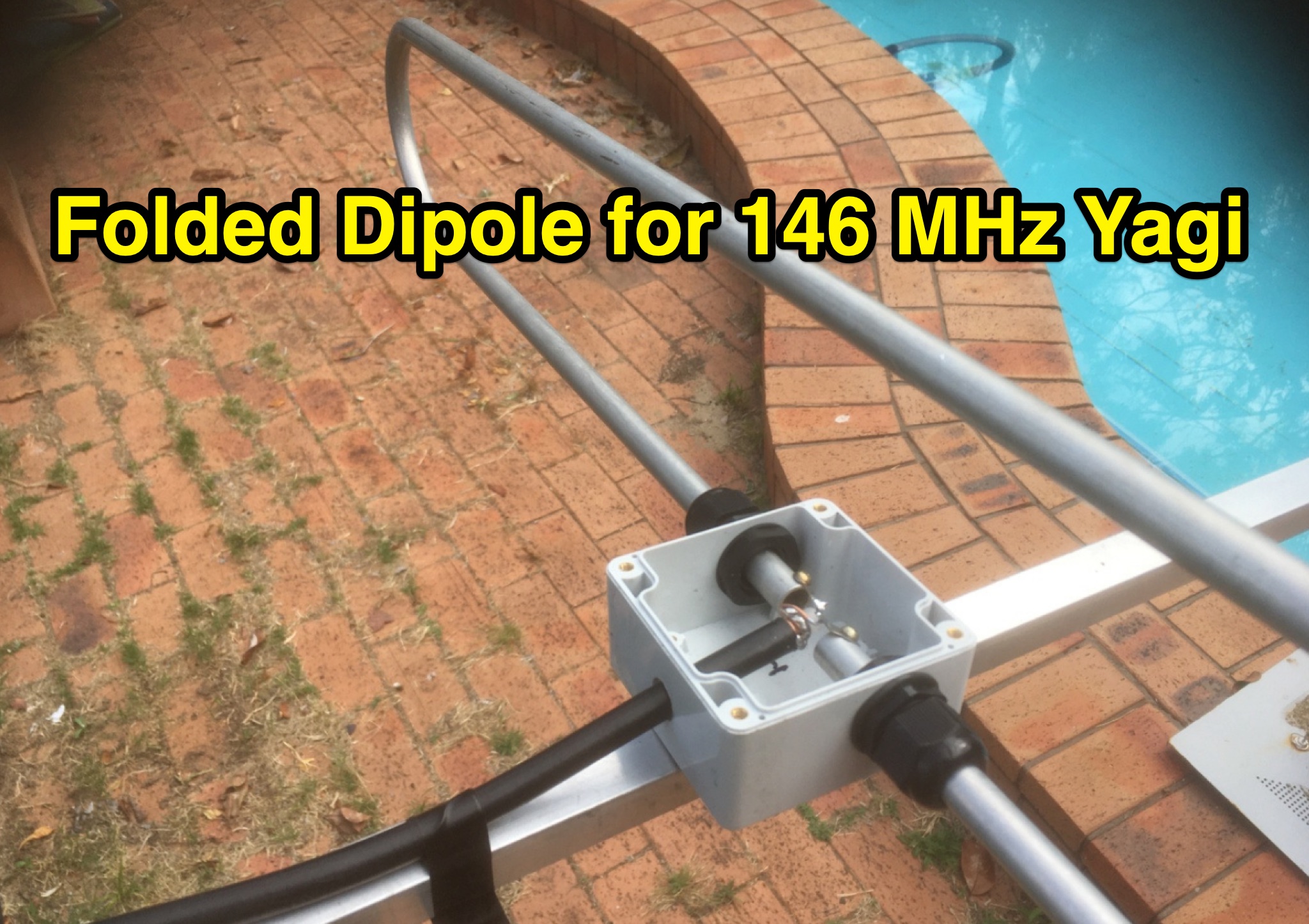 This document provides a detailed guide on constructing and mounting a folded dipol for the 146 MHz frequency in a vertical configuration to be used in Yagi antennas. The step-by-step instructions and diagrams included make it easy for hams to build and set up this type of antenna. Understanding and implementing this design can enhance the performance of radio communication for Amateurs operating in the 2-meter band. Whether you are looking to improve your signal strength or experiment with antenna designs, this resource offers valuable insights and practical information.
 -
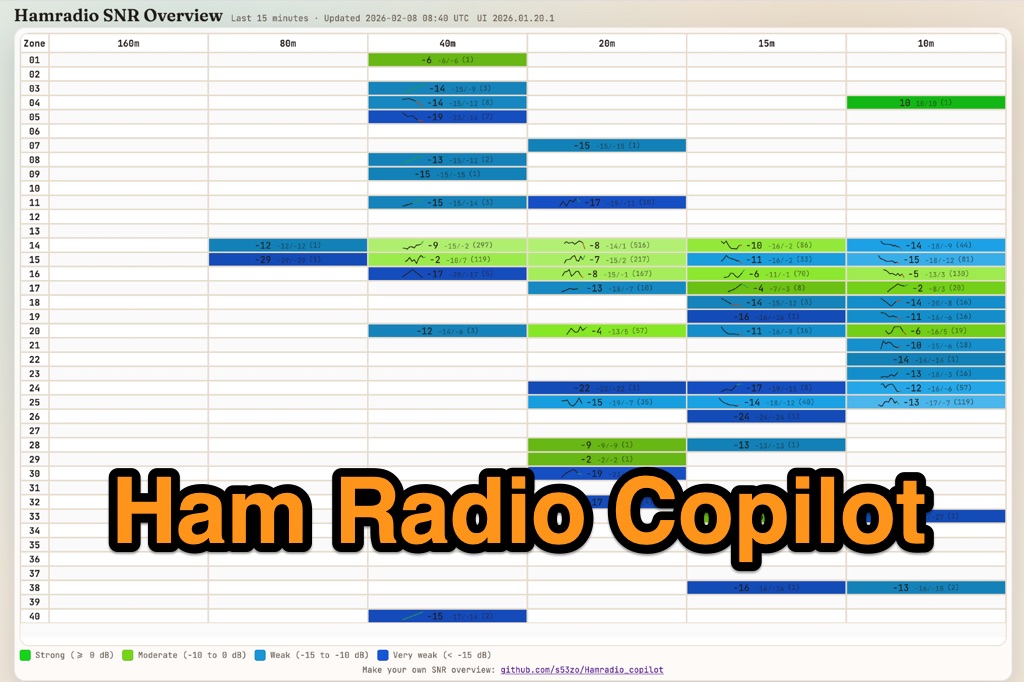 Hamradio_copilot is an open-source tool designed for DXers and contesters who need real-time situational awareness. It is ideal for operators who want to visualize propagation trends instantly rather than scrolling through raw text streams of cluster spots. Rally acting as a copilot for your station, this tool transforms raw data into actionable intelligence. By visualizing Signal-to-Noise Ratios (SNR) across different bands, it helps operators make quick decisions on which band to prioritize or where to point their antennas, effectively showing not just who is on air, but where the propagation is currently open from your location. This is a fantastic information for avid contesters. The software aggregates data from two primary services: - Reverse Beacon Network (RBN) via Telnet. - PSK Reporter via MQTT feeds. It processes this data to generate a comprehensive HTML report featuring SNR heatmaps and statistical breakdowns by ITU Zone. Users can filter data by specific zones or country codes (ADIF), analyze historic time ranges, and optionally integrate solar weather data. The complete source code is available on GitHub, allowing for community customization. It is written in Python and uses SQLite for data management.
 -
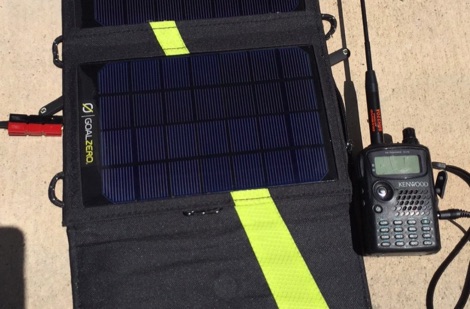 In this post, we describe how to make a pigtail cable to connect the Kenwood TH-F6A triband HT to a 12Vdc power source via an Anderson PowerPole connector.
 -
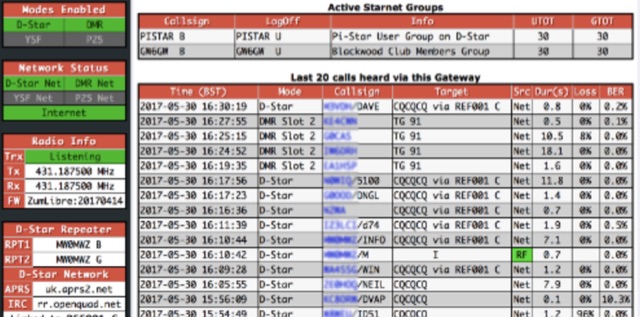 Pi-Star is a software image built initially for the Raspberry Pi. The design concept is simple, provide the complex services and configuration for Digital Voice on Amateur radio in a way that makes it easily accessible to anyone just starting out, but make it configurable enough to be interesting for those of us who cannot help but tinker.
 -
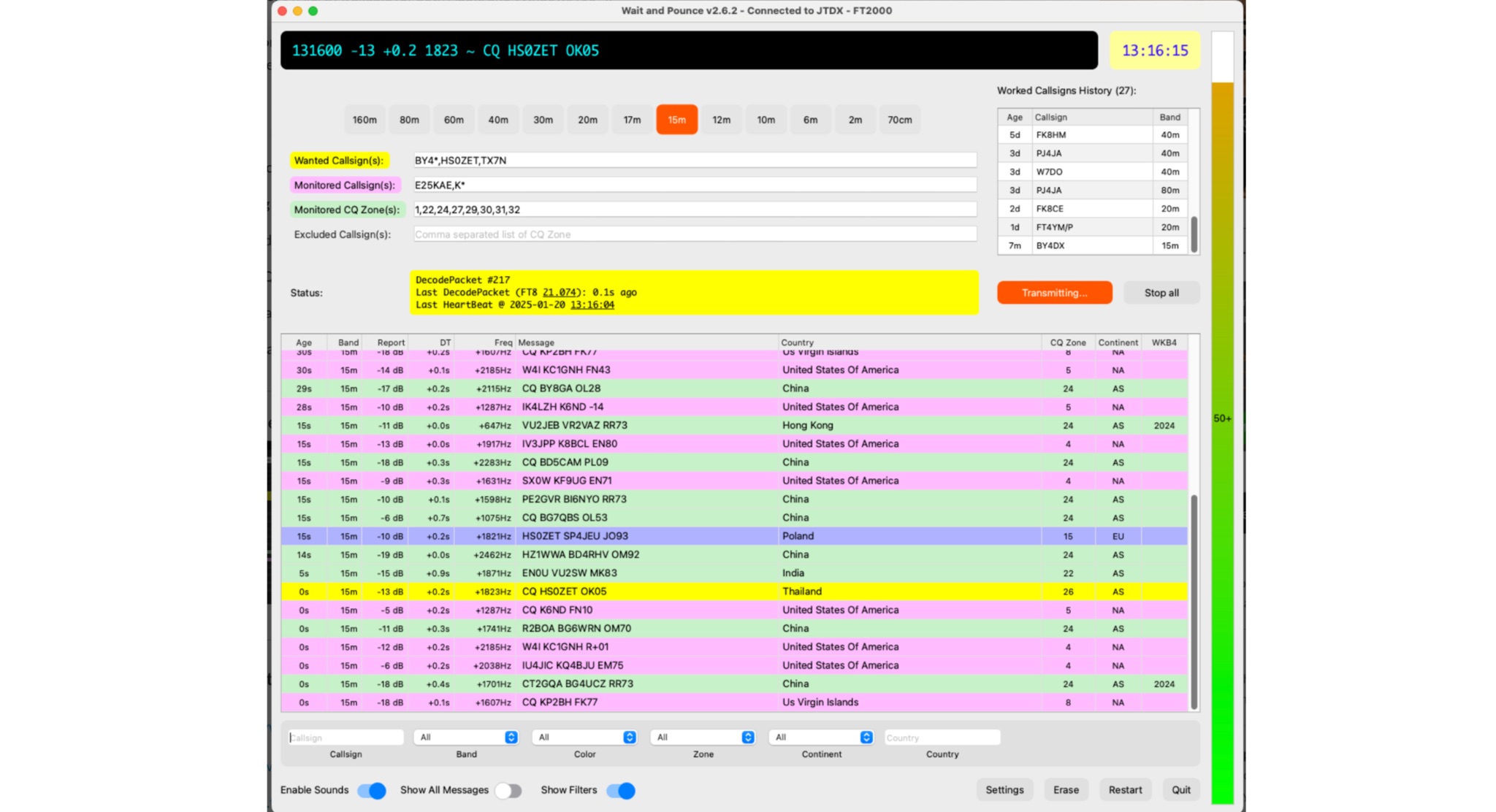 Wait to decode callsigns, then call them using UDP protocol. This utility auto respond to wanted call-signs it is a neat alternative for JTAlert. Automatic logging. Available for both MacOS and Windows (10+). Make sure to automatically call any Wanted callsigns specified. Can also be used to monitor band opening. Can handle callsign exclusions, can even handle wanted callsigns according to your worked before Rules. Works either with JTDX or WSJT.
 -
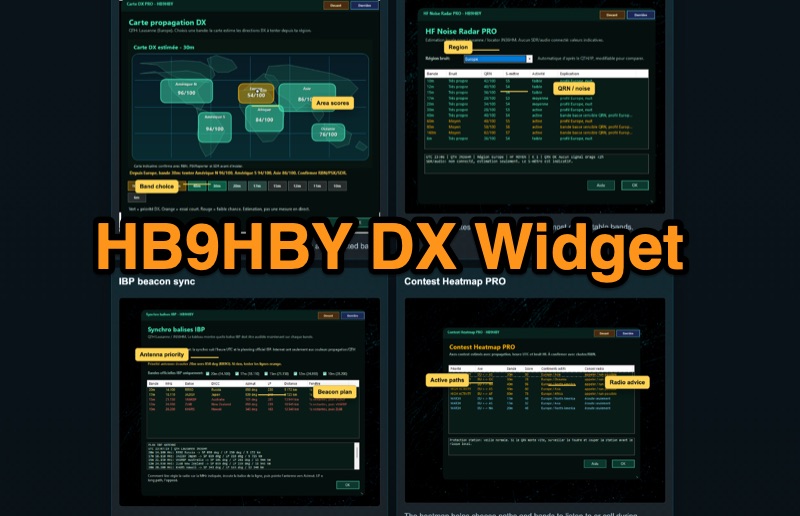 Demonstrates the _Widget DX HB9HBY_ software, a compact desktop application for amateur radio operators, providing essential real-time information. The widget displays UTC time, current HF propagation conditions, local weather, and thunderstorm risk. It also integrates radio-related links and offers advanced PRO functions, such as a DX map, HF noise radar, IBP beacon synchronization, contest heatmap, aurora radar, and a rare DX radar. The software is available for Windows 10/11 and Linux, with a macOS version planned for future release, and supports both French and English interfaces. Author HB9HBY highlights the widget's simple installation process and automatic update capabilities, which can be silent for minor fixes or include notifications for significant changes. The free version provides core functionalities, while a 15-day free trial unlocks the PRO features. A lifetime PRO license is available for a one-time payment of CHF 10, activating advanced tools that help operators make quicker decisions at the station by correlating propagation, UTC, DX activity, and local conditions, though results remain indicative and require confirmation via listening or tools like _RBN_ or _PSKReporter_.
 -
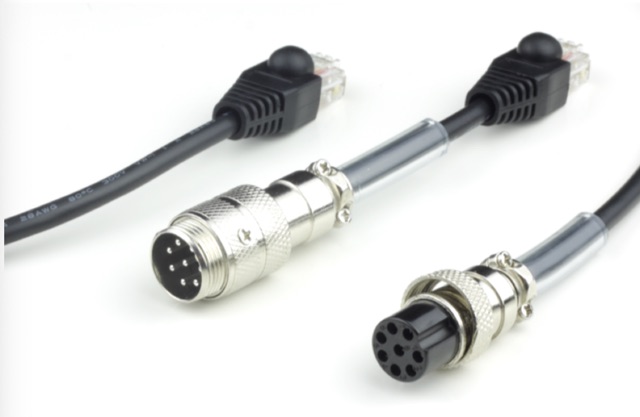 To connect the external keypad to your Icom radio you’ll need to make a connector cable like this.
 -
 Onno podcasts and interviews. Foundations of Amateur Radio - a weekly podcast about Amateur Radio. It continues on from "What use is an F-call?" and discusses the various concepts that make up the 1000 hobbies that Amateur Radio represents.
 -
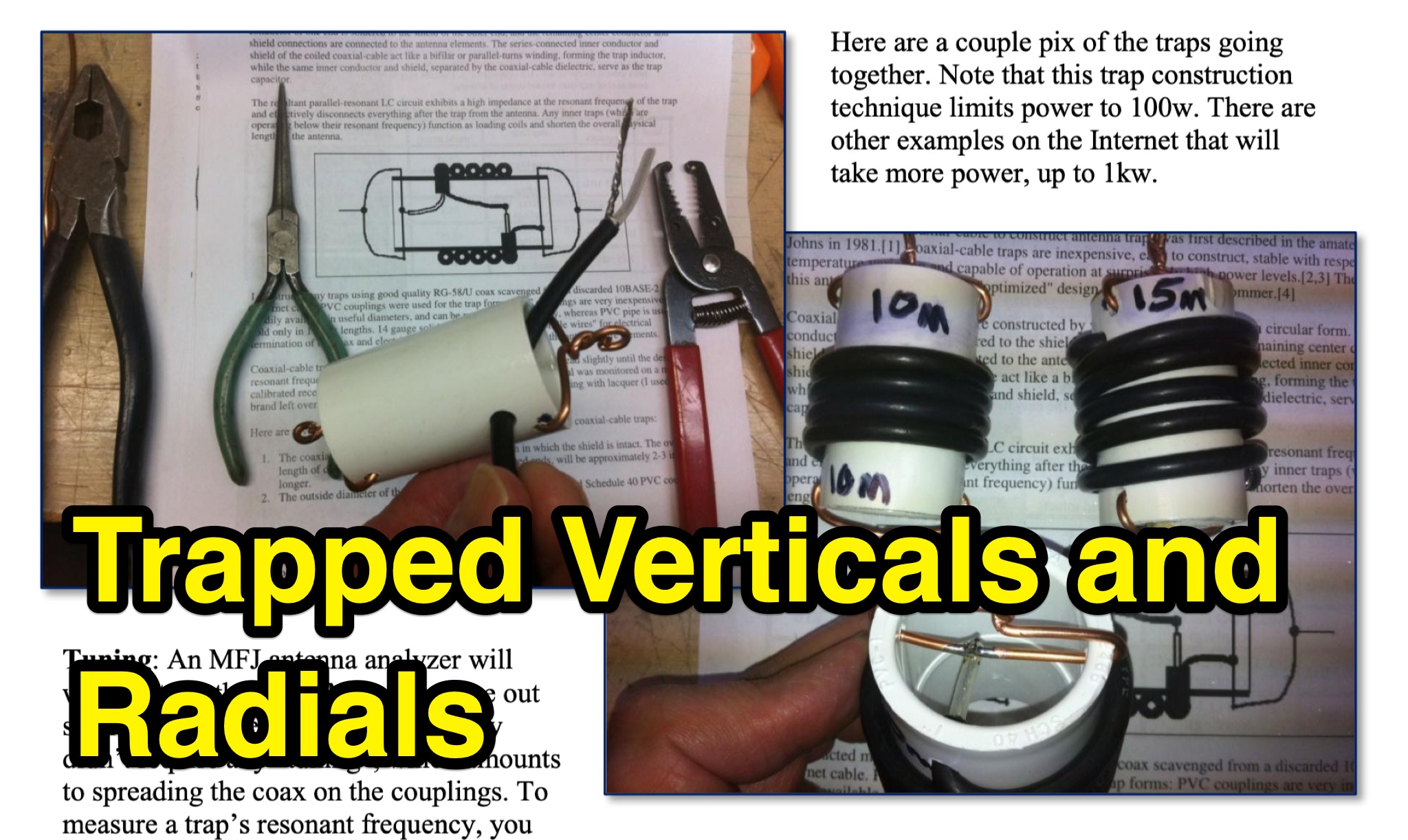 This PDF document provides detailed information on the design, construction, and tuning of trapped vertical antennas with radials for ham radio operators. It covers the theory behind trapped antennas, practical considerations for installation, and tips for optimizing performance. Whether you are a beginner looking to build your first HF antenna or an experienced operator seeking to improve your station setup, this guide offers valuable insights and instructions. By understanding the principles outlined in this document, hams can enhance their operating experience and make the most of their radio communication capabilities.
 -
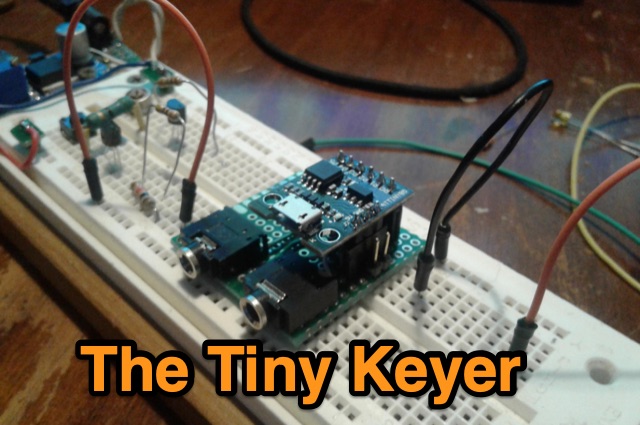 In his journey to improve Morse code skills, the author developed a straightforward device named the Tiny Keyer using Arduino. Tailored for Morse code enthusiasts and ham radio operators, this project utilized the budget-friendly Arduino ATTiny 85 Kickstarter board. With straightforward setup procedures in the Arduino IDE, the Tiny Keyer's small size and low cost make it accessible for beginners and hobbyist clubs interested in Morse code exploration.
 -
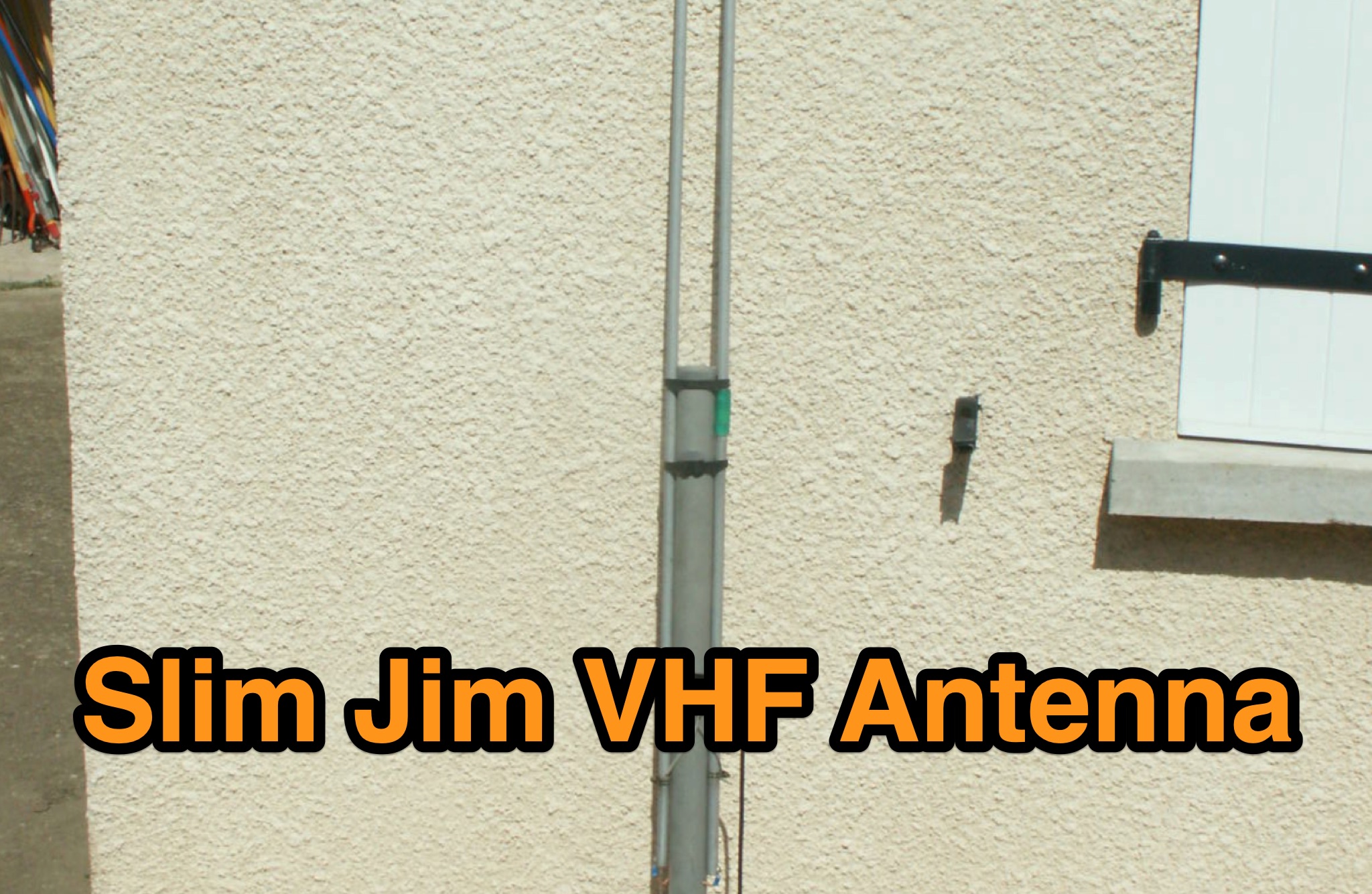 The Slim Jim VHF antenna, originally designed by G2BCX, is a folded half-wave dipole fed by a quarter-wave matching section. This version, built from a recycled professional aluminum dipole, demonstrates that various materials—such as copper, brass, or twin-lead—can be used. The article details the antenna’s construction, required materials, and tuning process, emphasizing mechanical stability and ease of assembly. With proper adjustment of the feed point, it provides excellent SWR across the band. Its durability and simplicity make it a practical and efficient VHF antenna solution.
 -
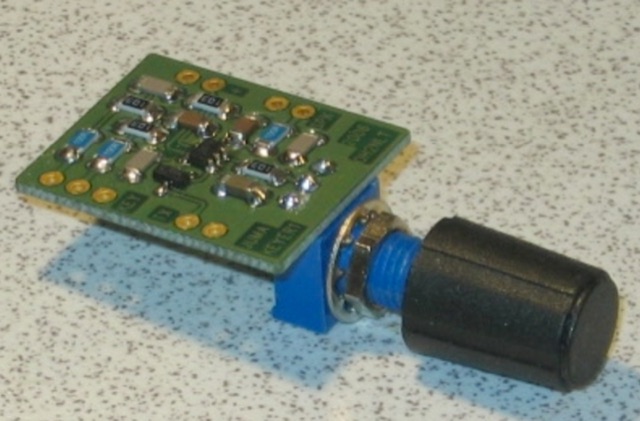 Miniature PIC microcontroller based keyer kit with convenient modes. The kit includes PCB, componets, knob and ready programmed PIC microcontroller. Author make available from his web site Circuit diagram, Component layout,List of components and downloadable Software
 -
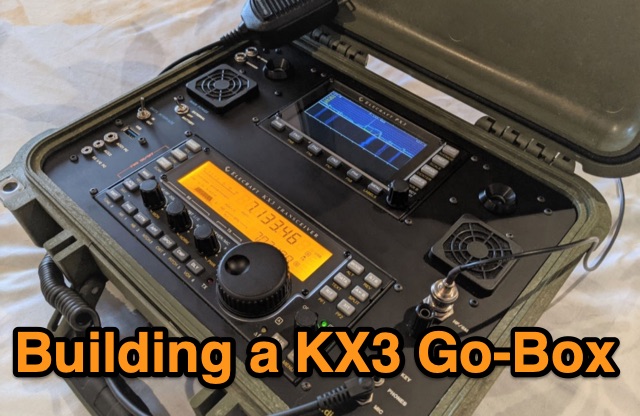 A Go-box streamlines radio setup for temporary operations. Detailed guidance is provided on constructing a KX3 Go-box based on Radioset-go products. Emphasizing cooling, it incorporates silent fans and a temperature-controlled system. Wiring complexities, power considerations, and battery installation are covered. The Go-box offers a neat solution for field days and temporary setups, improving the efficiency and portability of the Elecraft KX3.
 -
 A simple, portable logger tailored for activities like Parks on the Air, Field Day, and more. HAMRS is a fast, user-friendly logging program designed for portable ham radio activities such as POTA, SOTA, and ARRL Field Day. Developed by Jarrett Green, it features an intuitive interface optimized for small screens and multiple platforms, including macOS, Windows, Ubuntu, Raspbian, iOS, and Android. HAMRS provides dedicated logging fields for portable operations, ensuring efficiency in the field. The desktop versions are free, while mobile apps require a small purchase. Its simplicity, cross-platform compatibility, and ease of use make it a valuable tool for amateur radio operators in portable settings.
 -
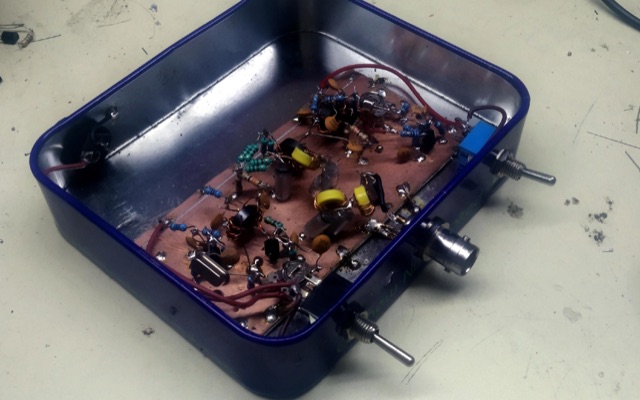 A two tone generator is an essential test gear made with just four transistors that helps you evaluate your amplifiers, mixers, receivers for distortion. Distortion makes all the difference between a pleasant receiver and a horrible sounding one, between a clean transmitter and bad, splattering one on air.
 -
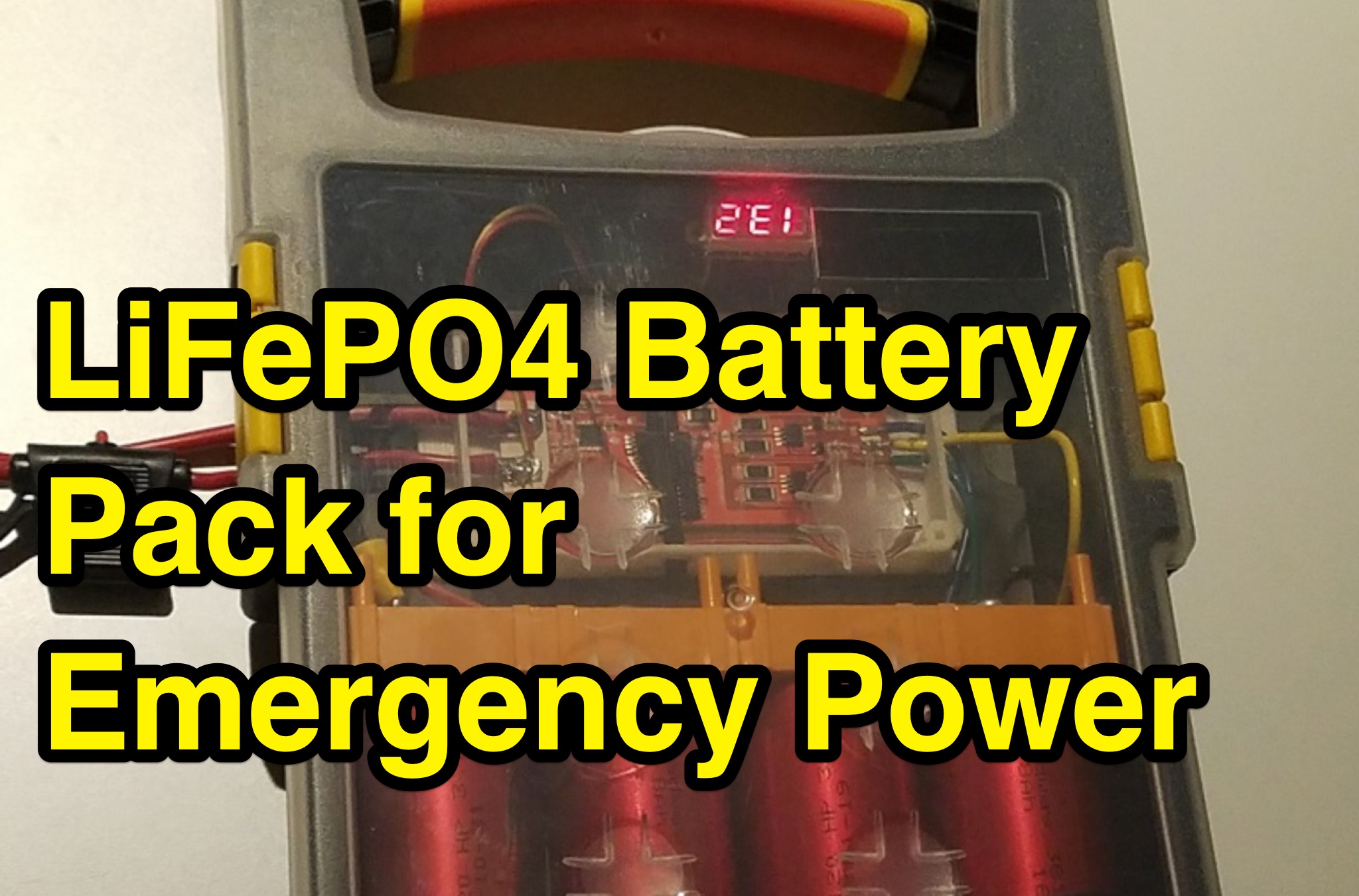 Four _Headway 38120_ LiFePO4 cells form the core of an 8AH 12V battery pack, designed for reliable emergency and field power in amateur radio operations. These batteries offer significant advantages over traditional lead-acid types, including a lifespan up to **10x** longer in charge/discharge cycles, lower internal resistance for faster recharging, and a flatter discharge curve that maintains voltage stability during use. Their inherent safety, being a flame-retardant technology, makes them a preferred choice for portable applications. Proper configuration, including parallel/serial setups, and careful charging/discharging protocols are crucial for maximizing battery life. Each cell has a nominal voltage of 3.2 volts, with a maximum charge voltage of 3.65 volts. A Battery Management System (BMS) is highly recommended to prevent overcharging or deep discharging, safeguarding the cells. The project emphasizes safety, noting the batteries' high short-circuit capacity of **200 AMPS** and the critical importance of incorporating an inline fuse between the battery pack and the load. Components like the battery holder, buss bars, and a suitable case are also detailed.
 -
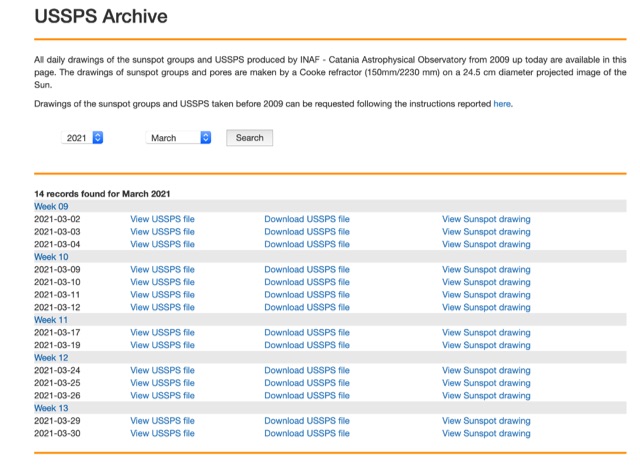 All daily drawings of the sunspot groups and USSPS produced by INAF - Catania Astrophysical Observatory from 2009 up today are available in this page. The drawings of sunspot groups and pores are maken by a Cooke refractor (150mm/2230 mm) on a 24.5 cm diameter projected image of the Sun.
 -
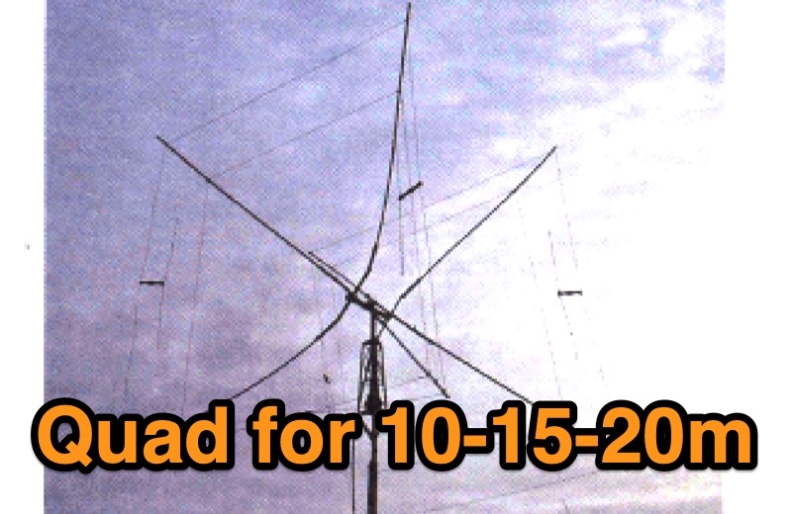 The Shrunken Quad antenna is a unique design that offers full-sized performance on the 10m and 15m bands while incorporating linear loading via a trap for operation on the 20m band. This design allows for effective communication in the HF spectrum, making it suitable for both casual operators and serious DXers. The quad configuration provides excellent gain and directivity, which is beneficial for contesting and long-distance contacts. Constructing the Shrunken Quad involves careful attention to dimensions and materials to ensure optimal performance. The antenna's compact nature makes it an excellent choice for limited space situations, allowing operators to enjoy the benefits of a quad without the need for extensive real estate. This project is ideal for amateur radio enthusiasts looking to enhance their station's capabilities with a versatile and efficient antenna system.
 -
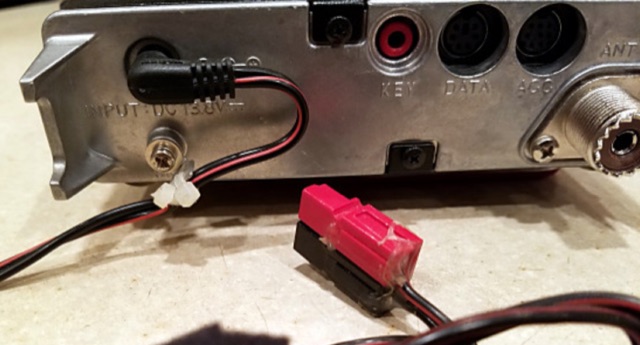 Attach a small right angle lug to the ground screw located in the rear of the FT-817 in order to make a more robust and stable power connection
 -
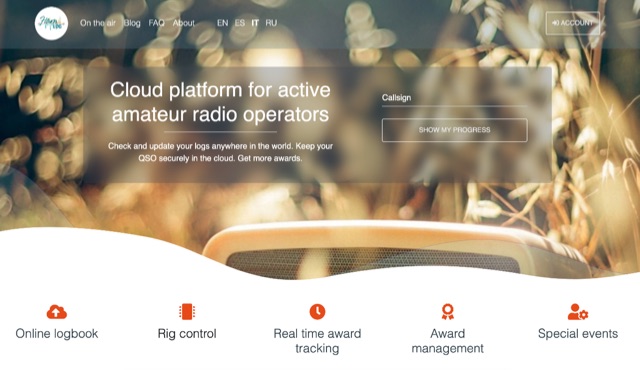 Hamlog is online cloud platform for active amateur radio operators. It supports various on the air activities of various clubs, associations and national amateur radio organizations, allows them to create award programs and deliver awards to those who earned them. Hamlog also has a built-in real-time logger, which allows operators to enter QSO in the system as they make them. It supports multiple callsigns, multiple locations, multi-station activities, etc. Soon it will allow to connect transceivers and other ham radio devices right to the browser, allowing easy online logging virtually anywhere.
 -
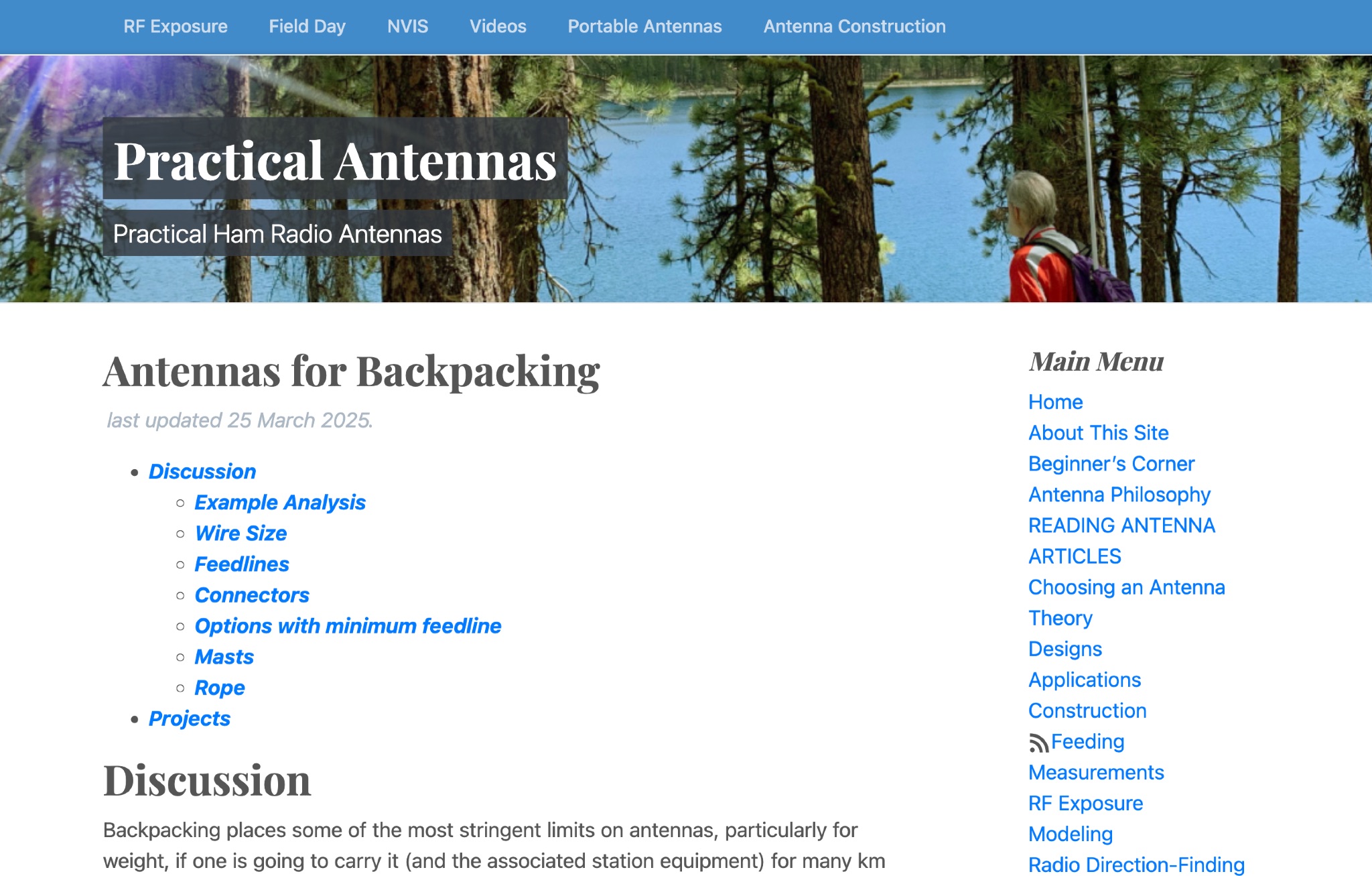 Learn how to choose the right portable antennas for backpacking as a ham radio operator. Find out the factors to consider, including weight, performance, and reliability. Understand the trade-offs involved in selecting the best antenna for your needs, based on the purpose of your trip and distance to be covered. Discover different options available and how they can help you make contacts while on the go. Get insights into one ham radio operator's portable antenna kit and the factors that influenced their choices. Explore the importance of band selection and adaptability in creating a successful antenna system for backpacking adventures.
 -
 NetFinder is the ultimate directory for Ham Radio and SWL enthusiasts, designed to connect Amateur Radio operators through organized nets. Nets are scheduled gatherings on specific frequencies, ranging from formal emergency communication training to casual chats among Hams. Offering a platform for camaraderie and skill-building, NetFinder simplifies the process of discovering nets, fostering deeper engagement in the hobby. With a vision of cataloging every net worldwide, NetFinder aims to make these vital connections accessible to all operators, enriching the Amateur Radio community.
 -
 The article explains how to adapt the YAESU FT817 transceiver so that it can be used to control Kuhne electronic transverters by transmitting at +12V via the coaxial wire. Different FT817 versions imply that some of the modification proposals that have been made so far don't apply to everyone. This tutorial provides a workaround that works with all FT817 models. It makes use of the external ACC socket, connecting an interior tiny circuit board to two thin wires. Follow ON7WP's instructions for using the rear antenna socket.
 -
 G6HKS Yagi Kits & Parts provides material kits for building high-performance PowAbeam Antennas, ideal for VHF/UHF enthusiasts interested in DXing. The kits feature advanced Yagi designs, including the unique ParAclip system, ensuring exceptional all-weather stability and minimizing detuning effects. With resources, tips, and support, the site aims to make antenna construction straightforward for amateur radio operators. The focus is on delivering top-tier performance at competitive prices, empowering users to build and enjoy their own high-quality antennas.
 -
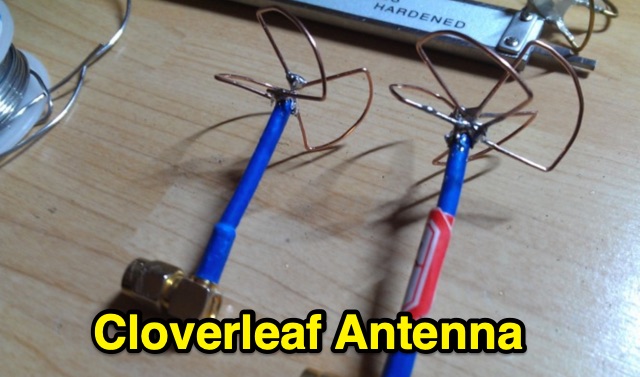 Cloverleaf antenna is a circular polarized antenna which is way better than the cheap dipole antenna that comes with video transmitters and receivers. The Cloverleaf is a closed loop antenna which the signal and ground wires are connected. The cloverleaf antenna has 3 loops at 120 degree apart, and they are titled at 45 degree to horizontal plane.
 -
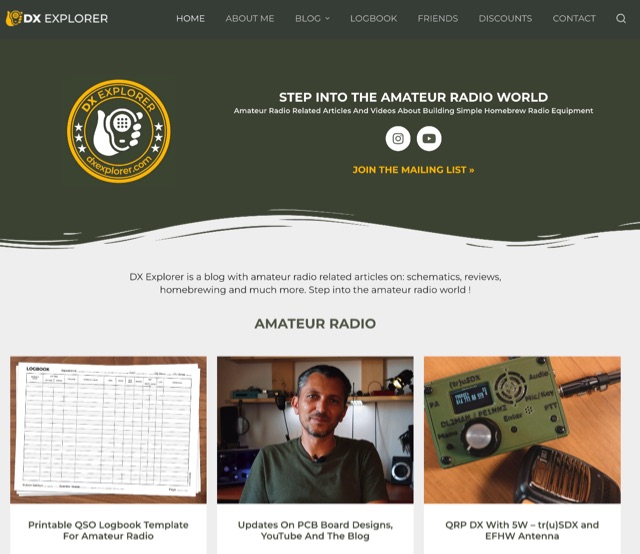 The _DX EXPLORER_ blog serves as a personal chronicle of amateur radio experiences, particularly emphasizing homebrew projects and DIY radio equipment. It provides insights into constructing various transceivers and receivers, such as the Minimalist CW Transmitter and the Sputnik Regenerative Receiver, offering practical guidance for those new to the hobby. The content often details the assembly and operation of low-cost kits like the $3 Pixie Transceiver, demonstrating accessible entry points into radio construction. Beyond building, the site also features reviews of commercial gear, including the Tidradio TD-H8 Radio, providing an operator's perspective on performance and utility. The author, YO6DXE, shares a learning journey, aiming to inspire fellow enthusiasts to engage with the technical aspects of amateur radio. This resource covers a range of topics from basic circuit explanations to practical operating tips, fostering a deeper understanding of radio principles. The blog's focus on personal experimentation and project documentation makes it a relevant resource for hams interested in hands-on learning.
 -
 Twigger is a very lightweight, free ham radio logger designed for Windows, offering seamless integration with transceivers via _TCI_ or OmniRig. This software stores all logged contacts in a SQLite database, with the flexibility to export daily ADIF files for import into a main logger or to send real-time QSO data via UDP in N1MM XML format. It also supports direct, real-time uploads to popular online logbooks like Clublog and QRZ.com, streamlining the logging process for active operators. The application has seen continuous development, with version 1.1.34 fixing an ADIF log importer bug and earlier versions adding crucial features like WSJT-X/JTDX UDP support. Author OE3IDE, Ernst, has incorporated user feedback, including ideas and testing from MW0LGE, to refine the software. Key enhancements include the transition to SQLite for data storage in version 1.1.32, allowing for easy import of previous Twigger ADIFs upon initial startup. The logger also features integrated DX cluster support, enabling users to send spots directly and query QRZ.com for callsign information, which is then cached to reduce redundant queries. The software's compact design and essential logging capabilities make it a practical tool for casual logging or as a secondary logger during contests, with the ability to handle **25 downloads** for version 1.1.34.
 -
 WaveTalkers asked AI itself what it thought. All of the content in the WaveTalkers AI Resources section is generated by AI. From the content to the code itself they will make every effort to showcase what works and what doesn't along the way.
 -
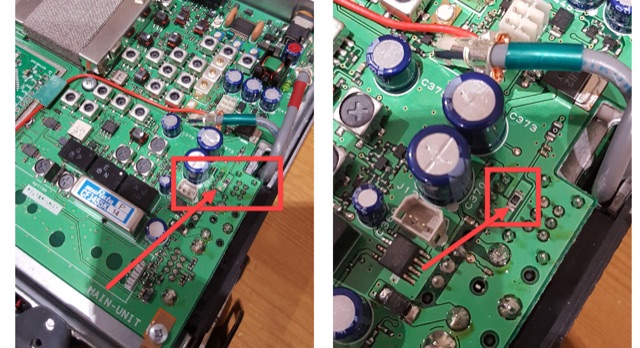 If your FT-817 has stopped powering up from the internal battery but works from external power, then maybe the internal battery fuse has blown. There is a small PCB mounted fuse to protect the battery and radio. This fuse can blow, if it does your radio will not work from battery power. This page will describe how to test the fuse and describe how to make a repair.
 -
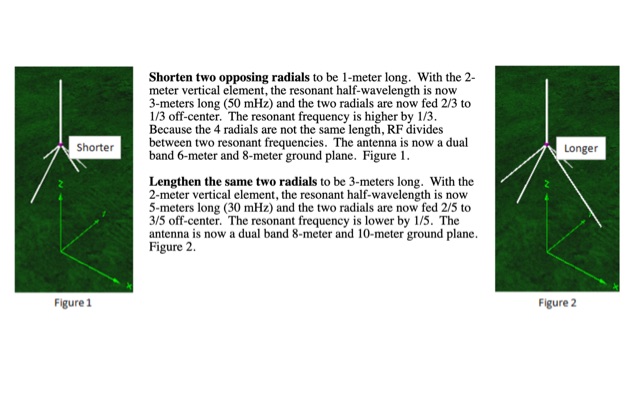 This article explains the trick of how to shorten and lengthen pairs of radials to make a 2-band ground plane antenna. Included is a "Table of Multi-Band Possibilities" covering the range of 6 to 40 meters.
 -
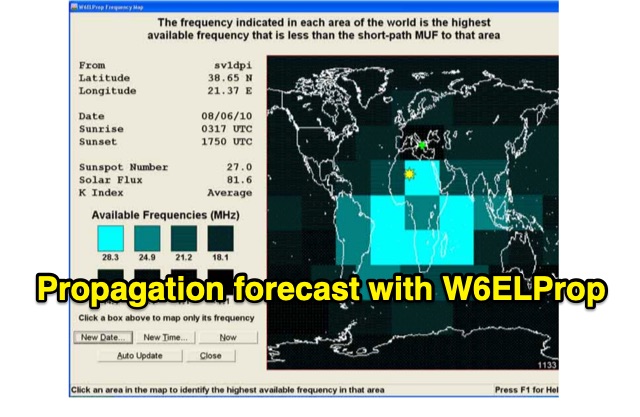 In 2004, Carl Luetzelschwab, K9LA, wrote a guide on using W6ELProp for radio wave propagation predictions. This tutorial, translated for broader accessibility, explains initial setup, configuration, and daily use. It emphasizes using mean solar index values for accuracy, helping users effectively predict and interpret propagation for improved amateur radio operations.
 -
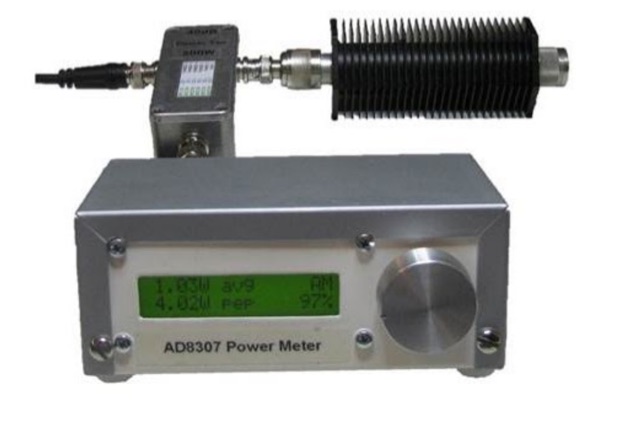 This project goal is to construct a versatile and informative RF power meter. The user-friendly interface, comprehensive power measurement capabilities, and AM detection function make it a valuable tool for various RF applications
 -
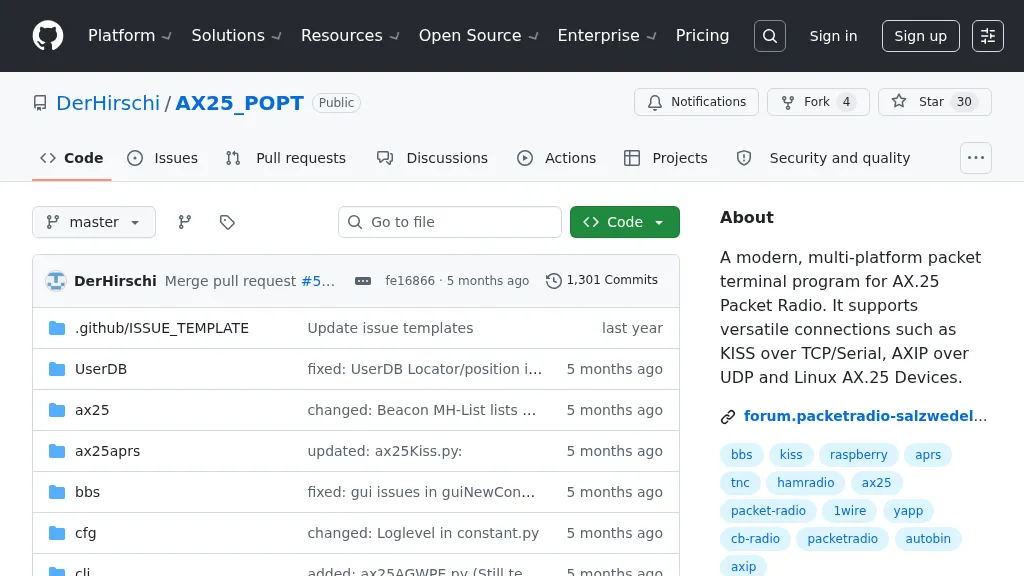 Facilitate seamless communication in the world of packet radio with PoPT, a versatile terminal program designed for AX.25 protocol enthusiasts. Operating across multiple platforms, including Windows, Linux, macOS, and Raspberry Pi, it caters to a wide range of users. The program supports various connection methods such as KISS over TCP/Serial and AXIP over UDP, ensuring compatibility with Linux AX.25 devices. This flexibility allows operators to maintain robust connections in diverse environments. Developed with Python 3.11, PoPT is currently under active development, reflecting a commitment to staying at the forefront of technological advancements. Its multi-platform nature ensures that operators can leverage their existing hardware setups without the need for additional investments. The program's ability to handle different connection types makes it a valuable tool for those engaged in packet radio operations, whether for personal experimentation or more structured communication networks. PoPT's ongoing development promises future enhancements and features, making it a dynamic choice for operators looking to explore the capabilities of AX.25 packet radio. Its adaptability and support for modern systems position it as a practical solution for contemporary amateur radio enthusiasts.
 -
 Don Trynor, VA3XFT, created EvoHam to provide guides, reviews, and tools to help ham radio operators navigate the world of digital voice modes like DMR, D-STAR, Yaesu Fusion, P25, NXDN, M17, and FreeDV. The website aims to make this technology more accessible and enjoyable for beginners, intermediates, and experienced hams alike by offering clear and approachable information. With years of experience in the field, EvoHam is a modern hub for all things related to digital voice in the amateur radio community.
 -
 New Alfa Alfa Worldwide Radio DX Group Are Welcome, Also old Alfa Alfa members. Only Active Operators and SWL ShortWaveListers PostStation. You Make the Difference Whether You Are a CB Operator. Or just a Listener without a transmitter. And actively participates in the Alfa Alfa Worldwide Radio Dx Group. This keeps the Group Active and makes a difference compared to other sleeping club / group members. They are called spirit callings that are never heard or received by SWL qsl. You as Alfa Alfa Makes a difference and a group alive. Alfa Alfa Worldwide Radio Dx Group is looking for real, very active CB radio operators, and SWL ShortwaveListing Post Stations
 -
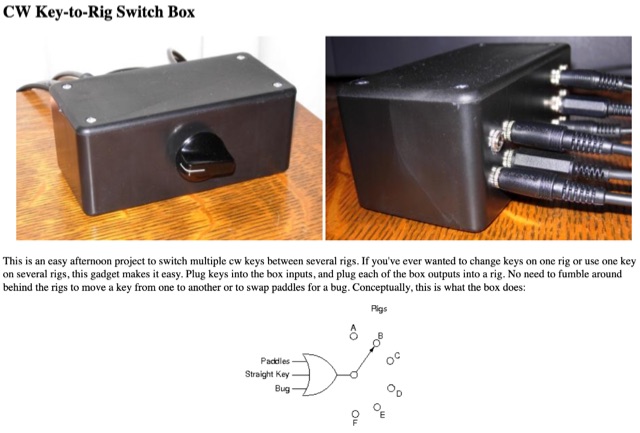 This is an easy afternoon project to switch multiple cw keys between several rigs. If you've ever wanted to change keys on one rig or use one key on several rigs, this gadget makes it easy. Plug keys into the box inputs, and plug each of the box outputs into a rig. No need to fumble around behind the rigs to move a key from one to another or to swap paddles for a bug.
 -
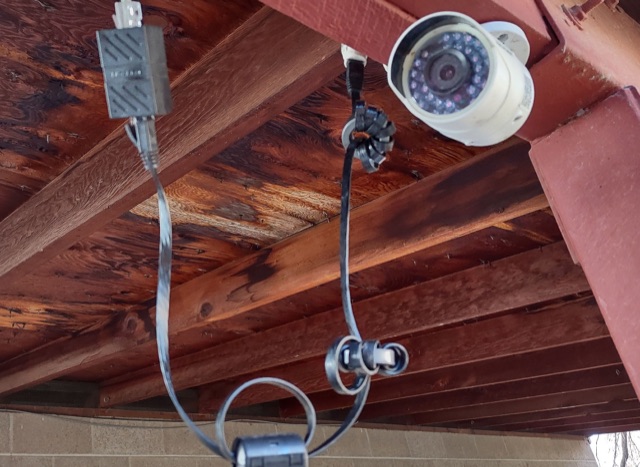 Hams can be annoyed by noise from PoE cameras and access points. These devices and their long cables act like antennas, picking up and spreading unwanted radio signals. By wrapping ferrites around the cable will reduce this noise. It won't silence it completely, but it can make a big difference.
 -
 John Lemay’s (G4ZTR) review of the Yaesu FT-847 offers a practical look at this all-mode transceiver, spanning 160m to 70cm, including 4m. While it falls short in dynamic range and sensitivity, its "shack-in-a-box" design shines for VHF DXing and multi-band use. Lemay shares hands-on tweaks, like calibrating 70cm with beacons and integrating footswitches for SSB and CW. The TX Inhibit feature simplifies sequencing with external gear. Despite minor flaws, the FT-847’s versatility and mod-friendly nature make it a solid pick for amateur radio enthusiasts craving flexibility.
 -
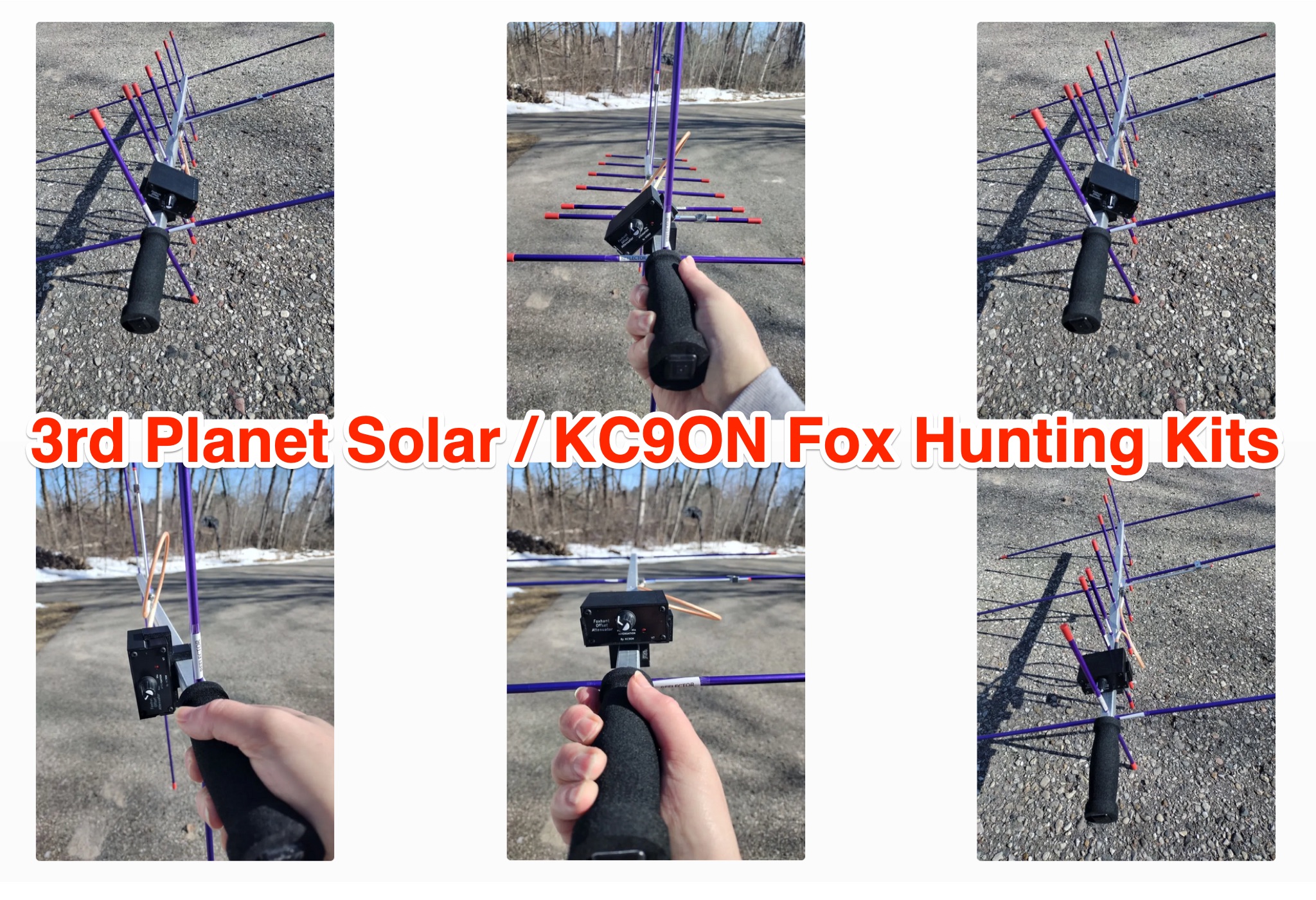 Explore the world of fox hunting with the Fox Hunt V7 Kits and Assembled Units. Learn about the different antennas used for fox hunting, such as the tape measure beam with an offset attenuator. Discover how to make your own WB2HOL beam antenna using PVC pipe, T's, and a tape measure. Find out how the offset attenuator works and how it can help you track down jammers and interference. Whether you're a seasoned fox hunter or just starting out, this page offers valuable insights and tips for improving your hunting skills.
 -
 Make an otherwise fine radio even better, change one resistor and one capacitor in the audio section