Search results
Query: index a f
Links: 588 | Categories: 0
-
 Test equipment and ham radio related manuals
 -
-
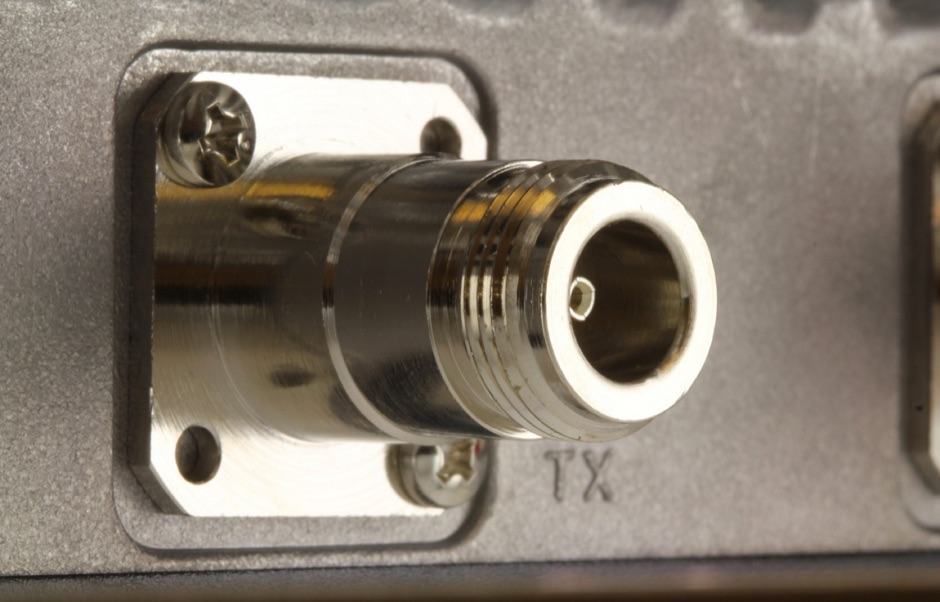 How much better is an N over SO-239 at VHF/UHF, a discussion topic at eham
 -
 A cavity filter, often a critical component in _duplexer_ designs, functions as a sharply tuned resonant circuit, allowing only specific frequencies to pass while attenuating others. These filters are essential for maintaining signal integrity in environments where multiple transmitters and receivers operate simultaneously on closely spaced frequencies, such as in repeater stations. The article details how these filters, sometimes referred to as _notch filters_, achieve high Q factors, which are crucial for their performance. Understanding the principles of cavity filters is fundamental for any amateur radio operator involved in repeater operation or designing custom RF front-ends. The discussion covers the basic circuitry and operational characteristics that enable these devices to provide significant isolation, often achieving **-80 dB** or more between transmit and receive paths. This level of isolation is vital for preventing receiver desensitization and intermodulation distortion. Properly tuned cavity filters ensure that a repeater can transmit and receive simultaneously on different frequencies without self-interference, a common challenge in VHF/UHF operations.
 -
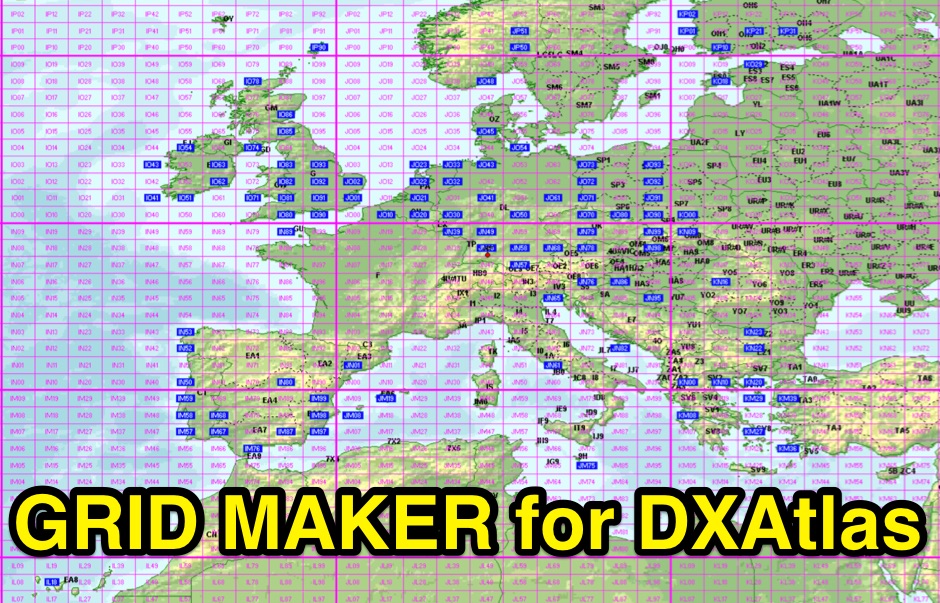 Gridmaker takes your ADIF-file and searches for all the grids on the specified band. It then makes files for use in DXAtlas
 -
-
 Electrical and electronics online calculators by Calculatoredge.com
 -
-
 A page full of info and resources for hams.
 -
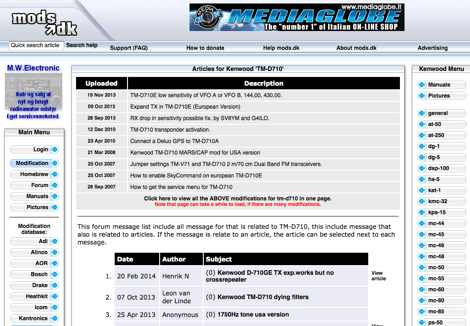 Articles about TM-D710 radio modifications at Mods.dk
 -
 Amateur Radio, SkyWarn, RACES, ARES, and more
 -
-
 ICNIRPcalc allows you to calculate safety distances for many know amateur radio antennas with respect to ICNIRP limits by DL9KCE
 -
 Article on Yagi and Log periodic antennas by Tom, K1JJ
 -
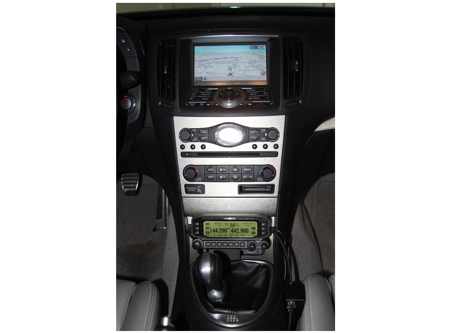 Mobile installation of a Kenwood TM-D710 and comparison with the Yaesu FT-350R
 -
 New IOTApedition: 10 - 15 January 2006
 -
 G8EPR pye telecoms museum incorporating.. emeregency services & radiotelephone museum of great britain
 -
-
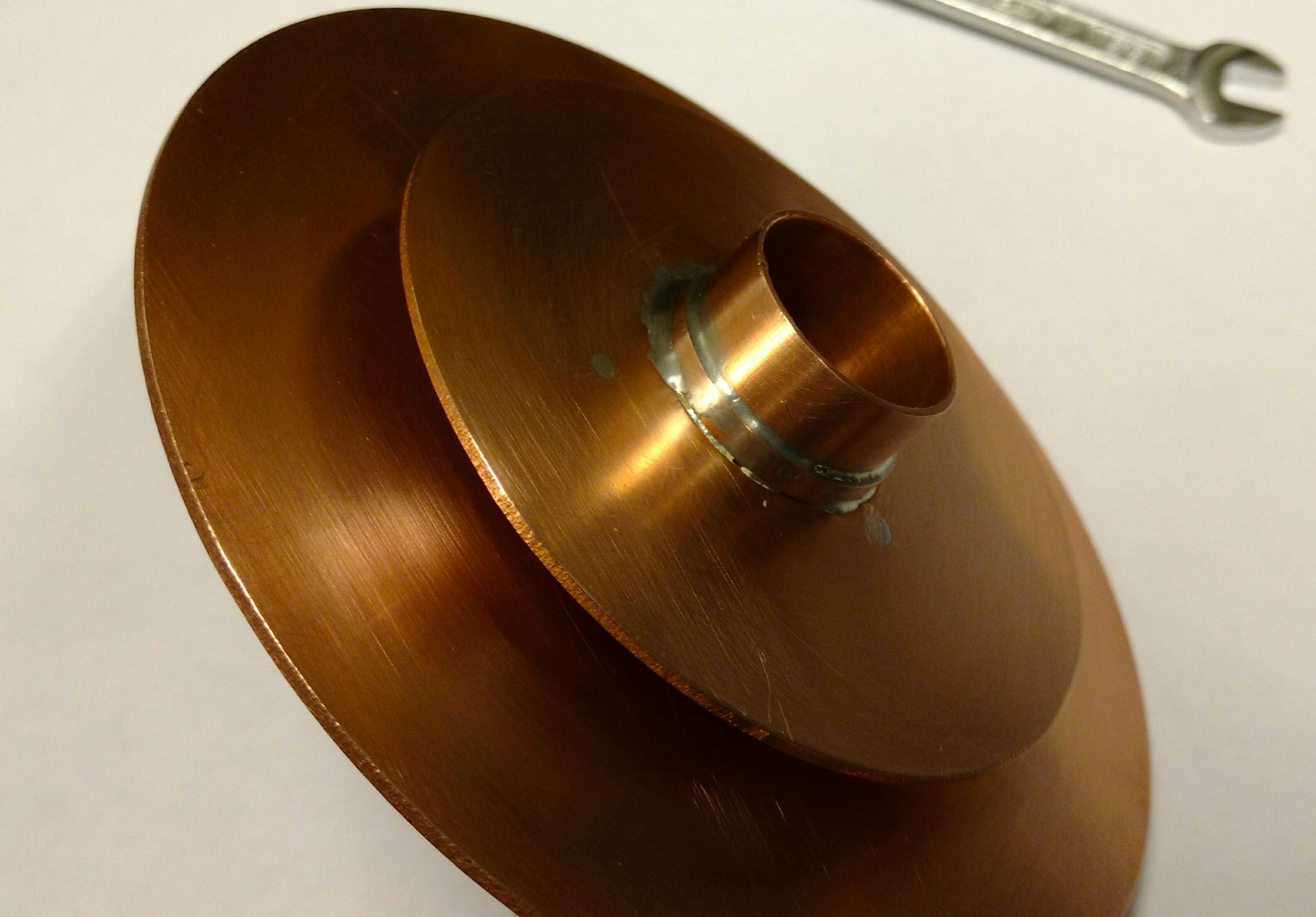 Building equipment for AMSAT P4A geostationary Es'hail-2 Quatar OSCAR 100 Satellite
 -
 This forum is to bring together all interested in Amateur Radio both listeners and Operator's alike from all over the world
 -
 Articles and review on the Yaesu FT 817 by OZ9AEC
 -
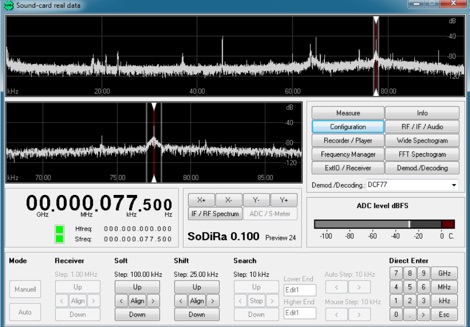 Software Defined Radio (SDR) for analog and digital modulation modes, can demodulate AM envelope, AM synchronous, AM stereo, LSB, USB, FM, FM Broadcast, DRM30, DRM+
 -
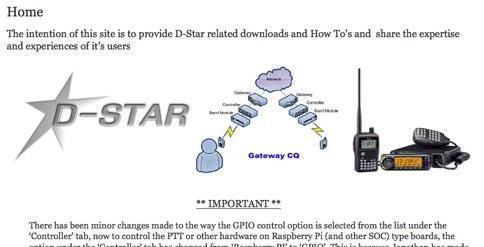 Getting your Raspberry PI up and running your D-Star radio kit. This will work with DVAP / DVRPTR or DVmega
 -
-
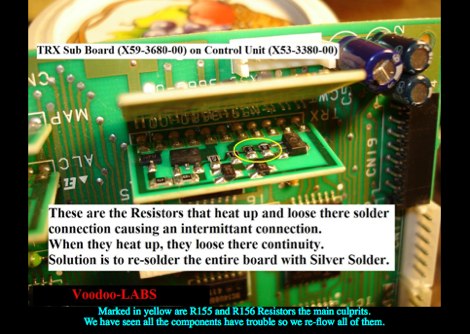 Kenwood TS-950SDX ESSB audio mods by voodoo labs
 -
-
-
 The understanding of the A and K indexes will become a very important issue when one begins serious HF operation.
 -
 An Google Maps interactive layer showing Australian amateur radio repeaters. You can navigate and zoom as required and click on a repeater-site icon to display frequency, ctcss and other details and notes for that repeater.
 -
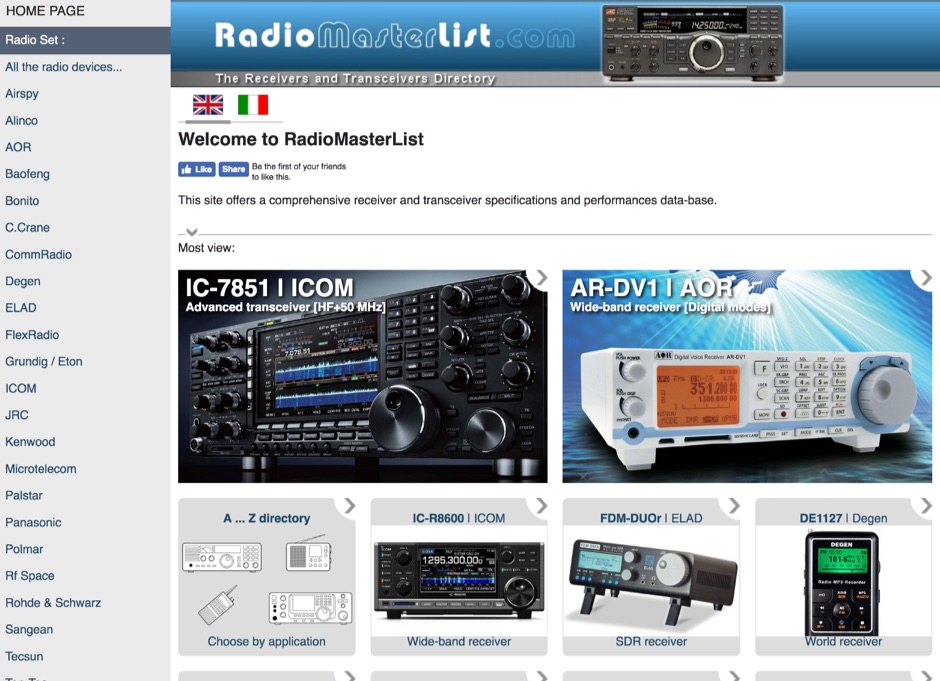 RadioMasterList, a comprehensive receiver and transceiver directory. Performances and specifications for every radio set
 -
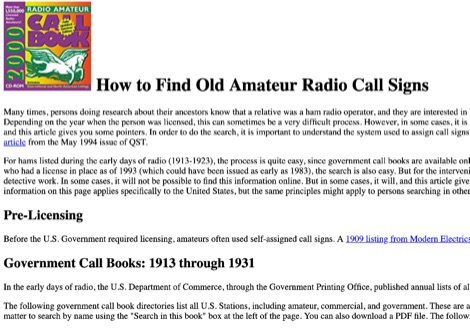 The W0IS resource outlines methods for finding historical US amateur radio call signs, particularly for genealogical research. It highlights the comprehensive collection of digitized call books from 1906-1996 available at leehite.org, stored as searchable PDF files. These resources significantly simplify what was previously a laborious manual search through physical call books, which were typically indexed by call sign rather than name. The guide details specific search techniques for various eras. For early radio days (1913-1923), government call books are readily available and searchable online via Google Books and hathitrust.org. For the period between the 1930s and 1980s, when private publishers like "Radio Amateur Call Book Magazine" dominated, the resource points to archive.org for scanned editions (1938, 1940, 1948, 1972) that support full-text OCR searches, despite potential scanning errors requiring flexible search terms. It also provides strategies for navigating Google Books' "snippet view" for the 1952 call book, including searching by name or address and interpreting often illegible snippets. The resource suggests cross-referencing findings with hamcall.net for call sign verification from 1921, 1954, 1960, 1969, and 1983 onwards. Additionally, it lists physical call book collections at institutions like the Pavek Museum of Broadcasting and individuals like W3HF, offering avenues for deeper research when digital methods fall short.
 -
 Descriptions, summaries,and tutorials about electronic circuits and electronic circuit design including amplifiers, attenuators, logic, transistor, operational amplifiers and much more
 -

-
 Universal Postal Union, International reply coupon page
 -
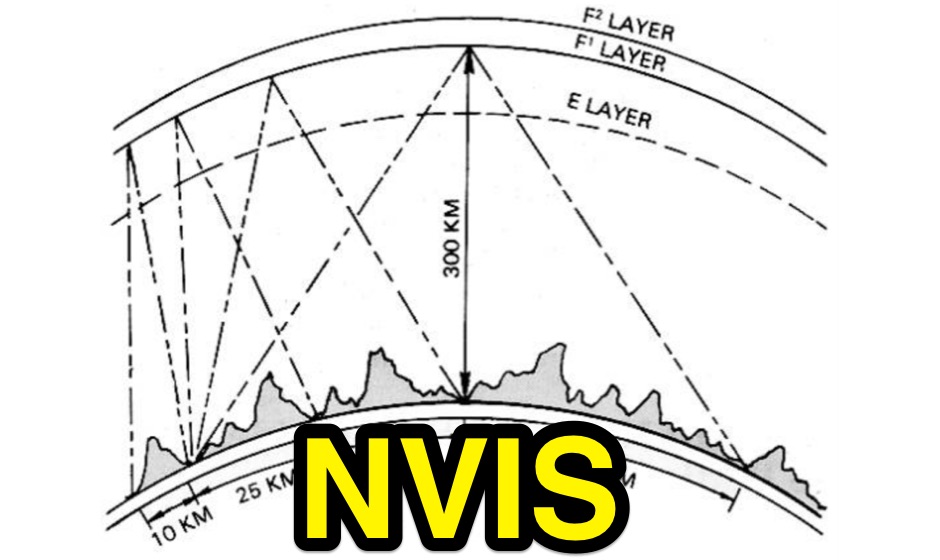 Operating NVIS mode, understanding operation frequencies, choosing the proper antenna to operate with the Near Vertical Incidence Skywave propagation
 -
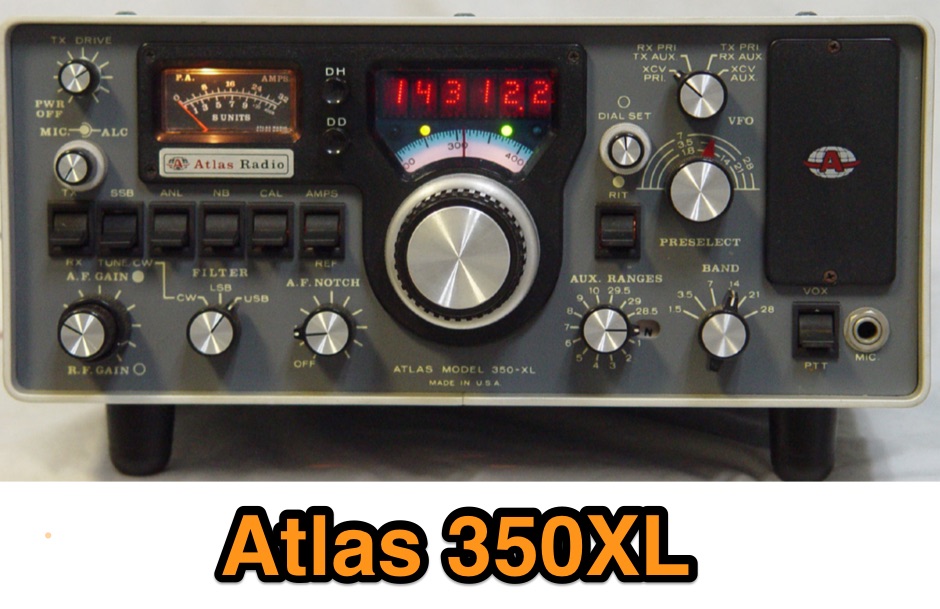 New PA stage for good old Atlas 350XL HF transceiver
 -
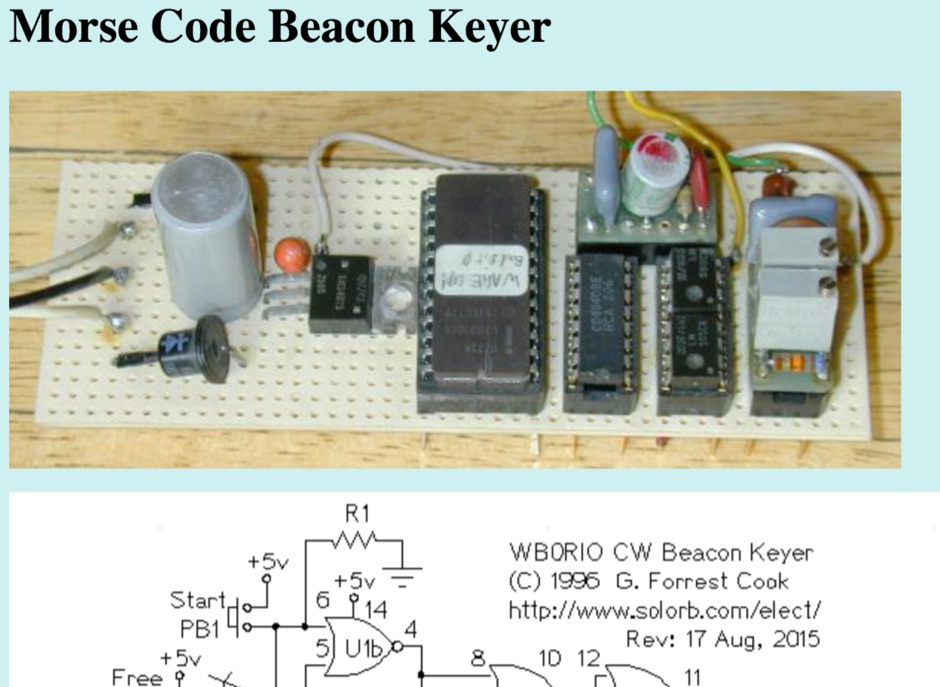 This circuit stores a morse code message as bits in an EPROM chip, the message controls a relay that keys a CW morse code transmitter. An Arduino processor can also be used in place of this circuit, that eliminates the need to build the circuit and program an EPROM.
 -
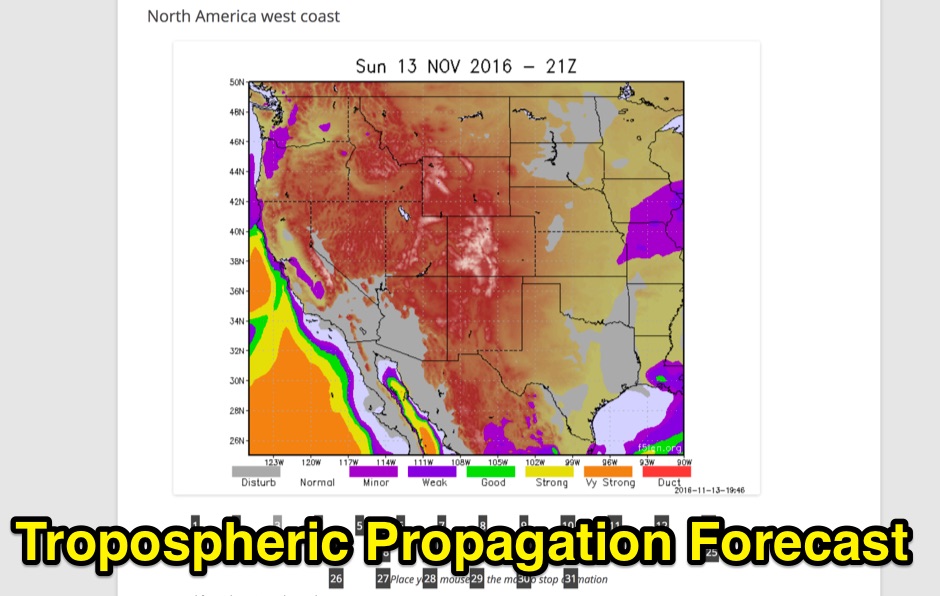 Tropospheric Propagation Forecast for several areas. Base on a computed refractive index 4 times a day.
 -
 UN DX Contest 2010 (Open Championship of Kazakhstan) result list
 -
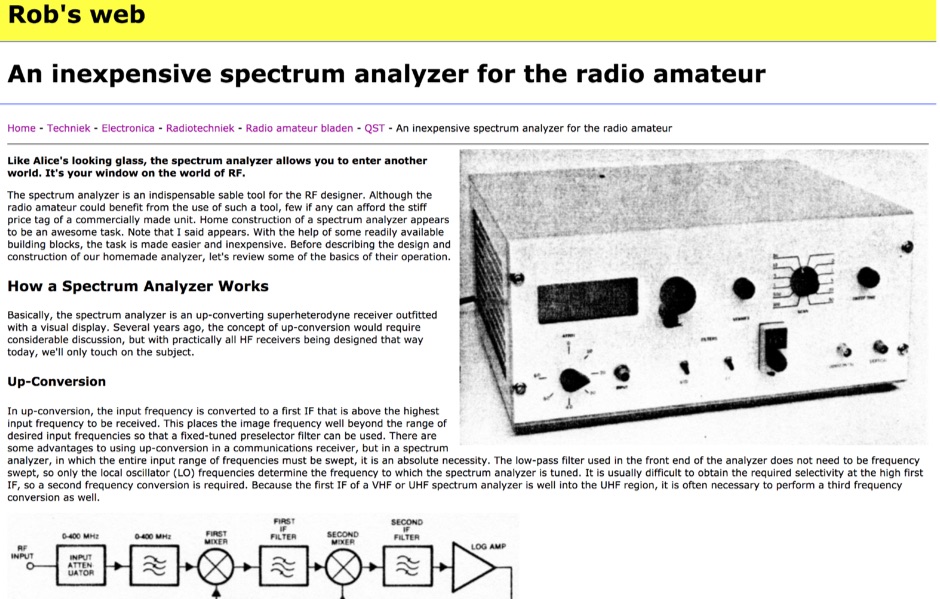 An inexpensive spectrum analyzer for the radio amateur, with a respectable performance and a quite good dynamic range. Schematic and basic information on how spectrum analyzers works.
 -
-
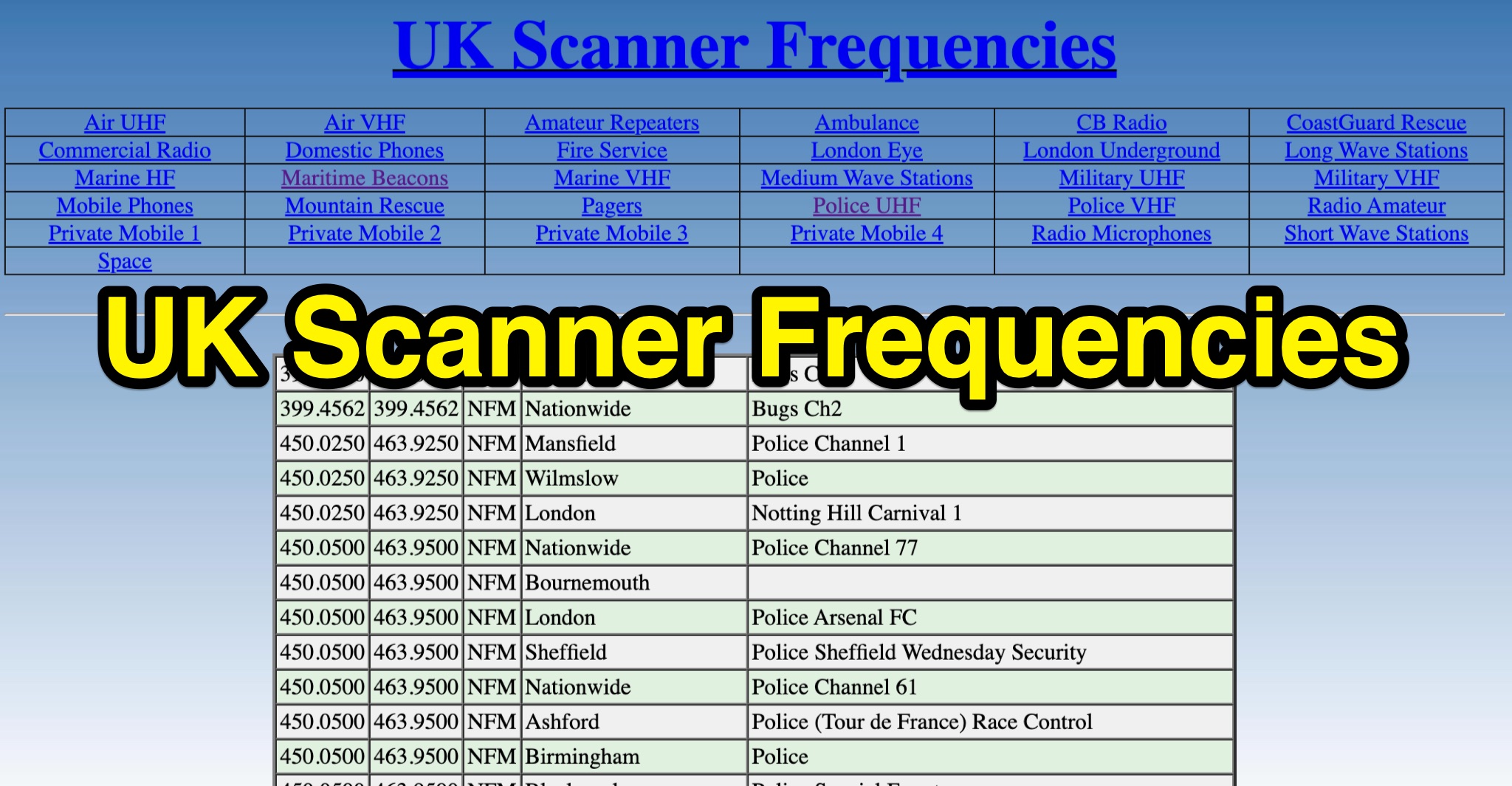 This page provides a list of scanner frequencies for hams in the UK. It offers a comprehensive guide for ham radio operators looking to find and tune into various frequencies for communication. The page is useful for hams who want to explore different channels and connect with fellow operators in the UK. Whether you are a beginner or an experienced ham radio enthusiast, this resource can help you discover new frequencies and expand your communication network.
 -
 The I2YSB DXpedition Team presents a collection of videos documenting their past DXpedition activities. These visual records offer insights into the operational aspects, equipment deployed, and environmental conditions encountered during various DXpedition events. The resource also contains a specific announcement regarding the cancellation of the planned Ghana AF-084 DXpedition, originally scheduled for April. It further details the refund process for sponsors who had contributed donations for the cancelled operation. The content serves as an archive of DXpedition experiences, showcasing the efforts involved in activating rare or challenging entities. It provides a historical perspective on the team's operations and logistical considerations. The site also functions as a communication channel for important updates concerning future or cancelled DXpedition plans, directly addressing the amateur radio community interested in their activities.
 -
 Official page of the IARU High Speed Telegraphy Championships
 -
-
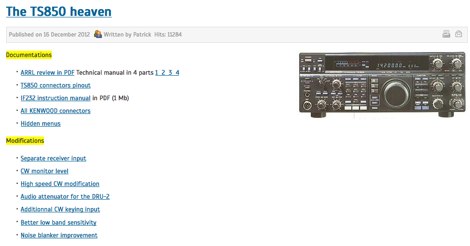 A complete list of resources for the Kenwood TS-850 mantained by TK5EP
 -
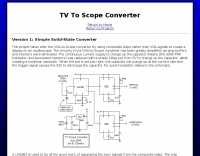 This project takes after the VGA-to-Scope converter by using composite video rather than VGA signals to create a display on an oscilloscope.
 -
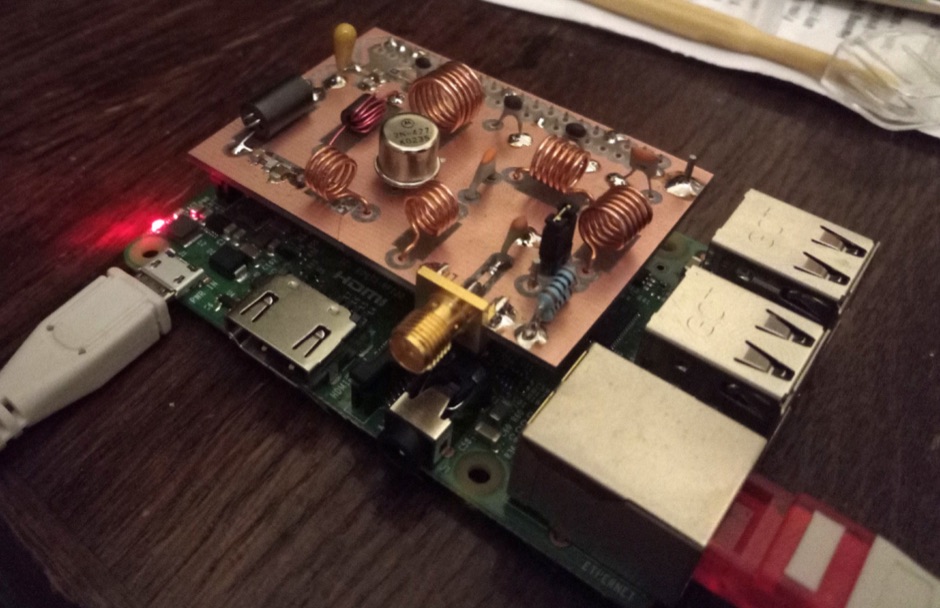 How to limit unwanted harmonics from your raspberry Pi radio transmitter by introducing filters.
 -
 Build a digital AC voltmeter to measure the output range from 0 to 150VAC with reasonable accuracy