Search results
Query: digi
Links: 647 | Categories: 58
Categories
- Manufacturers > Digital and Packet Radio
- Operating Modes > Digital ATV
- Technical Reference > Digital ATV projects
- Manufacturers > Digital Mobile Radio
- Operating Modes > Digital Modes
- Ham Radio > Clubs > Technical Specialty > Digital Modes Clubs
- Operating Modes > Satellites > Digital Satellites
- Software > Digital SSTV
- Operating Modes > Digital Voice
- Software > Digital Voice
- CB Radio > Packet and Digital
- Software > Digital Amateur Television
- Radio Equipment > Amateur Radio Accessories
- Technical Reference > APRS
- Operating Modes > APRS > APRS in USA
- Operating Modes > Chip64
- Operating Modes > Packet Radio > Clubs
- DX Resources > Contest Calendars
- Operating Modes > D-STAR
- Software > D-STAR
- Operating Modes > D-STAR > D-Star Clubs
- Software > Decoders
- Software > DRM
- Operating Modes > DSP
- Software > Filter Design
- Internet and Radio > Forums
- Operating Modes > Hellschreiber
- Software > Hellschreiber
- Manufacturers > Interfaces
- Operating Modes > JT65
-
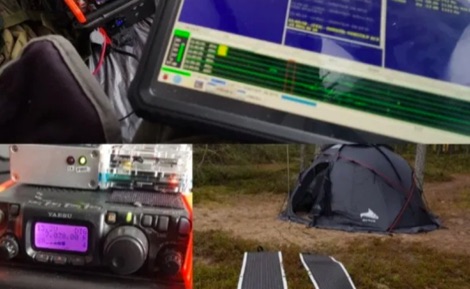 Operating a QRP station in frigid conditions presents unique challenges, particularly concerning power management and equipment reliability. This resource outlines a specific winter portable configuration, focusing on maintaining operational capability when temperatures drop significantly. It details the use of a _Yaesu FT-817ND_ for digital QRP modes, paired with a _Raspberry Pi_ for digital signal processing and logging, demonstrating a practical approach to cold-weather field communications. The article provides insights into selecting appropriate power sources, such as LiFePO4 batteries, and managing their performance in sub-zero environments. It also covers shelter considerations, including tent selection and heating strategies, crucial for operator comfort and equipment protection during extended activations. The author, _OH8STN_, shares firsthand experience from Arctic Circle operations, emphasizing robust gear choices. Further content includes a video walkthrough, illustrating the physical setup of the station, antenna deployment, and the overall operational workflow in a winterized environment. This visual aid complements the written text, offering a comprehensive view of the entire portable station, from the transceiver to the power system and the protective shelter.
 -
 Presents a personal blog, "QSL, maraca!", maintained by Luiz Belem, PY1UR, detailing his amateur radio endeavors. The content includes posts on station setup, operating experiences, and general ham radio topics, reflecting the perspective of an active DXer and contester. The blog serves as a digital logbook and platform for sharing insights with the amateur radio community. Documents PY1UR's participation in various on-air activities, showcasing his QSL card collection and providing narratives behind specific contacts. It offers practical insights into antenna configurations and radio equipment used, demonstrating effective strategies for achieving **DX contacts** and improving station performance. The blog's entries provide a historical record of PY1UR's _amateur radio journey_.
 -
 German association dedicated to digital radio communications
 -
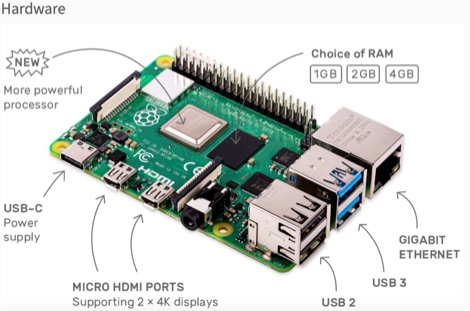 This resource is an online tutorial focused on setting up the Raspberry Pi for amateur radio applications. It covers the installation and configuration of various software packages tailored for digital communications and protocols, including _Packet Radio_ with Hamlib and Direwolf, as well as data modes like FLDigi and WSJT-X. The guide also details the integration of hardware components such as GPS clocks for time synchronization and real-time clocks for enhanced functionality. Users will find instructions for installing software like GPredict for satellite tracking and GQRX for software-defined radio (SDR) applications. The tutorial emphasizes practical steps, including the use of command-line inputs in the Raspberry Pi OS terminal, and provides troubleshooting tips for common issues such as faulty SD cards or insufficient power supplies. Operators are encouraged to explore various applications, including APRS iGates and WSPR beacons, to enhance their ham radio experience. The material is designed for licensed amateur radio operators with basic knowledge of electronics and computing.
 -
 Silvercomet ARS is located in Paulding County Georgia. We are a ARRL Special Service Club. We hold Training Classes, do many Special Events Stations. We are also very involved in Digital Modes.
 -
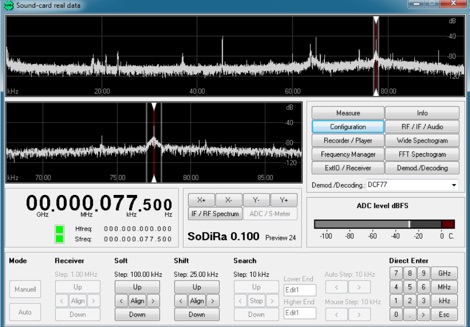 Software Defined Radio (SDR) for analog and digital modulation modes, can demodulate AM envelope, AM synchronous, AM stereo, LSB, USB, FM, FM Broadcast, DRM30, DRM+
 -
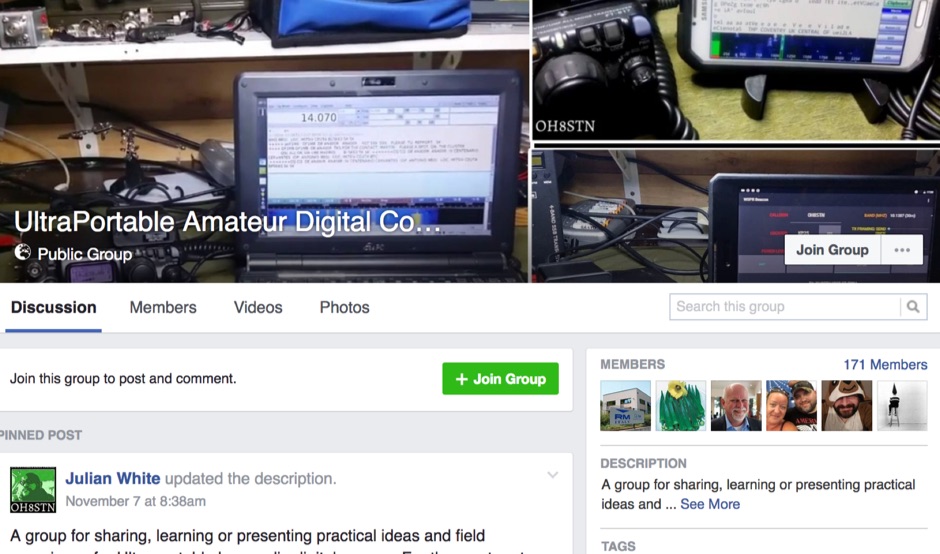 A group for sharing, learning or presenting practical ideas and field experience for Ultra portable ham radio digital comm
 -
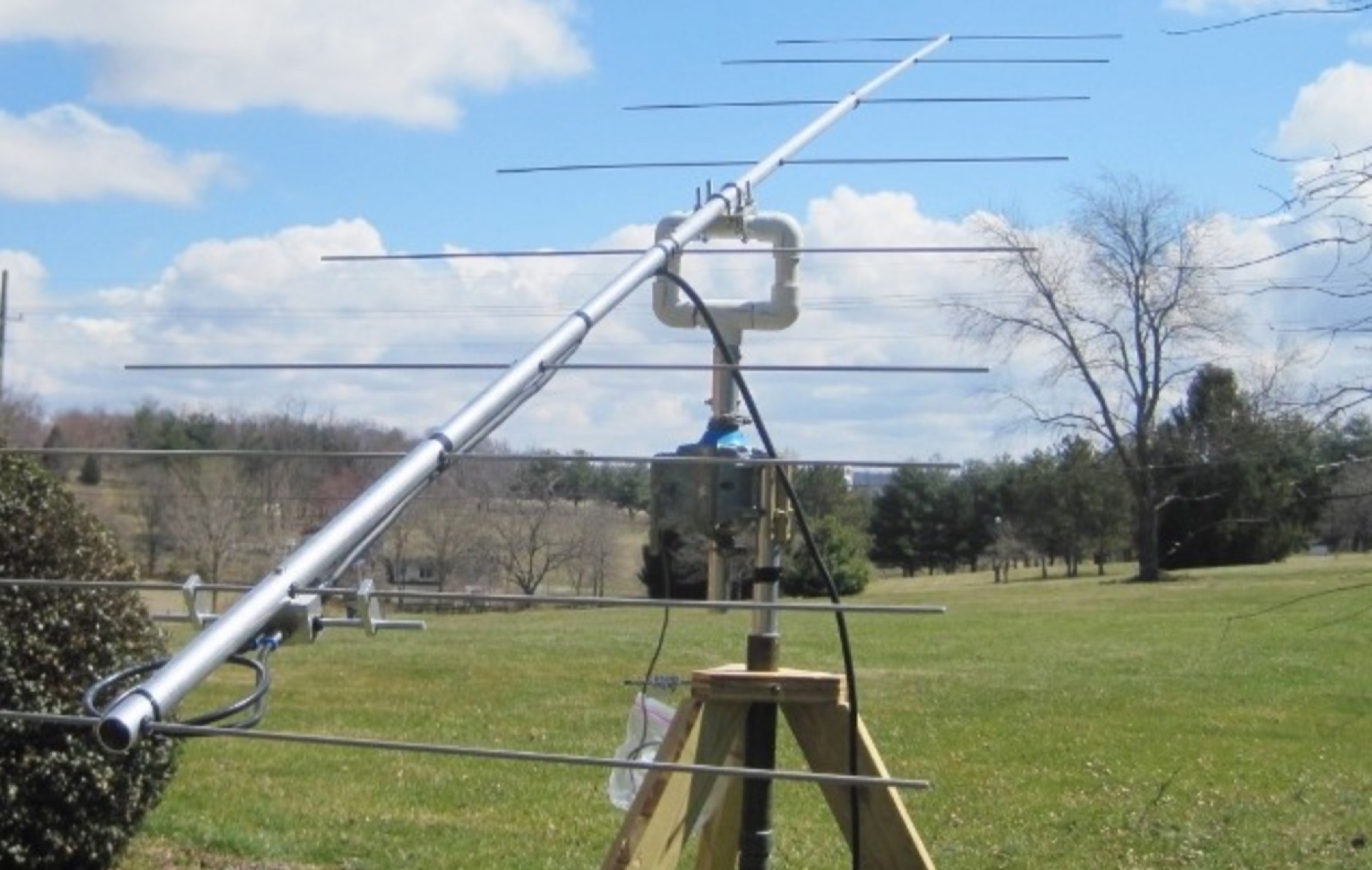 The purpose of this article is to provide radio amateurs with enough background information to understand the technical challenges involved in small-station digital EME on the 144 and 432 MHz bands.
 -
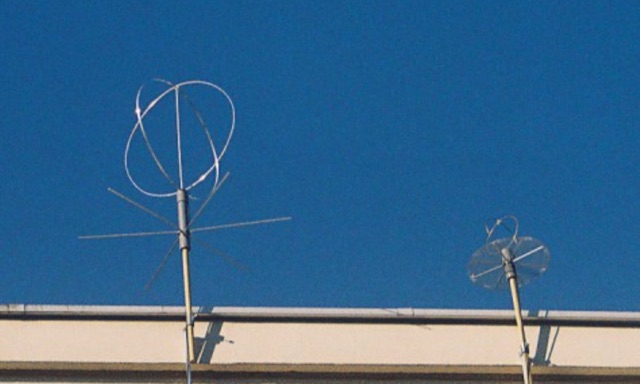 This antenna was conceived mainly for high-speed digital transmission via satellite. The antenna is made of two full waves loops , mounted at right angles to each other. Then coupled together, 90 degrees out of phase over a horizontal circular reflector. With this configuration the antenna is omni directional and circularly polarized.
 -
 The W0IS resource outlines methods for finding historical US amateur radio call signs, particularly for genealogical research. It highlights the comprehensive collection of digitized call books from 1906-1996 available at leehite.org, stored as searchable PDF files. These resources significantly simplify what was previously a laborious manual search through physical call books, which were typically indexed by call sign rather than name. The guide details specific search techniques for various eras. For early radio days (1913-1923), government call books are readily available and searchable online via Google Books and hathitrust.org. For the period between the 1930s and 1980s, when private publishers like "Radio Amateur Call Book Magazine" dominated, the resource points to archive.org for scanned editions (1938, 1940, 1948, 1972) that support full-text OCR searches, despite potential scanning errors requiring flexible search terms. It also provides strategies for navigating Google Books' "snippet view" for the 1952 call book, including searching by name or address and interpreting often illegible snippets. The resource suggests cross-referencing findings with hamcall.net for call sign verification from 1921, 1954, 1960, 1969, and 1983 onwards. Additionally, it lists physical call book collections at institutions like the Pavek Museum of Broadcasting and individuals like W3HF, offering avenues for deeper research when digital methods fall short.
 -
 An in-depth comparison here between the various digital technologies
 -
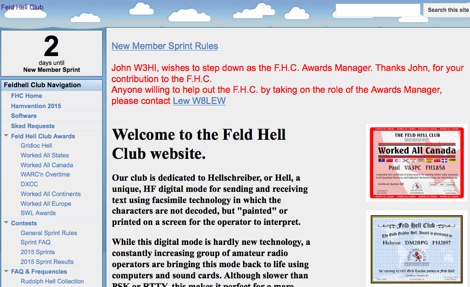 A club dedicated to Hellschreiber, or Hell, a unique, HF digital mode for sending and receiving text using facsimile technology
 -
 Locura Digital is a Radio-Communication Professional company, dealer for wide range of amateur radio products, based in Barcelona Spain
 -
 This site is basically for the begeners (SWL) of india. This site is supporting to digital communication for hams also.
 -
 Before the advent of digital transmission modes, several analog schemes were developed to transmit images or image-like information on the Amateur Radio bands.
 -
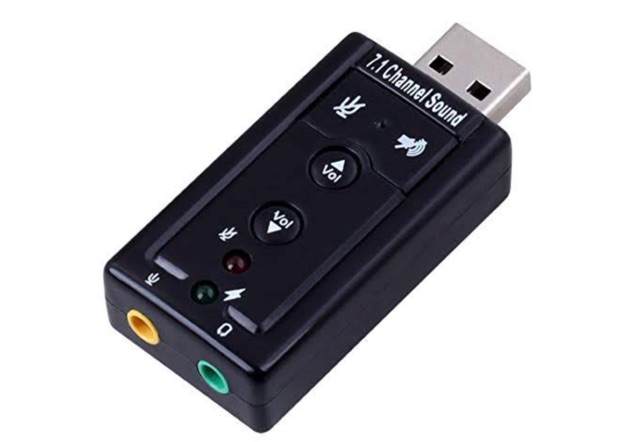 This project is a USB Audio, Serial and PTT interface for rigs that does not directly support digital modes provided by applications such as FLDIGI, WSJT-X and JS8CALL. Plug these interface devices into your Windows or Linux laptop or Raspbian Raspberry Pi and you can send and receive digital tones to/from your rig and automate the frequency and mode control and PTT control.
 -
 A mailing list in spanish to exchange shortwave dx i nformations
 -
 Digital modes and information Gran Canaria
 -
 Operating as a hub for its members, the Club Radioamateur Sorel-Tracy VE2CBS Inc. website provides essential information regarding club activities, membership management, and technical resources. It features articles on topics such as **D-STAR** digital voice mode training, offering a multi-capsule course for members to understand, configure, and effectively use D-STAR with ICOM equipment, including callsign routing and reflector connections. The site also details access to member cards, renewal processes, and upcoming events like the annual HAMFEST, which serves as a significant gathering for local radio amateurs. Beyond club-specific news, the site curates information on useful amateur radio tools and technologies, exemplified by articles on **HamClock** for propagation and satellite tracking, and a quick guide to Meshtastic for LoRa-based mesh networking. These resources aim to support members in exploring modern digital modes and enhancing their station operations, reflecting the club's commitment to fostering technical knowledge and community engagement within the Sorel-Tracy amateur radio scene.
 -
 Relays, controllers, power meters, fault recorders, power sensing products
 -
 Digital modes contest rules by TARA. Offers the All Seasons contest Tournament. A new concept in contesting.
 -
 The next generation beacon platform for the OZ7IGY beacons should encompass both the analog and digital mode, i.e. FSK and MGM in a mixed mode configuration
 -
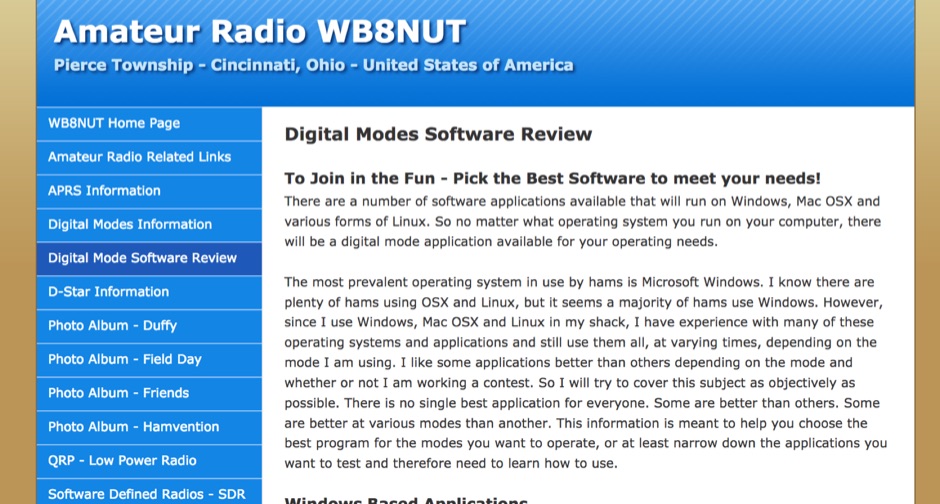 In this article WB8NUT review the most popular amateur radio related digital mode software for windows and MacOSX
 -
 Article on how to use logic analyzers for testing complex logic-digital circuits
 -
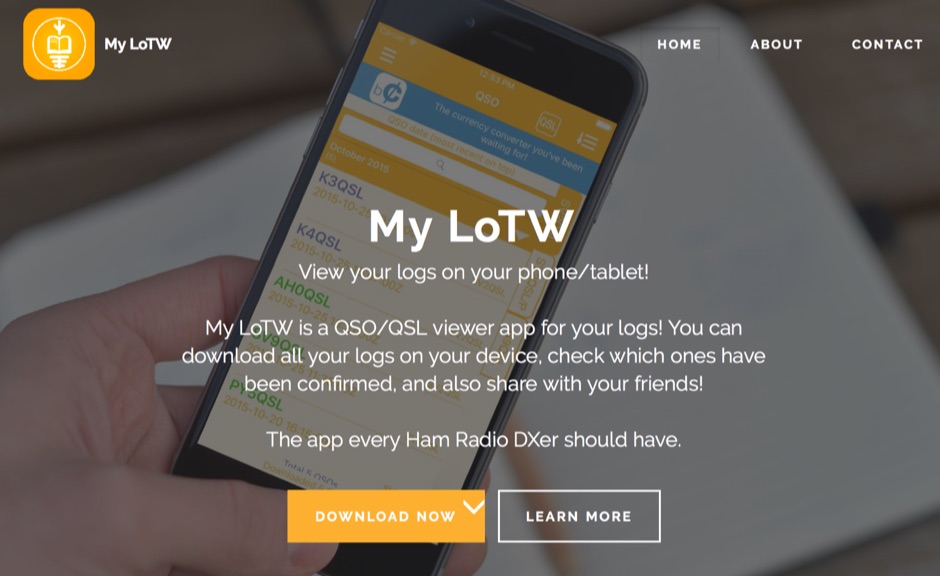 My LoTW is a free viewer app for Logbook of the World by ARRL. Features include, View all the QSOs you have submitted to LoTW, Add multiple callsigns under your LoTW account, View all your QSLs, Share digital QSL image which is created by the app for QSLs. Either save it on your device or share it on facebook, View statistics for your worked stations/DXCC/bands etc
 -
 Sixty-meter repeaters typically use a 1 MHz frequency separation between input and output, while 2-meter repeaters commonly employ a **600 kHz** split and 70-centimeter repeaters use a **5 MHz** offset. This article details the fundamental technical principles of amateur voice repeaters, explaining how they extend VHF/UHF communication range by receiving on one frequency and simultaneously retransmitting on another. It covers essential components such as receivers, transmitters, filters, and antennas, often situated on elevated locations for optimal coverage. The resource delves into the critical challenge of _desensing_—where the repeater's strong transmit signal overpowers its own receiver—and the engineering solutions employed, including antenna separation and the use of high-Q cavity filters. It also explores various control and timing systems, from basic squelch activation to more sophisticated microcontroller-based boards that manage functions like voice identification, time-out timers, and fault protection. Different access methods are discussed, including open access, toneburst, CTCSS subtone, and DTMF, each offering distinct advantages for managing repeater usage and mitigating interference. Furthermore, the article examines repeater linking, both conventional RF methods and modern internet-based solutions, highlighting how linking expands coverage and promotes activity across multiple repeaters or bands. It introduces less common repeater types such as 'parrot' repeaters, which use a single frequency and digital voice recording, and linear translators, capable of relaying multiple signals and modes simultaneously across different bands, often found in amateur satellites.
 -
 This page contains Contributions to a Discussion on the Moon-Net about the Application of Digital Signal Processing (DSP) Methods in Moonbounce.
 -
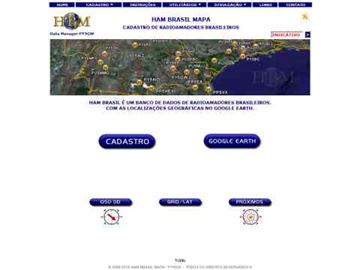 Approximately 524,475 Brazilian amateur radio operators are cataloged within this resource, offering a comprehensive database for the South American region. Each entry includes geographical coordinates, enabling users to visualize station locations directly within Google Earth. This functionality supports DXers in identifying potential contacts and understanding propagation paths relative to specific Brazilian QTHs. The platform serves as a digital callbook, primarily focused on the Brazilian amateur radio community. It facilitates the lookup of callsigns and associated location data, which is crucial for award tracking, contest planning, and general operational awareness. The integration with mapping services provides a visual dimension to traditional callsign databases, enhancing the utility for operators interested in geographical aspects of radio communication.
 -
 Presents the personal amateur radio presence of W2CZ Efrem, offering a glimpse into their engagement with the hobby. The page serves as a digital QSL card, affirming participation in the global amateur radio community. It provides a direct connection to the operator, typical of early personal web pages in amateur radio. This resource functions as a static online identifier for the callsign holder.
 -
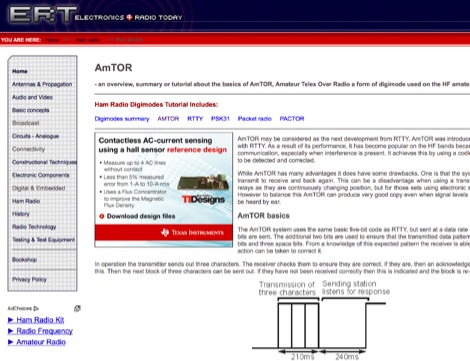 AmTOR may be considered as the next development from RTTY. AmTOR was introduced to overcome the problems with RTTY. As a result of its performance, it has become popular on the HF bands because it gives more reliable communication, especially when interference is present. It achieves this by using a coding system that allows errors to be detected and corrected.
 -
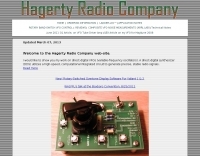 Offer a Direct Digital VFO Kits (variable-frequency oscillator) using the Analog Devices AD9951 by WA1FFL
 -
 The original SurplusEQ.com domain, once a hub for amateur radio operators and electronics enthusiasts seeking test equipment, meters, and various high-tech components, has been repurposed. Historically, such platforms facilitated the acquisition of essential gear for shack setups, antenna analysis, and general electronics work, often providing cost-effective alternatives to new retail purchases. The site's previous focus on "test equipment, meters, testers" directly supported the technical aspects of the hobby, from RF measurements to circuit diagnostics. Currently, the domain points to a gambling platform named "SEMUTWIN," offering online slot games, live casino options, and other digital wagering activities. This shift represents a complete departure from its former identity as a resource for surplus electronics and amateur radio-related equipment. The content now features game titles like "Sweet Bonanza Super Scatter" and "Gates of Olympus Super Scatter," alongside promotional offers for online gaming.
 -
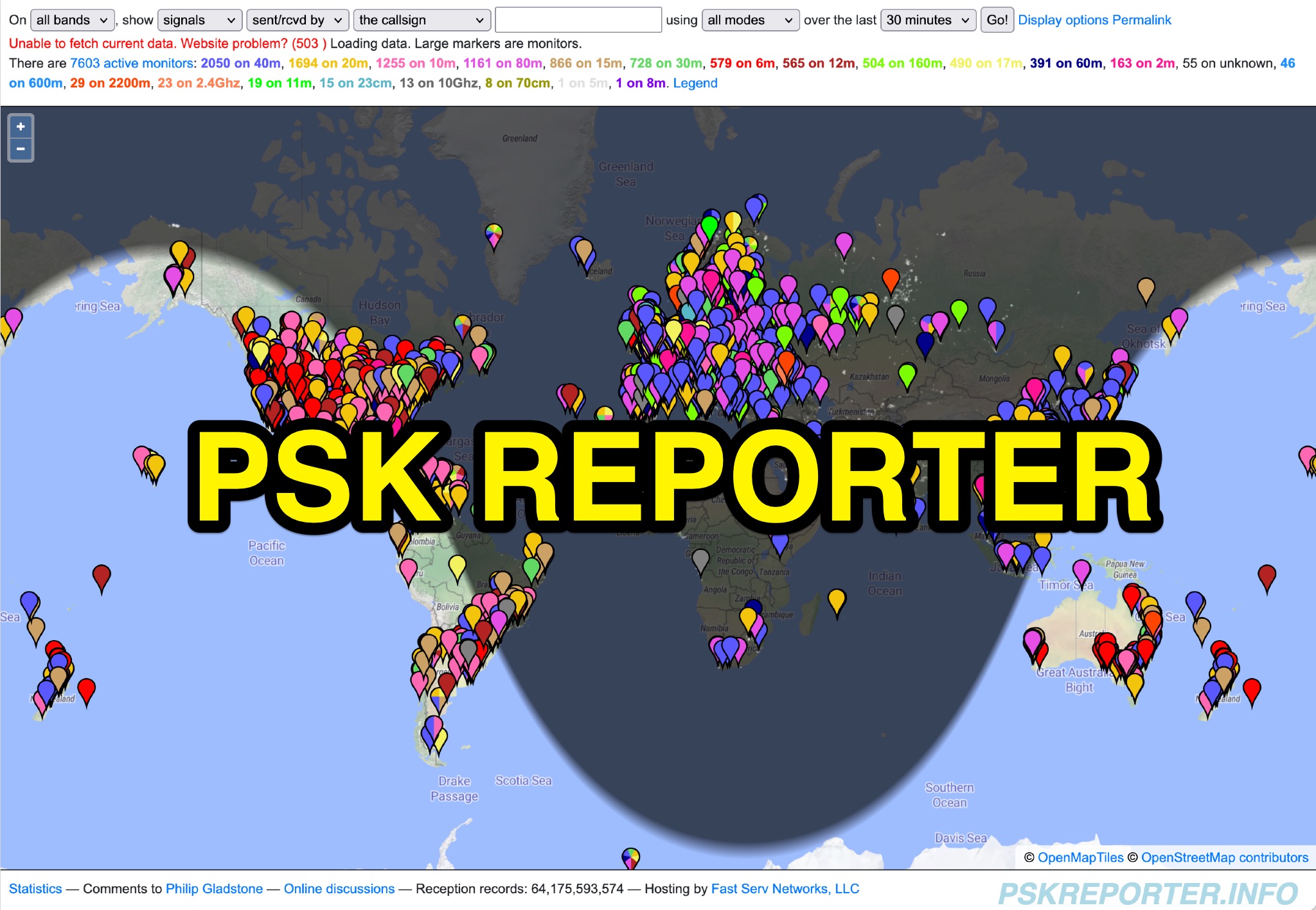 PSK Reporter provides a real-time visualization of amateur radio digital mode reception reports, aggregating data from a global network of monitoring stations. This platform is particularly useful for operators utilizing modes such as FT8, FT4, and PSK, allowing them to observe signal propagation paths and assess their station's reach. The interactive maps display reception reports, enabling hams to analyze band conditions and optimize antenna performance for various frequencies and times of day, aiding in understanding ionospheric conditions. Operators can filter reports by callsign, band, mode, and time, gaining insights into specific propagation events or evaluating the effectiveness of their transmit setup. The data collected helps in predicting optimal operating windows for DX contacts across various digital modes. Philip Gladstone is the contact person for comments and discussions regarding the system.
 -
 PropNET is an ad-hoc 2-way (and potentially, "more-way") RF-based digital communication network whose activity is reported on the Internet. As participating stations periodically ID and exchange data, they report their activity to an Internet data-collection hub for presentation through this web site.
 -
 With the new name TRANSRADIO, the former TELEFUNKEN SenderSysteme AG enters into the new digital age of Broadcasting – DRM.
 -
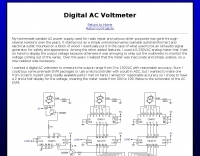 Build a digital AC voltmeter to measure the output range from 0 to 150VAC with reasonable accuracy
 -
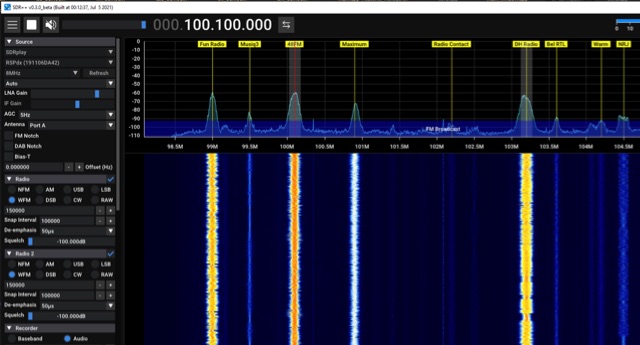 SDR++ is a cross-platform, open-source SDR software designed for minimal bloat and ease of use, supporting Windows, Linux, macOS, and BSD operating systems. It incorporates multi-VFO capabilities and offers extensive hardware compatibility through both _SoapySDR_ and dedicated modules. The software features SIMD accelerated DSP for efficient signal processing and provides full waterfall updates when possible, which enhances signal browsing. Its modular design facilitates the development of custom plugins, allowing users to extend its functionality. The application's focus on a bloat-free architecture and user-friendly interface aims to simplify the experience of working with Software Defined Radios. The full waterfall update mechanism is particularly beneficial for visualizing and identifying signals across a wide frequency spectrum, improving operational efficiency for radio amateurs. The modular plugin system enables community contributions and specialized enhancements, making _SDR++_ adaptable for various amateur radio applications, from general listening to specific digital mode decoding.
 -
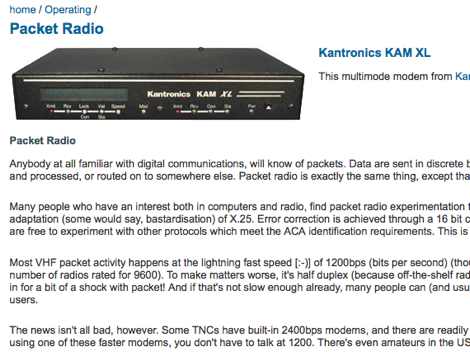 Introduction to packet radio and answers to common questions about this digital mode and about services you can use by VKFAQ
 -

-
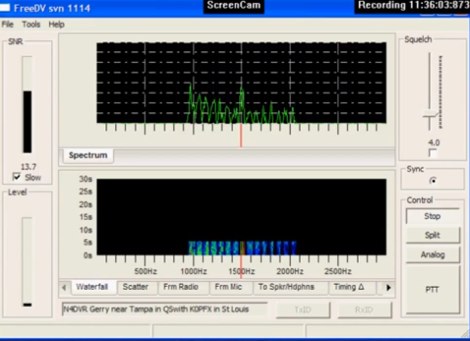 Operating Free DV, the open source digital voice codec for HF, allows any SSB radio to be used for low bit rate digital voice.
 -
 The Cambridge University Wireless Society (CUWS) serves as the amateur radio society for students and staff at Cambridge and Anglia Ruskin Universities, fostering interest and activity in two-way radio communication. It provides a platform for members to engage with various aspects of amateur radio, including operating, technical experimentation, and community building within the university environment. The society's activities typically encompass station operation, antenna construction, and participation in contests and DXing. As a university-affiliated club, CUWS offers practical experience in radio theory and application, often utilizing the club callsign _G6UW_. Members learn about different modes of operation, such as CW, SSB, and digital modes, and gain hands-on experience with transceivers and associated equipment. The society's focus includes preparing members for amateur radio licensing exams and promoting ethical operating practices. Participation in CUWS provides a foundation for future involvement in the broader amateur radio community.
 -
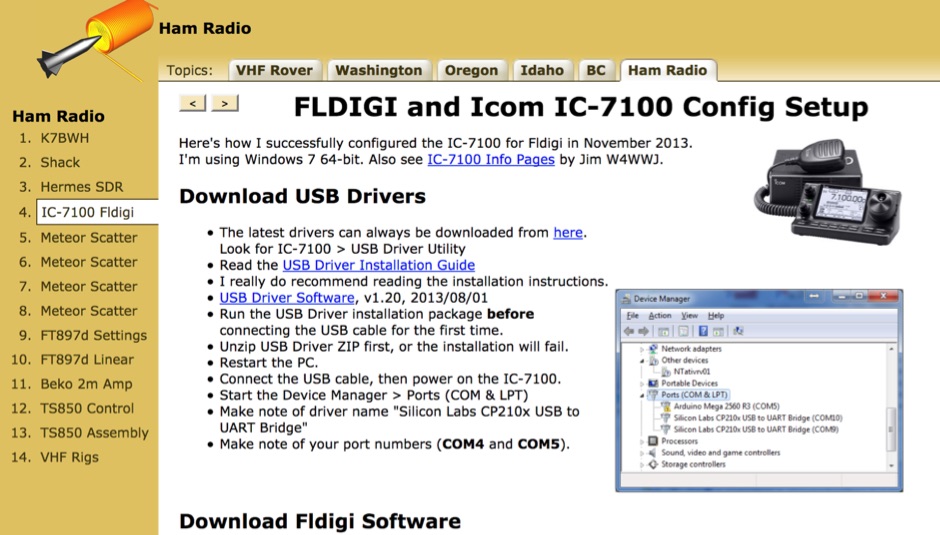 How to configure the ICOM IC 7100 to correctly work with FLDIGI on Windows 7 64 Bit. How install USB drivers and how to properly set COM ports and how to configure CI-V
 -
 Operating a modern amateur radio station, particularly for advanced digital modes or microwave experiments, often requires precise test and measurement equipment. This resource from NI (National Instruments), now part of Emerson, showcases a wide array of hardware and software solutions designed for demanding test objectives. Their portfolio includes modular instruments and configurable software interfaces, such as _LabVIEW_ and _TestStand_, which integrate AI assistance via _NI Nigel™ AI_ for code completion and sequence building. For those involved in RF and microwave work, the offerings extend to vector signal transceivers, RF signal generators, software-defined radios, and spectrum analyzers. These tools are crucial for characterizing antenna performance, optimizing transceiver circuits, or developing custom radio systems. The company emphasizes its 50 years of innovation, with 40 years dedicated to _LabVIEW_, highlighting a long-standing commitment to engineering solutions. The site also details products for data acquisition, electronic test, and wireless design, covering components like CompactDAQ modules for precise sensor measurements and various communication bus interfaces. Their events and perspectives sections offer insights into topics such as 5G technology and strategies for breaking out of testing silos, providing a broader context for their measurement solutions.
 -
 This resource presents a placeholder page for the _Tobacco Valley Amateur Radio Club_ (TVARC), signaling the future establishment of an online presence for this amateur radio organization. The page currently displays a "Coming Soon" message, indicating that the club's official website is in development. It serves as a preliminary marker for the club's digital footprint, suggesting an upcoming platform for members and prospective hams. The current state of the page offers no technical details, operational information, or specific club activities. It functions solely as a temporary landing page, prompting site owners to log in for launch and visitors to check back later. The resource does not provide any data on club repeaters, meeting schedules, or special events, nor does it detail any past achievements like **DX contacts** or **contest scores**.
 -
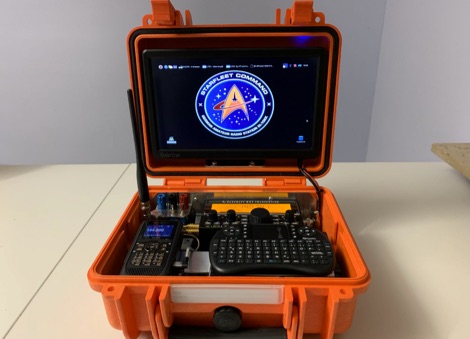 A very compact and multifunctional digital amateur radio station for the radio operation at home, on the way or in the emergency radio implemented with a Raspberry Pi 4, an Elecraft KX2, a Kenwood TH-D74 and a USB GPS.
 -
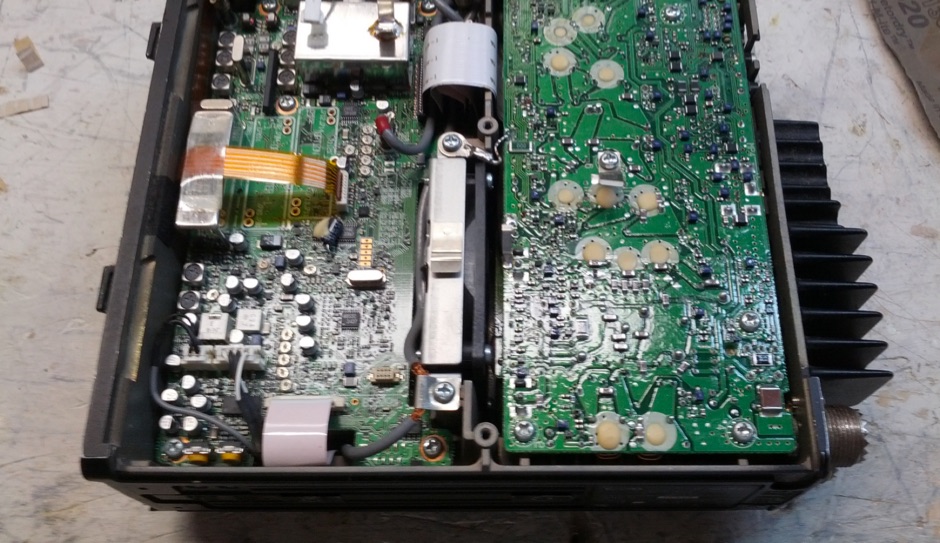 Icom 706MkIIG Filters, Make a narrow CW filter work in SSB for the digital modes
 -
 The High Point Amateur Radio Club (HPARC), operating under the callsign W4UA, provides a central hub for amateur radio enthusiasts in High Point, North Carolina, and surrounding communities. The club's website outlines its long-standing traditions and civic service, which date back to the 1930s, highlighting its sustained leadership and strong membership support over decades. It serves as a resource for individuals interested in obtaining or upgrading an FCC amateur radio license, offering assistance through direct contact with club officers. The site also features a newsletter archive for meeting notices and information on club activities, including Field Day. HPARC's diverse membership shares a common interest in the amateur radio hobby, encompassing various aspects such as VHF, UHF, HF, and digital modes like D-STAR. The club's commitment to public service is evident through its involvement in ARES and Skywarn, alongside educational initiatives for new hams and those pursuing license upgrades. The site also lists repeaters and provides information on emergency communications, technical projects, and participation in events like DXCC and contests, reflecting the broad interests of its members.
 -
 The PI6ATV repeater, operating on 10.475 MHz, serves the amateur television community by providing both analog and digital DVB-S2 services. Recent updates include user-adjustable Symbol Rate settings via Webcontrol, allowing operators to optimize their digital ATV transmissions for various conditions. This functionality, implemented on December 13, 2022, enables dynamic configuration of the digital stream. Significant technical milestones include the return of the analog ATV transmitter on 10.475 MHz, featuring a newly constructed liquid-cooled final amplifier by Edwin PD2EBH. This restoration on September 6, 2020, followed an 18-month hiatus, ensuring continued support for traditional analog ATV enthusiasts. The repeater's transition to DVB-S2 modulation, initiated on December 20, 2018, addressed capacity limitations of the previous DVB-S setup. This change from 20 MS/s with FEC 3/4 to DVB-S2 allowed for more efficient data handling, accommodating multiple channels within the available bandwidth and enhancing the overall digital ATV experience.
 -
 The Tektronix digital multimeter is a feature-rich tool with the accuracy and precision you need for your most demanding measurements.