Getting Started with Shortwave Radio Listening (SWL)
Find essential guides and practical advice for newcomers to shortwave radio, covering setup, antennas, and reception tips.

Engaging with shortwave radio offers a unique opportunity to monitor distant broadcasts and amateur communications. For newcomers to this facet of radio reception, understanding the fundamental principles and practical setup procedures is essential. This category provides foundational knowledge for those embarking on their shortwave listening journey, covering aspects from basic equipment selection to optimizing reception conditions. It addresses common initial challenges and clarifies key concepts necessary for effective operation.
The resources compiled here serve to guide beginners through various stages of setting up and operating a shortwave station. This includes advice on selecting appropriate receivers, understanding the nuances of antenna design for different frequency ranges, and implementing proper grounding techniques to minimize interference and enhance signal clarity. Additionally, guidance is offered on interpreting the shortwave spectrum, writing reception reports, and identifying amateur radio signals. These materials collectively aim to equip new listeners with the practical skills and theoretical understanding required to successfully engage with the shortwave environment and improve their listening experience.
-
 Advices for newcomers on shortwave listening by Daniel A. Grunberg
 -
 Long Waves, Short Antennas, designing antennas for MF and LF communications
 -
 Guidelines to groundings.
 -
 Get the most out of the shortwave listening hobby. Follow these steps to get started with your new radio.
 -
 A guide on writing reports to broadcasting stations and obtaining QSL cards
 -
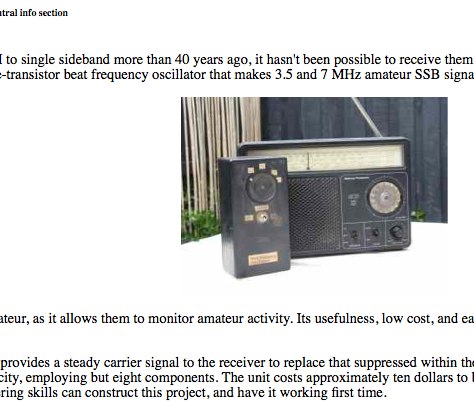 Allow the reception of amateur signals on domestic AM-only short wave receivers article and project by VK3YE
 -
 Discover how to easily listen to amateur radio bands with insights from Frank SWL, an experienced radio enthusiast. This guide covers essential tips for tuning into frequencies between 10 meters and 160 meters using modern tools like Web SDR and Kiwi SDR. Learn about identifying callsigns, understanding Q codes, and optimizing your antenna setup for better reception. Whether you're a beginner or an experienced listener, this article provides practical advice for enhancing your radio listening experience in 2025.
 -
 This guide explores the captivating hobby of shortwave listening (SWL), offering insights for beginners and enthusiasts alike. It covers key shortwave broadcast bands, essential tools like antennas and receivers, and practical tips to enhance listening experiences. Recommendations include budget-friendly SDR receivers, traditional radios like the TECSUN PL-680, and antennas suited for various environments. Additional resources, such as the World Radio & TV Handbook and online tools like Short-Wave.Info, are highlighted to help identify signals and maximize the enjoyment of SWL.
 -
 Shortwave radio reviews ar swling.com
 -
 Shortwave frequency list and swl links
 -
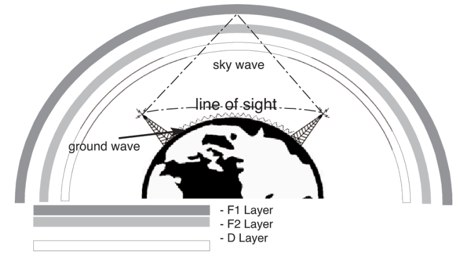 A nice article expleraing why during the sunset it's possible to listen to long distance radio broadcasting stations.
 -
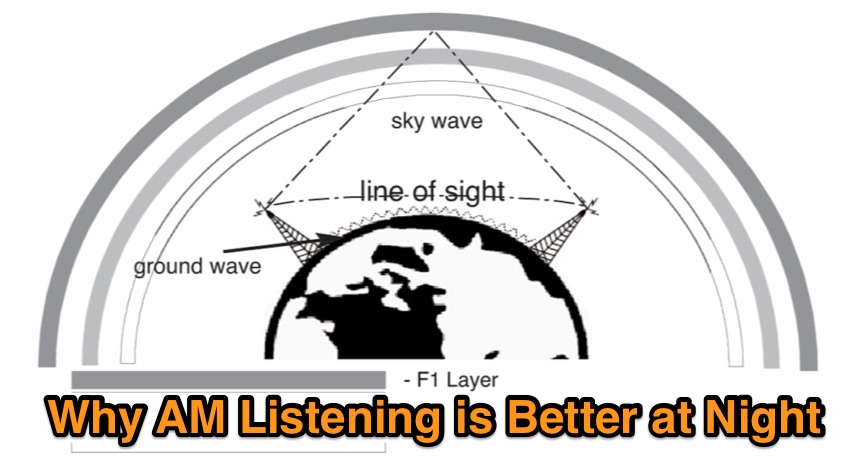 During the night, radio waves can travel a little farther up reaching the F1 layer, offering chances to lister AM Stations that are impossible to hear during the day. Learn more on sky-wave propagation on this article
 -
 AM radio listening excels at night due to sky-wave propagation, where signals travel farther by reflecting off the ionosphere’s F1 and F2 regions. Daytime ground wave propagation falters as solar radiation ionizes the D region, absorbing signals. At night, reduced ionization allows recombination, letting waves reach hundreds of miles. This enables tuning into distant stations, like KGO in San Francisco from Northern California. Enhanced by tools like the CCRadio-2E, sky-wave propagation turns AM listening into an exciting nocturnal adventure.