Search results
Query: bulgaria
Links: 10 | Categories: 0
-
 The Thracian Rose Club has been created in the Roses' City Kazanlak (Bulgaria) in 1993. Its main goal is to promote contacts within the radio community members (HAM, CB and SWL).
 -
-
 Demonstrates the product line of _LZ Antenna Ltd._, a Bulgarian manufacturer specializing in amateur radio antennas and custom electronic devices. The company focuses on robust, high-quality HF multiband Yagi and vertical antennas, leveraging over 20 years of experience from founder Georgi Georgiev in radio amateur development. Featured models include the LZA 8-4, LZA-10-3, and the LZA-7-3A WRTC 2022, alongside various rotary dipoles like the LZA1 40/30m. Provides specifications for several Yagi antennas, such as the LZA-9-5, LZA-13-7, and LZA-6-3 (a 6-element, 3-band design). The company emphasizes applying "leading edge technology" to high-frequency communication equipment production, with products designed for durability and performance. The LZA-10-5 Yagi offers **12.5 dBi** gain on 10m, while the LZA-13-7 provides **13.2 dBi** on 20m, showcasing competitive gain figures for DXing and contesting.
 -
 QSL printing service based Bulgaria and managed by LZ1JZ, offer from single color to full color qsl cards.
 -
 BFRA includes LZ callsign search
 -
 Qsl card printing, filling, distribution. complete qsl service from Bulgaria
 -
-
 Printing QSL cards, postcards, advertising materials, bussines cards, calendars, stickers, t-shirts, gold printed advertisements, rubberstamps, and QSL lables from Bulgaria. See also LZ QSL Printing Service web site
 -

-
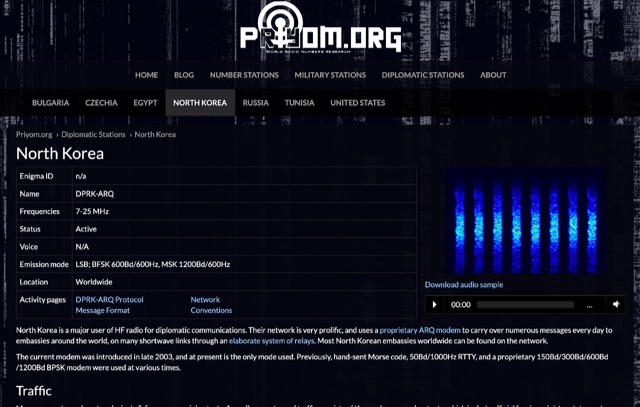 The resource details active HF radio networks maintained by foreign ministries for diplomatic communications, specifically listing operational schedules and frequencies. It currently covers networks for Bulgaria, Czechia, Egypt, North Korea, Russia, Tunisia, and the United States. The content provides specific operational parameters for these government-run shortwave stations. Information includes details on _legacy modes_ of operation and specific transmission times. The site also includes schedules for various _number stations_ which often utilize similar HF spectrum allocations. The data presented aids in identifying and monitoring these unique, non-amateur radio signals across the shortwave bands. Specific sections are dedicated to the networks of North Korea and the United States, offering granular data for each.