Search results
Query: ethics
Links: 4 | Categories: 0
-
 A must read guide for all new and old operators. This document was originally written with the prime focus on DXing and pileup behavior. Suggestions by proofreaders have been implemented; the document is not as narrowly focused anymore as originally intended. It contains hints, tips and tricks for newcomers as well as old-timers. Additionally there are VHF/UHF operational matters, DX Cluster ethics, COPS, Conflict Situations and more.
-
 Francisc Grunberg, YO4PX, shares his insights and translations on various amateur radio topics through his blog. Content includes historical perspectives on ham radio, detailed accounts of _DXpeditions_, and discussions on ethical operating practices for DXing and contesting. The site also offers practical advice, such as suggestions for navigating pile-ups and improving contesting strategies. The blog delves into the intricacies of the hobby, providing guidance for operators aiming to improve their skills and understanding. It covers subjects like Codes of Conduct for amateur radio and lists the **most wanted DXCC entities**, offering a valuable resource for those pursuing awards. Francisc's contributions reflect his extensive experience, providing a unique perspective on the amateur radio landscape.
-
 The Madera County Amateur Radio Club was formed for public service, education, scientific and recreational purposes of amateur radio and to elevate the standards of operating practices and ethics in amateur radio communications. San Joacquin Valley California
-
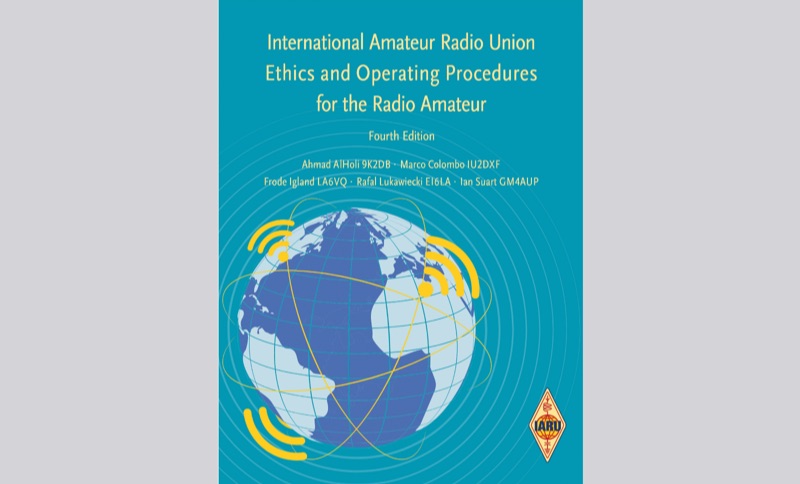 Presents the 4th edition of the IARU Region 1 Ethics and Operating Procedures for the Radio Amateur, a fully rewritten guide published in July 2026. It establishes a shared basis for respectful and effective communication within the amateur radio community, building upon over fifteen years of prior work. The document details the purposes of amateur radio, principles of non-interference, electromagnetic compatibility, and station safety. It specifies operating procedures, including listening practices, adherence to IARU and national band plans, appropriate transmission content, use of Q-codes, and the phonetic alphabet. The guide provides instructions for conducting QSOs across phone, CW, and various digital modes. Specific sections address managing pileups, participating in contesting, engaging in DX and DXpedition operations, operating portable or mobile, and conducting station testing. Further sections cover VHF and UHF operating considerations, ensuring a comprehensive resource for both experienced operators and those new to the hobby.