Search results
Query: licensing course
Links: 3 | Categories: 0
-
 Effectively teaching amateur radio licensing classes requires more than just technical knowledge; it demands strong pedagogical skills and organizational acumen. This guide addresses the practical aspects of conducting successful amateur radio courses, emphasizing the instructor's role as an educational manager rather than merely a knowledge dispenser. It explores various class organizational structures, including traditional weekly sessions and _hybrid_ full-day formats, noting that many small meetings are often preferable for student engagement. The resource also provides strategies for finding suitable class locations, from public libraries and community centers to navigating public and private school systems, highlighting the importance of stressing the public service aspect of amateur radio to potential hosts. Key sections delve into effective classroom management, stressing the importance of preparation, a structured routine, and creating a comfortable learning environment. It details the VARK learning styles (Visual, Aural, Read/write, Kinesthetic), advocating for teaching methods that engage multiple senses to enhance student comprehension. The guide also offers advice on breaking down complex technical material, defining unfamiliar vocabulary, and making theoretical concepts practical through real-world examples. It includes a sample entry-level license syllabus covering topics like the nature of amateur radio, technical basics, transmitter/receiver fundamentals, and antennas, providing a framework for instructors to build their curriculum.
 -
 The Poole Amateur Radio Society (G4PRS) conducts weekly meetings every Thursday from 19:30 to 22:00 at St Aldhelms Church Hall in Branksome, Poole. The society provides comprehensive training courses for all levels of amateur radio licensing, including Foundation, Intermediate, and Advanced qualifications, supporting new entrants and experienced operators in their progression through the UK licensing structure. Members engage in diverse aspects of the hobby, fostering a vibrant community for local hams. Key activities include participation in various contests and events, reflecting a broad interest in radio communications. The society's commitment to education is evident through its structured _licence training_ programs, which prepare candidates for RCF examinations. The club maintains an active presence, with interests spanning general amateur radio operation, contests, and technical experimentation, as indicated by its historical association with figures like _Marconi_ and its support for events such as JOTA.
 -
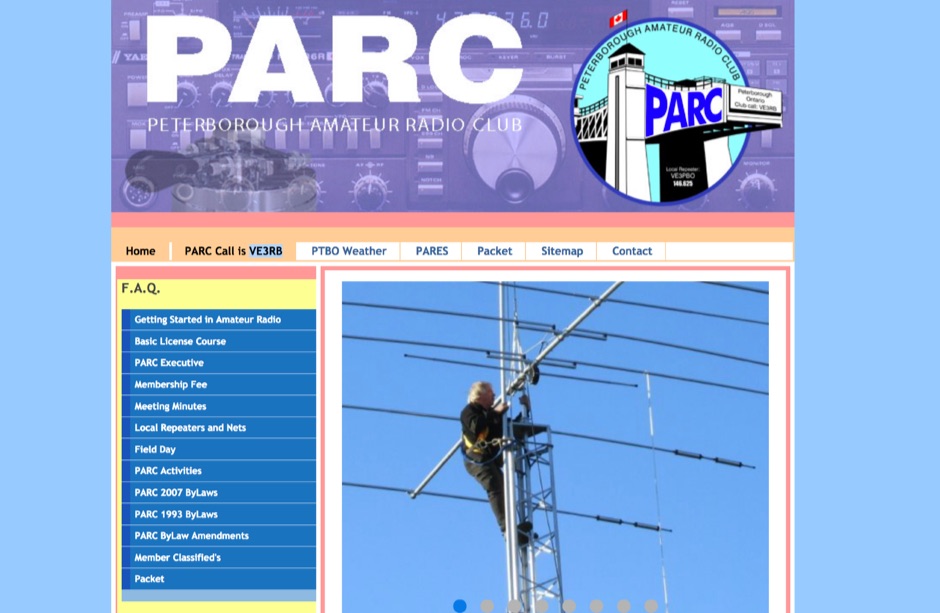 Starting March 23rd, the Peterborough Amateur Radio Club (PARC) conducts a virtual licensing class via Google Meet, led by Mark, VE3SB. This course comprises seven two-hour lessons, held on Mondays at 7 PM EST, focusing specifically on material required to pass the ISED exam. The registration fee of $60 covers the course, including in-person or remote exams, and grants participants a PARC membership for the remainder of the calendar year. Outside participants are welcome to join the virtual class, with exam options available upon completion. While recommended study material can be purchased separately, Peterborough-area participants have the option to arrange for a loaned copy of the book. The club emphasizes practical learning for exam success.