Coax Stubs: Filters, Notch Traps, and Attenuation
Learn how to design and implement coax stubs to improve filter performance and reduce interference in ham radio setups.

Coax stubs are simple, effective tools for hams to manage signals on their bands. These short sections of transmission line, often a quarter-wave or half-wave long, are used for specific impedance matching, filtering, and signal attenuation tasks. Operators frequently integrate coax stubs into their antenna systems and station setups to improve performance, especially in multi-band or multi-operator environments where interference can be a challenge.
Many operators build coax stubs to act as notch filters, effectively attenuating unwanted frequencies or harmonics. This is particularly useful in contests where multiple transceivers operate on different bands, like 20m and 40m, to prevent receiver overload and inter-station interference. Resources often detail the design and construction of these stubs, including schematics and notes on optimizing their performance for harmonic attenuation and targeted filtering of adjacent bands.
-
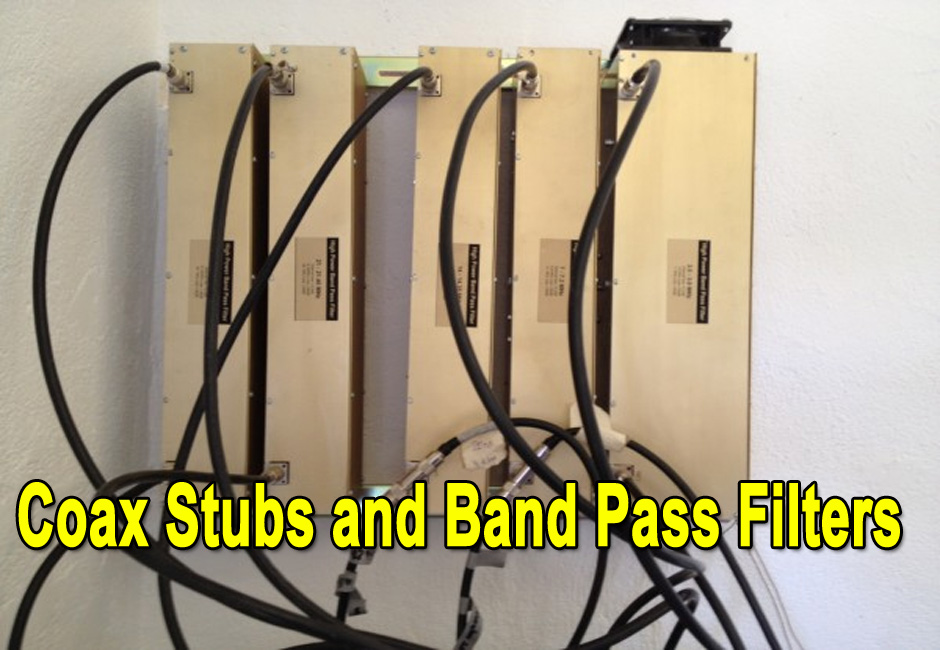 Will additional coax stubs improve Band Pass Filter performance?
 -
 Stub sketch notes. Attenuation coax stub schematics
 -
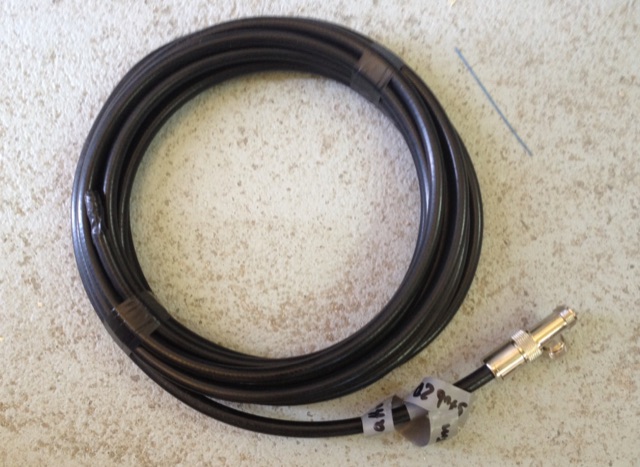 When operating contest in a multi transceiver environment interferences between the 40m and 20m are guaranteed. An easy and inexpensive way to reduce interferences is to add coax stub filters
 -
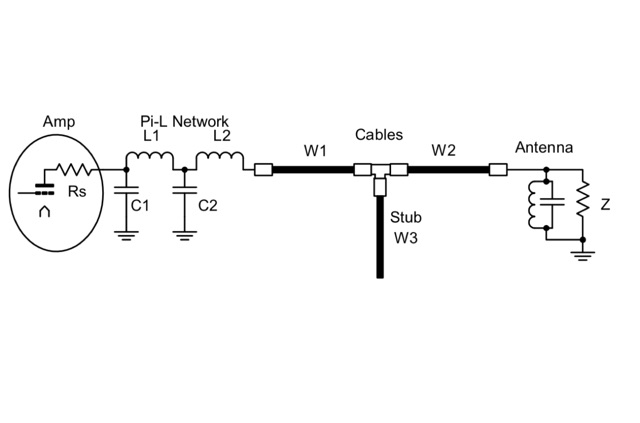 Optimizing the Performance of Harmonic Attenuation Stubs
 -
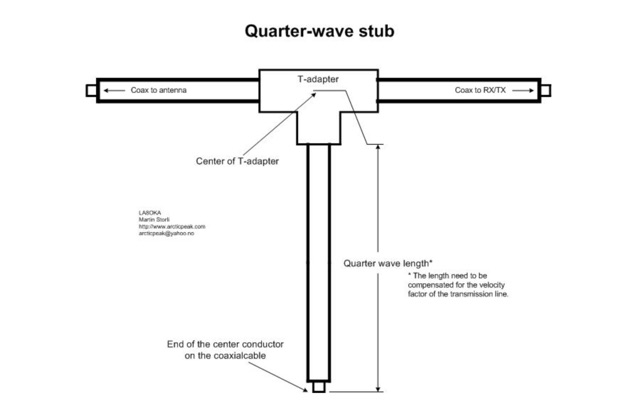 The Quarter-wave stub can be used for many purposes. If it is left with an open end it can be used as a notch filter to attenuate certain frequencies. A quarter wave length of a transmission line can also be used as an impedance transformer, to know more about the Quarter-wave impedance transformer