History of Amateur Radio and Wireless Communication
Trace the origins and evolution of ham radio, from early pioneers and significant inventions to the development of modern operating practices.

The history of amateur radio is rich with innovation, from early spark gap transmitters to modern digital modes. Hams have always pushed the boundaries of radio technology, contributing significantly to its development. This includes the pioneering work of inventors like Edwin H. Armstrong, who developed the superheterodyne circuit, and Harold H. Beverage, known for his antenna designs. Understanding this past helps operators appreciate the evolution of our hobby.
This category offers insights into the origins of ham radio, including why operators are called "hams" and the development of key equipment like the Morse key. You can find digital archives of historical amateur radio magazines, providing a look back at station setups and operating practices from past decades. There are also resources detailing the history of specific manufacturers, often called "boat anchor" equipment, and collections of historic QSL cards from rare stations, documenting early QSOs and DX achievements.
Subcategories
- Marconi (5)
-
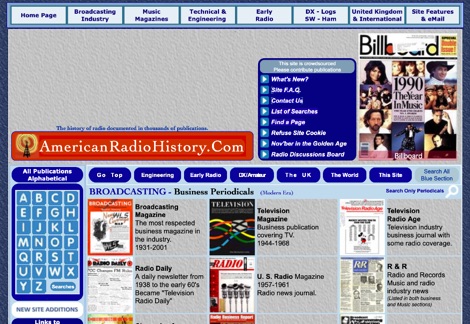 The history of radio documented in thousands of publications including copies of popular US and UK amateur radio magazines and newsletters since 1930s
 -
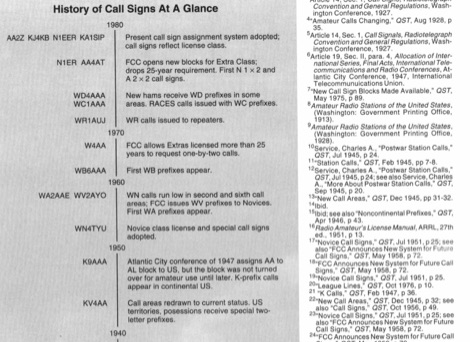 QST article from May 1994 about history of call signs from the very beginning to present system. Article explains call sign allocations, call areas, prefixes for novices and prefixes like K WA WB WD, callsigns during and after the world war II and other curiosities on US Call signs.
 -
 Explores the history and technical evolution of "boat anchor" ham radio manufacturers, detailing iconic vintage equipment from Collins, Central
 -
 This resource details the history of Canadian railway telegraphy, focusing on railway agents, operators, and the technical aspects of railway operations.
 -
 History of all OSCAR satellites from 1961 till today in chronological order.
 -
 An introduction to develpment of morse keys in radiotelegraphy history
 -
 The Research and Documentation Center for the History of Radio Communications and the Electronic Media (our full name) is the world's biggest organization to collect, save, research and present whatever relates to the history of radio communications, particularly amateur radio and broadcasting
 -
 A digital archive dedicated to Edwin H. Armstrong, showcasing original documents and artifacts related to his pioneering radio inventions.
 -
 Includes some schematic diagrams
 -
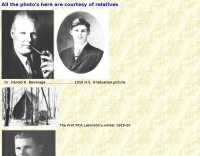 Inventor of the Beverage antenna
 -
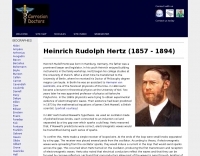 Heinrich Rudolph Hertz (1857 - 1894)
 -
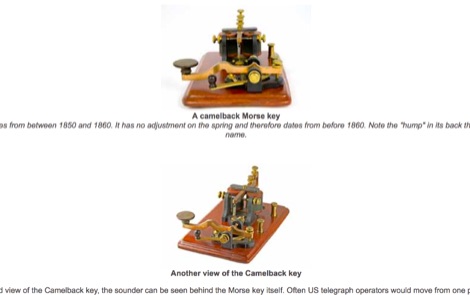 An overview of the development of the Morse key for sending the Morse Code, from the first camelback keys, through straight keys and sideswiper keys to the semi automatic keyers including the Vibroplex to the modern electronic keyer.
 -
 Kentucky farmer invents wireless telephone! But was it radio? Facts and folklore about Nathan Stubblefield by Bob Lochte.
 -
 Free pdf book on Nicola Tesla. He is the true unsung prophet of the electric age; without whom our radio, auto ignition, telephone, alternating current power generation and transmission, radio and television would all have been impossible
 -
 Nikola Tesla considered inventor of the radio X-rays the vacuum tube amplifier
 -
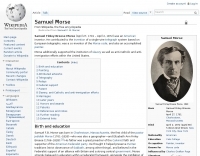 Samul Morse page on wikipedia, inventor of morse code
 -
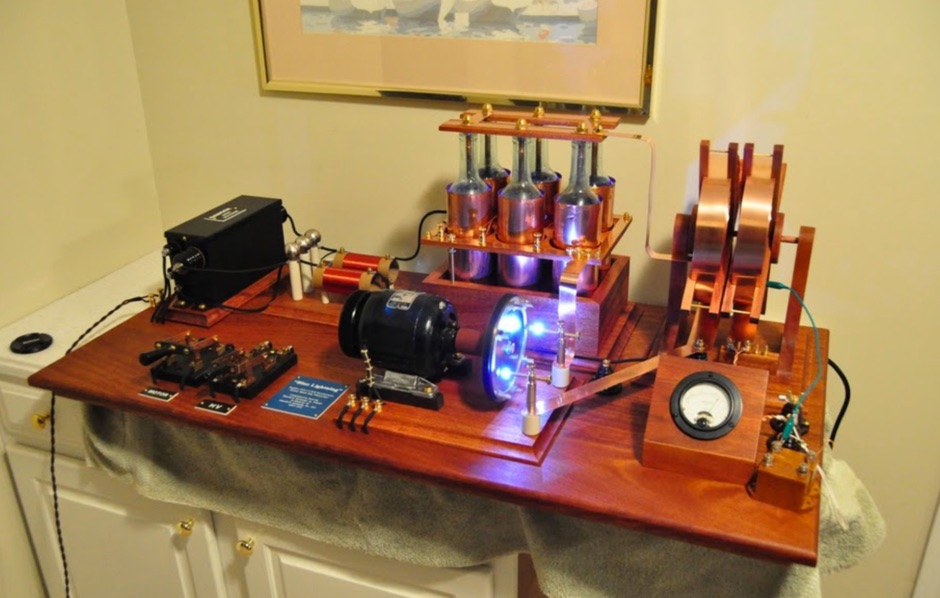 The details of the spark gap transmitter and its history: how it was invented, developed and used.
 -
 Past and current operations dedicated to St. Maximilian Maria Kolbe (SP3RN)
 -
 Nikola Tesla created a basic design for radio
 -
 Recordings of shortwave numbers stations
 -
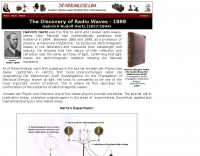 Heinrich Hertz was the first to send and receive radio waves.
 -
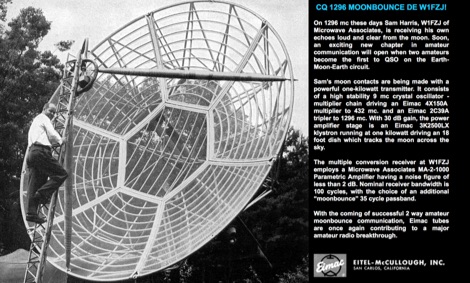 The first EME history was written in 1944 when first EME echoes were received on 564 MHz by German Wurzmann radar according to the article by Dr. Ing. W. Stepp.
 -
 Thierry LOMBRY, ON4SKY, develops in depth and with original pictures the long history of amateur radio all through the world from 900 BC to date.
 -
 Includes W1BB Stew Perry letters, and a sample QSL cards of dated 1963
 -
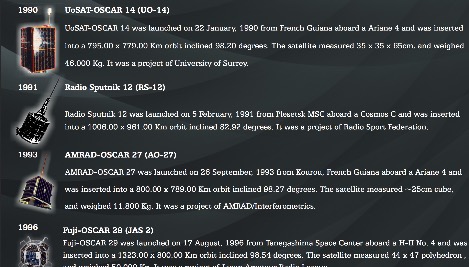 History of amateur saltellites compiled by AMSAT india
 -
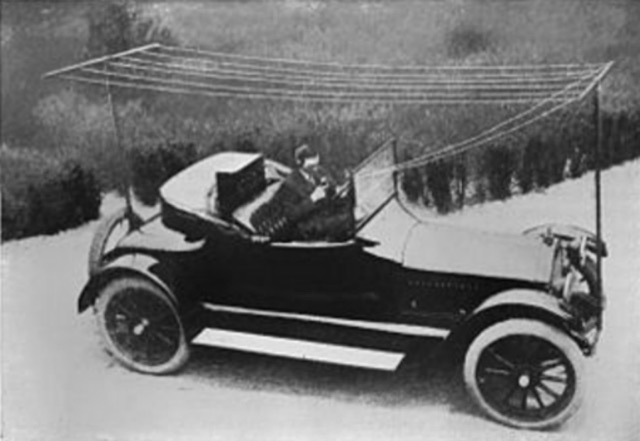 his historical account traces the development of car radios from Marconi's mobile wireless telegraph station on a steam engine vehicle in 1901 to Motorola's iconic car radio models in the 1930s. It highlights key milestones such as Alfred Grebe's radio-telephone experiments on Long Island and the introduction of Marconi-Phone 8 radios by the Daimler Company in England. The narrative explores technological advancements, including the transition from TRF to Super-Heterodyne circuitry and the integration of push-button controls. The evolution from vacuum tubes to transistors and compact discs is also documented, showcasing the continuous innovation in automotive entertainment systems.
 -
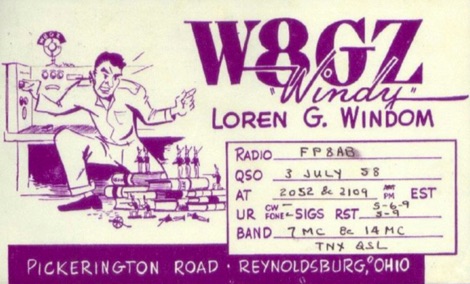 A detailed historical account of the Windom antenna, tracing its evolution from early single-wire fed designs to modern multiband OCFD configurations.
 -
 The history of the radio is a fascinating one that changed how the world connected and communicated from distances both far and near. History of the Radio from Inception to Modern Day
 -
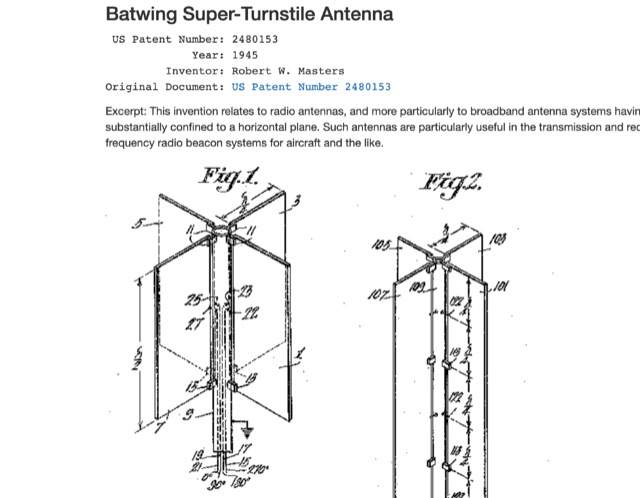 Patents of most popular antenna models including Zeppelin Antenna, Beverage Antenna , Franklin Antenna , Yagi-Uda Antenna , Sterba Antenna , Rhombic Antenna , Turnstile Antenna , Folded Dipole Antenna , Coaxial Antenna , Slot Antenna , Discone Antenna , Quad Antenna Element , Log Periodic Antenna , Swiss Quad Antenna
 -
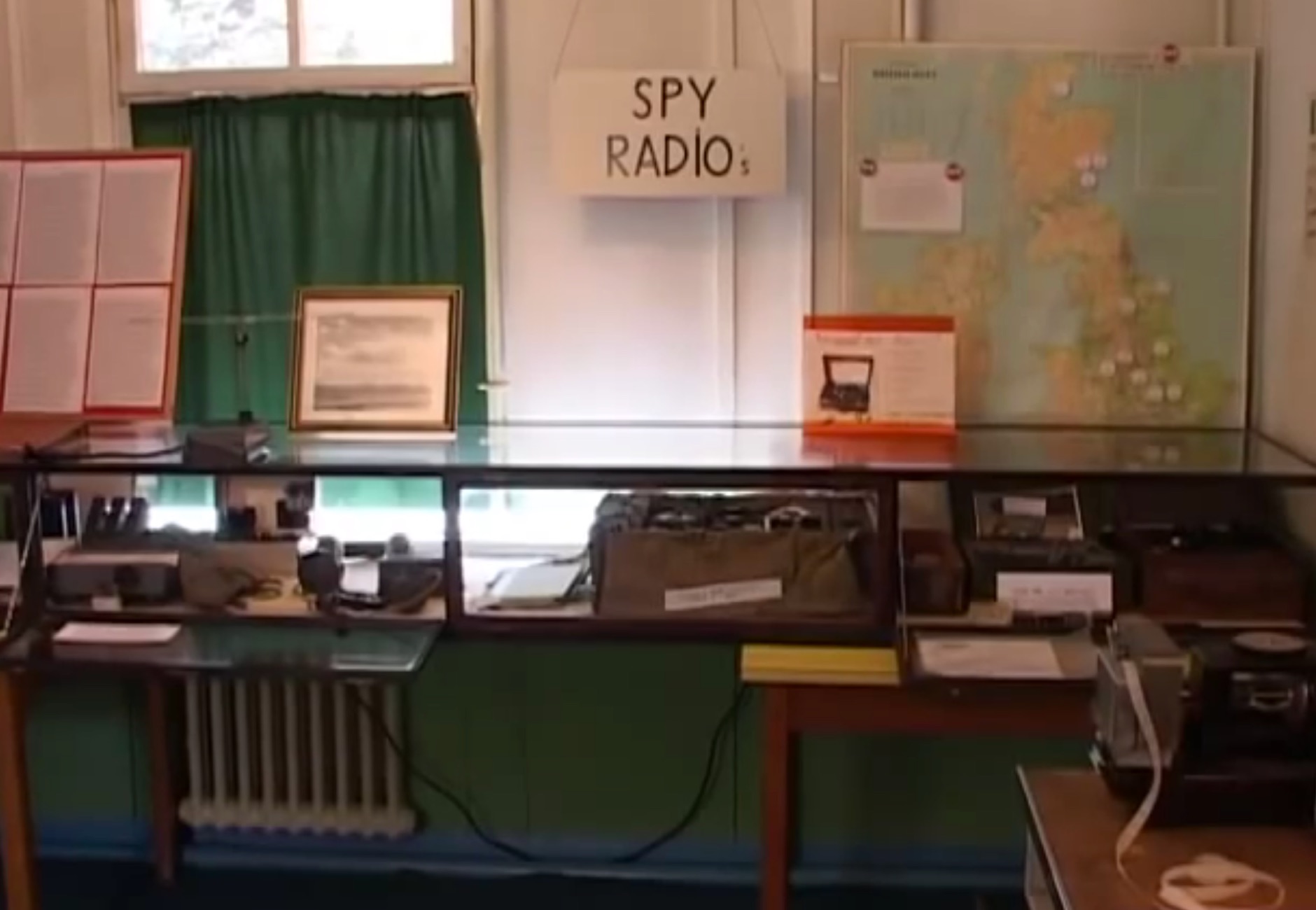 A video about secret listeners ham radio voluntary interceptors during ww2 an extract from The Secret Wireless War DVD
 -
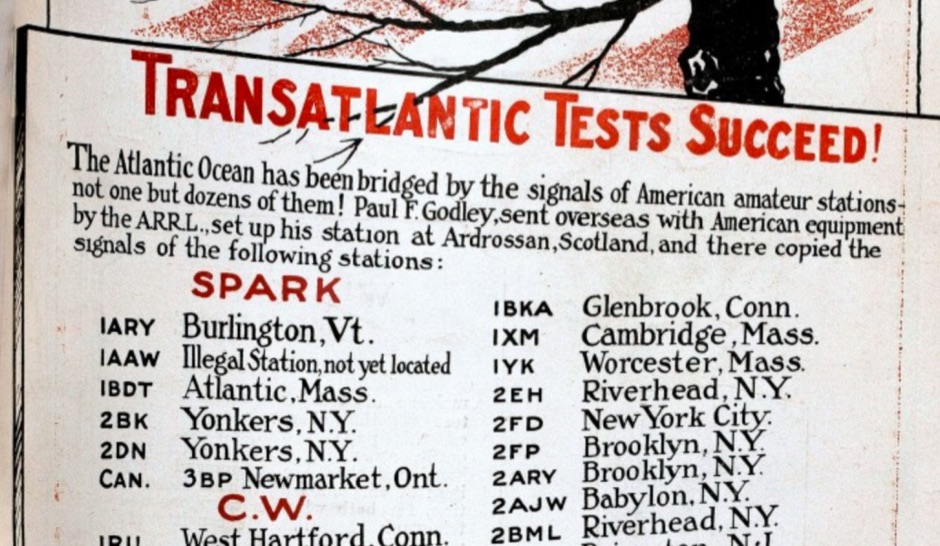 From 1921 to 1924, radio amateurs experimented with transmitting across the Atlantic. Everyday Engineering magazine organized the first sending test with English amateurs prepared to listen for signals from the US
 -
 This website was originally inspired by the discovery of a number of QSL (radio reception report) cards dating from the 1920s and is intended to make images of the cards available to as many people as possible.