Methods for Testing Coaxial Cables and Connectors
Learn how to check coaxial cable integrity, measure impedance, and verify connector installations using various tools and techniques.

Ensuring coax cables are in good condition is critical for any ham radio station. Faulty cables can lead to high SWR, reduced power transfer to the antenna, and even damage to the transceiver. Operators often test their coax for shorts, opens, and proper impedance to maintain efficient operation across all bands.
Hams can find various methods for testing coax, from simple continuity checks using a common multimeter to more advanced techniques. Several projects describe building a basic coaxial cable tester, such as the KG0ZZ design, which provides a quick go/no-go indication for shorts. More detailed RF cable testing approaches involve measuring velocity of propagation, characteristic impedance, and return loss, often using a scope and function generator to assess cable performance accurately.
-
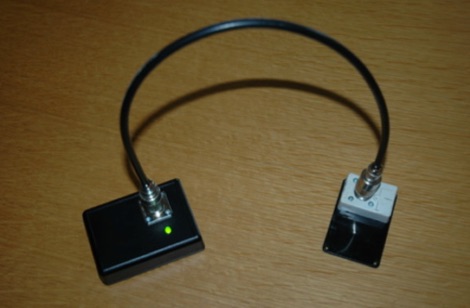 A simple coax cable tester built based on the KG0ZZ project.
 -
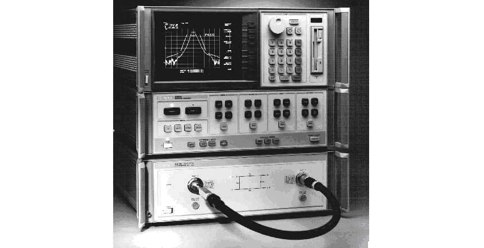 The cable testing approaches discussed in this article gives an idea about the electrical characteristics of a coaxial cable. Velocity of Propagation, Characteristics Impedance, Return Loss Measurement and more
 -
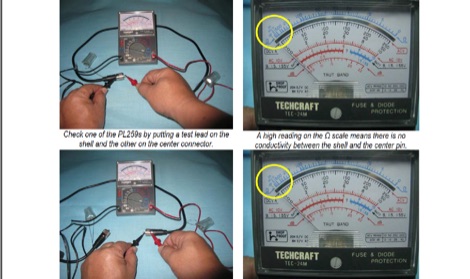 How to check for propoer connector installation by using a common multimeter to verify conductivity and resistance.
 -
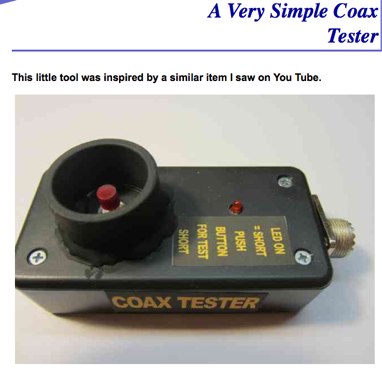 This useful coax tester allows you to screw the PL-259 onto the tester to get a GO/NO GO status. When the LED lights up- you have a short circuit.
 -
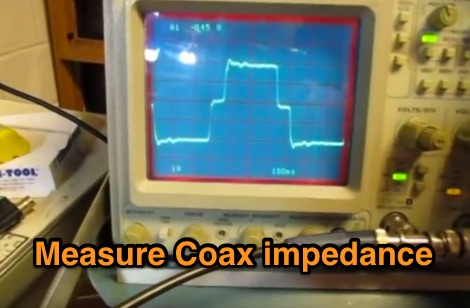 This video shows one way to use a scope and function generator to measure the length of a piece of coax transmission line as well as estimate its impedance