3D Printing for Ham Radio
A practical guide to 3D printing for ham radio projects, materials, and design tips
Description
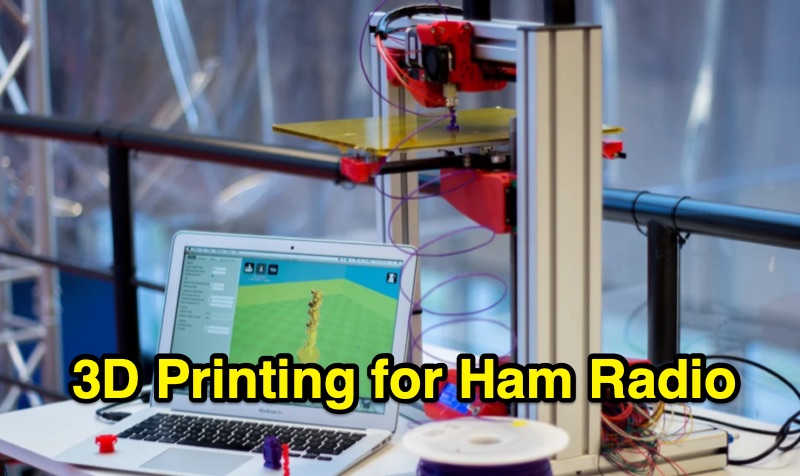
Fabricating custom components for amateur radio operations often requires specialized parts that are difficult to source commercially. This article provides a practical guide to utilizing 3D printing technology to create bespoke enclosures, antenna mounts, and other accessories. It details suitable materials such as PLA, PETG, and ASA filaments, outlining their respective properties for indoor and outdoor applications, including UV resistance and heat tolerance. Specific examples include custom enclosures for NanoVNA units and ESP32 projects, as well as practical antenna components like EFHW winders and mast brackets.
The resource addresses common concerns regarding the impact of printed plastics on RF characteristics, noting that materials like PLA, PETG, and ASA generally have low loss factors comparable to commercial insulators, making them suitable for most ham radio frequencies. It cautions against using carbon fiber reinforced filaments for RF parts due to their conductivity and advises careful consideration for high-Q antennas or frequencies above 1 GHz. The article also recommends various sources for STL files, CAD software for beginners, and entry-level FDM 3D printers, empowering radio amateurs to design and produce their own custom parts.