Building 4:1 Baluns for Amateur Radio Antennas
Find schematics, construction guides, and design principles for various 4:1 baluns to match antenna impedances.

A 4:1 balun is a critical component for many amateur radio antenna projects, especially when matching a balanced antenna with a high impedance to an unbalanced 50-ohm coaxial feedline. These baluns help ensure efficient power transfer from the transceiver to the antenna, minimizing common mode currents on the coax shield that can cause RFI and distort antenna patterns. Hams often use 4:1 baluns with antennas like folded dipoles, OCFDs, or various wire antennas that present impedances around 200 ohms.
Operators frequently homebrew 4:1 baluns using ferrite cores, such as toroids or rods, with designs often based on Guanella or Ruthroff principles. Many resources provide detailed construction guides for both current and voltage baluns, including specific winding instructions and material lists. You can find projects for various power levels, from QRP to QRO, and designs optimized for specific bands from 160 to 10 meters. Some sites also offer calculators to aid in designing coaxial baluns, helping hams optimize their antenna systems for better QSOs.
-
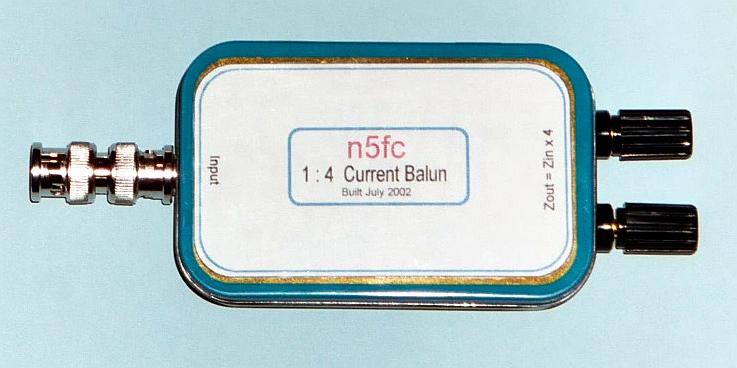 This project is intended to aid in tuning a balanced antenna or feedline that has a high impedance 100-600 ohms
 -
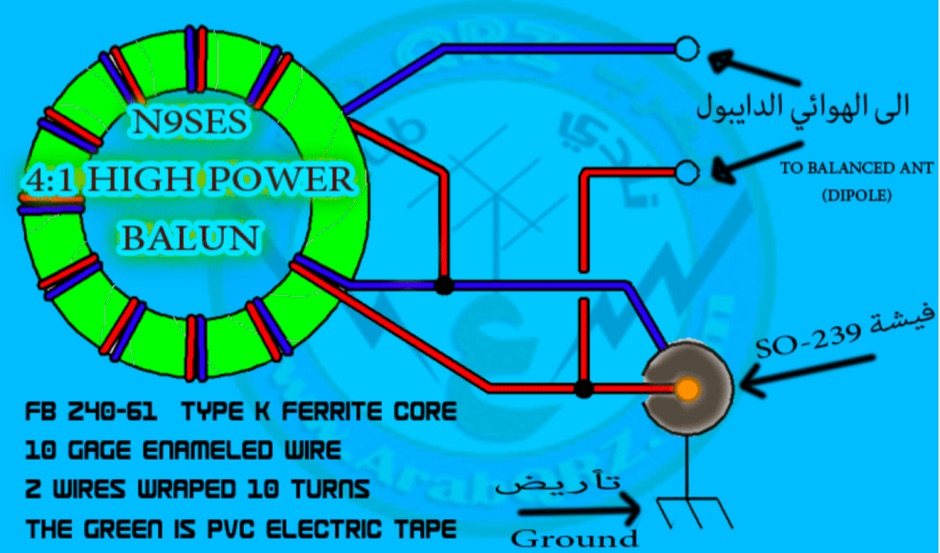 A home made 4:1 Ferrite QRO Bal-un with a FB 241-61 Type K
 -
 Articke By Clay Wynn
 -
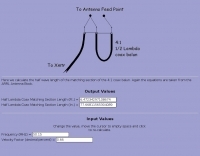 Online calculator for a 4 to 1 coax cable balun
 -
 40mm diameter grey PVC pipe with a length of 9.5cm
 -
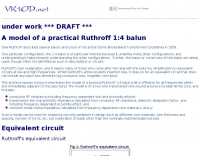 The 1:4 balun is of particular interest because it underlies many other configurations, and understanding it helps towards understanding the other Ruthroff balun configurations.
 -
 A detailed construction guide for a 4:1 Ruthroff voltage balun using a T200-2 toroid core, covering 1.8-30 MHz. Includes schematics, winding details, and
 -
 A detailed homebrewing project of a 4 to 1 balun in italian
 -
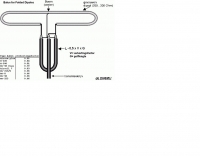 A 1:4 balun suitable for folded dipole antennas
 -
 Real 4:1 Transmission Line Balun with Balanced Load
 -
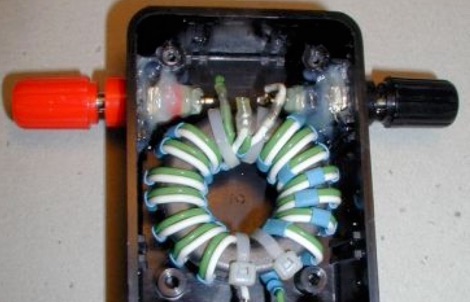 Step-By-Step Construction of a 4:1 Current-Type Guanella Balun by W1CG
 -
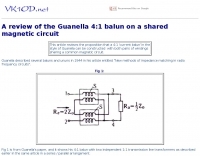 This article reviews the proposition that a 4:1 current balun in the style of Guanella can be constructed with both pairs of windings sharing a common magnetic circuit.
 -
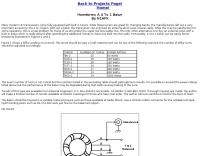 How to build a to 1 balun by N1HFX
 -
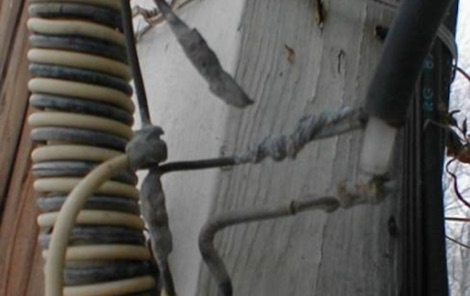 I built a homebrew 75 meter Double Extended Zepp Antenna, And I needed a 4:1 Balun So I decided to Homebrew the Balun also. Here is how I did it!
 -
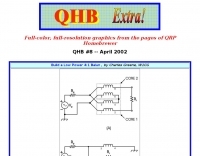 Build a Low Power 4:1 Balun , by Charles Greene, W1CG with full-color, full-resolution graphics from the pages of QRP Homebrewer
 -
 A 1:1 to 4:1 switchable balun by N1LO
 -
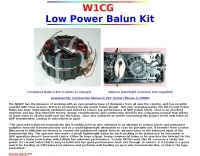 Contruction manual to build a 4:1 balun, it has good performance from 160 through 10 meters.
 -
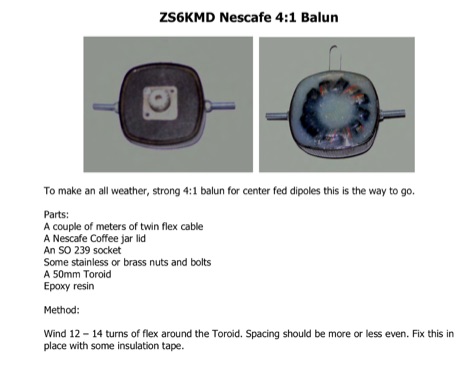 Making a 4:1 balun with a nescafe coffee jar lid and a toroid
 -
 Article by WB3GCK on 4 to 1 Un-Un
 -
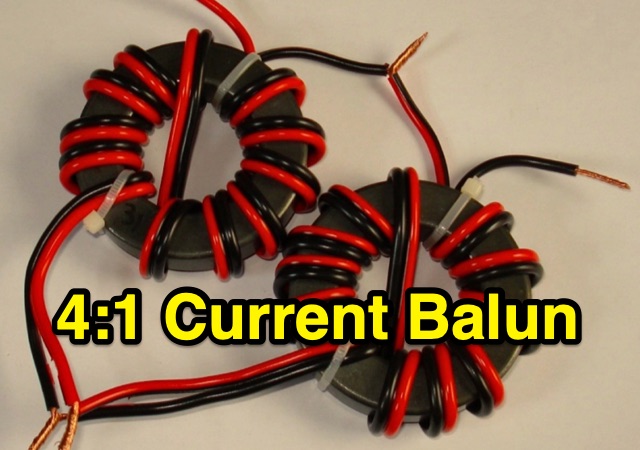 This blog post details the construction and usage of a 4:1 current balun, using two FT240-31 ferrite cores and 12 bifilar turns. It clarifies common misconceptions about using 4:1 baluns with G5RV antennas and ladder-line to coaxial cable connections. M0PZT emphasizes the importance of proper measurements and the limitations of internal baluns in manual antenna tuners. Detailed instructions and considerations for winding and deploying the balun are provided, along with advice on choosing suitable cores and wire for various power levels and frequency ranges.
 -
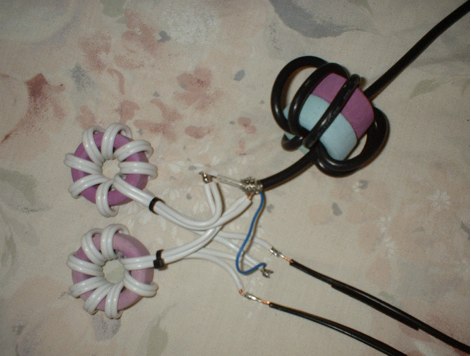 A 1:4 current balun made with 2 4C65 cores by PA1G in Dutch