Building 1:1 Baluns for Amateur Radio Antennas
Find schematics, winding methods, and construction guides for various 1:1 balun types, including current and voltage baluns.

A 1:1 balun is a critical component for many amateur radio antenna projects, ensuring efficient power transfer from a coaxial feedline to a balanced antenna, like a dipole. It helps prevent common mode currents from flowing back down the coax, which can distort antenna patterns, cause RF interference in the shack, and lead to inaccurate SWR readings. Hams often build their own 1:1 baluns to match specific frequency ranges and power levels, optimizing their stations for better performance on the bands.
Operators can find various designs for 1:1 baluns, including current-mode and voltage-mode types, often built around ferrite cores or as air-wound coaxial baluns. Many articles provide detailed diagrams and winding instructions for projects using common components like Amidon ferrite toroids or PVC pipe for air-core designs. These resources cover construction methods for a wide range of HF frequencies, from 1.8 MHz to 30 MHz, and some even extend to VHF operation, helping hams achieve clean signals and effective DX contacts.
-
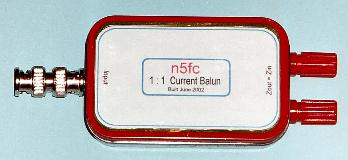 A 1:1 current balun by N5ESE
 -
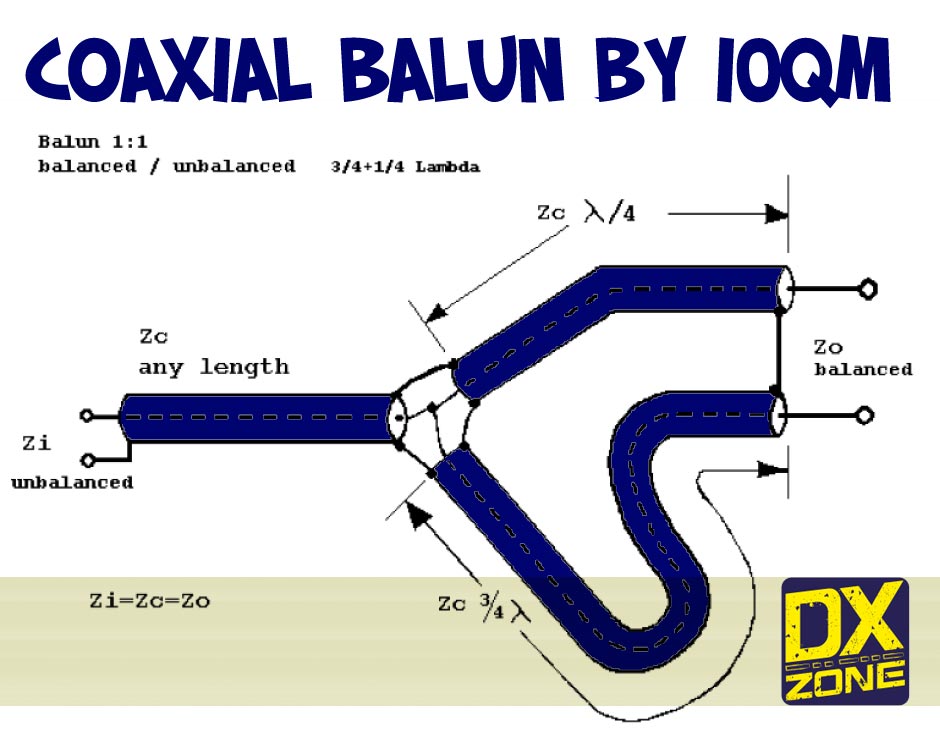 PDF article about a coaxial 1:1 balun, original concept by I4BBE using a quarter-wavelength and the three-quarter-wave adapting sections with the 50-Ohm coaxial cable by I0QM
 -
 A cost effective current-mode 1:1 balun can be constructed from a length of coax and a rod typically used for a broadcast antenna loop-stick, some electrical tape, cable ties, a length of PVC water-pipe and some connectors.
 -
 Notes on making the W2DU choke balun by placing several ferrite sleeves around a coaxial cable.
 -
 An air cored 1:1 balun for 3.5 to 30.0 MHz
 -
 1:1 Ruthroff voltage balun using a T200-2 Toroid core
 -
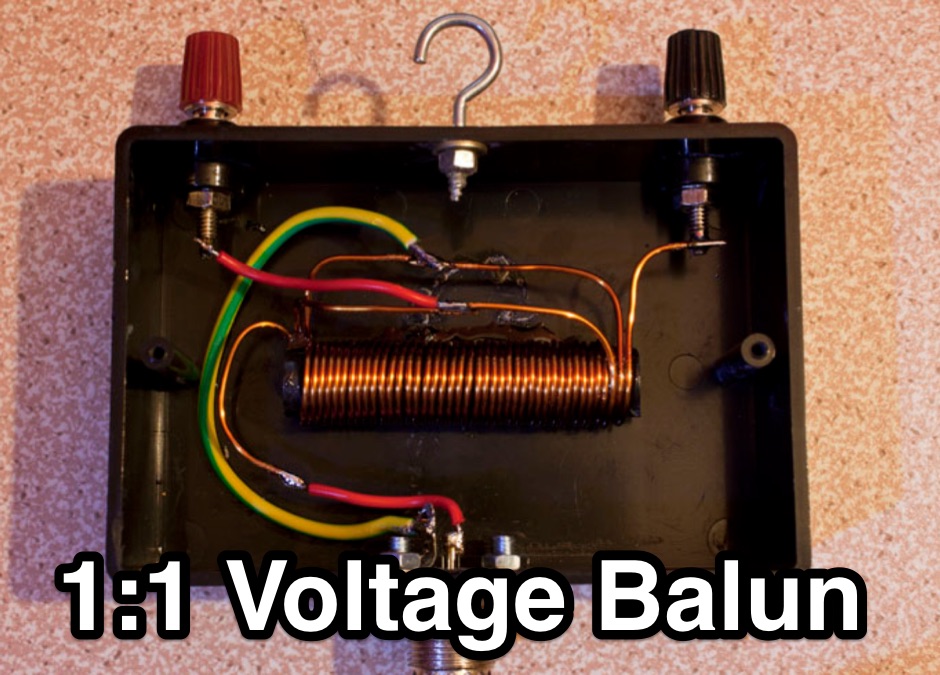 a neat 1:1 50 ohm balun for use on HF horizontal wire dipoles.
 -
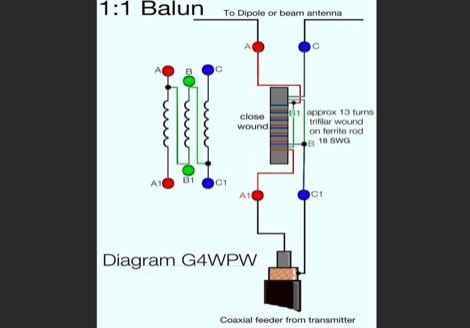 Diagram and sample ferrite balaun for 1.8-30 MHz
 -
 A model of a Guanella 1:1 VHF choke balun using a FT140-61 core
 -
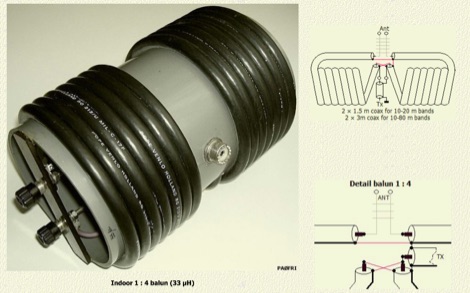 An air-wound balun made with coaxial cable can not become saturated because no powder iron or ferrite core is present. In this article author explains and compare coax baluns to ferrite baluns with comparison tables and detailed pictures
 -
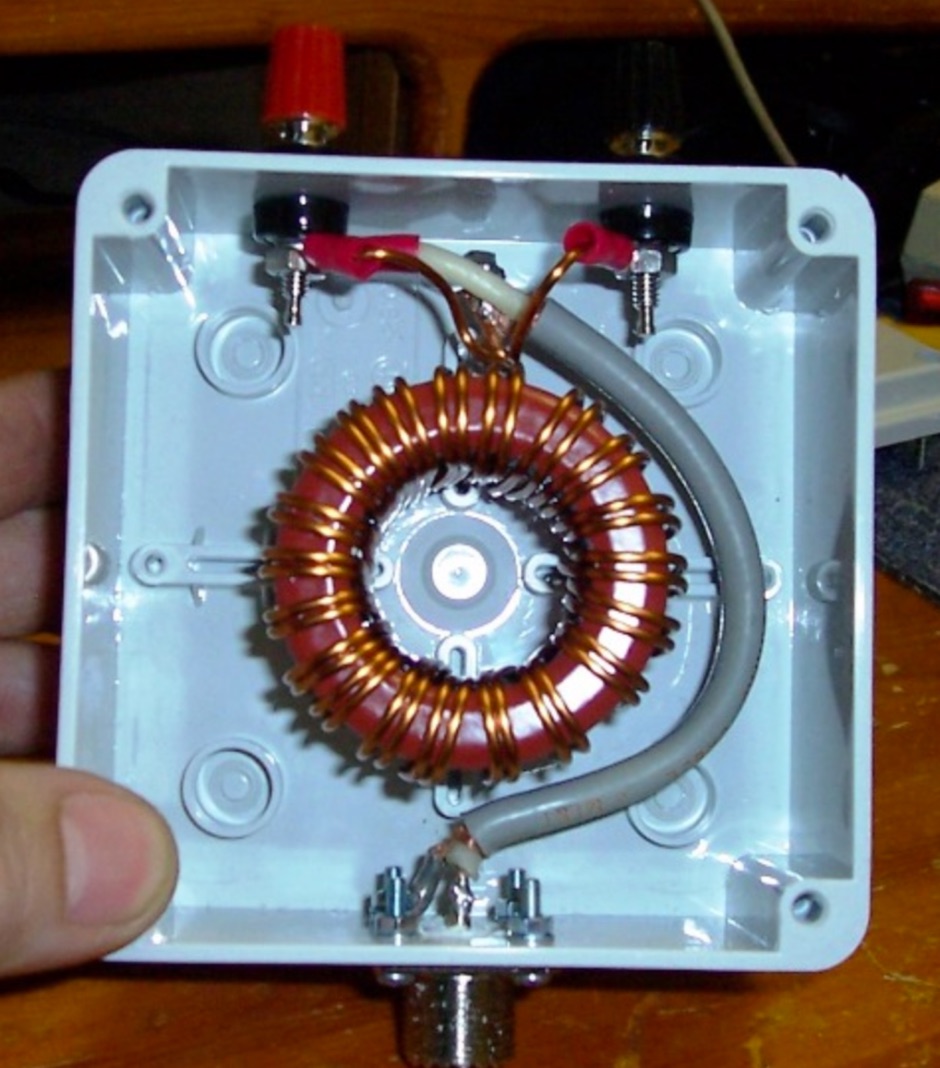 Building a 1:1 balun, aka un-un, with an Amidon Ferrite toroid core T 200
 -
 A low-cost 1:1 balun project using steel wool instead of ferrite beads to attenuate RF on the coax braid, simplifying construction.
 -
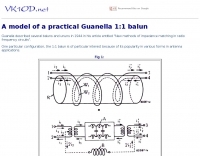 This article proposes a lossy transmission line model of a practical Guanella 1:1 balun that is effective for all frequencies within and immediately adjacent to the pass band
 -
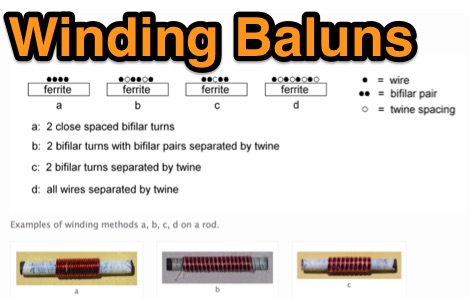 Show diagrams, winding methods and tables of some 1:1 and 4:1 baluns for 1.8 - 30 MHz suitable for use up to 200W (400W peak) on systems using 50 or 75 ohm coaxial cable input where SWR should not exceed 1.6:1.
 -
 This practical, hands-on article offers a valuable journey through balun construction for portable antenna systems. The author skillfully navigates from theoretical debates to practical implementation, providing a well-documented DIY process using RG316 micro coax and an FT114-43 toroid core. The step-by-step instructions, complemented by photographs, make this complex technical project accessible to hobbyists. Particularly impressive is the author's focus on lightweight design (just 173 grams) for SOTA field operations. While the final antenna requires minor tuning adjustments, the successful field test during the Pirate Contest demonstrates the effectiveness of this approach. An excellent resource that transforms theory into practical application for ham radio operators.
 -
 A 1:1 current balun that offeres a almost flat swr curve from 1 to 30 MHz
 -
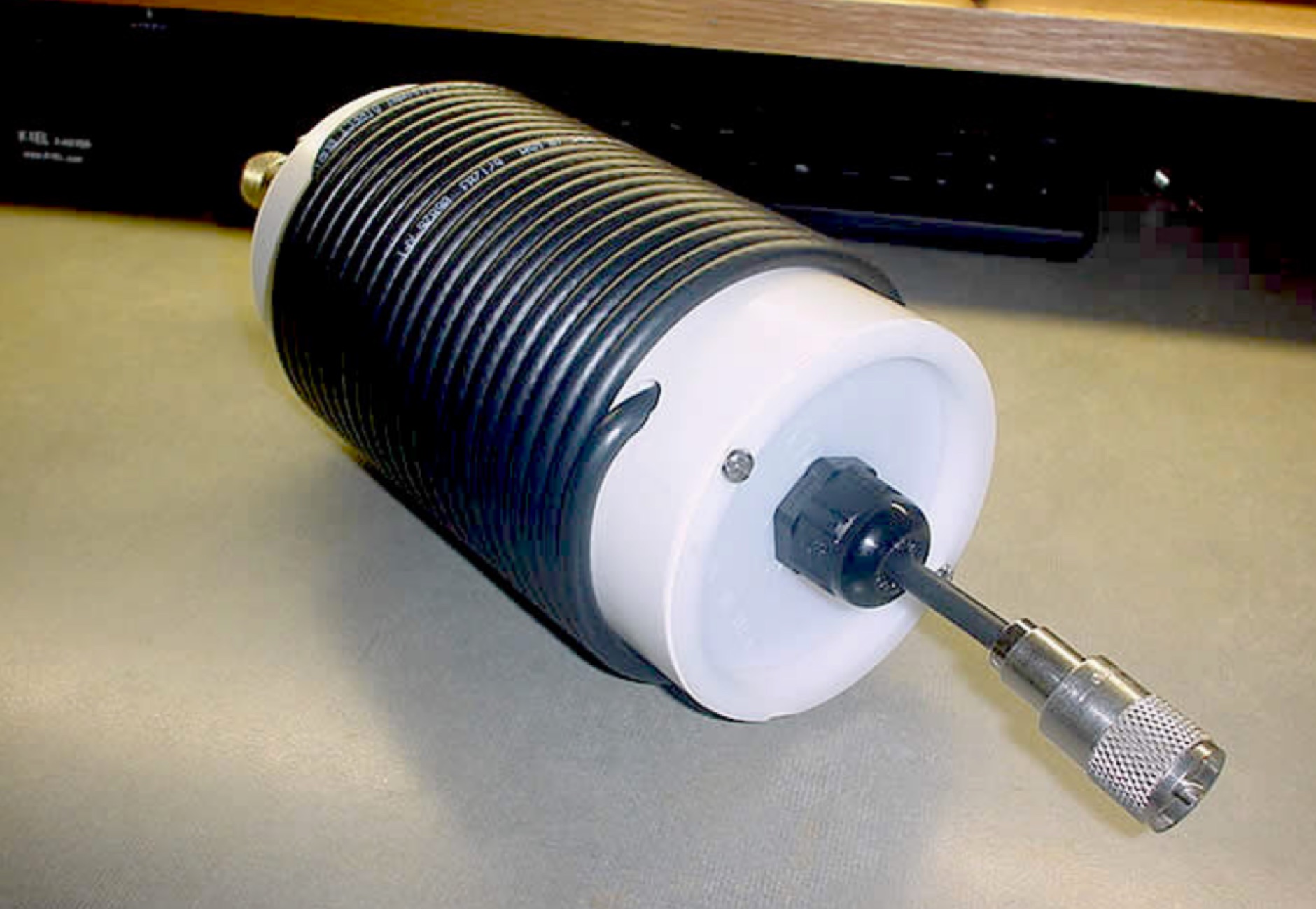 The main function of the Ugly Balun is to help eliminate rf currents from flowing on the outside of coaxial cable using the principle of choke action.
 -
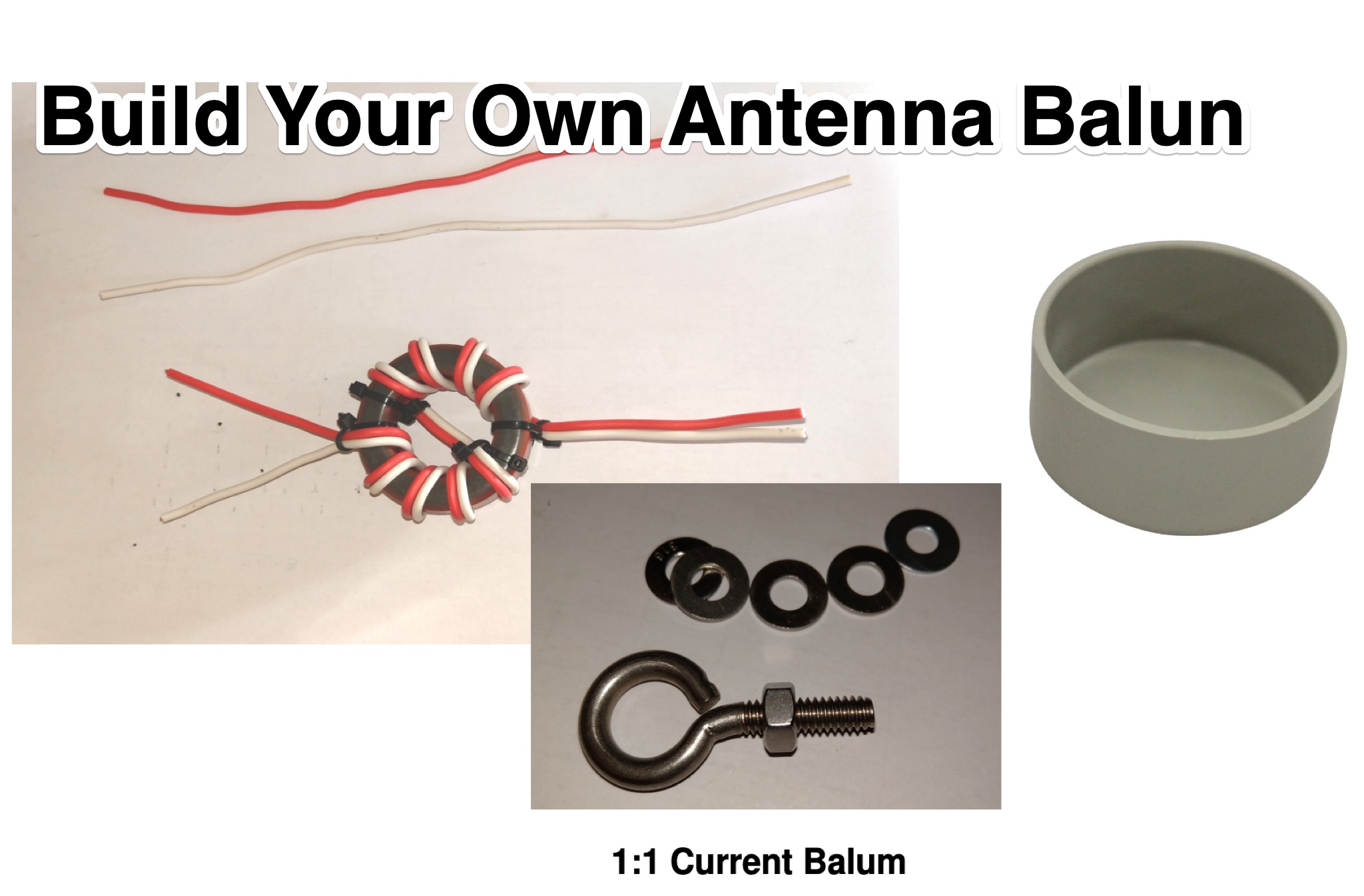 This PDF guide provides step-by-step instructions on how to build a Bunnings Balun for your ham radio antenna. A balun is essential for matching the impedance between your antenna and radio, improving signal transmission. The guide is perfect for hams looking to enhance their radio setup on a budget. Follow the detailed instructions to create your own balun using easily accessible materials from Bunnings or any hardware store.
 -
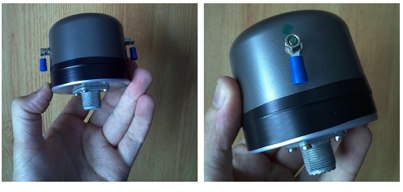 Detailed construction guide for a 1:1 balun using mini coaxial cable and a large ferrite core, suitable for various antenna types.
 -
 About 1 to 1 current balun by Roy Lewallen, W7EL
 -
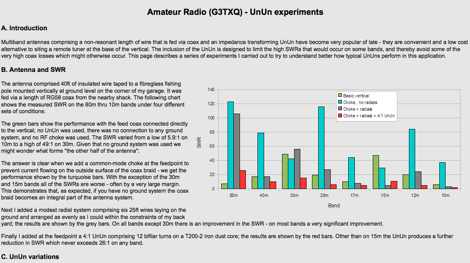 This article describes a series of experiments to understand better how typical UnUns perform
 -
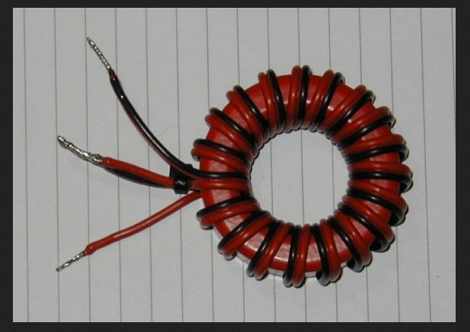 An home made unun with a Amidon T-200-2 toroid