Ham Radio Nets: Scheduled On-Air Communication
Participate in organized amateur radio nets for traffic handling, emergency preparedness, technical discussions, and casual ragchewing across various bands and modes.

Amateur radio nets are scheduled on-air gatherings where amateur radio operators communicate on designated frequencies at specific times. These organized sessions facilitate various purposes, including traffic handling, emergency preparedness, technical discussions, and casual ragchewing. Nets can be local, regional, or international, connecting operators with shared interests such as DXing, contesting, or specific operating modes like SSB, CW, RTTY, and PSK-31. Participation in nets enhances operating skills, fosters community, and provides a structured environment for exchanging information and practicing communication protocols.
Key examples include the County Hunter Net for working all US counties, the OMISS Net by the Old Man International Sideband Society, and the long-running Corn Cob Net on 7.274 MHz. Specialized nets like the 3905 Century Club Nets offer awards across multiple bands and modes, while the East Coast Amateur Radio Service (ECARS) provides public service. Tools like NetLogger enhance net participation by transmitting check-in information via the internet, updating participants every twenty seconds.
Subcategories
- Emergency Nets (11)
Related Categories
-
 The Alaska Snipers Net was started back in the mid to late 1960's. It started out just as a group of people meeting to chat each evening.
 -
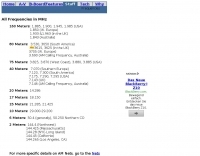 The AMers nets from HF to VHF
 -
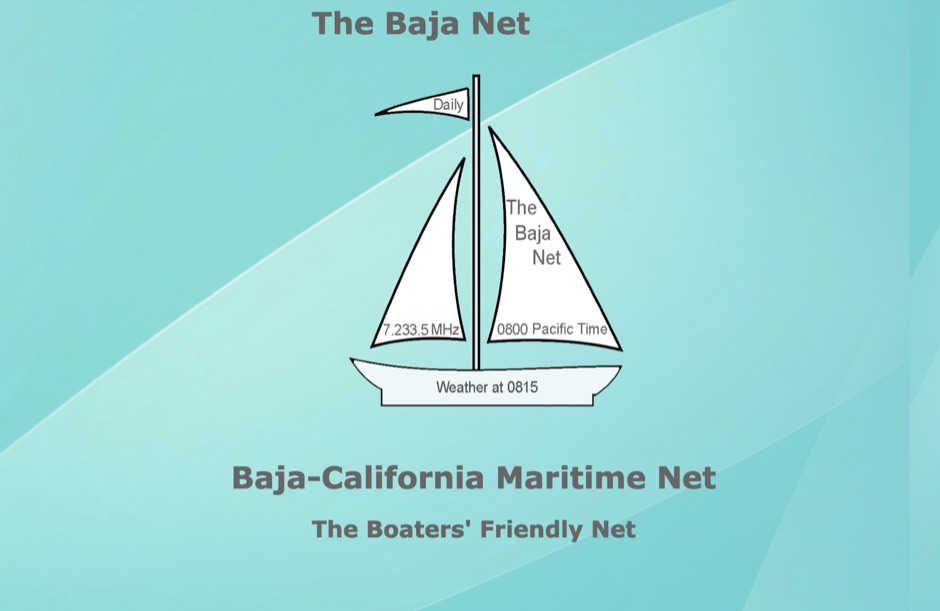 The Baja Net is one of the boaters favorite nets on the West Coast. It has a long history of handling traffic for mariners who are out of touch with friends and family. Several stations have phone patches enabling them to put you right on the line to talk to your loved ones.
 -
 BCHF 14.316 MHz Broadcasters HF NET where radio/tv broadcasters-engineers meet 2300 UTC Sunday's
 -
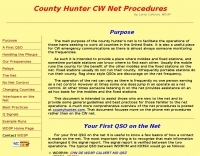 The main purpose of the county hunter's net is to facilitate the operations of those hams seeking to work all counties in the United State. It is also a useful place for CW emergency communications as there is almost always someone monitoring the frequencies.
 -
 The Grit Net website
 -
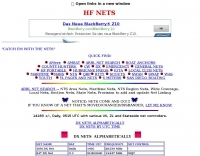 Amateur radio HF nets
 -
 Trader net frequencies
 -
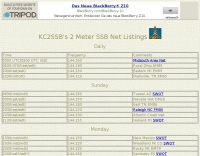 A listing of 2m SSB nets around the US.
 -
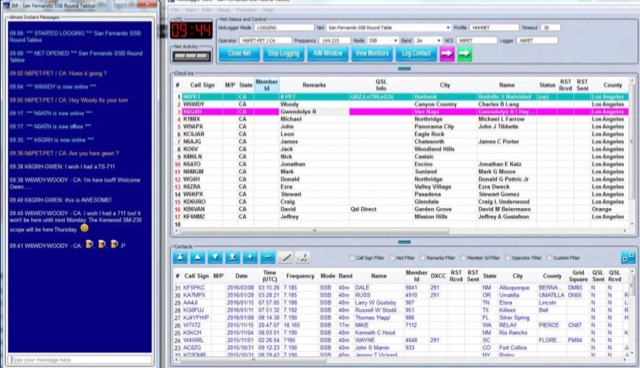 NetLogger is a specialized logging program for amateur radio nets, displaying active nets with real-time updates every 20 seconds. It facilitates check-in
 -
 This document serves as a thorough guide to amateur radio nets throughout Australia and includes some international (DX) nets. It outlines key information like frequencies, schedules, and the people responsible for managing these nets. Among the nets covered are Ron's 10 A.M. net, the Australian Travellers Net, and several others, each operating on different bands and regions. Additionally, it offers technical details about repeaters, such as frequency, offset, and CTCSS tones where applicable. Any updates are clearly marked, and further details are included for linked repeater systems and network connections.
 -
 OM International sideband society incorporated nets 75M, 40M, and 20M Nets begin one hour earlier during Daylight Savings Time
 -
 A friendly dx net who welcomes new comers to amateur radio and the serious dxer alike; Daily from 2000gmt on 14.208mhz. Listen the net live.
 -
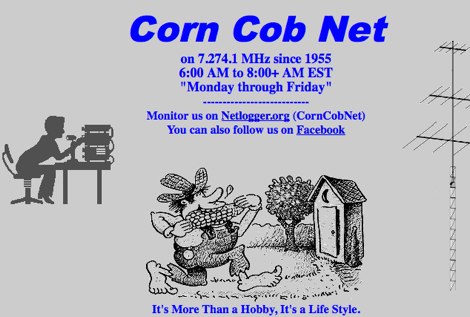 On 7.274 MHz since 1955
 -
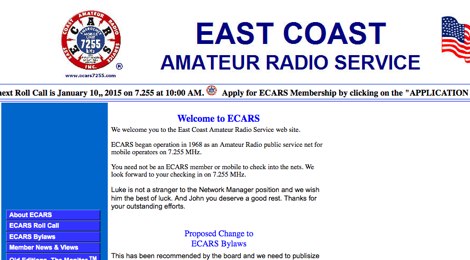 ECARS began operation in 1968 as an Amateur Radio public service net for mobile operators on 7.255 MHz
 -
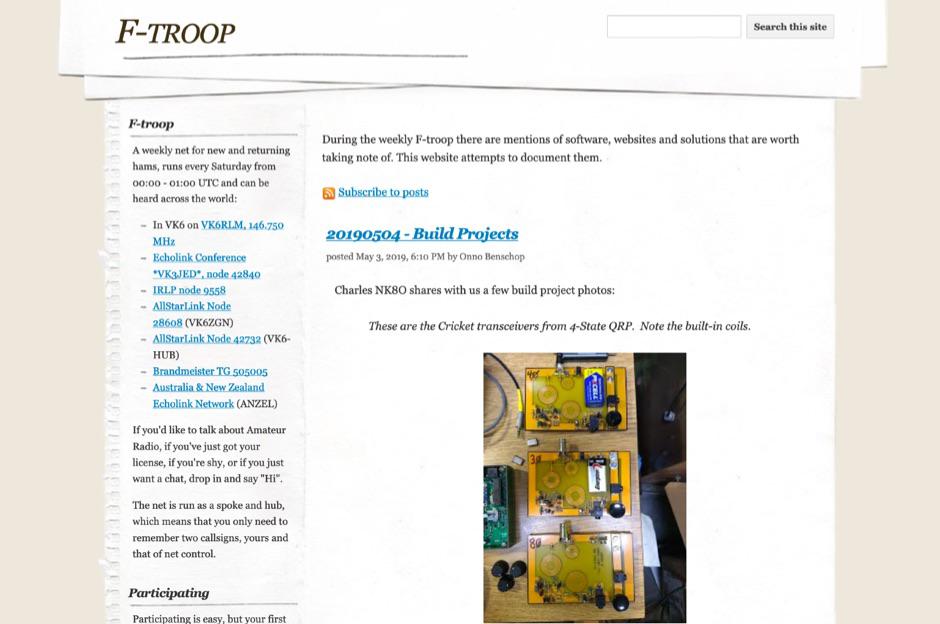 A weekly net for new and returning hams, runs every Saturday from 00:00 - 01:00 UTC and can be heard across the world. During the weekly F-troop there are mentions of software, websites and solutions that are worth taking note of. This website attempts to document them.
 -
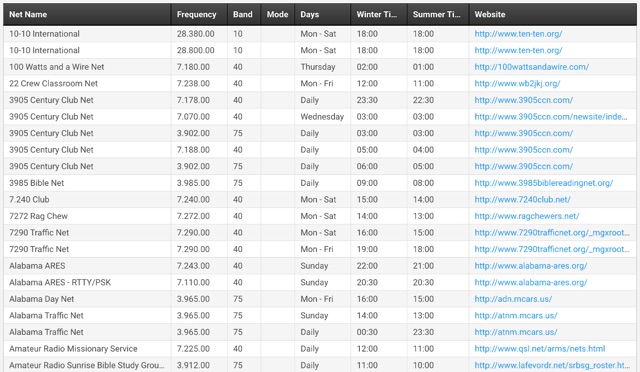 SMARC provides a list of HF nets available to local Hams with the right equipment. Join one or all of them
 -
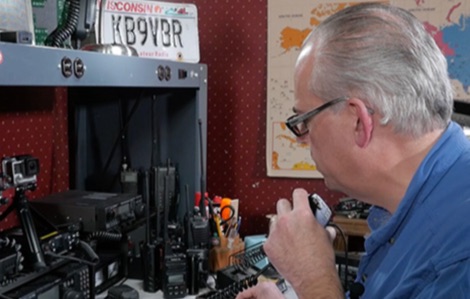 A great way to provide a public service and maintain your skill as an operator is to be a net control station. Being net control is rewarding and not overly difficult.
 -
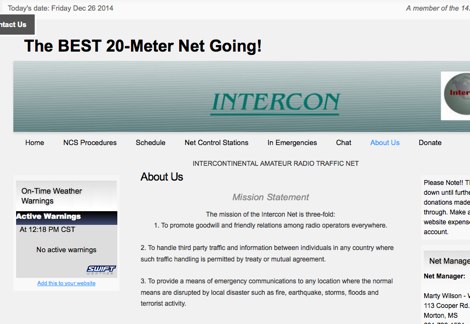 HF Ham Radio net
 -
 NetFinder is the ultimate directory for Ham Radio and SWL enthusiasts, designed to connect Amateur Radio operators through organized nets. Nets are scheduled gatherings on specific frequencies, ranging from formal emergency communication training to casual chats among Hams. Offering a platform for camaraderie and skill-building, NetFinder simplifies the process of discovering nets, fostering deeper engagement in the hobby. With a vision of cataloging every net worldwide, NetFinder aims to make these vital connections accessible to all operators, enriching the Amateur Radio community.
 -
 HF Net by Old Man International Sideband Society
 -
 The Texas Slow Net meets daily at 7:45 PM local time, on 3570 KHz +/- QRM. TSN is a traffic handling training net. All stations licensed for the frequency are welcome to participate
 -
 Since November of 1998, The Freewheelers Net has been on the air on 3.916 MHz
 -
 The Triple H Net Association Net
 -
 7.238 and 21.395 HF Net
 -
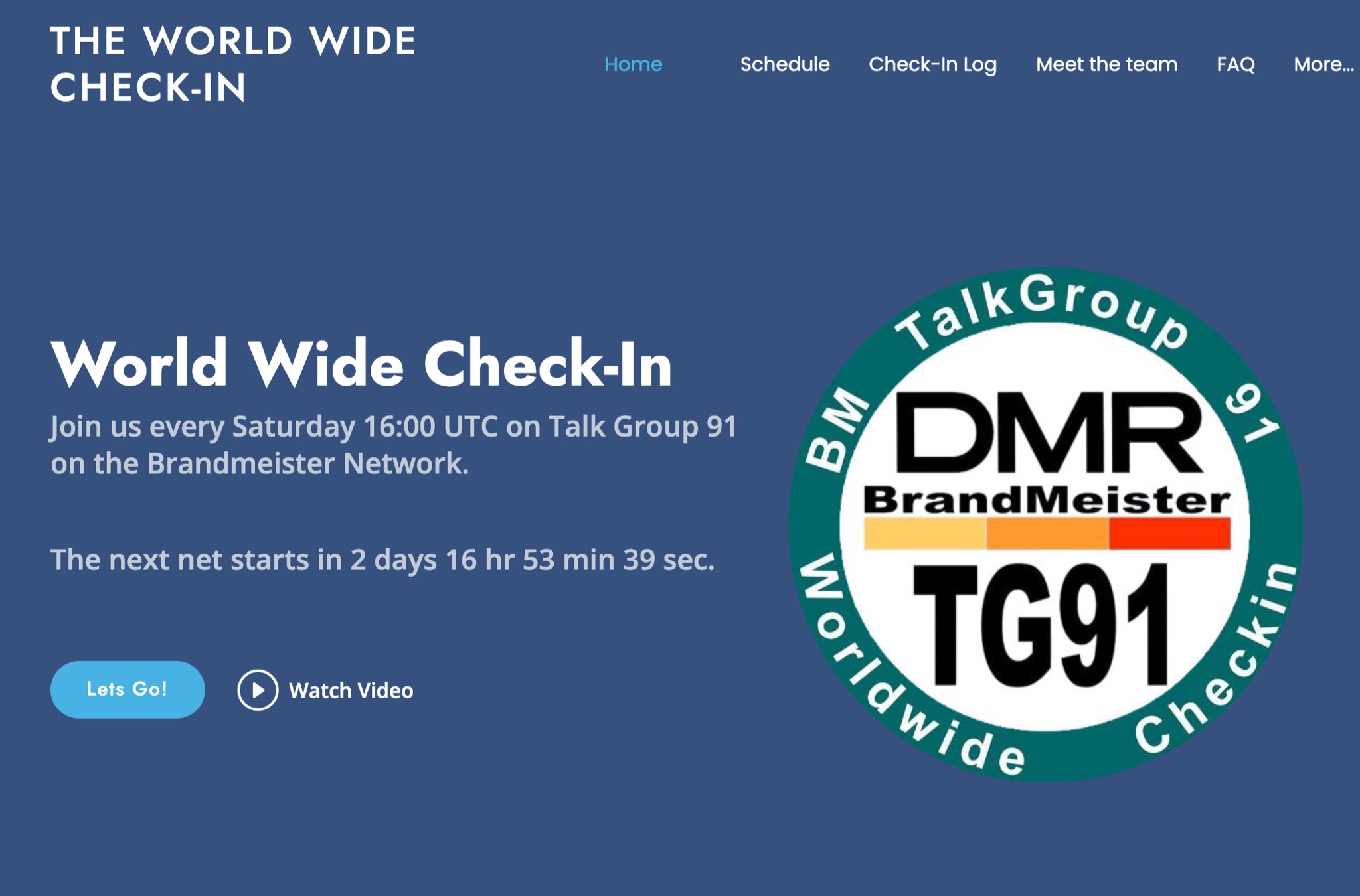 Join the World Wide Check-In every Saturday at 16:00 UTC on Talk Group 91 via the Brandmeister Network. Started in 2015 by Dick K6SUU, the net has grown with volunteer Net Controllers ensuring smooth operations. Check-in securely with a robust logging system. View log archives, upcoming nets, and schedule. Interested in becoming a Net Controller? Contact the admin team. Licensed Radio Operators can participate, while others can listen live on TG 91. Stay connected and join the global ham radio community with World Wide Check-In.