Hams Demographics and Licensing
Demographic trends and licensing statistics in amateur radio

Understanding the demographics of ham radio operators helps us see how amateur radio activity is changing over time. This includes tracking license counts, operator classes, and geographic distribution across different bands and modes. Observing these trends provides insights into the growth or decline of the hobby, highlighting areas where new operators are joining or where activity might be shifting.
Operators can find various resources here, from national licensing databases like the FCC Universal Licensing System to detailed statistical analyses of operator populations. Some tools allow hams to map license holders by callsign or geographic area, while others provide historical data on license trends in countries like the USA, Japan, and Australia. There are also studies focusing on specific groups, such as female amateur radio operators or the demographics of contesters, often using data from sources like QRZ.COM and ARRL score archives.
-
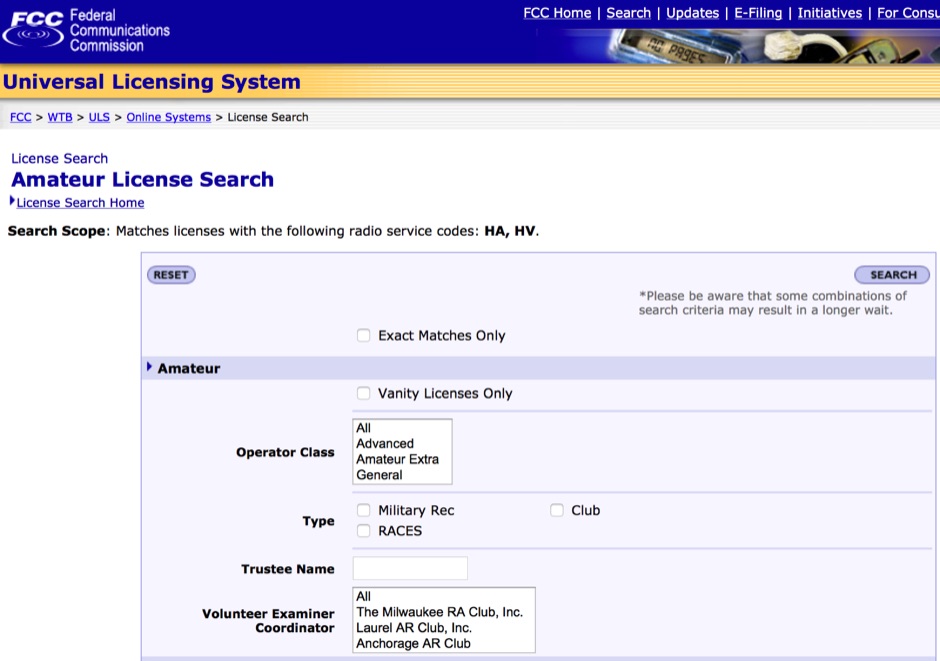 The FCC ULS Amateur License Search allow to search for licences based on several criterias, including call, Operator Class, Types, Addresses, Status, and dates.
 -
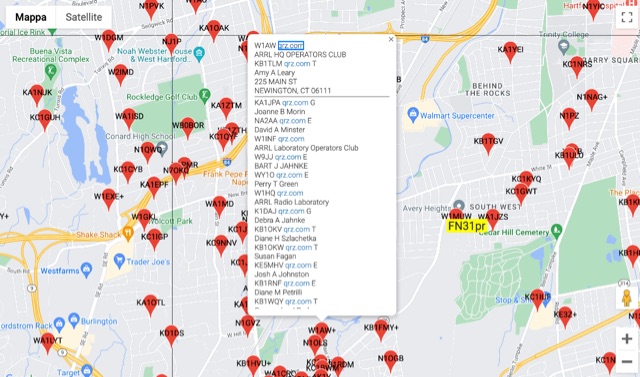 Interactive map displaying US amateur radio license holders by callsign, gridsquare, zip code, or street address. Features dynamic station loading.
 -
 Demographics of amateur radio operators
 -
 A Study of Amateur Radio Gender Demographics. How many ham radio operators in the usa ? Estimated Number of Hams in Each State, by Gender
 -
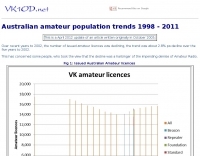 Analyzes Australian amateur radio license trends from 1998-2007, noting a 2.8% annual decline in issued licenses up to 2002.
 -
 This resource provides a comprehensive list of amateur radio callsign prefixes, detailing the number of callsigns associated with each prefix and its
 -
 Analyzes FCC amateur radio license issuance data, specifically tracking Technician to General/Extra upgrades post-Morse code removal. Features monthly
 -
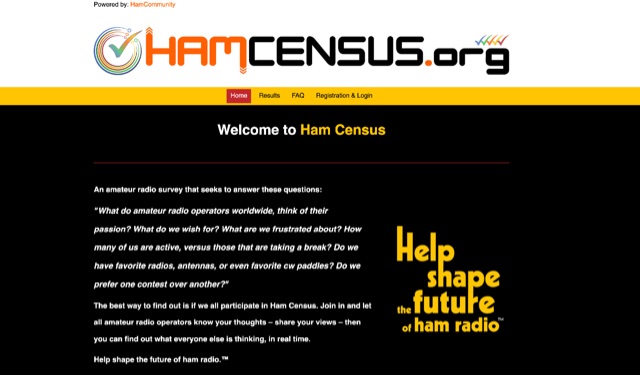 What do amateur radio operators worldwide, think of their passion? What do we wish for? What are we frustrated about? How many of us are active, versus those that are taking a break? Do we have favorite radios, antennas, or even favorite cw paddles? Do we prefer one contest over another? The best way to find out is if we all participate in Ham Census. Join in and let all amateur radio operators know your thoughts "share your views" then you can find out what everyone else is thinking, in real time. Help shape the future of ham radio by participating in the world's most complete survey of amateur radio.
 -
 Statistics based on FCC Database. Data is compared to previous perions.
 -
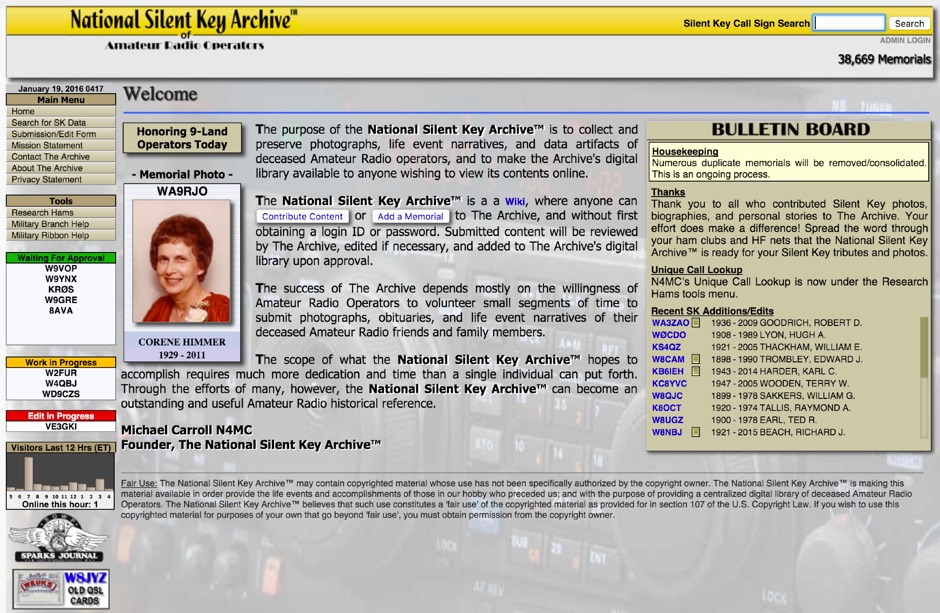 The purpose of the National Silent Key Archive is to collect and preserve photographs, life event narratives, and data artifacts of deceased Amateur Radio operators, and to make the Archive's digital library available to anyone wishing to view its contents online.
 -
 US Ham Population by state
 -
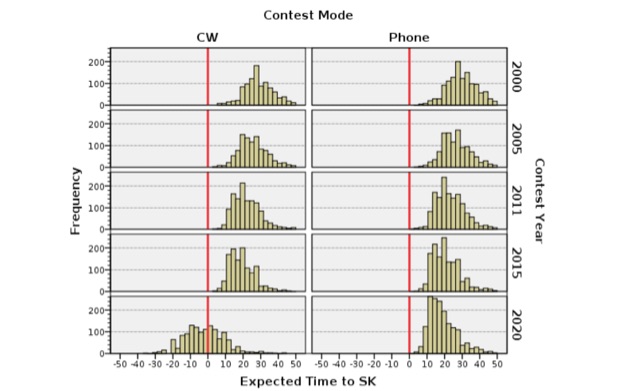 Analysis of aging trends in amateur radio contesting, using survey data from the National Contest Journal and ARRL surveys to examine participation.
 -
 Annual poll for radio amateurs - the good, the bad, the ugly! This is an annual survey conducted among the online community, and it represents the status of amateur radio. The authors ask to hams several questions, from the most used operating modes, to the typical ham radio lifestyle habits.
 -
 This amateur radio world map resizes the countries based on the number of licensed operators
 -
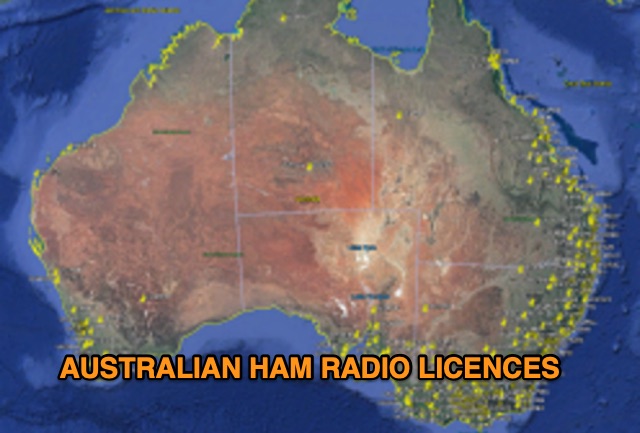 Discover a comprehensive solution for mapping Australian ham radio entities using data from the ACMA Public Register. This tool, developed in Delphi 7, generates KML files for Google Earth, showcasing repeaters, beacons, and operators across different prefixes. While respecting privacy regulations, the files provide valuable insights into the amateur radio landscape.
 -
 This page provides updated data and statistics about United States amateur radio operators, including historical totals, demographics, and geographic distributions. It also explains the Amateur Radio Service, highlighting its role in promoting wireless communication and technological advancements. The page is a valuable resource for hams interested in understanding the current landscape of amateur radio in the United States.