Ham Radio Phonetics, Codes, and Operating Terminology
Find essential references for phonetic alphabets, Q codes, Morse abbreviations, and common terms used in amateur radio communication.

Amateur radio operators rely on standardized codes and phonetic alphabets to ensure clear communication, especially when signals are weak or propagation conditions are challenging. These tools help hams accurately exchange call signs, signal reports, and other vital information during QSOs on any band. Understanding these systems is fundamental for effective operation, whether working DX on HF or checking into a local repeater net.
This category provides various reference materials for common amateur radio abbreviations and codes. Operators can find listings of Q signals and Morse code abbreviations, essential for CW contacts. There are also resources for phonetic alphabets, including the ITU and NATO versions, which are crucial for spelling out words over the air. Additionally, hams can learn about specialized signal reporting systems like RSQ for digital modes and historical context for common ham radio terms like 73.
-
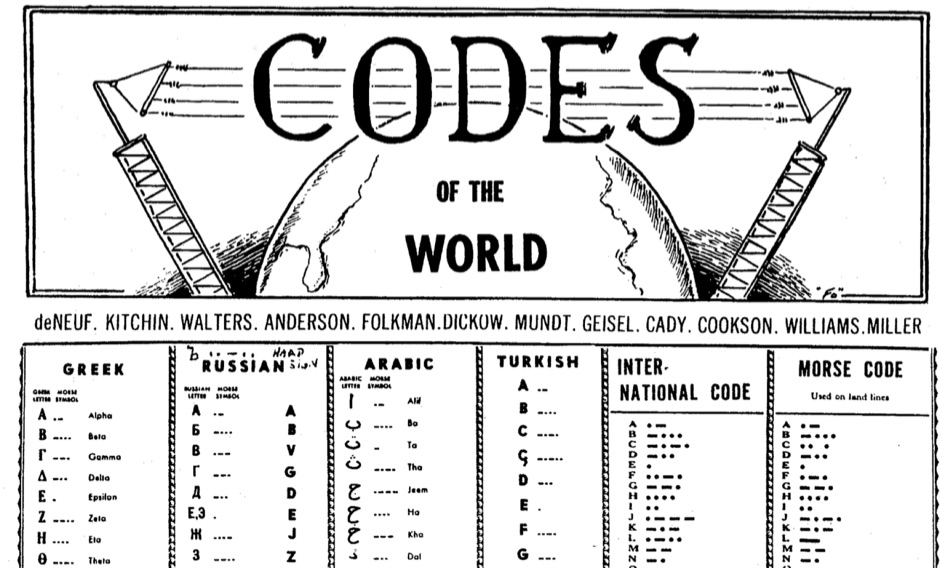 History of codes of the world, russian codes, visual codes, and al long collection of telegraph codes as used worlwide including the international morse code and the relative variations
 -
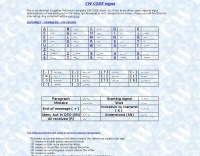 Complete CW CODE signs
 -
 List of commnly used abbreviations in radio telegraphy communications
 -
 Alphabets in Morse code, American (ex military), international, Geman, Italian, Aviation and Nato phonetics
 -
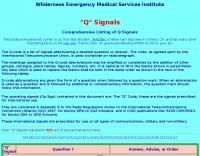 A comprehensive listing of Q-signals, detailing their question and answer forms, with specific notes on their use in amateur radio.
 -
 This site is devoted to promoting RSQ as an improved signal reporting system for narrow band digital modes and to demonstrating its application to the popular PSK31 mode.
 -
 This document serves as a reference guide for pilots interpreting the symbols used on Instrument Flight Rules (IFR) Enroute Low and High Altitude Charts for both the United States and Alaska. It focuses on six key categories of information critical for safe IFR navigation and it includes a section dedicated to Oceanic Route Charts for the North Atlantic and North Pacific regions.
 -
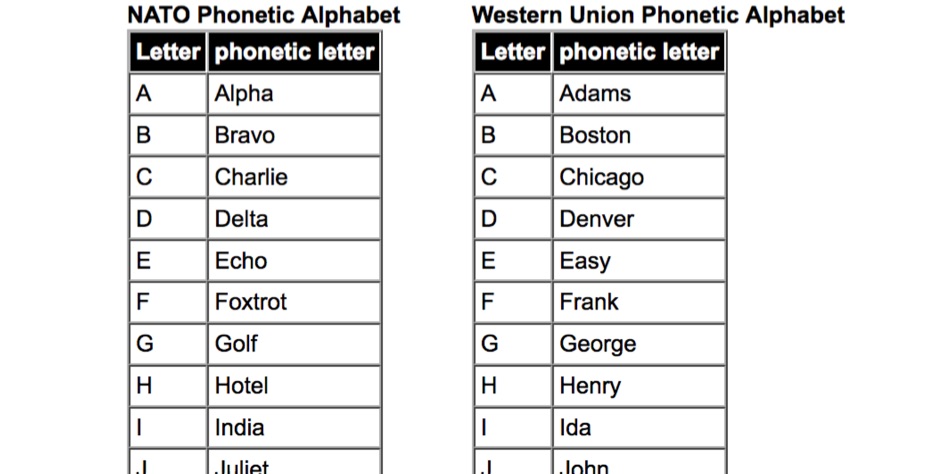 The Nato and Western Union Phonetic Alphabets useful for spelling words and names over the phone.
 -
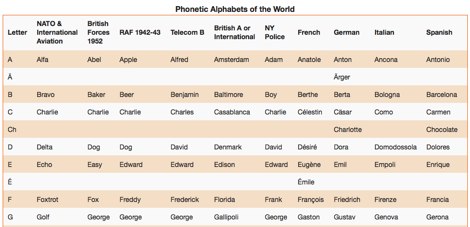 A selection of alphabets used, particularly by ham radio operators, to spell out words
 -
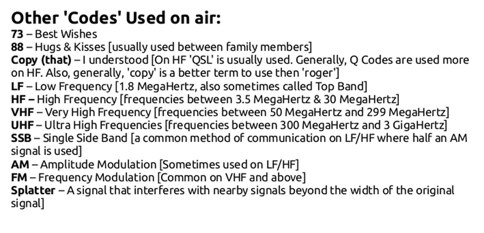 Taken from April 1935 issue of QST page 60 where there is a short article on the origin of 73