Amateur Radio Message Traffic and NTS Resources
Learn about formal message handling, radiograms, and the National Traffic System (NTS) for emergency and routine communications.

Traffic handling is a core amateur radio activity focused on relaying formal written messages, known as radiograms, across various bands. Hams participate in organized nets to pass these messages accurately and efficiently, often using voice or Morse code. This service is especially vital during emergencies or disasters when normal communication infrastructure is disrupted, providing a critical link for welfare inquiries and operational information.
Operators interested in traffic handling can find detailed guides on the National Traffic System (NTS) and its procedures, including how to format and route radiograms. Resources often cover the specific protocols for handling messages, from local nets to long-haul relays. Additionally, hams can learn about international third-party traffic agreements, which permit the exchange of messages with stations in other countries, expanding the reach of this important amateur radio service.
Related Categories
-
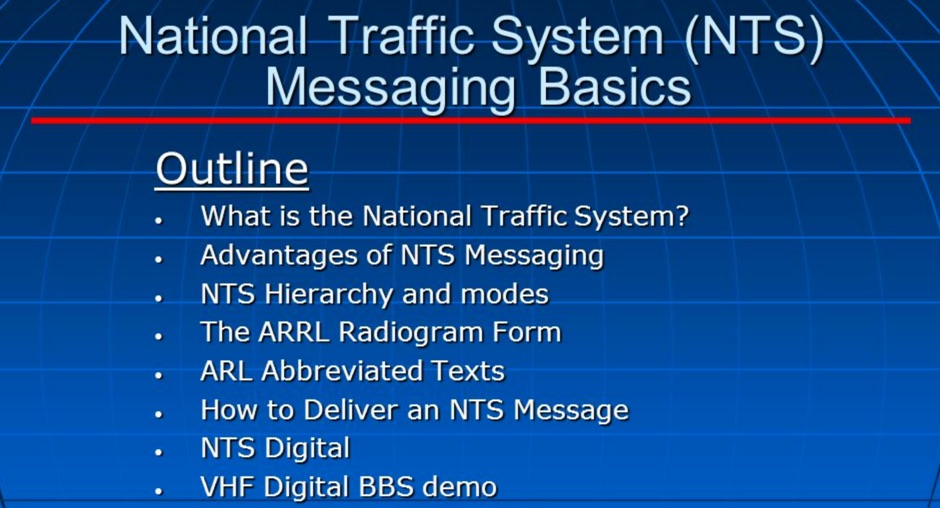 Read more about the purpose, policies, and procedures of The National Traffic System in this 48 pages PDF File
 -
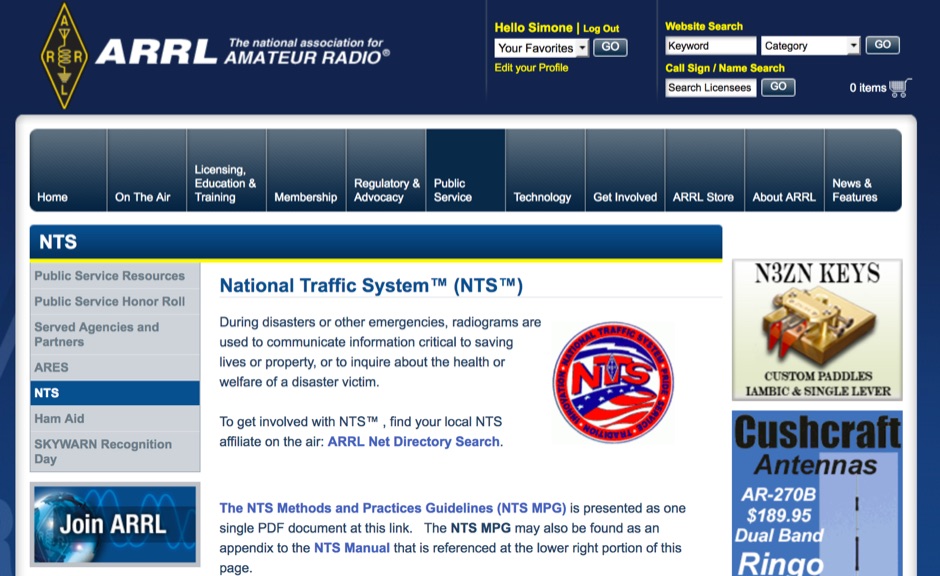 ARRL National Traffic System, During disasters or other emergencies, radiograms are used to communicate information critical to saving lives or property, or to inquire about the health or welfare of a disaster victim.
 -
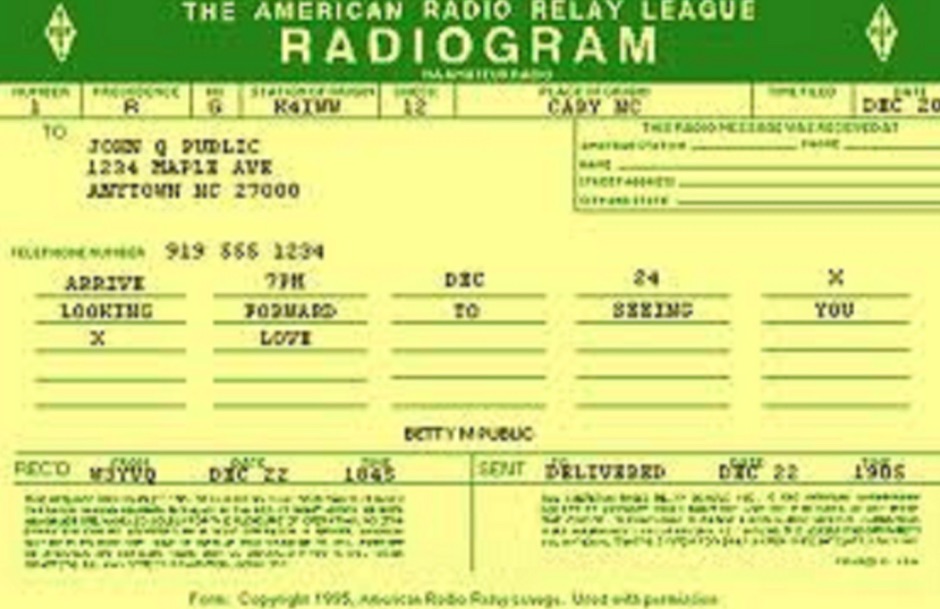 The ARRL Radiogram page at wikipedia includes, radiogram handling instructions
 -
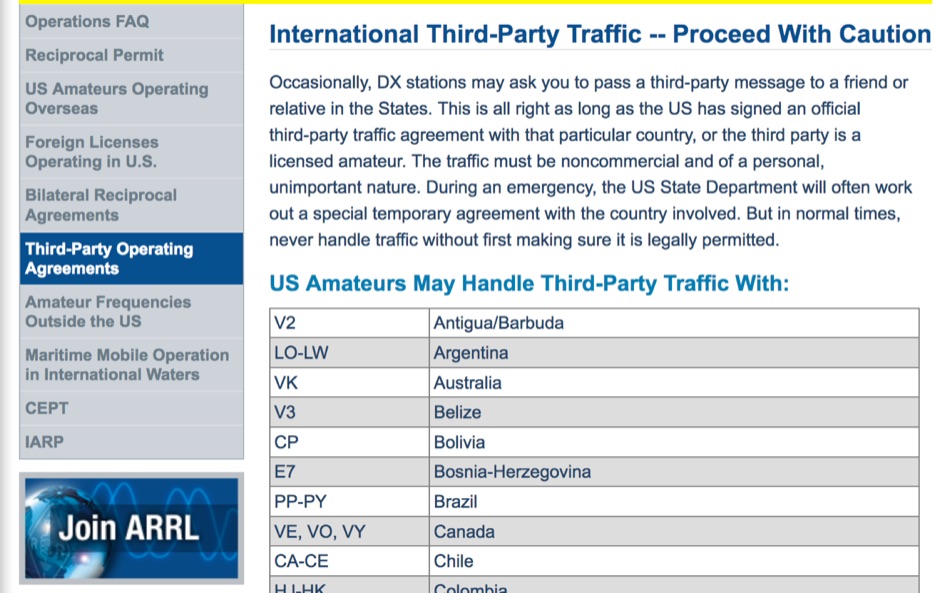 Third-Party Operating Agreements. Occasionally, DX stations may ask you to pass a third-party message to a friend or relative in the States. This is all right as long as the US has signed an official third-party traffic agreement with that particular country