Weather Satellite Reception
Receiving weather satellite images with homemade antennas

Weather satellite operation involves receiving signals from orbiting spacecraft to capture real-time weather images and data. Hams often build their own ground stations to track satellites like NOAA and Meteor-M2, decoding the Automatic Picture Transmission (APT) signals to visualize cloud formations, storm systems, and other atmospheric conditions. This activity combines radio reception skills with digital signal processing, offering a rewarding way to engage with space-based amateur radio activity.
Operators frequently experiment with antenna projects, such as quadrifilar helicals or turnstile crossed dipoles, optimized for the specific frequencies used by weather satellites. Many guides detail how to set up receiving stations using affordable software defined radio (SDR) dongles and a Raspberry Pi, along with free software for decoding the images. These resources help hams learn about satellite tracking, signal reception, and image processing, enhancing their understanding of propagation and digital modes.
Related Categories
-
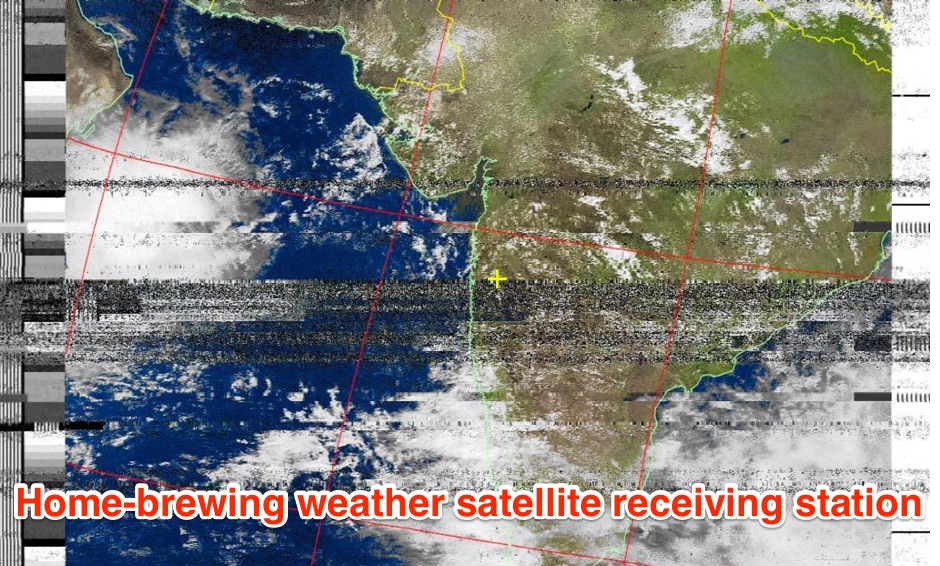 The page provides a detailed guide on how to build your own NOAA weather satellite receiving station, covering hardware, antenna, computer setup, and software installation. It offers a straightforward explanation suitable for beginners and serves as an educational project. The content includes step-by-step instructions and tips for observing satellites in the night sky.
 -
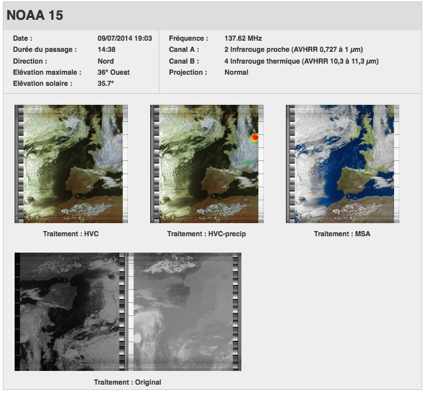 Ham radio blog dedicated to WX Sat reception in particular NOAA satellites, antenna homebrewing and beacon reception by F4CWH
 -
 Design your own quadrifilar helix, the site even generates a drilling pattern in a PDF file. Several different construction methods are shown.
 -
 How to receive images from orbiting noaa weather satellites using simple receiving equipment and a computer by G4ILO
 -
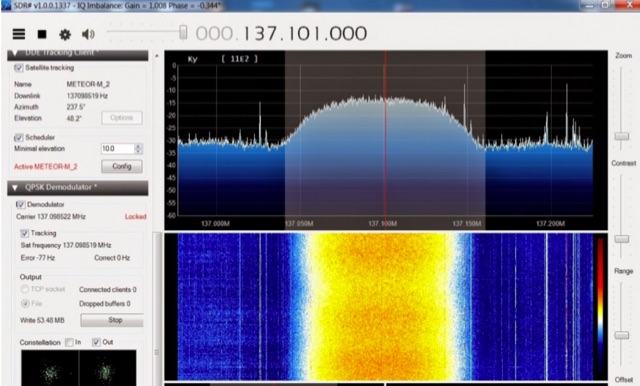 The Meteor-M N2 is a polar orbiting Russian weather satellite that was launched on July 8, 2014. Its main missions are weather forecasting, climate change monitoring, sea water monitoring/forecasting and space weather analysis/prediction. Meteor-M N2 transmits images using the digital LRPT protocol at around 137.1 MHz with can be received with an RTL-SDR.
 -
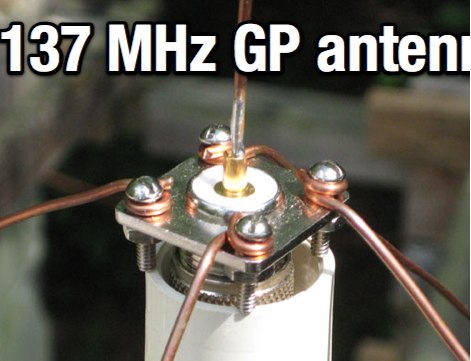 NOAA-19 APT Recption using GNU Radio and a FUNcube Dongle
 -
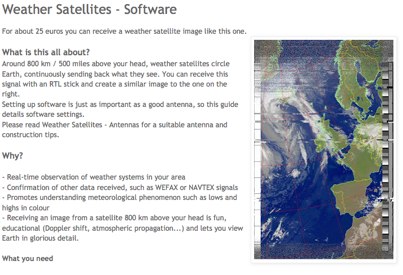 Complete guide to receive weather satelite images with a RTL SDR dongle and free software
 -
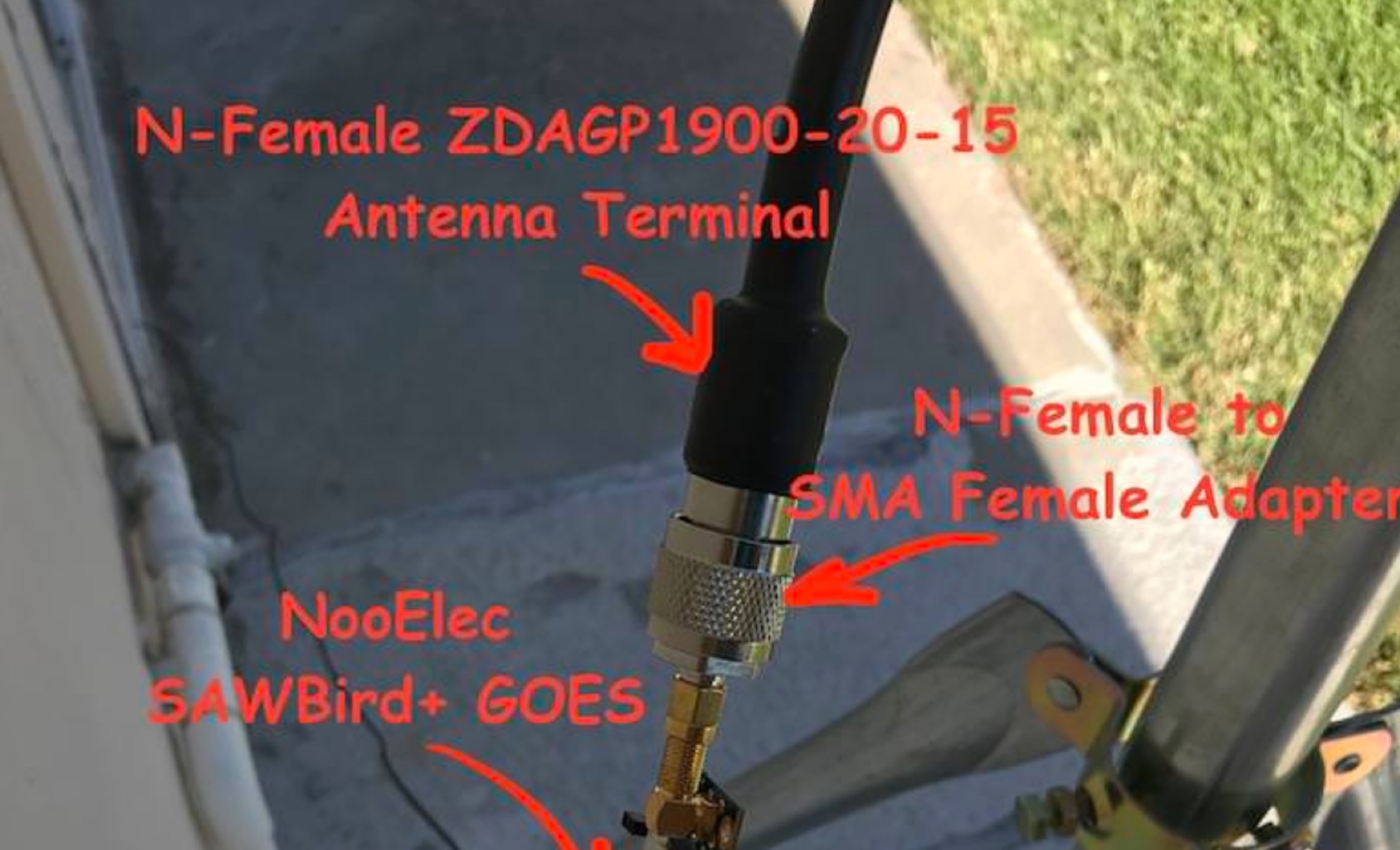 A detailed guide for setting up a Raspberry Pi and RTL-SDR to receive and decode GOES-16 and GOES-17 weather satellite images. Includes hardware list and
 -
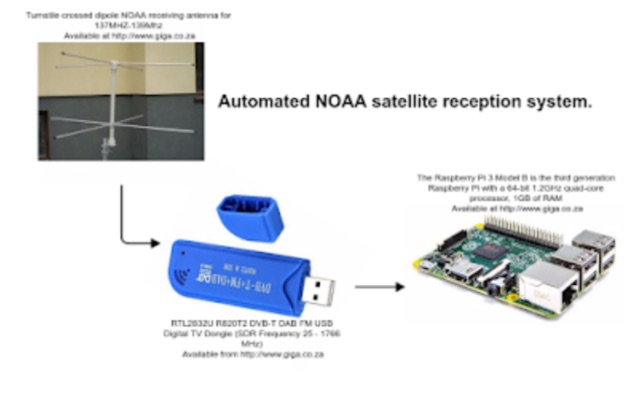 Receiving NOAA weather satellite images using a Raspberry PI with a RTL dongle and a Turnstile crossed dipole automatically.
 -
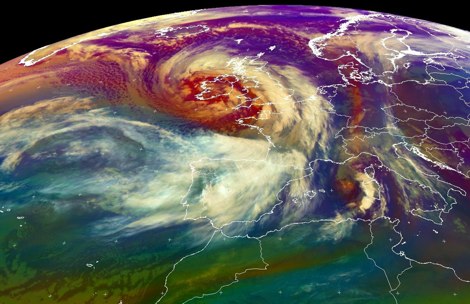 A Dutch website dedicated to weather satellite reception with many documents related to antennas, software and techniques on receiving signals from weather satellites.