Search results
Query: world net
Links: 126 | Categories: 2
-
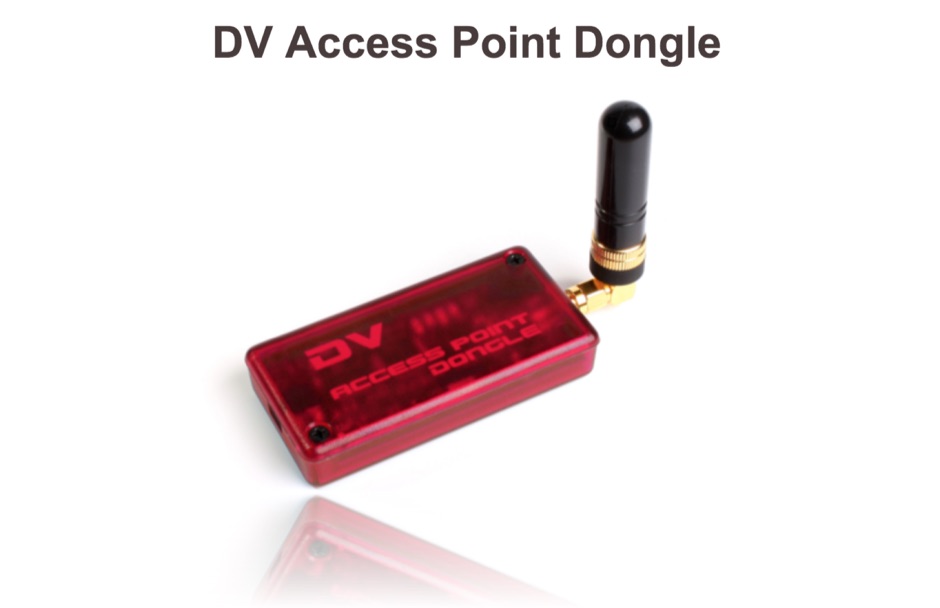 The DV Access Point Dongle connects to your PC or Intel based Mac via a USB port and provides a 2 meter Access Point for use with a D-STAR radio. Using an Internet connection, a user may connect to and communicate with D-STAR gateways and reflectors around the world
 -
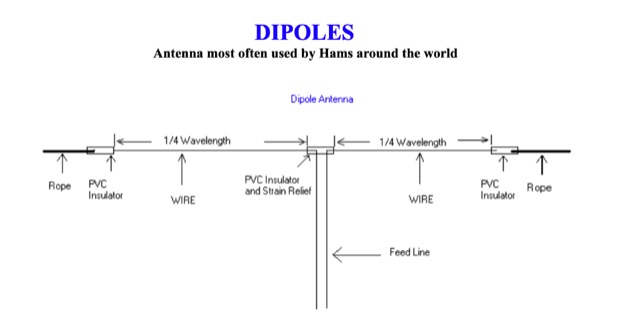 Antenna most often used by Hams around the world. Inexpensive, effective and easy to build, what more could anyone ask for in a home made antenna.
 -
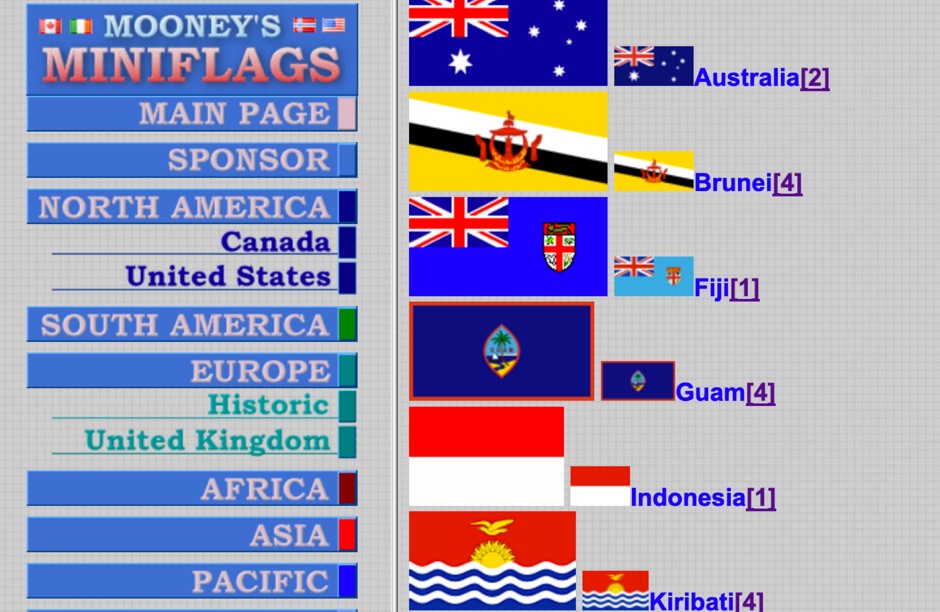 A website with a large collection of world flags pictures in GIF format divided per continent. Includes flags of US and Canada states
 -
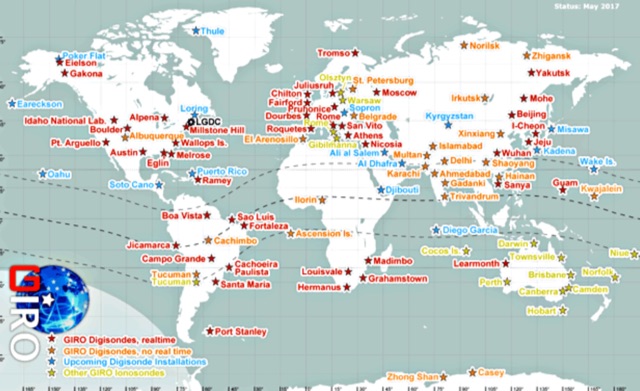 In cooperation with the URSI Ionosonde Network Advisory Group (INAG), the LGDC promotes cooperative agreements with the ionosonde observatories of the world to accept and process real-time data of HF radio monitoring of the ionosphere, and to promote a variety of investigations that benefit from the global-scale, prompt, detailed, and accurate descriptions of the ionospheric variability.
 -
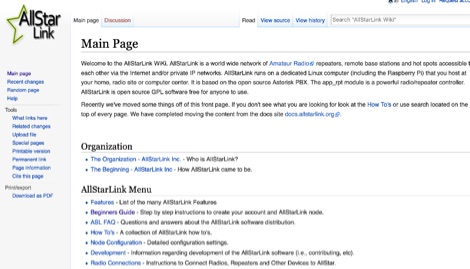 Guide to AllStarLink the world wide network of Amateur Radio repeaters, remote base stations and hot spots accessible to each other via the Internet and/or private IP networks.
 -
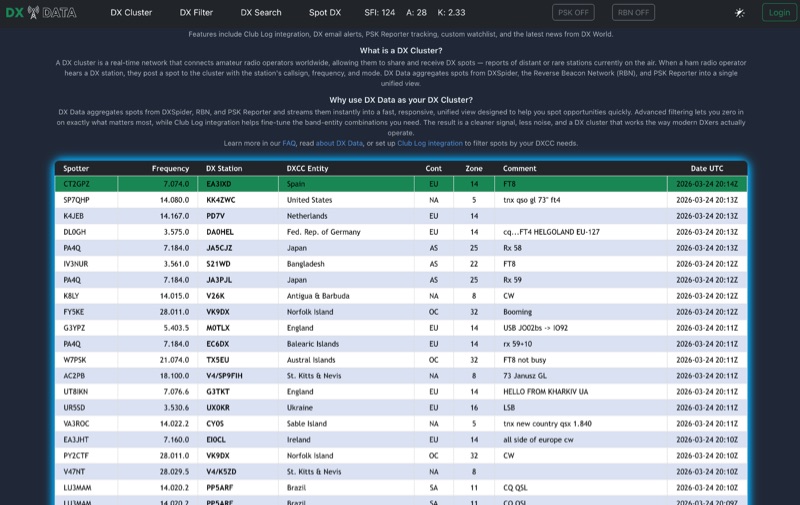 DX Data provides a unified view of real-time DX spots, aggregating data from **DXSpider**, the **Reverse Beacon Network (RBN)**, and PSK Reporter. This online service offers advanced filtering capabilities, allowing amateur radio operators to refine spot displays by DXCC entity, band, mode, CQ zone, and continent. It addresses the challenge of sifting through numerous DX spots by presenting a consolidated stream, enabling DXers to efficiently identify active stations across various bands and modes. The platform integrates with Club Log, which assists in fine-tuning band-entity combinations based on a user's logging history, thereby reducing irrelevant spot noise. Key features include DX email alerts, PSK Reporter tracking, and a custom watchlist for monitoring specific stations or regions. The service also incorporates a live news feed from DX World, providing current information relevant to the DXing community. This design aims to streamline the DX spotting process, offering a responsive interface for identifying operating opportunities.
 -
 A real-time, responsive map view of APRS (Automatic Packet Reporting System) information, CWOP (Citizens Weather Observer Program), and other APRS-IS sources across the world. The N2RWE Real-time APRS Map leverages cutting-edge technologies and custom software to present a dynamic and user-friendly platform for visualizing Automatic Packet Reporting System (APRS) data. This web application aggregates real-time station locations from various public sources, offering a comprehensive view of APRS activity. It caters to both novice and experienced users by providing features like Maidenhead Grid maps, station lists, license plate searches, and advanced tools for geolocation, address lookup, and data analysis. Additionally, the platform integrates with Summits on the Air (SOTA) information, enhancing the experience for SOTA enthusiasts. By actively supporting the #APRSThursday net, the N2RWE Real-time APRS Map fosters a collaborative environment for the APRS community.
 -
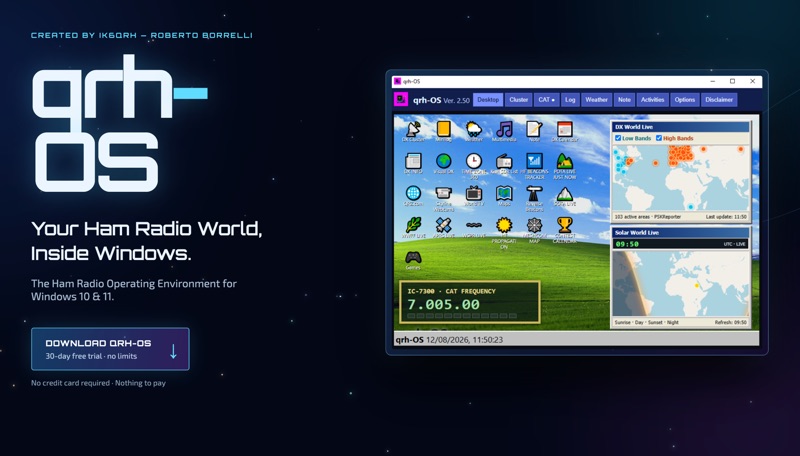 The **qrh-OS** application functions as a dedicated ham radio operating environment within Windows 10 and 11 systems, providing a consolidated platform for various amateur radio activities. It does not alter core system settings but instead presents a virtual desktop populated with specialized utilities and an integrated CAT radio system. This design aims to streamline the operator's workflow by centralizing tools often used for DXing, contesting, and general operating. Key features include a Telnet terminal for DX Cluster connections, real-time APRS tracking, and **CAT control** for transceivers, enabling one-click tuning from various integrated modules like Cluster, POTA, SOTA, WWFF, and Visual DX. The software also incorporates a worldwide Amateur Radio contest calendar, tools for Flora & Fauna activations, and displays for HF Low Bands Beacons and HF propagation conditions. Further utilities encompass a MeshCom Map, POTA Tunable, Reverse Beacons for WSPR network monitoring, SOTA Tunable, and a Timezone display. Visual DX offers an interactive globe showing DX stations and frequencies, while WebSDR/KiwiSDR access extends listening capabilities. An integrated IPTV player and real-time weather maps round out the comprehensive suite, all accessible within a single-window interface.
 -
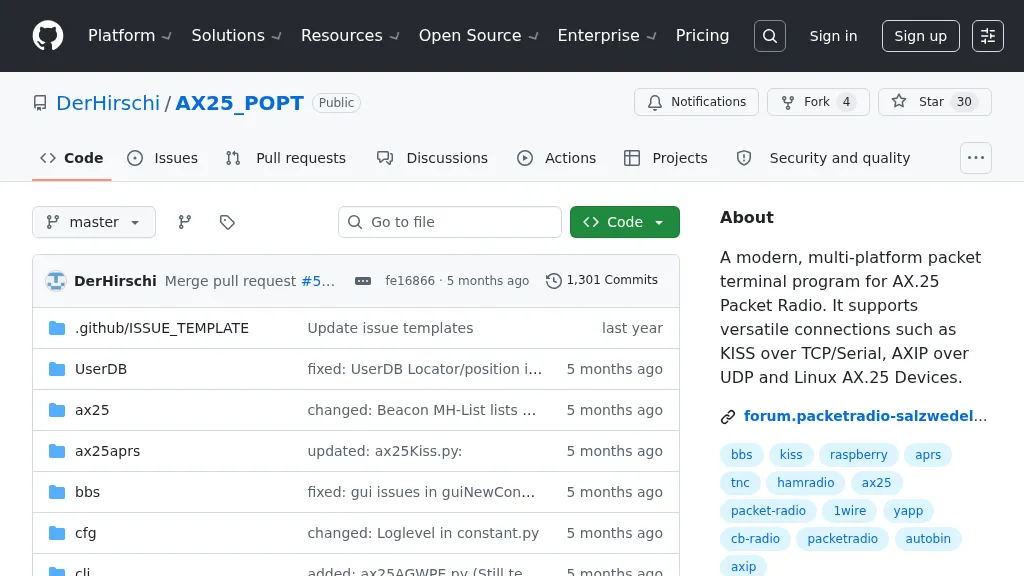 Facilitate seamless communication in the world of packet radio with PoPT, a versatile terminal program designed for AX.25 protocol enthusiasts. Operating across multiple platforms, including Windows, Linux, macOS, and Raspberry Pi, it caters to a wide range of users. The program supports various connection methods such as KISS over TCP/Serial and AXIP over UDP, ensuring compatibility with Linux AX.25 devices. This flexibility allows operators to maintain robust connections in diverse environments. Developed with Python 3.11, PoPT is currently under active development, reflecting a commitment to staying at the forefront of technological advancements. Its multi-platform nature ensures that operators can leverage their existing hardware setups without the need for additional investments. The program's ability to handle different connection types makes it a valuable tool for those engaged in packet radio operations, whether for personal experimentation or more structured communication networks. PoPT's ongoing development promises future enhancements and features, making it a dynamic choice for operators looking to explore the capabilities of AX.25 packet radio. Its adaptability and support for modern systems position it as a practical solution for contemporary amateur radio enthusiasts.
 -
 NetFinder is the ultimate directory for Ham Radio and SWL enthusiasts, designed to connect Amateur Radio operators through organized nets. Nets are scheduled gatherings on specific frequencies, ranging from formal emergency communication training to casual chats among Hams. Offering a platform for camaraderie and skill-building, NetFinder simplifies the process of discovering nets, fostering deeper engagement in the hobby. With a vision of cataloging every net worldwide, NetFinder aims to make these vital connections accessible to all operators, enriching the Amateur Radio community.
 -
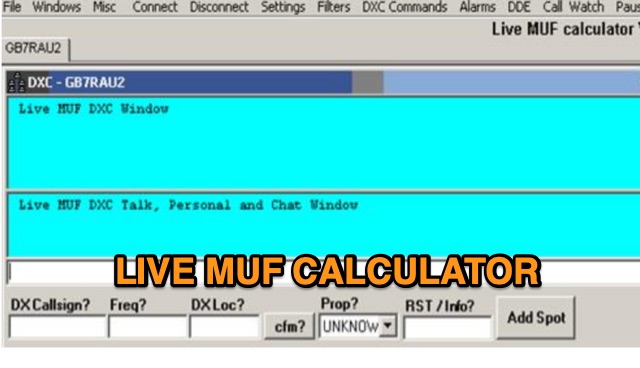 Live MUF is a DXC (cluster) telnet client which attempts to resolve propagation modes from spots and also attempts to calculate sporadic e possibilities purely based on incoming data from the cluster. It has great circle mapping (GCM) built in to the app for live mapping of spots. Live MUF also can be used as a world wide converse telnet client, ON4KST telnet client and DXC at the same time. Live MUF also has basic logging capabilities in case you need an emergency logger at any time.
 -
 Ham radio communication in the VHF and UHF bands, which was previously dominated by analog Frequency Modulation (FM), is increasingly incorporating Digital Voice (DV) modes. DV transceivers digitize audio and offer benefits like as signal integrity, encoded caller ID, and bandwidth savings. Today D-STAR, DMR and Yaesu System Fusion (YSF) are popular DV formats, each with its own set of features but mainly incompatible with the others. Internet access with Voice Over Internet Protocol (VoIP) expands DV communication worldwide. Repeaters and personal hotspots expand DV capabilities, enabling seamless worldwide connections. However, implementing DV frequently necessitates learning new technologies and negotiating network complexity.
 -
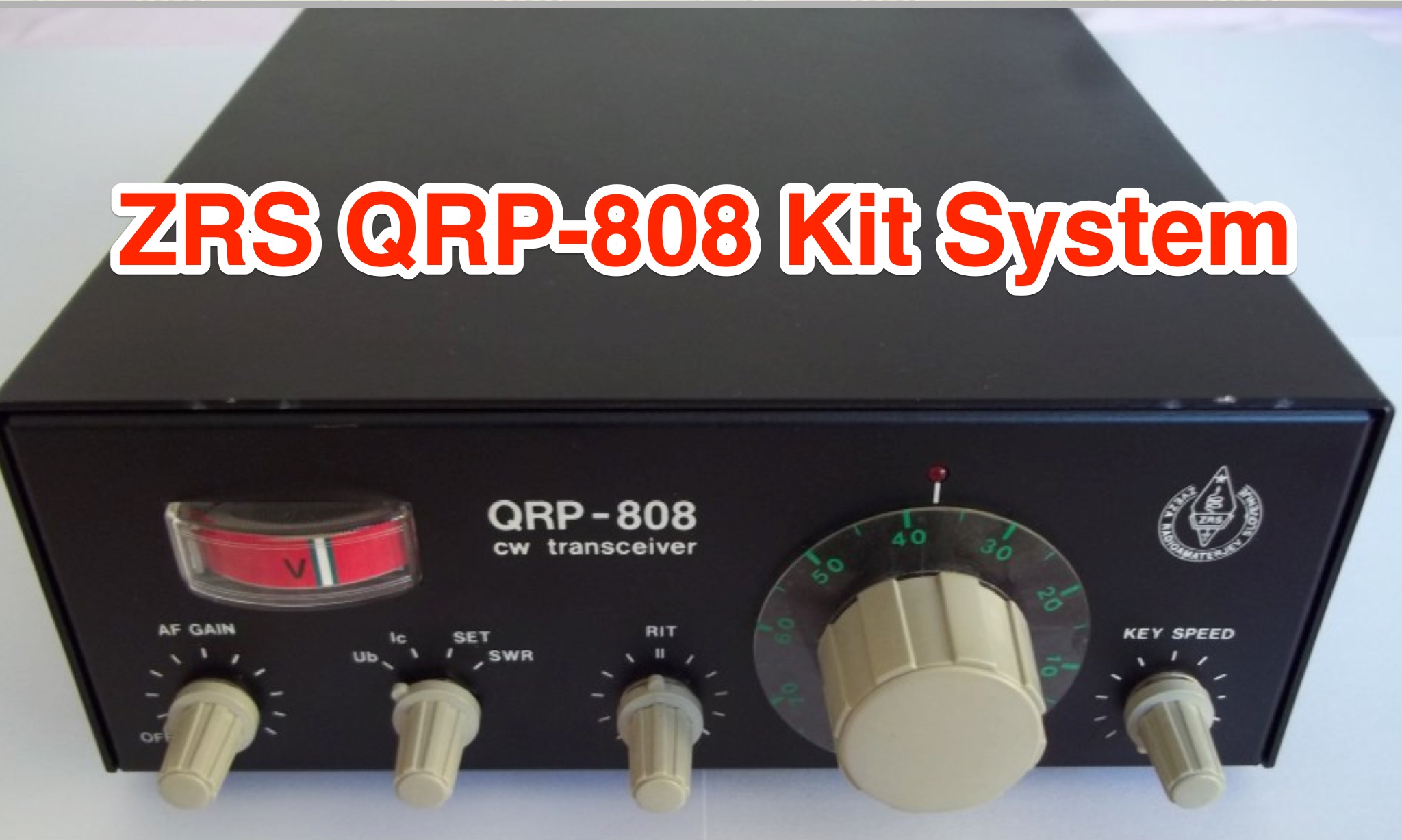 Learn about the ZRS QRP-808 kit system for hams from the 1980s. Discover the improved features of the QRP-808 compared to the QRP-805, including the electrical diagram and assembly instructions. Explore the nostalgic journey of building and tuning this iconic amateur radio station, as shared by experienced ham radio operators. See original photos and insights from enthusiasts like Janko S55WT and Mirko S52PC, offering a glimpse into the history of amateur radio technology. Access PDFs for detailed views and immerse yourself in the world of DIY radio equipment construction and tuning.
 -
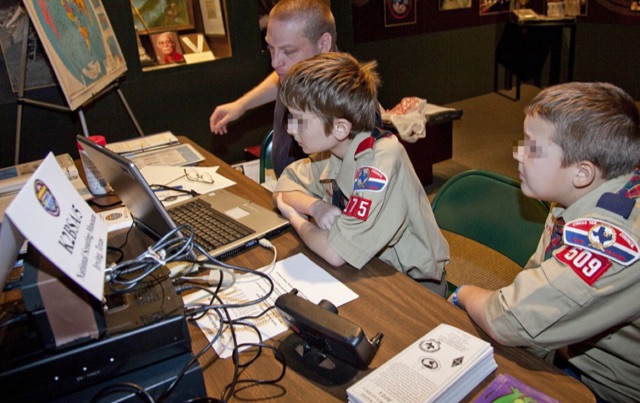 Information on frequencies suggested as Scout amateur radio frequencies. These were initially suggested by the World Organization of the Scout Movement and their Jamboree on the Air organizer. As with all amateur radio frequencies they are a shared resource. If someone else is already on that frequency, move up or down to find a clear frequency for calling.
 -
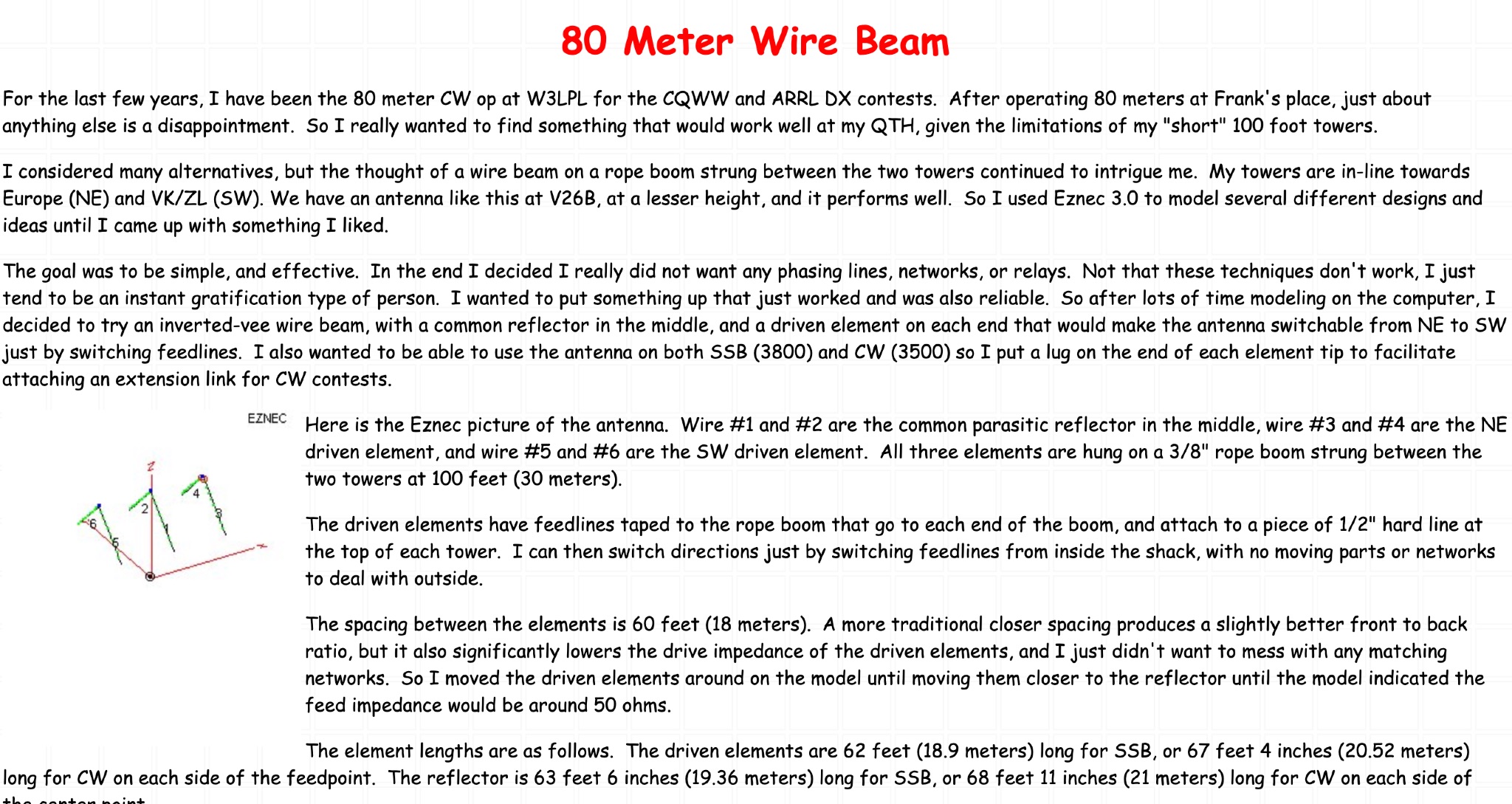 This paper presents an 80 meter wire 3-element beam antenna in an inverted-V configuration, designed for limited-height towers. Using EZNEC modeling, the antenna features a central parasitic reflector and two switchable driven elements at each end, enabling NE/SW coverage without moving parts or networks. Element lengths are optimized for SSB (3.8 MHz) and CW (3.5 MHz) operation, with a 50 Ω feed and rope-supported boom. The design delivers high gain, effective takeoff angles, and excellent reception, confirmed in real-world DX contest operation. Its simplicity, reliability, and ease of construction make it ideal for operators seeking performance without complex matching systems.
 -
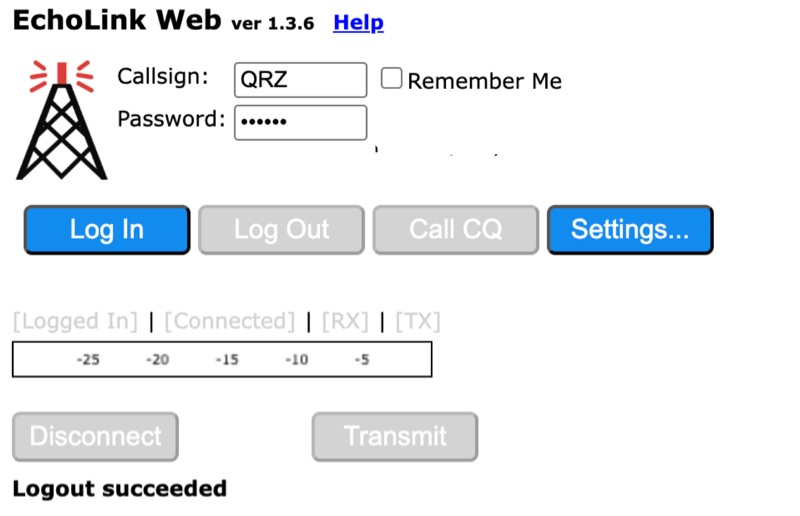 Connecting to the global *EchoLink* network via a web browser simplifies internet linking for licensed amateur radio operators. This web application provides a direct interface, eliminating the need for client software installation. Users can log in with their validated callsign and password to access the system, facilitating contacts with other stations, repeaters, and conferences worldwide, much like traditional VoIP applications but tailored for amateur radio. The interface offers essential controls for managing connections, including selecting specific stations or conferences from a dropdown list, initiating a connection, and disconnecting. Features such as a 'Call CQ' button allow users to signal their availability for a contact, while options for low bandwidth operation and accepting incoming connections optimize performance and accessibility. Audio device selection ensures proper microphone and speaker integration with the web client. Validation of an amateur radio license is a prerequisite for full access, ensuring that only authorized operators utilize the network. The system prompts unvalidated users to provide an email address and password to begin the validation process, which typically involves submitting proof of license. This free service extends the reach of amateur radio communications globally, bridging geographical distances through internet connectivity.
 -
 Allstar Linked Repeaters On The Air (ALROTA) is a community-focused platform aimed at strengthening connections within the amateur radio world. It offers a range of features, such as personalized connection schedules, net discovery tools, and a dedicated Radio Check Hub, all designed to improve the radio experience. Additionally, ALROTA supports emergency communication services and provides training opportunities for amateur radio
 -
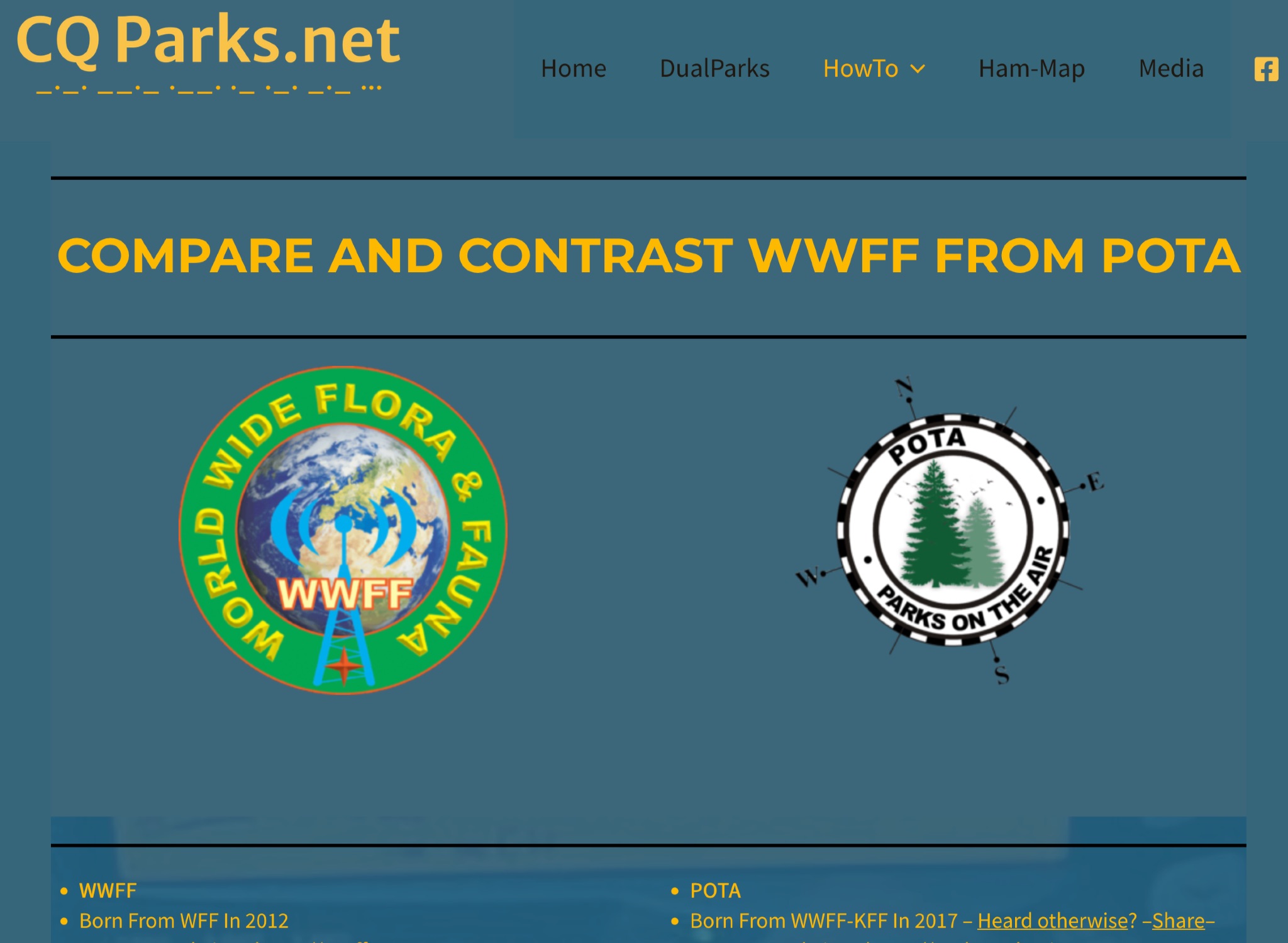 This page explores the World Wide Flora and Fauna (WWFF) and Parks on the Air (POTA) programs, highlighting their shared goals, distinctive features, and how they complement each other. It is designed for park enthusiasts who enjoy participating in both programs, offering insights, tips, and resources to maximize enjoyment and success in portable operations from natural areas. Whether you're new to park activations or a seasoned operator, this guide celebrates the opportunities offered by both WWFF and POTA, fostering appreciation for all aspects of amateur radio in nature.
 -
 Join the World Wide Check-In every Saturday at 16:00 UTC on Talk Group 91 via the Brandmeister Network. Started in 2015 by Dick K6SUU, the net has grown with volunteer Net Controllers ensuring smooth operations. Check-in securely with a robust logging system. View log archives, upcoming nets, and schedule. Interested in becoming a Net Controller? Contact the admin team. Licensed Radio Operators can participate, while others can listen live on TG 91. Stay connected and join the global ham radio community with World Wide Check-In.
 -
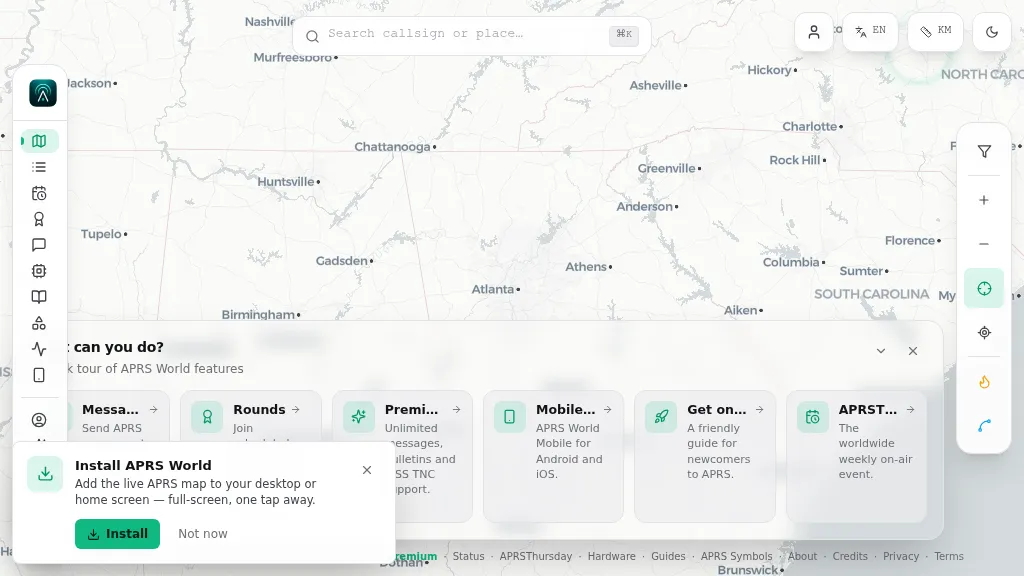 Operating on the Automatic Packet Reporting System (APRS) network, this platform provides a real-time, visual representation of amateur radio stations globally. Users can track callsigns, locate nearby stations, and even send APRS messages directly from a web browser, all without requiring a login. The system integrates live APRS-IS data, presenting it in an intuitive, map-based interface that supports 11 different languages, making it accessible to a broad international audience. Beyond basic station tracking, the platform offers detailed per-station pages, including historical weather data and telemetry logs. This functionality extends to companion Android and iOS applications, which incorporate an RF / KISS-TNC mode, allowing mobile devices to interface directly with APRS via radio. My own field experience with similar APRS visualization tools confirms the utility of such a resource for situational awareness during events or simply monitoring local and regional ham radio activity. The inclusion of weather and telemetry history adds significant value for those interested in environmental data or remote station performance.
 -
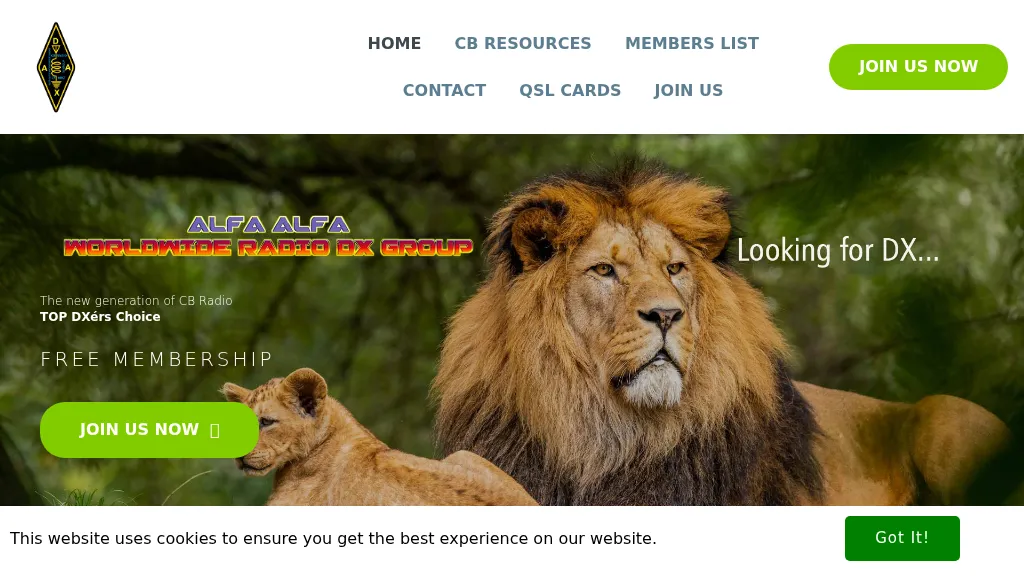 The Alfa Alfa (AA) DX Group, established on March 1, 1974, in the Netherlands, is presented as the pioneering Dutch 27mc DX group. It details the group's historical significance, particularly its revolutionary use of the '000' club callsign (19AA000) which influenced international 11-meter group callsign structures. The resource outlines the group's re-establishment in 2024, inviting new active CB operators and _Short Wave Listeners_ (SWL) to join its ranks, emphasizing a free worldwide membership model. Membership requirements are specified, focusing on active participation with an assigned AA callsign. The group provides QSL card management services, with options for direct QSL requests requiring **3 USD** and a Self-Addressed Envelope, or **4 USD** via PayPal for expenses. It also mentions upcoming initiatives like an _AA DX Contest_ and an award program, with sections for certificates and plaques currently under construction. The site also lists useful CB resources, including an 11M DX Cluster and an 11M Callsign Database, and provides contact information for the founder, 19AA001 Mr. Theo, and the Worldwide QSL Manager, 178AA001 Mr. Emil, based in Bulgaria.
 -
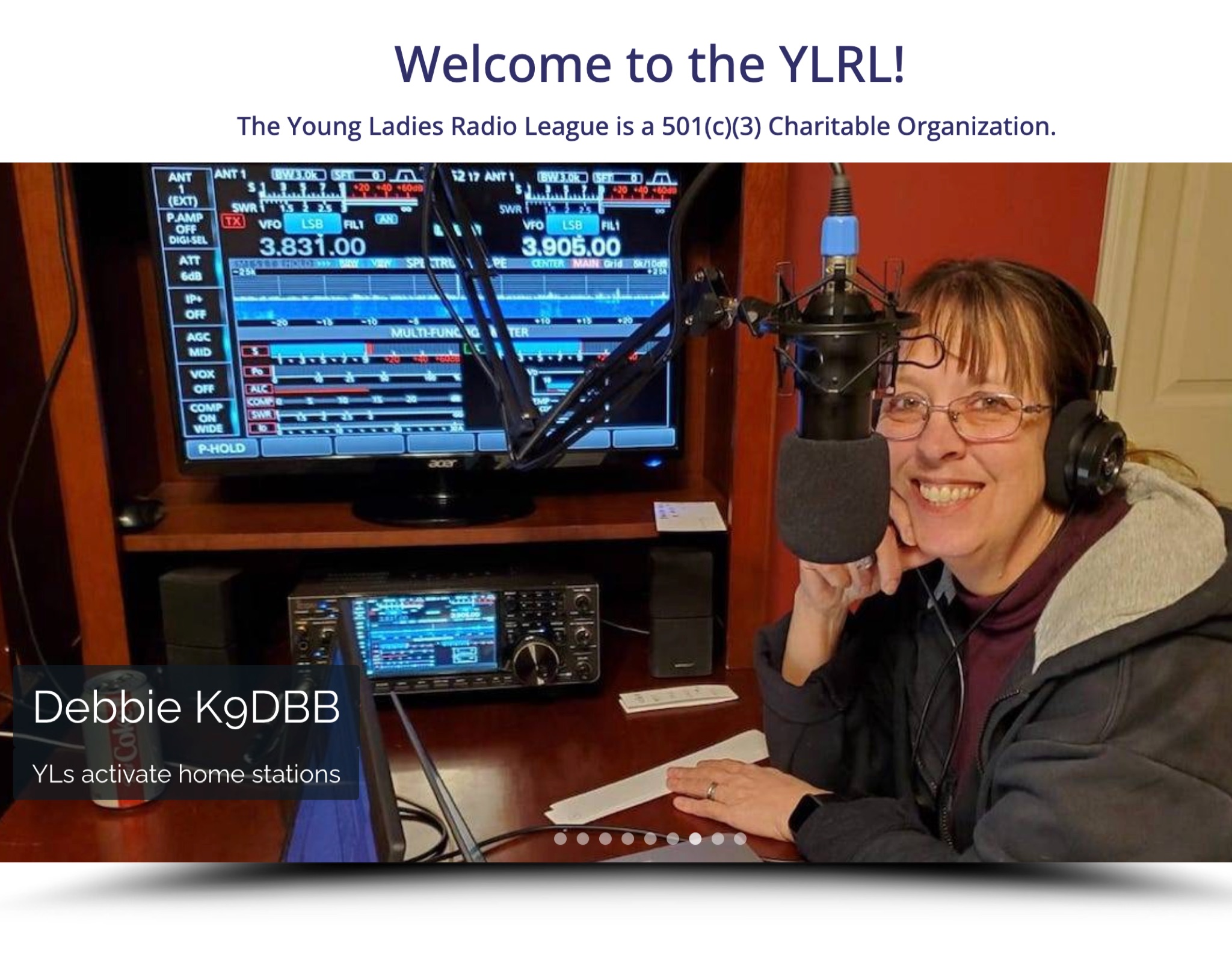 The Young Ladies' Radio League, also known as YLRL, is an organization founded by women in 1939 with the goal of connecting and supporting female ham radio operators worldwide. From beginner classes to scholarships, YLRL offers resources and a community for women of all ages and backgrounds interested in ham radio. The website provides information on membership, upcoming events, and helpful tips for renewing licenses and getting on the air. Whether you're a seasoned ham or just starting out, YLRL is dedicated to empowering and supporting women in the world of amateur radio.
 -
 The XW4DX DXpedition website documents the amateur radio operation from Laos, a country ranked #98 on Clublog's Most Wanted list. This resource provides insights into the planning and execution of a significant DXpedition, including antenna choices like _Hexbeams_ at 14m, a 4-square for 40m, and a top-loaded vertical for 160m. The team, comprising operators such as _F4BKV Vincent_ and _F2DX Patrick_, focused on challenging paths, particularly towards the North American East Coast, where Laos is #41 most wanted. Operational constraints included prohibitions on 6m, 30m, 60m, and 80m bands within Laos, necessitating a focus on other HF frequencies, especially 160m and 40m. The expedition utilized up to five stations simultaneously, with equipment transportation being a major logistical challenge, partially mitigated by direct shipments from _Spiderbeam_ and donor support. The expedition ran from November 16th to 27th, 2023, with the complete XW4DX log uploaded to LoTW by December 23rd, 2023. This site serves as a historical record of their efforts to put Laos on the air for DXers worldwide.
 -
 AA DX Group was founded in March 1, 1974 in The Netherlands. Our members was more than 10000 from all over the World. Because during the years many of our members became "Silent Keys" or they are not active on the air anymore, we deceide to make new fresh group and to delete all old database. So, we are the new - old Alfa Alfa DX Group and you are welcome to be our member. We make avaiable all Alfa Alfa numbers for new and active CB members and SWL ( Shrot Wave Listeners ). Alfa Alfa World Wide DX Radio group is looking or ACTIVE CB Operators and SWL stations ! The New AADX team in in 2024 Main base in 178AA000 178AADX000 in Belgaria
 -
 Over 44,000 square kilometers of Scotland's natural beauty provide a unique backdrop for the _GMFF_ award program. Designed for amateur radio operators who thrive on portable operations, this program encourages activators to set up stations in designated flora and fauna areas. Participants engage in _SSB_ and _CW_ modes, making contacts from these scenic locations, which are part of the _WorldWide Flora and Fauna_ network. Activators and chasers alike benefit from the program's structure, which awards points for successful contacts. The _GMFF_ program is part of a larger global initiative, allowing operators to contribute to conservation awareness while enjoying their hobby. With a focus on environmental preservation, the program aligns amateur radio activities with ecological interests, promoting responsible and sustainable operating practices. The program's website provides resources for participants, including maps of designated areas and guidelines for operation. By participating, operators not only enjoy the challenge of portable operation but also support the conservation of natural habitats. The _GMFF_ program thus combines the thrill of amateur radio with a commitment to environmental stewardship.
 -
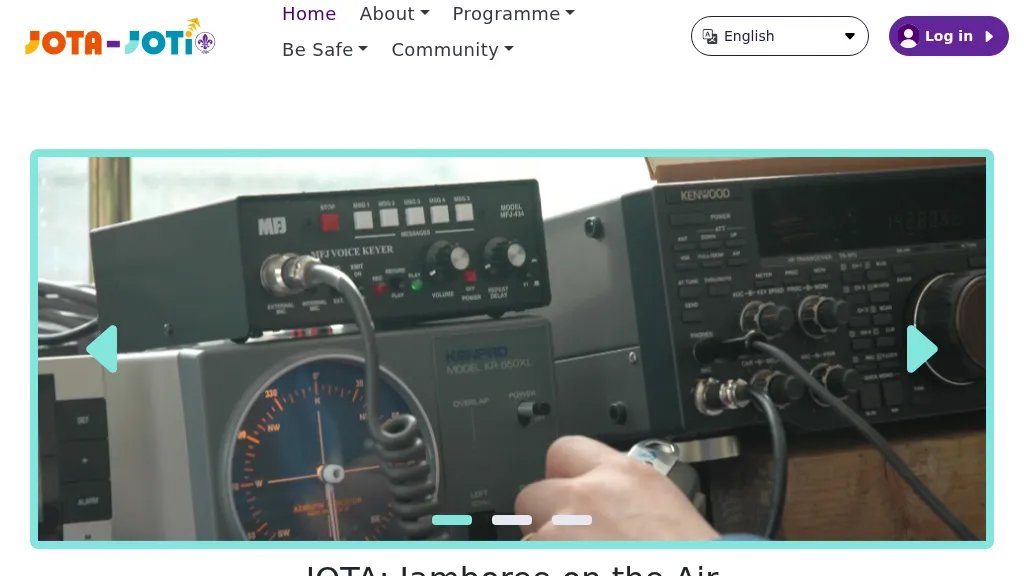 Jamboree on the Air (JOTA) is an annual Scouting event held on the third full weekend of October, coinciding with Jamboree on the Internet (JOTI). This global event facilitates communication among Scouts worldwide using amateur radio, enabling participants to exchange Scouting experiences and ideas over short-wave signals. It serves as an educational platform for Scouts to learn about wireless radio techniques and basic electronics. Participation necessitates the support of at least one licensed amateur radio operator or a local amateur radio club. National amateur radio organizations can assist in locating local operators. Licensed operators, having passed technical examinations, may host Scouts at their stations, transport equipment to Scout headquarters, or establish temporary stations in various locations. Depending on national regulations, Scouts may speak directly over the air, or special permission might be required, with the licensed operator making contacts on their behalf. Operators are encouraged to familiarize themselves with Scouting principles to facilitate more informative and engaging exchanges.