QO-100 Geostationary Satellite for Amateur Radio
Find essential information and resources for operating with the Qatar-OSCAR 100 geostationary satellite, including equipment builds and operating guidelines.

QO-100, also known as Es'hail-2, is the first geostationary amateur radio satellite, providing continuous coverage over a vast area from Brazil to Thailand. This satellite carries both narrowband and wideband transponders, allowing hams to make QSOs on microwave bands without the typical Doppler shift challenges of low-earth orbit satellites. Operators use QO-100 for voice, digital modes like FT8, and even amateur television, connecting stations across continents with relatively modest equipment.
Many hams interested in QO-100 satellite operation look for resources on building equipment, often adapting standard satellite LNBs and dish antennas. There are also detailed articles and presentations, such as those from AMSAT-DL, explaining how to set up a station for receiving and transmitting. Operators can find band plans and operating guidelines to ensure proper use of the transponders, and even listen to live activity via a WebSDR hosted at Goonhilly Earth Station.
-
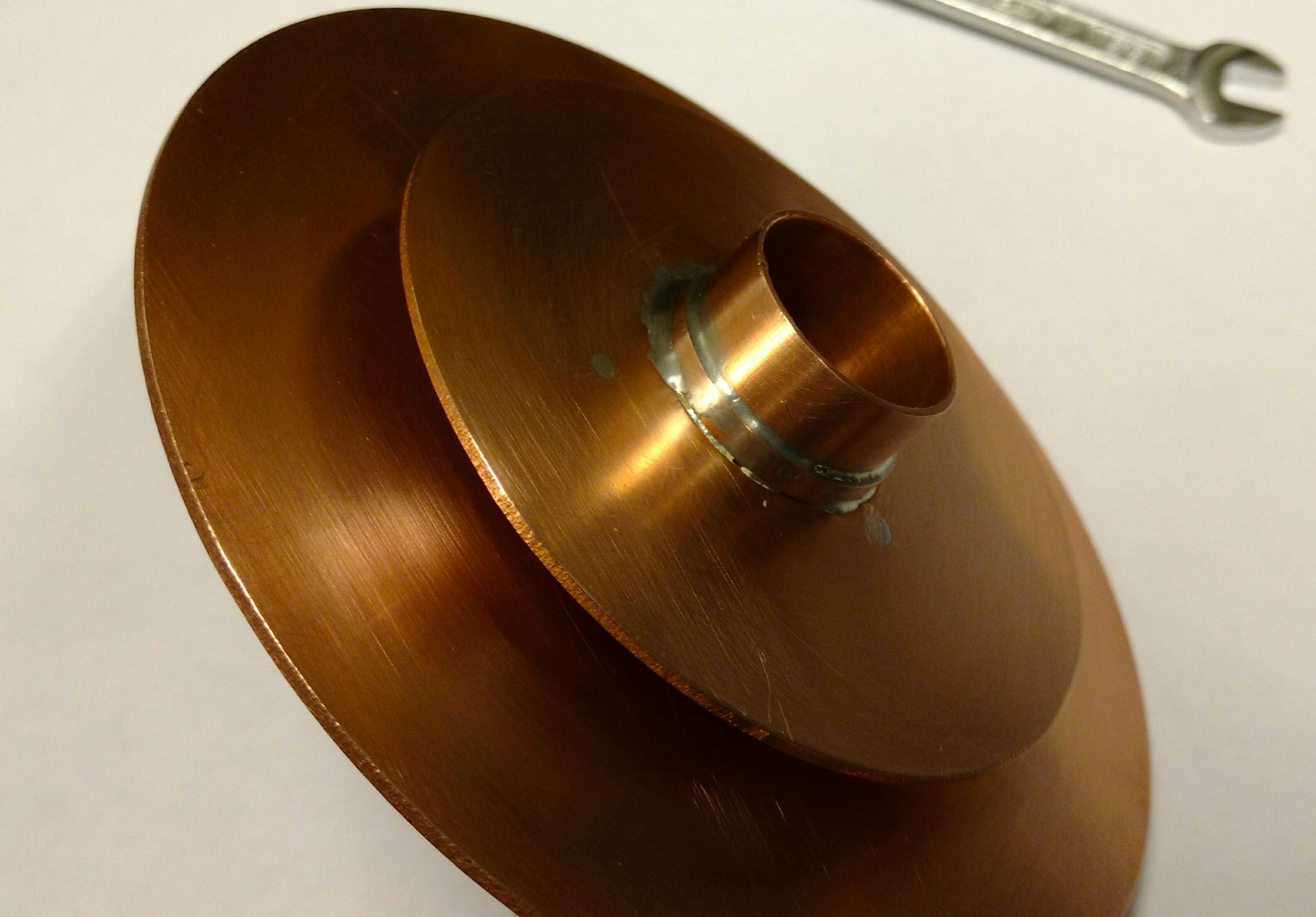 Building equipment for AMSAT P4A geostationary Es'hail-2 Quatar OSCAR 100 Satellite
 -
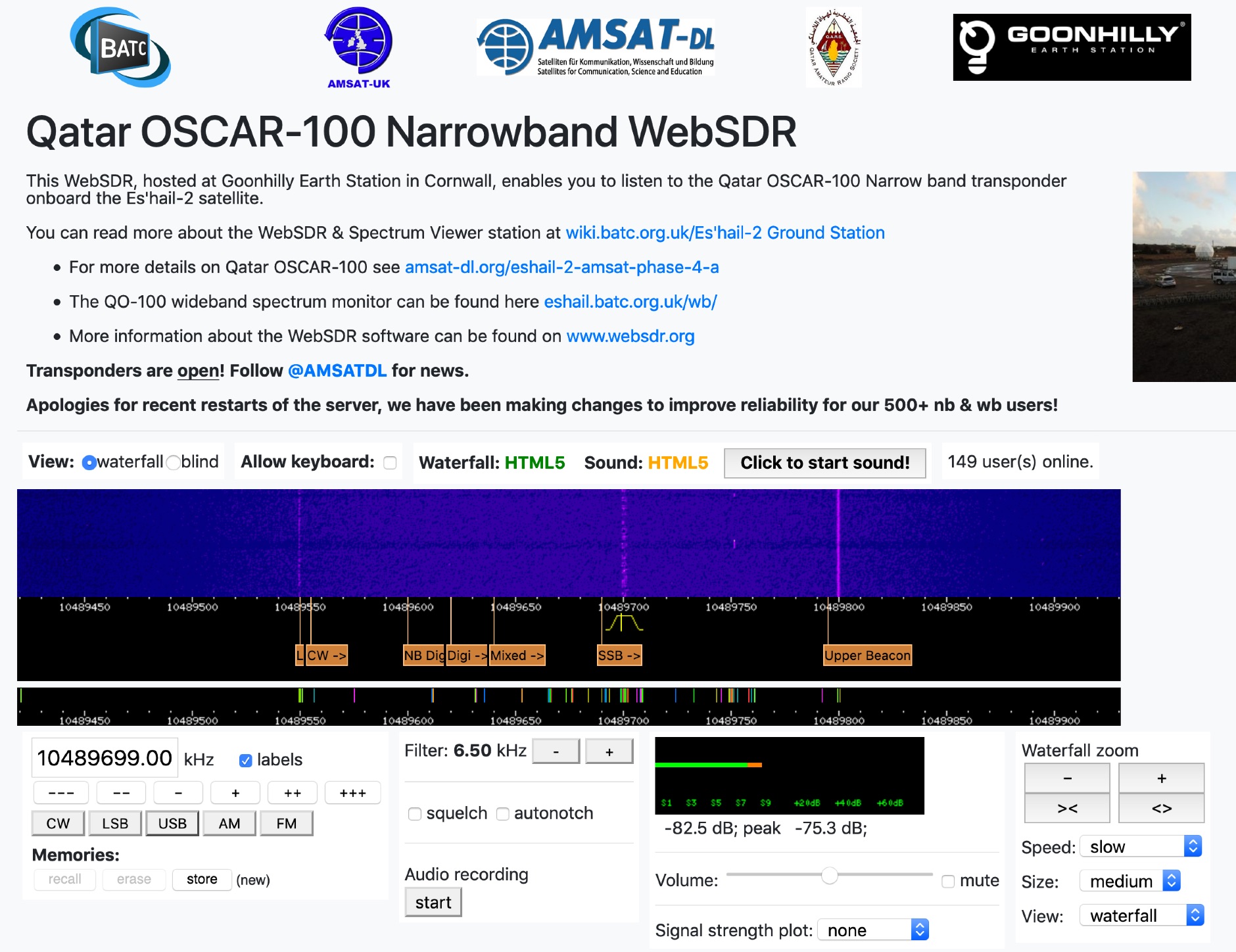 This WebSDR, hosted at Goonhilly Earth Station in Cornwall, enables you to listen to the Qatar OSCAR-100 Narrow band transponder onboard the Es'hail-2 satellite.
 -
 An exaustive article on how to receive the QO-100 geostationary satellite, that carries transponders usable by amateur radio operators
 -
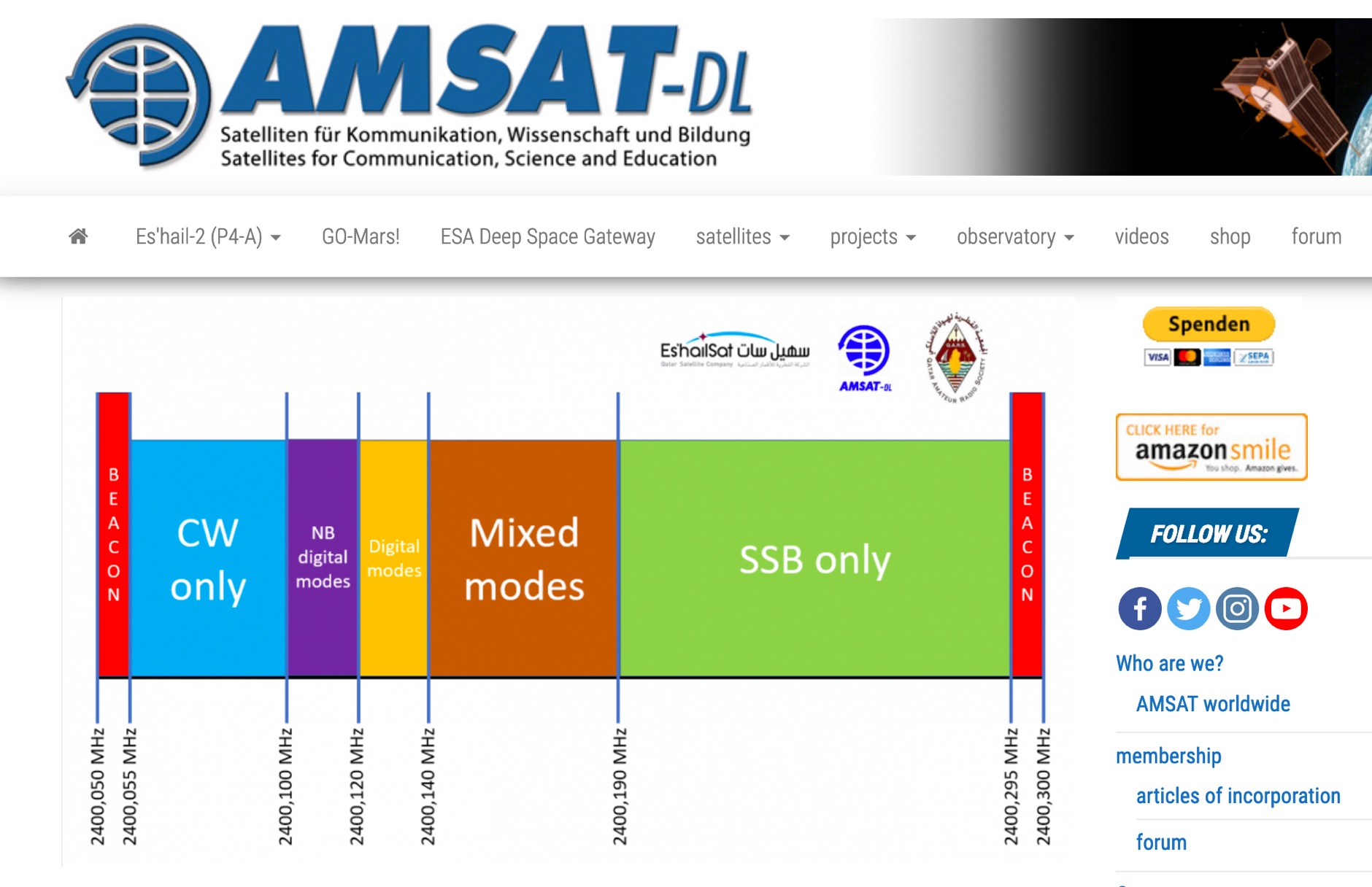 P4-A narrowband transponder Operating Guidelines and Band Plan, coverage map of the QO100 geostationary amateur radio satellite
 -
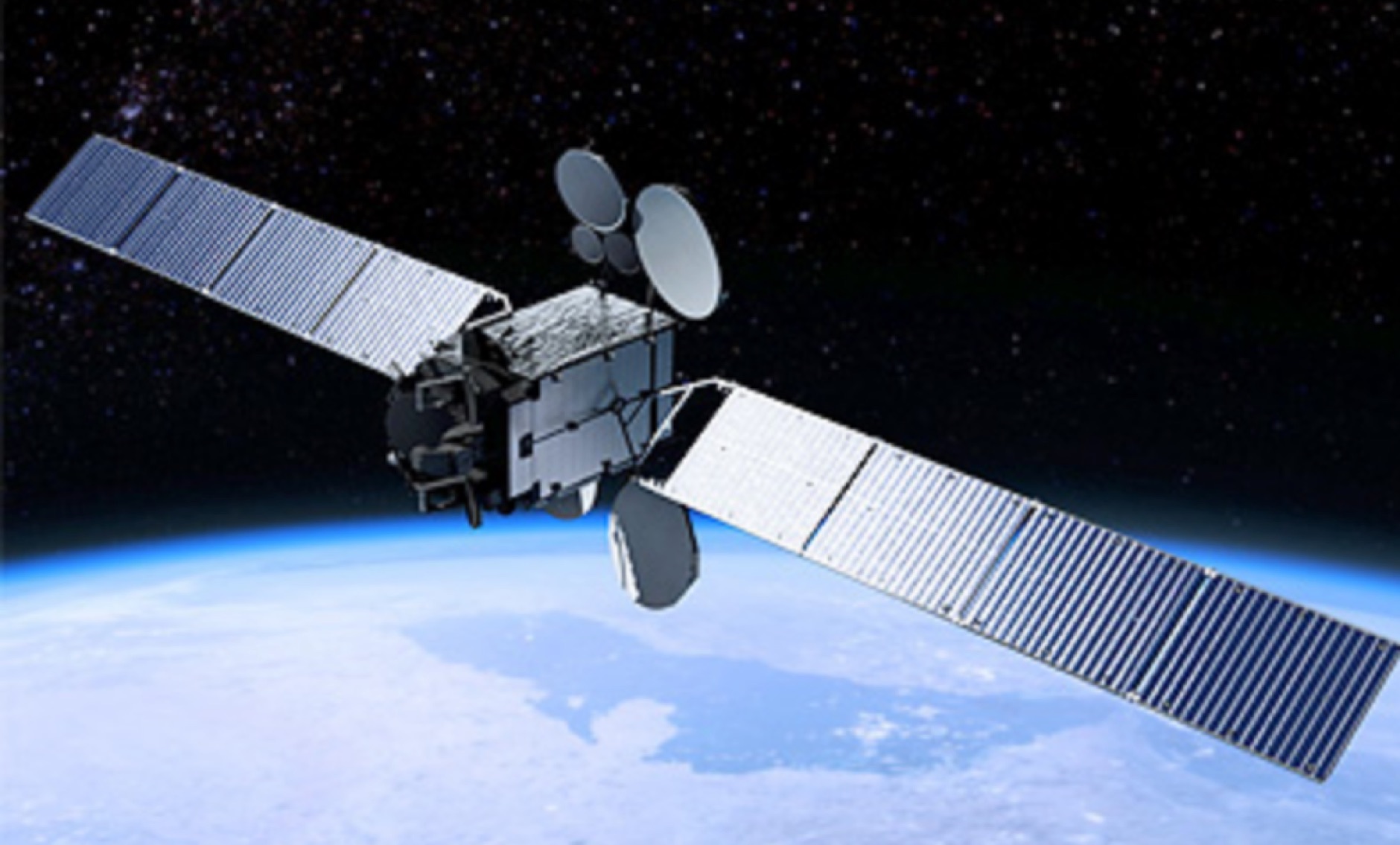 Getting started on receiving the QO-100 satellite using standard satellite LNBs and a 60cm dish
 -
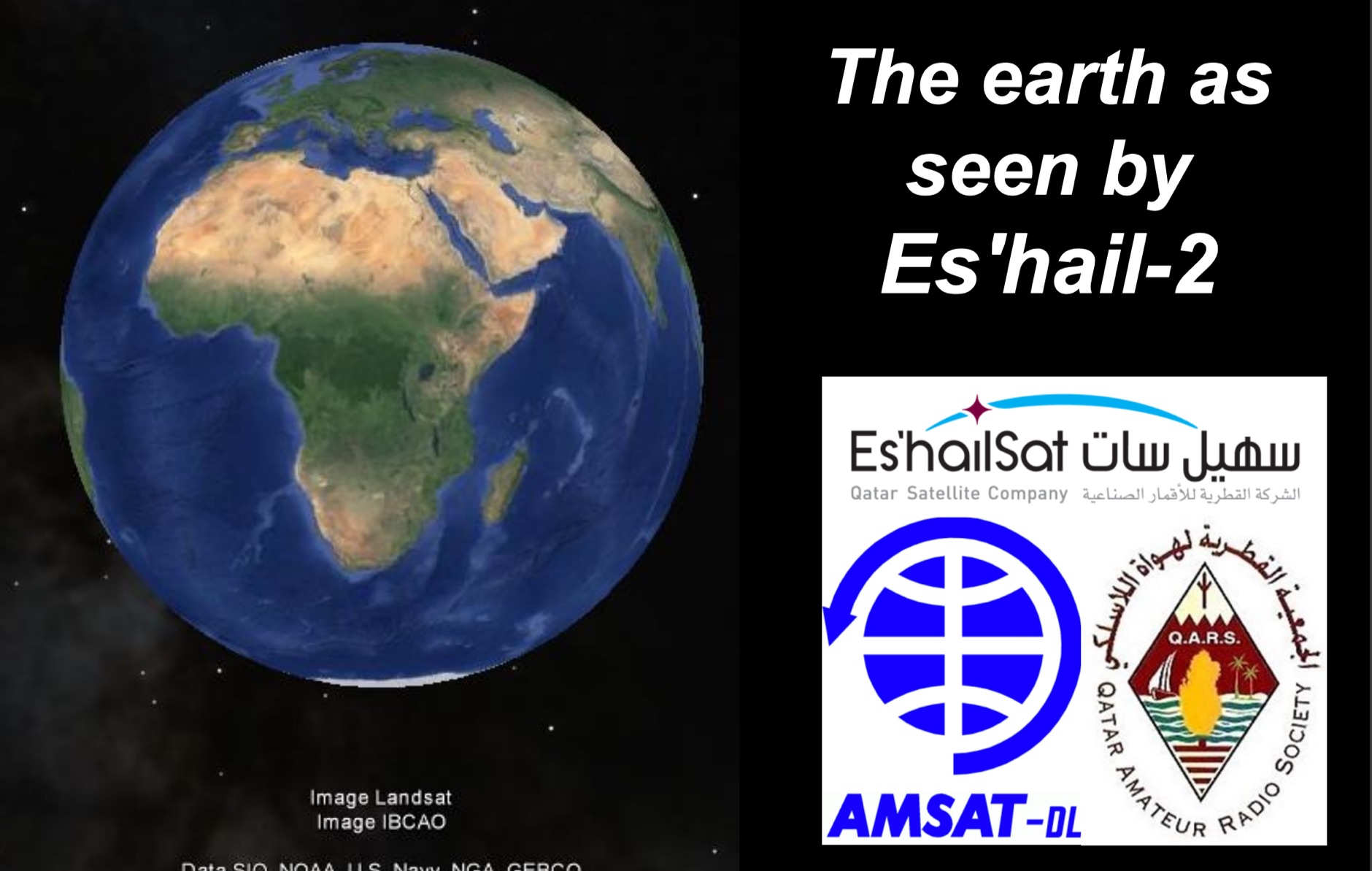 Presentation of the QO-100 the first geostationary OSCAR from Qatar by AMSAT-DL