HF Portable Antennas: Field Operation Solutions
Compact, Multi-band, Rapid Deployment

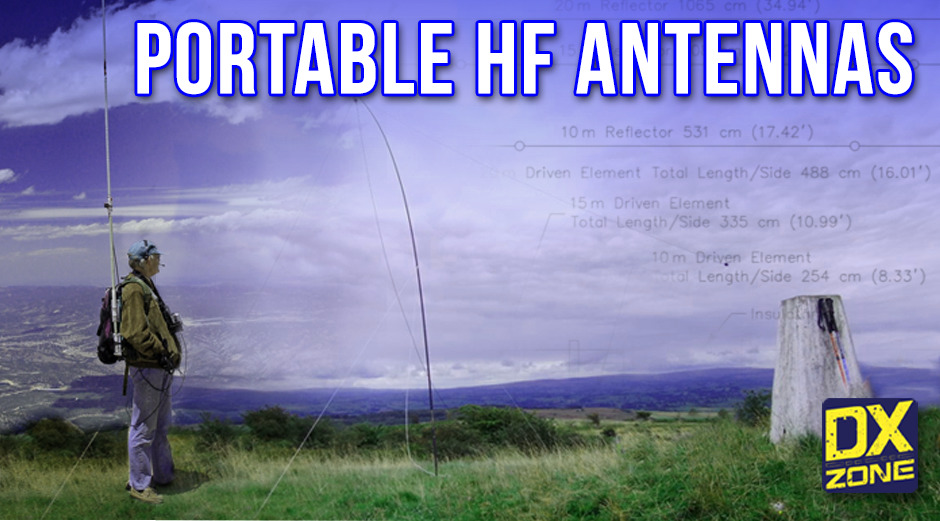
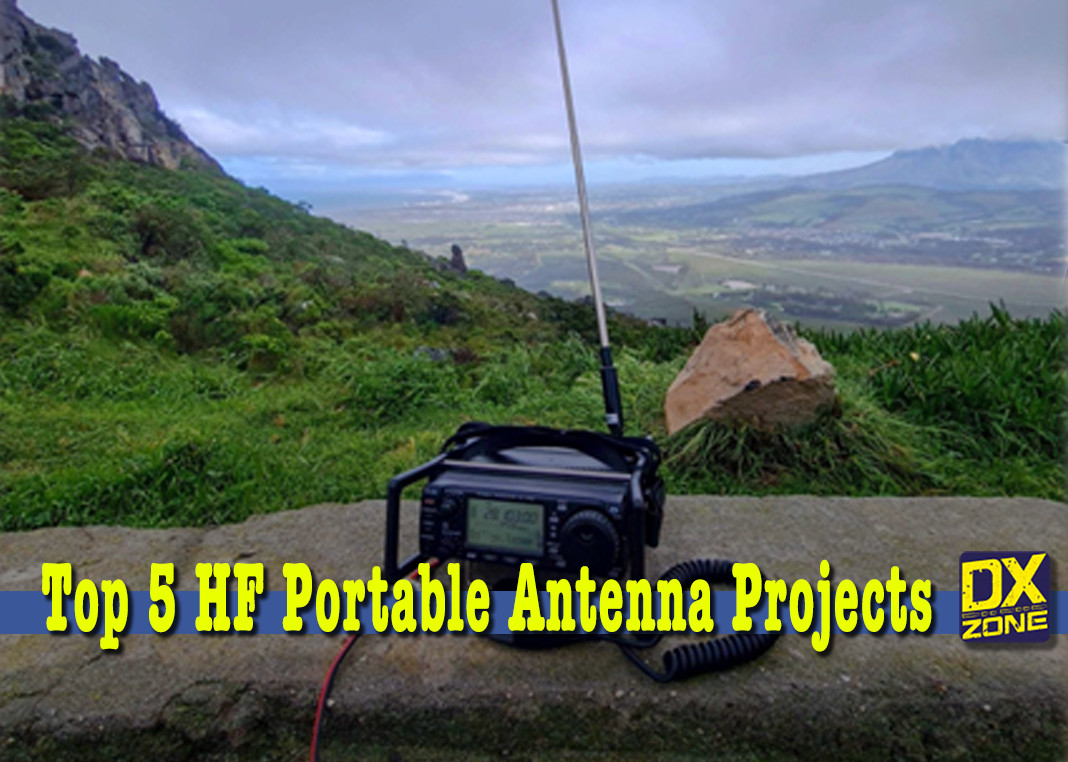
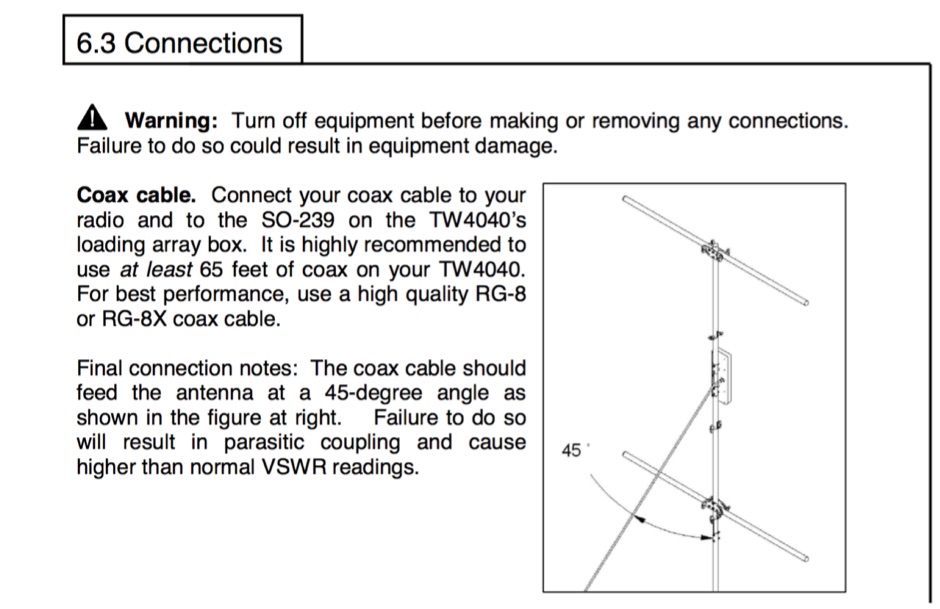
HF portable antennas are engineered for rapid deployment and efficient operation in diverse field environments, including Summits On The Air (SOTA) and Parks On The Air (POTA) activations. These antennas prioritize portability , durability , and multi-band capability , enabling amateur radio operators to establish reliable communications away from fixed stations. Key features often include compact designs, lightweight materials, and quick assembly mechanisms, making them ideal for backpackers, campers, and emergency communicators seeking effective HF propagation. Popular models like the Buddipole , SuperAntennas MP-1 , and TransWorld Antennas TW2010L offer versatile solutions for 40m through 2m bands. Resources include detailed reviews, assembly videos, and performance comparisons, such as the Buddipole versus wire dipoles or elevated MP-1 configurations. Manuals for models like the TW2010L and TW4040 provide essential setup and operational guidance.
Buddipole (5)
-
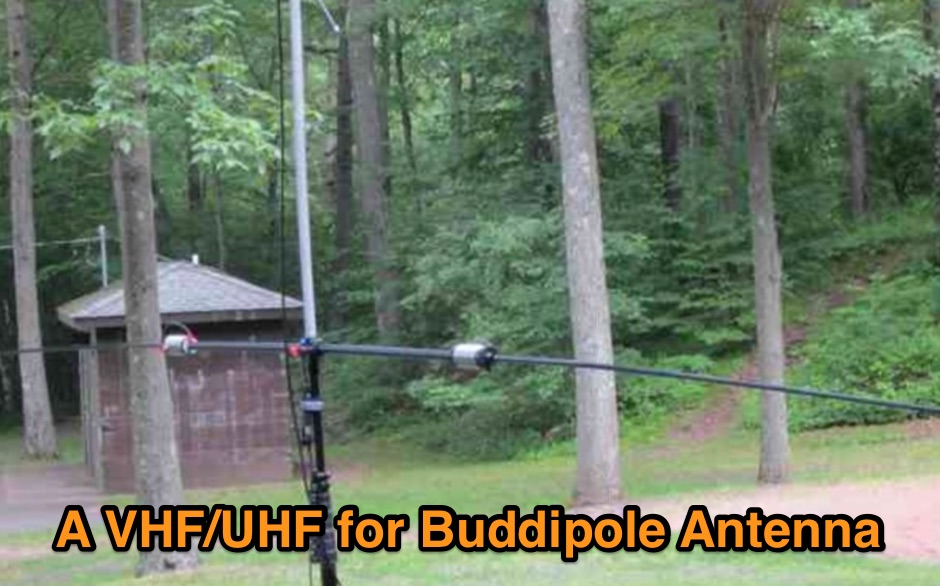 Details a DIY project to add VHF/UHF capability to a Buddipole HF antenna system using common materials and a mobile dual-band antenna.
 -
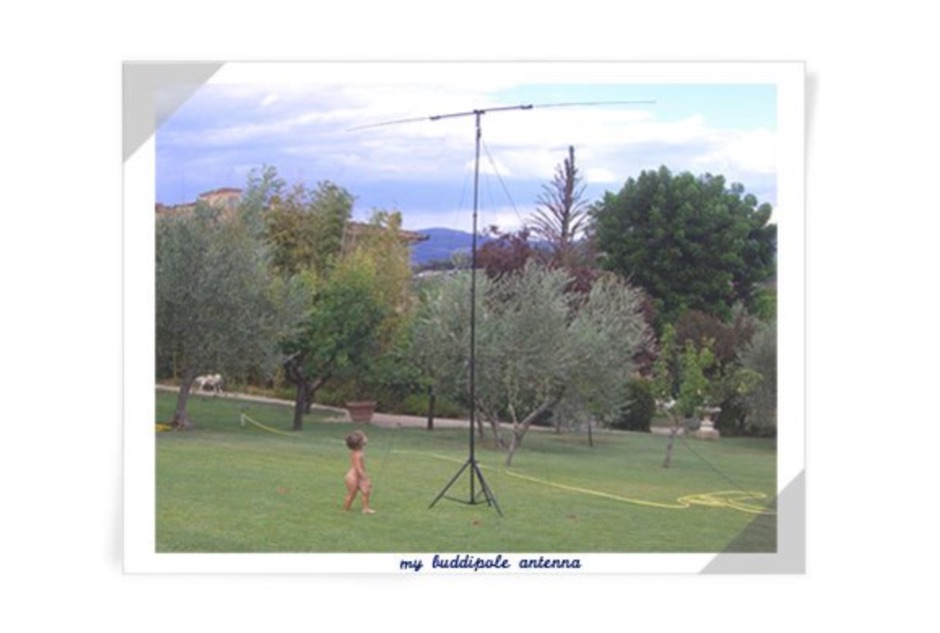 IW5EDI reviews the Buddipole Deluxe portable HF/VHF antenna, detailing its portability, ease of tuning on higher HF bands, and build quality.
 -
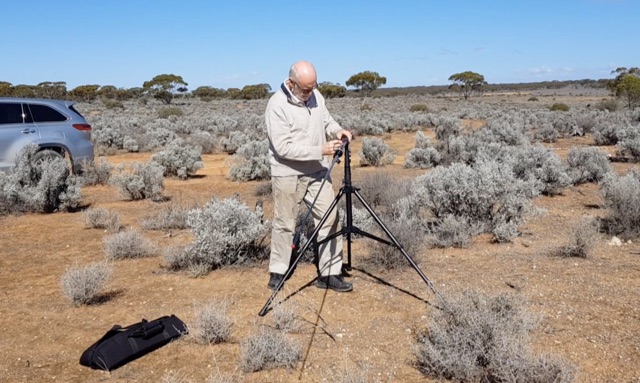 VK5SW demonstrates the straightforward assembly of the Buddipole multiband dipole antenna, ideal for portable HF operations and field deployments.
 -
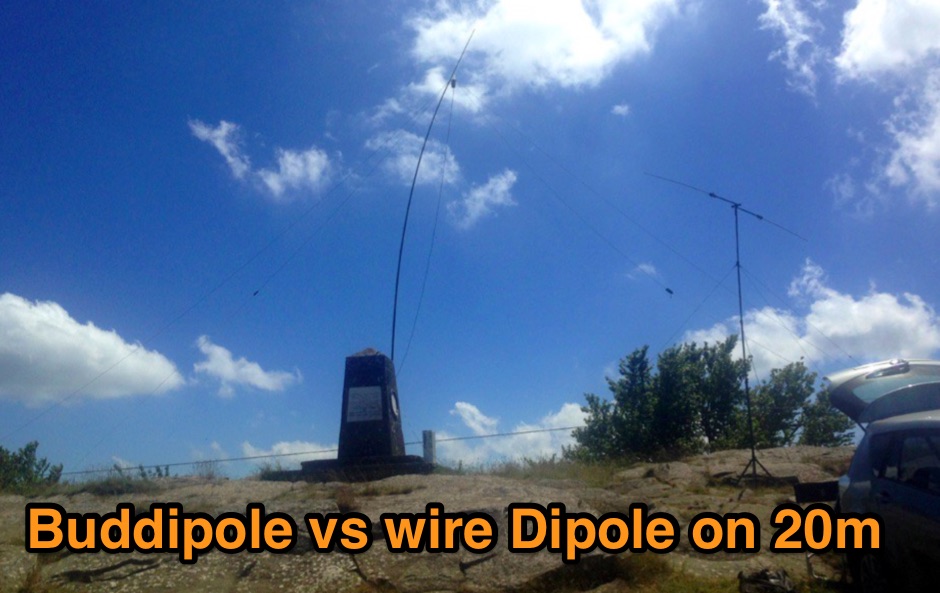 A field comparison between a Buddipole and a homemade wire dipole on the 20-meter band, detailing signal strength and QRM observations.
 -
 Buddipole, Inc. manufactures and sells portable HF/VHF antenna systems like the Buddipole, Mini-Buddipole, Buddistick PRO, and BuddiHEX, along with power
TransWorld (3)
-
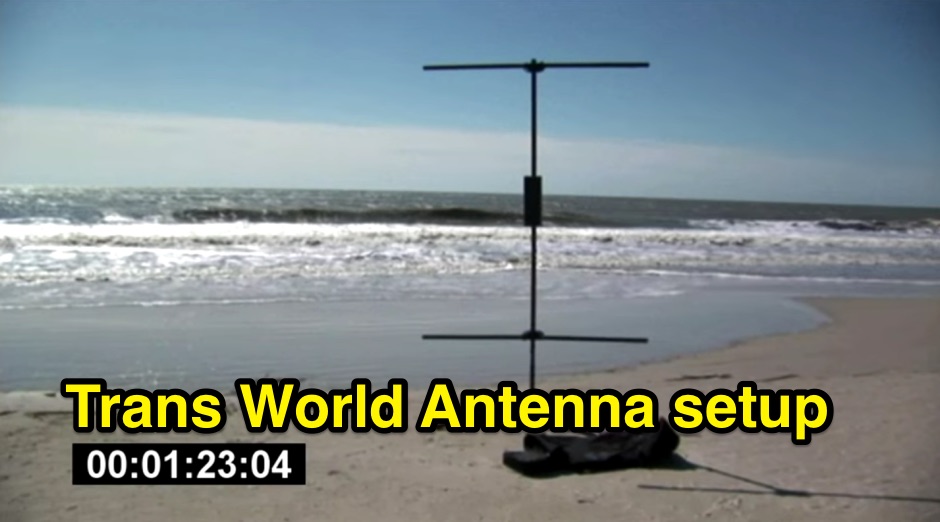 This video demonstrates the rapid deployment of a Trans World Antenna for portable amateur radio operations, highlighting its suitability for field use.
 -
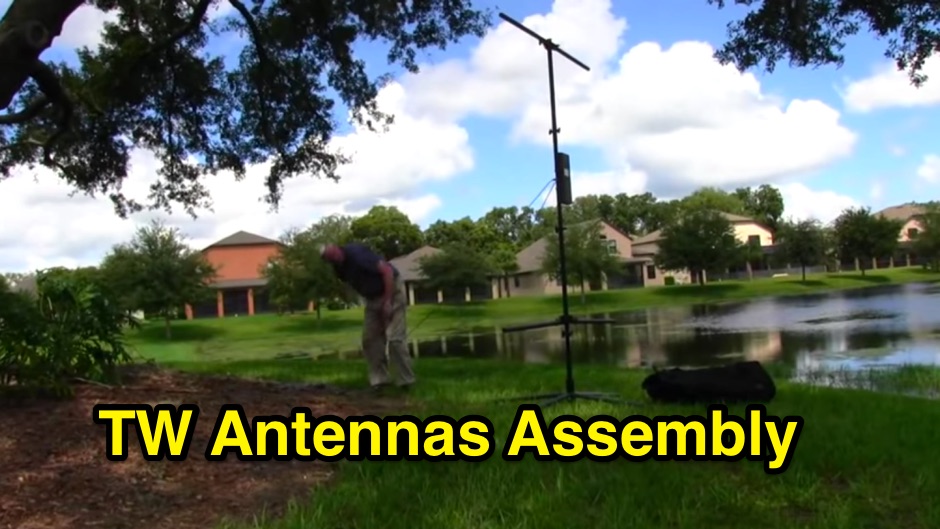 A video guide demonstrating the assembly process for the TransWorld Antennas TW2010 Traveler HF Portable Vertical Antenna, detailing setup instructions.
SuperAntennas (2)
-
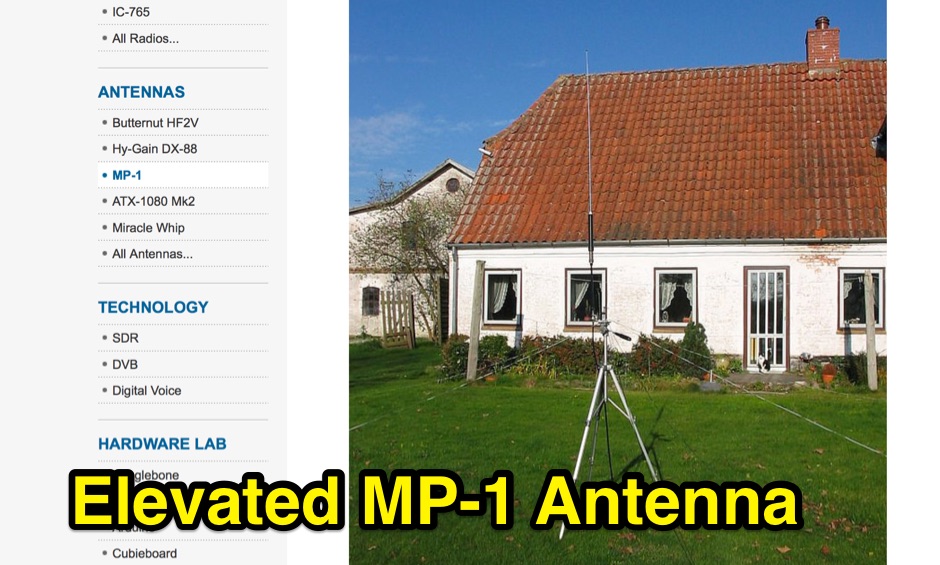 Examines the performance of an elevated SuperAntenna MP-1 portable antenna on a tripod for HF operation, specifically on 40, 20, and 17 meters.
 -
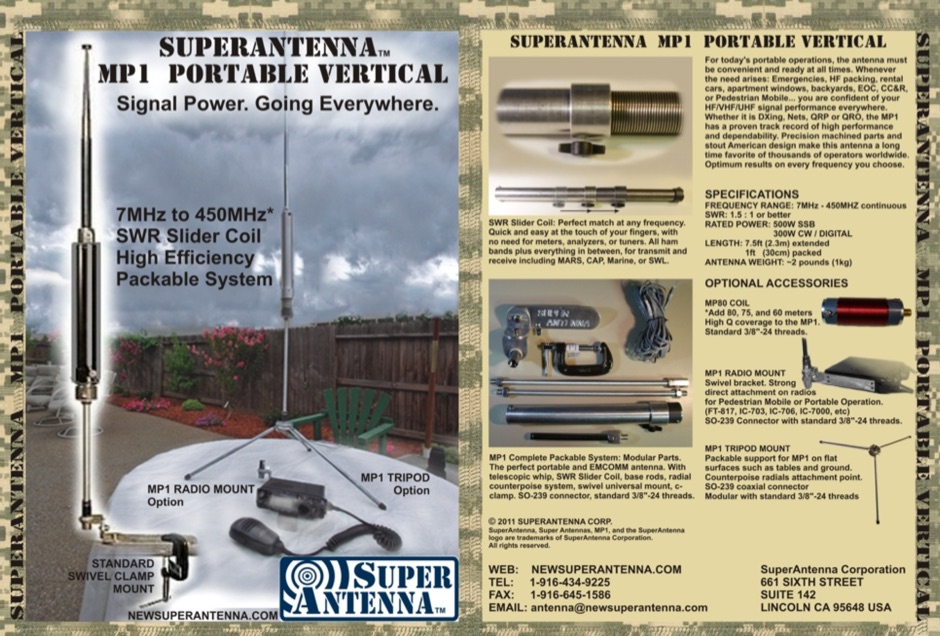 G4ILO reviews the Superantennas MP-1 portable HF antenna, detailing its design, performance with various grounding methods, and operational challenges.
Frequently Asked Questions
What are the primary advantages of using HF portable antennas for field operations?
HF portable antennas offer several key advantages for field operations. Their compact and lightweight designs make them easy to transport, especially for activities like Summits On The Air (SOTA) or Parks On The Air (POTA) where hiking is involved. They are designed for rapid deployment and disassembly, allowing operators to set up and tear down a station quickly. Furthermore, many portable antennas are multi-band capable, providing versatility across various HF bands without needing multiple antenna systems. This combination of portability, speed, and multi-band functionality makes them ideal for temporary setups away from a fixed station.
How do multi-band HF portable antennas achieve operation across different frequencies?
Multi-band HF portable antennas achieve operation across different frequencies primarily through two common methods: physical adjustments and impedance matching. Some designs, like loaded whips or adjustable dipoles, allow the operator to change the physical length of the radiating element, often by extending or retracting sections, or by adding/removing coils or taps. This physically tunes the antenna to resonance on the desired band. Other designs rely on an antenna tuner (either internal to the radio or external) to match the antenna's impedance to the transceiver's 50-ohm output, allowing it to operate efficiently even when not perfectly resonant. Many incorporate traps or loading coils that electrically shorten the antenna for lower bands while appearing as an open circuit for higher bands, effectively creating multiple resonant lengths.
What are some popular types of HF portable antennas suitable for backpackers and campers?
For backpackers and campers, popular types of HF portable antennas often prioritize extreme portability and ease of setup. Common choices include loaded whip antennas like the SuperAntennas MP-1, which are very compact and quick to deploy. End-fed half-wave (EFHW) antennas are also highly favored due to their lightweight nature, single feed point, and ability to be deployed in various configurations (sloper, inverted-V, horizontal). Portable dipoles, such as those from Buddipole or simple wire dipoles, offer excellent performance and can be supported by masts or natural supports. Vertical antennas with ground radials are another effective option, especially for DXing, offering a low take-off angle. Each type balances performance, weight, and deployment complexity differently.
What is the difference between a loaded whip antenna and a wire dipole for portable HF operations?
The primary differences between a loaded whip antenna and a wire dipole for portable HF operations lie in their physical size, radiation pattern, and deployment methods. A loaded whip antenna, like the SuperAntennas MP-1, is a compact vertical antenna that uses a loading coil to electrically lengthen it for lower HF bands, making it much shorter physically than a full-sized dipole. It typically has an omnidirectional radiation pattern and requires a good ground plane or counterpoise system. A wire dipole, on the other hand, consists of two equal lengths of wire fed in the center, which are typically much longer than a loaded whip. It usually exhibits a figure-eight radiation pattern broadside to the wire, offers higher efficiency due to less loading, and requires two support points (or one for an inverted-V) and a feedline. Whips are quicker to set up in open areas, while dipoles often perform better but require more space and support.
How important is an antenna tuner when using HF portable antennas, and when might it not be necessary?
An antenna tuner is very important when using many HF portable antennas, especially those designed for multi-band operation or when operating an antenna off its resonant frequency. Its primary role is to match the impedance of the antenna system to the 50-ohm output impedance of your transceiver, ensuring maximum power transfer and protecting the radio's final amplifier. It might not be necessary if you are using a precisely cut, resonant antenna for a single band (e.g., a full-size dipole for 20m) and your radio has a wide enough auto-tuner range to handle minor SWR variations. However, for loaded whips, end-feds, or general multi-band wire antennas, an external or internal tuner is often essential to achieve low SWR across all desired bands and maximize efficiency.
Can I build my own HF portable antenna, and what are some common DIY options?
Yes, building your own HF portable antenna is a very common and rewarding aspect of amateur radio, often saving money and allowing for customization. Common DIY options include simple wire dipoles, which are highly effective, lightweight, and can be cut for specific bands or made multi-band with traps or a tuner. End-fed half-wave (EFHW) antennas are another popular choice, requiring only wire, a matching transformer (balun/unun), and a single support point. Vertical antennas with ground radials can also be constructed from readily available materials like fishing poles and wire. These DIY projects offer excellent learning opportunities about antenna theory and practical construction techniques, often outperforming commercial offerings for a fraction of the cost.
What factors should I consider when choosing an HF portable antenna for POTA or SOTA activations?
When choosing an HF portable antenna for POTA or SOTA activations, several factors are crucial. First, consider the weight and packed size, as you'll likely be carrying it. Second, evaluate the ease and speed of deployment and pack-up. Third, assess its multi-band capability to cover the frequencies you plan to operate on. Fourth, think about the antenna's durability and resistance to weather conditions. Fifth, consider the required support structure – some antennas need a mast, while others can use natural supports. Finally, budget and overall performance on your desired bands are important. For SOTA, lighter and quicker setups are often preferred due to summit conditions, while POTA might allow for slightly larger or more complex setups if accessible by vehicle.
Are there any specific considerations for international travel when bringing HF portable antenna equipment?
Yes, there are several specific considerations for international travel when bringing HF portable antenna equipment. Firstly, check customs regulations for your destination country regarding electronics and radio equipment; some countries have restrictions on importing certain types of gear. Be mindful of potential import duties or taxes. Secondly, ensure your equipment is clearly identifiable as amateur radio gear to avoid issues with security or customs officials. It's often helpful to carry a copy of your amateur radio license. Thirdly, consider the weight and size of your antenna system in relation to airline baggage allowances to avoid excess fees. Lastly, research the local amateur radio licensing requirements for your destination, as you'll need reciprocal operating privileges to transmit legally.