DIY Morse Code Solutions with Arduino
Find schematics, code, and instructions for building Morse code decoders, keyers, and trainers using Arduino boards.

Many hams enjoy building their own equipment, and the Arduino platform makes it easy to create custom Morse Code tools. Operators can develop their own CW keyers, decoders, and trainers using readily available microcontrollers and open-source code. These DIY projects allow hams to tailor their station setup and improve their Morse Code skills with hands-on electronics work.
This category features numerous Arduino-based projects, from simple CW keyers like the K3NG Arduino CW Keyer to more complex Morse Code decoders that translate received signals into text. Hams can find schematics and code for building CW trainers to practice their sending and receiving, or construct remote Morse keys for operating their stations from another room. Many projects, such as the OZ1JHM prototype, offer complete instructions for decoding hand-sent Morse Code with minimal additional components.
Related Categories
-
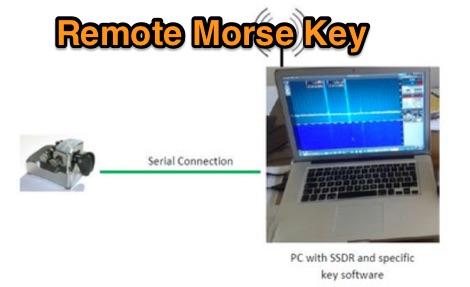 A simple DIY project to have a remote cw key connected to your Rig. On the remote side it uses and Arduino Uno board and a cheap HanRun Enc28J60 ethernet shield. On the local side it uses a Morse Key connected to a serial port.
 -
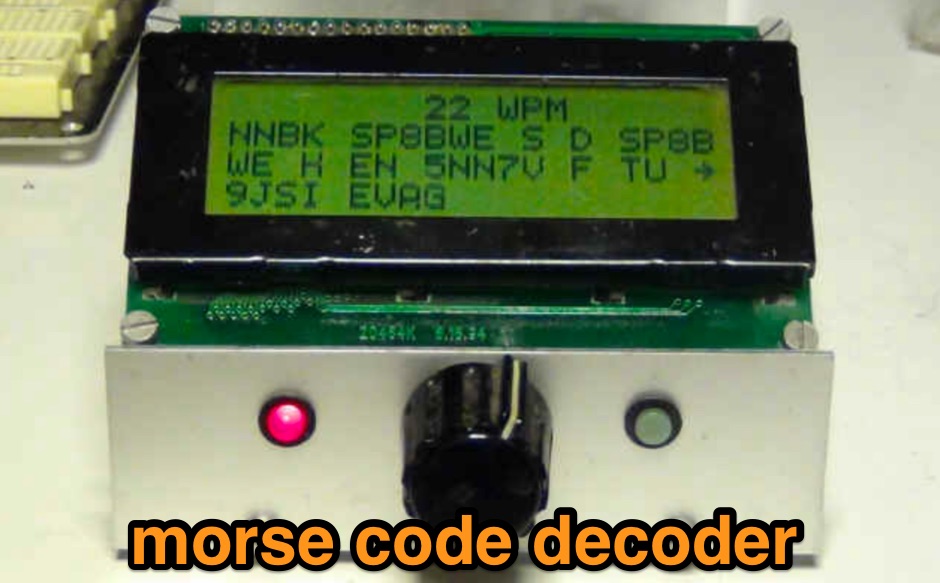 Yet another Arduino CW Decoder based on the OZ1JHM prototype this include a custom program that can be downlaoded along to component list and pictures
 -
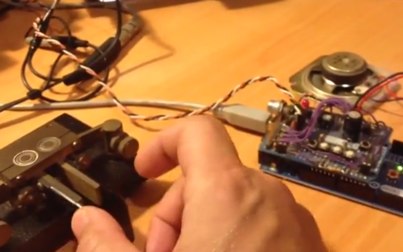 Open source Arduino based CW (Morse Code) keyer with a lot of features and flexibility, often rivaling commercial keyers.
 -
 This is a basic Arduino project for decoding Morse code. This is an Arduino program that decodes Morse code from an I/O pin and display in to an LCD screen
 -
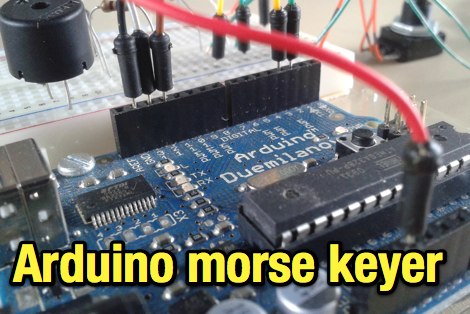 A morse keyer with arduino, project by Ernst PA3HCM
 -
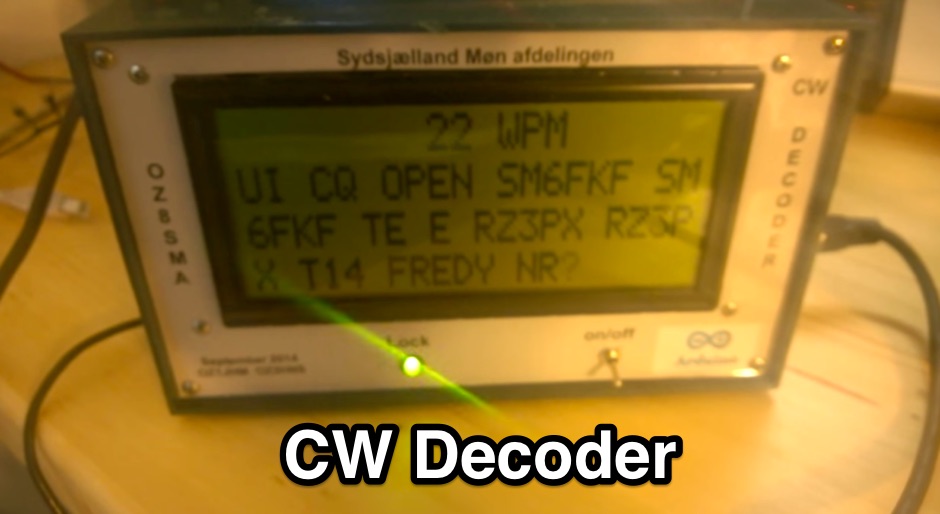 If you want to build a cw decoder without using other active components than an atmel 328 - Arduino UNO , then this is sure something for you.
 -
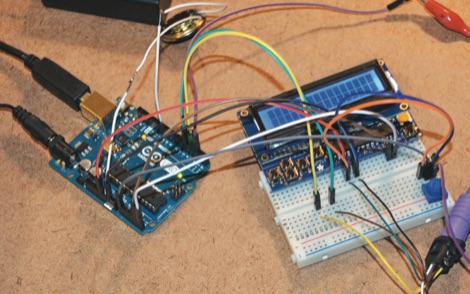 Hone your Morse code skills with this entry-level project. Article includes the full schematic of the CW Trainer, describes the sketch and how to operate the morse code trainer.
 -
 A sketch to read the input from the microphone and translate the dots and dashes into ASCII characters.
 -
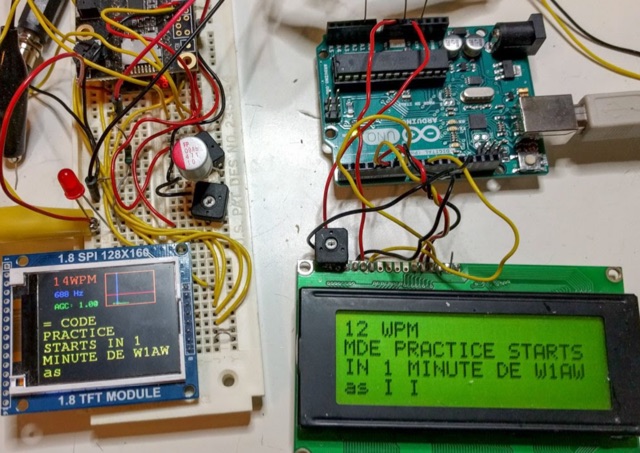 Two easy to build microcontroller projects for machine recognition of hand-sent morse code
 -
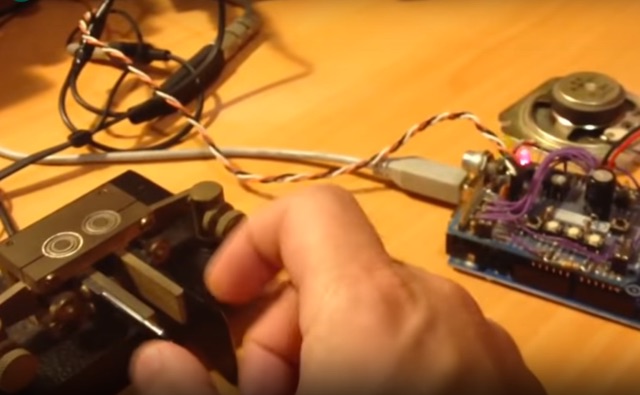 The K3NG Keyer is an open source Arduino based CW (Morse Code) keyer with a lot of features and flexibility, rivaling commercial keyers which often cost significantly more.
 -
 A morse keyer project made on Arduino, inlcudes the main program script by m0xpd
 -
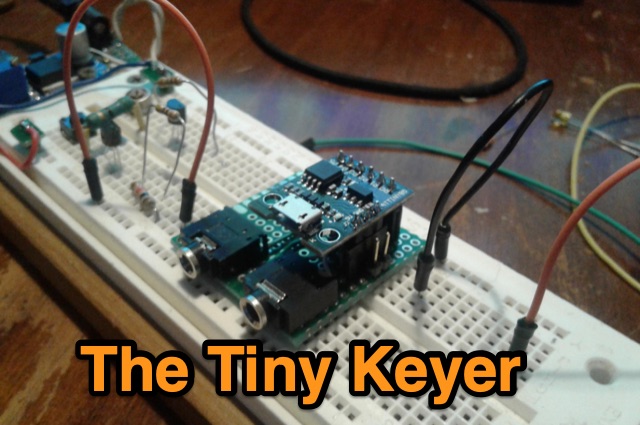 In his journey to improve Morse code skills, the author developed a straightforward device named the Tiny Keyer using Arduino. Tailored for Morse code enthusiasts and ham radio operators, this project utilized the budget-friendly Arduino ATTiny 85 Kickstarter board. With straightforward setup procedures in the Arduino IDE, the Tiny Keyer's small size and low cost make it accessible for beginners and hobbyist clubs interested in Morse code exploration.
 -
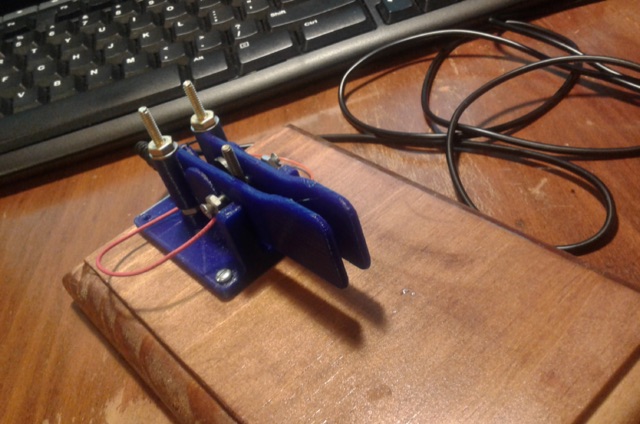 The author recounts their journey in ham radio, including the initial experience with Morse code. Now retired, he has rekindled his interest in ham radio and CW. Here share his project of constructing an Iambic Keyer with Arduino. The project includes a memory keyer and speed adjustment. Additionally, the author provides resources for an Arduino enclosure available on Thingiverse, enhancing the project aesthetics and functionality.
 -
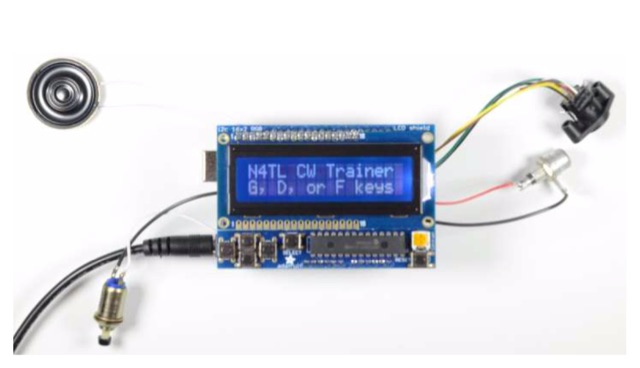 How to build a Simplified Arduino CW Trainer, this is a version that does not need a keyboard.
 -
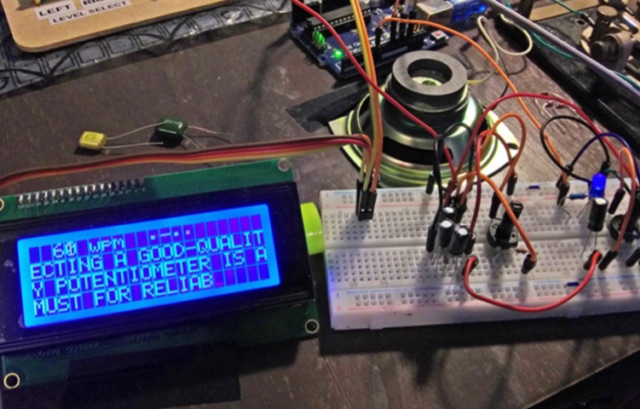 While there are quite a few standalone Morse Code or CW decoders out there, I wanted to tackle the problem myself and end up with both a great Arduino learning project and a decent portable decoder for when I'm out in the field operating QRP
 -
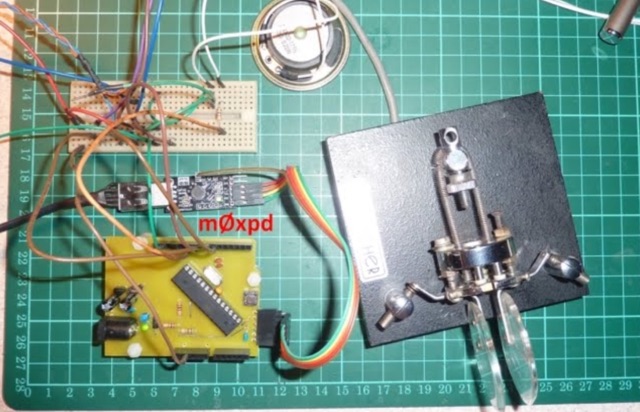 A low-cost Arduino project expanding on the button tutorial, where three inputs act as "buttons" generating Morse code on a WOTDUINO. This keyer, costing around £4, offers learning potential and hints at more complex ham radio applications.
 -
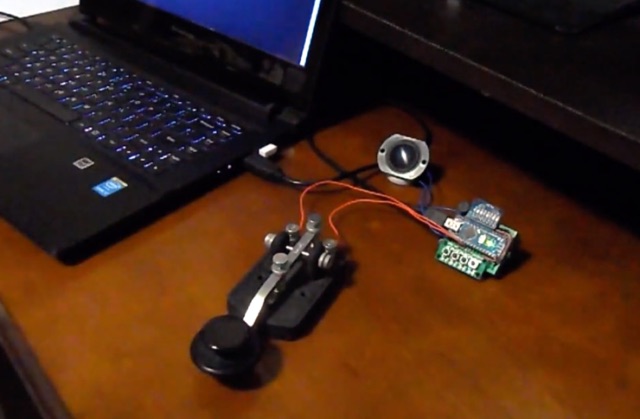 The Trainer is based on a simple modular built STEM/game platform, plus newly developed interactive software,it contains six training routines, easy to advance, and consists of various learning aids. You select them from a menu. Feedback for menu selection is given audibly and through an LED display and serial monitor.
 -
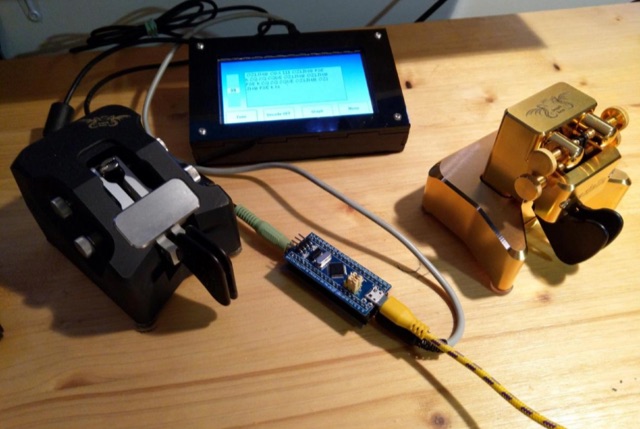 An open hardware and open source keyer that allows you to precisely diagnose any timing errors in your keying.