Search results
Query: race
Links: 72 | Categories: 3
-
 The vOICe Learning Edition can be used in combination with a regular oscilloscope, allowing blind users to hear any oscilloscope trace.
-
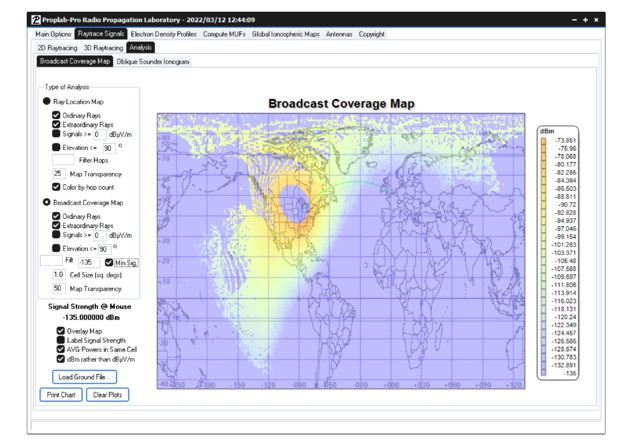 Ray-trace radio signals through a realistic three-dimensional ionosphere using Proplab-Pro. This software has been used by the military, researchers, universities and amateur radio operators around the world to assist in determining radio propagation conditions and radio signal behavior. It is one of the most respected and well established software packages for radio engineers and enthusiasts, being actively updated for over 28 years.
-
 As a ham radio club we get involved with contest, emergency response and services (CERT, RACE, ARES & etc), volunteering to organizations that needs our help (Community, Boys Scouts, Senior Citizens, & etc.), promoting and educating individuals of amateur radio operations (ARRL, FCC, Obtaining Licenses, Local Government, & etc), meeting new and interesting people around the world and beyond through many sources (VHF, UHF, HF, Computers, CW, D-Star, RTTY, & etc.), amateur radio is a great social skill, there is no age limit on who can get involved, and much more.
-
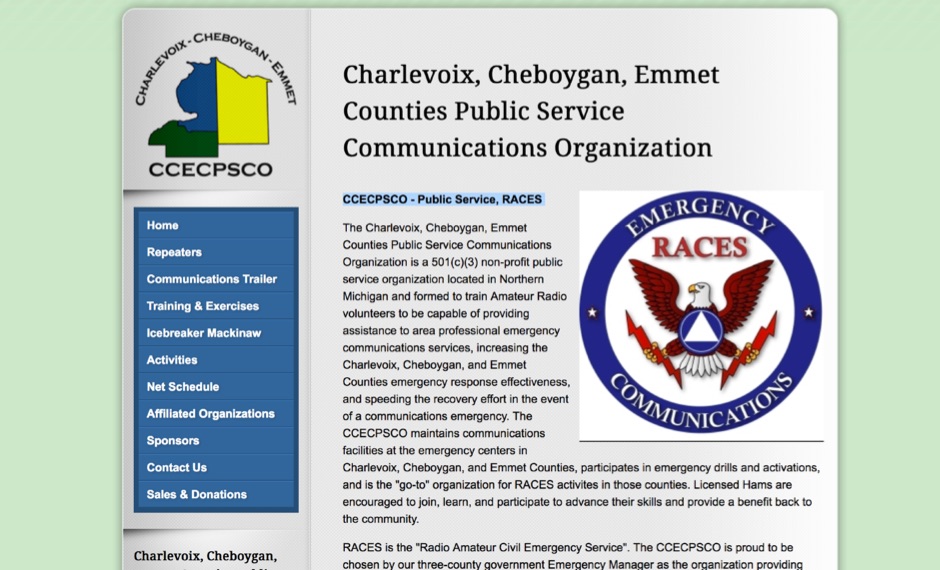 Volunteer RACES go-to organization for Charlevoix, Cheboygan, Emmet counties Office of Emergency Management. RACES training, practice, and activations. Affiliated with the Icebreaker Mackinaw Maritime Museum Ship. Operate W8AGB from the ship.
-
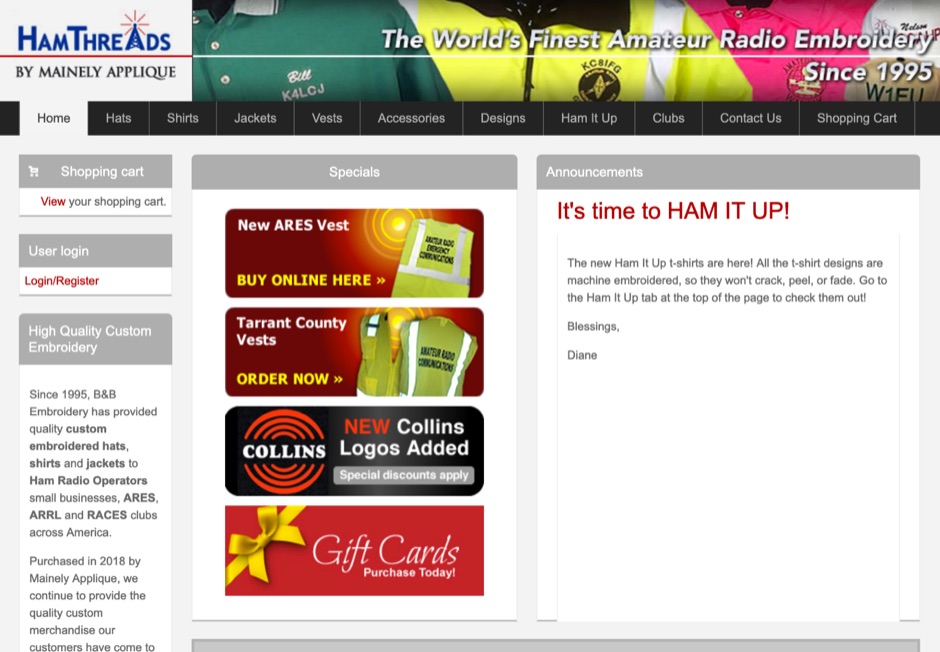 Custom embroidered hats, shirts and jackets to Ham Radio Operators small businesses, ARES, ARRL and RACES clubs across America.
-
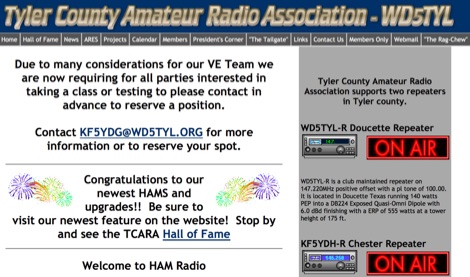 The Tyler County Amateur Radio Association (TCARA) serves as a focal point for amateur radio operators in Woodville, Texas, and surrounding areas, emphasizing knowledge sharing and skill advancement among its members. The association actively participates in public service communications, including _ARES_, _RACES_, and _Skywarn_ initiatives, demonstrating a commitment to community support through amateur radio. Regular meetings are held on the first Thursday of each month at 6 PM at Calvary Baptist Church, 909 N Magnolia St, Woodville, TX, providing a consistent venue for fellowship and operational planning. TCARA facilitates amateur radio license examinations, offering testing sessions for all license classes, from Technician to Amateur Extra. This commitment to education supports new hams entering the hobby and existing operators upgrading their privileges. Prospective members or individuals interested in licensing, Technician classes, or general club activities are encouraged to reach out via email for further information, indicating a direct channel for engagement.
-
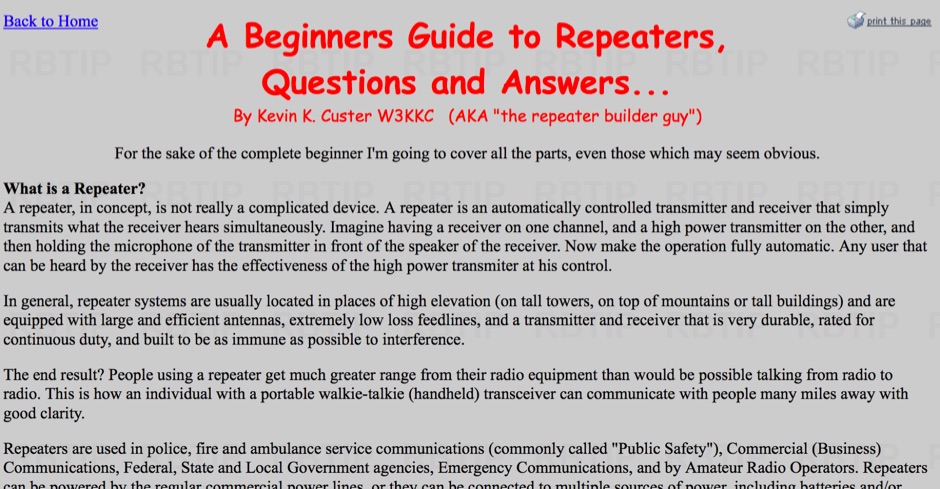 Explains the fundamental purpose of a repeater, detailing how these automated relay stations overcome distance and terrain limitations for VHF/UHF communications. It traces the historical development from early Bell Telephone Labs "relay" stations in 1922 to Art Gentry, W6MEP's, pioneering K6MYK amateur radio repeater in the mid-1950s, which remains active today. The resource clarifies the distinction between simplex and duplex operation, including the unique function of a "parrot repeater" for single-frequency recording and playback. Delving into the internal workings, the guide breaks down a repeater into its core components: the antenna system, feedline (often _Heliax_ or hardline for minimal loss), duplexer, receiver, transmitter, and controller. It emphasizes the critical role of the duplexer in preventing receiver desensitization by isolating transmit and receive signals, even with distinct frequencies. The discussion highlights the importance of high-performance, durable antennas and low-loss feedlines, citing examples of equipment installed in the 1960s and 1970s that are still in perfect working order. Operating a repeater is also covered, with an explanation of frequency offset (e.g., the 600 kHz standard for 2 meters) and the function of _CTCSS_ (PL tone) for access. It outlines standard input/output offsets for various bands, from 6 meters to 23 centimeters, while noting regional variations. The guide also touches on features like autopatch and Digital Voice Recorders (DVRs), providing a solid foundation for understanding repeater technology and usage.
-
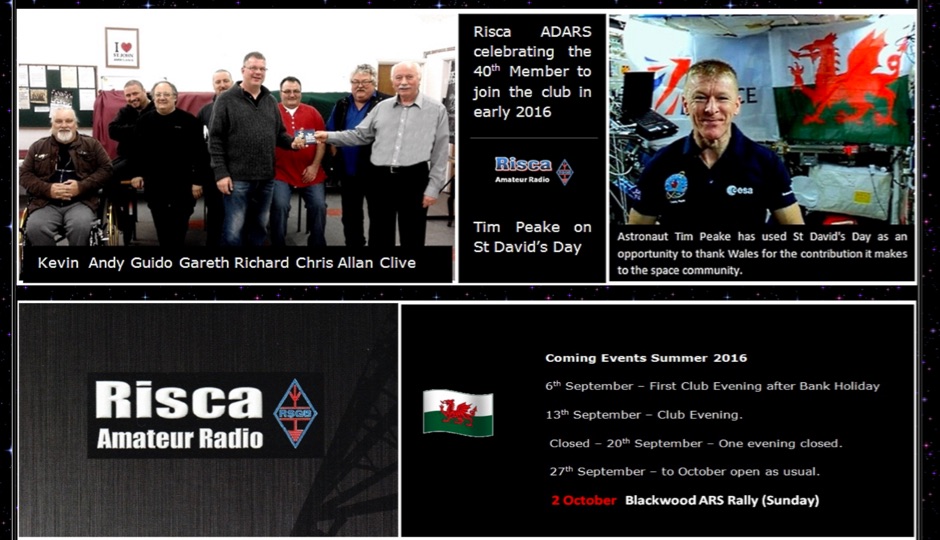 Risca and District Amateur Radio Society Tredegar Terrace Risca Nr Newport
-
 The Saturn PCB Toolkit is the best freeware resource for PCB-related calculations you can find. It incorporates many features that PCB designers and engineers are in regular need of like current capacity of a PCB trace, via current, differential pairs and much more. Please download our PCB Toolkit today for free and enjoy!
-
 The Shiawassee Amateur Radio Association (SARA), operating under the call sign W8QQQ, serves as a non-profit amateur radio organization in lower central Michigan's Shiawassee County. Its primary objectives include public service, emergency communications, and advancing amateur radio through education and technical excellence. The club maintains a weekly _Skywarn_ 2m net on the N8VDH repeater at 147.02 MHz (+.6 MHz, 100 Hz tone) every Monday at 7:00 PM, actively seeking more local hams to participate. SARA also facilitates VE testing, with upcoming sessions like the one scheduled for April 23, 2026, at 6:30 P.M., requiring pre-registration by April 20. SARA holds monthly meetings at the James P. Capitan Building in Corunna, typically on the second Tuesday of each month at 7:00 PM local time, excluding December's social event. They offer Zoom meeting options for members unable to attend in person. Annual dues are $15.00, with a reduced rate for new licensees, making it a very low-cost club. The organization actively seeks more EMCOMM assistance from all Shiawassee County hams, not just club members, to bolster their ARPSC (ARES/RACES) capabilities, noting that only about **10** out of **200+** county hams are currently active in ARES. They also maintain a Google Group, "W8QQQ," for electronic notifications and club communications.
-
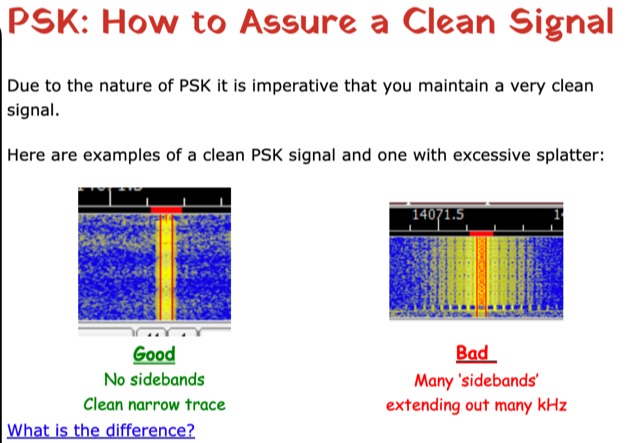 Due to the nature of PSK it is imperative that you maintain a very clean signal. In this page you will find examples of a clean PSK signal and one with excessive splatter, and a short guide on how to properly adjust your transmitter to assure a clean trace
-
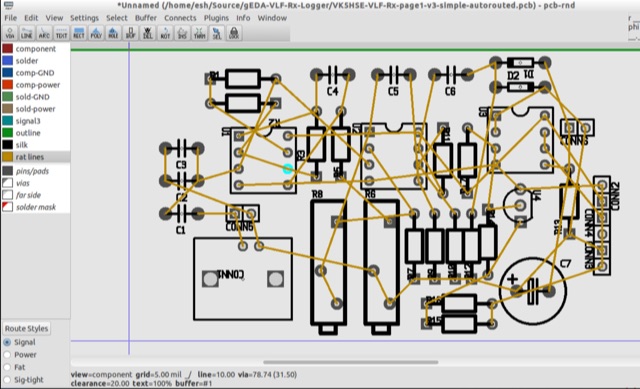 PCB is an interactive printed circuit board editor for Unix, Linux, Windows, and Mac systems. This Software runs across multiple platforms such as Unix, Linux, Windows as well as Mac systems. This Tool is widely used for electronics as well as electrical circuit designing that comes with schematic capture. PCB offers high end features such as an autorouter and trace optimizer which can tremendously reduce layout time.
-
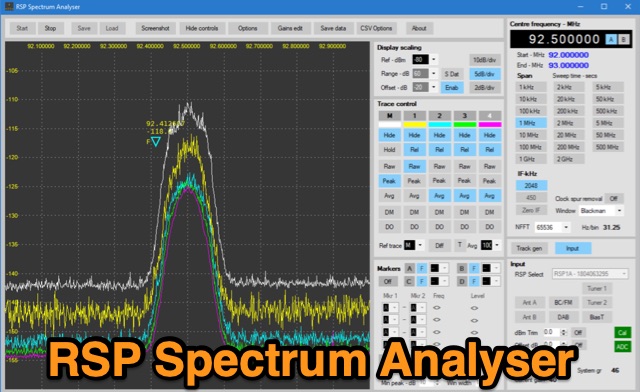 The analyser has been written to support the full range of SDRplay SDR radios including the new RSP1B. The analyser is capable of resolution bandwidths of less than 1Hz with sensitivity better than -145dBm. In addition to being able to run five separate traces, the analyser offers the ability to capture screen shots, export data in a range of formats and includes a versatile marker system. The analyser includes a comprehensive user manual and offers a very useful addition to any workbench.
-
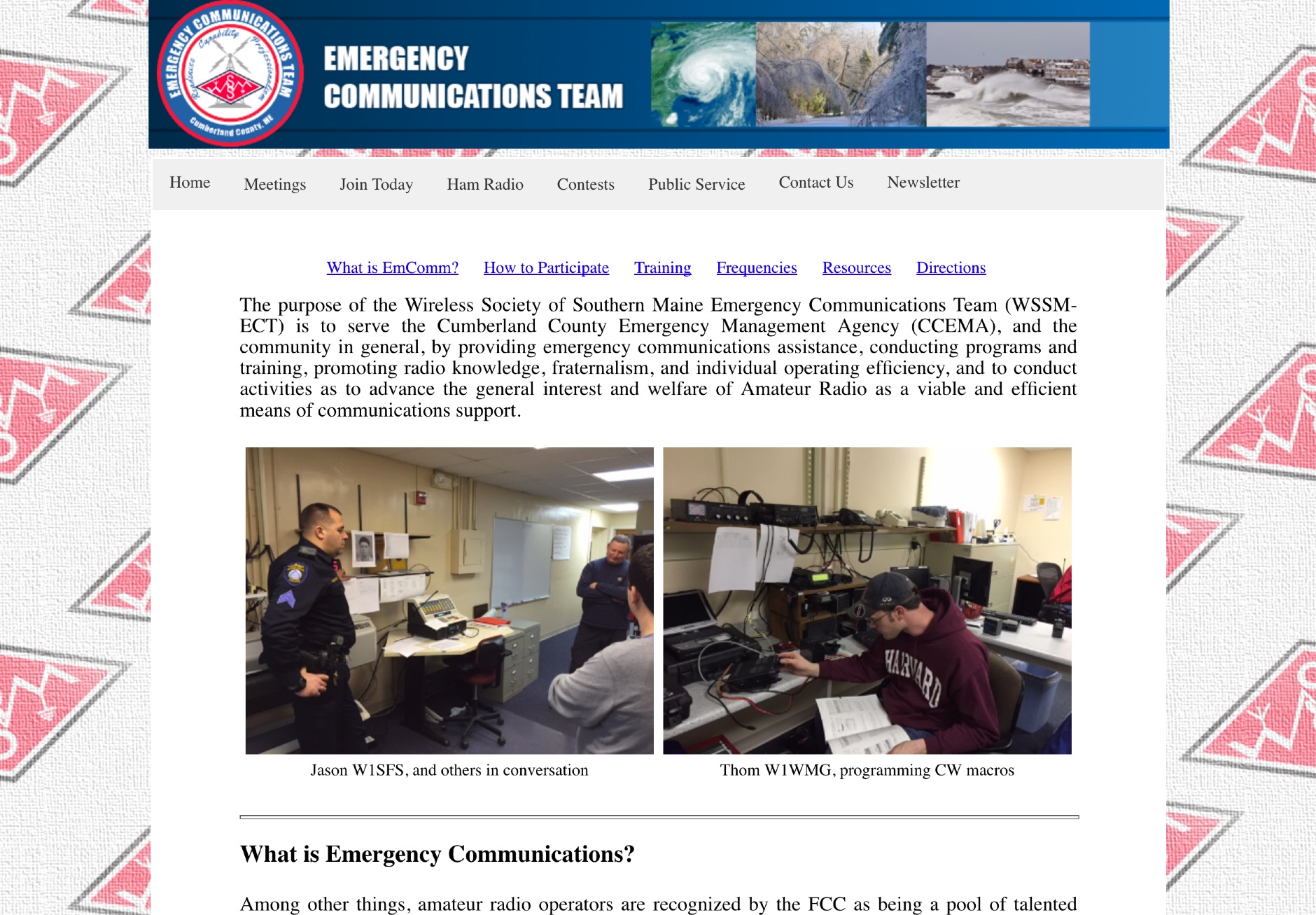 The WSSM Emergency Communications Team serves the Cumberland County Emergency Management Agency (CCEMA), and the community in general, by providing emergency communications assistance, conducting programs and training, promoting radio knowledge, fraternalism, and individual operating efficiency, and to conduct activities as to advance the general interest and welfare of Amateur Radio as a viable and efficient means of communications support.
-
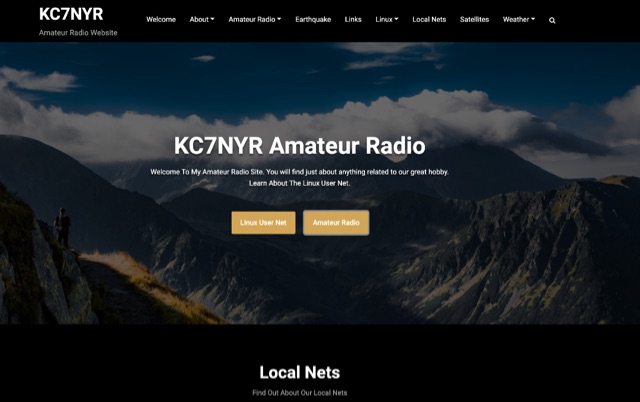 This Website is here to enhance the Amateur Radio experience and for those who are interested in multiple areas of our great hobby. We have information about Amateur Radio Emergency Communications. There are many areas in our great hobby that serve different capacities, ARES, RACES, NTS, FEMA, Linux, and much more.
-
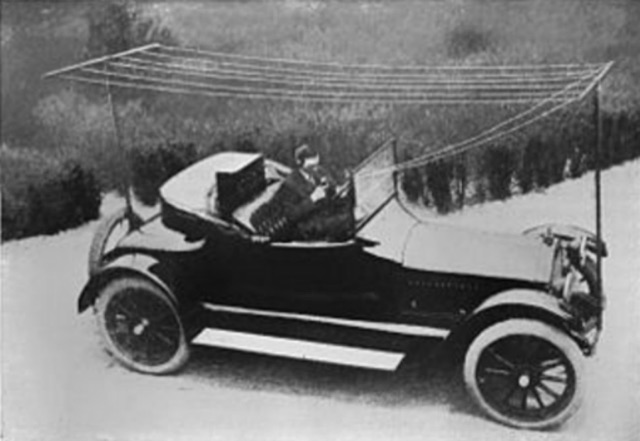 his historical account traces the development of car radios from Marconi's mobile wireless telegraph station on a steam engine vehicle in 1901 to Motorola's iconic car radio models in the 1930s. It highlights key milestones such as Alfred Grebe's radio-telephone experiments on Long Island and the introduction of Marconi-Phone 8 radios by the Daimler Company in England. The narrative explores technological advancements, including the transition from TRF to Super-Heterodyne circuitry and the integration of push-button controls. The evolution from vacuum tubes to transistors and compact discs is also documented, showcasing the continuous innovation in automotive entertainment systems.
-
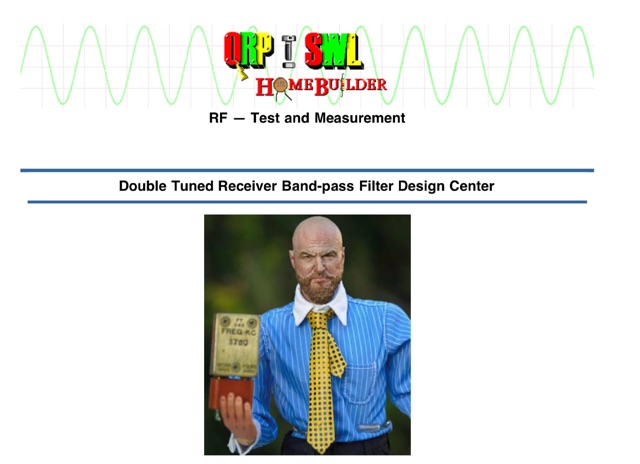 This webpage caters to EMRFD owners, offering insights into building popcorn receiver band-pass filters with Ladpac programs and EMRFD Chapter 3 knowledge. Through practical experiments and Ladpac tools, the author explores coupling capacitors' impact on filter response and return loss optimization. The content emphasizes empirical approaches, encouraging builders to embrace experimentation and learn from mistakes. Detailed examples and workflow suggestions aid hobbyist-level designers in creating customized filters, fostering a deeper understanding of filter design principles.
-
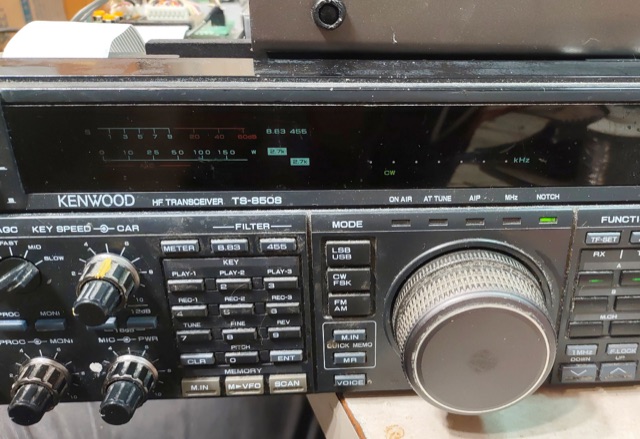 The author fixed a friend's Kenwood TS-850S radio, which suffered from Capacitor Plague, a common problem in 1990s electronics where capacitors leak and damage circuit boards. The CAR board, responsible for generating signals, was especially affected. The author cleaned the board, replaced the capacitors, and repaired a broken trace. Although the radio mostly functioned afterward, the "Slope Tune" control behaved abnormally. The cause seems to be a software issue, not a hardware one.
-
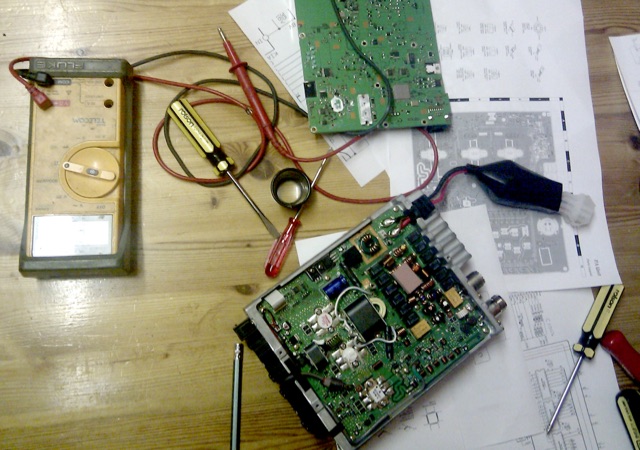 After owning the second-hand radio for a few months, it developed a sense wire failure, limiting output to 20 watts. Yaesu support advised the owner, an Electrical Engineer, to investigate. The issue was traced to a blown digital transistor, Q1032. Yaesu provided free replacements, revealing intricate internal components during the repair.
-
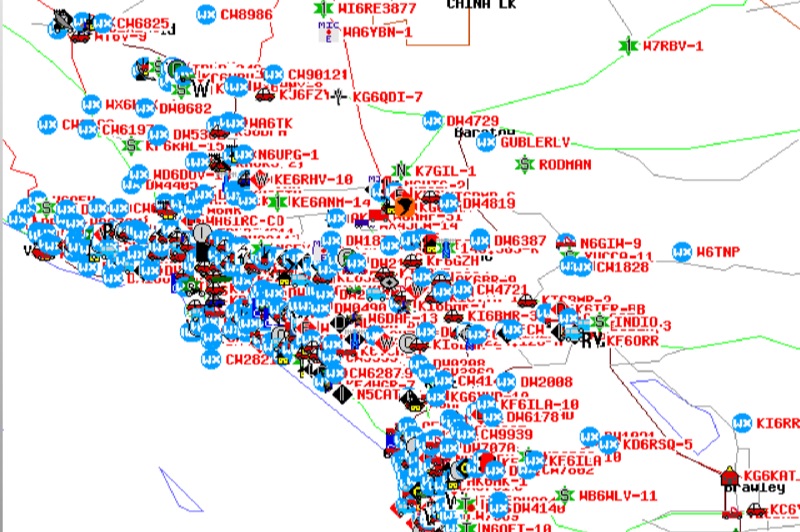 Demonstrates the Automatic Packet Reporting System (APRS) as a radio-based system for real-time tactical data exchange, leveraging the internet for messages, alerts, and bulletins to enhance situational awareness. It explains how APRS displays data on a map, integrating objects with GPS coordinates, weather stations, and alerts, clarifying its primary function as vehicle tracking despite broader capabilities. The document traces APRS development from the late 1980s by Bob Bruninga, WB6APR, through its evolution from Connectionless Emergency Traffic System (CETS) to Automatic Position Reporting System, and finally to Automatic Packet Reporting System with widespread GPS availability. Specific functionalities covered include real-time position and status reporting, message and bulletin exchange, weather data, DF bearings, RF connectivity plots, and local object display. Newer features like Global Email, CQSRVR, APRStt (APRS touchtone) for DTMF-based position reporting on frequencies like 146.58 MHz, and AVRS (Automatic Voice Relay System) for callsign-to-callsign linking via Echolink or IRLP, particularly with transceivers like the D710, are detailed. The resource also mentions AI-FI (APRS WIFI) for laptop integration and the use of the AX.25 protocol on 144.390 MHz in North America. It further describes the role of digipeaters and Internet Gateway stations (IGates) in transporting packets and connecting the on-air APRS network to the APRS Internet System (APRS-IS). The document explains APRS as a random ALOHA network, emphasizing channel loading considerations.
-
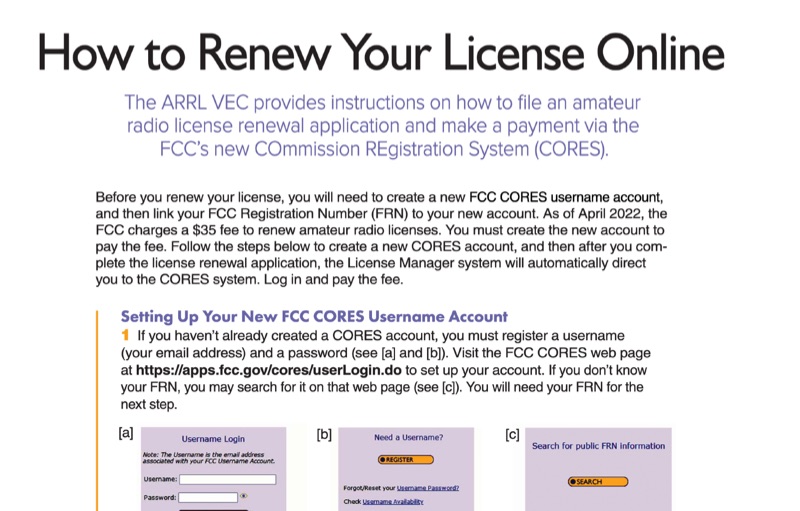 This resource provides a procedural guide for renewing an amateur radio license online through the FCC's COmmission REgistration System (CORES) and Universal Licensing System (ULS). It details the steps for creating a new FCC CORES username account, linking an FCC Registration Number (FRN) to the account, and managing FRN passwords. The document outlines the process for submitting a renewal application via the FCC ULS License Manager system, including payment of the **$35** renewal fee. Instructions cover license renewal eligibility within **90 days** before expiration and during the 2-year grace period post-expiration. The guide specifies the use of the FCC CORES web page at `https://apps.fcc.gov/cores/userLogin.do` for account setup and the FCC ULS License Manager system at `https://wireless2.fcc.gov/UlsEntry/licManager/login.jsp` for application submission. The process concludes with receiving an email from the FCC containing a link to the official license, valid for 30 days.
-
 official website for DLARC. operates the W3OK repeater, offers license classes and tests, a net, assistance in ARES and RACES nets and activities, and participation in ARRL activities and competitions.