Ham Radio Frequency Coordination
Frequency coordination for amateur radio operators

Frequency coordination is essential for efficient amateur radio activity, especially on VHF and UHF bands. It helps prevent interference between local stations, ensuring that repeaters, remote bases, and other shared resources can operate smoothly. This coordination is typically handled by volunteer organizations that work to assign frequencies and define operating practices, allowing many operators to share the limited spectrum without issues.
These coordinating bodies, such as the SouthEastern Repeater Association (SERA) or the Northern Amateur Relay Council of California (NARCC), manage frequency assignments for repeaters and other services across specific regions. Hams can find detailed band plans and coordination guidelines for their areas, often including specific recommendations for 10-meter, 220 MHz, and higher bands. These resources are vital for anyone setting up a new repeater or remote base, helping to ensure good neighborly operation and clear QSOs for all.
Related Categories
-
 Amateur radio spectrum management and frequency coordination entity for 219
 -
 Provides frequency coordination for amateur radio repeaters on 10 meters and higher in Northern California, collaborating with FCC and ARRL.
 -
 Georgia District of SERA
 -
 SERA Kentucky
 -
 SERA Mississippi
 -
 North Carolina District of the SERA
 -
 South Carolina District for the SERA
 -
 Tennessee SERA District
 -
 Virginia SERA District
 -
 West Virginia SERA
 -
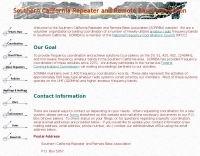 SCRRBA is a volunteer organization providing coordination of a number of heavily utilized amateur radio frequency bands in Southern California.
 -
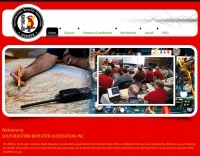 Welcome to the official Home Page of SouthEastern Repeater Association Inc. SERA is the largest Amatuer Radio Coordination organization in the United States. SERA represents Kentucky, Mississippi, North Carolina, South Carolina, Virginia, Tennessee, West Virginia and Georgia
 -
 Area Repeater Coordination Council Eastern Pennsylvania and Southern New Jersey
 -
 a subcommittee of the Amateur Radio Council of Arizona
 -
 Frequency coordinations on BC Canada
 -
 CT Spectrum Management Association
 -
 ARRL-recognized amateur frequency coordinating body for the State of Florida
 -
 The Illinois Repeater Association (IRA) provides frequency coordination for amateur radio repeaters in Illinois, offering directories and policies.
 -
 The Indiana Repeater Council is a Charter Member of the NFCC and is the only NFCC recognized repeater coordinator in Indiana.
 -
 IRC is Member of the NFCC
 -
 Kansas Repeaters directory
 -
 Northern New Jersey, New York City/Long Island and Westchester County frequency coordination
 -
 The Michigan Area Repeater Council, Inc
 -
 Missouri Repeater Council
 -
 New England Spectrum Management Council
 -
 The National Frequency Coordinator\'s Council (NFCC) is an organization comprised of and representing amateur radio frequency coordinators of the United States.
 -
 Ohio Area Repeater Council
 -
 Oregon Region Relay Council
 -
 recognized Amateur Radio Frequency Coordinating entity for the State of Arkansas.
 -
 Promote and coordinate the installation and use of VHF/UHF amateur repeaters throughout Utah.
 -
 Upper New York Repeater Council, Inc, support the frequency coordination needs of the Amateur Radio repeaters operating in its area
 -
 Wisconsin Association of Repeater
 -
 Coordinates amateur radio repeater systems, control and link frequencies