Morse Code Operating Guides and CW Procedures
Find practical guides and essential procedures for effective Morse code communication and CW operations.

Morse code, or CW, remains a fundamental mode for many amateur radio operators, offering a unique challenge and satisfaction. Mastering CW involves more than just decoding dits and dahs; it requires understanding established operating procedures, common abbreviations, and proper etiquette to ensure smooth QSOs on the bands. Hams worldwide use CW for everything from casual contacts to serious DXpeditions and contests.
This category provides practical guides for new and experienced CW operators. You will find resources covering basic QSO procedures, essential abbreviations like B4 and TU, and tips for handling traffic nets. There are also specific guides for CW contesting, such as KH2D's tips, and advice on sending precise code with various keys. Operators can also review ITU recommendations for Morse code signals and spacing.
-
 Compiled by Dan Stegner KC0OBU from FISTS CW Club member tips, amateur radio morse code procedures
 -
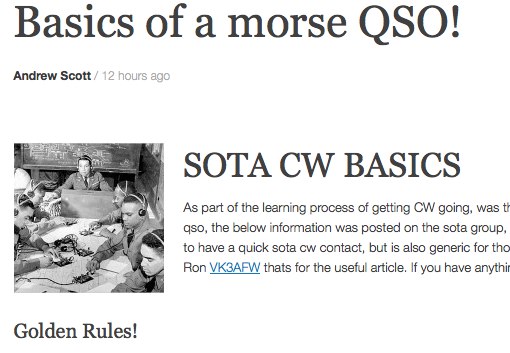 A nice guide to make basic contacts in morse code with a particular reference to SOTA operations by VK3BQ
 -
 Making a CW QSO by John Shannon, K3WWP
 -
 Abbreviations used for words on CW, ranging from commonly used abbreviations like B4 for Before or TU for Thank You to very obscure abbreviations known only to the one using them
 -
 A page dedicated to the Morse Code contact procedure
 -
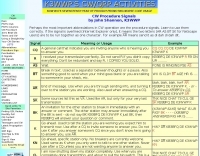 Abbreviations used in CW operation
 -
 This step-by-step tutorial contains everything you need, not only to survive that first contact, but also to learn to enjoy Code and actually do it well. Even if you detested learning it in the first place
 -
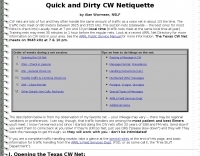 Quick and Dirty CW Netiquette
 -
 Tips and tricks for CW contesting by KH2D
 -
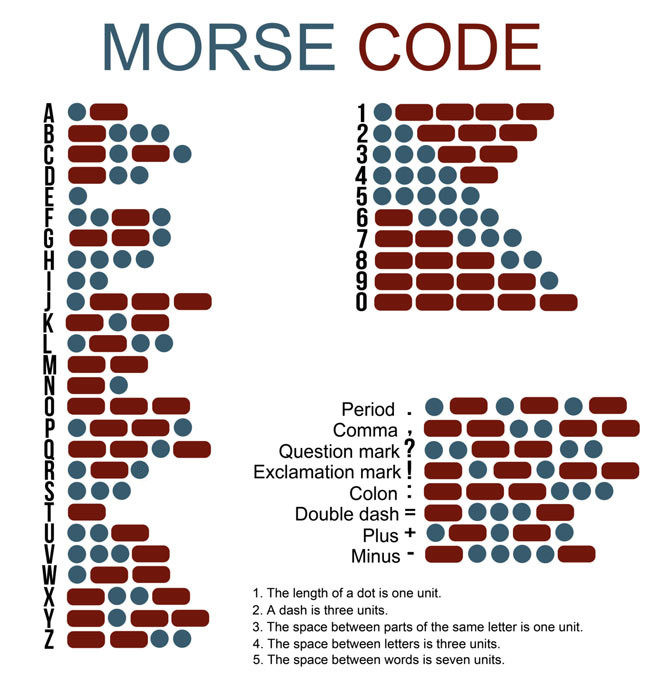
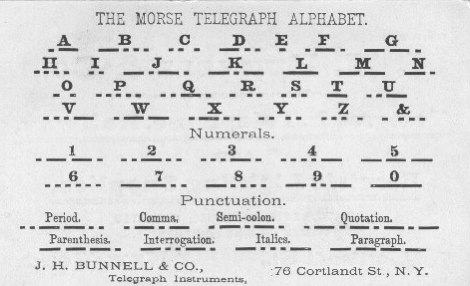 There are many many abbreviations used for words on CW, ranging from commonly used abbreviations like B4 for Before or TU for Thank You to very obscure abbreviations known only to the one using them.
 -
 CW or CW-R differences and when to use them
 -
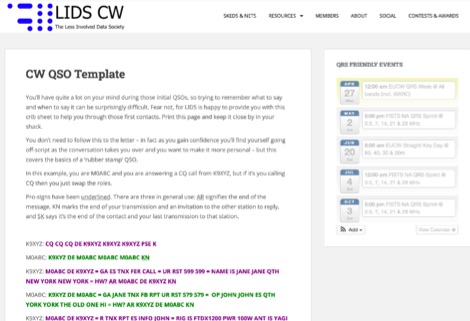 A sample morse code QSO template. In this page you can find a standard QSO message protocol between two operators.
 -
 Decoding multiple Morse code signals automatically on a noisy RF band
 -
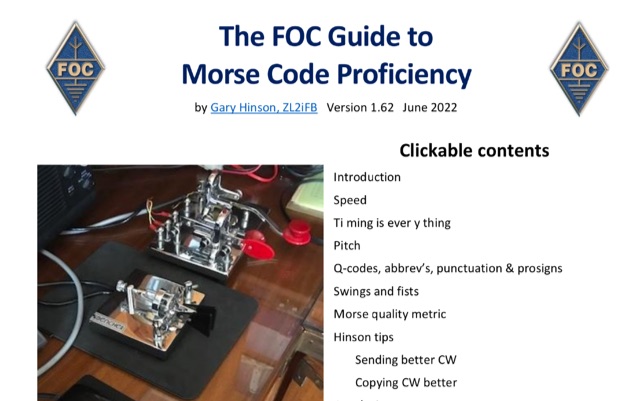 This guide offers advice on improving proficiency in Morse code for those already using CW.Chapters include, Speed, Timing, Pitch, Swings and fists, Sending and copying better CW.
 -
 Recommendation M.1677-1 (10/2009), General transmission rules, Morse code, signals, spacing and length of the signals.
 -
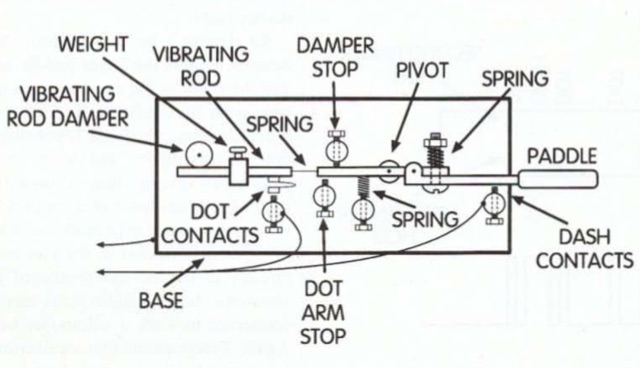 Article appeared on 73 amateur radio today in 1999 on how to unlock the secrets of sending precise Morse Code. Article contains hints on how use the stright key and the sideswiper key, but even the electronic keyers or the semiautomatic keys.