Search results
Query: radio one
Links: 804 | Categories: 37
Categories
- Technical Reference > Components > Component Database
- Shopping and Services > Electronic Components
- Manufacturers > Electronic Components
- Software > iPhone
- Manufacturers > Microphones
- Technical Reference > Microphones
- Radio Equipment > Microphones
- Operating Aids > Phonetics and codes
- Technical Reference > Components
- Shopping and Services > Kits and Components
- Shopping and Services > Accessories
- Manufacturers > Antenna Parts
- Shopping and Services > Regional > Australia
- Operating Modes > Satellites > CubeSats
- Technical Reference > DTMF
- Shopping and Services > Electronics
- Manufacturers > Ham Shack Accessories
- Radio Equipment > Microphones > Heil PR-781
- Operating Aids > History
- Shopping and Services > Regional > Europe > Italy
- Shopping and Services > Regional > Japan
- Technical Reference > Mic wiring
- Manufacturers > Microwave
- Shopping and Services > Microwave
- DX Resources > Clusters > Mobile DX Cluster
- Shopping and Services > Regional > New Zealand
- Manufacturers > Parts and Surplus
- Antique Radios > Parts and Tubes
- DX Resources > Prefixes
- Manufacturers > Repeaters
-
 The page discusses how Parks on the Air (POTA) in Canada offers ham radio operators the chance to set up portable stations in parks and nature reserves, combining radio communication with outdoor exploration. It also covers the World Wide Flora and Fauna (WWFF) program, which operates globally and complements POTA activities. Both programs provide unique challenges and opportunities for operators to expand their skills and connect with fellow enthusiasts worldwide. Whether you're a seasoned ham radio operator or new to the hobby, participating in POTA and WWFF can offer an exciting and rewarding experience, fostering a sense of community among radio enthusiasts who share a love for nature and communication.
 -
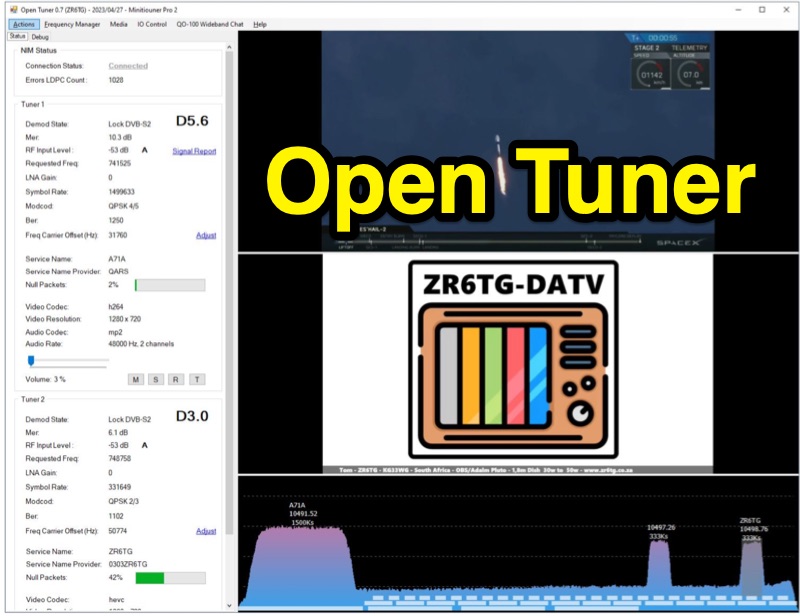 Version 0.7 of Open Tuner, released on April 27, 2023, marked a significant milestone by introducing proof-of-concept dual tuner functionality for the BATC Minitiouner. This C# client, inspired by Heather Lomond's _Longmynd_ project, aims to leverage both tuners and demodulators within the NIM module, a capability crucial for advanced Digital Amateur Television (DATV) operations on QO-100 and terrestrial links. My own experience with DATV often involves juggling multiple receive paths, so a unified client like this simplifies the workflow considerably. Further enhancing its utility, version 0.9 (February 11, 2024) integrated support for the Raspberry Pico, utilizing Colin (G4EML)'s _PicoTuner_ firmware. This offers a more accessible and cost-effective alternative to the traditional FTDI module, streamlining dual tuner setups with a single USB cable. The project's evolution reflects a practical approach to overcoming hardware availability challenges. The software is developed using Visual Studio 2019/2022 and .NET Framework 4.7.2, requiring specific Nuget packages like VLC/Websocket and an ffmpeg folder for full operation. It's an active, community-driven effort, with the source code openly available on GitHub for contributions and bug reporting, embodying the collaborative spirit of amateur radio development.
 -
 The website of the Radio Museum of Thessaloniki, containing historical details of the radio history in Greece, including pictures of radio pioneers and also antique radio tuners available in Greece
 -
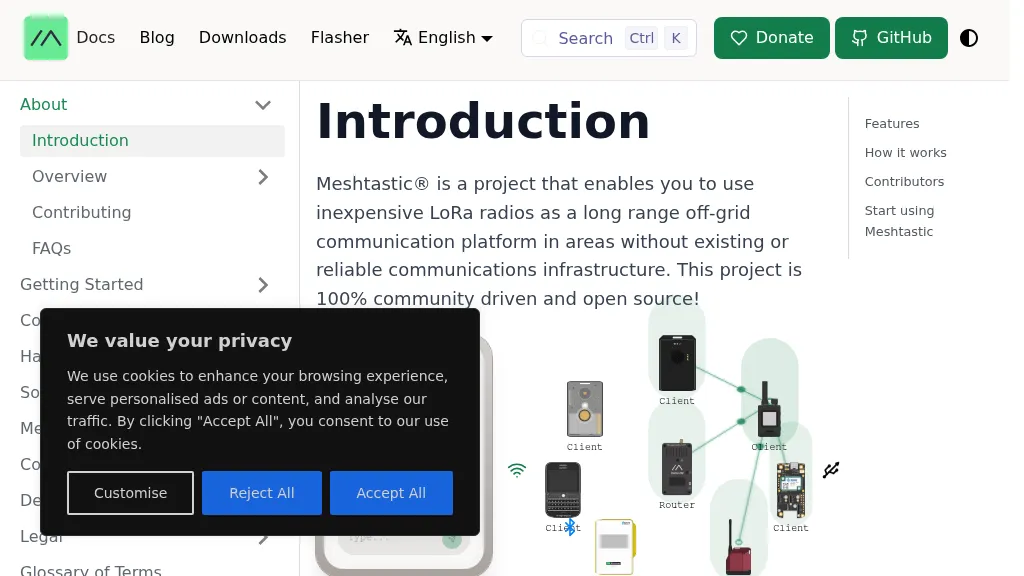 Meshtastic utilizes _LoRa_ radio protocol for long-range, off-grid communication, functioning as a decentralized mesh network. The system allows users to send and receive text messages without reliance on existing infrastructure or a phone for mesh communication, leveraging inexpensive LoRa radios. Key features include encrypted communication, excellent battery life, and optional GPS-based location services, with radios designed to rebroadcast messages to ensure all group members receive them. The project has achieved a record range of **331km** and is 100% community-driven and open source, with its codebase available on GitHub. Unlike traditional ham radio, Meshtastic operates on LoRa, which is generally accessible without additional licenses. Each Meshtastic radio can be paired with one phone at a time for message exchange, and support is entirely volunteer-based.