Search results
Query: DX award
Links: 94 | Categories: 4
-
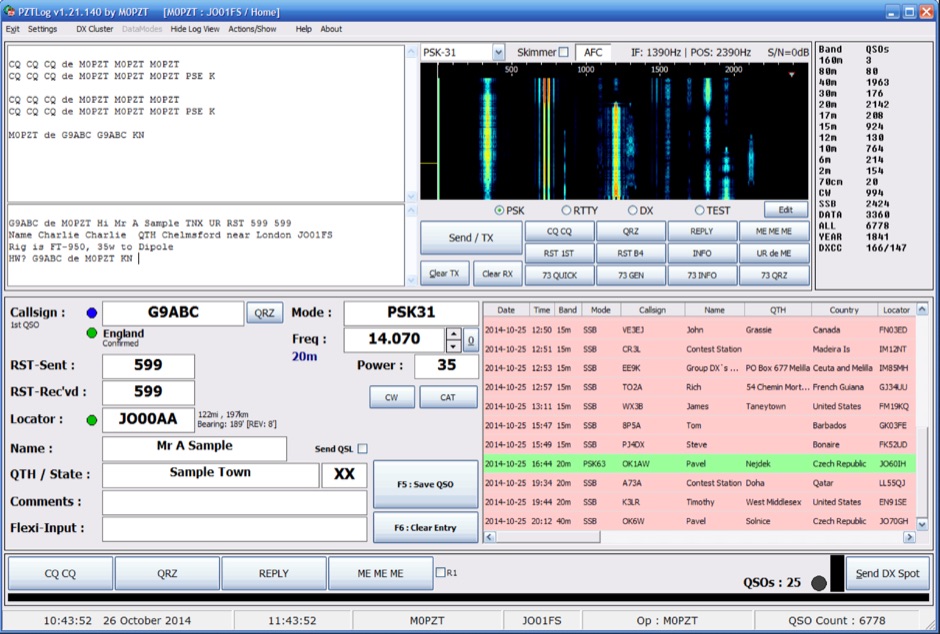 PZTLog is a freeware amateur radio logging application designed for Windows operating systems, facilitating rapid **QSO entry** and management. It integrates features such as DXCC statistics tracking, a built-in DX Cluster client, and support for various digital modes including PSK31, PSK63, PSK125, and RTTY. The software provides a straightforward interface for inputting essential contact details and supports real-time interaction with DX spotting networks, enhancing the operator's situational awareness during operating sessions. The application's utility extends to contest logging, offering a streamlined approach for competitive operating. PZTLog's capability to manage **DXCC awards** and integrate with digital mode operations positions it as a versatile tool for general logging and specific contest scenarios. Its design prioritizes ease of use for quick data entry, making it suitable for operators who require efficient logging without extensive configuration.
 -
 HB9BZA's LoTW users list, originally compiled since 2005 from DX-Cluster and user submissions, now primarily leverages the official ARRL full users list released on July 29th, 2017. This resource details 228,012 calls across 340 current DXCC entities, with the latest update noted on March 2, 2026. It offers various formats, including a full list, text versions, and breakdowns by country, providing valuable insights into LoTW participation for DXers. While the ARRL's official list with "last upload" dates diminished the original list's unique utility, HB9BZA's site continues to offer statistics and user counts by country, which remain of interest. The author, HB9BZA, expresses gratitude to contributors who helped maintain the list's accuracy over many years, achieving an impressive 96.4% match with the ARRL's data before the official release. Knowing which stations are LoTW active encourages more hams to join the system, demonstrating that even rare DXCC entities like Ducie Island or Heard Island can be confirmed quickly. For instance, HB9BZA recounts a 36-minute QSL confirmation for a 3A2MW contact. The list also integrates with the RXCLUS packet radio/telnet client, enhancing DXCC award tracking by identifying LoTW participants and utilizing upload dates for alarms.
 -
 Federation of Chilean Radio Clubs. Awards and contest of FEDERACHI News about Dx in Chile
 -
 Awards, contesting, dxing, IOTA and Island info, on-line log searches, and much, much, more.
 -
 Club have DX-program, DX-Rating, awards, trophy , contest programs and bulletins by internet & book.
 -
-
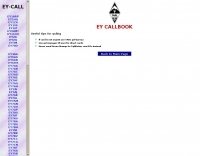 For radio amateurs seeking to verify contacts or identify stations from Tajikistan, the _Tajikistan EY Callbook_ serves as a dedicated online resource. This callbook, compiled and maintained by Irage M. Tursoon-Zadeh, _EY8WW_, offers a focused database of callsigns within the EY prefix region. It provides a practical utility for DXers and contesters aiming to confirm QSLs or prepare for operations involving stations in this specific geographic area, streamlining the process of identifying active hams. The resource's utility is particularly evident for those engaged in award programs like _DXCC_ or _WAZ_ where accurate callsign verification is crucial for credit. Unlike broader, worldwide callbooks, this specialized listing ensures high relevance and accuracy for its target region, reflecting the local expertise of EY8WW. Its direct focus on Tajikistan makes it a valuable, albeit niche, tool for operators with specific interest in Central Asian DX.
 -
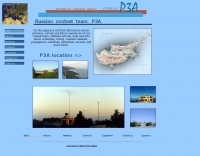 On this page you will find information about previous, current and future operations of our contest team, different articles, links and info about contesting, DXing, contests calendar, propagation, antennas, equipment, awards, and much more.
 -
 Simply work as many countries and CQ Zones as you can in each calendar year, regardless of the band or mode
 -
 Presents the W9VT Tri-Town Radio Club, an ARRL-affiliated organization serving the Illinois amateur radio community. The club maintains a 2-meter repeater on 147.180 MHz (+600 kHz offset, 107.2 Hz CTCSS) and a 70-centimeter repeater on 444.825 MHz (+5 MHz offset, 107.2 Hz CTCSS), both located in Woodridge, IL. Regular meetings are held on the second Tuesday of each month at 7:00 PM at the Woodridge Public Library, focusing on technical discussions, operating practices, and community service. The club participates in Field Day, supports local public service events, and offers licensing classes for Technician, General, and Extra class examinations. Members engage in various amateur radio activities, including DXing, contesting, and digital modes, fostering skill development among hams. The club's repeater infrastructure provides reliable local communication for members and supports emergency preparedness efforts within DuPage County. Participation in ARRL-sponsored events like the Simulated Emergency Test (SET) and various operating awards promotes active engagement and technical proficiency. The club provides a platform for mentorship, allowing experienced operators to guide newer hams through licensing and operational aspects.
 -
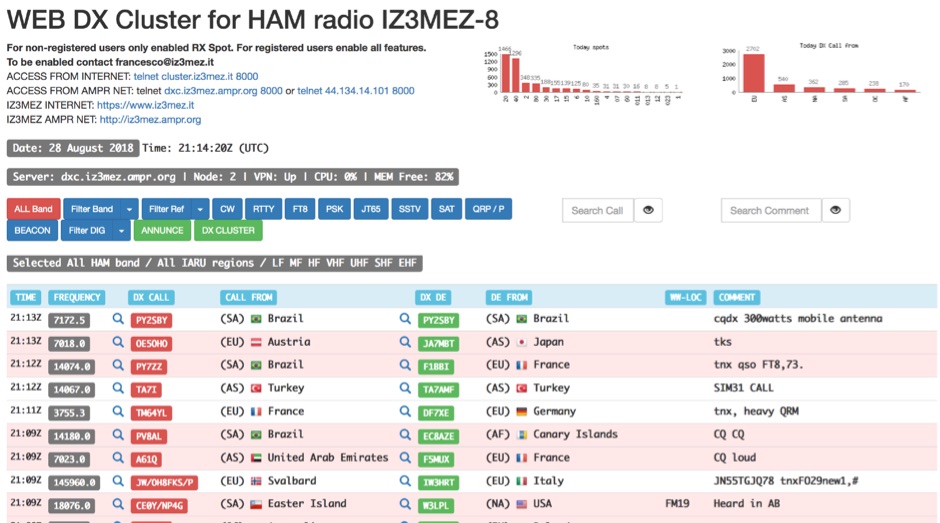 The IZ3MEZ Web DX Cluster presents real-time amateur radio DX spots across 20 distinct frequency bands, spanning from **LF (2190m)** at 135.7 kHz up to **SHF (QO-100)** at 10499 MHz. It displays the DX callsign, frequency, DXCC entity, spotter callsign, and spotter DXCC entity, along with any accompanying comments. The cluster also lists various operating modes such as CW, RTTY, FT8, FT4, FT2, PSK, and SSTV, and supports special operating activities like QRP/P and specific award programs including IOTA, POTA, SOTA, WCA, and JOTA. The cluster's interface provides a dynamic feed of the latest 50 spots, continuously updated with precise timestamps. It offers direct **Telnet protocol** access for users preferring a command-line interface, with configuration instructions provided. The resource also integrates with other spotting networks like RBN and PSK Reporter, enhancing its utility for DXers and contesters seeking propagation information and activity monitoring across a broad spectrum of amateur radio frequencies.
 -
 First released around 1995 and significantly redesigned as QWTelnet 2, this software provides a dedicated interface for monitoring DX-Cluster traffic via Telnet. It integrates a **SOTAwatch parser** with configurable audio alerts, allowing operators to receive notifications for specific search patterns in DX-Cluster remarks without constant screen attention. The application also supports parsing for **GMAwatch (German Mountain Award)**, providing alerts for German Mountain Award activations. QWTelnet 2.4.0, released on 07-APR-2012, runs on Windows (tested on W7) and is distributed as a ZIP file containing the `qwtelnet.exe` executable. It does not require a formal installation process; users simply extract and run the program. The software can display DX information for single bands, integrate with the Reverse Beacon Network, and link to external web resources for DXCC and SOTA information. It also supports local reference files for IOTA, WFF, and RDA awards, which users must source and place in the `qwtelnet/files` directory. For IOTA data, users can convert `IOTA.CSV` from UCX-Log or `DX4WIN_IOTA.TXT` into `iota.csv`. WFF and RDA reference files are directly sourced from their respective websites.
 -
 You can find all about awards and dx in argentina
 -
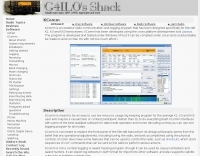 KComm, a logging and communication program, was specifically engineered for Elecraft K2, K3, and KX3 transceivers, leveraging the Lazarus cross-platform development tool. It operates natively on Windows XP and can be compiled for Linux, with potential for macOS, prioritizing low resource usage for casual DXers and contest participants. The software integrates with external applications like Fldigi for diverse digital modes and CW Skimmer for advanced Morse decoding, enhancing its functionality beyond basic logging. The design philosophy of KComm emphasizes utilizing the physical radio controls for operational adjustments, rather than replacing the transceiver's front panel. It facilitates keyboard CW operation via the Elecraft serial protocol and capitalizes on the K3 and KX3's built-in decoders for RTTY and PSK31. Additionally, KComm supports PSK31, PSK63, and PSK125 through the AE4JY PSK Core DLL on Windows and integrates with PSKReporter.info for spotting. While not a dedicated contest logging or award tracking program, KComm supports ADIF and Cabrillo export for casual use, allowing logs to be imported into other software. The author, G4ILO, ceased all software development, providing KComm "as is" without further support or updates; however, the source code is available under the GNU GPL for community continuation.
 -
 UN Amateur Radio News, curated by Artur UN6QC, presents information relevant to Kazakh radio amateurs, including details on their account activity and participation in **WFF Kazakhstan** expeditions. The resource also documents various diplomas issued within Kazakhstan, such as those related to WFF Kazakhstan and special programs like the "50th Anniversary of the first manned space flight by Yuri Gagarin" and "The Columbus of the Cosmos" Award. It aggregates international ham radio news and maintains a calendar of international HAM competitions. The site, operational since May 14, 2010, serves as a central point for information on HAM competitions organized in Kazakhstan. It also references external resources like WWW.CQHAM.KZ for award details and WWW.EQSL.KZ for UN EQSL services. The platform aims to be a useful hub for both local and international amateur radio enthusiasts interested in Kazakh-specific operations and awards. Key events like the **UN DX Contest** and the First UN Field Day, held May 19-20, 2012, are highlighted.
 -
-
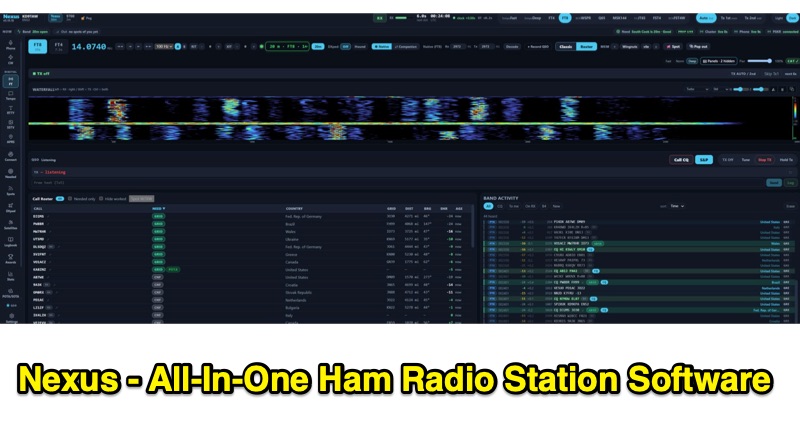 Nexus is a free and open-source ham radio software application, built in Rust by KD9TAW, designed to integrate multiple station functions into a single program. It supports fifteen operating modes, including FT8, FT4, CW, SSB, FM, RTTY, SSTV, and APRS, with both transmit and receive capabilities across Windows, Linux, and Raspberry Pi platforms. The software provides band activity displays with country, distance, and bearing information, a call roster, a 3-D propagation globe with live spots, and alerts for new DXCC, WAS, WAZ, VUCC, and IOTA entities. It also features a native RF panadapter for Icom CI-V and Flex radios, or a live audio scope for other transceivers. Nexus integrates a comprehensive logbook, computes awards offline without requiring an account, and includes repeater search functionality with curated memory packs. It offers CHIRP CSV round-trip compatibility for approximately 1,000 radio models and is compatible with WSJT-X, JTDX, and MSHV via UDP protocol for seamless integration with existing workflows. The application supports ADIF import/export for log data management and provides accessibility features for operators with hearing or visual impairments, including screen reader compatibility and keyboard-navigable interfaces.
 -
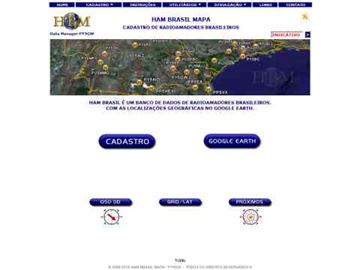 Approximately 524,475 Brazilian amateur radio operators are cataloged within this resource, offering a comprehensive database for the South American region. Each entry includes geographical coordinates, enabling users to visualize station locations directly within Google Earth. This functionality supports DXers in identifying potential contacts and understanding propagation paths relative to specific Brazilian QTHs. The platform serves as a digital callbook, primarily focused on the Brazilian amateur radio community. It facilitates the lookup of callsigns and associated location data, which is crucial for award tracking, contest planning, and general operational awareness. The integration with mapping services provides a visual dimension to traditional callsign databases, enhancing the utility for operators interested in geographical aspects of radio communication.
 -
 To gain Tonga DXpedition Award it is necessary to have QSL confirmed contacts with two amateur radio expeditions from Tonga (A35), on two bands, with two diffrent modes. Available also to SWLs
 -
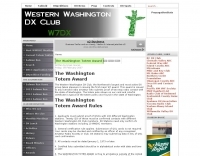 The Washington Totem Award recognizes licensed radio amateurs who submit proof of two-way radio contact with the state of Washington. Applicants must confirm contacts with a specified number of Washington counties, with different requirements for stations located within and outside the state. For example, stations outside Washington need 25 confirmed contacts from 25 different counties, while Washington stations require 15 contacts from 15 different counties. Contacts must be made after January 1, 1970, and may be established on any amateur band using any mode. QSL cards or other acceptable proof of contact must be submitted with the application. The award promotes activity within Washington state and encourages DXers to seek out contacts across its diverse geographical areas. Applications are processed by the Western Washington DX Club, which also manages the award rules and verification process.
 -
 Lighthouse list, dx peditions, pictures and awards issued
 -
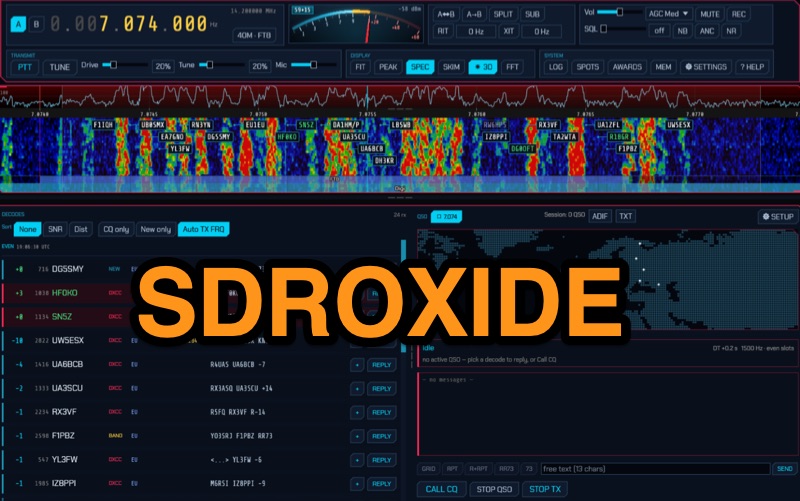 Operates as a universal client for Software Defined Radios, SDRoxide provides a robust platform for amateur radio operators to engage in diverse modes and activities. It integrates a **GPU panadapter** for real-time spectrum visualization, dual VFOs for flexible tuning, and advanced neural noise reduction to enhance weak-signal reception. The software supports a comprehensive suite of digital modes, including FT8, JS8, RTTY, and PSK, alongside built-in skimmers for automated signal detection. Its capabilities extend to Winlink radio email, 868 MHz ISM sensor decoding, and hands-free satellite operation with continuous Doppler correction and Hamlib rotator tracking. The client offers native drivers for popular SDR hardware like RTL-SDR, RX-888, and HackRF One, covering a wide frequency range from 1 MHz to 6 GHz. It also interfaces with CAT-controlled transceivers via Hamlib and Flrig, allowing a second SDR to function as a panadapter. Network dongles, SpyServer, KiwiSDR, and OpenHPSDR Ethernet SDRs are also supported, providing flexibility for remote and local operations. Beyond core radio functions, SDRoxide incorporates a live 3D space-weather globe with aurora and lightning displays, real-time satellite tracking with TLE updates, and a measured propagation heat map. It includes a full-featured logbook with DX cluster spots, award tracking for **DXCC** and WAS, and direct QSL upload integration with services like eQSL and Club Log, streamlining post-QSO management.
 -
-
 Over 150 pages of content are dedicated to maximizing activity on the 6-meter band, often referred to as the _Magic Band_. The resource details various propagation modes, including sporadic E, F2, and tropospheric ducting, providing insights into their characteristics and how to leverage them for DX contacts. It also covers essential equipment considerations, from transceivers and transverters to specific antenna designs optimized for 50 MHz operation, such as Yagis and Moxon antennas. The eBook presents strategies for participating in 6-meter contests and pursuing awards like _VUCC_, offering practical advice on logging software and operating techniques. It includes discussions on software tools useful for predicting propagation and managing contacts, alongside guidance on finding and utilizing DX maps to identify openings. The author, K5ND, shares his extensive experience to help operators achieve successful 6-meter DXing. Specific sections address the code of practice for 50 MHz operations and provide assistance in locating rare DX opportunities. The content is structured to guide both new and experienced operators through the nuances of the band, from initial setup to advanced operating strategies.
 -
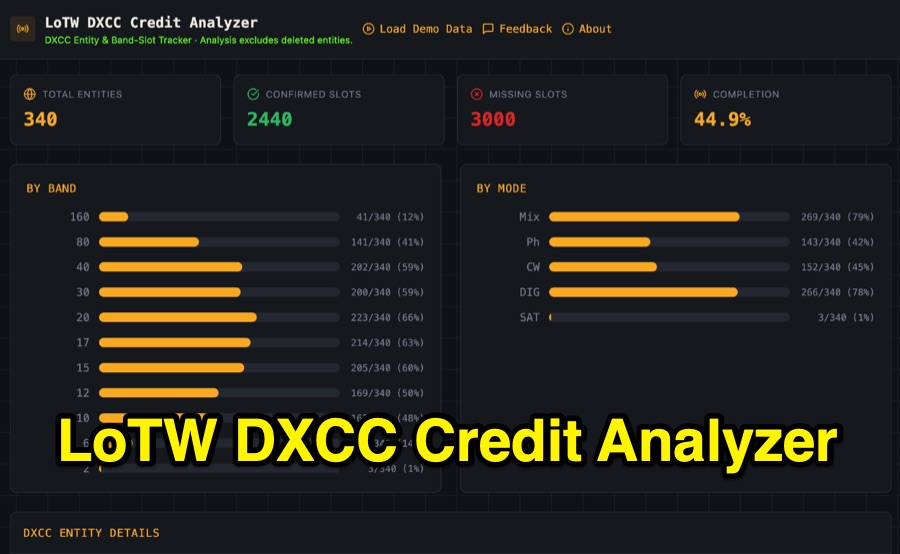 Visualizing DXCC award progress often requires manual parsing of Logbook of the World (LoTW) reports, which can be time-consuming and prone to error. This web-based utility streamlines the process by allowing hams to upload their LoTW DXCC Credit Report spreadsheet, providing an interactive dashboard for tracking confirmed entities, bands, and modes. It processes .xlsx, .xls, and .csv files, performing all calculations client-side within the browser for privacy and speed. The tool presents a comprehensive stats overview, detailing total entities, confirmed slots, and overall completion percentage. It includes progress bars for bands from _160m_ through _2m_, and modes such as CW, Phone, and DIG. A sortable DXCC Entity Details Table lists each entity, its confirmed count, and specific missing band/mode slots, with a CSV export option. Further features include a Band/Mode Matrix grid for granular confirmed status per entity, toggles for specific bands like _6m_ and _2m_, and tracking for DXCC Challenge progress across 10 eligible HF/VHF bands. It also highlights nearly complete entities and identifies most-wanted DXCC entities based on the uploaded data.
 -
 NJ2X is a licensed amateur radio operator (FCC Amateur Extra) who enjoys casting electromagnetic waves into the ether. NJ2X pursues many aspects of the hobby including chasing DX, participating in mini-DX expeditions, building equipment and antennas, and papering his shack walls with ARRL awards. NJ2X dedicates this amateur radio oriented site to helping others who also enjoy the greatest of scientific hobbies. The site is suitable for all readers - families, the young, and the young at heart.
 -
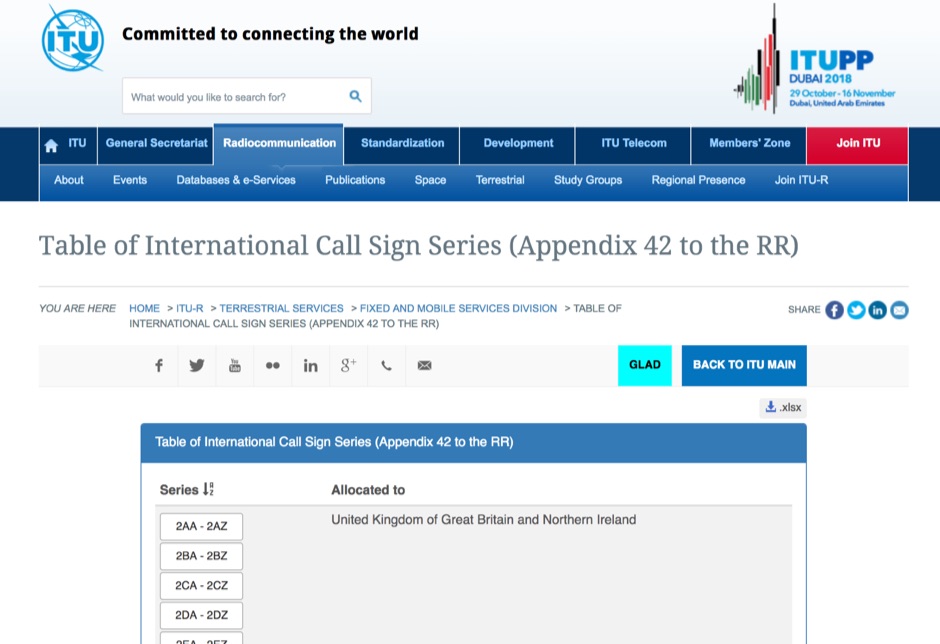 Appendix 42 to the Radio Regulations, published by the International Telecommunication Union (ITU), serves as the authoritative global reference for assigning call sign series to countries. This essential resource allows radio operators, including those in the amateur service, to accurately identify the national origin of a station based on its callsign prefix. It is fundamental for DXers, contesters, and anyone involved in international two-way radio communication, ensuring correct country identification for awards like _DXCC_. The table details the specific blocks of call signs allocated to each administration, facilitating the unambiguous determination of a station's geographical location. For instance, prefixes like K, W, N, and AA-AL are assigned to the United States, while G and M series denote the United Kingdom. Understanding these allocations is crucial for logging contacts and verifying QSLs. This ITU publication is regularly updated to reflect changes in national assignments and new allocations, maintaining its accuracy as the definitive source for call sign series worldwide. It underpins the global framework of radio communication.
 -
 Documents the _XT1T_ DXpedition to Burkina Faso, active from February to March 2013. This operation provided DXers worldwide with an opportunity to work a relatively rare entity, with the team focusing on maximizing contacts across various bands and modes. The expedition utilized an online log provided by _IDT_ (Italian DXpedition Team), enabling immediate verification of contacts and facilitating QSL requests. The _IDT_ system allowed participants to check their QSOs shortly after they were made, a crucial feature for contesters and award hunters aiming for DXCC credit. The expedition's success was measured by the total number of unique contacts and countries worked, contributing significantly to the global DX community's pursuit of new entities.
 -
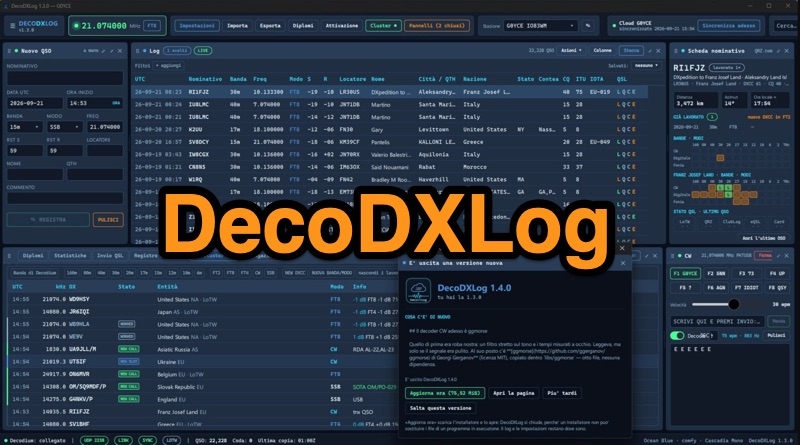 DecoDXLog is a station logbook application for Windows, designed to integrate seamlessly with the _Decodium_ family of software, as well as _WSJT-X_ and JTDX, by receiving QSOs via UDP. It operates around a local SQLite file, providing automatic callbook lookups from QRZ.com XML or HamQTH to complete log entries with name, QTH, and locator data. The software tracks 15 different awards, including DXCC, WAZ, WAS, WPX, IOTA, POTA, and SOTA, calculating progress in real-time and allowing confirmation via LoTW, paper cards, or eQSL. It also features comprehensive statistics, a world map displaying worked locators and cluster spots, and a built-in DX Cluster client that aggregates data from DX Spider/CC Cluster, Reverse Beacon Network, HamAlert, and POTA activations, providing alerts for new DXCC, band, or mode. The application includes a CW keyer/decoder, a contest mode with real-time scoring and Cabrillo export, and robust QSL management for LoTW, QRZ Logbook, eQSL, and Club Log. An optional DecoDXLog Cloud feature enables synchronization of QSOs, station profiles, and settings across multiple devices, ensuring a consistent operating environment. The software is open-source under the GPL-3.0 license, developed by IU8LMC and contributors, and supports lossless ADIF import/export, making it compatible with existing logs. It also integrates with _DecoRotor_ for antenna control, allowing operators to point their antenna directly from the logbook interface.
 -
 Amarteur Radio Society Of India, the national society, is issuing Worked Republic of India (WRI) Award to VU and Dx operators.
 -
 Documents the XR0ZR DXpedition to Juan Fernandez Island (SA-005) in November 2013, providing insights into activating a highly sought-after DXCC entity. The team's efforts focused on maximizing QSO opportunities across various bands and modes, a critical aspect for stations aiming to complete their DXCC or IOTA awards. Operating from a remote location like Juan Fernandez presents unique logistical and technical challenges, which the expedition successfully navigated to put this entity on the air for thousands of eager DXers worldwide. The resource outlines the operational period, the callsign XR0ZR, and the specific island group activated. Such DXpeditions are vital for the global amateur radio community, enabling hams in less accessible regions to achieve their award goals and fostering international communication. The detailed account serves as a historical record of a significant activation.
 -
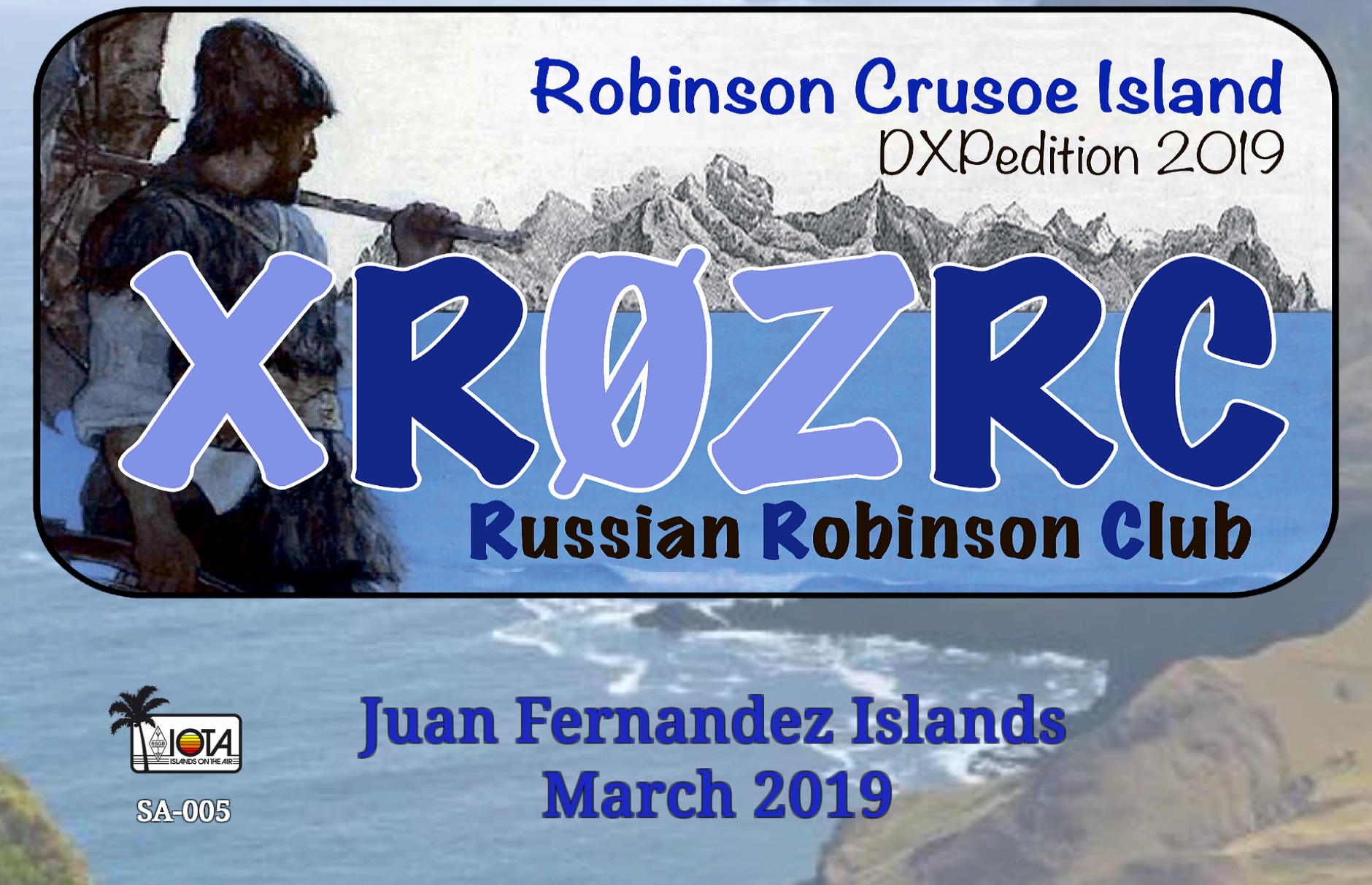 Enables operators to search the XR0ZRC DXpedition log online, a service facilitated by **Club Log**. This tool allows for rapid **QSO verification**, confirming contacts made with the XR0ZRC entity. Users can input their callsign and other contact details to ascertain if their signal report and time match the DXpedition's records, a critical step for award applications like DXCC. The platform offers a straightforward interface for checking log entries, which is particularly useful for those chasing new entities or band slots. It integrates seamlessly with the broader Club Log ecosystem, providing a reliable method for operators worldwide to confirm their DX contacts without requiring a login, reflecting the utility of real-time log updates in the amateur radio community.
 -
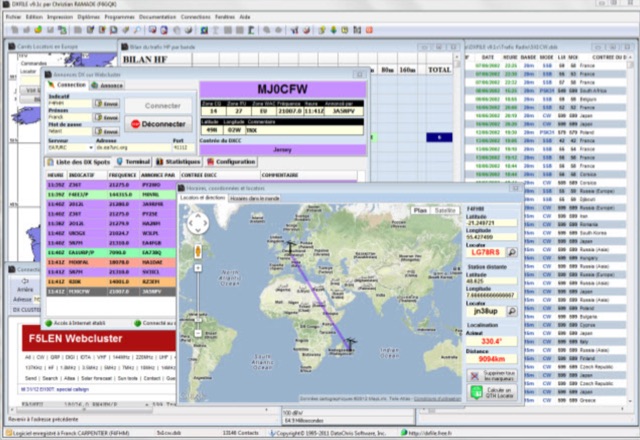 DXFile is a Windows shareware application designed for amateur radio operators, providing comprehensive log management capabilities. The software, developed in Pascal, facilitates real-time and deferred QSO entry, automatically populating fields like frequency, mode, and DXCC country based on user input and system time. It includes features for searching, modifying, and deleting QSO records, with options to sort logs by date, callsign, or entry order. The program offers various printing functions, including QSL card labels in multiple formats, and can generate standard logbook printouts. Beyond basic logging, DXFile integrates modules for tracking progress towards major operating awards such as DXCC, _IOTA_, WAZ, WAS, DDFM, and DIFM. It provides detailed summaries of contacts by band and mode, including graphical representations of HF traffic. A dedicated QSL Manager module assists in processing received QSLs, allowing users to mark confirmations and print multi-line QSL labels. The application also incorporates a DXCC list viewer, which can be updated to ensure accurate country and zone data for logging and award tracking. A distinctive feature is its HF propagation prediction module, which calculates optimal frequencies and signal levels for paths between **250 km** and **6000 km**, considering both E and F layer ionospheric conditions. This module helps operators determine the best times for long-distance contacts. Additionally, DXFile includes a _Web-Cluster_ interface, enabling connection to various DX cluster servers like DXLITE, DXSCAPE, and NC7J for real-time spot information.
 -
 Documents the A35EU DXpedition to Tonga, specifically targeting the _IOTA OC-049_ Tongatapu group during 2018. The resource outlines the operational bands from 10 to 160 meters and the primary modes utilized, including _CW_, _SSB_, RTTY, and FT8. It provides essential information for DXers interested in confirming contacts with this rare entity, detailing the logistical aspects of the operation and the specific island group activated. This page serves as an archive for the A35EU operation, offering QSL update information and confirming that all log queries were processed and a fresh log uploaded to _Clublog_. Such details are crucial for operators seeking to verify their contacts and apply for awards like DXCC or IOTA, providing a definitive record of the expedition's activity and post-operation administrative status.
 -
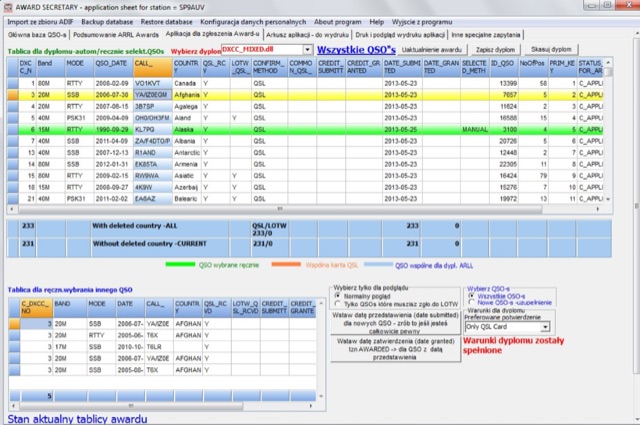 Program for do application and endorsement for all ARRL awards-30 awards-18 for DXCC -12 for others and 8 special querry (how long I'm waiting for QSL. You can merge several awards and endorsement in a one application and upload adif file to ARRL page by ON-LINE method. Offering optimization task for cost checking QSO.Cooperating CLUBLOG
 -
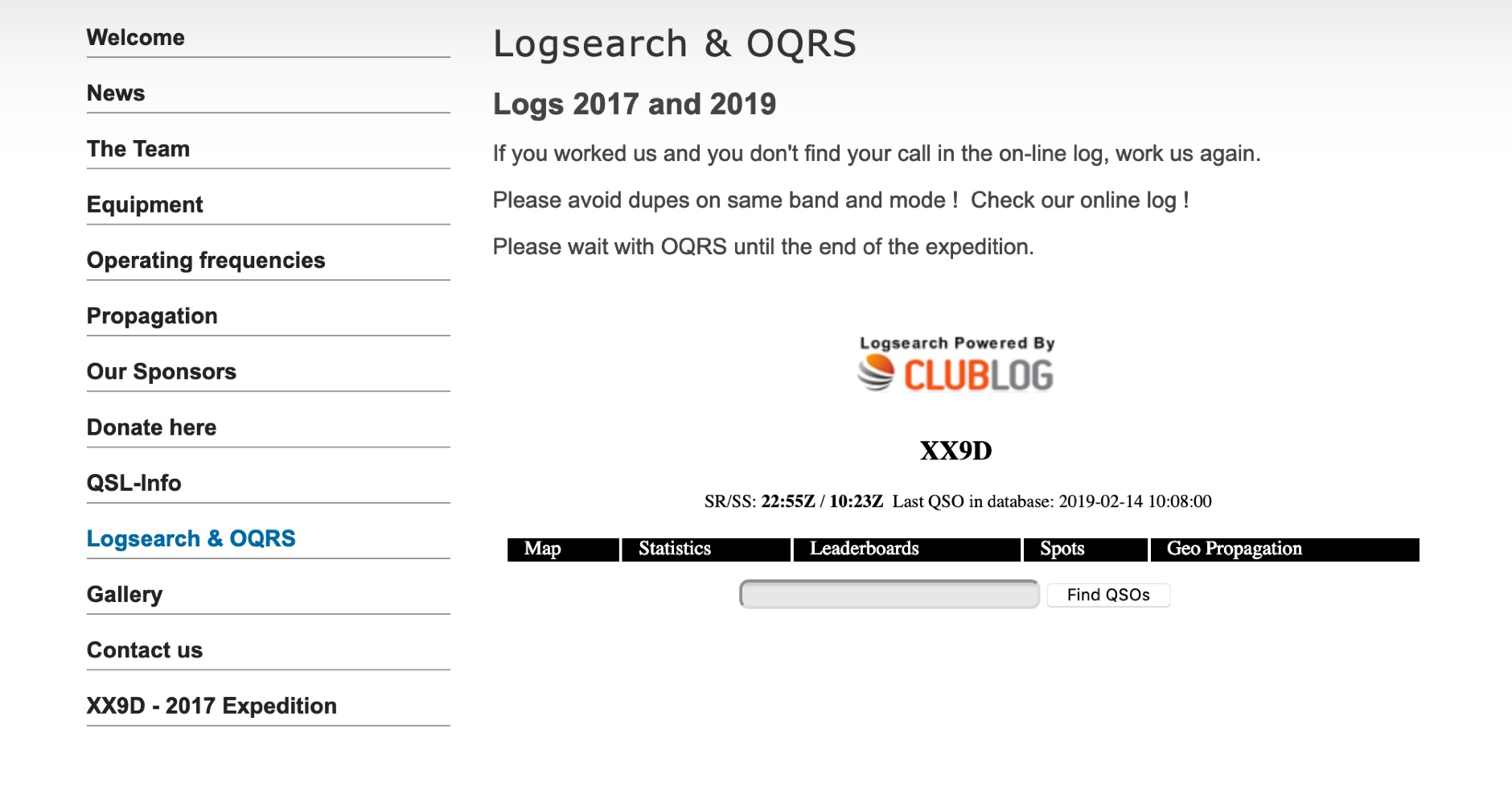 The XX9D Log Online provides a direct log search function for the DXpedition to Macao, specifically detailing operations conducted in 2017 and 2019. This service allows amateur radio operators to verify their contacts (QSOs) with XX9D, a critical step for QSL card management and award applications. Users are explicitly advised to consult the online log to prevent duplicate contacts on the same band and mode, optimizing efficiency during active DXpedition periods. This online tool supports the "DX Code Of Conduct," promoting ethical operating practices within the amateur radio community. The platform facilitates the Online QSL Request System (OQRS), streamlining the process for requesting QSL cards without the need for traditional bureau or direct mail methods. Operators are instructed to defer OQRS submissions until the conclusion of the DXpedition, ensuring all logs are finalized. The log search interface is powered by CMSimple, a content management system, indicating a straightforward, database-free web application. The resource is designed for ease of access, providing a clear method for DXers to confirm their contacts and manage QSL requests efficiently.
 -
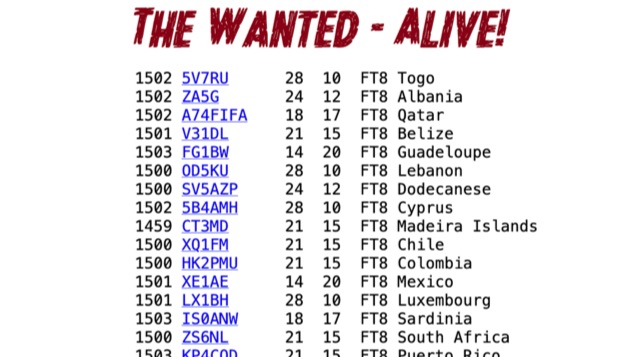 The Wanted Alive (TWA) by OH2BUA is an online DX cluster service specifically tailored for digital mode enthusiasts, presenting real-time DX spots with a unique ranking system. Unlike traditional clusters, TWA sorts spots by decreasing DXCC most-wanted ranking, allowing operators to prioritize rare entities. It integrates data from various sources, including PSK Reporter and RBN, to provide a comprehensive view of current propagation conditions for modes like FT8, FT4, and JS8. This approach helps DXers quickly identify and pursue high-value contacts, optimizing their time on the air. OH2BUA's TWA provides a practical application for serious DXers by filtering the noise and highlighting the most sought-after DXCC entities. The service's focus on digital modes reflects the growing popularity of these efficient, low-power communication methods, offering a specialized tool that complements general-purpose DX clusters. By presenting propagation information through the lens of DXCC rarity, TWA assists operators in achieving DXCC awards and improving their overall DXing efficiency, particularly during contests or limited operating windows.
 -
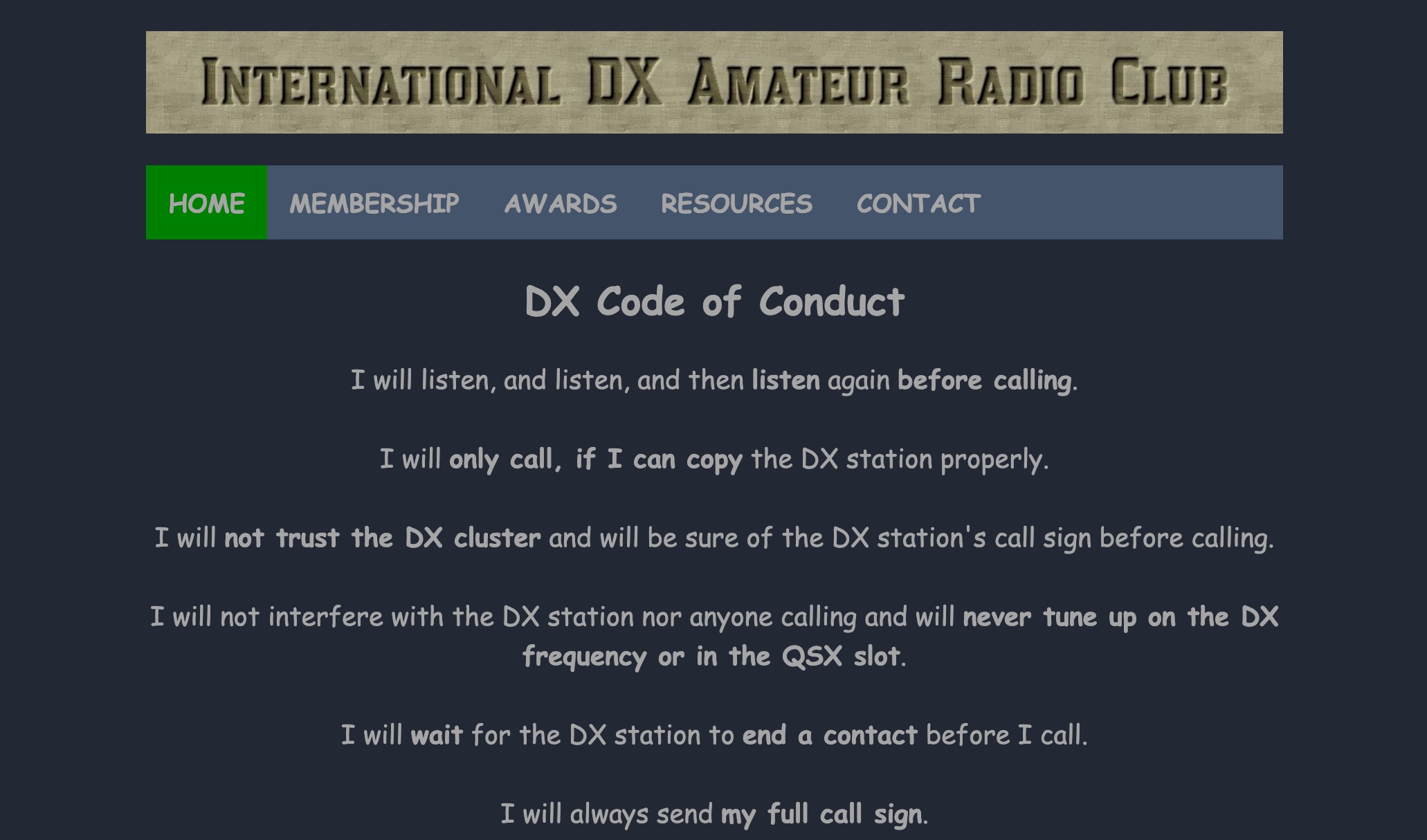 The International DX Amateur Radio Club provides a structured environment for amateur radio operators interested in long-distance communication. The club offers a variety of awards, including the DX Countries Award, DX United States Award, and DX Continents Award, among others. These awards recognize achievements in contacting stations across different geographical areas, such as Europe, Africa, South America, and Asia. The club also supplies resources like DX Spots, Grey Line Map, and Solar Data to assist operators in optimizing their communication strategies. The DX Code of Conduct emphasizes disciplined operating practices. Operators are encouraged to listen carefully before transmitting and ensure they have correctly identified the DX station's call sign. The guidelines advise against interfering with ongoing communications and stress the importance of patience, such as waiting for the DX station to complete a contact before calling. Operators are reminded to send their full call sign and avoid continuous calling, maintaining respect for fellow operators to foster a cooperative amateur radio community. DXZone Technical Profile: DX Awards | DX Code of Conduct | Grey Line Map
 -
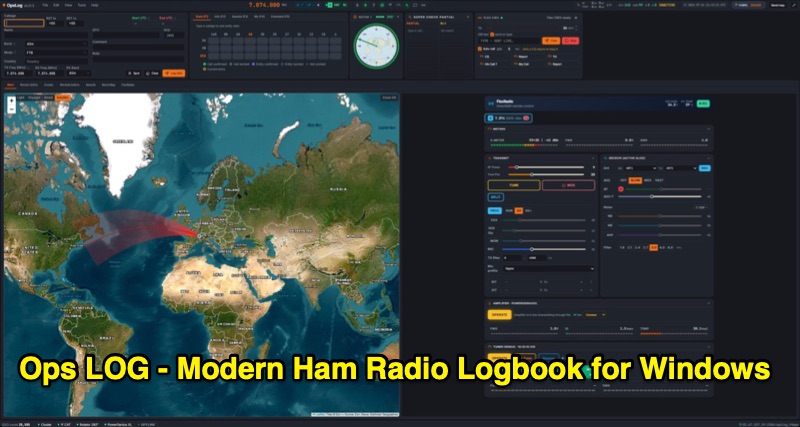 OpsLog is a modern amateur radio logbook application for Windows, designed to consolidate station operations into a single, integrated interface. It provides fast, single-strip QSO entry with automatic lookup from QRZ.com or HamQTH, populating callsign, name, QTH, and grid square. The software offers real-time CAT control supporting OmniRig, native FlexRadio/SmartSDR, Icom CI-V (via USB or internet), and TCI protocols. Key logging features include ADIF 3.1.7 compliance, offline DXCC resolution, a worked-before matrix, and dupe detection. It also incorporates a great-circle map for short/long path calculations and a clickable rotor compass, displaying antenna direction accurately. The application integrates DX cluster functionality with multiple server connections, band map spot display, and customizable alert rules for callsign, country, band, mode, or spotter, delivering notifications via sound, on-screen alerts, and email. OpsLog tracks numerous awards such as DXCC, WAS, WAZ, WAC, WPX, IOTA, POTA, SOTA, WWFF, and DDFM, with synchronization capabilities for ClubLog, LoTW, QRZ.com, and eQSL. For contesting and multi-operator environments, it offers serial number auto-fill, enforced contact windows, live dupe flagging, and shared MySQL logbook support for real-time status updates among operators. Additionally, it includes a QSL card designer with automated layout suggestions.
 -
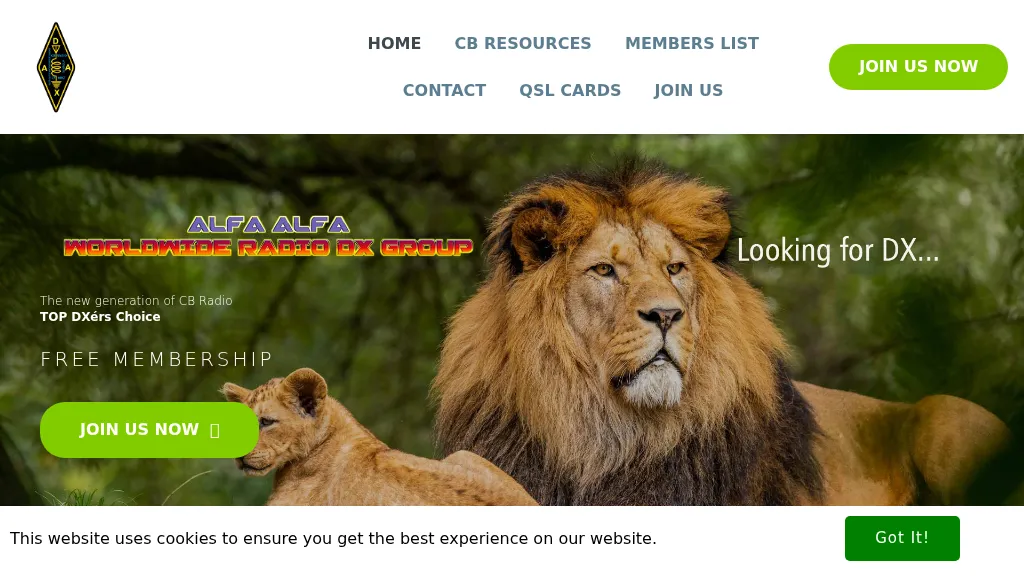 The Alfa Alfa (AA) DX Group, established on March 1, 1974, in the Netherlands, is presented as the pioneering Dutch 27mc DX group. It details the group's historical significance, particularly its revolutionary use of the '000' club callsign (19AA000) which influenced international 11-meter group callsign structures. The resource outlines the group's re-establishment in 2024, inviting new active CB operators and _Short Wave Listeners_ (SWL) to join its ranks, emphasizing a free worldwide membership model. Membership requirements are specified, focusing on active participation with an assigned AA callsign. The group provides QSL card management services, with options for direct QSL requests requiring **3 USD** and a Self-Addressed Envelope, or **4 USD** via PayPal for expenses. It also mentions upcoming initiatives like an _AA DX Contest_ and an award program, with sections for certificates and plaques currently under construction. The site also lists useful CB resources, including an 11M DX Cluster and an 11M Callsign Database, and provides contact information for the founder, 19AA001 Mr. Theo, and the Worldwide QSL Manager, 178AA001 Mr. Emil, based in Bulgaria.
 -
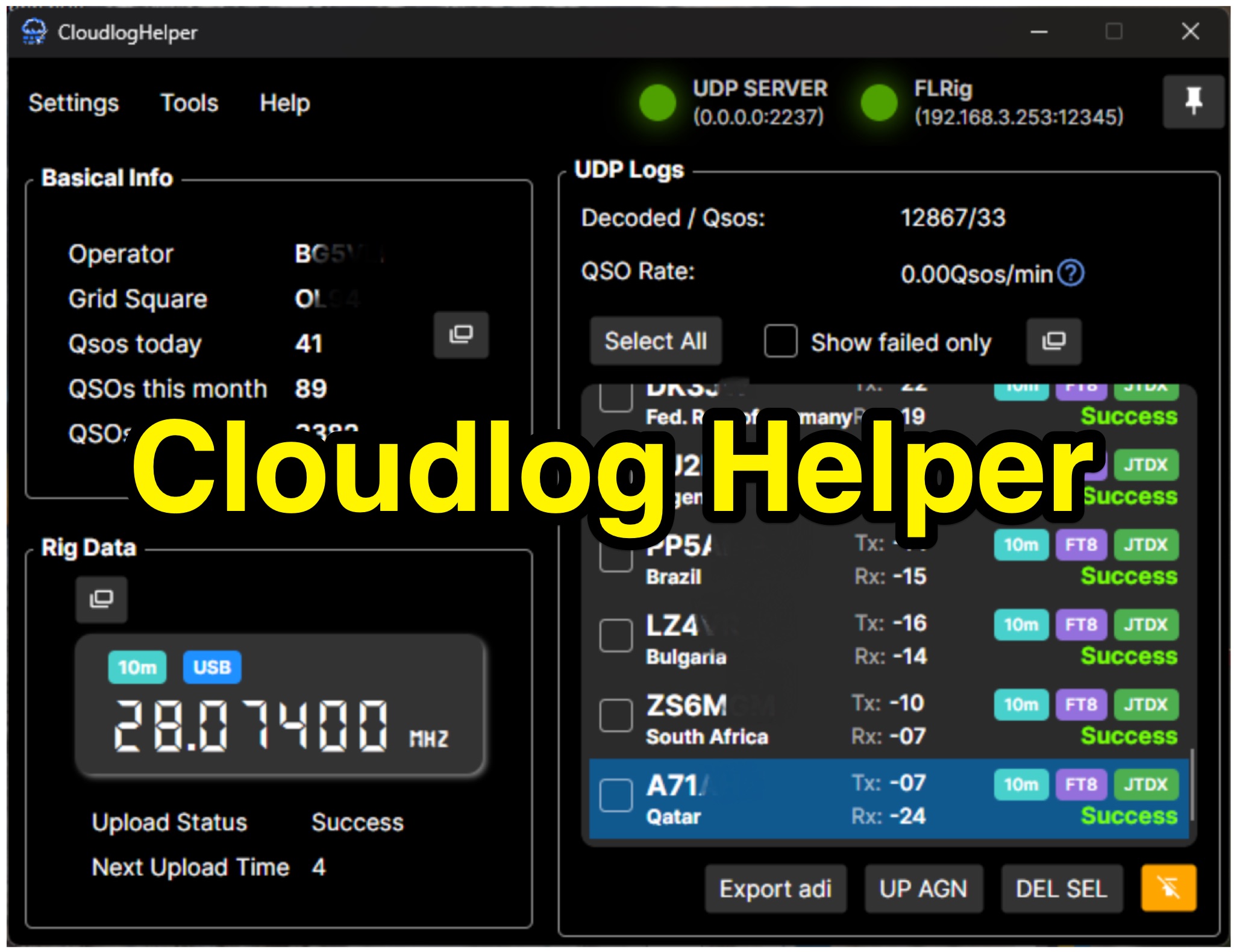 Cloudlog Helper addresses the need for streamlined, automated logging of amateur radio contacts, particularly for operators utilizing digital modes like FT8 or those with limited system resources. This utility syncs real-time rig data and QSO information to various logging platforms, including _Cloudlog_ and Wavelog, supporting mainstream transceivers. It integrates seamlessly with popular digital mode software such as JTDX and WSJT-X, ensuring that contact details are captured and uploaded without manual intervention. Operators can compile the software themselves and configure essential settings, including their Maidenhead locator, Cloudlog server address, API key, and station ID. The application's design prioritizes efficiency and portability, making it a practical solution for hams who prefer automated logging processes. While an unofficial community project, Cloudlog Helper provides a robust framework for automating the often-tedious task of logging, supporting multiple logging services beyond its primary integration. It offers a direct method for hams to maintain accurate and up-to-date logbooks with minimal effort, potentially improving their DXCC or other award tracking by ensuring no QSO is missed.
 -
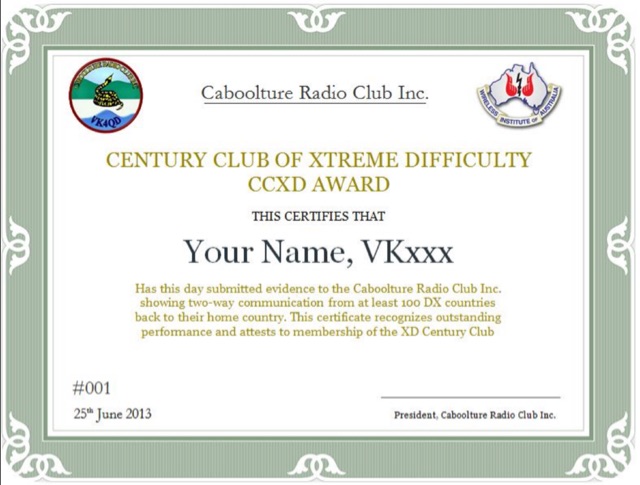 The CCXD Award (The Century Club of eXtreme difficulty is one of the most difficult awards to achieve. You are required to operate your home country from 100 DXCC countries. Founded in 2013, awards certificate is still awaiting presentation.
 -
 The H49A DXpedition to the Solomon Islands (OC-047, IOTA OC-047) is scheduled for a 13-day operational period, commencing on October 9th and concluding on October 21st, 2026. This **DXpedition** will feature a six-member team, including Rolando (9A3MR) as Team Leader, Zrinko (DK8ZZ/YT3ZZ), Mladen (9A2NA), Frane (9A3CJY), Kristijan (9A4WY), and Livio (9A7Y). Operations are planned across all **HF bands** and 6 meters, utilizing CW, SSB, and FT8 modes. This activity provides a significant opportunity for radio amateurs worldwide to log the Solomon Islands, a sought-after DXCC entity. The team aims to maximize contacts across various bands and modes, contributing to global DXCC and IOTA awards. Specific QSL routes and logistical details are anticipated to be published closer to the operational dates.
 -
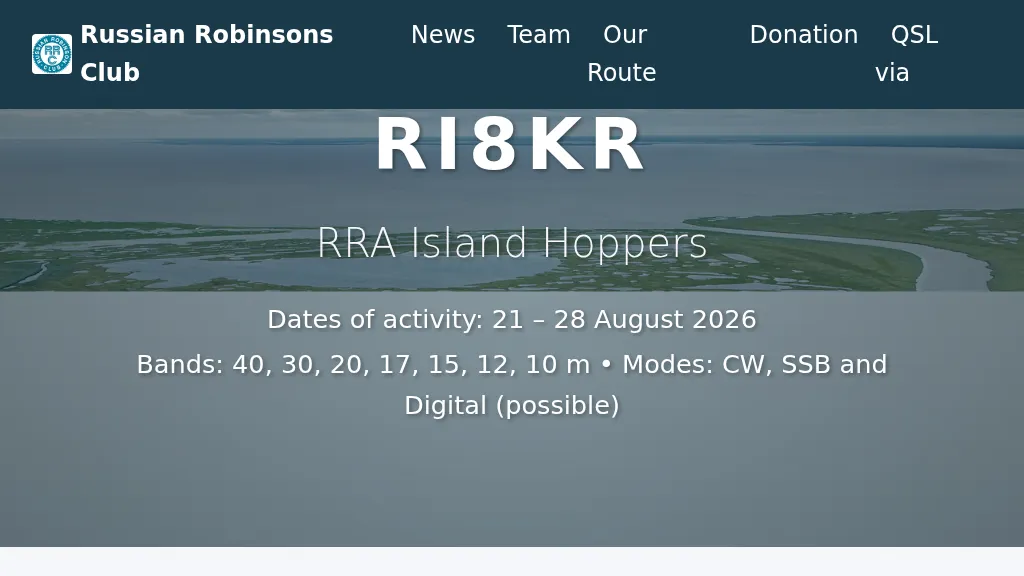 Presents the RI8KR RRA Island Hoppers DXpedition, detailing its schedule from August 21 to 28, 2026, and its objective to activate four new island groups in the Ob Bay of the Kara Sea. The expedition targets specific Russian River Club (RRC) references: RR-06-66 (Ob River Delta Islands West), RR-06-67 (Ob River Delta Islands North-West), RR-06-68 (Ob River Delta Islands North), and RR-06-69 (Ob River Delta Islands Center/North). Operators Vladimir, RK8A, and Igor, UA3EDQ, will operate on 40, 30, 20, 17, 15, 12, and 10-meter bands using CW, SSB, and potentially Digital modes. Three of these activations contribute to IOTA AS-109, an entity not activated since 2013. The page provides QSL information via RZ3EC (Eugene Shelkanovtsev, P.O. Box 70, Orel 302028) and online platforms including RRAWARD.RU, LoTW, RDAWARD.RU, and CFMRDA.RU. It lists supporters of the expedition, acknowledging contributions from various amateur radio operators. Recent updates confirm the purchase of airplane and boat tickets for the team's travel to Salekhard and Salemal/Panayevsk, indicating active preparation for the August 2026 operation.