Search results
Query: iss contacts
Links: 59 | Categories: 1
-
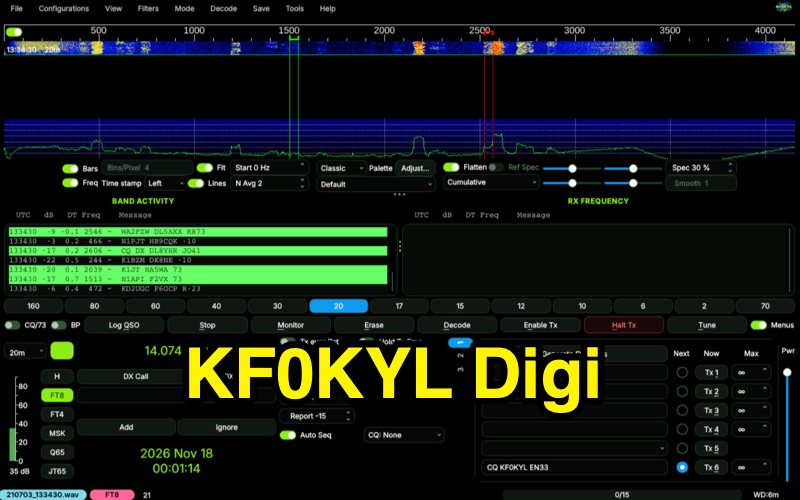 The KF0KYL-Digi GitHub repository provides a software solution for **weak-signal communication** in Amateur Radio, specifically focusing on various digital protocols. This resource includes modules for audio processing, signal decoding, detection, and modulation, alongside components for network communication, user interface management, and logging. The repository structure, with files like `README-WSJT-X.md` and `CMakeLists_wsjtx.txt`, indicates a foundation derived from the established WSJT-X codebase, suggesting a robust and well-tested framework for digital signal processing. This software supports popular weak-signal modes such as **WSPR** and Map65, with specific configuration files present for these applications. The inclusion of `example_log_configurations` and `cty.dat` facilitates practical logging of contacts and country identification, essential for DXing. Furthermore, the `all2cab.py` script offers utility for converting log data, likely into the Cabrillo format, which is crucial for contest submissions and tracking progress towards various operating awards.
-
 The _Colorado QSO Party_ is scheduled for **September 12, 2026**. This amateur radio event focuses on contacts with stations operating within Colorado. The _Grand Mesa Contesters of Colorado_ sponsors the event. Operators may pursue contacts across all **64 counties** of Colorado. Activations for programs such as POTA and SOTA are permissible during the event period. Logs generated from these activations are eligible for submission to both the _Colorado QSO Party_ and the associated operating program. DXZone Focus: QSO Party | Colorado | Mixed | All Amateur Bands
-
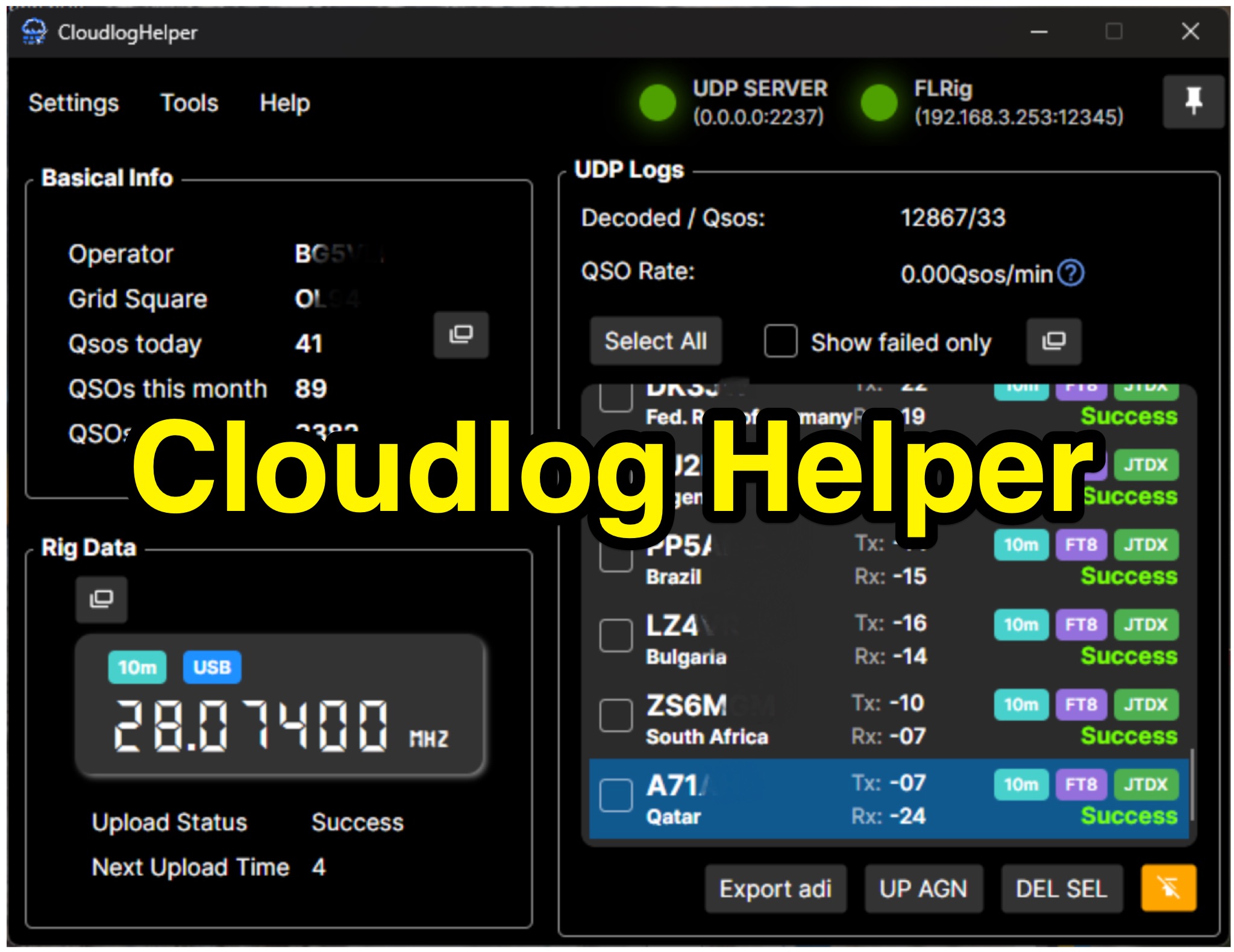 Cloudlog Helper addresses the need for streamlined, automated logging of amateur radio contacts, particularly for operators utilizing digital modes like FT8 or those with limited system resources. This utility syncs real-time rig data and QSO information to various logging platforms, including _Cloudlog_ and Wavelog, supporting mainstream transceivers. It integrates seamlessly with popular digital mode software such as JTDX and WSJT-X, ensuring that contact details are captured and uploaded without manual intervention. Operators can compile the software themselves and configure essential settings, including their Maidenhead locator, Cloudlog server address, API key, and station ID. The application's design prioritizes efficiency and portability, making it a practical solution for hams who prefer automated logging processes. While an unofficial community project, Cloudlog Helper provides a robust framework for automating the often-tedious task of logging, supporting multiple logging services beyond its primary integration. It offers a direct method for hams to maintain accurate and up-to-date logbooks with minimal effort, potentially improving their DXCC or other award tracking by ensuring no QSO is missed.
-
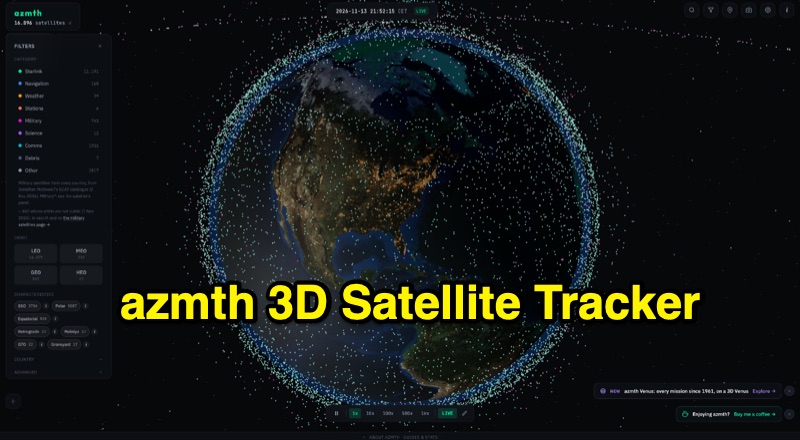 Demonstrates a sophisticated, free 3D globe in the browser that visualizes every active satellite live, leveraging CelesTrak orbital data for precise positioning. This interactive tool enables users to track a vast array of satellites, from the International Space Station (ISS) and Starlink constellations to dedicated amateur radio satellites like SO-50, RS-44, and GreenCube. The platform provides real-time orbital paths and allows for detailed observation of satellite movements relative to Earth. Users can input their specific location to generate accurate pass predictions and determine visibility windows for any selected satellite, a crucial feature for satellite operators planning contacts. The interface is designed for intuitive exploration, allowing manipulation of the 3D globe and selection of individual satellites for detailed information. The tracker's ability to display over 16,800 active satellites simultaneously offers a comprehensive view of the orbital environment, aiding in understanding satellite dynamics and optimizing amateur radio satellite operations.
-
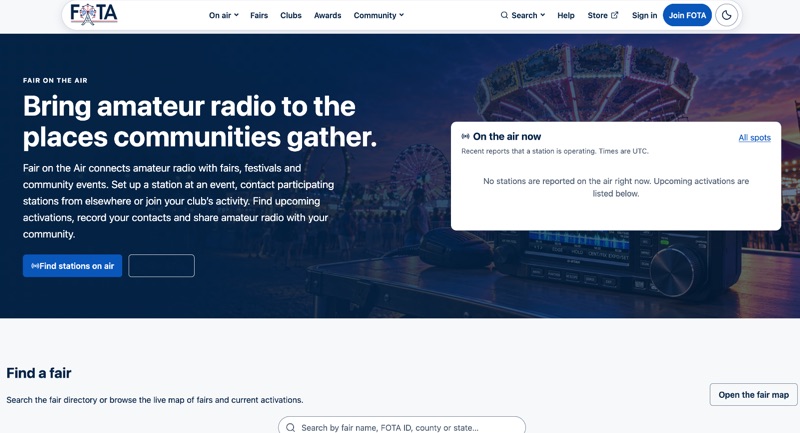 The Fair on the Air (FOTA) program integrates amateur radio operations with community gatherings, such as local fairs and festivals. It provides a structured framework for radio amateurs to set up portable stations at these public events, make contacts with other participating stations, and introduce the hobby to a broader audience. The platform offers tools for locating upcoming activations, logging radio contacts, and tracking participant progress toward various awards. FOTA supports two primary modes of participation: "hunting" and "activating." Hunters locate active FOTA stations via a real-time spots page and establish radio contacts from any location. Activators, conversely, identify eligible fairs, plan their station setup, and log QSOs made from the event site. The system automatically records these contacts and applies them toward specific award criteria. Participants can earn Hunter, Activator, and Club awards, with progress and certificate issuance managed directly by the FOTA platform. The site features a directory of fairs, a live map of current activations, and a news section detailing program updates and recent activities, such as the K9J planned activation at the Jennings County Fair.
-
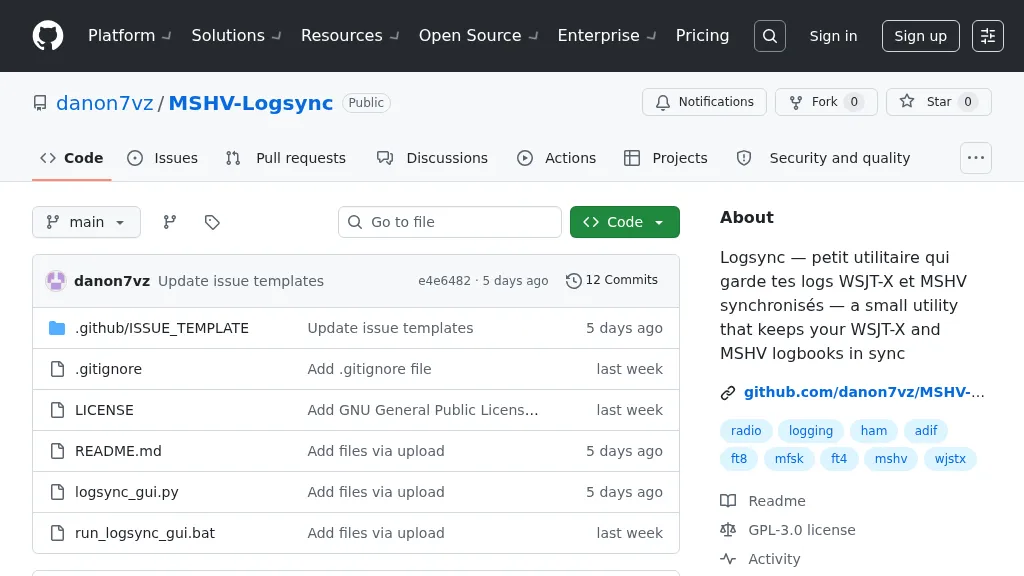 Manages log consistency across multiple digital mode applications, specifically addressing the common issue of log divergence between _MSHV_ and _WSJT-X_ for FT8, FT4, and other weak-signal modes. This prevents duplicate contacts and ensures accurate DX tracking when using both programs. The utility computes a deduplicated union of entries from both `_mshvlog.edim` and `_wsjtx.log` files, then updates each log with missing QSOs. It supports a deduplication key based on callsign, date, time (to the minute), band (derived from frequency), and mode. The tool is available as a standalone Windows executable or a Python version requiring Python 3 with _Tkinter_. Users select log folders, close both applications, and initiate the 'Merge' function. The process includes automatic timestamped backups of log files before any modifications, safeguarding QSO data.
-
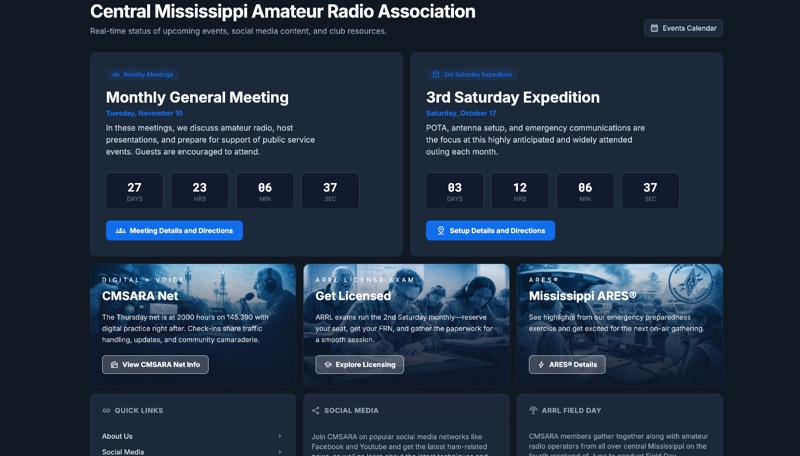 Illustrates the activities of the Central Mississippi Amateur Radio Association (CMARA), a vibrant club fostering amateur radio in central Mississippi. The organization regularly convenes for monthly general meetings, which feature discussions on various ham radio topics and presentations, alongside planning for public service support. A notable recurring event is the "3rd Saturday Expedition," focusing on _POTA_ (Parks On The Air) activations, antenna deployment, and practical emergency communications drills. CMARA maintains a consistent on-air presence with a weekly Thursday net at 2000 hours local time on 145.390 MHz, incorporating both voice and digital modes for traffic handling updates and community building. The club also facilitates _ARRL_ license examination sessions on the second Saturday of each month, providing essential guidance on reservations, obtaining an FRN, and required documentation. Furthermore, the resource highlights Mississippi _ARES_® (Amateur Radio Emergency Service) activities, showcasing emergency preparedness exercises and upcoming on-air gatherings. The site provides quick access to club information, including "About Us," "Social Media," and "Field Day" operations, specifically mentioning CMARA members' participation in _ARRL Field Day_ each June, making contacts across North America.
-
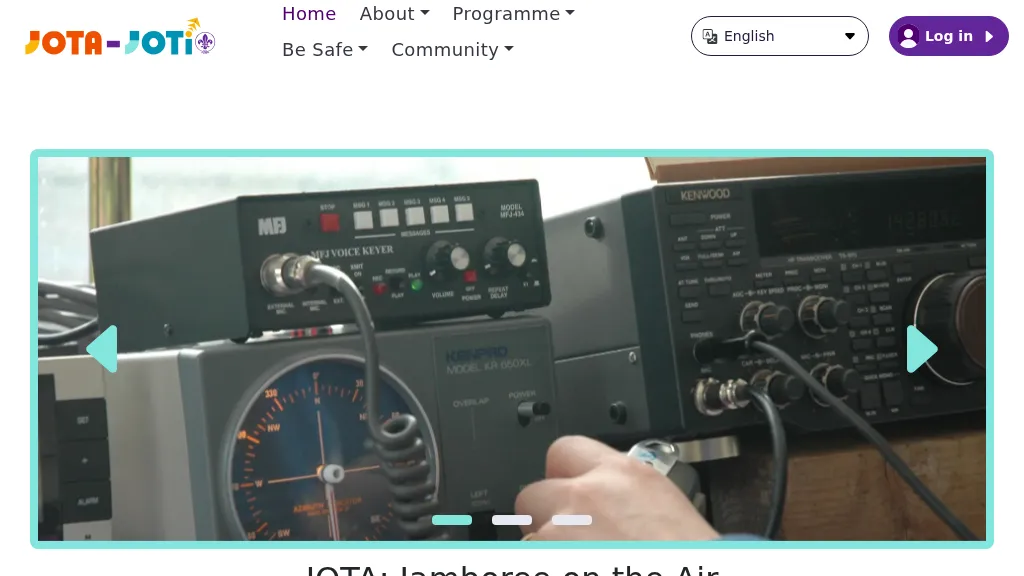 Jamboree on the Air (JOTA) is an annual Scouting event held on the third full weekend of October, coinciding with Jamboree on the Internet (JOTI). This global event facilitates communication among Scouts worldwide using amateur radio, enabling participants to exchange Scouting experiences and ideas over short-wave signals. It serves as an educational platform for Scouts to learn about wireless radio techniques and basic electronics. Participation necessitates the support of at least one licensed amateur radio operator or a local amateur radio club. National amateur radio organizations can assist in locating local operators. Licensed operators, having passed technical examinations, may host Scouts at their stations, transport equipment to Scout headquarters, or establish temporary stations in various locations. Depending on national regulations, Scouts may speak directly over the air, or special permission might be required, with the licensed operator making contacts on their behalf. Operators are encouraged to familiarize themselves with Scouting principles to facilitate more informative and engaging exchanges.
-
 The State QSO Party Challenge is an annual program recognizing amateur radio operators' participation in U.S. State and Canadian Province QSO parties. To qualify for the SQP Challenge, participants must make at least two QSOs in a minimum of two SQP Approved QP contests and submit their scores to 3830Scores.com. The site details the SQP Mobile/Portable Challenge, an overlay competition encouraging mobile/portable operations, with scoring identical to the main SQP Challenge: (Number of QPs entered) x (Number of QSOs) = Score. Eligibility for the Mobile/Portable Challenge requires prior qualification for the SQP Challenge. The website also mentions a State QSO Party Club Challenge and provides contact information for questions. The 2026 SQP Challenge will be dedicated to Stan Zawrotny, K4SBZ, a key team member instrumental in the program's development. Participants are recognized for reaching five levels of achievement: Bronze, Silver, Gold, Platinum, and Diamond. Scores are calculated by totaling reported contacts and multiplying by the number of SQPs entered year-to-date, encouraging more entries and longer operating times. The Worked All QSO Parties (WAQP) program, sponsored by Icom America, offers certificates for participating in at least 50% of approved contests, with a goal of participating in all. WAQP requires submitting a log with at least two valid contacts to the contest manager, in addition to the 3830scores.com submission.