Search results
Query: radio review
Links: 171 | Categories: 39
Categories
- Radio Equipment > Scanners > Radio Shack PRO-94
- Radio Equipment > Scanners > Radio Shack PRO-95
- Radio Equipment > Scanners > Radio Shack PRO-97
- Radio Equipment > Reviews and Comparisons
- Radio Equipment > Antenna Tuners
- Radio Equipment > Antenna Tuners > AT-Auto
- Radio Equipment > VHF-UHF Handhelds > Baofeng UV-3R
- Radio Equipment > HF Portable Antenna > Buddipole
- Operating Modes > Digital Modes
- Radio Equipment > Receivers > Drake R-4C
- Radio Equipment > HF Transceivers > Elecraft K4
- Radio Equipment > Microphones > Heil PR-781
- Radio Equipment > HF Amplifiers
- Radio Equipment > HF Transceivers
- Radio Equipment > HF Vertical Antenna
- Radio Equipment > VHF-UHF Mobile > Icom IC-2300H
- Radio Equipment > VHF-UHF Mobile > ICOM IC-2720H
- Radio Equipment > HF Transceivers > Icom IC-7000
- Radio Equipment > HF Transceivers > Icom IC-703
- Radio Equipment > HF Transceivers > Icom IC-7600
- Radio Equipment > HF Transceivers > Icom IC-9100
- Radio Equipment > VHF-UHF Handhelds > Icom ID-51A
- Radio Equipment > VHF-UHF Mobile > ICOM ID-880H
- Radio Equipment > HF Transceivers > Kenwood TS-890S
- Technical Reference > Keyers
- Radio Equipment > Receivers
- Radio Equipment > HF Portable Antenna > Super Antennas MP-1
- Radio Equipment > HF Transceivers > Ten-Tec Orion
- Radio Equipment > VHF-UHF Handhelds > TYT MD-2017
- Radio Equipment > VHF-UHF Handhelds > Wouxun KG-UV8D
-
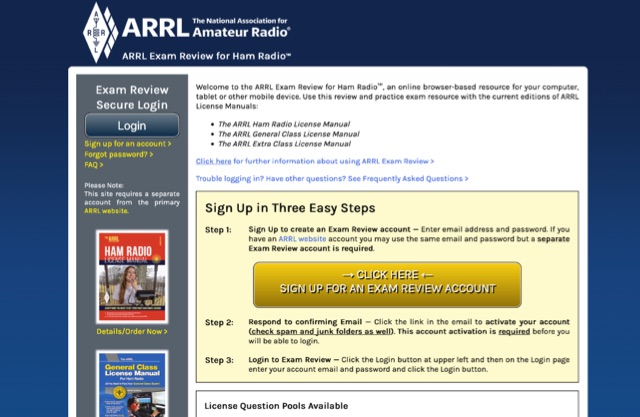 Online browser-based resource for your computer, tablet or other mobile device. Use this review and practice exam resource with the current editions of ARRL License Manuals.
 -
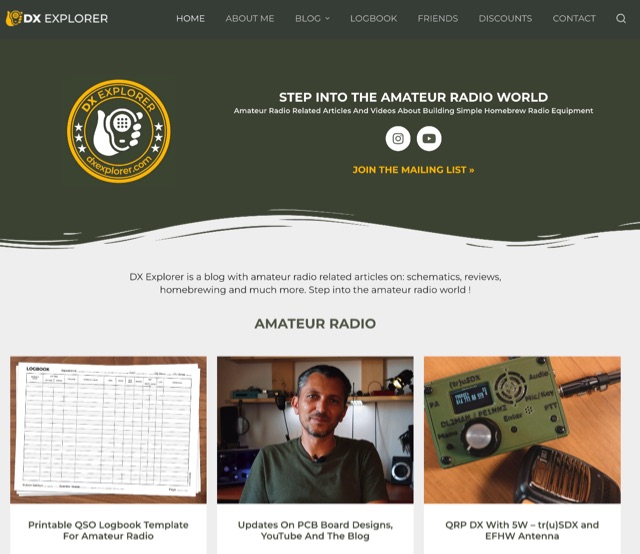 The _DX EXPLORER_ blog serves as a personal chronicle of amateur radio experiences, particularly emphasizing homebrew projects and DIY radio equipment. It provides insights into constructing various transceivers and receivers, such as the Minimalist CW Transmitter and the Sputnik Regenerative Receiver, offering practical guidance for those new to the hobby. The content often details the assembly and operation of low-cost kits like the $3 Pixie Transceiver, demonstrating accessible entry points into radio construction. Beyond building, the site also features reviews of commercial gear, including the Tidradio TD-H8 Radio, providing an operator's perspective on performance and utility. The author, YO6DXE, shares a learning journey, aiming to inspire fellow enthusiasts to engage with the technical aspects of amateur radio. This resource covers a range of topics from basic circuit explanations to practical operating tips, fostering a deeper understanding of radio principles. The blog's focus on personal experimentation and project documentation makes it a relevant resource for hams interested in hands-on learning.
 -
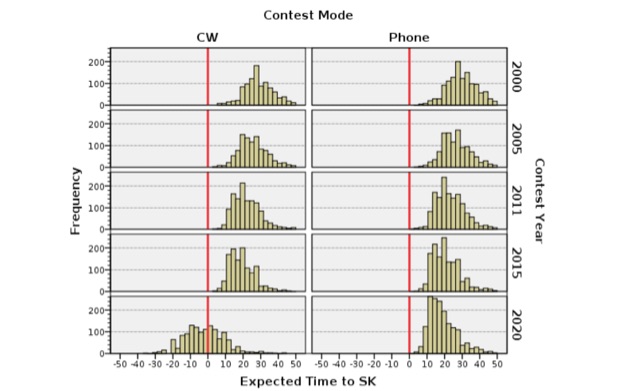 Examining the demographic shifts within amateur radio, particularly concerning **radiosport** participation, this resource analyzes survey data from the National Contest Journal (NCJ) and two regional ARRL surveys. It focuses on the relationship between age and engagement in contesting, presenting findings that suggest older amateur radio operators tend to participate in more contests annually. The author, a spatial demographer, details the methodology, including data consolidation, georeferencing, and statistical analysis performed in collaboration with Dr. Scott Wright K0MD, covering ARRL November Sweepstakes participants from 2000 to 2020. The analysis also addresses the limitations inherent in using voluntary response samples rather than random samples, which may influence the generalizability of the results. Furthermore, the resource investigates the preferred sources of contest information among different age groups, noting that older contesters frequently rely on traditional publications like the NCJ, while younger participants show a preference for online platforms. This demographic review provides insights into the evolving landscape of **amateur radio contesting** and the generational differences in information consumption.
 -
 John Lemay’s (G4ZTR) review of the Yaesu FT-847 offers a practical look at this all-mode transceiver, spanning 160m to 70cm, including 4m. While it falls short in dynamic range and sensitivity, its "shack-in-a-box" design shines for VHF DXing and multi-band use. Lemay shares hands-on tweaks, like calibrating 70cm with beacons and integrating footswitches for SSB and CW. The TX Inhibit feature simplifies sequencing with external gear. Despite minor flaws, the FT-847’s versatility and mod-friendly nature make it a solid pick for amateur radio enthusiasts craving flexibility.
 -
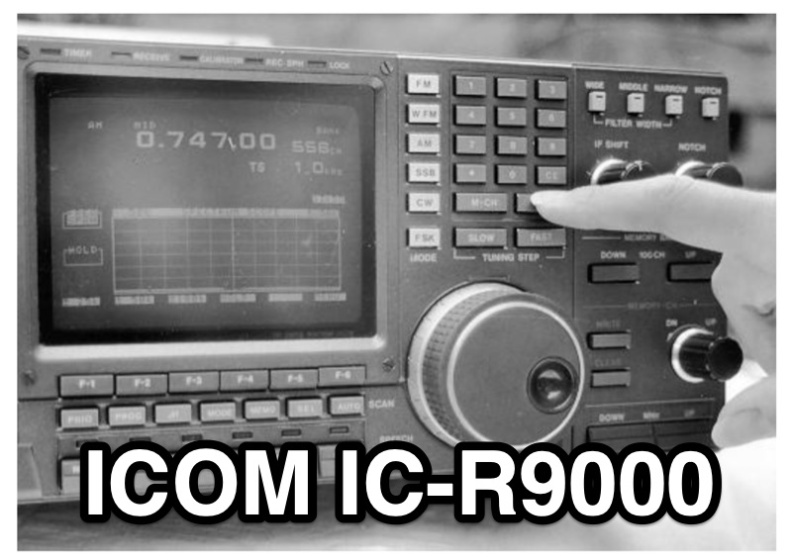 Assessing the ICOM IC-R9000 communications receiver, this review details its operational parameters and user experience for radio enthusiasts. Introduced in 1985, the IC-R9000 covers a broad frequency spectrum from 0.1 MHz to 1999.8 MHz, making it suitable for a wide array of listening activities from medium wave (MW) to VHF/UHF. Key performance metrics include a dynamic range of **102 dB** with the narrow SSB filter, crucial for discerning weak signals in crowded bands, and its substantial physical dimensions of 424 x 150 x 365 mm and 20 kg weight. The receiver's architecture supports various modes, though it notably lacks synchronous detection, a feature often desired for improved AM reception under fading conditions. It incorporates 1000 memory channels and robust scanning capabilities, facilitating efficient monitoring across its extensive frequency range. This analysis provides insights into the IC-R9000's capabilities and limitations, offering a historical perspective on a significant piece of amateur radio and shortwave listening hardware.
 -
 This page provides a detailed review of the ZB-4, 4 Band CW QRP Transceiver designed for QRP ham radio operations. It includes information on features, performance, and user experience with the ZB-4. The review aims to assist hams in making informed decisions about this transceiver model, highlighting its strengths and potential drawbacks.
 -
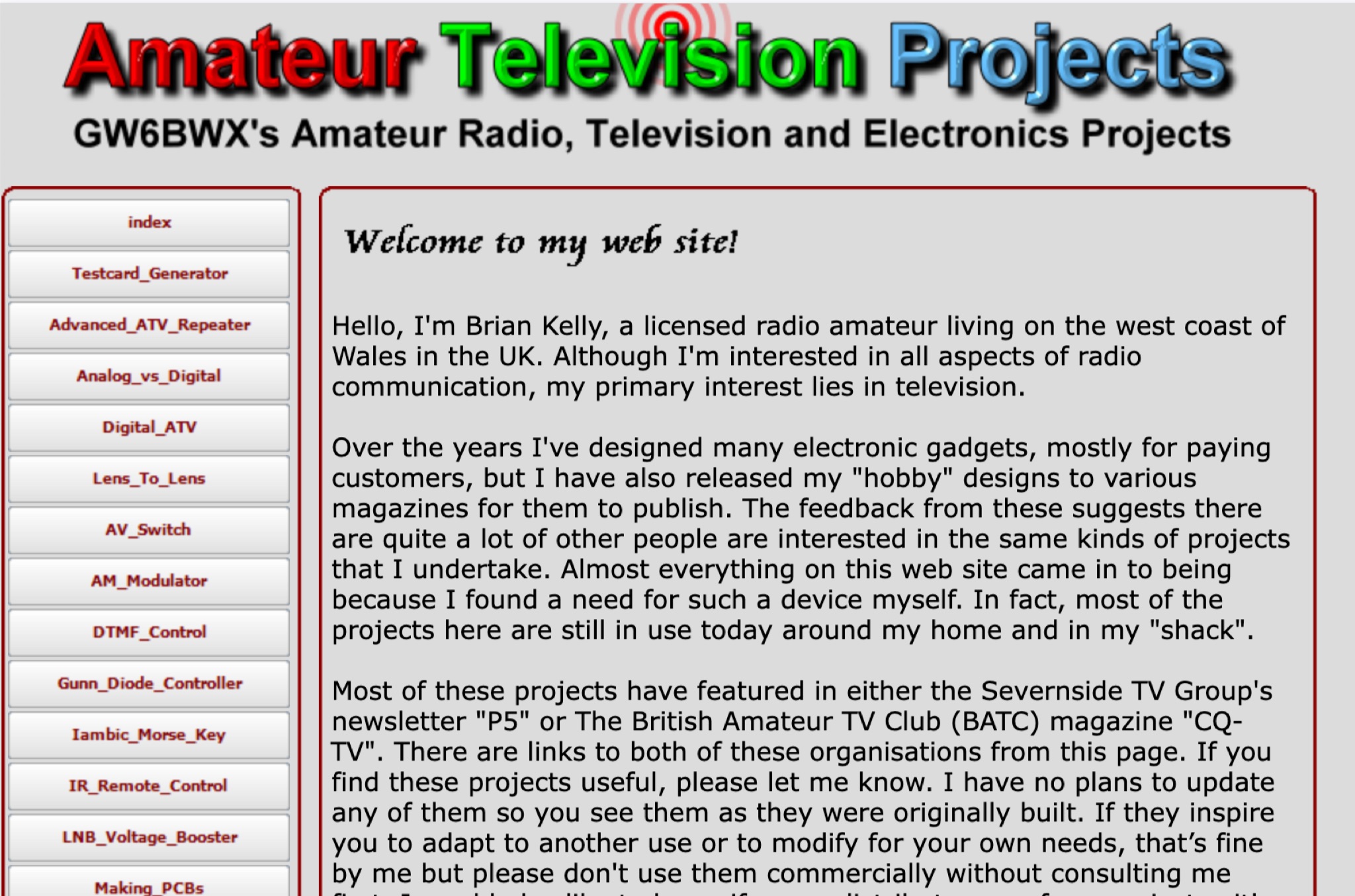 Explore a variety of ATV projects and resources for ham radio operators on ATV-Projects.com. Find helpful guides, tutorials, and tips to enhance your amateur radio experience. From antenna construction to equipment reviews, this site offers valuable information for hams looking to expand their knowledge and skills. Whether you're a beginner or seasoned operator, ATV Projects has something to offer for all levels of expertise.
 -
 This thoughtful review details ajourney from the stock Elecraft KXPD2 paddle to an innovative pressure-sensor alternative. The author candidly describes issues with their original paddle—intermittent operation and loosening screws—before discovering VK3IL's pressure-sensitive design through QST magazine. The construction process, using a PCB and components generously shared by the designer, proved straightforward despite challenging SMD soldering. What stands out is the clever DIY housing solution: a "sandwich" of closed-cell foam encased in heat-shrink tubing that fits comfortably in hand. The ergonomic design allows effective single-handed operation for portable SOTA activations. The successful implementation has rendered the original paddle obsolete, leaving only the task of covering the radio's paddle port.
 -
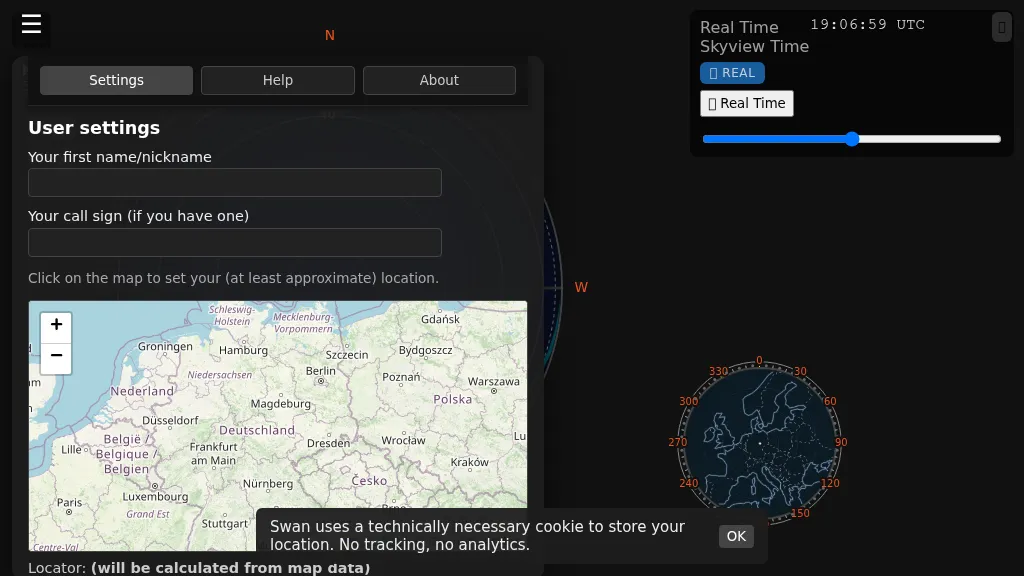 Swan provides a real-time, browser-based visualization of **meteor radiants** and forward scatter corridors, serving as a modern re-imagining of the classic Virgo meteor sky visualization tool. It displays meteor radiant and radio scatter geometry, offering both visual and numerical skyview data. The tool updates in real-time, showing current sky conditions and allowing users to pause and review specific timeframes for analysis of meteor shower activity and potential radio propagation paths. This enables operators to identify optimal windows for **meteor scatter** contacts. Operators can utilize Swan to predict and optimize their meteor scatter DX attempts by understanding the geometry between their station, meteor radiants, and potential receive stations. The interface presents critical data points for assessing forward scatter opportunities, which is crucial for maximizing short-duration meteor burst communications. By observing the real-time skyview, users can correlate meteor activity with observed signal enhancements, refining their operating strategies for specific meteor showers or random meteor pings.
 -
 The ICOM IC-R75, introduced in 1999, operates on 13.6 Volts DC and measures 241 by 94 by 229 mm. Its coverage spans from 30 kHz to 60 MHz, making it a versatile receiver for various bands. The review details available accessories, including optional filters and the **UT-106 DSP module**, which significantly enhances signal processing capabilities. Performance comparisons are drawn against other notable receivers such as the Drake R8B and earlier ICOM models, providing context for its audio quality and overall functionality. User feedback is integrated, offering practical insights into its daily operation and reception characteristics across the spectrum. This analysis offers an in-depth look at the IC-R75's technical capabilities and features, serving as a valuable reference for operators interested in this **legacy receiver**.
 -
 Established in 1964, IRCA is a dedicated club focused on the pastime of tuning into distant stations on the AM broadcast band (510-1720 kHz). The club's official publication, DX Monitor, is released 35 times annually. It is published weekly from October to March, twice in September and April, and monthly from May to August. DX Monitor includes members' loggings, articles covering radio stations, receiver reviews, technical pieces, DX tips, and other content of relevance to Broadcast Band DX enthusiasts. Additionally, IRCA is affiliated with ANARC.
 -
 An owner point of view of the Yaesu FT-818 QRP transceiver capable to work HF VHF UHF in CW, AM, LSB, USB, FM, PACKET.
 -
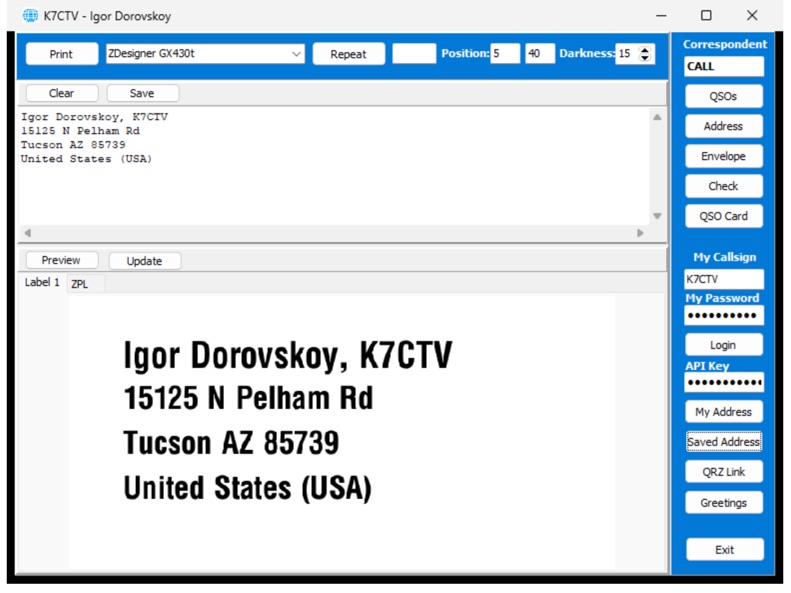 QRZ Label is a Windows application designed for amateur radio operators to generate QSL labels using _Zebra (ZPL)_ label printers. It interfaces directly with QRZ.com to retrieve callsign and address details, and can import QSO log data from the QRZ Logbook. The software then formats this information into various label types, including standard address labels, envelope labels, greeting labels, and multi-QSO confirmation cards, all featuring an on-screen tabbed preview. The application supports the creation of QR-code labels, specifically a "QRZ Link" type, which can streamline the QSL process by providing a scannable link to the contact's QRZ.com page. This functionality enhances the traditional QSL card exchange with modern digital convenience. Developed by K7CTV, QRZ Label offers a practical utility for hams managing their QSLing workflow, providing a **free** solution for printing professional-looking labels directly from their station data. The software is distributed as a signed Windows installer.
 -
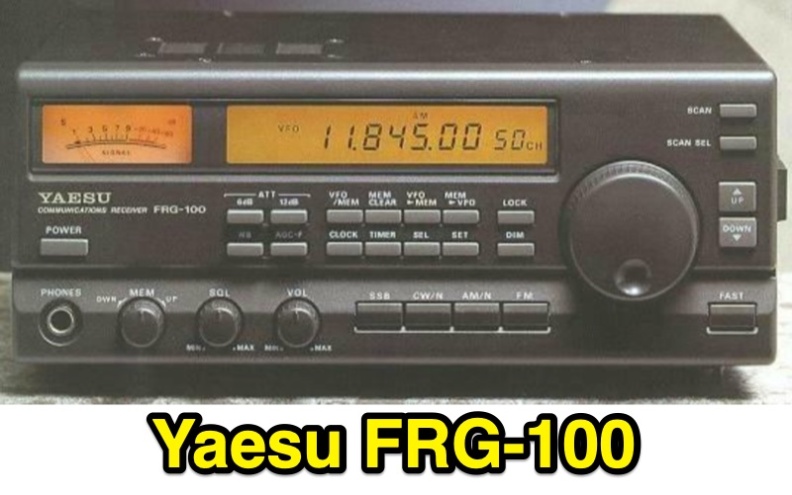 The **Yaesu FRG-100** shortwave receiver, introduced in 1992, operates across a frequency range of 50 kHz to 30 MHz, accommodating AM, LSB, USB, and CW modes, with an optional narrow-band FM capability. Its physical dimensions are 238 x 93 x 243 mm, with a weight of 3 kg, making it suitable for both portable and fixed station deployments. Power options include standard mains voltage or 12VDC, providing operational flexibility for diverse listening environments. The front panel integrates a manual tuning knob, an analogue signal strength meter, and an LCD display that provides critical information such as frequency, operating mode, memory channel, and time. Users can configure various operational parameters, including tuning steps and bandwidth filters, to optimize reception for specific signals. This review highlights the FRG-100's straightforward interface and its utility for shortwave listening enthusiasts. The design emphasizes user-friendly adjustments for settings, which contributes to its appeal among those interested in general coverage reception.
 -
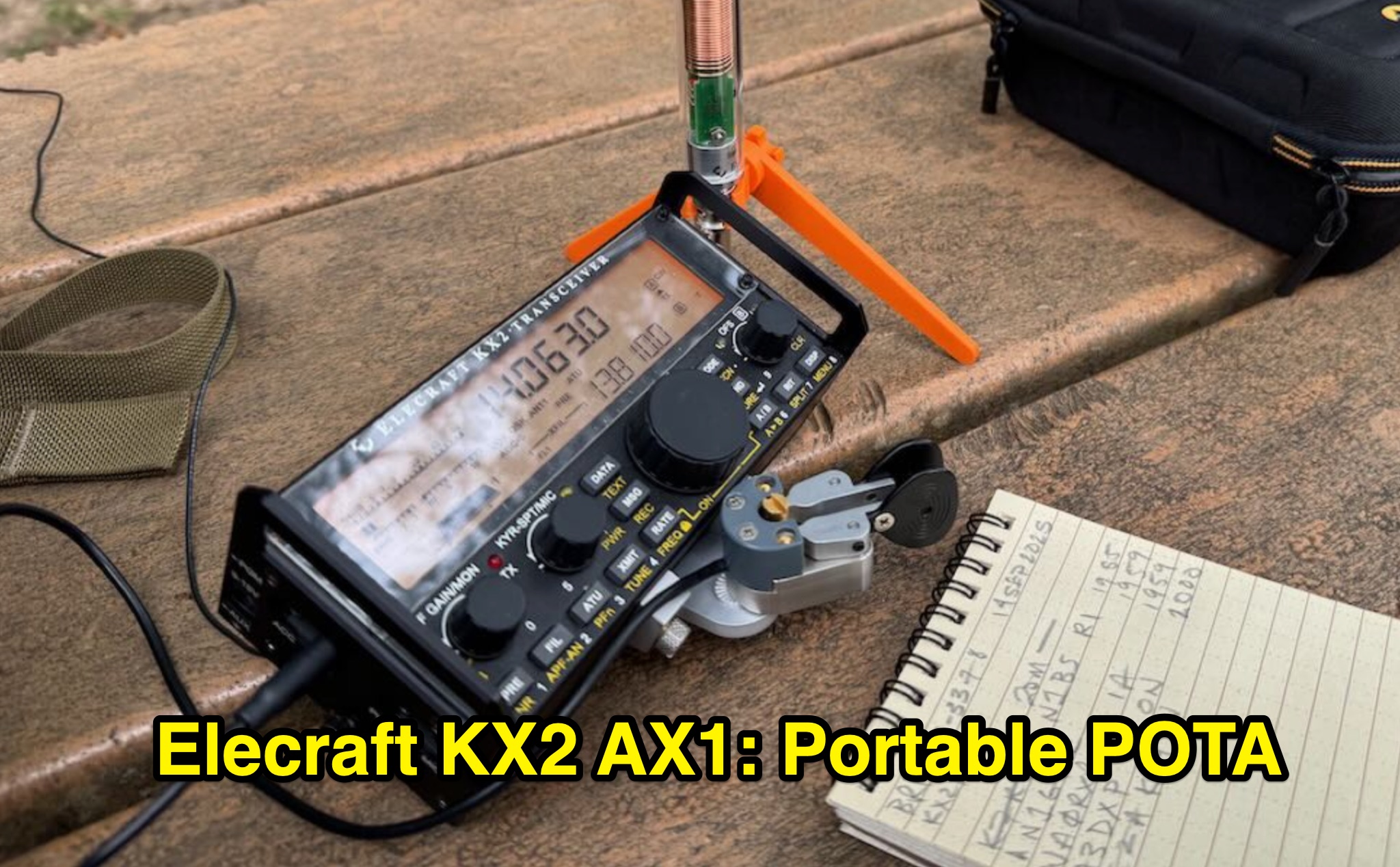 Join Thomas (K4SWL) as he shares his experience activating a POTA site using the Elecraft KX2 AX1 combo. Follow along on his journey from a podcast recording session to a quick POTA activation, showcasing the ease and efficiency of this portable setup. Discover the joy of getting on the air with minimal setup time and maximum enjoyment, perfect for hams looking for a grab-and-go solution. Learn about the benefits of using the AX1 antenna and how it can enhance your portable operations, all while supporting QRPer.com through affiliate links.
 -
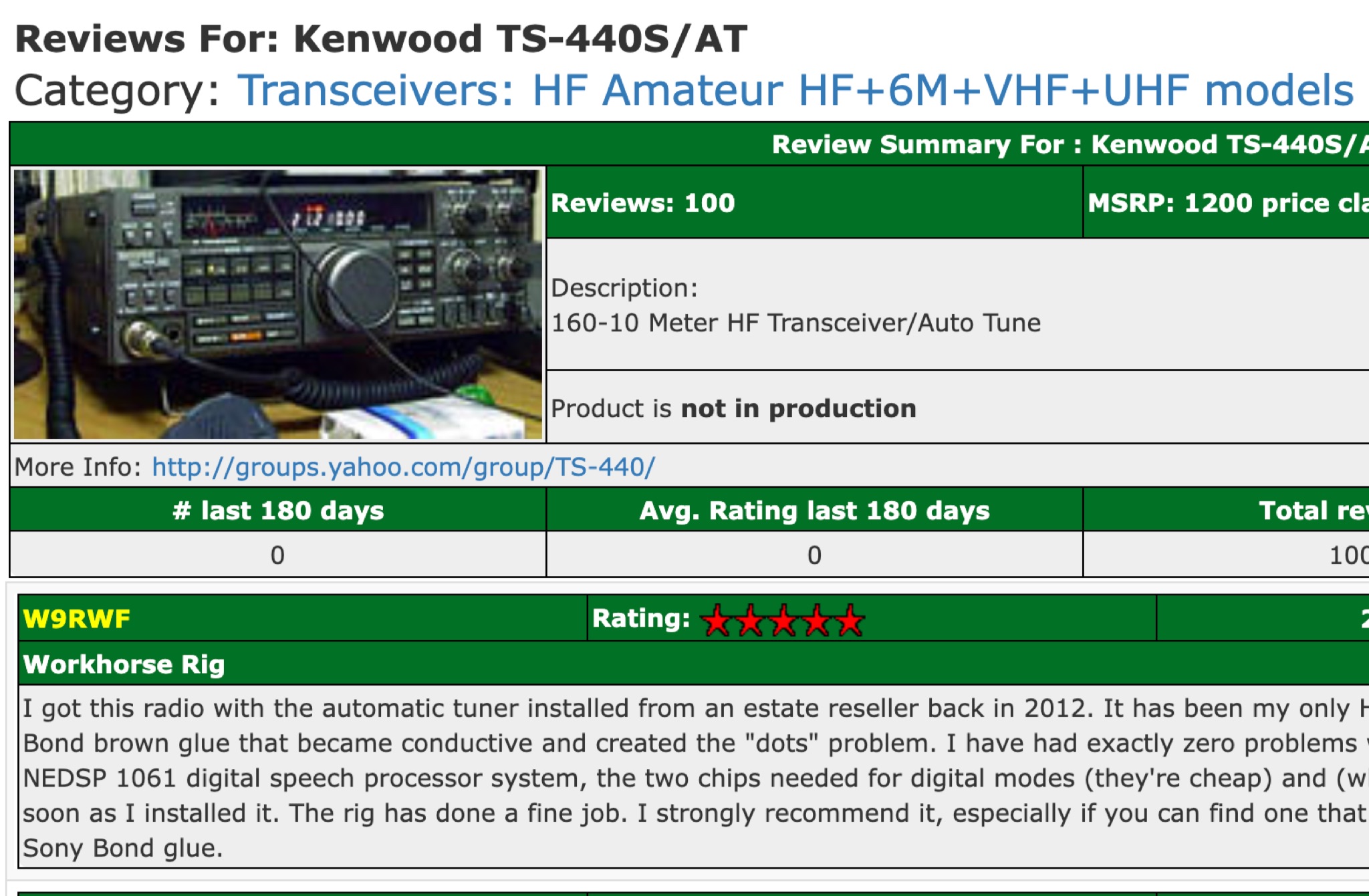 eham reviews of the Kenwood TS-440S, and Kenwood TS-440S/AT, 160-10 Meter HF ham radio Transceiver/Auto Tune.
 -
 Radio classifieds, technical articles, reviews and antenna designs for CB and Amateur bands.
 -
 The CB Radio Club is a large community site with a forum, groups, reviews, free classifieds, and more.
 -
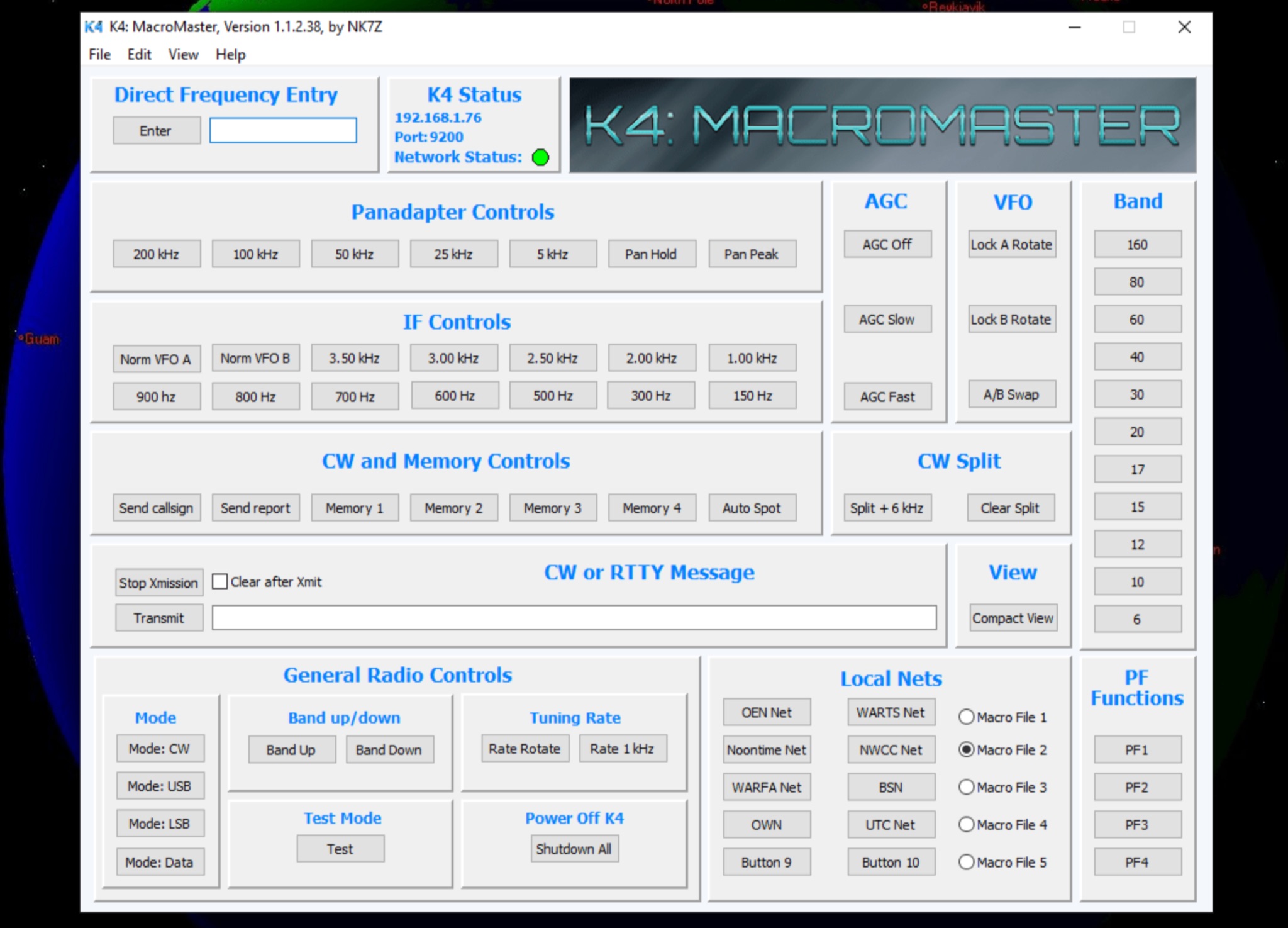 This page provides a detailed review and setup guide for the K4 MacroMaster program, designed for Elecraft K4 and K4D radio users. The program allows users to easily program, test, and implement macro commands through Ethernet or Wifi connection. Users can create up to fifty user programmable macros in groups of 10, called Macro Clusters. The software includes an editor for creating, storing, and naming clusters by function, as well as a hint feature for quick reference. This resource is valuable for hams looking to streamline their radio operations with customized macro commands.
 -
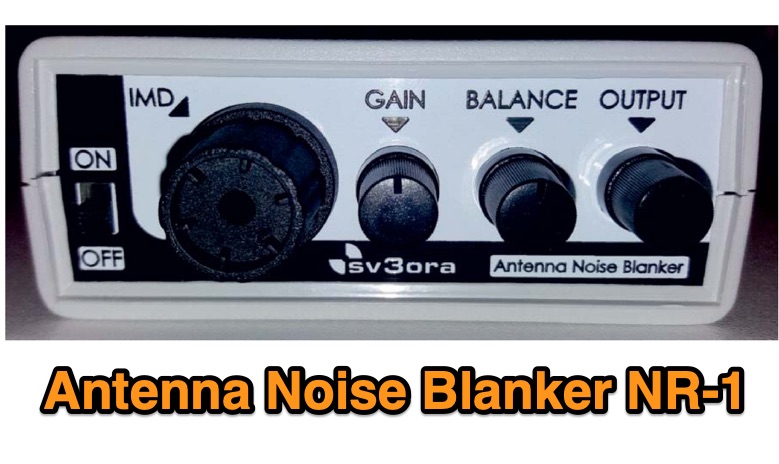 The NR-1, conceived and implemented by SV3ORA, functions as an **antenna noise blanker** to suppress impulse noise before it reaches the receiver. This device is explicitly not a QRM-eliminator or X-phaser, and it operates without requiring a separate antenna. Its primary goal is to improve receiver performance by reducing annoying noise. Documentation includes a comprehensive manual detailing its operation, alongside several videos demonstrating its functionality. The NR-1 is available for purchase directly from Elisys via their online shop. Numerous radio amateurs have reviewed the NR-1, with Pavel OK7PM highlighting significant improvements in receiver **dynamic range**. Further insights are available in an article published in the Greek magazine SVnea and through various reviews posted on eham.net.
 -
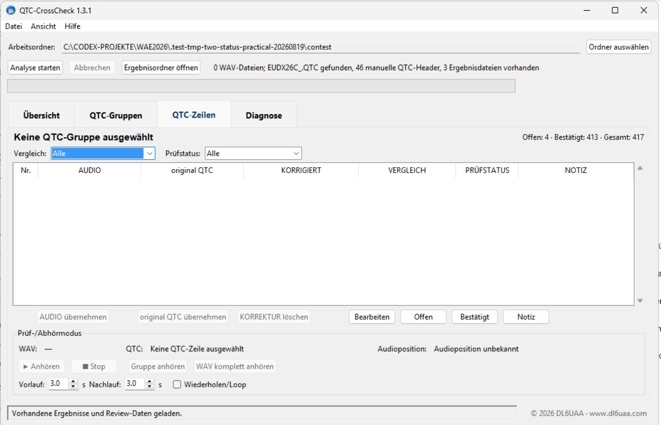 Version 1.3.1 of QTC-CrossCheck provides an offline Windows solution for radio amateurs engaged in **CW QTC** traffic during the Worked All Europe DX Contest (WAEDC). This specialized tool decodes received QTC groups directly from local WAV audio recordings, offering a critical aid for post-contest log verification. It facilitates a detailed comparison of the decoded QTC time, callsign, and serial data against an optional, manually created UCXLog QTC file, streamlining the often-tedious process of cross-referencing contest exchanges. The software integrates audio playback controls, allowing operators to review specific QTC lines with their corresponding audio segments. This feature is particularly useful for resolving discrepancies or confirming marginal decodes, ensuring accuracy in contest submissions. The application operates entirely offline, requiring no internet connection or formal installation, making it highly portable and convenient for contest stations. Operators can download the Windows ZIP archive, extract its contents, and run the `QTC-CrossCheck.exe` executable. A SHA-256 hash is provided for integrity verification, ensuring the downloaded file matches the official release. The utility is designed to assist with the rigorous demands of WAEDC QTC management.