Meteor Scatter: Techniques and Resources for Hams
Learn about meteor scatter communication, including operational tips, software, and real-time listening resources for amateur radio.

Meteor scatter allows hams to make QSOs over distances far beyond normal line-of-sight on VHF and UHF bands. Operators bounce signals off the ionized trails left by meteors entering the Earth's atmosphere. This propagation mode is often used for DX contacts on 6 meters and 2 meters, especially during major meteor showers when the number of usable trails increases significantly.
Many hams use specialized digital modes like WSJT and JT6M for meteor scatter, which are designed to decode very short, weak signals. Resources in this category include guides for setting up stations for meteor scatter, tips for optimizing antenna projects, and information on predicting meteor showers. Operators can also find details on radio astronomy projects, such as those by F5VLB, and join reflectors like the HSMS e-mail reflector to coordinate contacts and share operational experiences.
-
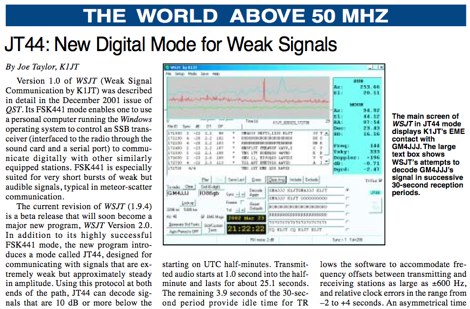 Moon bounce EME, meteor scatter and weak signal operations, introduction by ARRL.
 -
 Meteor scatter, gives quick view over meteor scatter and scatter events on vhf, lists email addresses of vhf radio amateurs qrv in meteor scatter
 -
 The Meteor Scatter tips and tricks described here are based upon more than 20 years of active MS operation
 -
 High Speed Meteor Scatter (HSMS) e-mail reflector
 -
 Improve your Grid Totals by W4VHF
 -
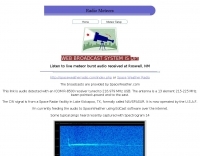 Echos of USAF (Formally NAVSPASUR) radar signals reflected off of meteor trails received at Roswell, New Mexico
 -
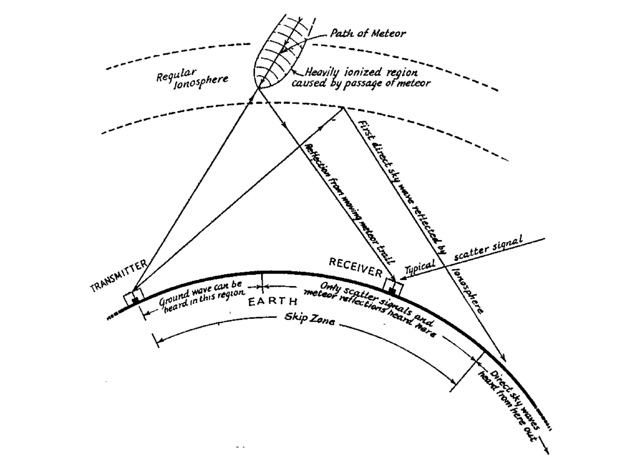 Doppler Whistles from Meteor Trails, few hams know that meteors can be spotted without leaving the operating room. Identifying Meteor-Trail Reflections, Shooting Stars, Why the Meteors Whistle
 -
 A summary, overview or tutorial covering the basics of Meteor Scatter or Meteor Burst Communications, a form of radio signal propagation often used at VHF.
 -
 Spanish only website with mail list and meteor showers reports.
 -
 EME, MS, Tropo from the island of Corsica
 -
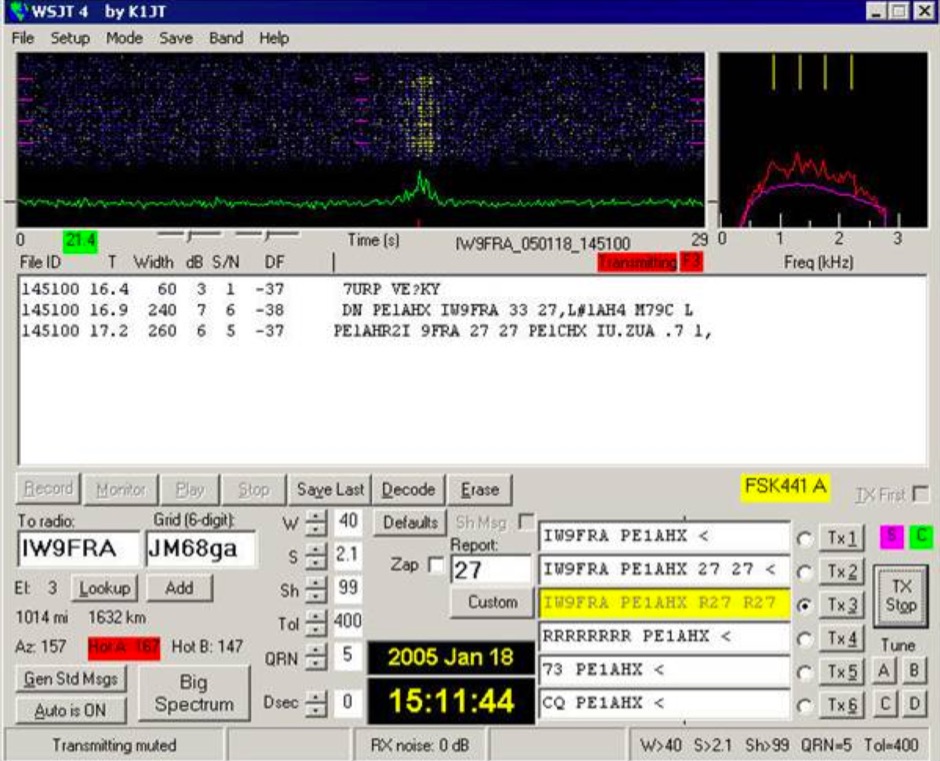 Tips and tricks to start working Meteorscatter with WSJT. Author: PE1AHX
 -
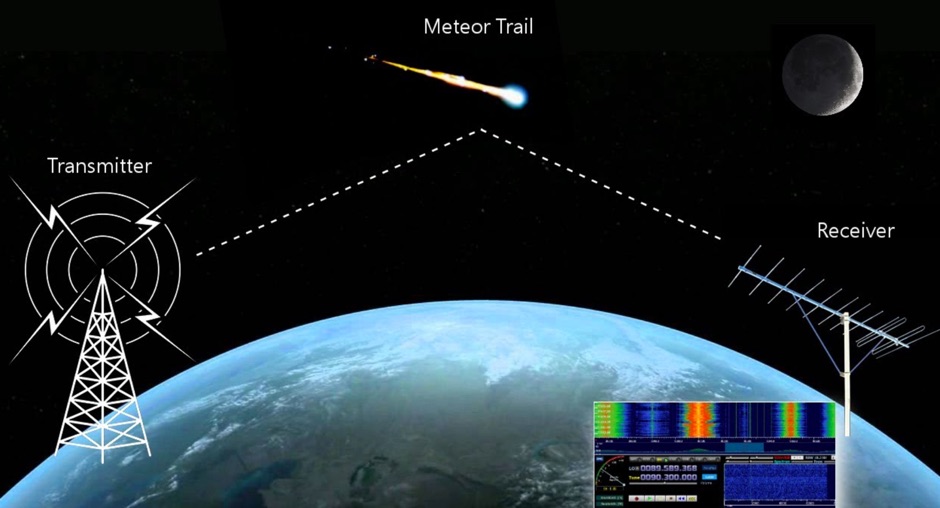 Sound recordings of meteors and things reflecting TV station video carriers , frequencies used are analog TV video carrier frequencies offset by 1 kHz SSB
 -
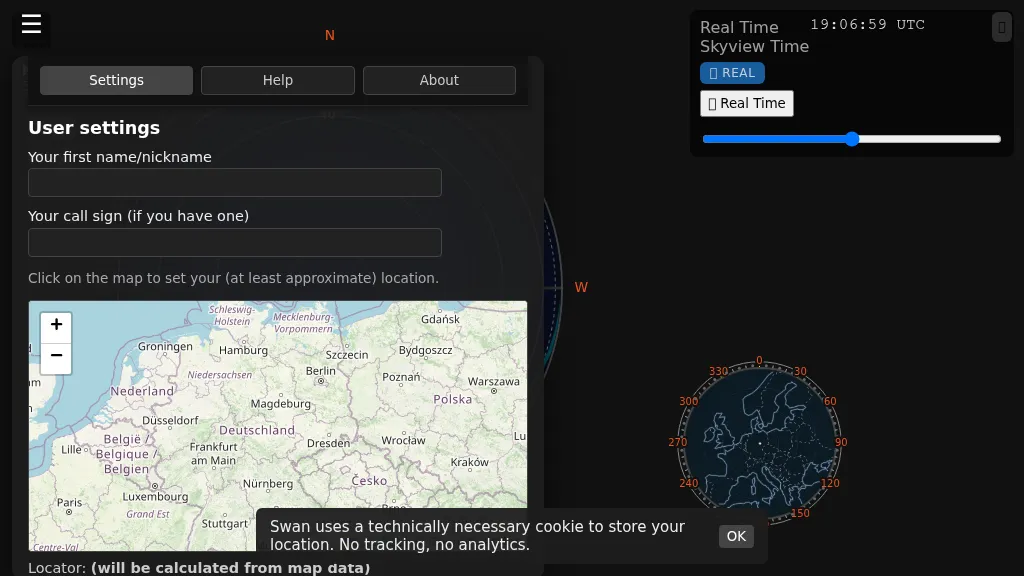 Swan is a browser-based, real-time meteor scatter visualization tool, displaying meteor radiant and radio scatter geometry for enhanced DX operations.
 -
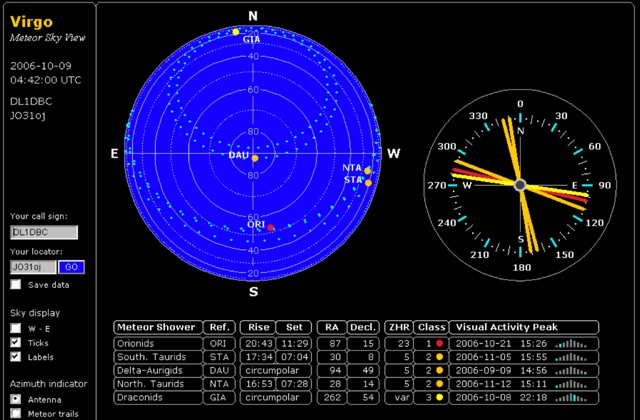 Virgo is originally designed to serve for meteorscatter propagation purposes in amateur radio. Maintained by Bastian, DB1BM, and Alexander, DL8AAU. Virgo is a projection of the sky visible at your location. Different to other astronomical sky views, there are no stars displayed, but the radiants of current meteor showers.
 -
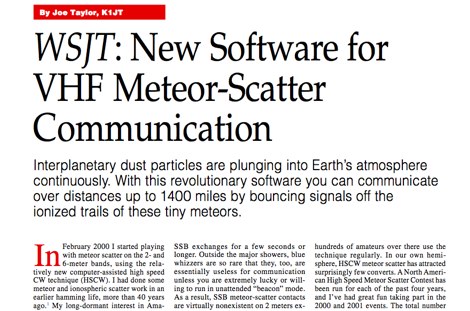 WSJT New Software for VHF Meteor-Scatter Communication QST Article December 2001 by K1JT