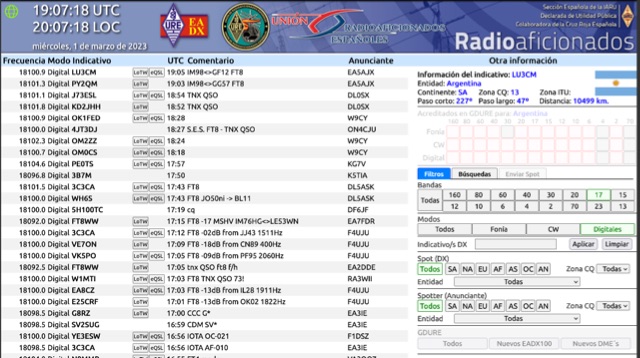
Amateur Radio DX Clusters: Live Activity & Spotting Tools
Access real-time information on ham radio contacts, monitor band conditions, and identify rare DX opportunities with global spotting networks.

Amateur Radio DX Clusters are indispensable online tools providing real-time information on two-way radio contacts. These networks aggregate 'spots' reports from operators detailing stations heard, their frequencies, and modes. Users can monitor current band conditions, identify rare DX, and optimize their operating strategy. Clusters support various access methods, including Telnet clients for direct connection and web interfaces for browser-based viewing, often with filtering capabilities by band, mode, or callsign. Specialized clusters cater to events like JOTA or specific operating interests such as QRP or VHF/UHF DXing.
Beyond traditional DX Clusters like IZ3MEZ Web DX Cluster and G6NHU-2 DX Cluster, advanced systems offer unique functionalities. The Awards DX Cluster verifies callsigns for award compliance, while PSK Reporter and the Reverse Beacon Network (RBN) provide automated reception reports for digital modes and CW, respectively. Platforms such as QRZCQ.com integrate cluster data with callsign databases, enhancing the utility for operators seeking detailed station information and real-time activity updates. These resources are critical for competitive DXing and general band monitoring.
Subcategories
Related Categories
-
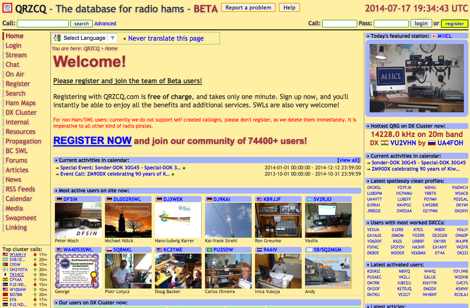 QRZCQ.com is a comprehensive online service offering a global amateur radio callsign database, DX Cluster with filtering options, and various ham radio resource
 -
 DX Summit by OH2AQ is a web-based DX cluster providing real-time and historical DX spots across numerous amateur radio bands, including HF, VHF, and UHF.
 -
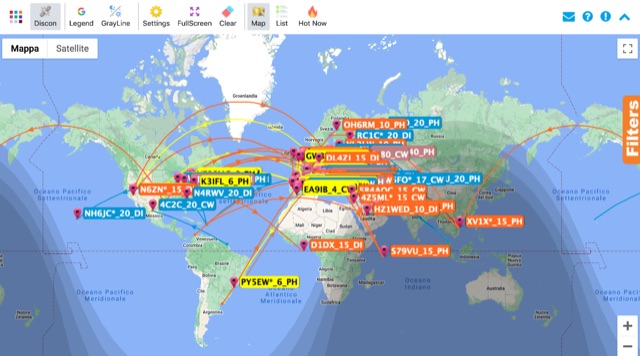 DXCenter DX Cluster provides real-time amateur radio DX spots on an interactive world map, featuring filtering by band, spotter continent, and DX
 -
 DXFun Web Cluster is a Spanish-based DX Cluster offering real-time amateur radio spots, propagation data, solar status, and DX news.
 -
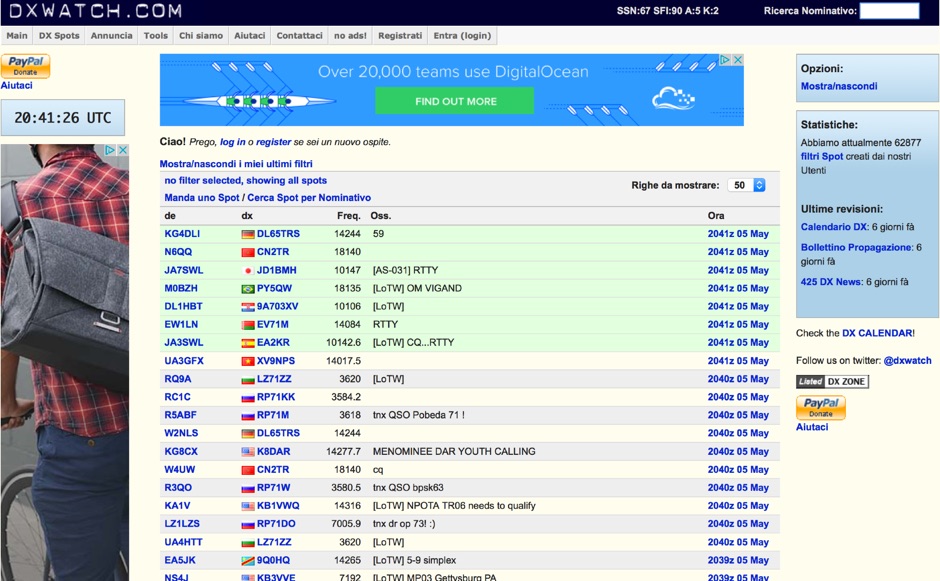 DXWatch provides a modern web-based DX cluster service with real-time spot filtering, customizable views, and an external widget option.
 -
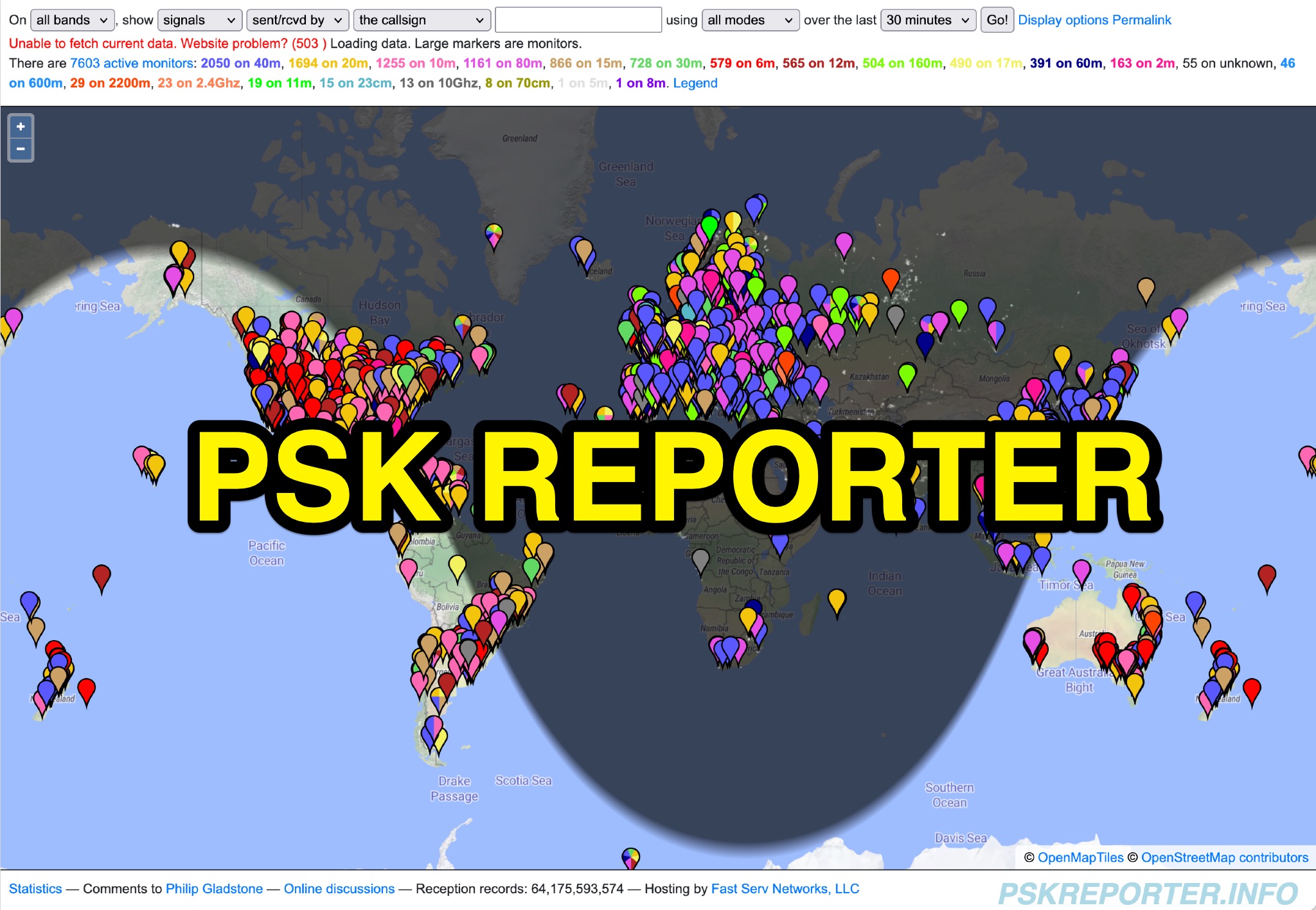 Real-time visualization of amateur radio digital mode reception reports, aggregating data from a global network of monitoring stations.
 -
 A comprehensive directory of over 200 Telnet DX cluster links worldwide, providing callsigns, IP addresses, ports, and locations.
 -
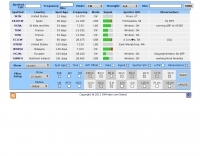 DX Finder provides a DX cluster service for amateur radio operators, offering real-time DX spots and RBN data for serious DX chasing.
 -
 An archived collection of DX cluster spots and news from Japan, covering HF, 50MHz, 144MHz, EME, and Satellite bands, with historical data back to 1996.
 -
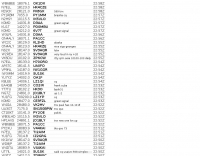 DXLite provides a streamlined, mobile-optimized interface for accessing real-time DX cluster spots, tailored for smartphone displays.
 -
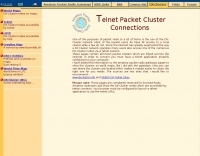 Provides an interactive map displaying DX-Cluster nodes worldwide, offering TELNET and HYPER links for real-time DX spotting.
 -
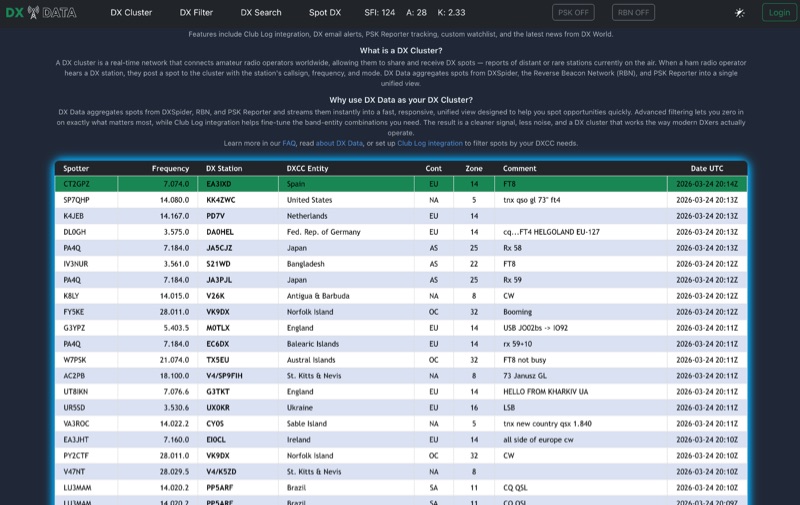 DX Data is a free, real-time DX cluster aggregating spots from DXSpider, RBN, and PSK Reporter with advanced filtering and Club Log integration.
 -
 DXMaps.com provides real-time amateur radio DX cluster spots, WSPR, and EME data visualized on interactive maps. It includes propagation layers, band
 -
 DX Spots web cluster interface with filtering features available to eham subscribers
 -
 F5LEN Webcluster provides real-time DX spots for amateur radio operators, integrating with the European DX Cluster network.
 -
 G6NHU-2 is a professionally hosted DX Spider cluster node, optimized for HamClock and contest use, offering real-time DX spots.
 -
 GB7MBC offers web and telnet DX cluster access, providing real-time DX spots, alongside a forum and DX cluster statistics.
 -
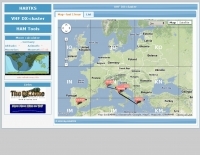 VHF and Up DXCluster with map mash-up and HAM tools by HA8TKS.
 -
 The purpose of this page is to show you how you can access a DX Cluster via the Internet. There are many software applications available, some are free some are not. Excellent page from OZ2M
 -
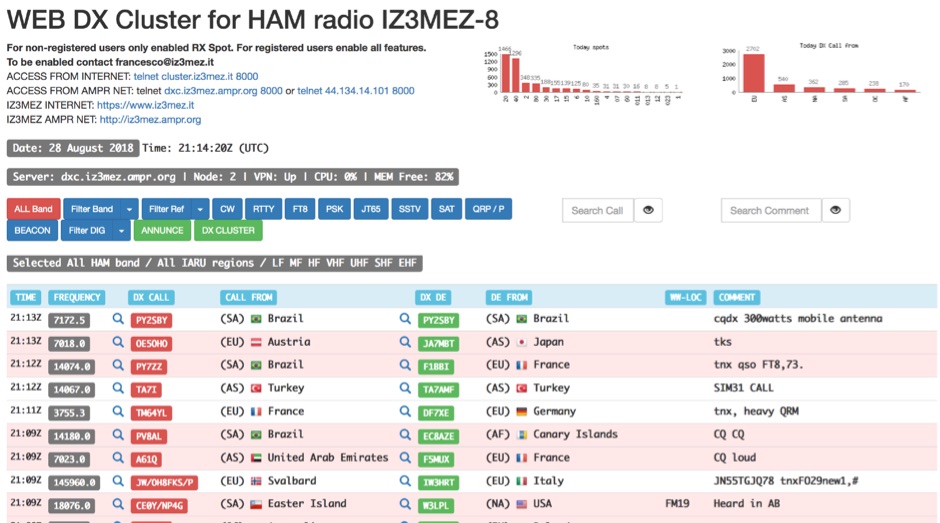 IZ3MEZ Web DX Cluster provides real-time amateur radio DX spots, accessible 24/7. It supports a wide range of bands from LF to SHF, including QO-100.
 -
 IZ7AUH-6 DX Web Cluster provides real-time DX spots via a web interface and a telnet interface on port 8000. It supports JOTA, RBN, and PSK Reporter.
 -
 HF DX Web Cluster from JAPAN show spots by JA stations
 -
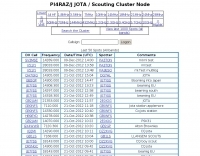 Provides a dedicated DX cluster for the Jamboree On The Air (JOTA) event, accessible via telnet on www.pi4raz.nl port 7300.
 -
 K7AR DX NorthWest Web Cluster provides real-time DX spots and amateur radio activity, powered by Dyn WebHop URL Forwarding Engine.
 -
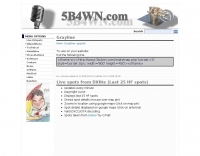 Live DX spots displayed on a world map and Google Maps interface, providing real-time amateur radio propagation data from 5B4WN.
 -
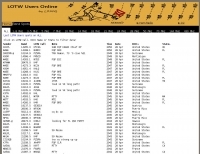 A DX cluster service specifically filtering spots to display only those from Log of The World (LoTW) users, enhancing DXing for confirmed QSOs.
 -
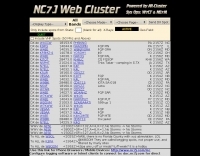 The NG7M Web Cluster provides real-time DX spotting data for amateur radio operators, supporting both web and telnet access for DXing and contesting.
 -
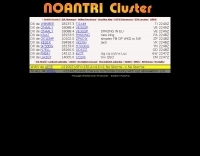 Noantri WebCLX provides a real-time amateur radio DX cluster service, displaying DX spots with frequency, callsign, country, and comments.
 -
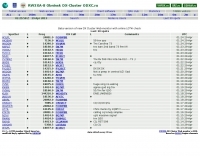 The ODXC Web Monitor provides a real-time DX cluster interface, offering web-based access to amateur radio spots from the RW3XA-8 node.
 -
 This resource, PA1RBZ DX Cluster, is currently unavailable due to a 404 error on QSL.net. It was intended to provide real-time DX spots.
 -
 QRPSPOTS.com, originally a QRP DX cluster by the Four State QRP Group, now appears to be a Chinese educational institution's website.
 -
 QWTelnet is a legacy Windows-based DX-Cluster telnet client and SOTAwatch parser, offering audio alerts for DX spots and SOTA activations.
 -
 Displays Reverse Beacon Network (RBN) spots on a live graph, updated every 10 seconds, covering the last 15 minutes of activity.
 -
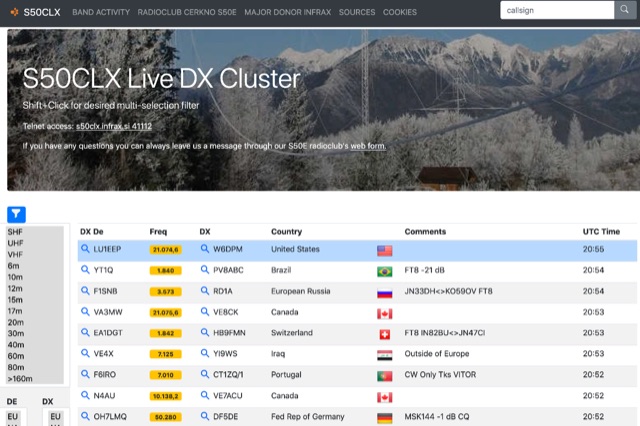 Get DX spots from S50CLX Live DX Cluster in real time on your device showing all the current and recents Amateur Radio spots on all bands and modes.
 -
 SK6AW DX-Cluster offered real-time DX spots, configurable options, email/push notifications, and multiple skins. Service discontinued December 2025.
 -
 The DXrobot provides automatic real-time E-skip and aurora alerts for VHF bands (50, 70, 144 MHz) via email or SMS, with separate systems for EU and NA
 -
 KB9AMG's Top WSPR Spots provides a real-time display of 2-way WSPR reports, offering insights into propagation conditions.
 -
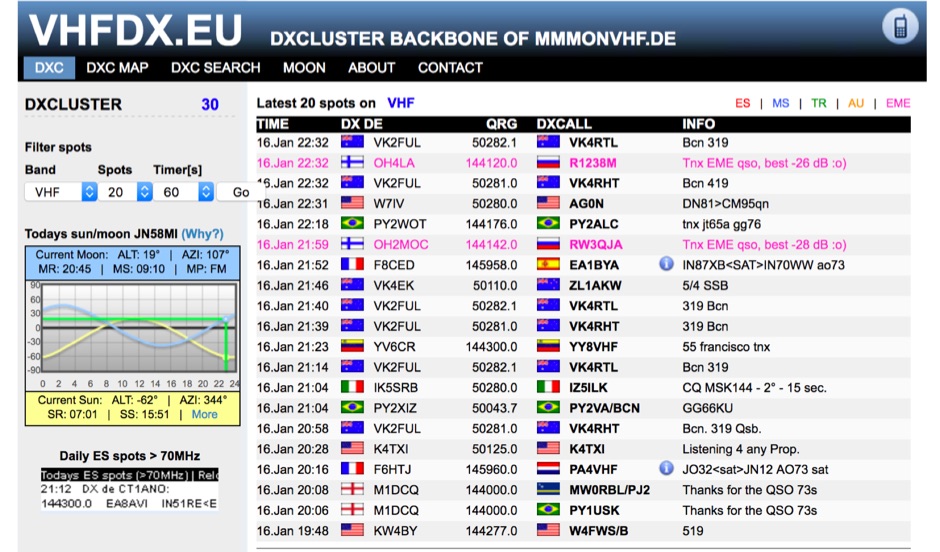 VHFDX.EU provides a web-based DX cluster for VHF/UHF/Microwave activity, integrating real-time spot data and offering mobile access.
 -
 The responsive DX Cluster, feature live dx cluster spots, available both on desktops and mobile devices with easy filtering optiosn. Offer a rich cluster analytics for each call.
 -
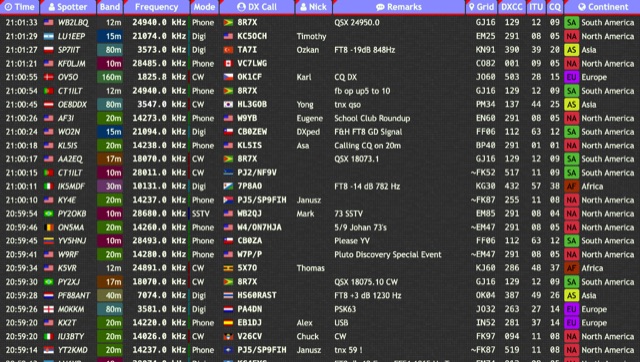 DXTRON is a web-based DX Cluster, version 1.42, offering real-time DX spots via the QRZCQ API. It supports a wide range of bands and modes.
 -
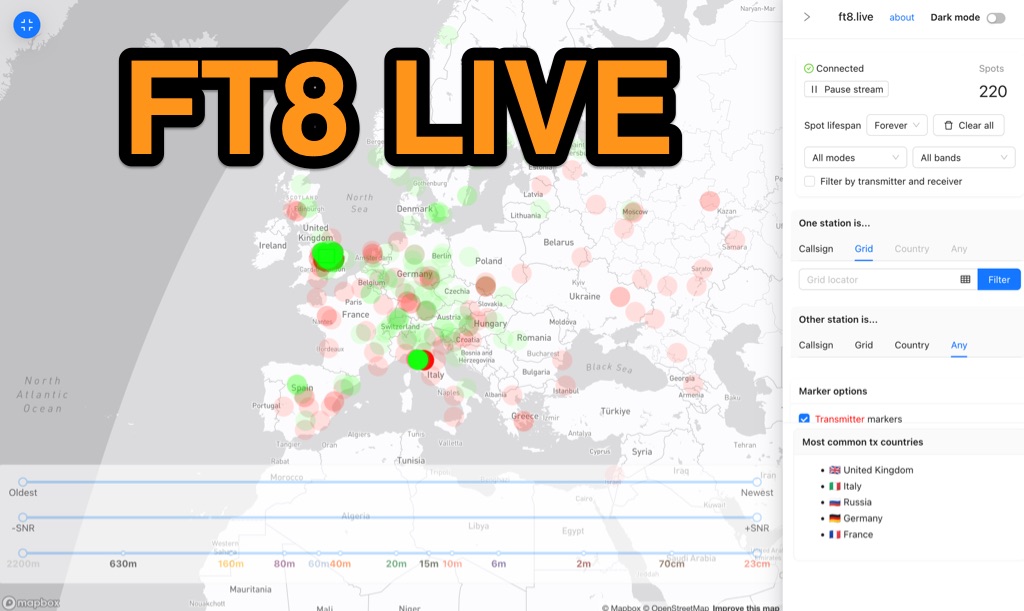 FT8 Live visualizes real-time amateur radio propagation spots from PSK Reporter MQTT stream, including FT8, CW, WSPR, and JT65.
 -
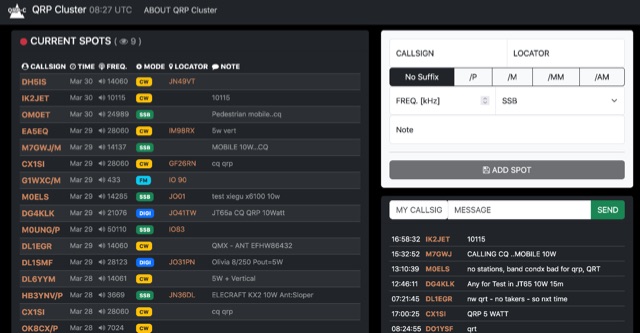 QRP Cluster is a specialized web-based DX cluster for QRP operators to self-spot and announce their operating frequencies, modes, and power levels.
 -
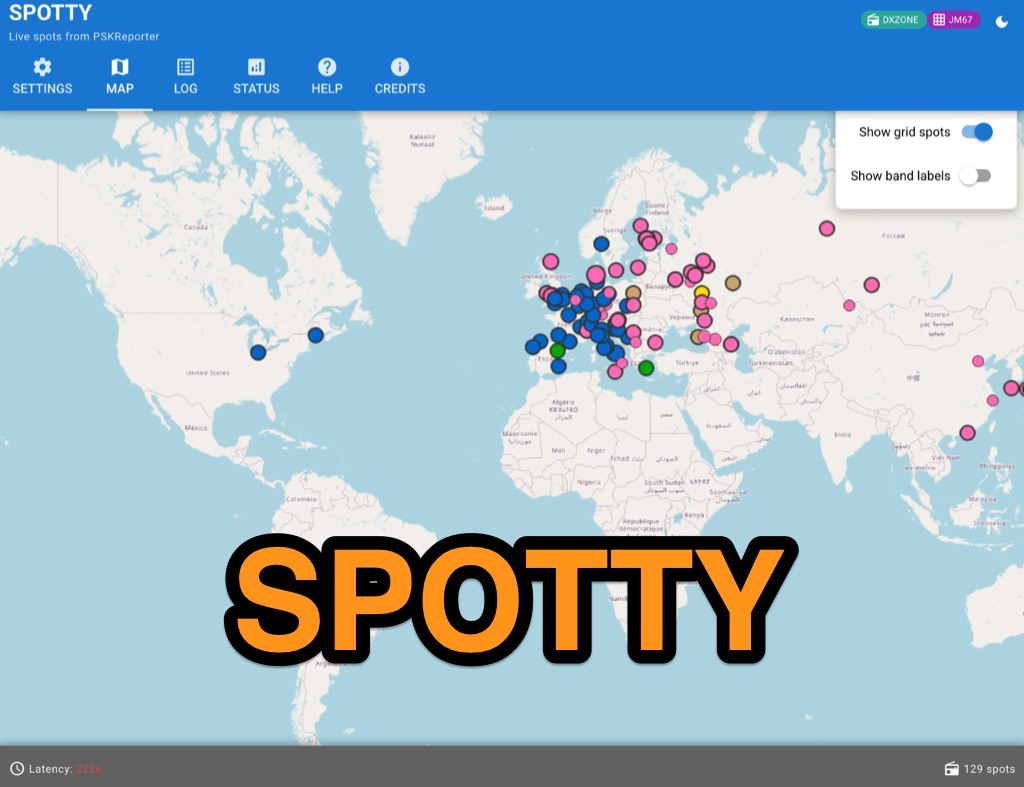 Spotty is a web-based tool for amateur radio operators, providing near real-time visualization of propagation reports via PSKReporter data and MQTT.
 -
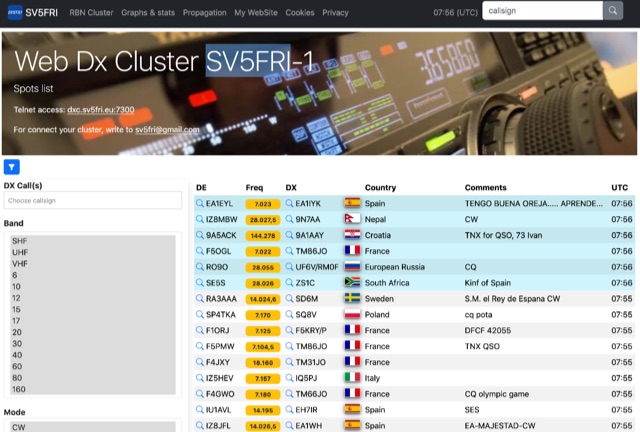 SV5FRI WEB DX Cluster provides real-time DX spots via a web interface, based on Spiderweb, with filtering, QRZ.com integration, and solar data.
 -
 The Holy Cluster is a modern DX cluster providing real-time ham radio spots with a graphical map, developed by an Israeli team and IARC.
 -
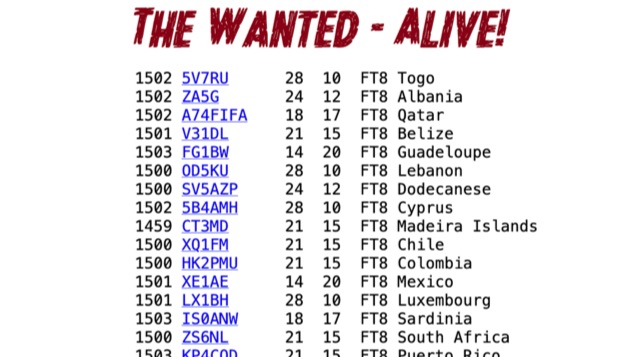 The Wanted Alive (TWA) by OH2BUA presents real-time digital mode DX spots, ranked by decreasing DXCC most-wanted status for efficient DXing.