Getting Started in Amateur Radio: Guides for New Hams
Find practical guides and introductory information on equipment, operating modes, antennas, and essential concepts for new ham radio operators.

New ham radio operators often look for practical advice to get on the air and make their first QSOs. This category provides essential guides covering everything from basic equipment setup to understanding key operating concepts. It helps newcomers navigate the hobby, learn about different modes, and prepare for their initial contacts on the bands.
Operators can find introductions to various topics, including explanations of DX and QRP operation, and how to use common digital modes like PSK and RTTY. There are also guides on antenna selection, such as why a beam antenna is useful, and how to operate through repeaters. Specific resources even cover getting started with software like MMTTY for RTTY contesting, helping new hams quickly become active on the air.
Subcategories
-
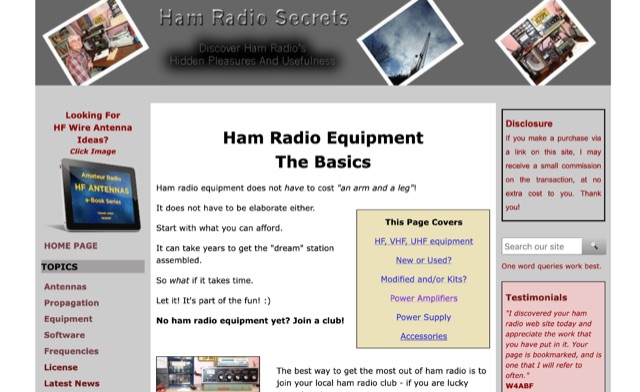 This article help on explaining what you need to start with amateur radio. By using a local ham radio club station to purchasing second hand radio equipment and how to get help on installing antennas.
 -
 Compiled by Dan Stegner KC0OBU from FISTS CW Club member tips, amateur radio morse code procedures
 -
 Jack Wagoner WB8FSV, a very well done article on how start a CW QSO, how to answer a CQ, how call your CQ and more. A must reading for beginners
 -
 A pdf file with review of RTTY contests software available on the net and information on how to operate a RTTY Contest, by RSGB.
 -
 That just about sums up many peoples attitude towards test equipment. Multimeter, SWR/Power Meter, Dip Oscillator, RF Signal Generator, Cathode Ray Oscilloscope
 -
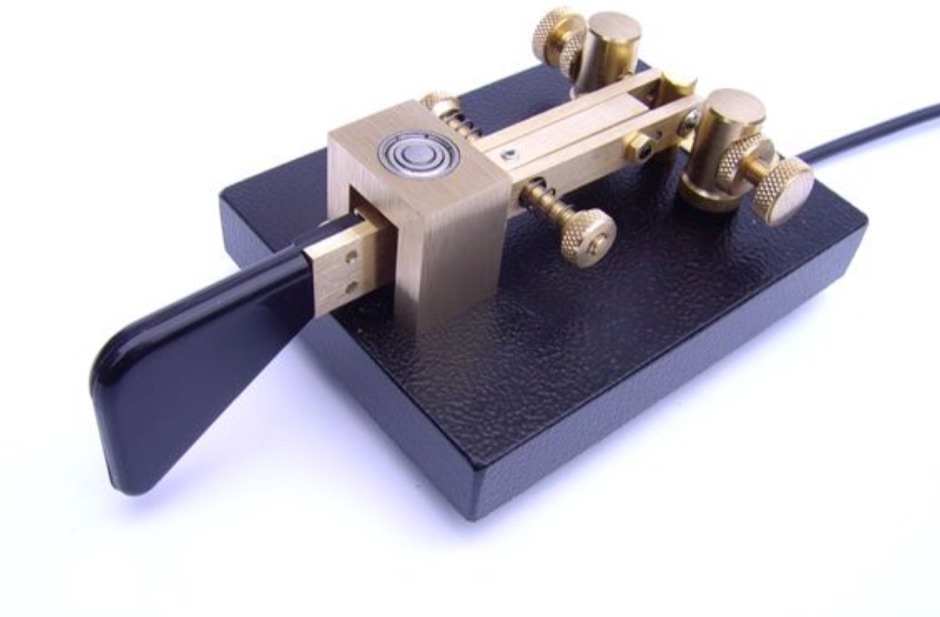
 How To Build Code-Practice Apparatus: A Simple Telegraph Key
 -
 A beginner's guide to amateur radio, explaining what ham radio is, its purpose, common activities, and how to obtain a license.
 -
 The following are the opinions expressed by various amateurs
 -
 After a year of preparation, 150 students and 11 professors participated in 10 hours of intense Contesting instruction covering some 22 topics, with over 400 pages of text
 -
 Definition of radio frequency bands, hf vhf uhf etc.
 -
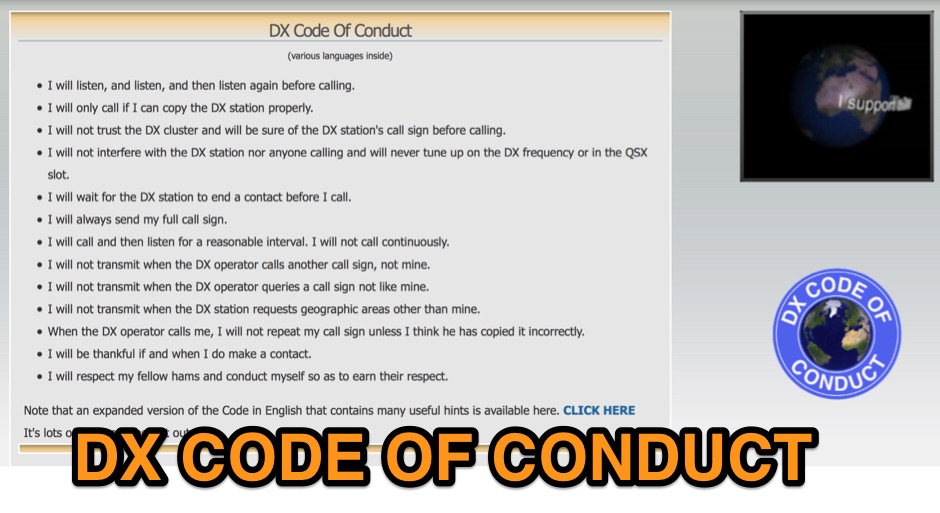 Improve ethical conduct. Unpleasant, uncivil, impolite behavior of our fellow hams reduces the enjoyment of our hobby. What You Can Do to Improve DXEtiquette
 -
 Amateur radio good operating practices by KG9OM
 -
 Ham radio activities, from satellite operations, eme communications, dxing and contesting, qsling and direction findings, are just some of ham radio exciting activities
 -
 A site exclusively meant for the novice. Find all the information necessary to become an amateur radio operator! More India specific information.
 -
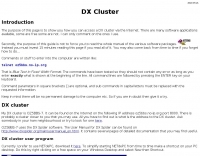 The purpose of this page is to show you how you can access a DX Cluster via the Internet. There are many software applications available, some are free some are not. Excellent page from OZ2M
 -
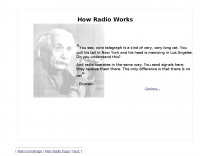 Excellent slides explaining radio and radiowaves generation basics
 -
 How to become an amateur radio ? by ON4SKY Review of general conditions to get licensed, examinations, regulation, CW, foreign calls, and more
 -
 Provides information about how to get a ham radio license, with reference links to ham radio societies.
 -
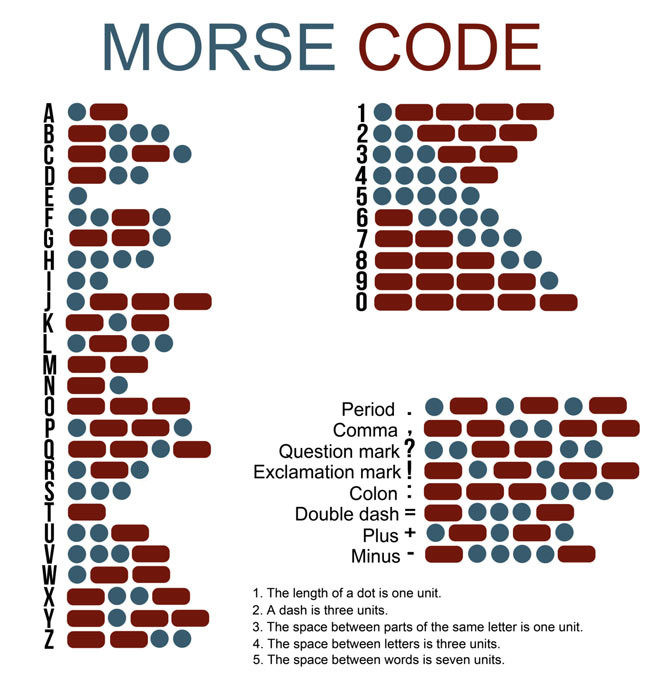 This step-by-step tutorial contains everything you need, not only to survive that first contact, but also to learn to enjoy Code and actually do it well. Even if you detested learning it in the first place
 -
 Thierry LOMBRY, ON4SKY, develops in several technical articles the way to select a transceiver. His website includes also some in-depth reviews
 -
 Thierry LOMBRY, ON4SKY, develops in three long articles all you need to know about amplification, and how to seletc an HF and a solid-state amplifier, with pictures.
 -
 The webpage provides guidance on working 6 Meter DX, focusing on effective operating habits, preparation, and knowledge of the band. It emphasizes the importance of monitoring, clear frequencies, and using CW for weak signals. It also mentions the significance of knowing countries and individual stations on the air to increase chances of working DX. The page recommends utilizing resources like newsletters and websites to stay updated on 6-meter activity and offers suggestions for improving operating skills.
 -
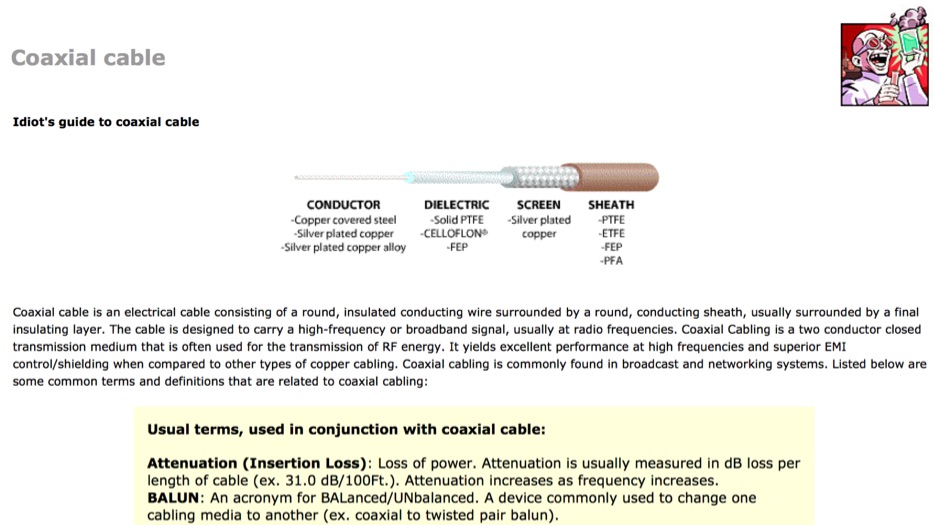 A very beginner's guide to coax cables. Characteristics, detailed comparison of typical coaxial cables, commonly used connectors, and a few words about SWR.
 -
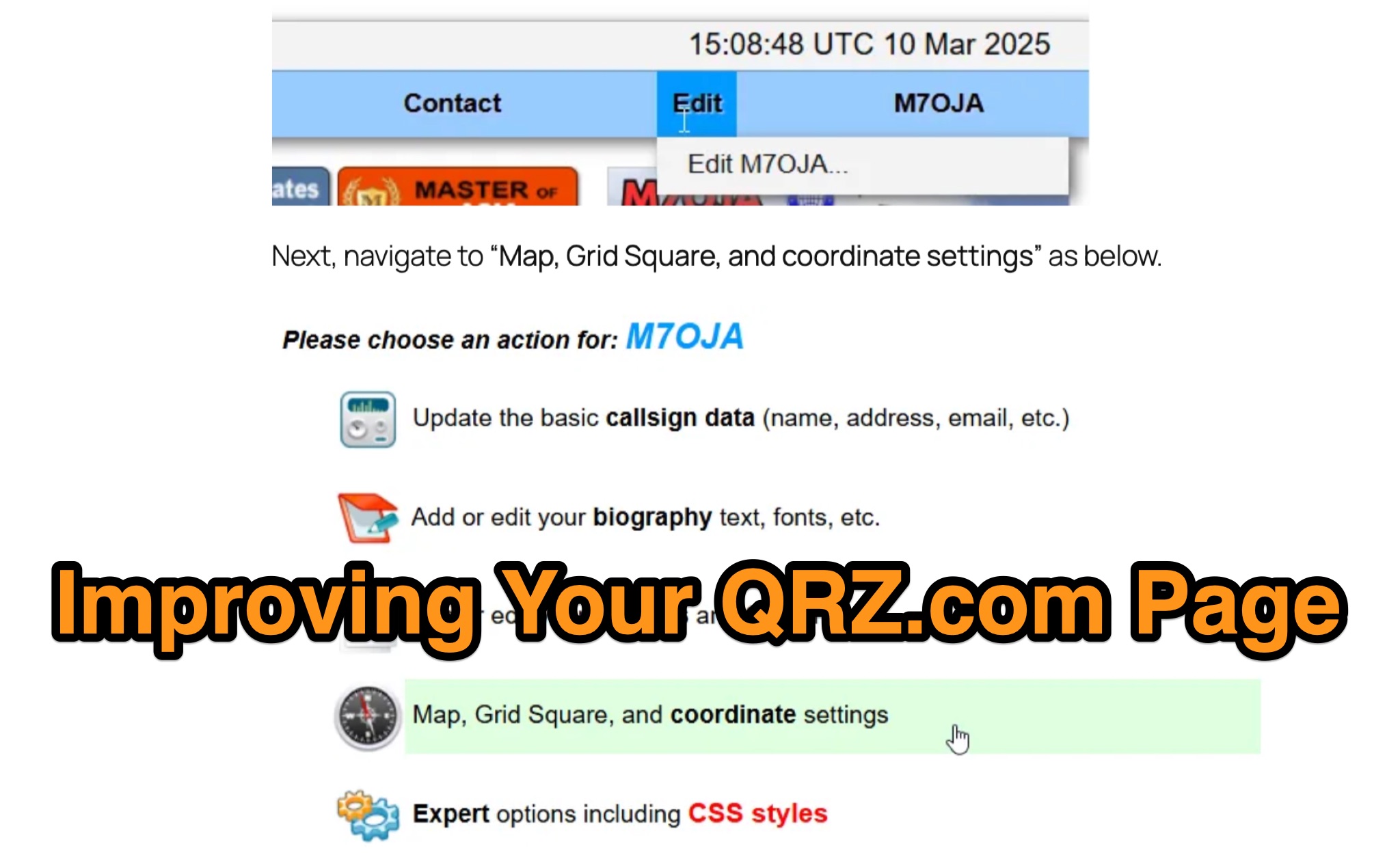 This guide details optimizing a QRZ.com page by adding essential callsign data, ensuring correct Maidenhead Gridsquare and DXCC information, and populating the
 -
 Why Packet Radio? Could be, You are Missing Something Funm, by Greg Jones, WD5IVD
 -
 A must read guide for all new and old operators. This document was originally written with the prime focus on DXing and pileup behavior. Suggestions by proofreaders have been implemented; the document is not as narrowly focused anymore as originally intended. It contains hints, tips and tricks for newcomers as well as old-timers. Additionally there are VHF/UHF operational matters, DX Cluster ethics, COPS, Conflict Situations and more.
 -
 Programming a new VHF/UHF radio usually proves to be a frustrating experience for most new amateur radio operators. A new radio must first be programmed for simplex and repeater operation before it can be used to communicate with local hams.
 -
 Article on PSK modes. PSK for Beginners Has RTTY's Replacement Arrived?
 -
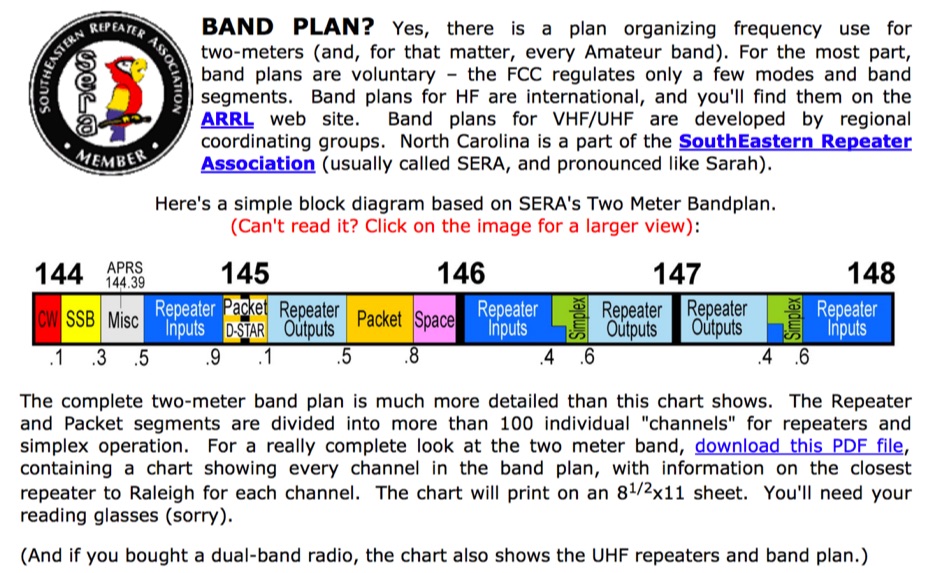 What is a repeater? How do you use repeaters. A great guide to use amateur radio repeaters incuding repeater frequencies, operating procedures and practices.
 -
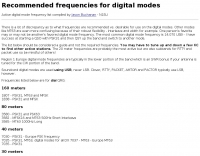 Active digital mode frequency list compiled by Jason Buchanan - N1SU
 -
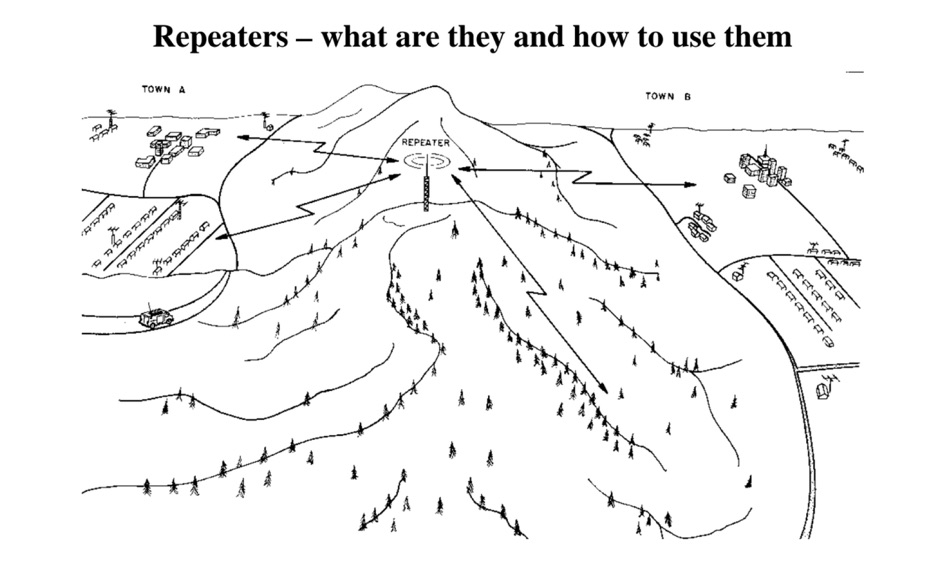 A document about Repeaters what are they and how to use them in a pdf file format
 -
 Learn how to start using ham radio satellites for your DX contacts, PDF presentation by Dave Long
 -
 Basic tips for DXing
 -
 Get on SSTV FAST with this quick tip quide. All the info you need to get started quickly.
 -
 An ARRL guide to where on the HF bands various modes and activities are generally found.
 -
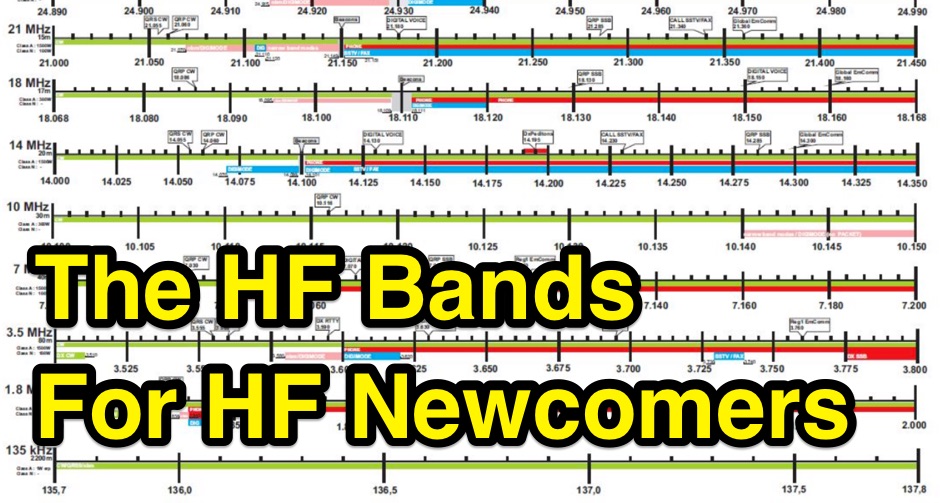 The HF ham bands can be mysterious. Some work at night, some during the day. Some seem to be good for long distance contacts while some are better for nearby contacts. Even worse, they change tremendously from hour to hour and day to day. An overview on operating on HF amateur radio bands
 -
 To those new to the hobby of Amateur Radio, hearing the term QRP often raises questions: What is QRP? Why do some hams choose to operate QRP? How can I operate QRP? These are good questions, and all are worth asking. This article will attempt to answer these questions. by William Eric McFadden
 -
 An excellent introduction to ham radio bands, which bands to use and when.
 -
 Some basic antenna information for the newcomer
 -
 The 52 Week Ham Radio Challenge offers hams a year-long series of 52 challenges to test and improve their skills. Created by Fabian Kurz, DJ5CW, this project includes bonus challenges that can be substituted for missed or failed tasks. The challenges cover a range of topics and activities related to ham radio operation, providing a fun and educational way for hams to enhance their knowledge and expertise. Whether you are a beginner or an experienced operator, this challenge is designed to engage and motivate ham radio enthusiasts throughout the year.
 -
 List compiled by N4LCD with description of main frequency usage
 -
 This page serves as a comprehensive guide for hams, providing open-sourced information that is community-driven and multilingual. It is designed to be accessible to anyone, regardless of language, and can be used offline without internet access. Users can contribute to its development and even install it as an app on their mobile browser. Ideal for ham radio operators looking for a versatile and collaborative resource.
 -
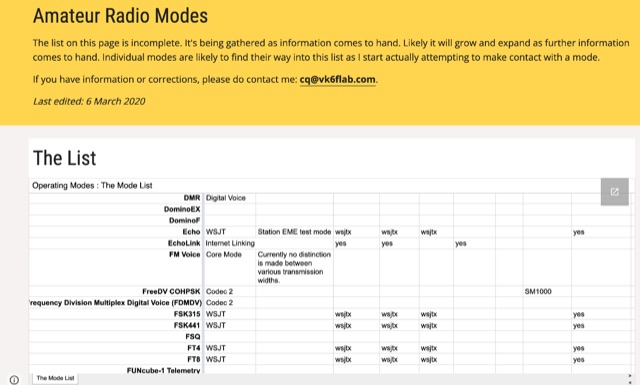 A table that summarize all known amateur radio emission modes, with reference to software and platform available for digital modes
 -
 This web page is part of a self-help program for licensed amateur radio operators and radio pirates.
 -
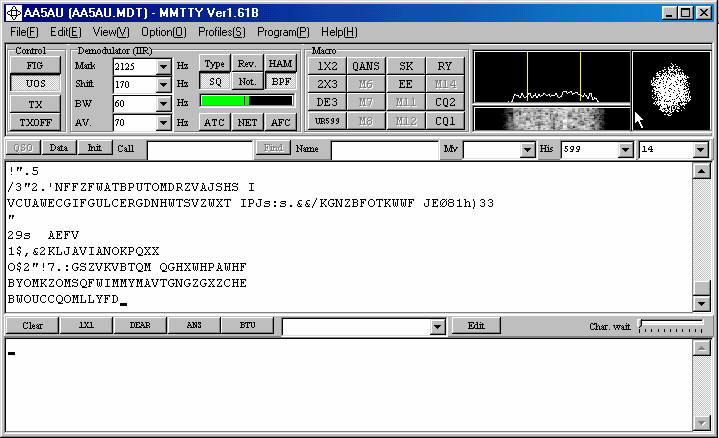 A tutorial on how to get started operating RTTY using MMTTY as the primary program to begin your RTTY operations. Installing, configuring and using MMTTY. Documentation in English and Spanish
 -
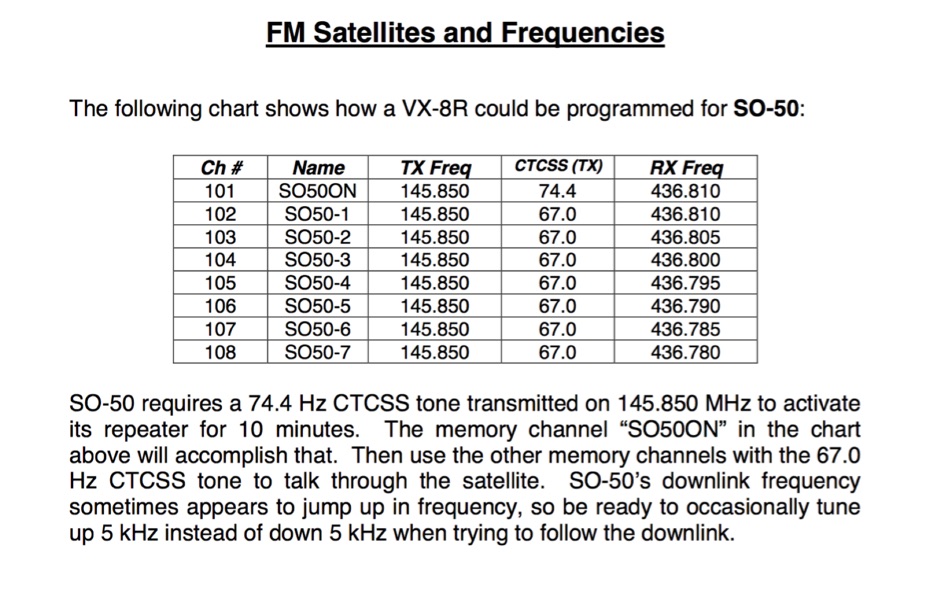 If you can program split-frequency memories in your dual-band radio, or your dual-band radio has two VFOs, you can work an FM satellite
 -
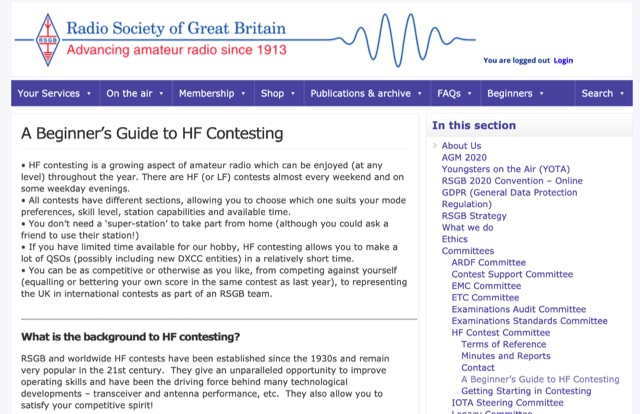 HF contesting is a rising aspect of amateur radio that can be enjoyed (at any level) throughout the year. There are HF and LF contests almost every weekend and on some weekday evenings. Learn how to take part in HF contests.
 -
 Amateur radio multi language QSO with translation in several languages. How to conduct a QSO in a foreign language including english
 -
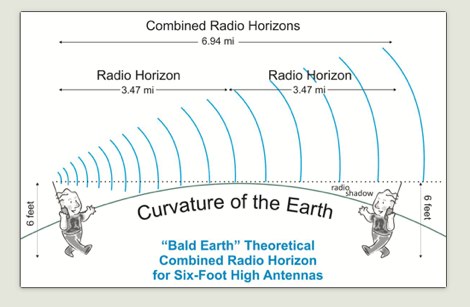 In order to determine total distance that a transmission may be received by two elevated antennas, we must add together the radio horizon distance of both antennas.
 -
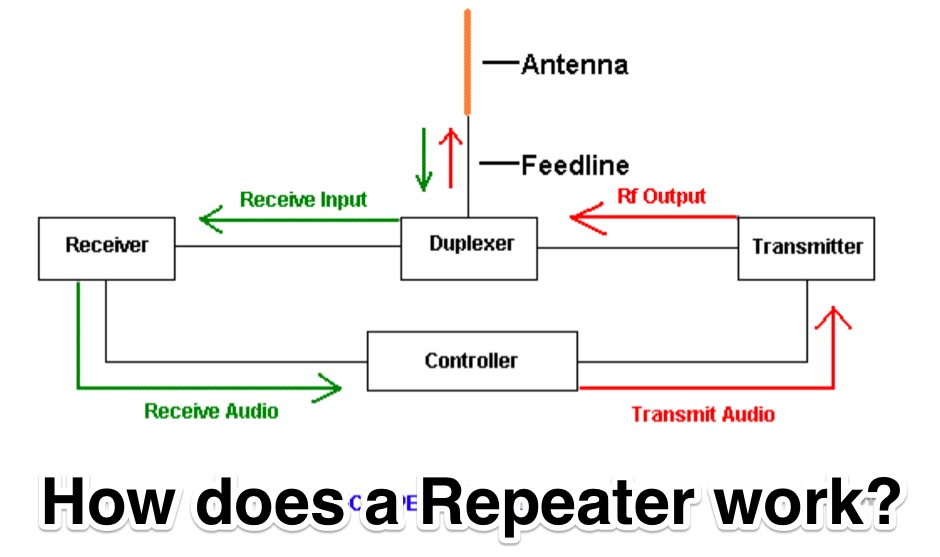 This article will help the New Ham to be more at home on repeaters and understand the operation and procedures on Ham Radio Repeaters.
 -
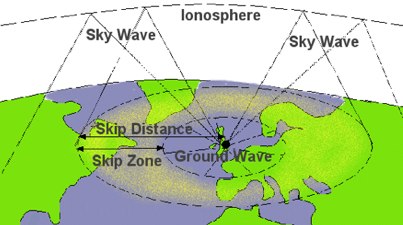 A interesting guide to help get started with HF published at Essex Ham
 -
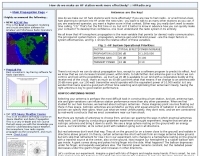 How do we make an HF station work more effectively? Antennas are the key!
 -
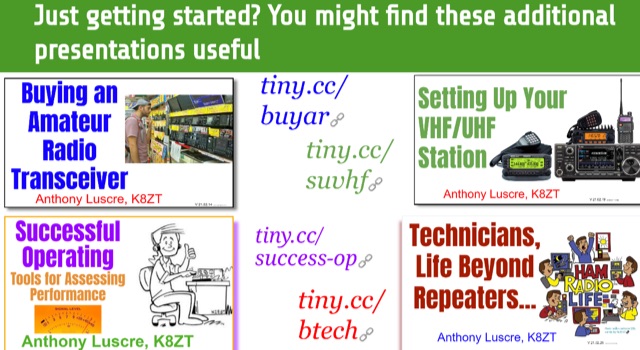 From buying an amateur radio transceiver, choosing the correct power supply, selecting the antenna and its feed line, to choosing the best microphone and accessories. A nice presentation for beginners.
 -
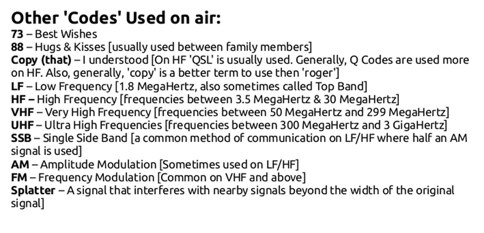 Taken from April 1935 issue of QST page 60 where there is a short article on the origin of 73
 -
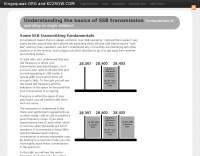 Fundamentals of operating on single sideband
 -
 A complete guide for newcomers edited by the Radio Amateur Society of Australia Inc. This free PDF includes several basic articles for new hams, with particular reference to Australian regulations, but is however a good guide for those who are aproaching the hobby worldwide.