Search results
Query: high gain
Links: 163 | Categories: 2
Categories
-
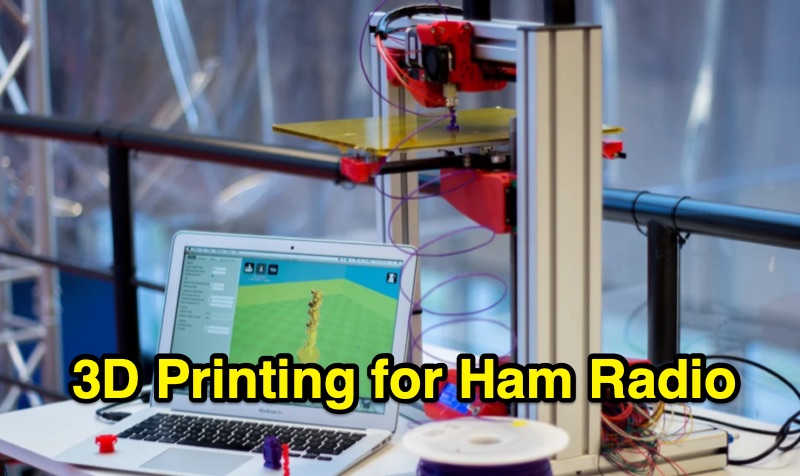 Fabricating custom components for amateur radio operations often requires specialized parts that are difficult to source commercially. This article provides a practical guide to utilizing **3D printing** technology to create bespoke enclosures, antenna mounts, and other accessories. It details suitable materials such as **PLA**, PETG, and ASA filaments, outlining their respective properties for indoor and outdoor applications, including UV resistance and heat tolerance. Specific examples include custom enclosures for NanoVNA units and ESP32 projects, as well as practical antenna components like EFHW winders and mast brackets. The resource addresses common concerns regarding the impact of printed plastics on RF characteristics, noting that materials like PLA, PETG, and ASA generally have low loss factors comparable to commercial insulators, making them suitable for most ham radio frequencies. It cautions against using carbon fiber reinforced filaments for RF parts due to their conductivity and advises careful consideration for high-Q antennas or frequencies above 1 GHz. The article also recommends various sources for STL files, CAD software for beginners, and entry-level FDM 3D printers, empowering radio amateurs to design and produce their own custom parts.
-
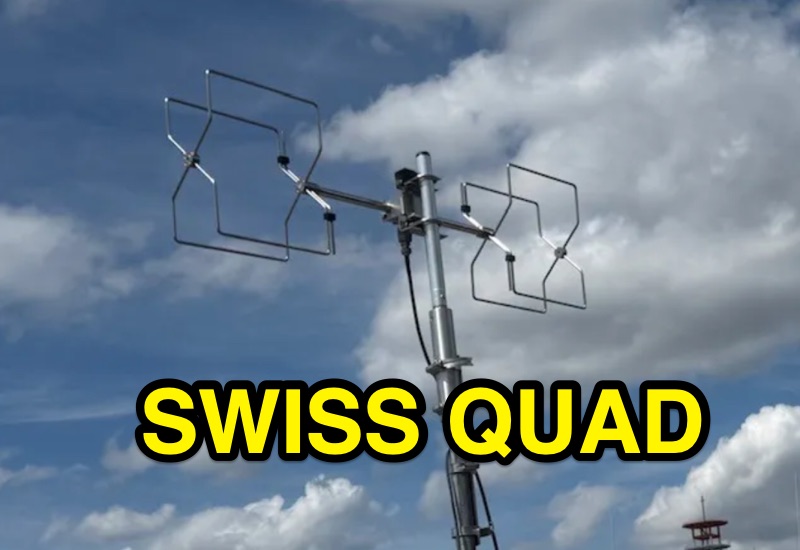 PD0G recounts the journey of building a 70cm Swiss Quad antenna, inspired by a vintage 2-meter version acquired for study. The author meticulously examines the original design, noting its distinctive curved metal elements and mechanical structure, which deviates significantly from traditional cubical quads requiring spreaders and wire. Historical context is provided, tracing the Swiss Quad's origins to R.A. Baumgartner (HB9CV) and its appearance in publications like the RSGB Bulletin in 1964 and QST in 1967, while also distinguishing it from other HB9CV designs. The project details the scaling process for 70cm, utilizing a calculation chart from F6ITV for initial dimensions and an existing MMANA-GAL model for 6 meters, scaled down to 433 MHz. Emphasis is placed on the critical gamma-match adjustment, with custom-machined POM parts for precise positioning and electrical isolation. Initial construction with 5mm aluminum elements and a 15mm boom led to practical challenges in bending and achieving target dimensions, necessitating adjustable element sections to fine-tune resonance. Measurements with a CAA-500 and SV4401A VNA confirmed a good match at 432.500 MHz with an SWR of 1.022 and LogMag of -39.46 dB. The author highlights that while a good SWR is achieved, further field testing is required to assess actual gain, directivity, and front-to-back ratio, especially when comparing single versus double element configurations. The article concludes by advocating for revisiting older, less common antenna designs, emphasizing the learning and satisfaction derived from hands-on experimentation.
-
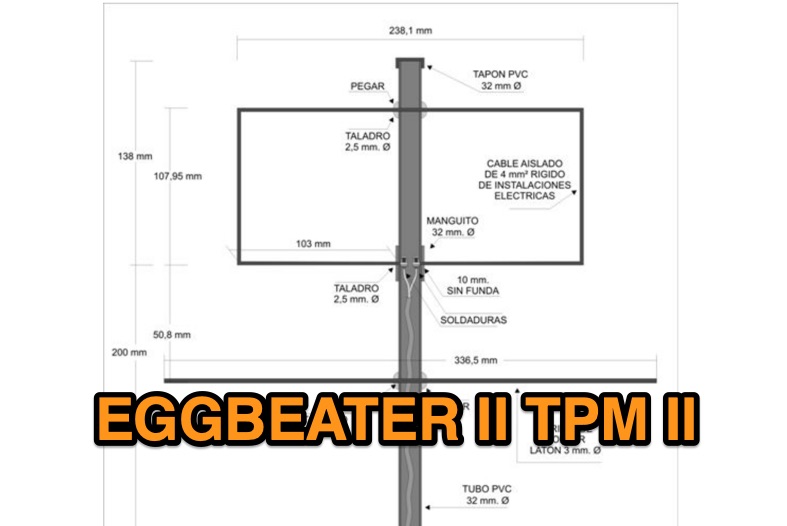 Operating amateur radio satellites presents unique challenges, particularly concerning antenna design and signal propagation. Juan Antonio Fernández Montaña, EA4CYQ, recounts his three-year journey into satellite communication, starting with initial guidance from EB4DKA. His early experiments involved a portable 1/4 wave VHF antenna with four 1/4 wave ground planes, designed for hand-held use to adjust polarity. This setup, paired with an FT-3000M transceiver, allowed full-duplex operation on **VHF** transmit and **UHF** receive, proving effective for early contacts on satellites like AO27, UO14, and SO35. EA4CYQ's experience highlights the critical role of coaxial cable loss and antenna polarization. After encountering significant signal degradation with longer RG213 runs, he experimented with a 1/2 inch commercial cable, noting improved reception but persistent fading due to varying satellite polarities. This led to the construction of an **Eggbeater II** antenna, an omnidirectional UHF design offering horizontal polarization at the horizon and circular right polarization at higher elevation angles. Subsequent modifications resulted in the directional **TPM2** antenna, which provided sufficient gain for LEO satellites with a wide 30-degree lobe, enabling consistent contacts from his home station. The article concludes with practical insights on the performance of the Eggbeater II for both UHF and VHF, and the TPM2 for UHF, emphasizing their utility for portable and fixed operations. EA4CYQ's journey underscores the iterative process of antenna development and the importance of adapting designs to overcome real-world propagation challenges in satellite communications.
-
 When installing a mobile antenna, optimal placement significantly impacts performance. Factors such as gain, antenna type, ground plane availability, mounting style, and environment must be considered. Antenna designs, such as 1/4 wave and 5/8 wave, have distinct radiation patterns ideal for specific settings—urban areas or flat terrains, respectively. Ground plane size requirements differ by frequency, impacting effectiveness. Among vehicle mounting options, the car roof center provides the best ground plane and minimal obstruction, ensuring peak performance, especially at higher frequencies like 800 MHz.
-
 Demonstrates optimizing an **ON4UN-type 4 Square antenna** for enhanced performance across the lower HF bands, specifically 160m through 10m. The article details a design that utilizes a single support structure for the vertical elements, significantly reducing construction complexity and cost compared to traditional multi-tower setups. It emphasizes the use of **elevated radials** to achieve improved gain and a lower receive noise floor, providing insights into the design principles and practical installation tips for this directional array. K0UO shares his experience with this low-cost, high-gain solution, including the integration of a hybrid coupler phaser. The author's field testing confirms the benefits of elevated radials in achieving better far-field performance. The optimized 4 Square design offers a practical alternative for hams seeking a directional array without the extensive infrastructure typically required. Comparisons are drawn to traditional ground-mounted radial systems, highlighting the superior gain and reduced noise characteristics observed with the elevated configuration, making it a compelling option for DXing and contesting on the lower HF frequencies.
-
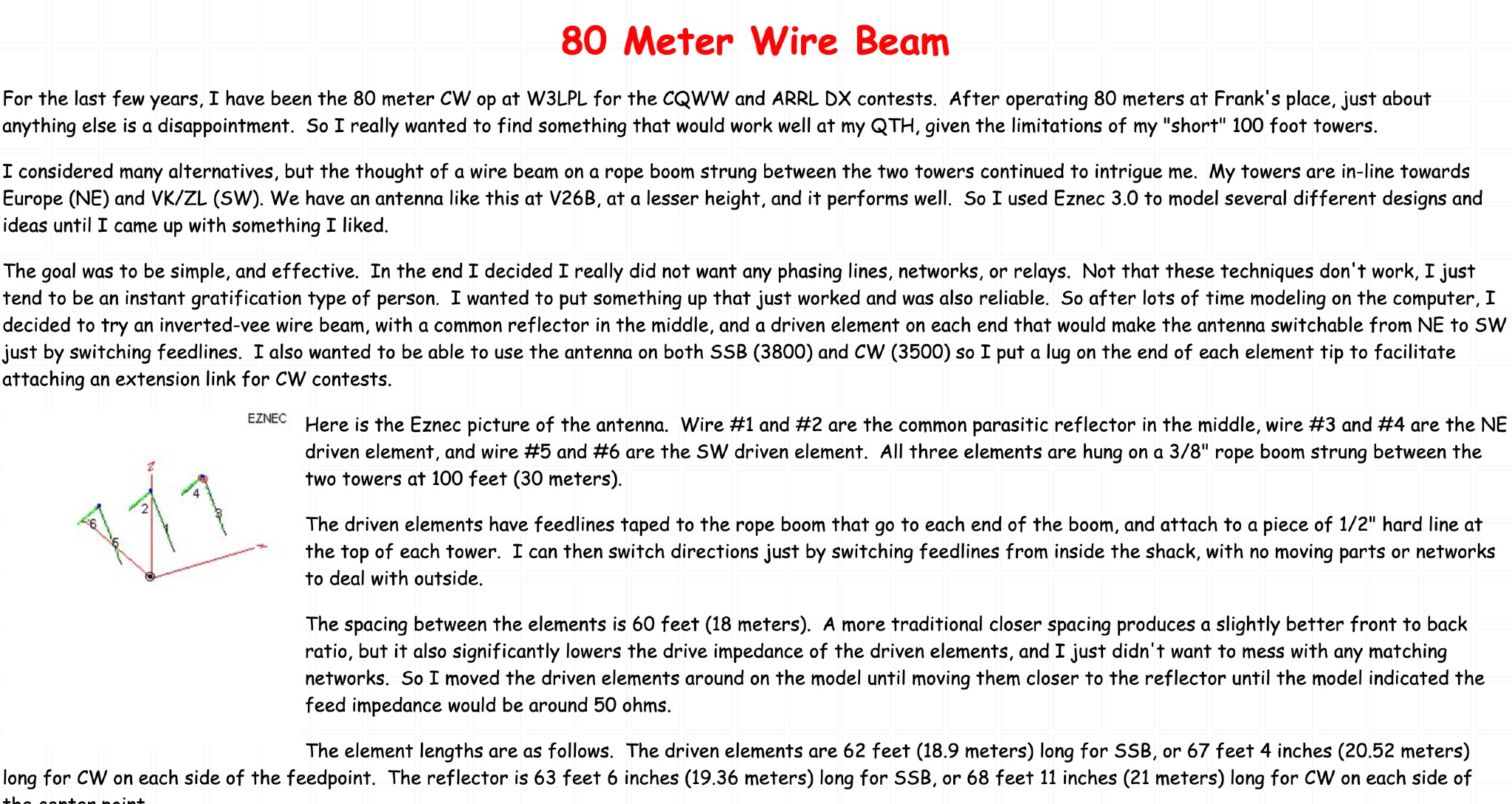 This paper presents an 80 meter wire 3-element beam antenna in an inverted-V configuration, designed for limited-height towers. Using EZNEC modeling, the antenna features a central parasitic reflector and two switchable driven elements at each end, enabling NE/SW coverage without moving parts or networks. Element lengths are optimized for SSB (3.8 MHz) and CW (3.5 MHz) operation, with a 50 Ω feed and rope-supported boom. The design delivers high gain, effective takeoff angles, and excellent reception, confirmed in real-world DX contest operation. Its simplicity, reliability, and ease of construction make it ideal for operators seeking performance without complex matching systems.
-
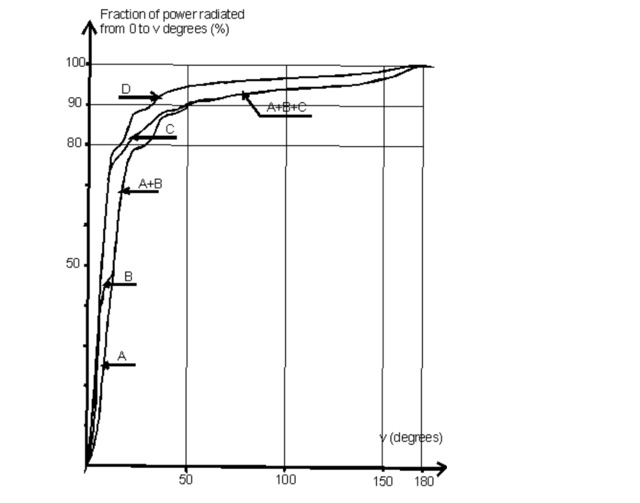 This paper by Leif Asbrink (SM 5 BSZ) presents a practical approach to designing very high gain Yagi antennas, focusing on the "brute force" optimization method. The method, described in a previous article, ensures convergence independent of initial guesses. The paper provides detailed tables of element lengths and positions for Yagi antennas optimized for 144.1 MHz with a 50-ohm feed point impedance, aiming for minimal losses and high accuracy in comparisons.
-
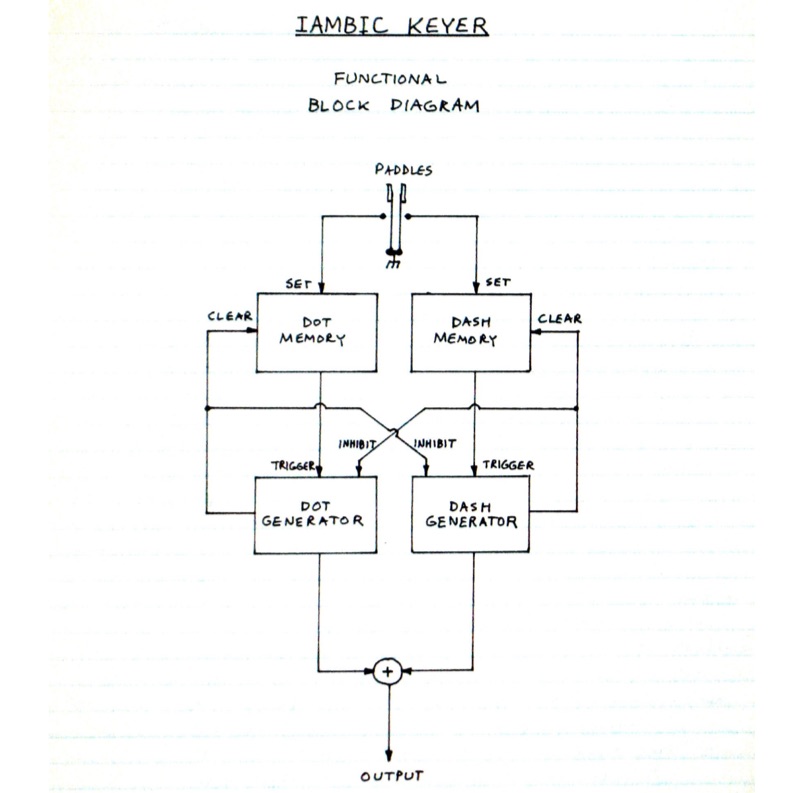 VE3SMA's document addresses several operational issues encountered with the Yaesu FTDX10 HF transceiver, offering practical solutions and technical explanations. It specifically tackles the high-frequency headphone hiss during CW operation with narrow filters, providing a schematic for a homebrew audio filter to mitigate this. The resource also investigates the FTDX10's behavior of transmitting CW via USB even when BK-IN is set to OFF, particularly when using N1MM+ contest software, and suggests tuning outside ham bands as a workaround. Furthermore, the document notes the rapid disappearance of band and mode selection screens, acknowledging a December 2021 software update that extended their display times. The analysis extends to audio harmonics generated in digital modes like FT8 and JS8CALL when using USB audio input, attributing the issue to unattenuated USB CODEC output and a low PRESET RPORT GAIN value. VE3SMA proposes a solution involving a higher RPORT GAIN setting (between 30 and 70) and a lower transmit audio level from the computer, demonstrating how to achieve a clean signal using the FTDX10's built-in spectrum scope. The document also discusses unstable power output in FT4/FT8 modes when driving an amplifier, recommending the use of Fake It or Rig Split modes in WSJT-X and operating with some ALC action. Finally, it explores methods for achieving a low-power continuous carrier for adjusting external antenna tuners, offering various techniques depending on the operating mode.
-
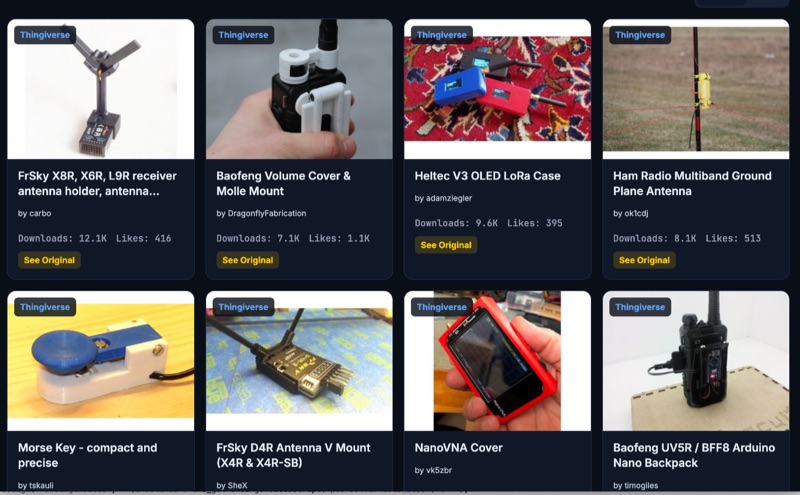 The resource provides a curated database of free **STL files** for amateur radio 3D printing, sourced from platforms such as Printables, Thingiverse, and Cults3D. This collection includes designs for antenna winders, EFHW transformer enclosures, HT and Baofeng accessories, key bases, Meshtastic cases, and POTA/SOTA field gear. The database is updated every six hours, ensuring access to current designs. Each entry specifies the original source platform, download count, and applicable license type (CC0, CC-BY, CC-BY-NC), with clear guidelines for attribution and commercial use. Additionally, a comprehensive filament guide details material properties crucial for ham radio applications. For instance, ASA offers 248°F (120°C) heat resistance and excellent UV stability, making it suitable for outdoor antenna components. ASA-GF provides enhanced stiffness while retaining RF transparency, beneficial for structural parts near feedlines. The guide addresses material selection for specific uses, such as antenna winders and transformer enclosures operating with 100W FT8 transmissions, highlighting the importance of heat deflection temperature (HDT) and UV resistance to prevent warping in hot environments like vehicle trunks. It explicitly warns against carbon fiber (CF) filaments due to their electrical conductivity, which attenuates RF signals, recommending glass fiber (GF) variants for RF-transparent structural components.
-
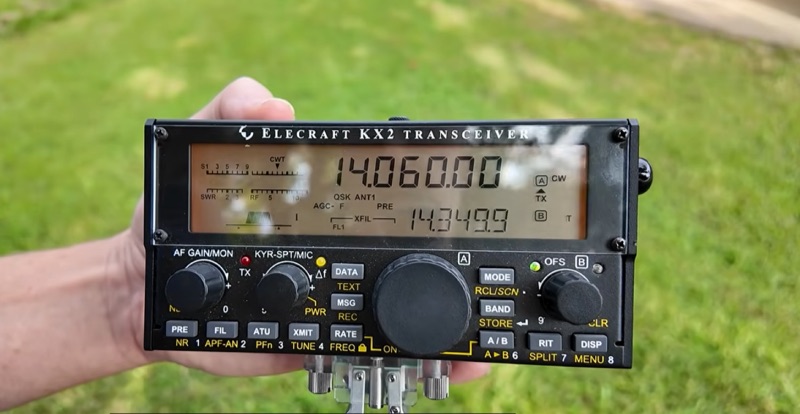 The Elecraft KX2, a full-featured QRP rig, underwent rigorous field testing against three more economical CW transceivers: the QCX-mini, QMX, and CFT1. This comparative analysis involved real-world POTA activations and casual ragchews, focusing on critical operational aspects such as receiver clarity, filter efficacy, battery longevity, and overall contact handling. The KX2, covering 80-10 meters, was contrasted with the single-band QCX-mini and the 5-band QMX and CFT1 units. Observations included how each rig performed under portable conditions, providing practical insights into their utility for CW communication. The authors, N4FFF and N4BKY, specifically highlighted features unique to the **Elecraft KX2** that differentiate it from the other tested radios, offering a direct comparison of their capabilities. The resource also touches upon the relative cost-to-performance ratio, helping operators assess the value proposition of each transceiver. This hands-on evaluation offers valuable data points for hams considering QRP CW operations, particularly for field deployments.
-
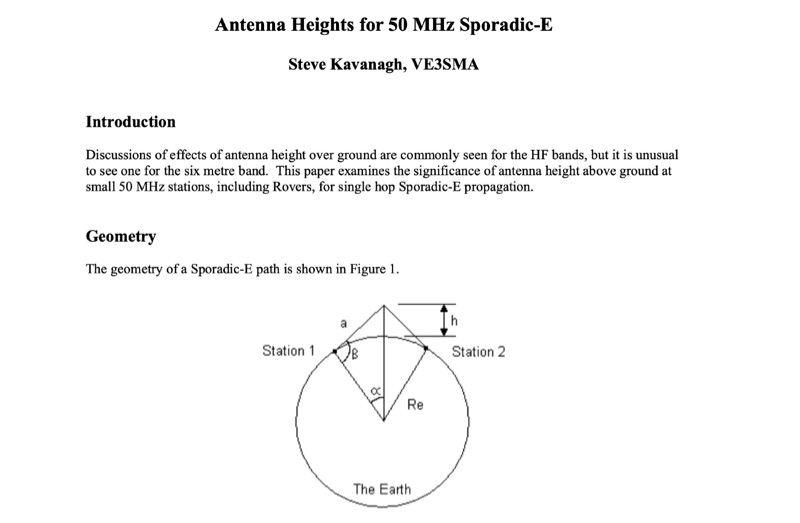 VE3SMA's analysis, "50 MHz Sporadic-E Antenna Height Analysis for Single-Hop Propagation," investigates the impact of antenna height above ground for small 50 MHz stations, including Rover operations, specifically for single-hop Sporadic-E propagation. The methodology employs a simplified geometric model, treating Sporadic-E clouds as a horizontal mirror at an altitude of **110 km** above Earth, with a radius of 6378 km. Calculations detail elevation angle versus distance, covering path lengths from 1000 km up to the maximum single-hop distance of 2352 km. The resource presents tabular data (Table 1) and a graphical representation (Figure 2) showing elevation angles for various distances, such as 10.05 degrees at 1000 km and 2.27 degrees at 1900 km. It also considers the relative land area covered by different elevation angle ranges, noting that the 3 to 10-degree range (1000-1800 km) covers an area approximately equal to the 0 to 3-degree range (1800-2352 km). The paper further models the elevation patterns of simple antennas, including a 3-element **Yagi** and a dipole, at various heights above flat ground and a sloping ground scenario, using YA modeling software. Observations derived from the analysis indicate that most Sporadic-E signals have elevation angles under 10 degrees, and about half are under 3 degrees. The study suggests an optimum antenna height of 50-60 feet for flat ground to balance gain at low angles, and highlights the significant gain differences for Rover antennas at varying heights, as well as the benefits of sloping ground for low antennas.
-
 The Yaesu FTDX-10 transceiver requires specific configuration adjustments to achieve seamless interoperability with WSJT-X for FT8 digital mode operation. As KI5GFU discovered, the out-of-the-box settings, even when migrating from a Yaesu FT-991 setup, do not immediately provide full functionality, necessitating careful modification of both the radio and the software parameters. Key FTDX-10 adjustments include setting the mode to DATA-U, optimizing attenuator, preamp, roof filter, and AGC. Further modifications involve factory 'REAR SELECT', 'RPORT GAIN', and 'RPTT SELECT' settings, alongside fine-tuning 'LCUT FREQ', 'LCUT SLOPE', 'HCUT FREQ', and 'DATA SHIFT (SSB)' values to enhance signal quality, a point often highlighted by experienced operators. For WSJT-X, the setup involves selecting the FTDX-10 radio model, configuring the serial port to a virtual port like cu.SLAB_USBtoURAT with a baud rate of 38400, eight data bits, two stop bits, and no handshake. PTT method is set to CAT, mode to Data/Pkt, and appropriate USB Audio CODEC drivers, such as Silicon Labs (SLAB) on a MacBook Pro, are selected for audio input and output.
-
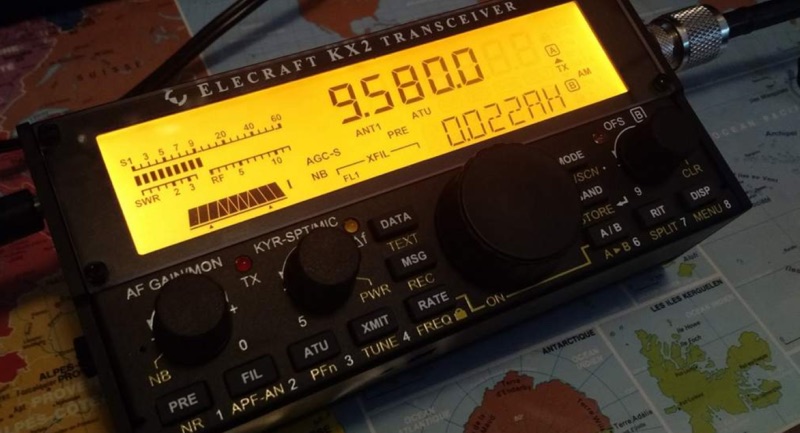 Operating the Elecraft KX2 in the field reveals its strengths as a **QRP transceiver**, particularly for activations like NPOTA. The author, K4SWL, recounts his initial skepticism about acquiring a KX2, already owning both the KX1 and KX3, but ultimately found its compact form factor and feature set compelling for portable use. He details the process of learning the KX2's menu system, noting differences from the KX3, and praises the comprehensive Elecraft owner's manual for navigating these nuances. K4SWL's experiences with the KX2 during numerous NPOTA activations highlight its quick deployment and effective internal options, such as the LiPo battery and the **KXAT2 internal ATU**. He shares an anecdote from the W4DXCC conference where the KXAT2 successfully matched a 20-meter hex beam on 40 meters at 10 watts, a task the Icom IC-7300's internal tuner could not accomplish. This demonstrates the KX2's robust tuning capabilities for varied field antenna setups. The review also touches on the KXPD2 keyer paddle, noting its improved design over the KX1's primitive paddles, despite a higher price point. K4SWL provides audio comparisons of the KX2's general coverage receiver in AM mode against an LnR Precision LD-11, showcasing its impressive shortwave broadcast listening capabilities, while acknowledging its designed limitations for mediumwave reception.