Search results
Query: online SDR
Links: 19 | Categories: 1
Categories
-
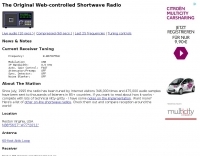 The online interface presents a **Drake R8** communications receiver, allowing users to remotely tune frequencies, select modes, and adjust key settings via a web browser. It features a graphical representation of the receiver's front panel, including a rotatable main tuning knob, offering an interactive experience for shortwave listening. The system has been operational since 1995, providing continuous access to the receiver's capabilities. Users can listen to various shortwave broadcasts and amateur radio communications across the HF spectrum. The interface supports real-time frequency changes and mode selections, such as AM, SSB, and CW, directly impacting the physical receiver's operation. This setup enables remote exploration of radio signals without requiring personal equipment. The resource functions as a live **Web-controlled Shortwave Radio**, making the Drake R8 accessible globally. It serves as a practical demonstration of remote radio operation, facilitating both casual listening and more focused signal analysis for those interested in HF propagation and radio reception.
-
 Breakaway Pipeline allows you to send audio to or from another program on the same computer. This will permit to forward audio streams, virtually like connected via a cable taken form any radio receivers, like online web sdr or your digital modes receiver like WSJT-X or fldigi to anther application running on the same PC.
-
 A live map of current KiWiSDR receivers available on the network. It allows users to explore a directory of web-controlled receivers for listening to HF and VHF stations worldwide. The site provides access to remote ham radio stations online, making it a valuable resource for amateur radio operators.
-
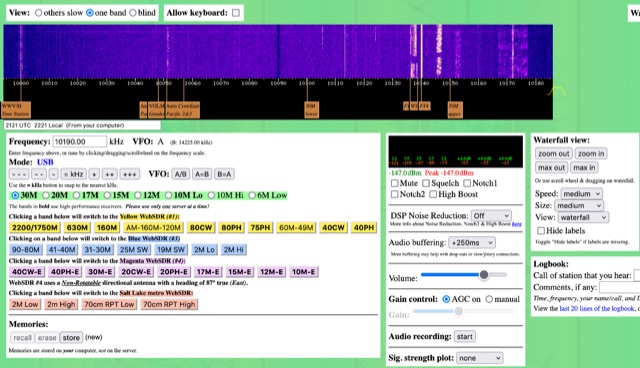 This online WebSDR is located near Corinne, Utah, has coverage on all U.S. amateur HF, MF and LF bands, 2 meters, the bottom 1 MHz of 6 meters, and several shortwave broadcast bands.
-
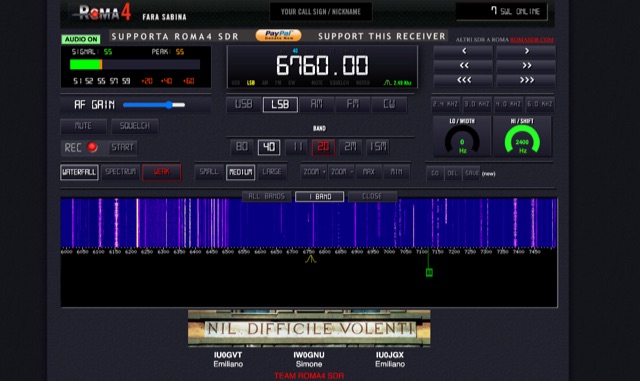 The Roma2 WebSDR provides remote access to a software-defined radio receiver situated in Rome, Italy, enabling users to listen to various amateur radio bands. It features a user-friendly web interface with controls for audio gain, DSP filtering, and bandwidth selection, including options like **2.4 kHz**, **3.0 kHz**, **4.0 kHz**, and **6.0 kHz** filters. The system supports both desktop and mobile device access, with a dedicated mobile version available for optimized performance. Operating as part of the _ROMA SDR Network_, it logs user activity, automatically recording time, frequency, and DXCC information for each session. The platform also addresses common browser-specific audio issues, such as white noise in _Chrome_, by suggesting workarounds like muting/unmuting or using alternative browsers like Firefox.
-
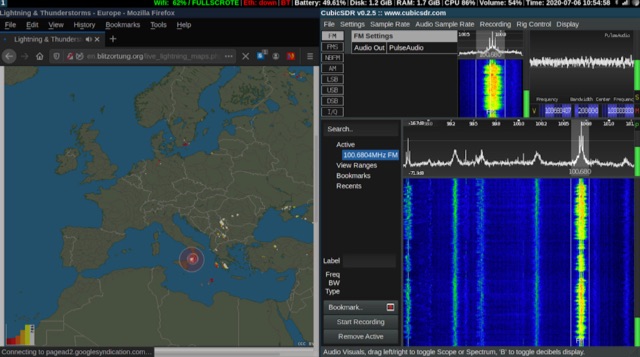 Linux for shortwave and amateur radio monitoring. Supports popular SDR hardware and online streaming from KiwiSDR, WebSDR, and Spyserver sites. Articles about using Linux with your SDR devices.Skywave Linux, an innovative operating system, leverages cutting-edge technology for seamless access to radio signals globally. Ideal for regions with limited internet access, it effortlessly connects to a network of SDR servers, offering high-performance SDR operation without the need for extensive hardware. With pre-installed and configured SDR software, Skywave Linux simplifies signal discovery and operation for all users.
-
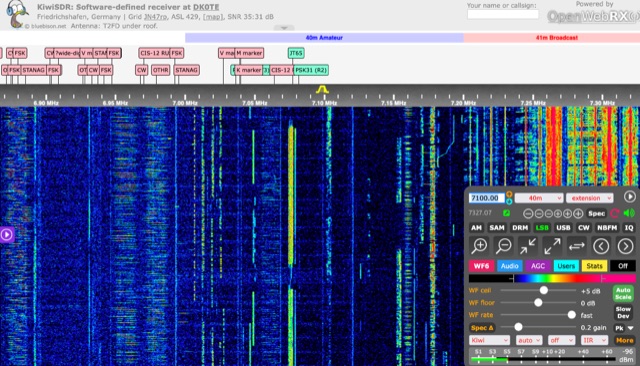 Online internet HF LW MF web receiver based in Baden-Wuerttemberg cooperative state university Ravensburg Campus Friedrichshafen running a T2FD antennan under roof.
-
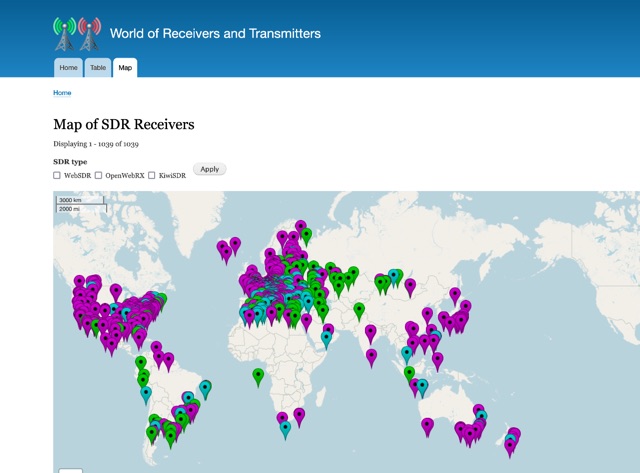 A searchable database of online websdr receivers, lists OpenWebRX, KiWi SDR and WebSDR from all over the world, providing a web interface to search and filter links to websdr
-
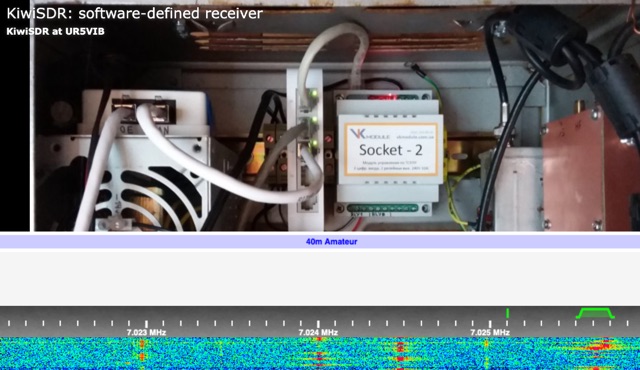 Online web SDR from central part of Ukraine powered by OpenWebRX KiwiSDR at UR5VIB
-
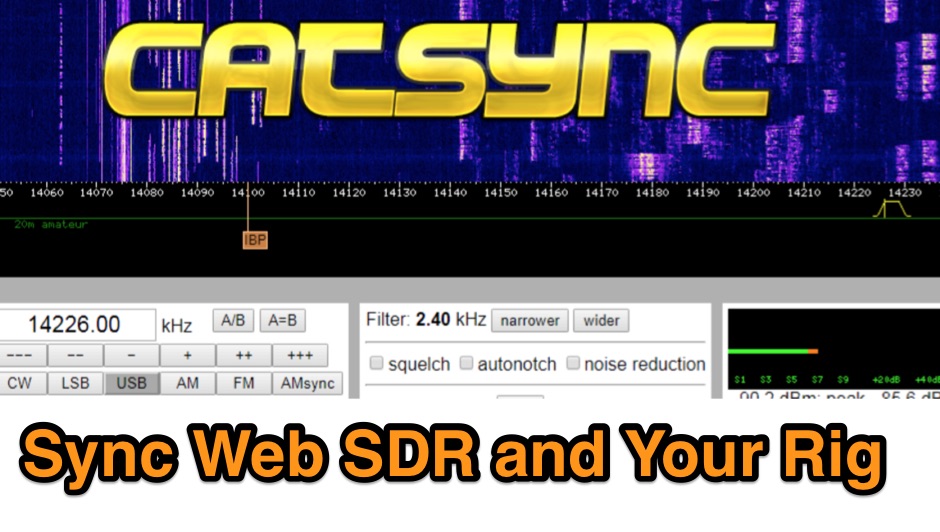 CATSync V1.30 integrates OpenWebRX support, expanding its capability to synchronize a local amateur radio transceiver's CAT control with a broader range of public WebSDR receivers. The software facilitates real-time frequency tracking, allowing the operator to adjust their physical rig's VFO and observe the connected WebSDR instantly follow the tuned frequency. This functionality is crucial for remote listening, signal comparison, and verifying propagation conditions across different geographic locations using a familiar hardware interface. The application supports both the classical WebSDR interface and KiwiSDR platforms, providing a consistent control experience across various online SDR deployments. It bridges the gap between local station operation and the vast network of globally distributed software-defined radios, offering a practical tool for DXers and contesters. CATSync is designed for Windows and Linux environments, with Android compatibility noted, making it accessible to a wide user base seeking to leverage WebSDR resources with their existing station setup.
-
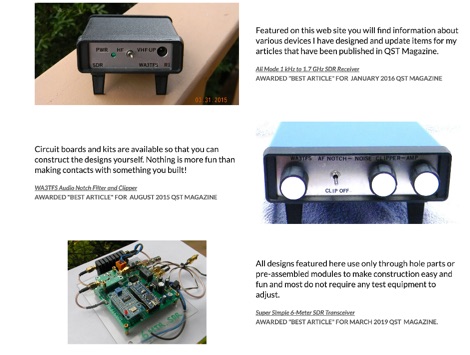 Details on projects by WA3TFS published in QST magazine over the past few years. Includes an online shop with several ham radio kits, circuit boards, simple SDR transceivers
-
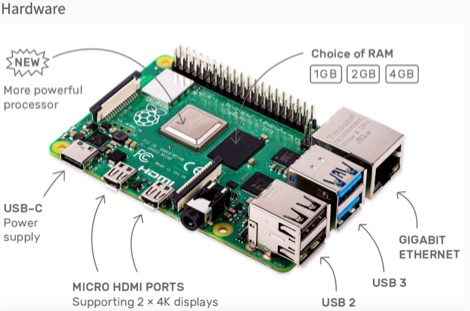 This resource is an online tutorial focused on setting up the Raspberry Pi for amateur radio applications. It covers the installation and configuration of various software packages tailored for digital communications and protocols, including _Packet Radio_ with Hamlib and Direwolf, as well as data modes like FLDigi and WSJT-X. The guide also details the integration of hardware components such as GPS clocks for time synchronization and real-time clocks for enhanced functionality. Users will find instructions for installing software like GPredict for satellite tracking and GQRX for software-defined radio (SDR) applications. The tutorial emphasizes practical steps, including the use of command-line inputs in the Raspberry Pi OS terminal, and provides troubleshooting tips for common issues such as faulty SD cards or insufficient power supplies. Operators are encouraged to explore various applications, including APRS iGates and WSPR beacons, to enhance their ham radio experience. The material is designed for licensed amateur radio operators with basic knowledge of electronics and computing.
-
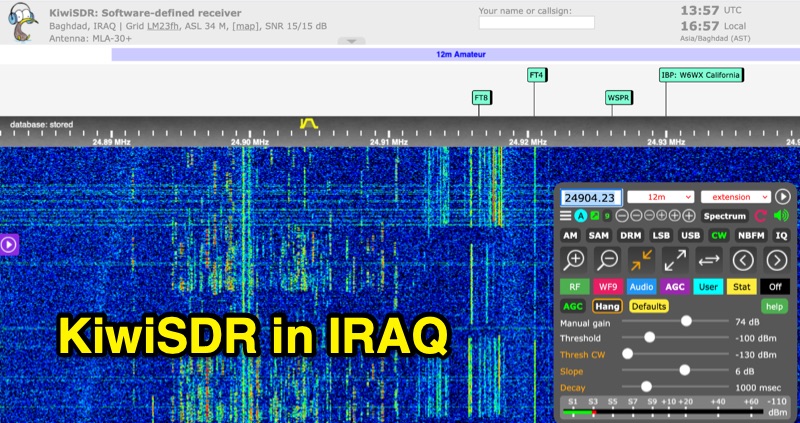 Listen to HF communications via the KiwiSDR online receiver located in Badgad IRAQ locator LM23fh. This web receiver is running a MLA 30+ antenna and can be tuned easily on all HF bands from 10 to 80 meters.
-
 This project revisits a minimalist software-defined radio (SDR) receiver built using a Raspberry Pi Pico, now optimized for simplicity and affordability. Designed for breadboard assembly with through-hole components, the receiver covers 0–30MHz, supporting CW, SSB, AM, and FM modes with an OLED display and spectrum scope. Key improvements include enhanced frequency accuracy, reduced op-amp saturation, and lower-cost components. Powered by three AAA batteries, it delivers standalone operation for global signal reception. Ideal for hobbyists, the design fosters experimentation and is documented with firmware and schematics available online.
-
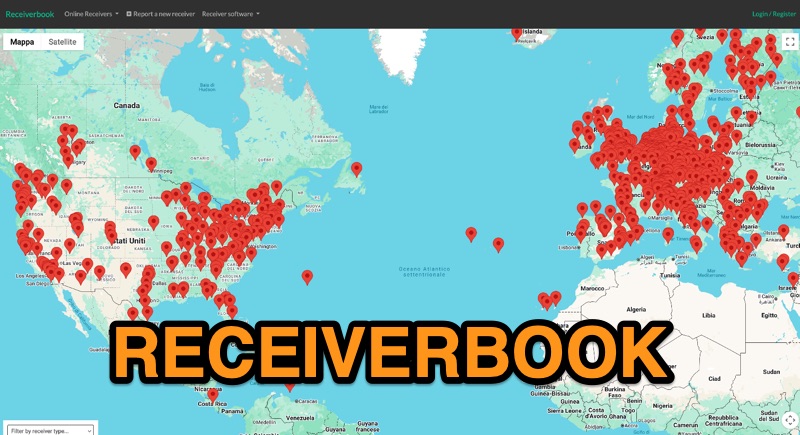 Monitoring radio communications through web-accessible Software Defined Radios (SDRs) has become a popular facet of the hobby, and Receiverbook serves as a centralized directory for locating these remote assets. The platform aggregates listings for both **OpenWebRX+** and **KiwiSDR** installations, providing a gateway to a diverse array of frequencies and operating modes. My own experience with similar directories highlights their utility for casual listening, DXing, and even troubleshooting local RFI by comparing signals across different geographic locations. The directory details specific receiver locations, from Bedford, England, to Marahau, New Zealand, and Berlin, Germany. Each entry often specifies the supported frequency ranges, which can span LF, MF, HF, VHF, and UHF bands, including dedicated segments like 80m, 40m, 2m, and 70cm. Many listings explicitly note support for HAM radio, broadcast services, and public two-way radio, making it a versatile tool for various listening interests. Beyond general frequency coverage, some entries provide granular details about the underlying hardware, such as the **SDRPlay RSP1A** or RTL-SDR Blog V3, and even the antenna types employed, like the Sirio Gain-Master. This level of detail is invaluable for serious SWLs and hams looking to understand the capabilities and limitations of a particular remote receiver before tuning in.
-
 This guide explores the captivating hobby of shortwave listening (SWL), offering insights for beginners and enthusiasts alike. It covers key shortwave broadcast bands, essential tools like antennas and receivers, and practical tips to enhance listening experiences. Recommendations include budget-friendly SDR receivers, traditional radios like the TECSUN PL-680, and antennas suited for various environments. Additional resources, such as the World Radio & TV Handbook and online tools like Short-Wave.Info, are highlighted to help identify signals and maximize the enjoyment of SWL.
-
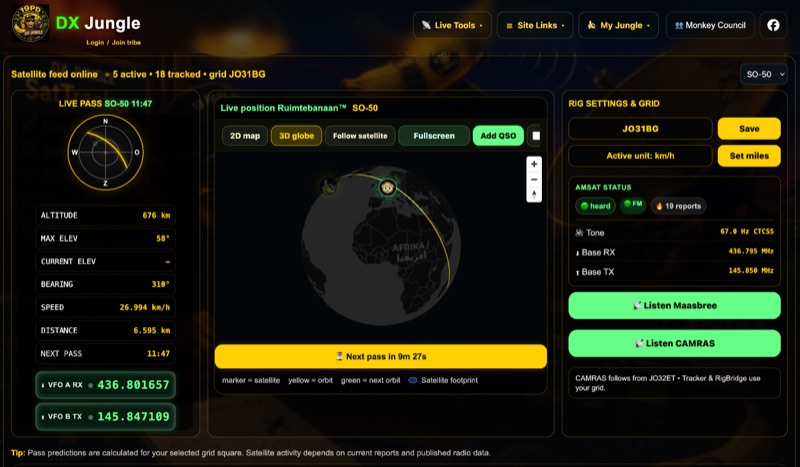 The DX Jungle SatTracker is an interactive online tool designed for real-time amateur radio satellite tracking. It incorporates live Doppler correction, AMSAT satellite status, and pass predictions for various active amateur radio satellites such as ISS, SO-50, FO-29, and RS-44. The platform calculates real-time uplink and downlink frequencies, adjusting for Doppler shift, and displays satellite footprints and orbital paths on a map interface. Users can select specific satellites and input their grid square for localized pass predictions. This service integrates WebSDR support, allowing users to listen to satellite passes live without requiring a physical radio, and offers Companion radio control capabilities. Orbital data is sourced from CelesTrak, while radio frequencies are derived from AMSAT and SatNOGS. The interface provides options to filter for FM repeater-only satellites and displays active passes, ordered by the next available pass, facilitating timely operational planning for satellite enthusiasts.
-
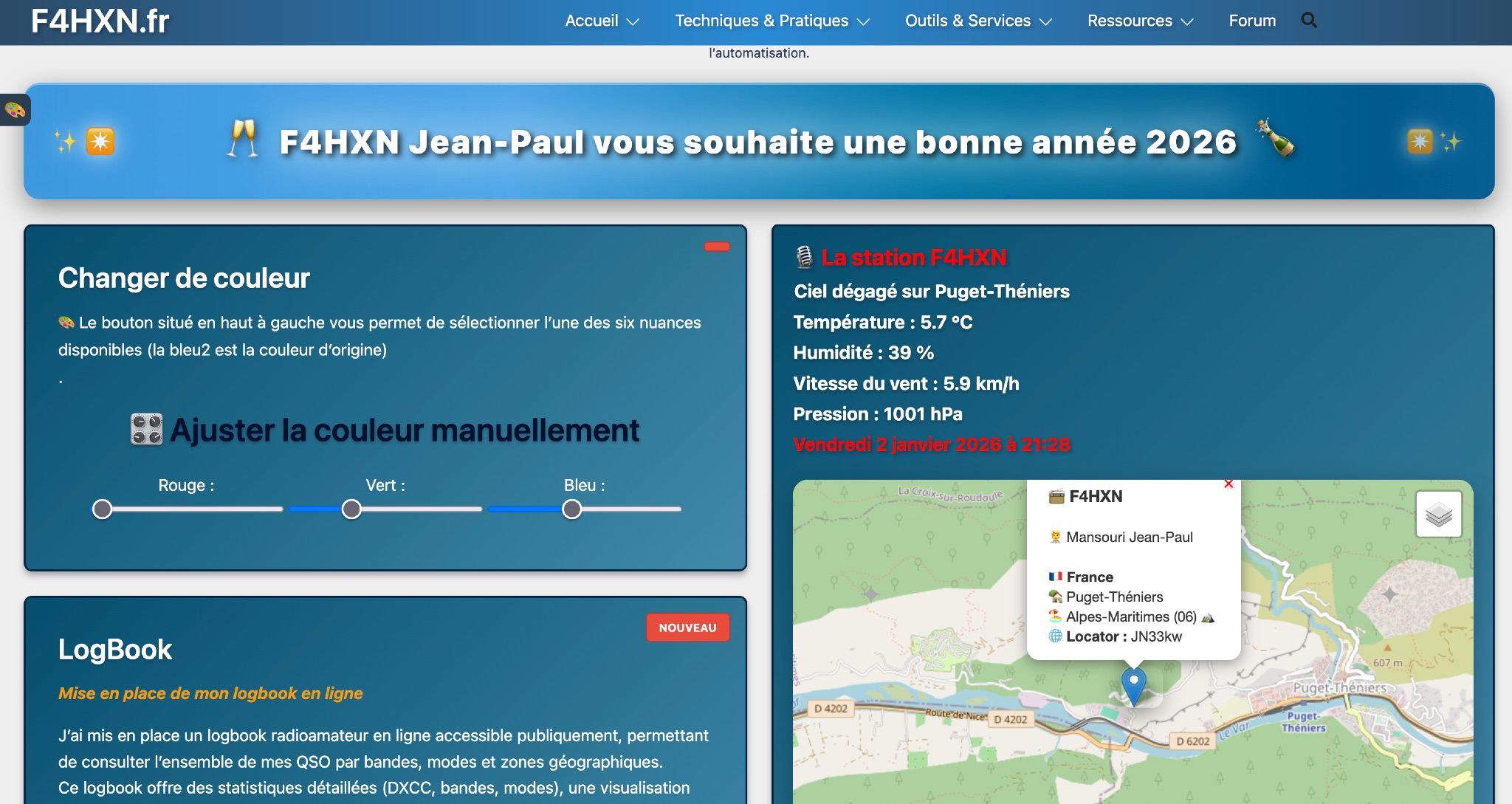 Demonstrates various technical projects and tutorials for amateur radio operators, focusing on digital modes, monitoring, and station setup. It covers topics such as implementing a _WSPR_ station, setting up ADS-B reception, configuring a _DXSpider_ cluster, and utilizing monitoring tools like Prometheus and Grafana. The resource provides practical guides for integrating modern IT solutions with ham radio activities, including Docker and Linux environments for radio applications. This site also features a publicly accessible online logbook, offering detailed statistics on QSOs by band, mode, and geographical zone, with visual mapping of contacts. It includes a comprehensive amateur radio lexicon, explaining hundreds of terms, and provides a real-time display of the F4HXN station's local weather conditions. The resource also aggregates information on upcoming ham radio events and offers a **SWR simulator** for antenna analysis, allowing users to visualize ROS changes based on frequency and antenna parameters.
-
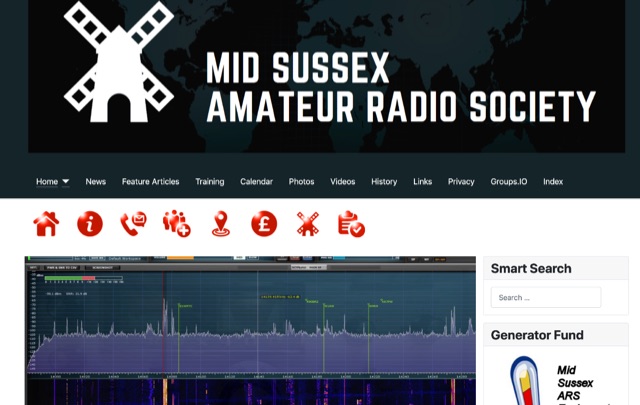 Mid Sussex ARS is an RSGB-affiliated club and meets at its headquarters in Burgess Hill on the 2nd and 4th Friday of each month. They organize various activities ranging from talks by members or guest speakers, evenings on the air using their shack's latest SDR equipment, training evenings and used equipment sales. As well as scheduled club nights, they run many outdoor activities throughout the year, including direction-finding contests, town days, social evenings and Special Event Stations. They even have their own free online training academy!