Aurora Propagation Resources for Ham Radio
Find resources on aurora effects on radio propagation, including forecasting models, operational strategies, and research for amateur radio.

Auroras, also known as the Northern and Southern Lights, significantly influence radio propagation, especially in the VHF band. Understanding this phenomenon is crucial for amateur radio operators, as auroras can enhance signal propagation over long distances. The dynamics of solar wind and geomagnetic storms directly affect the occurrence and intensity of auroras, impacting radio communication reliability and effectiveness.
Key concepts include the Kp Index, which measures geomagnetic activity, and short-term forecasting models like OVATION, which predict aurora location and intensity. Resources such as the Michigan Tech Aurora page and various VHF research sites provide valuable insights into aurora-related propagation effects and operational strategies.
-
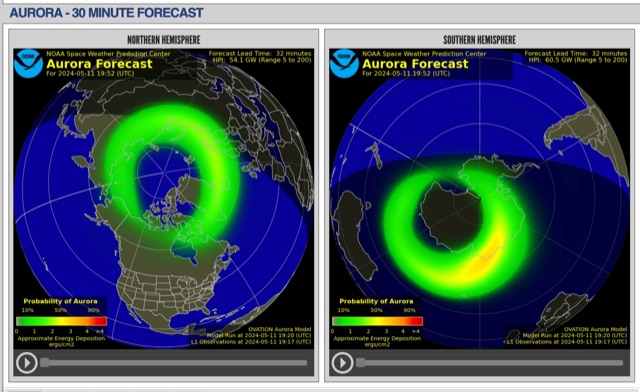 The short-term aurora forecast, based on the OVATION model, predicts aurora location and intensity 30 to 90 minutes ahead, aligning with solar wind travel time. Maps show aurora ovals in green, turning red for higher intensity. Aurora, visible after sunset or before sunrise, impacts technologies like radio communication, GPS, and power grids. It's a mesmerizing space weather spectacle, drawing travelers to the Arctic.
 -
 A source for Information, links and images about the "Northern Lights" on-line since the Web began
 -
 Thierry LOMBRY, ON4SKY, develops in several long articles the bascis of propagation. His website includes also a French section dealing with auroras.
 -
 Sounds of Space Weather by S. McGreevy, N6NKS
 -
 Auroral Large Imaging System, ALIS
 -
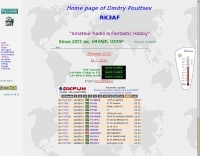 VHF, ms, aurora, es, photos, audio, link, soft and more.
 -
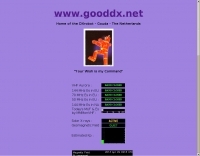 The DXrobot provides automatic real-time E-skip and aurora alerts for VHF bands (50, 70, 144 MHz) via email or SMS, with separate systems for EU and NA
 -
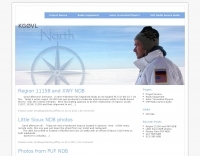 Website dedicated to vhf radio aurora operations by KG0VL
 -
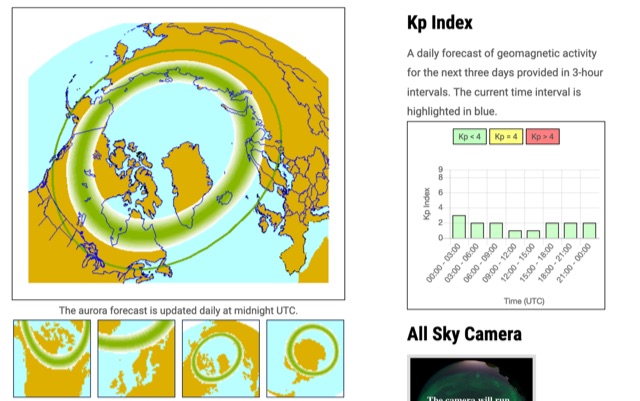 Aurora forecast is updated daily at midnight UTC includes Kp Index forecast for next 3 days