Search results
Query: ares radio
Links: 165 | Categories: 6
-
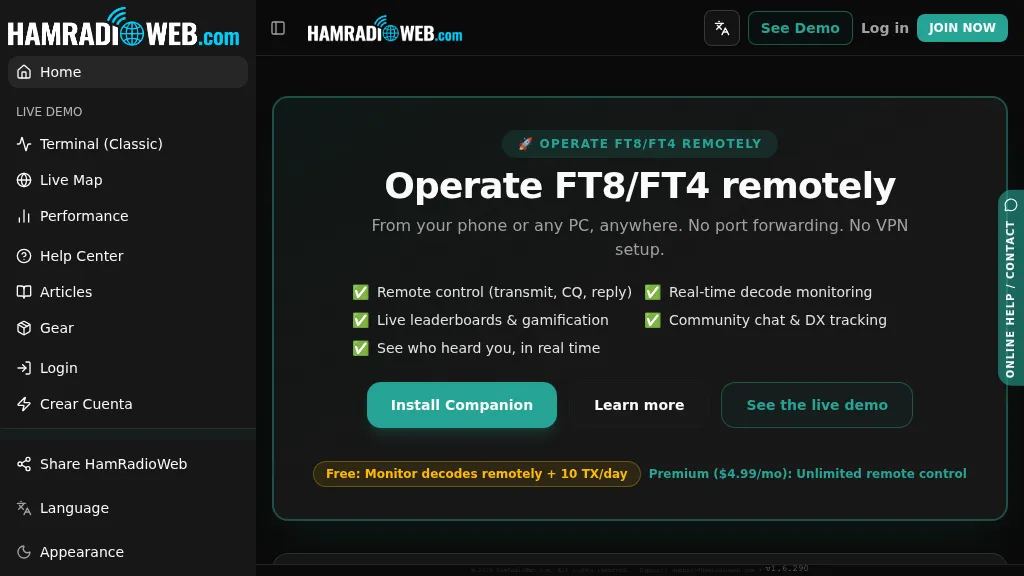 Provides a real-time intelligence layer for **WSJT-X** and **JTDX** operators, enhancing weak-signal digital mode operations. It enables remote monitoring of decodes and transmit control for FT8 and FT4 from any browser or device, eliminating the need for port forwarding or VPNs. The platform integrates with PSKReporter data to compare a station's signal-to-noise ratio (SNR) against nearby operators receiving the same signal, offering immediate feedback on propagation and station performance. Operators can track DXCC entities, grid squares, CQ/ITU zones, and WAC status in real-time through an integrated logbook. A live global band-activity map visualizes who is decoding a station's transmissions, providing tactical intelligence updated every 15 seconds. The system also includes social features like community chat, allowing operators to share station metrics and engage with others. The Companion app, a small bridge application, runs on the shack PC, facilitating seamless remote access and control. This setup transforms the weak-signal operating experience by providing actionable data and real-time insights into propagation openings and station effectiveness.
 -
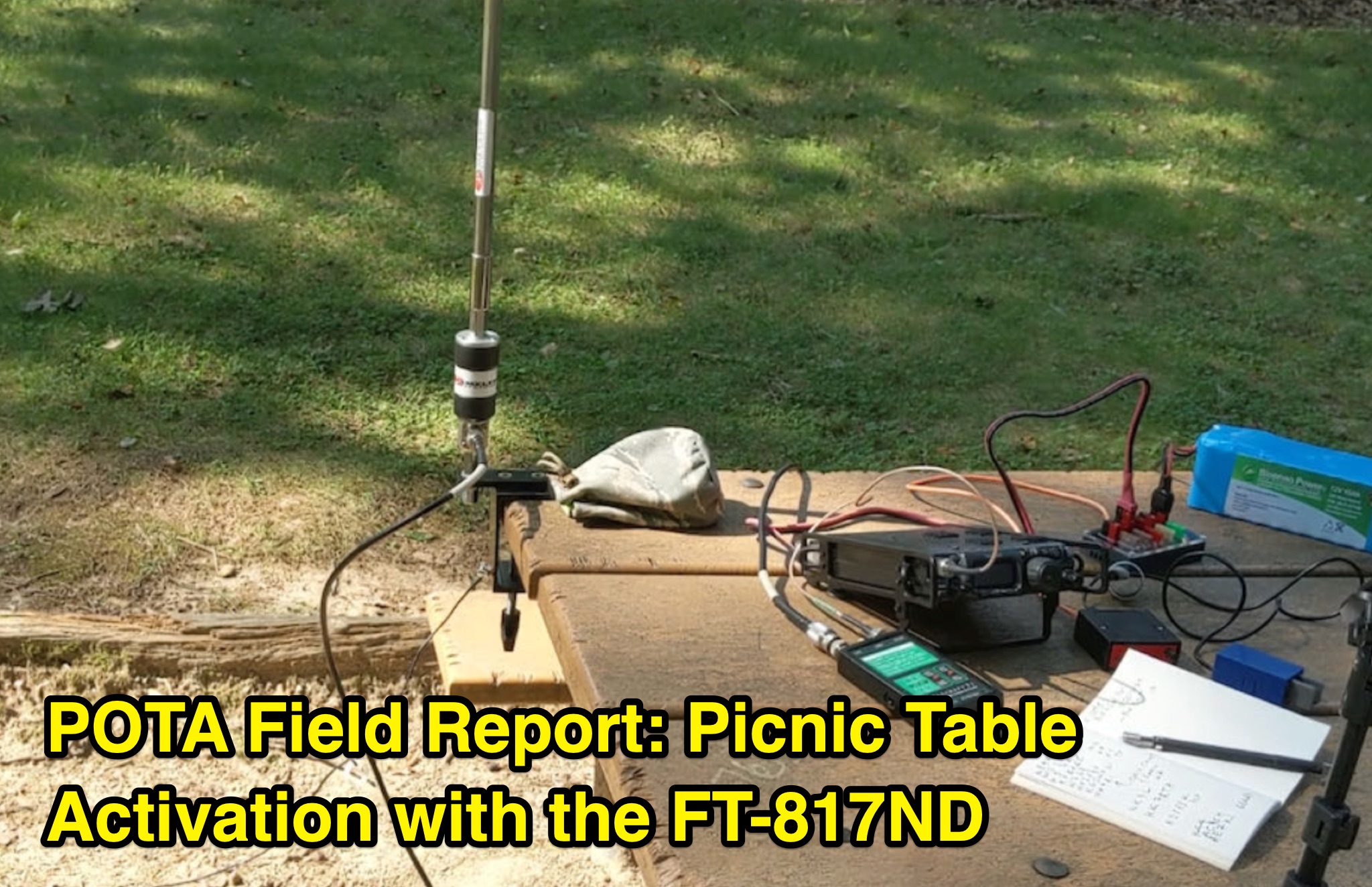 Read about a ham radio operator's experience activating a POTA site at the Folk Art Center using the Chameleon MPAS Lite vertical antenna and the Chameleon Universal Clamp Mount (CHA UCM). Discover how the author carefully deploys antennas to avoid interference with other park visitors and learn about the features of the CHA UCM, a simple antenna clamp mount. Follow along as the author shares their setup and operating spot choices to maximize their portable radio experience while enjoying the peaceful surroundings of the Blue Ridge Parkway.
 -
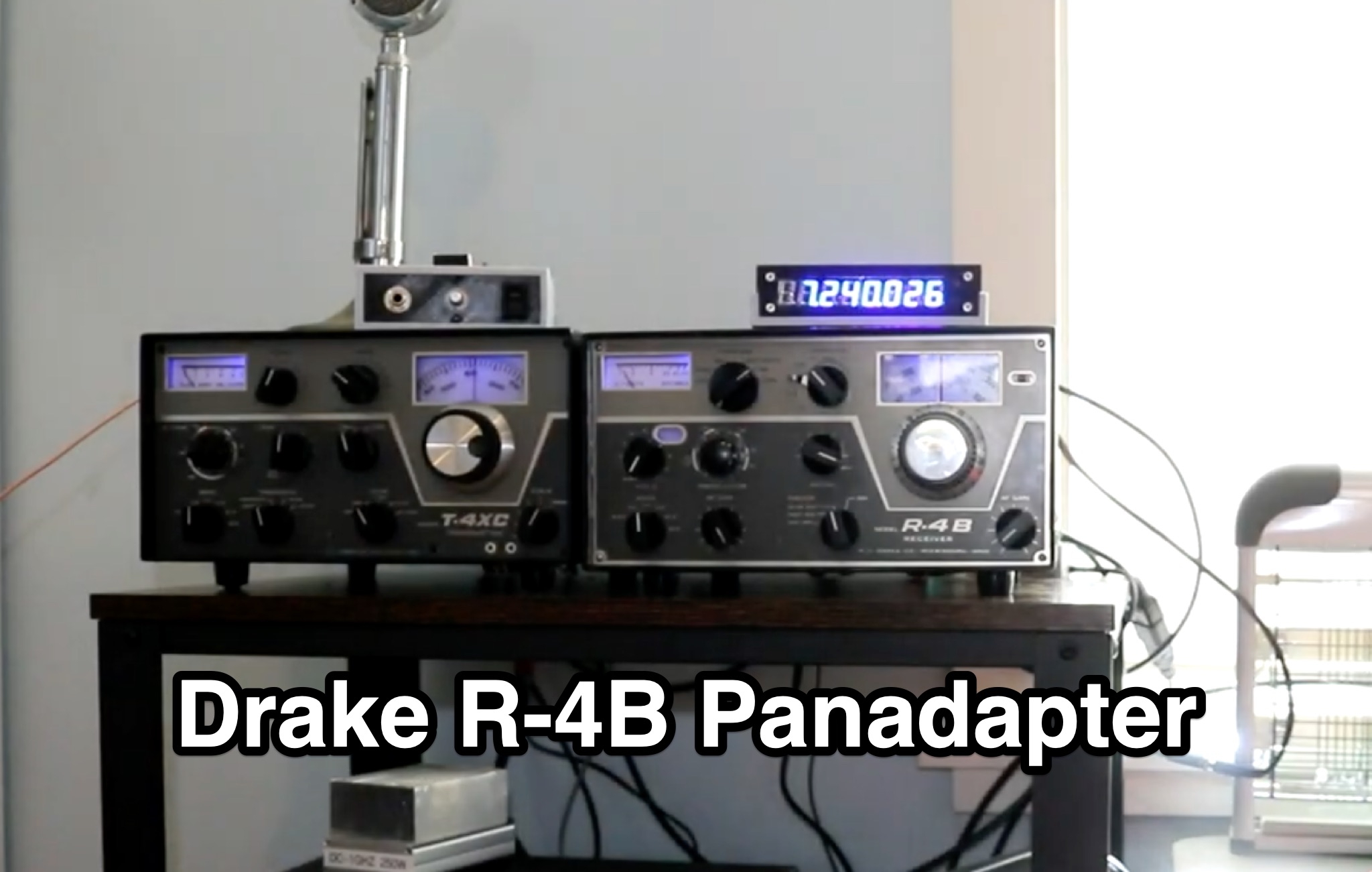 Learn how to enhance your Drake R-4B ham radio receiver by adding a panadapter. Follow along as the author shares their journey of becoming a ham radio operator and restoring vintage radios. Discover how a panadapter can help you visualize a wider frequency range, improving signal detection and communication. Whether you're a seasoned ham or just starting out, this guide provides valuable insights and practical tips for maximizing your radio experience.
 -
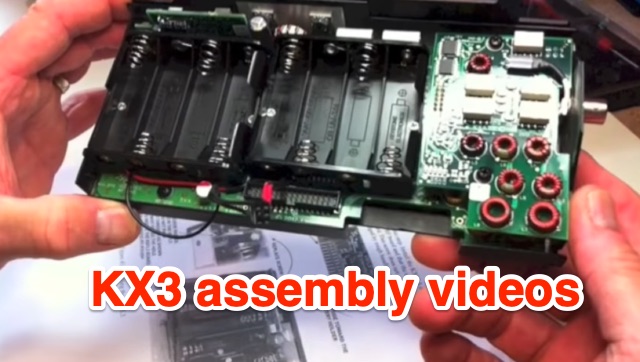 Presents a four-part video series documenting the assembly of the Elecraft KX3 QRP transceiver, offering insights into the construction process. The author, VE9KK, shares practical tips and addresses challenges encountered during his own build, providing guidance to help other builders achieve a smoother experience. The videos, while not a step-by-step instructional guide, showcase completed assembly stages and discuss lessons learned. This approach allows builders to anticipate potential pitfalls and apply proven solutions, drawing from the author's direct experience with the _KX3_ kit. Specific attention is given to areas where builders often face difficulties, ensuring that critical details are covered to facilitate successful completion of the transceiver, which is renowned for its **10-watt** output and versatile operating modes.
 -
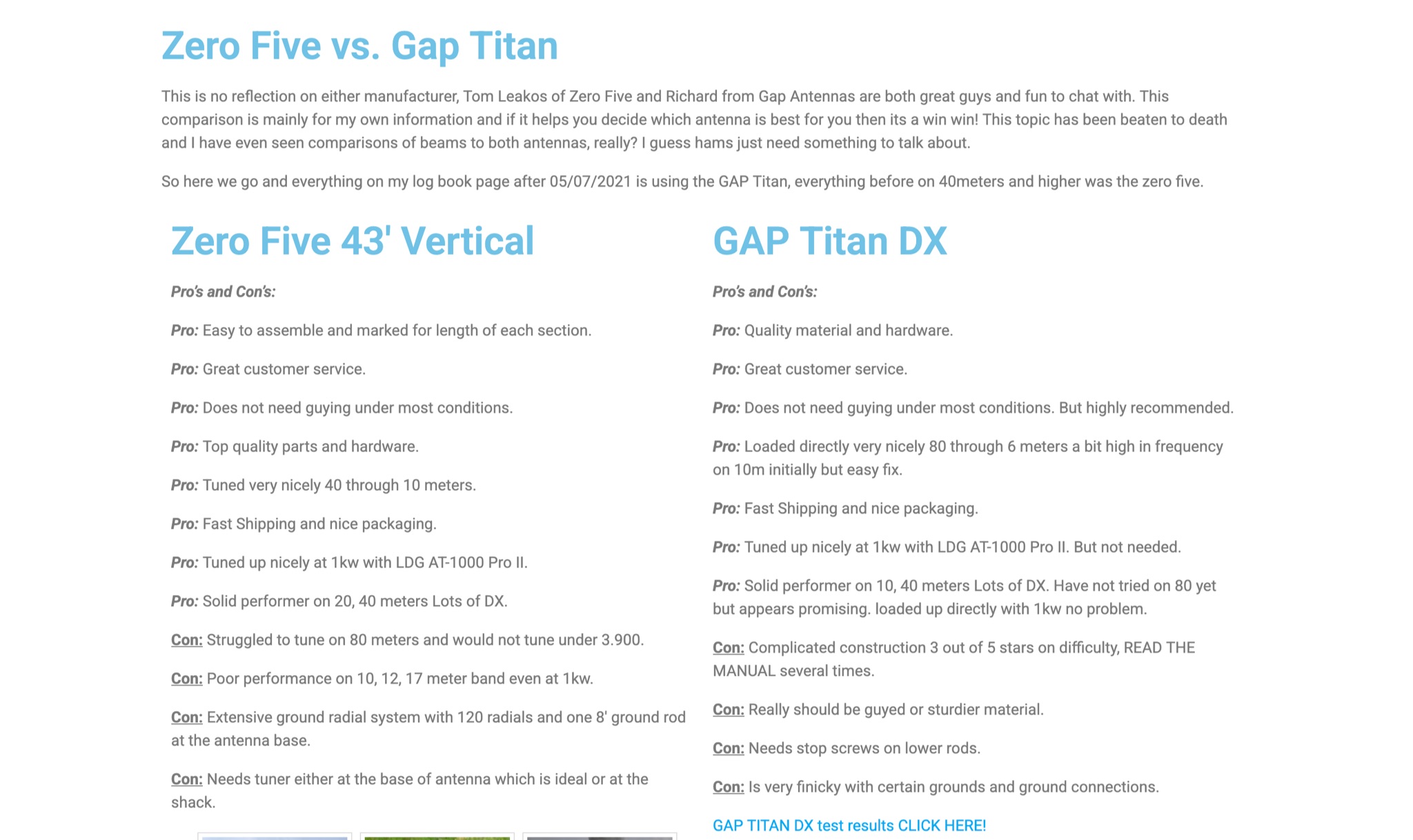 This page provides a detailed comparison between the Zero Five and Gap Titan ham radio antennas. The author shares their personal experience with both antennas, highlighting pros and cons for each. They discuss aspects such as ease of assembly, customer service, tuning capabilities, performance on different bands, and the need for grounding and tuning. The comparison aims to help readers make an informed decision on choosing the best antenna for their needs, based on real-world usage scenarios and feedback.
 -
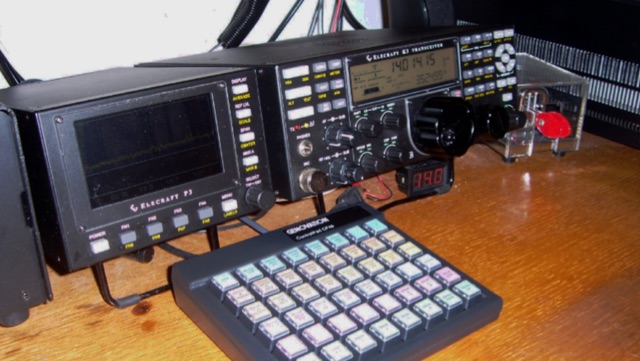 Integrating a Genovation keypad with the Elecraft K3 is for anyone looking to enhance their radio setup. Author shares his journey from initial confusion to successful implementation, detailing key insights, particularly about the importance of device identification. The update from Genovation simplifies the process significantly, allowing users to select USB mode without firmware changes. With practical tips and a clear template for programming, this resource is invaluable for both new and seasoned users aiming to optimize their K3 experience.
 -
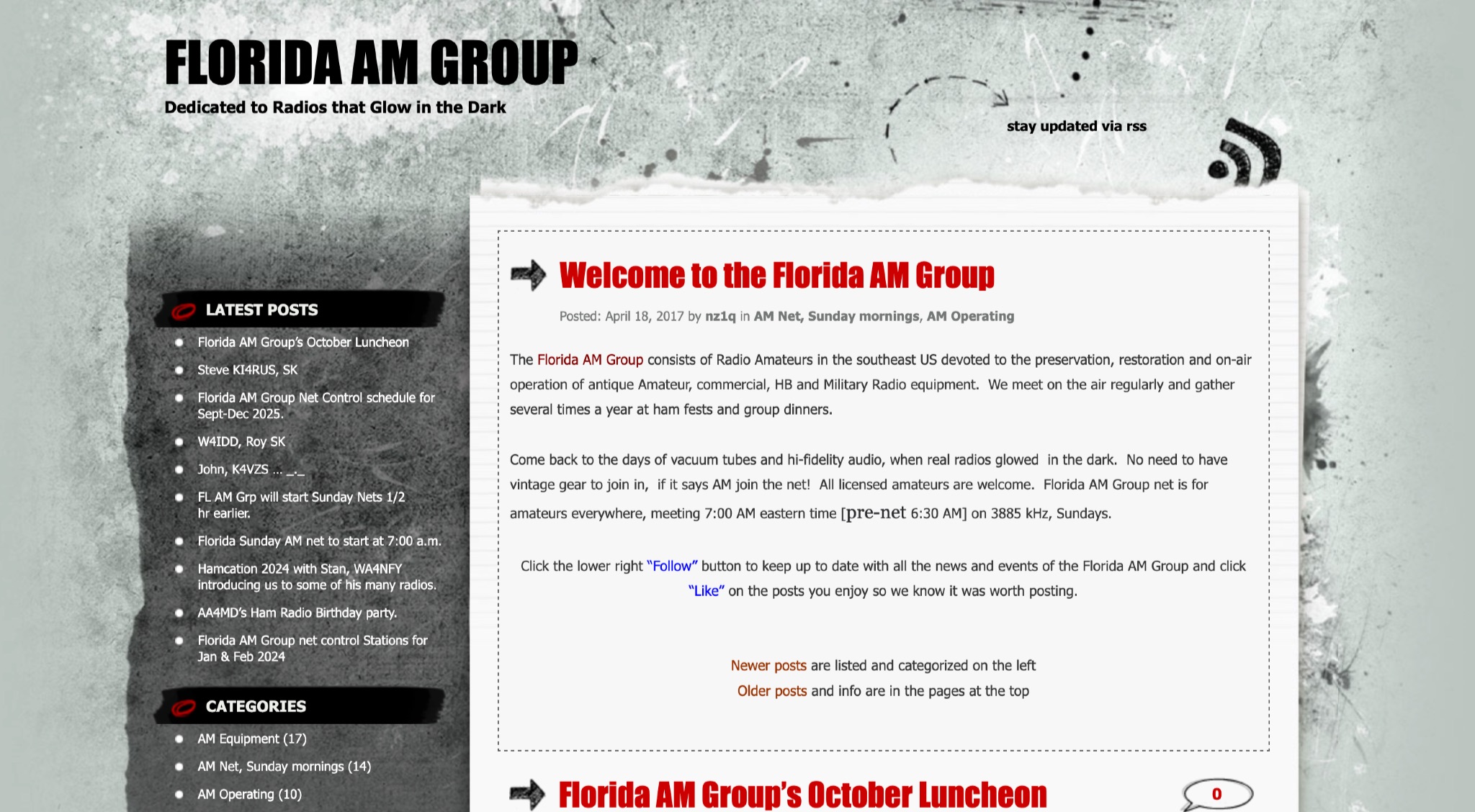 The Florida AM Group operates a weekly Amplitude Modulation (AM) net on 3885 kHz every Sunday morning, with a pre-net starting at 6:30 AM Eastern Time and the formal net at 7:00 AM. This group focuses on the preservation, restoration, and on-air operation of antique Amateur, commercial, homebrew (HB), and Military Radio equipment, emphasizing **Amplitude Modulation** (AM) mode. Participants are encouraged to use AM mode, regardless of whether they possess vintage gear, fostering a community around classic radio operation and the distinctive high-fidelity audio associated with **vacuum tube** equipment. The net utilizes NetLogger software for check-ins and round table management, providing a structured environment for participants. The group regularly publishes net control schedules, listing operators like NZ1Q, K1HH, and W3XM, and organizes various in-person events such as Hamcation gatherings, luncheons, and boat anchor swap meets. These activities facilitate eyeball QSOs and equipment exchanges, reinforcing the community aspect beyond on-air operations. The Florida AM Group also provides contact information for net control volunteers and shares news, including SK (Silent Key) announcements for members like Steve KI4RUS and Roy W4IDD, highlighting the group's long-standing camaraderie and shared passion for AM radio.
 -
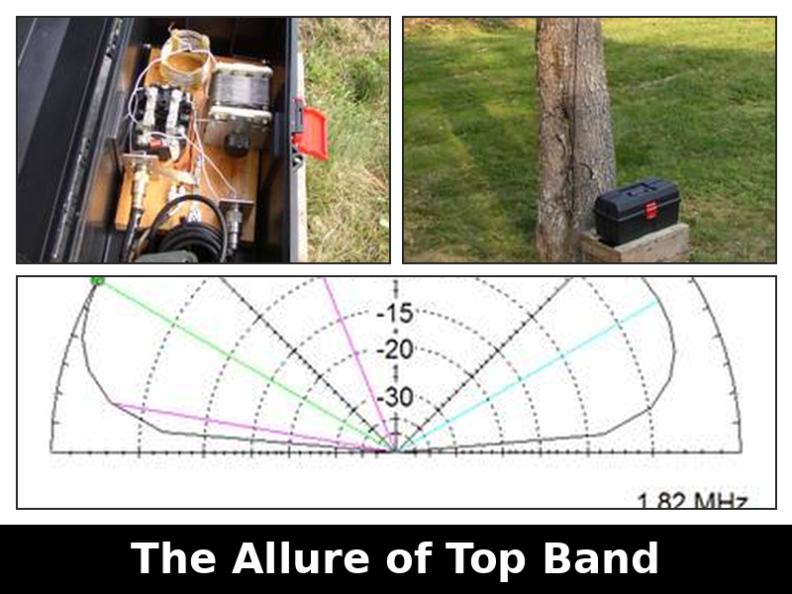 Demonstrates the design and modeling of a **160m** vertical antenna, dubbed the "WindoVert," specifically for urban amateur radio operators with limited space. The resource covers the theoretical underpinnings of antenna height and radiation patterns, using EZNEC software to analyze current distribution and 3D radiation patterns for various configurations, including a Marconi-style "T" antenna. It details the integration of existing antenna components, such as a Carolina Windom balun and line isolator, into the new vertical setup, and the practical measurement of feedpoint impedance using an antenna analyzer. The article further explores the challenges of achieving low-angle radiation on Top Band, emphasizing the critical role of radial systems and mitigating ground loss. Author VE1ZAC presents EZNEC models illustrating the impact of lumped components and discusses the practical considerations of resonant frequency adjustment and impedance matching for **QRP** operation. The text details the calculation of required loading coil inductance and capacitance, and shares field results, including successful DX contacts on 160m and unexpected excellent performance on 30m.
 -
 This page discusses the construction and use of a low pass filter for MF/LF reception, specifically for the 630 meter and 2200 meter bands. The author, KA7OEI, shares technical insights and practical advice related to amateur radio, with a focus on improving reception in the low-frequency bands. This resource is useful for hams interested in building their own filters to enhance their MF/LF reception capabilities.
 -
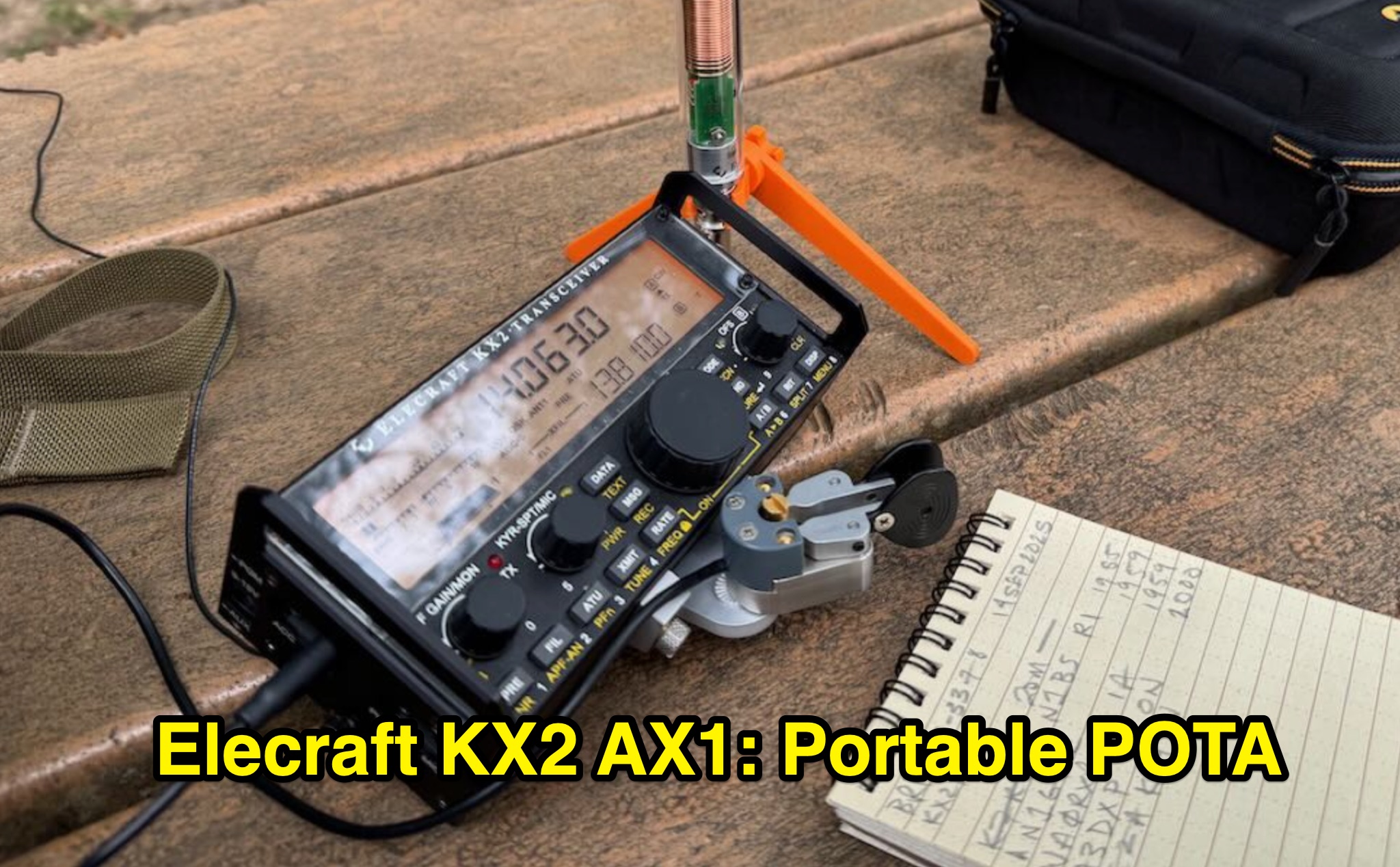 Join Thomas (K4SWL) as he shares his experience activating a POTA site using the Elecraft KX2 AX1 combo. Follow along on his journey from a podcast recording session to a quick POTA activation, showcasing the ease and efficiency of this portable setup. Discover the joy of getting on the air with minimal setup time and maximum enjoyment, perfect for hams looking for a grab-and-go solution. Learn about the benefits of using the AX1 antenna and how it can enhance your portable operations, all while supporting QRPer.com through affiliate links.
 -
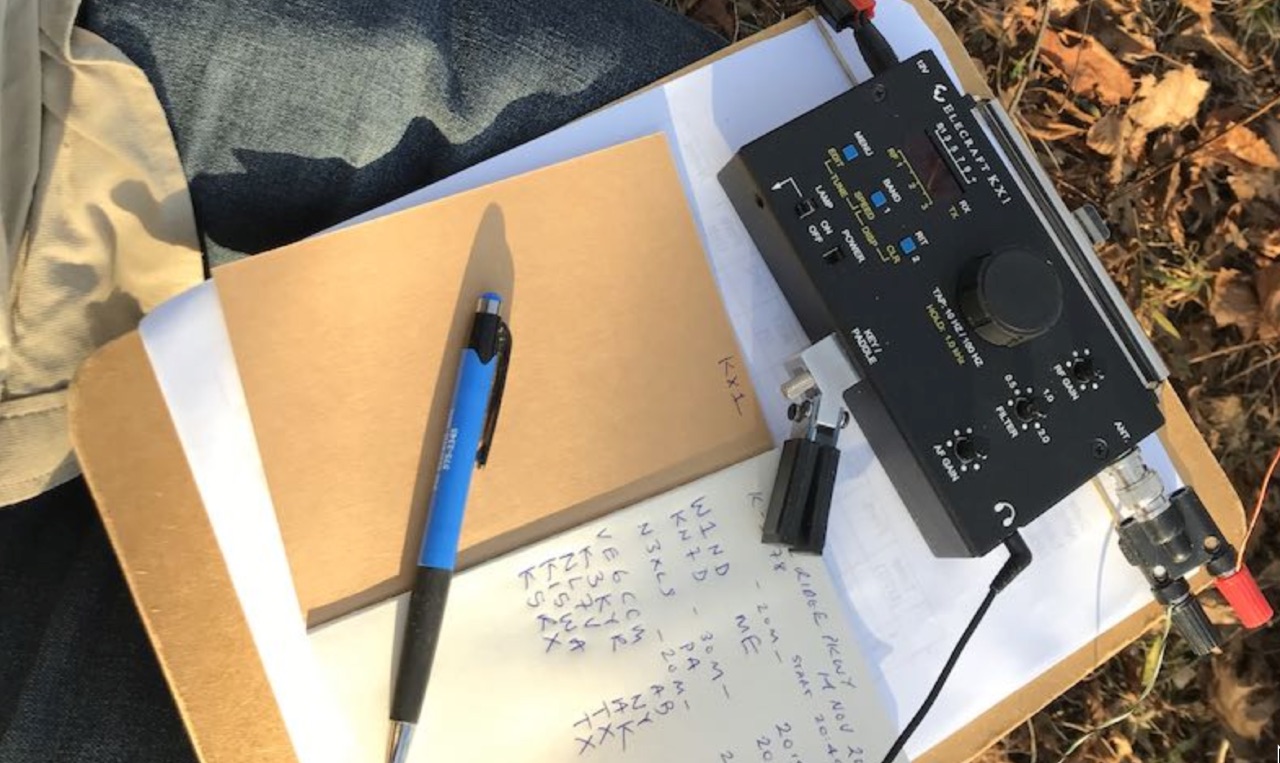 This page provides tips and advice for ham radio operators interested in activating park sites for the Parks On The Air (POTA) program. The author shares insights on how to find accessible parks in Western PA and beyond, emphasizing the importance of starting with historic sites and national parks. The content offers guidance on setting up equipment and getting on the air for POTA activations, making it a useful resource for beginners and experienced POTA operators looking to expand their park options.
 -
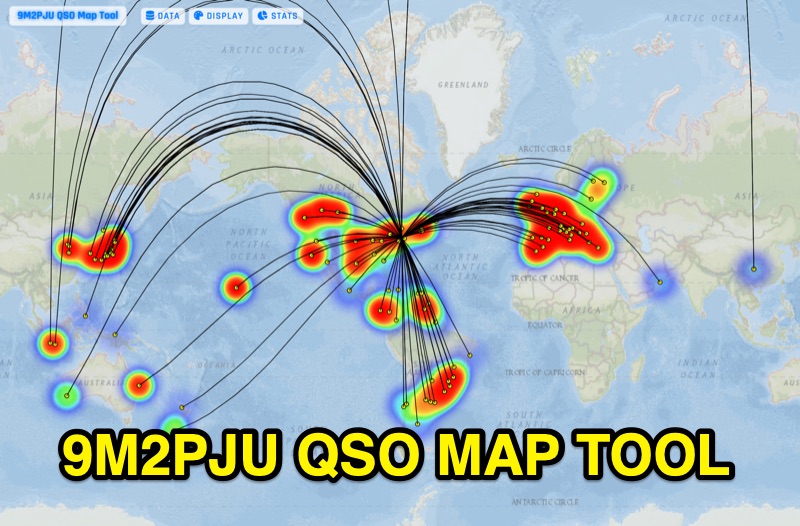 Presents the 9M2PJU QSO Map Tool, a web-based utility designed by Ian Renton for visualizing amateur radio contacts. This tool processes ADIF, Cabrillo, and SOTA CSV log files, allowing operators to plot their QSOs on a selection of base maps, including ESRI NatGeo World Map and OpenStreetMap Mapnik. Users can configure display options such as simple dot markers or xOTA hunter markers, QTH location, outlines, shadows, and geodesic lines, with coloring by band or a fixed hue. The application supports drawing per-band heatmaps and offers overlays for Maidenhead grid squares, CQ zones, ITU zones, and Worked All Britain/Ireland grids. It also provides QSO filtering capabilities and displays comprehensive log statistics, including unique calls, grid squares, CQ zones, ITU zones, and worked DXCCs. Customizable band and mode colors, alongside specific xOTA icons for programs like POTA, SOTA, WWFF, IOTA, and WCA, enhance the visual analysis of operating activity.
 -
 We are a non-profit amateur ham radio association located in the rural Lakes Region of New Hampshire. We actively promote 2 way radio, also known as ham radio. Our members are friendly and knowledgeable. If you are a first time visitor and are curious about this great hobby, we provide testing for ham licenses, have fun get-togethers, and are ARES affiliated for emergency communications. We also are home to 6 repeaters. Three are located on Bennett Hill in Ossipee, one on Mt. Rowe in Gilford and two on New Durham Ridge, New Hampshire.
 -
 official website for DLARC. operates the W3OK repeater, offers license classes and tests, a net, assistance in ARES and RACES nets and activities, and participation in ARRL activities and competitions.
 -
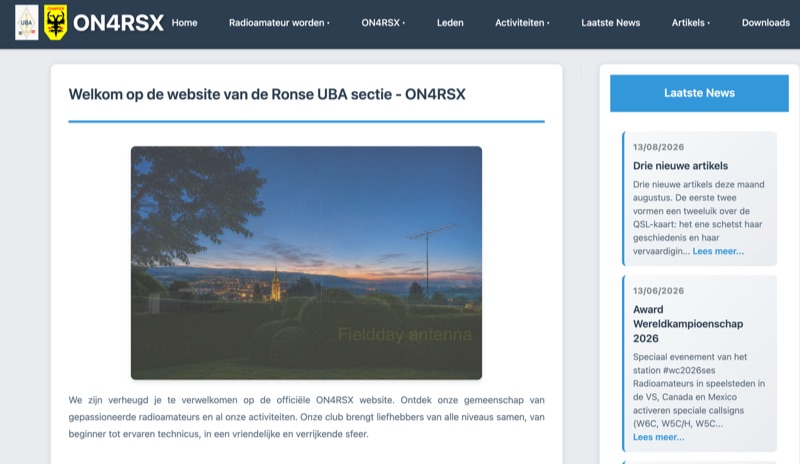 The ON4RSX website serves as the official online presence for the UBA Ronse/Renaix amateur radio club, providing information on its community and activities. It outlines the club's engagement across various amateur radio facets, including **HF**, VHF, UHF, digital modes, antenna construction, propagation studies, and general electronics. The site highlights past DXpeditions, such as the _OJ0V Market Reef_ operation, and mentions participation in contests, offering insights into the club's operational focus and technical interests. The resource details the club's commitment to fostering a welcoming environment for operators of all experience levels, from beginners to seasoned technicians. It implicitly compares the breadth of activities available to members, covering both theoretical knowledge development and practical application in areas like antenna building. The site's content structure suggests it functions as a central hub for club news, event announcements, and potentially educational materials, supporting members in expanding their radio knowledge and sharing their passion.