Amateur Radio Impedance Matching Techniques and Theory
Learn about various impedance matching systems, including gamma matches, for optimal antenna performance and signal transfer.

Impedance matching is a fundamental concept in amateur radio, ensuring maximum power transfer from a transceiver to an antenna system. When the impedance of the feed line, antenna, and radio are not properly matched, operators experience higher SWR, which can lead to reduced radiated power and potential stress on the final amplifier stage of the radio. Understanding how to achieve a good match is crucial for efficient operation on all bands, whether for local QSOs or working DX.
This category provides practical insights into various matching techniques and devices. Hams can find detailed explanations of common methods like the Gamma match, often used for Yagi beams, and the Omega match. There are also resources explaining how to use specific feed line lengths, such as one-twelfth-wavelength sections, for impedance transformation. Operators can also learn about the efficiency of tuners like the Z Match and find adjustment procedures for matching coils to optimize their antenna projects.
-
 An interesting homebrewed gamma match feed for a Halo Antenna
 -
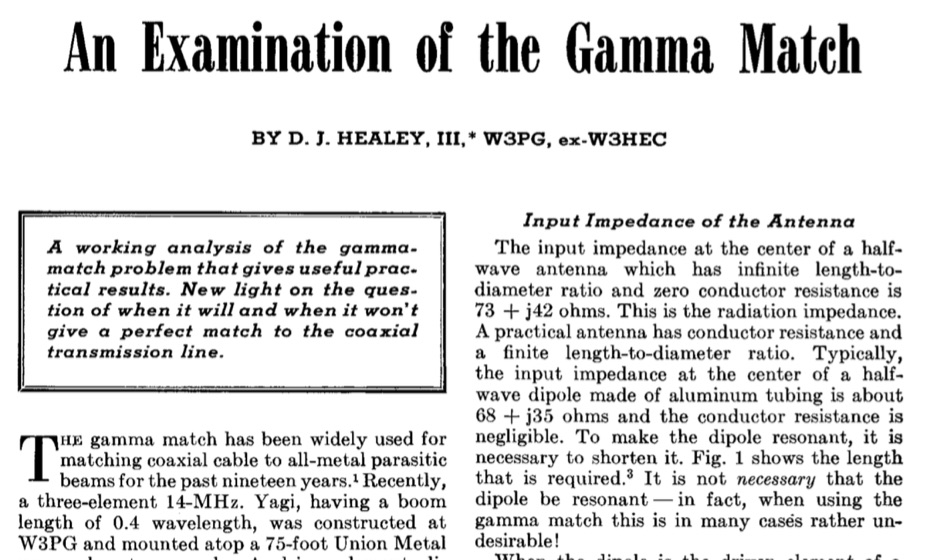 A Working analysis of the gamma match problem that gives useful practical results in a article dated April 1969.
 -
 Gamma match antenna is an antenna 1/2 additional lambda with the impedance matching more flexible arrangements (var capacitor) by sliding through the gamma match/road.
 -
 The Clemens match is easy to make and reliable, and is preferable to a single Gamma match as it is balanced
 -
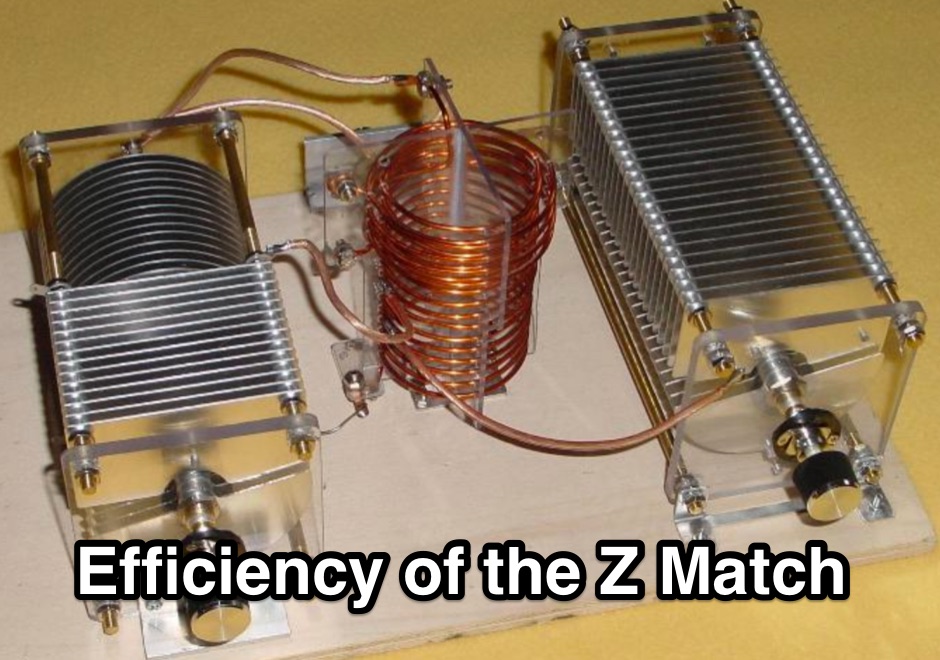 Various configurations of the Z Match Tuner are tested for power efficiency over a wide range of antenna load conditions
 -
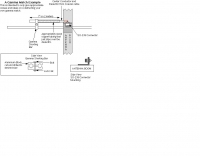 A gamma match example
 -
 Homebrew forum at eham.net article on antenna gamma match feed
 -
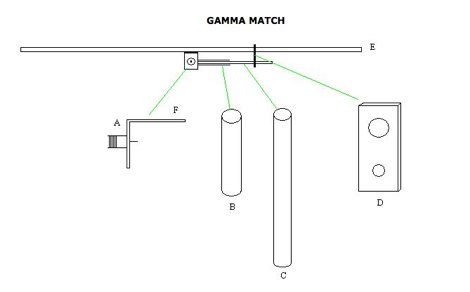 how to make a gamma match for a antenna. The Gamma match is the most used matching device used for yagi beams.
 -
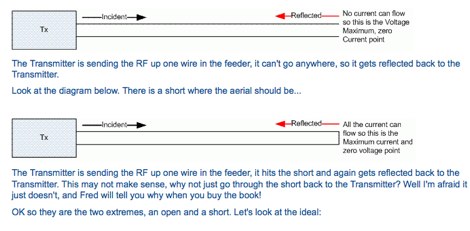 SWR or VSWR - the most widely known yet most misunderstood terms in Amateur Radio. Article by GW6ITJ
 -
 A novel approach to contruction of a gamma match.
 -
 Article about omega and gamma matching, related to bandwidth, loss and component failures, heating and power ratings
 -
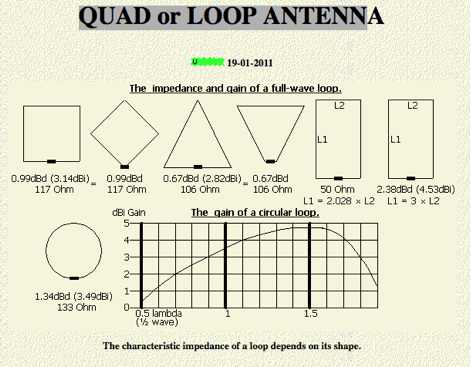 Quad and loop antennas comparisons, evaluating the impedance and gain of both antennas and considerationso n horizontal loop antennas for low bands by PA0FRI
 -
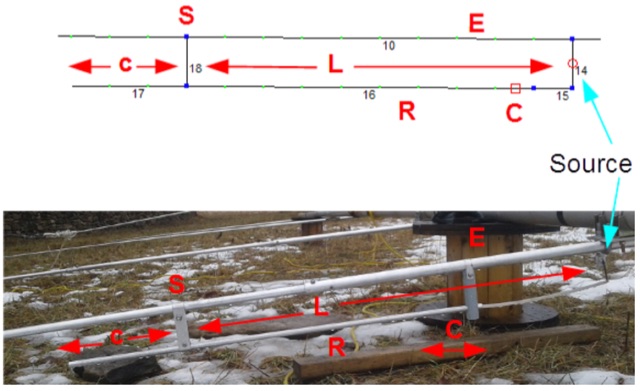
 About the clemens match for beam antenna, as an alternative to common gamma matching techniques
 -
 There are many feed systems used in yagis over the years. Gamma matches are not as common as they once were. More typical are beta matches and T matches to convert the low impedance of a yagi to 50 ohm.
 -
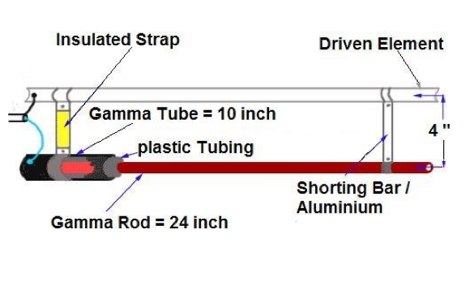 Homebrewing a Gamma Match to tune yagi antennas
 -
 The interactive Smith chart enables users to navigate their way around a Smith chart, using simple discrete element impedance matching. This page allows users to try using the Smith chart, for education and interest purposes, without installing any software. Try changing the value in the load box to see the location of the impedance on the chart.
 -
 The 5/8 vertical it quite popular and matching solutions can vary
 -
 There are quite a few recipes for building a suitable transformer for an end fed half wave antenna (EFHW), but I was never sure I really understood the main principles. So, I wound a bunch of transformers, made measurements on them using my NanoVNA, learned how to get what I really wanted out of the VNA measurements, and in the process discovered how to build better transformers and be able to predict what they will do
 -
 This calculator estimates the efficiency of a T match tuner using a simple loss model.
 -
 About the clemens match system
 -
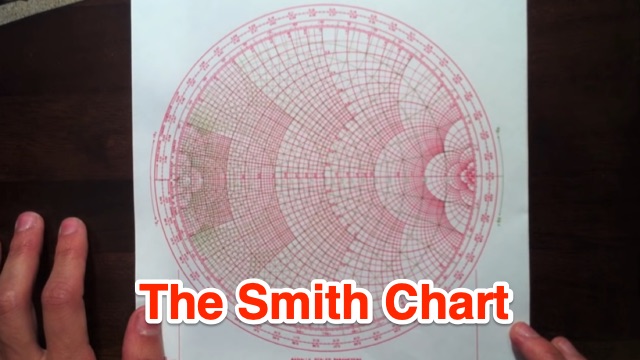 This tutorial introduces and explains Smith Charts, and then gives an introduction to impedance matching. Smith Chart is a tool to visualize the impedance of a transmission line and antenna system as a function of frequency.
 -
 Tuning non-resonant antennas and usage of such technique during contests.