Search results
Query: field antenna
Links: 214 | Categories: 1
Categories
-
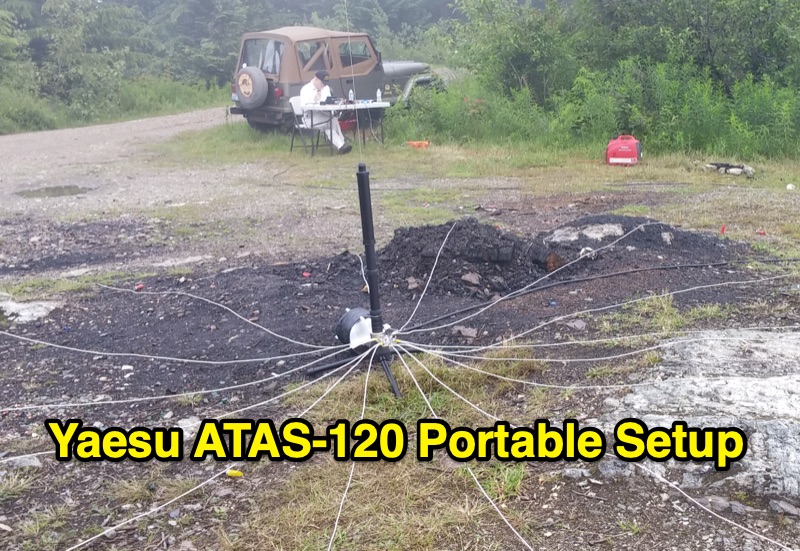 This page details a portable setup for the Yaesu ATAS-120 antenna, designed for Field Day and similar portable operations. The setup utilizes a modified music instrument stand as a base, providing a stable, low-to-the-ground platform. An antenna mounting plate secures the ATAS-120, with a PVC tube adapter fitting into the stand. The radial system consists of fifteen 0.1 wavelength radials for 40 meters (4m/13'), grouped into five sets of three wires, each attached to a ground lug. These lugs connect to bolts on the mounting plate with wingnuts, allowing the radials to spread out at 24-degree angles. The author successfully used this setup with a Yaesu FT-897D on 40m, 20m, and 15m SSB during Field Days in Western Washington, achieving East Coast contacts during daylight hours. The design emphasizes stability without the need for guy wires.
-
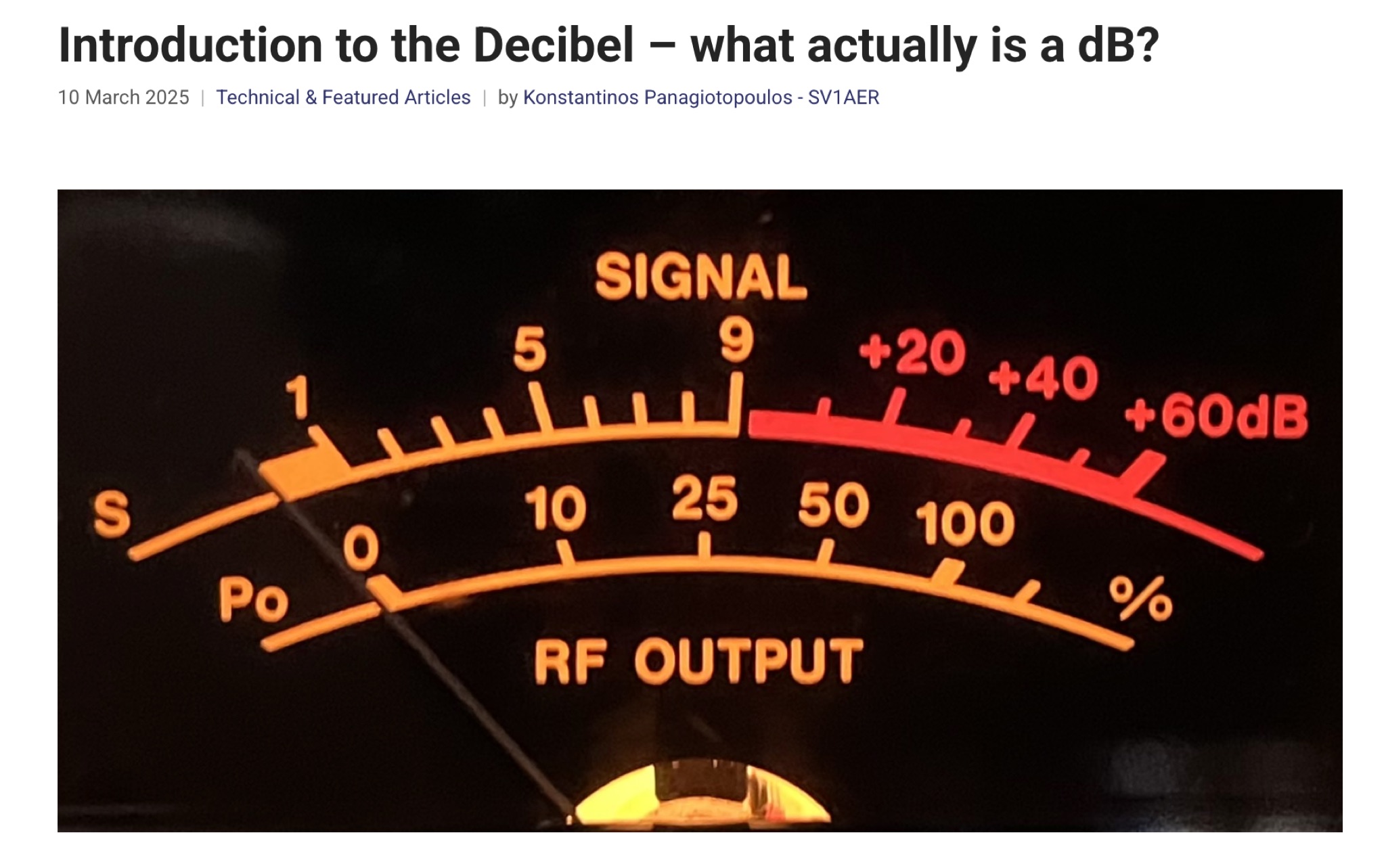 This article provides a comprehensive introduction to the decibel (dB), its logarithmic nature, and its applications in power, voltage, and antenna gain calculations. It explains how dB simplifies comparisons in electronics, telecommunications, and audio perception. The author clarifies key mathematical concepts, including power ratios, voltage doubling, and absolute levels like dBm and dBV. The discussion on S-units and antenna system gain is particularly relevant for radio amateurs. Overall, this is an informative and well-structured guide to understanding and applying decibels in technical fields.
-
 This article explores the role of velocity factor (VF) in calculating stub lengths for VHF/UHF Baluns. It clarifies misconceptions about VF's relevance, distinguishing between coaxial cable interior fields and external stub fields. Practical examples, such as the Pawsey Stub and Coaxial Cable Balun, are analyzed alongside experimental findings. The results reveal that traditional VF adjustments are unnecessary for stubs with external fields but critical for internal coaxial applications. Historical and theoretical insights provide a comprehensive perspective for antenna enthusiasts and designers.
-
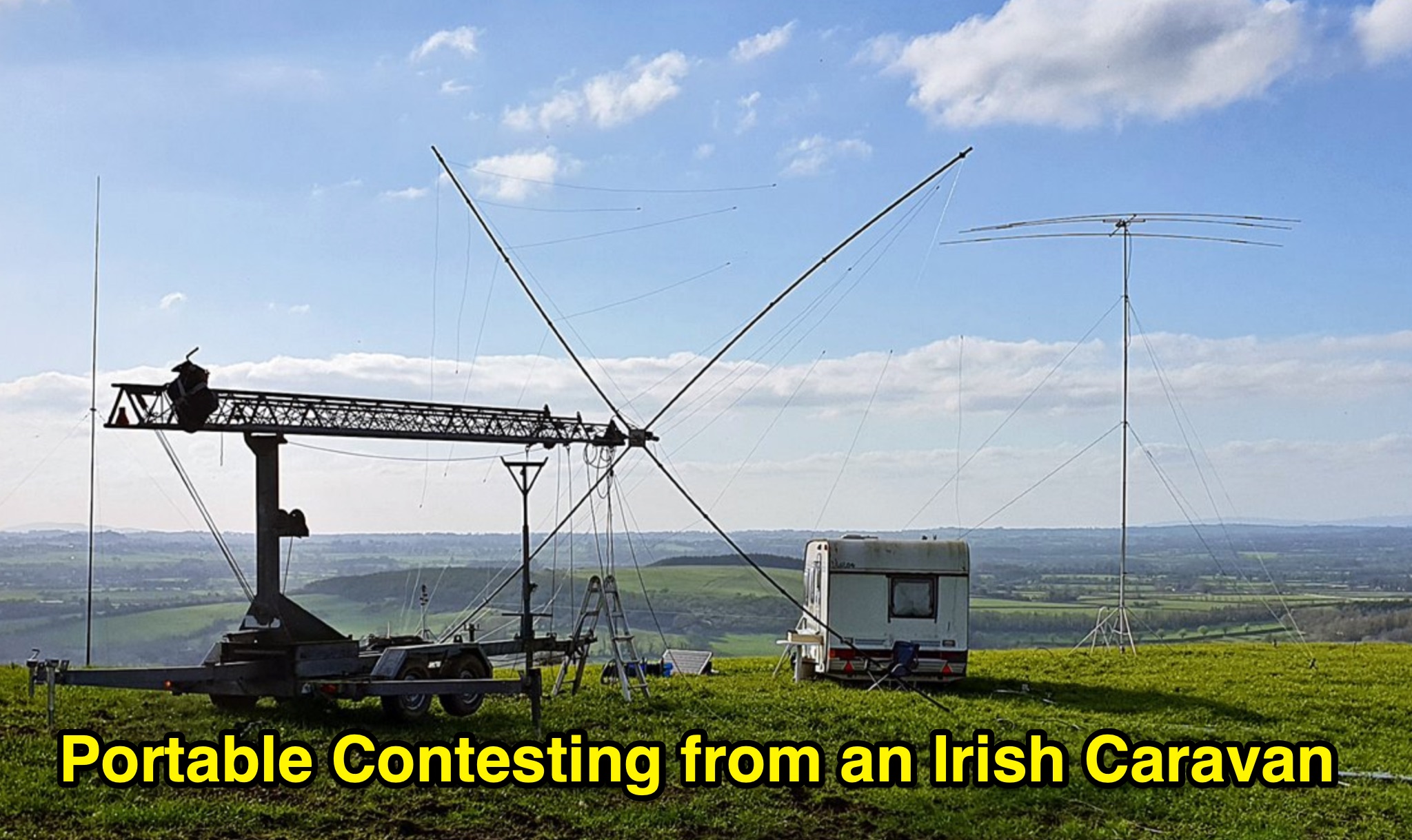 This blog chronicles over a decade of portable HF contesting from rural Ireland (2008–2019) by Olivier, operating under callsigns EI/ON4EI, EI8GQB, EI1A, and EI7T. Using only green energy from a caravan, he achieved top-tier results in major international contests—including 1st World in the 2018 IARU HF Championship (SSB LP) and multiple 1st-place finishes in CQ WW and CQ WPX SSB Europe. Operating in the demanding Single Operator All Band Low Power and SO2R categories, he deployed up to five antennas across five bands, often in remote or emergency-style conditions. The narrative blends technical detail, fieldcraft, and personal reflection, documenting triumphs, setbacks (including carbon monoxide poisoning), and the logistical challenges of sustainable portable operation—culminating in his decision to transition to team-based contesting and future DXpeditions.
-
 The blog and website of English amateur radio operator G0RIF, located near Lichfield in central England. Favourite aspects of the hobby are DXing, RTTY, portable operating and experimenting with wire antennas.
-
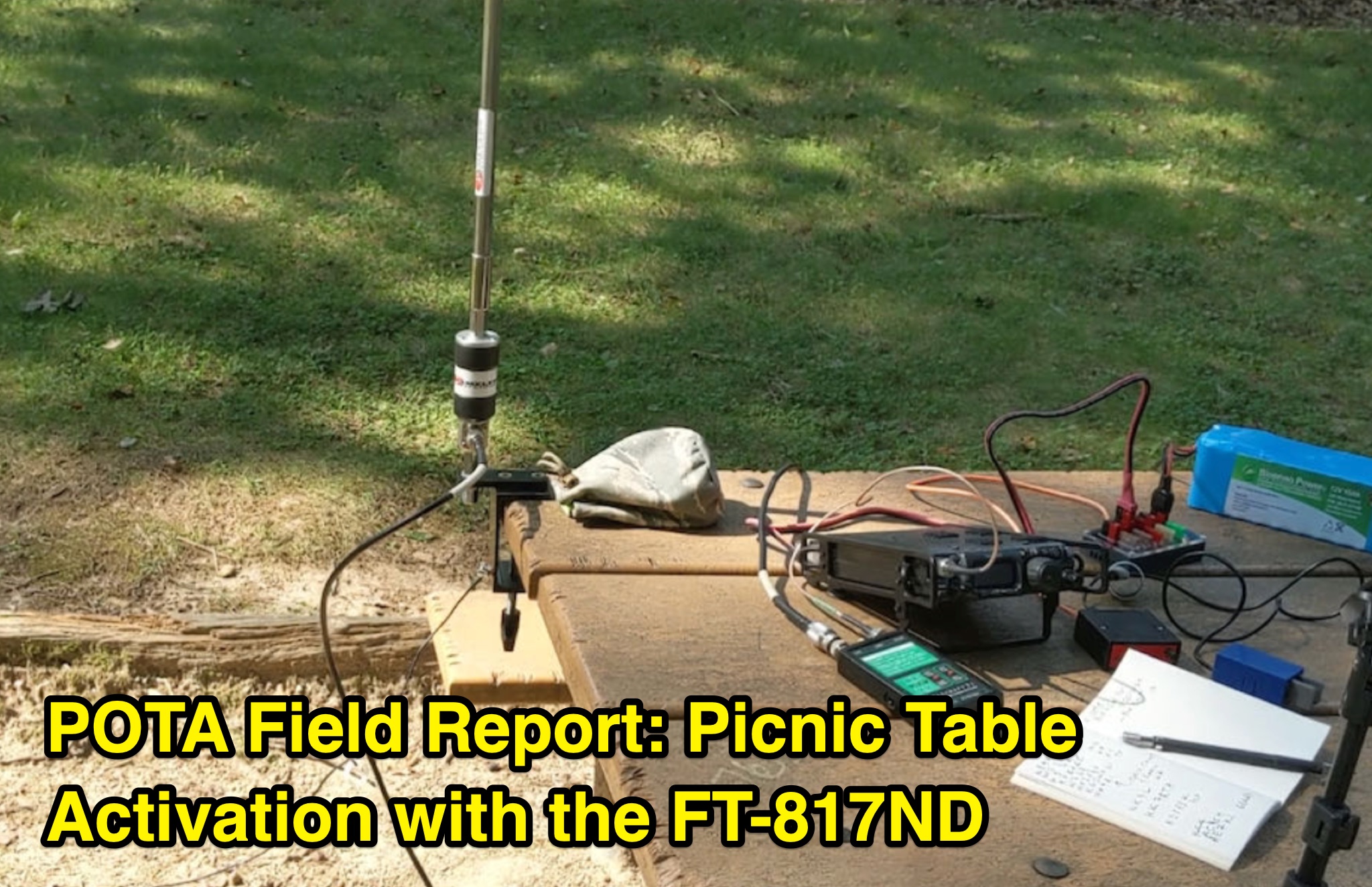 Read about a ham radio operator's experience activating a POTA site at the Folk Art Center using the Chameleon MPAS Lite vertical antenna and the Chameleon Universal Clamp Mount (CHA UCM). Discover how the author carefully deploys antennas to avoid interference with other park visitors and learn about the features of the CHA UCM, a simple antenna clamp mount. Follow along as the author shares their setup and operating spot choices to maximize their portable radio experience while enjoying the peaceful surroundings of the Blue Ridge Parkway.
-
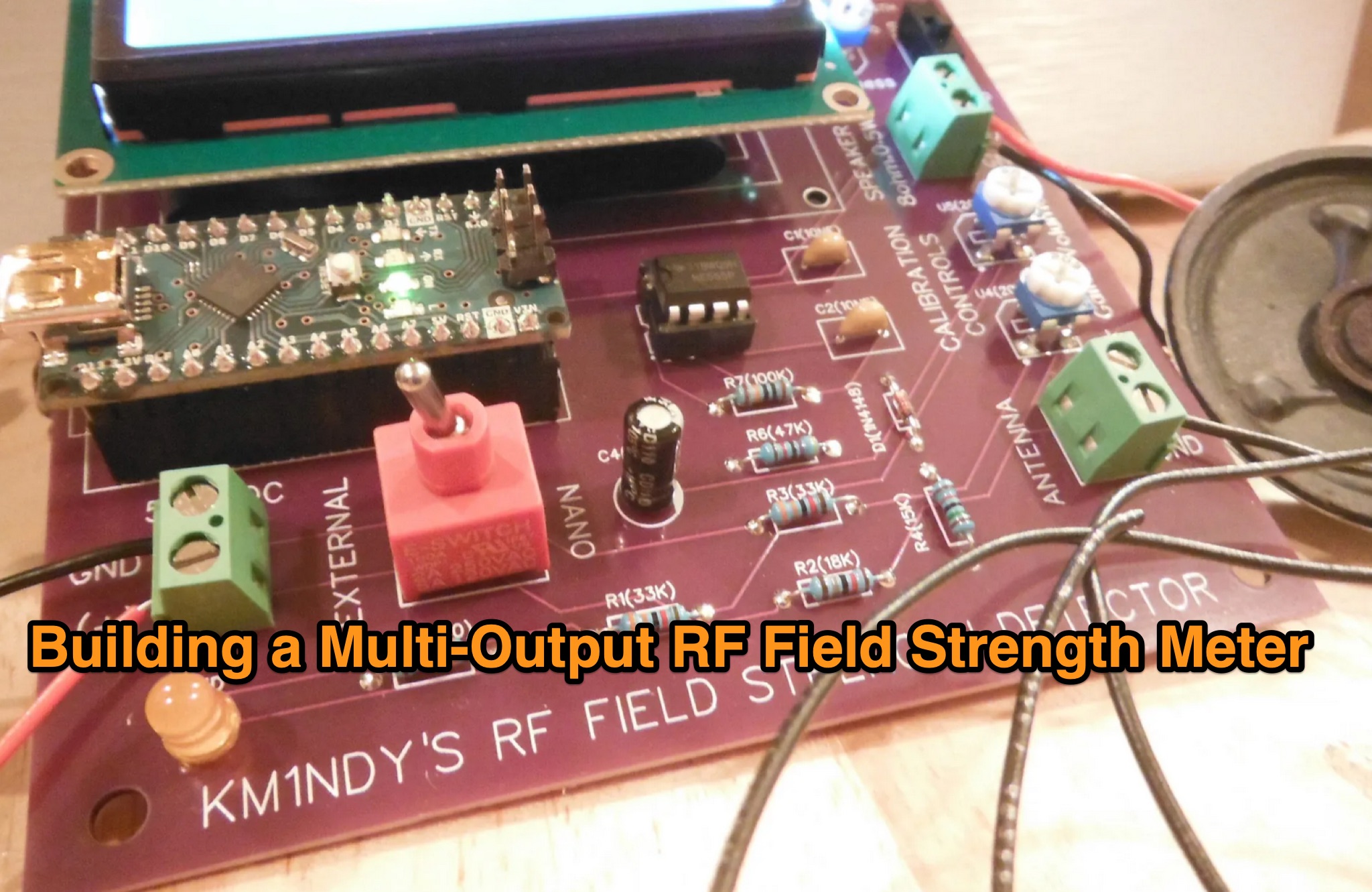 This article describes a DIY RF field strength meter project inspired by VK3YE's "The Squeakie" design. The device, built around a 555 timer IC and a 1N4148 diode, converts RF signal strength into audible tones with proportional pitch. The author enhanced the original design by adding volume control, LED indication, and digital readout capabilities using an Arduino Nano and LCD display. The completed project functions as a versatile RF detection tool, suitable for antenna testing and fox hunting, while offering multiple output methods: audio, visual, and digital measurement display.
-
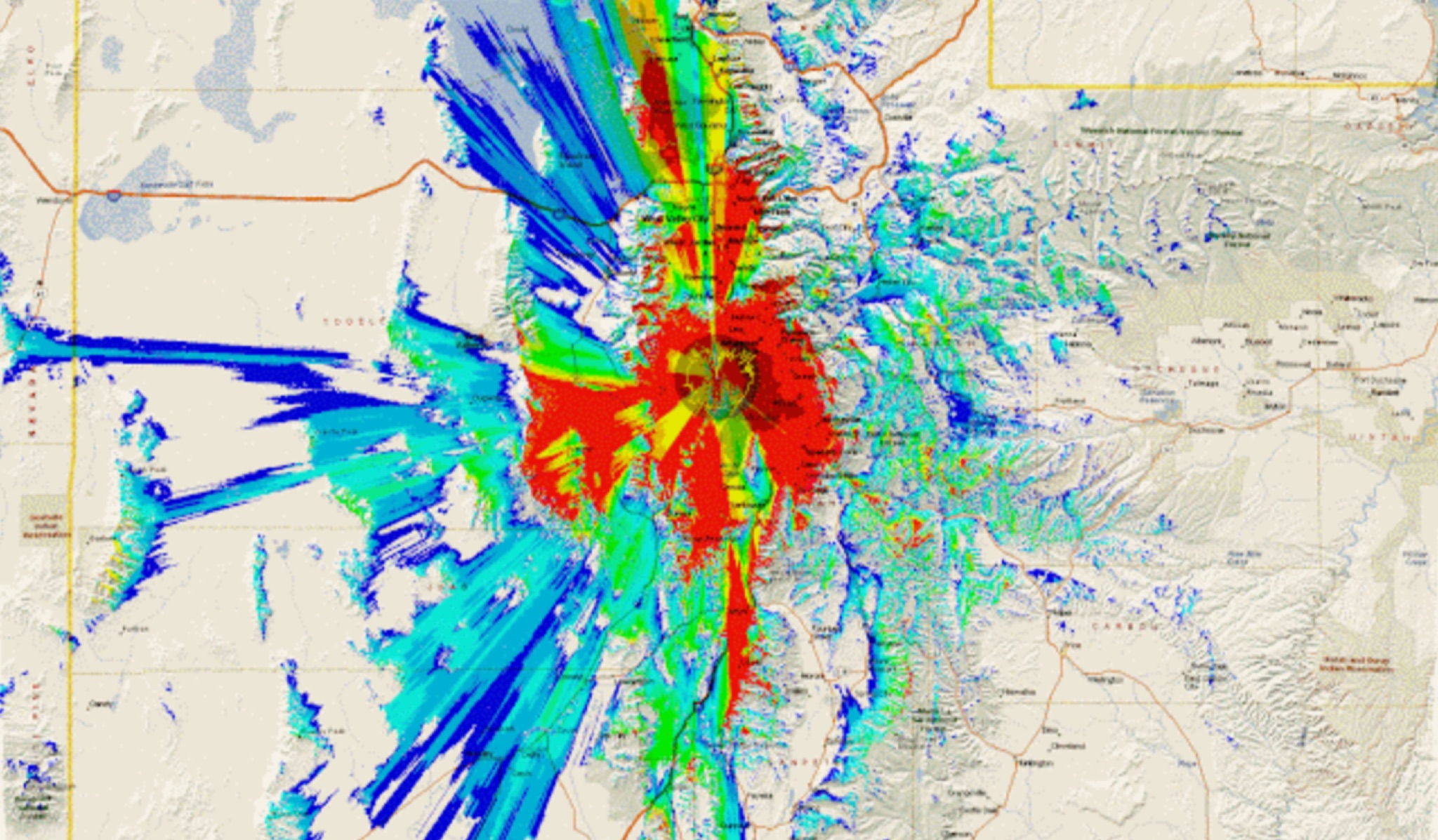 This study analyzes the antenna pattern of the Utah Amateur Radio Club's 146.760 MHz repeater following antenna relocation in 1997. Noting degraded transmission toward the north, a customized signal mapping system using a Yaesu FT-817, GPS, and software was developed to log real-time signal data. Calibration techniques extended the radio's signal range, enabling precise field measurements. The method allowed continuous signal strength monitoring while driving, revealing anomalies in coverage likely due to tower modifications. Findings helped assess and visualize the antenna’s actual radiation pattern and highlighted environmental impact on signal distribution.
-
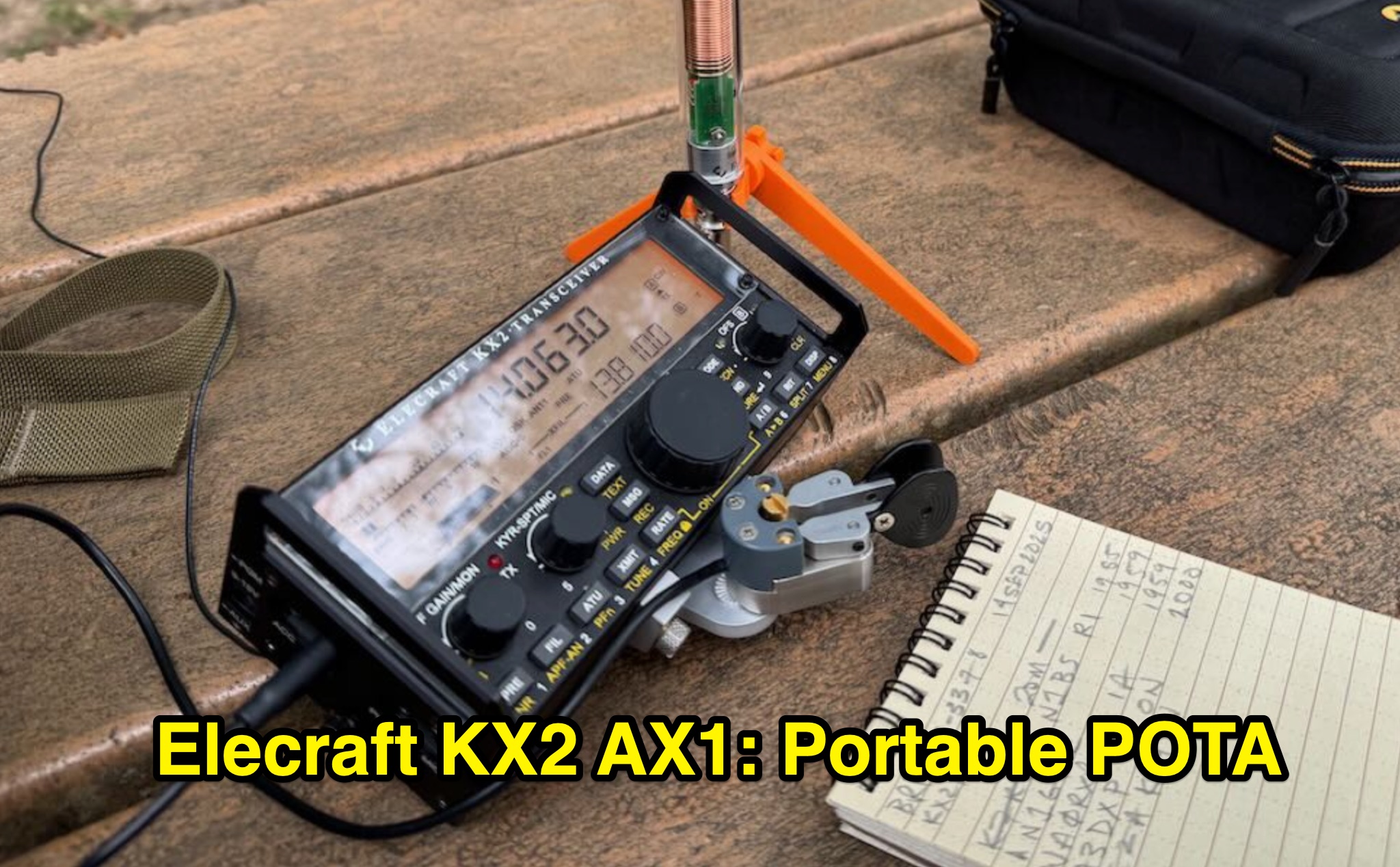 The Elecraft KX2 and AX1 portable field kit is reviewed for its efficacy in rapid Parks On The Air (POTA) activations, focusing on a specific outing by _K4SWL_. The resource details the setup, including the _Elecraft KX2_ transceiver, _AX1_ antenna with a 3D-printed bipod, _Begali Adventure Dual_ paddles, and various accessories like the Windcamp X2 Side Rails and Tufteln KX2 Protective Cover. It outlines the practical considerations for a quick deployment, such as avoiding tree-thrown lines due to back pain, and emphasizes the minimal setup time required to get on the air. The activation described involved 11 contacts logged on 20 meters within 14 minutes, demonstrating the system's efficiency for "grab-and-go" operations. A QSO map visualizes the contact locations, and an unedited video documents the entire activation process. The review highlights the kit's reliability and compact nature, making it suitable for urban parks or situations where rapid deployment and minimal footprint are essential. The author expresses appreciation for the kit's tidy organization and consistent performance over several years of portable use.
-
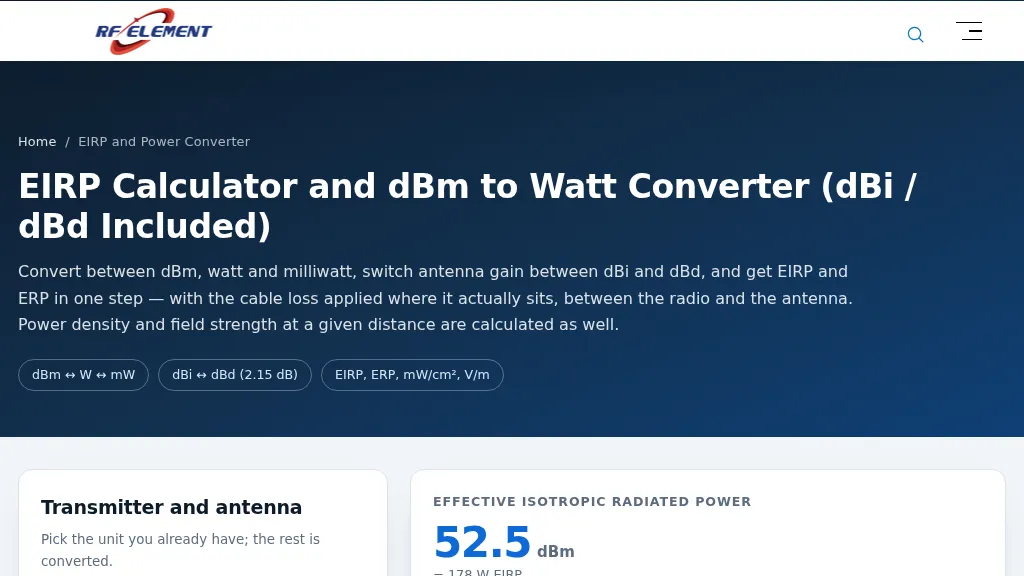 Demonstrates an online calculator for determining _Effective Isotropic Radiated Power_ (EIRP) and Effective Radiated Power (ERP) in radio and antenna systems. Users input transmit power in dBm, antenna gain in dBi or dBd, and feeder loss in dB, with the tool converting between dBm, watts, and milliwatts. It also calculates power density in µW/cm² and equivalent field strength in V/m at a specified distance, applying feeder loss before the EIRP calculation. The resource provides a quick reference table for common dBm to watt conversions, such as **30 dBm** equaling 1 W, and clarifies that 3 dB of loss halves radiated power. The calculator distinguishes between EIRP and ERP, noting that ERP is always **2.15 dB** lower than EIRP due to its half-wave dipole reference. It explains the importance of understanding the difference between dBi and dBd, as a 30 dBi antenna is not the same as a 30 dBd antenna, with the latter being 2.15 dB stronger. The page includes a table of typical EIRP limits for various bands and regions, such as 36 dBm for 2.4 GHz ISM US, FCC Part 15.247, and offers insights into regulatory considerations and the limitations of power density figures for safety compliance.
-
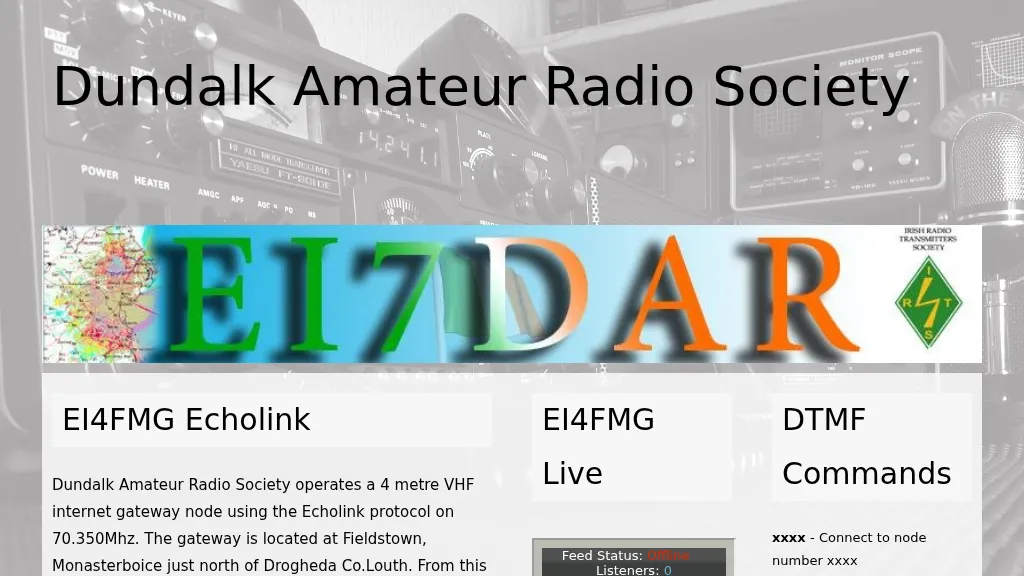 Operating an **Echolink** gateway on the 4-meter band presents unique opportunities for extending VHF communications, as demonstrated by the EI4FMG node. Situated at Fieldstown, Monasterboice, this gateway provides coverage across a significant portion of Ireland's east coast, leveraging a Tait TM8100 radio and an EI4JR Echolink interface logic. My own experience with similar setups confirms the importance of strategic site selection for maximizing reach, particularly with a 122-meter elevation above sea level. Access to the EI4FMG gateway, identified by node 57006, requires a **CTCSS** tone of 88.5 Hz, a standard practice for managing access and minimizing interference on shared frequencies. The system transmits with 15 watts of power and utilizes a Sigma CAT70 @5MAGL antenna, a configuration well-suited for regional VHF coverage. The gateway also features an auto-ID every 8 minutes, ensuring compliance and clear station identification. Users can interact with the gateway using various DTMF commands, allowing for connections to specific nodes, random repeater/link or conference nodes, and managing disconnections. These functionalities streamline the process of linking into the broader Echolink network, enabling local VHF operators to communicate globally through the internet backbone.
-
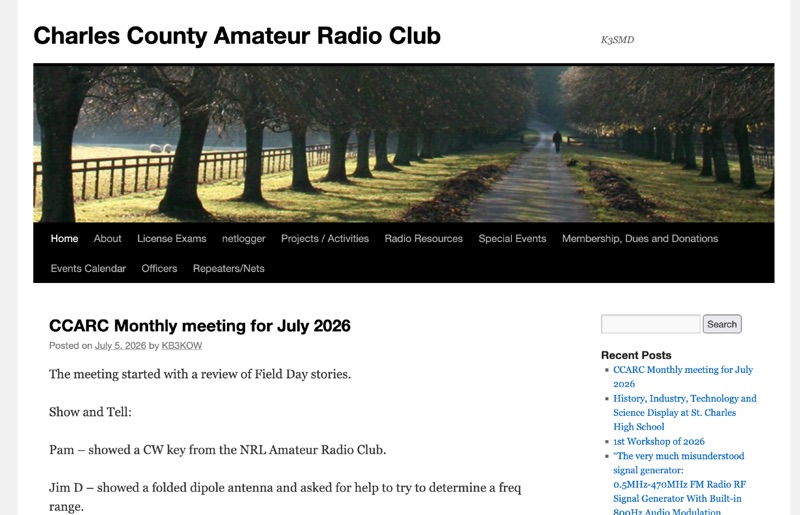 The Charles County Amateur Radio Club (K3SMD) website documents the diverse activities and technical explorations undertaken by its members. It features detailed recaps of monthly meetings, often including "Show and Tell" segments where members present projects like folded dipole antennas, LED moth lights, and multi-band QRP radios such as the _uBITX6_ and Bitx-40. The resource also covers community engagement efforts, including participation in the HITS Expo and STEAM Festival, where the club demonstrated Morse code, Digital Amateur TV, and basic electronics to the public, achieving an **87% success rate** in Morse code decoding by youth participants. Technical workshops and presentations are a recurring theme, detailing hands-on sessions for soldering kits and configuring DMR HTs. Advanced topics include discussions on CI-V for remote rig control and practical experiments with solar panel interfacing for portable operations, addressing challenges like inrush current and voltage regulation with buck/boost converters. One article describes troubleshooting a solar charging system that crashed when current jumped from 4 amps to **6 amps**. Further content includes demonstrations of test equipment like a 0.5-470 MHz RF signal generator, evaluating its performance with various QRP transceivers. The site also provides educational sessions on observational astronomy and amateur satellite operations, covering essential equipment, Kepler data, and the Doppler effect for Low Earth Orbit (LEO) satellites, offering practical insights for new and experienced operators.
-
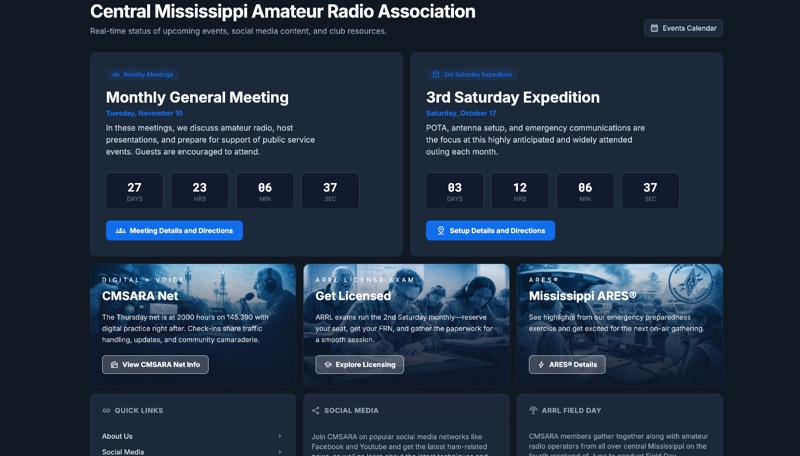 Illustrates the activities of the Central Mississippi Amateur Radio Association (CMARA), a vibrant club fostering amateur radio in central Mississippi. The organization regularly convenes for monthly general meetings, which feature discussions on various ham radio topics and presentations, alongside planning for public service support. A notable recurring event is the "3rd Saturday Expedition," focusing on _POTA_ (Parks On The Air) activations, antenna deployment, and practical emergency communications drills. CMARA maintains a consistent on-air presence with a weekly Thursday net at 2000 hours local time on 145.390 MHz, incorporating both voice and digital modes for traffic handling updates and community building. The club also facilitates _ARRL_ license examination sessions on the second Saturday of each month, providing essential guidance on reservations, obtaining an FRN, and required documentation. Furthermore, the resource highlights Mississippi _ARES_® (Amateur Radio Emergency Service) activities, showcasing emergency preparedness exercises and upcoming on-air gatherings. The site provides quick access to club information, including "About Us," "Social Media," and "Field Day" operations, specifically mentioning CMARA members' participation in _ARRL Field Day_ each June, making contacts across North America.
-
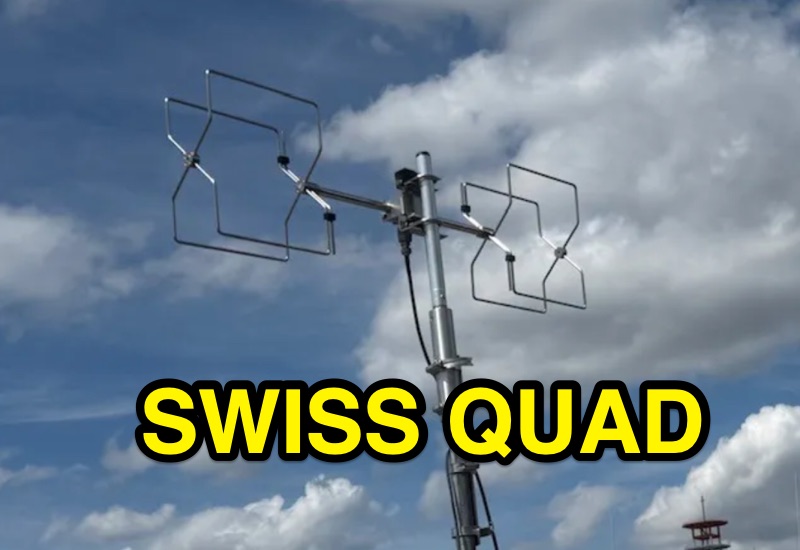 PD0G recounts the journey of building a 70cm Swiss Quad antenna, inspired by a vintage 2-meter version acquired for study. The author meticulously examines the original design, noting its distinctive curved metal elements and mechanical structure, which deviates significantly from traditional cubical quads requiring spreaders and wire. Historical context is provided, tracing the Swiss Quad's origins to R.A. Baumgartner (HB9CV) and its appearance in publications like the RSGB Bulletin in 1964 and QST in 1967, while also distinguishing it from other HB9CV designs. The project details the scaling process for 70cm, utilizing a calculation chart from F6ITV for initial dimensions and an existing MMANA-GAL model for 6 meters, scaled down to 433 MHz. Emphasis is placed on the critical gamma-match adjustment, with custom-machined POM parts for precise positioning and electrical isolation. Initial construction with 5mm aluminum elements and a 15mm boom led to practical challenges in bending and achieving target dimensions, necessitating adjustable element sections to fine-tune resonance. Measurements with a CAA-500 and SV4401A VNA confirmed a good match at 432.500 MHz with an SWR of 1.022 and LogMag of -39.46 dB. The author highlights that while a good SWR is achieved, further field testing is required to assess actual gain, directivity, and front-to-back ratio, especially when comparing single versus double element configurations. The article concludes by advocating for revisiting older, less common antenna designs, emphasizing the learning and satisfaction derived from hands-on experimentation.