Search results
Query: keyer
Links: 161 | Categories: 11
Categories
- Technical Reference > Beacon keyers
- Technical Reference > Keyers
- Manufacturers > Memory Keyers
- Manufacturers > Morse Keyers
- Software > Voice Keyer
- Radio Equipment > Voice Keyers
- Manufacturers > Accessories
- Radio Equipment > Amateur Radio Accessories
- Radio Equipment > Contest Hardware
- Technical Reference > Arduino > Morse Code
- Manufacturers > QRP Kits
-
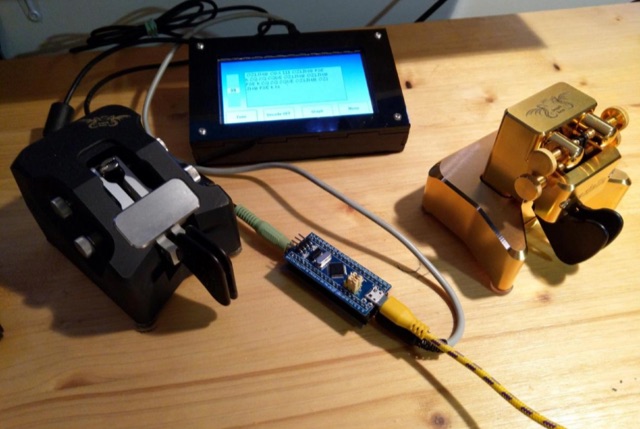 An open hardware and open source keyer that allows you to precisely diagnose any timing errors in your keying.
 -

-
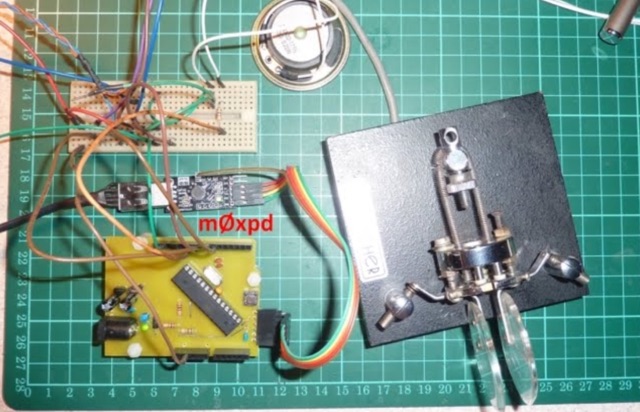 A low-cost Arduino project expanding on the button tutorial, where three inputs act as "buttons" generating Morse code on a WOTDUINO. This keyer, costing around £4, offers learning potential and hints at more complex ham radio applications.
 -
 The Icom series of radios from the IC-746 Pro on to the latest 7800 radios have a 4 memory digital voice and CW keyer built into the radio. This external Keypad, based on the official Icom circuitry can considerably help you on using the voice and cw keyer
 -
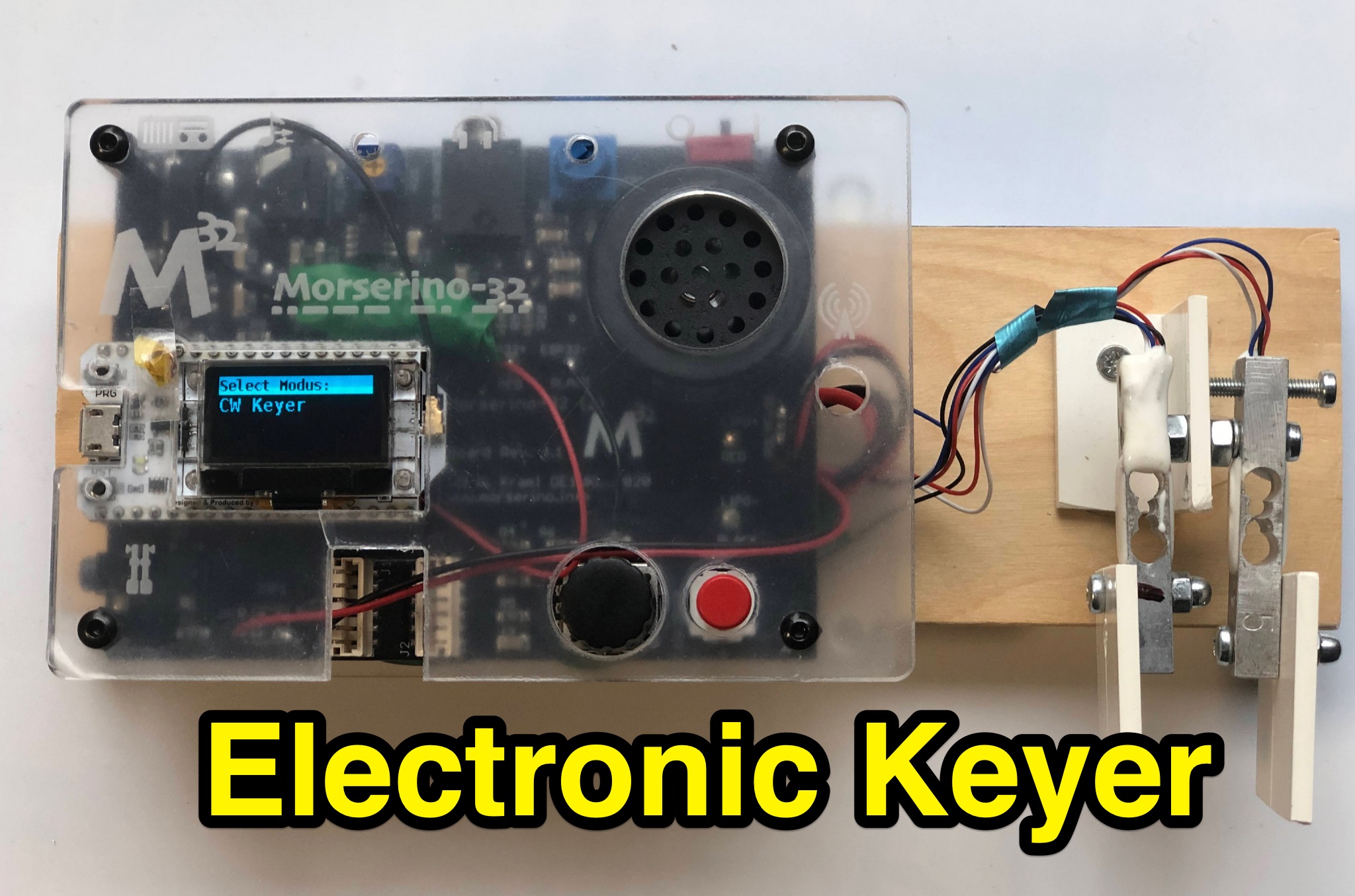 Load Sensor add-on iambic paddles for Morserino-32 and K3NG keyer. Open source with aim to provide affordable high quality paddles without specialized mechanical skills.
 -
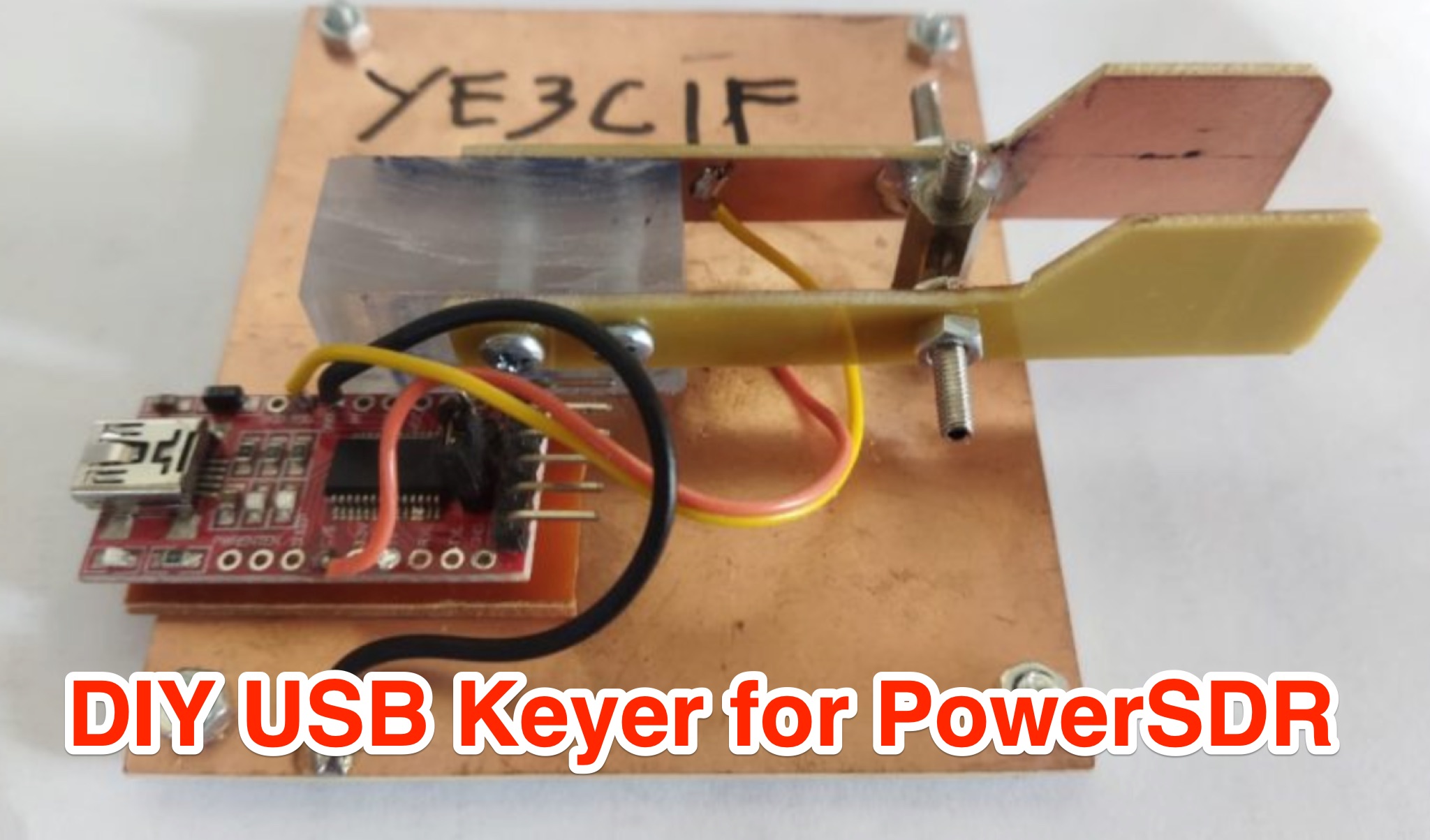 Learn how to create a USB Keyer for PowerSDR to enhance your CW experience. This article provides a step-by-step guide using affordable materials like a USB to TTL Module (FT232RTL) and a Keyer iambic. The tutorial includes a detailed wiring diagram and instructions for configuring the Keyer in the PowerSDR menu. The author also shares a helpful video demonstration to ensure smooth operation. Whether you're a seasoned ham operator or new to CW, this DIY project can improve your radio setup. Follow these instructions to build your USB Keyer and elevate your PowerSDR experience.
 -
 The CW keyer with memories, inspired by SOTA activities, features three on-the-fly programmable memories for hands-free operation during logging or specific calls. Designed for low power consumption, it uses AAA batteries and an Arduino Mini, optimized for minimal energy use with a sleep function. The compact design fits in a small TEKO box, with a printed circuit board for easy assembly. The keyer includes customizable software for various CW modes and settings, programmable via paddles and command mode. It's an efficient, portable solution for amateur radio enthusiasts seeking enhanced CW functionality.
 -
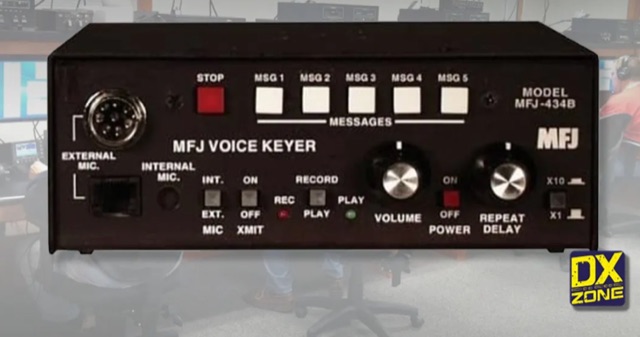 Let this microprocessor controlled MFJ Contest Voice KeyerTM call CQ, send your call and do contest exchanges for you in your own natural voice
 -
 This is a contest keyer for the AEA MM-3 Morse Machine. It integrates with OmniRig for your radio's frequency. It has a built in logbook as well as a keyboard keyer. You can also export your log as an .adi or cabrillo format for contest submission. Please find my contact details on QRZ.COM for any suggestions or help 73 ZS6WAR
 -
 Personal website of YO9GR Alex from Romania. Alex provides in his web site a blog with personal ham radio related informationm but also some interesting projects like an external keyer for Icom Transceivers, and other electronics projects.
 -
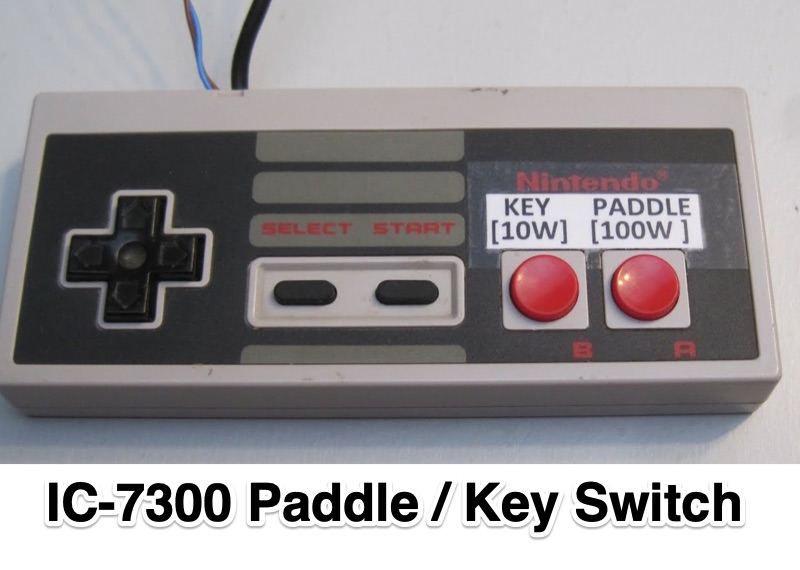 Demonstrates an **Arduino-based** solution for the Icom IC-7300 transceiver, specifically addressing the operational inconvenience of switching between a CW paddle and a straight key. The project leverages the IC-7300's **CI-V bus** (Computer Interface 5) to provide instant keyer type selection and two preset power levels, bypassing the rig's menu system which otherwise requires eight button presses. This implementation utilizes the 3.5mm CI-V connector, leaving the USB port free for CAT control and the internal soundcard, a critical design choice for integrated station setups. The system's utility is particularly evident for CW operators who frequently alternate between keying methods during contesting or general operating. The article details the hardware setup, including an Arduino Nano, a 3.5mm jack for CI-V, and pushbuttons for control. An update in 2023 expanded the project to incorporate an 8-button Nintendo controller, enhancing user interface flexibility and demonstrating the adaptability of the initial design for further customization and feature integration.