Search results
Query: usb power
Links: 24 | Categories: 0
-
 Unified Microsystems presents a range of amateur radio products, notably the **XT-4 MK2 CW Memory Keyer**, a battery-powered iambic keyer designed for portable operations like Field Day, POTA, SOTA, and DXpeditions. It features four non-volatile memories, each storing approximately 240 Morse characters, and operates at speeds from 8-45 WPM. The XT-4 MK2 also includes an auto power save function and paddle reverse, making it adaptable for multi-operator setups. Beyond the XT-4 MK2, the site details the **W9XT Contest Card**, a PC plug-in board offering DVK and CW interface capabilities, allowing operators to record and playback CQs and contest exchanges. Other offerings include the BevFlex-4X RX Antenna System, RAS-4 RX Antenna Switch, VK-64 Voice CW Keyer, and various USB interfaces. Additional products cover electronic development, such as the ATS-1 Terminal Shield for Arduino™ and VR-X Power Supply Voltage Regulators, demonstrating a broader scope beyond just operating accessories. The XT-4Beacon MK2 / CW IDer is also highlighted for beacon projects, capable of storing messages up to 5 minutes at 25 WPM.
-
 _Amphenol_ manufactures interconnect, sensor, and antenna solutions for various markets, including automotive, broadband communications, commercial aerospace, defense, industrial, information technology, data communications, mobile devices, and mobile networks. The company's product categories include fiber optic, harsh environment, high-speed, power, power distribution, busbar, and radio frequency (RF) interconnect products. The company's sensor and sensor-based product solutions include gas, moisture, level, position, pressure, temperature, and vibration sensors. _Amphenol_ also produces cable assemblies, harnesses, cable management products, backplane interconnect systems, coaxial cable, power cable, and specialty cable. Additional offerings include combiner/splitter products, flexible and rigid printed circuit boards, hinges, and molded parts. DXZone Focus: Interconnect | Sensors | Antennas | Coaxial Cable
-
 A system designed to automatically tune small transmitting magnetic loop antennas, particularly beneficial for **contest operations** where rapid frequency changes are common. The core of the system involves a PC-based control application, AutoCap, written in C#, which monitors antenna SWR via an external meter and commands a motor interface to adjust the loop's variable capacitor. The software is compatible with Windows and Linux via the Mono framework, offering a graphical user interface for monitoring system status, SWR, power, and motor commands. Key components include one or more magnetic loop antennas equipped with DC or stepper motors for capacitor adjustment, an SWR meter with data output (such as the Telepost LP-100A or a homebrew serial/USB SWR meter), the AutoCap PC software, and a motor interface. The most effective motor interface utilizes an **Arduino-based controller** with custom firmware, providing precise control over both simple DC motors and stepper motors, and supporting features like motor braking for finer adjustments. The system allows for configurable SWR thresholds, pulse widths, and motor effort settings to optimize tuning speed and resolution. Optional radio integration provides frequency hints, enabling the algorithm to learn the relationship between motor actions and resonant frequency, thereby speeding up initial tuning responses. The software also supports antenna profiles, allowing operators to save and recall specific configurations for different loops, including accumulated frequency hint data.
-
 KTune is a small utility that allows you to use a Griffin Powermate USB knob to tune your Elecraft K3 radio.
-
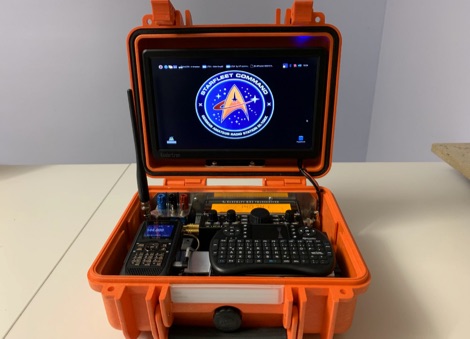 A very compact and multifunctional digital amateur radio station for the radio operation at home, on the way or in the emergency radio implemented with a Raspberry Pi 4, an Elecraft KX2, a Kenwood TH-D74 and a USB GPS.
-
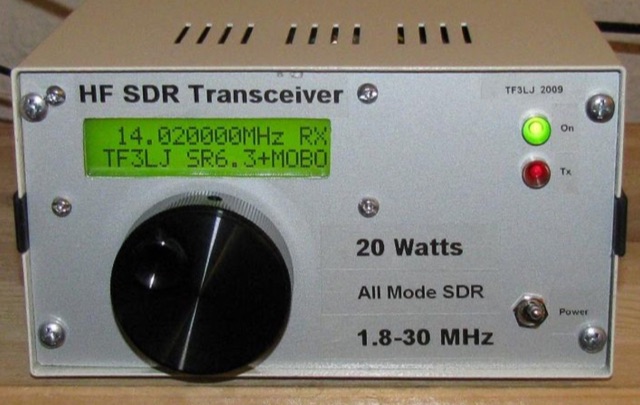 This project describes a DIY all band HF SDR transceiver. Built around a Softrock 6.3 kit, it boasts a 20W homebrew amplifier and ATmega168 microcontroller for USB control. An LCD displays frequency, power, and SWR. Automatic LPF selection and SWR protection enhance functionality. Compatible with Rocky and PowerSDR software, this project provides a cost-effective and powerful HF SDR transceiver for hobbyists.
-
 256 memories enable the _AT-AUTO_ to recall settings across multiple bands, making it efficient for operators who frequently change frequencies. The tuner is compatible with various antennas and amplifiers, such as the Mercury LUX, and integrates seamlessly with radios like the FLEX 6400 using an RS232-USB connection. This integration allows the tuner to follow frequency changes without additional input, enhancing operational efficiency. Despite being out of production, the _AT-AUTO_ remains supported by Kessler Engineering, which offers firmware updates and repair services. The tuner features a cross-needle SWR meter, providing quick visual feedback during tuning. It also includes a QRO keyline circuit to protect amplifiers during tuning. Users appreciate the tuner's ability to track radios via CAT control, avoiding automatic tuning during QSOs, a common issue with other models. The _AT-AUTO_ is praised for its durability and performance, with many users noting its reliability over years of use. Its ability to handle legal limit power and its balanced line output make it a versatile choice for serious operators. Although it lacks some features like multiple coax outputs found in other models, its robust build and continued support make it a valuable tool for HF enthusiasts.
-
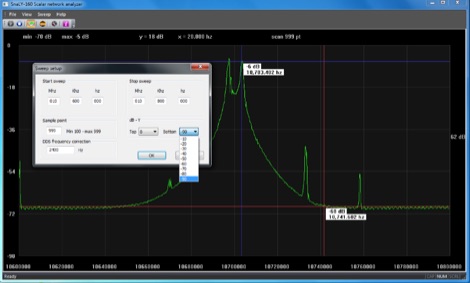 A project by LY3H of a complete Scalar USB network analyzer with freeware windows software, sweep range 100 kHz to 160 MHz, powered by USB.
-
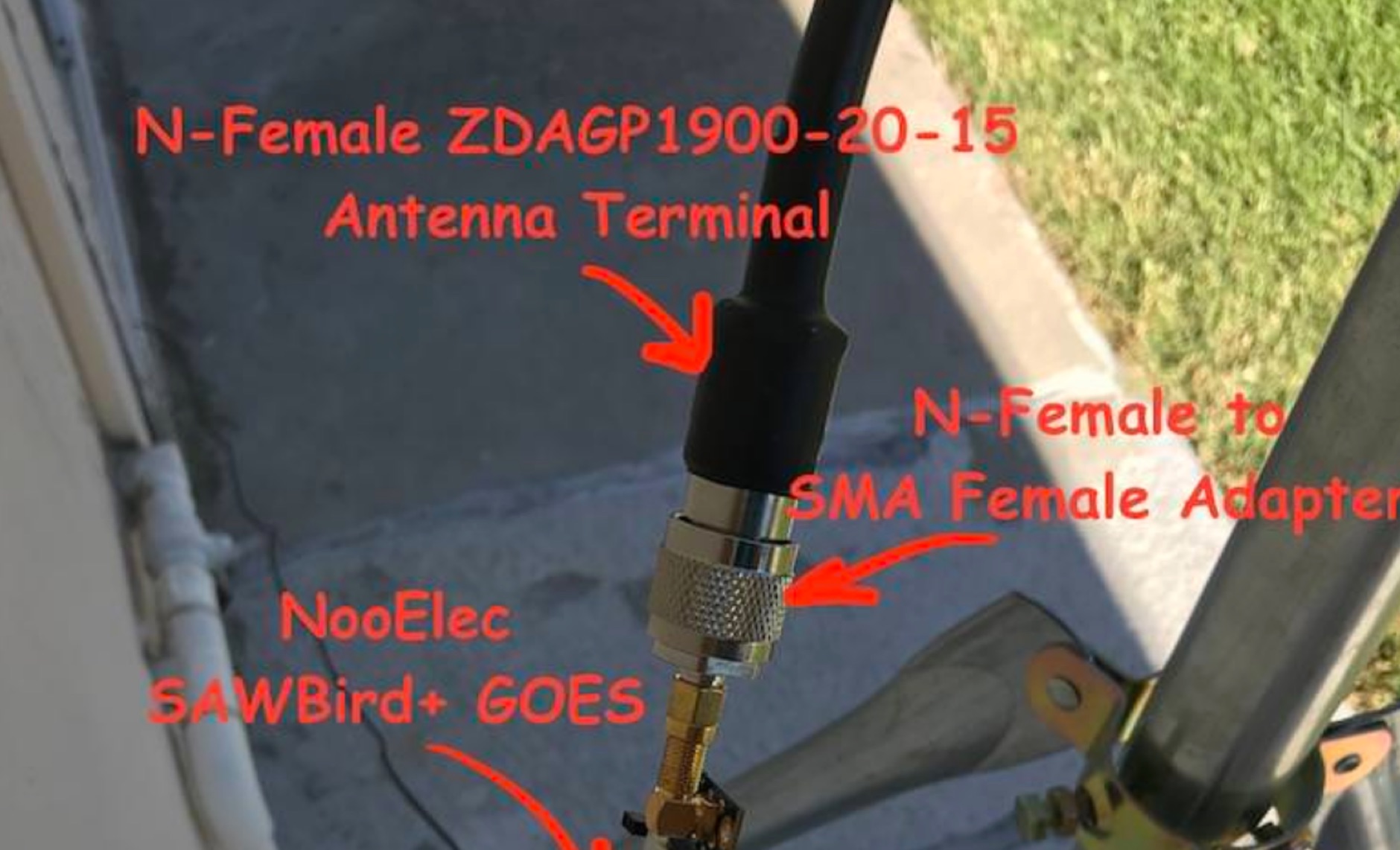 Receiving **GOES-16** and **GOES-17** weather satellite imagery requires a specific hardware and software configuration, detailed in this practical guide. The author outlines the necessary components, including a Raspberry Pi, an RTL-SDR dongle, a suitable LNA with SAW filter for 1.69 GHz, and a parabolic grid antenna. This setup enables direct reception of high-resolution weather data, a fascinating aspect of amateur radio satellite operations. The installation process begins with preparing the Raspberry Pi, followed by updating the system and installing essential dependencies like `git`, `build-essential`, and `cmake`. A critical step involves compiling and installing `librtlsdr` from source, ensuring proper driver setup and blacklisting conflicting DVB drivers. The guide then walks through testing the RTL-SDR dongle to confirm device recognition and troubleshoot common issues like USB power or driver installation problems. Finally, the instructions cover cloning and building `goestools`, a software suite essential for processing the satellite signals. This compilation, while time-consuming on a Raspberry Pi, is crucial for decoding the raw data into usable imagery. The guide concludes with the initial steps for creating the `goesrecv.conf` configuration file, preparing the system for active satellite reception.
-
 This document details the construction, programming, and operation of a modular WSPR transmitter. The transmitter utilizes an ESP8266 NodeMCU, an SI5351 synthesizer with a TCXO for stability, and selectable low pass filters. Construction involves soldering headers, components, and assembling filter module. The ESP8266 is programmed via the Arduino IDE, requiring library installations and code modifications, including network credentials, callsign, and frequency . The transmitter is powered by USB or Vin terminals and its frequency is selected by jumpers and software settings. The document also covers FCC restrictions and how to use the WSPR network
-
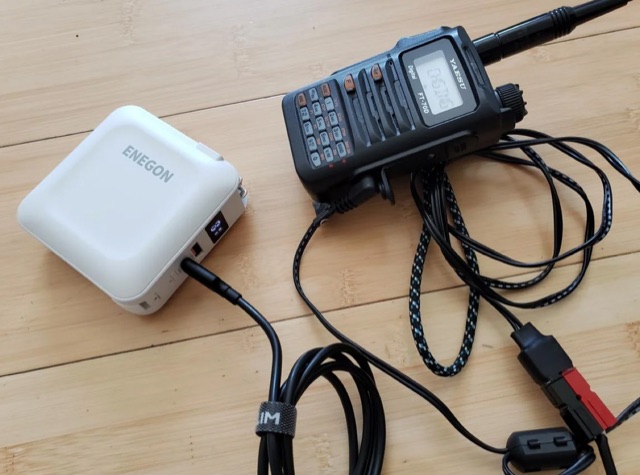 The article highlights the common absence of modern USB-C ports on handheld ham radios and the limited use of USB for power. The author, [jephthai], shares a solution involving a USB-C cable with power negotiation capabilities, allowing the radio to be powered by USB. By splicing Anderson power pole connectors onto the cable, the radio can now be conveniently powered by a USB battery bank, providing a practical alternative to traditional 12 V batteries for off-grid operations.
-
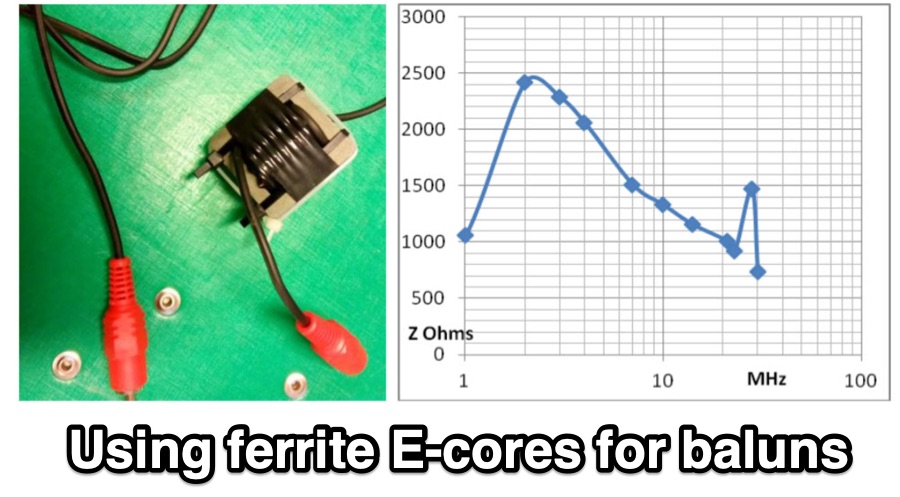 Ferrite E-cores offer a practical solution for constructing baluns, especially when connectors are already mounted on cables. These cores, commonly used in mass-produced pulse transformers, allow for multiple turns without dismounting connectors, making them ideal for control and power supply cables. The material of E-cores is generally suitable for common mode baluns up to 15 MHz, providing a cost-effective option for amateur radio operators. E-cores can often be sourced from old switch-mode power supplies, adding to their appeal for those looking to utilize existing resources. A notable example involves a balun on a USB cable using a Ferroxcube E 32x16x9, 3F3 core with four turns, secured by three cable ties. This setup demonstrates the ease of construction and stability achievable with E-cores. Another example features a balun with eight turns of shielded cable with RCA connectors on the same core, achieving 140 uH inductance at low frequencies. The impedance plot for this configuration is measured between the shield ends, illustrating the effectiveness of E-cores in practical applications. The article includes detailed figures and descriptions, providing valuable insights into the construction and application of baluns using ferrite E-cores. These examples serve as a guide for amateur radio enthusiasts looking to enhance their setups with cost-effective and efficient solutions.
-
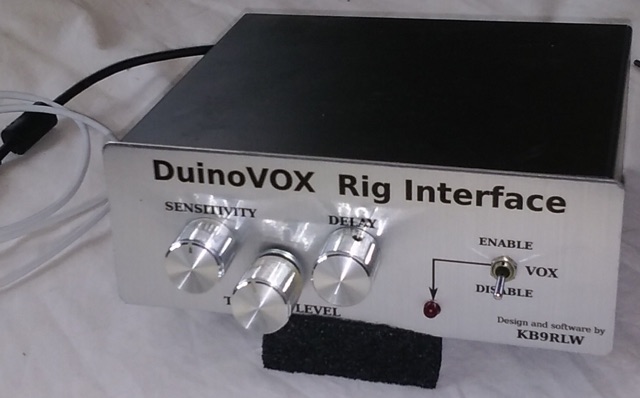 Cheap and easy to build digital modes USB interface for Ham Radio. The DuinoVOX Arduino powered digital modes USB interface for ham radio.
-
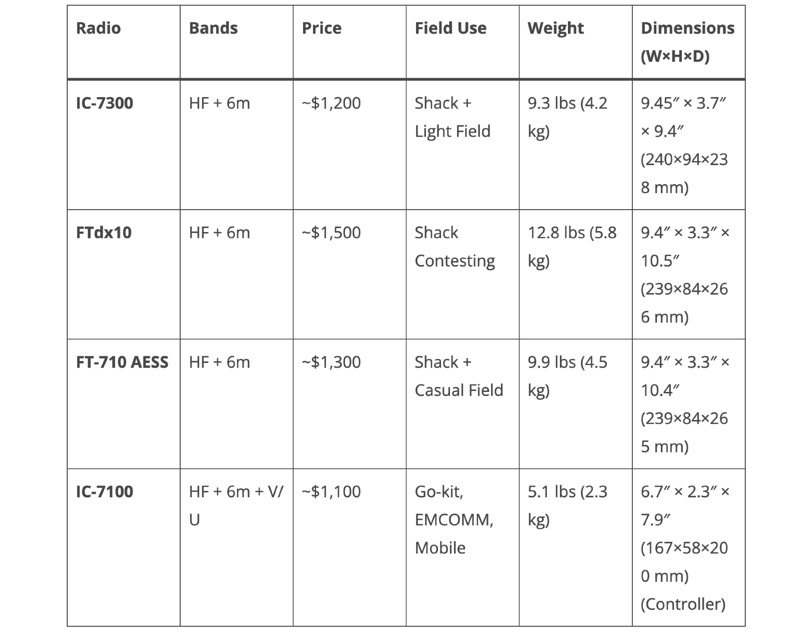 The page presents a collection of blog posts tagged with "yaesu-ftdx10" from the VE3IPS WordPress site. It serves as an index for content related to the Yaesu FTdx10 transceiver, often in comparison with other popular HF rigs like the Icom IC-7300 and Yaesu FT-710 AESS. The aggregated content details specifications such as 100W output power and various SDR architectures. Specific articles linked from this tag page likely delve into operational aspects, including receiver performance, audio clarity, and user interface characteristics of these transceivers. Mentions of features like the IC-7300's real-time spectrum scope and USB integration, or the FTdx10's roofing filters and contest-proven Contour and DNR filters, indicate a focus on technical distinctions. The resource also highlights limitations, such as the basic 3:1 internal tuner in some models and the absence of VHF/UHF coverage in the IC-7300. The Yaesu FTdx10's superheterodyne and SDR approach, along with its placement on the Sherwood Engineering receiver performance list, are key points of discussion within the linked posts.
-
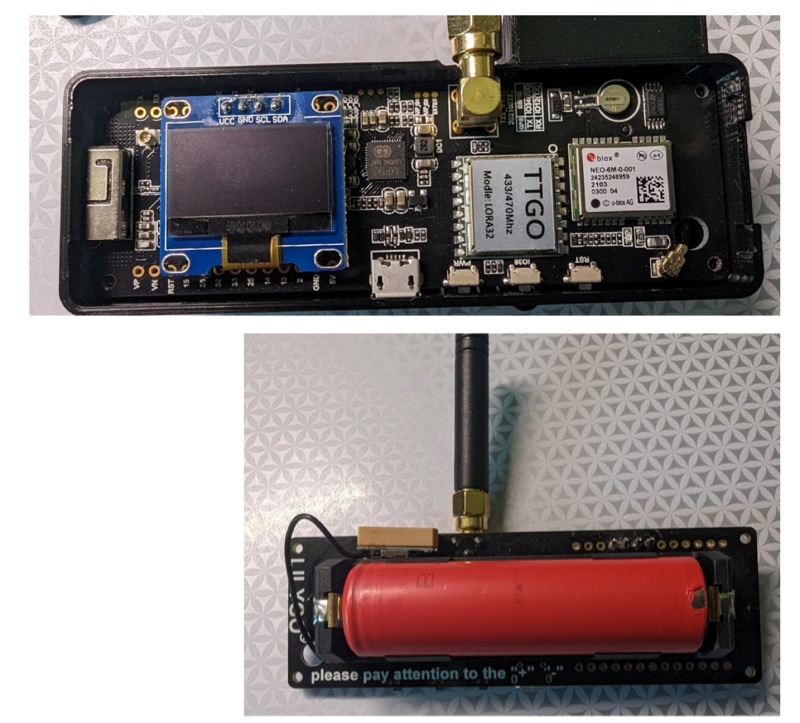 The resource details the construction of a 433 MHz LoRa APRS iGate and a tracker, both built around _TTGO T-Beam v1.1_ microcontroller boards. Each board integrates an OLED screen, WiFi, GPS, and an SMA antenna connector, powered by an 18650 3.7 V lithium-ion battery or microUSB. The iGate operates on 433.775 MHz, with its status verifiable on aprs.fi, demonstrating practical implementation of LoRa-based APRS solutions. The methodology involves programming the modules using Visual Studio Code with the PlatformIO plugin. This process loads the necessary firmware and a JSON configuration file, which includes the operator's callsign and WiFi credentials for the iGate. The guide emphasizes the ease of programming and provides specific steps for configuration. Initial testing of the iGate and tracker, including smart beaconing configuration, is documented. The low power output of approximately 200 mW from the LoRa board's transmitter is noted, with suggestions for range extension through improved antennas or RF amplification. The author, N4MI, plans to deploy a higher-gain 70cm antenna for the iGate.
-
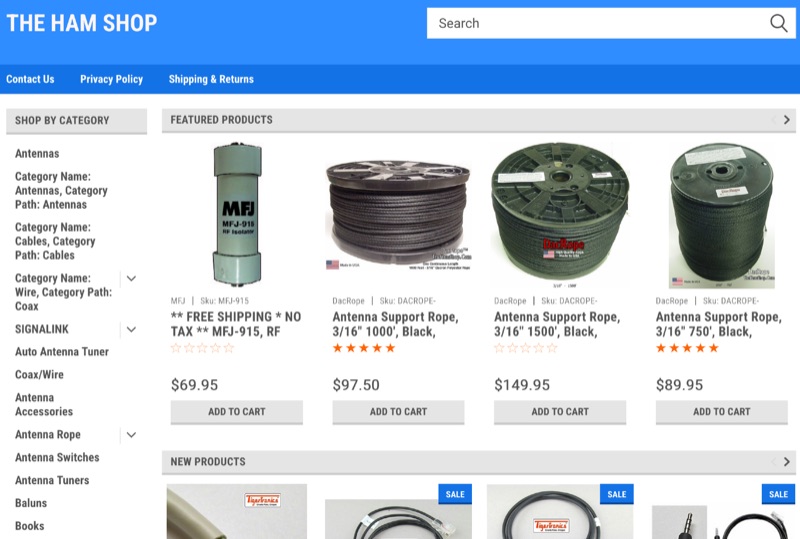 The _MFJ-915_ RF Isolator, rated for 1.8-30 MHz and 1500W PEP, exemplifies the product range available from The Ham Shop. The inventory includes various antenna support ropes, such as 3/16" _Dacron Polyester Rope_ in lengths from 100 to 1500 feet, alongside a selection of cables for _SignaLink USB_ sound card interfaces. Specific SignaLink cables are offered for radios like the Yaesu FT-847 (SLCAB847), Yaesu HTs (SLCABVXY), and the Elecraft K3 (SLCABHTY). Additionally, the shop provides modular jumper cables and modules, including the SLMOD8RY for Kenwood/Alinco 8-pin round mic jacks and the SLMOD8RI for Icom 8-pin round mic jacks. The product line supports diverse station configurations, encompassing antennas, coax, baluns, dummy loads, duplexers, insulators, microphones, power supplies, SWR meters, and watt meters.
-
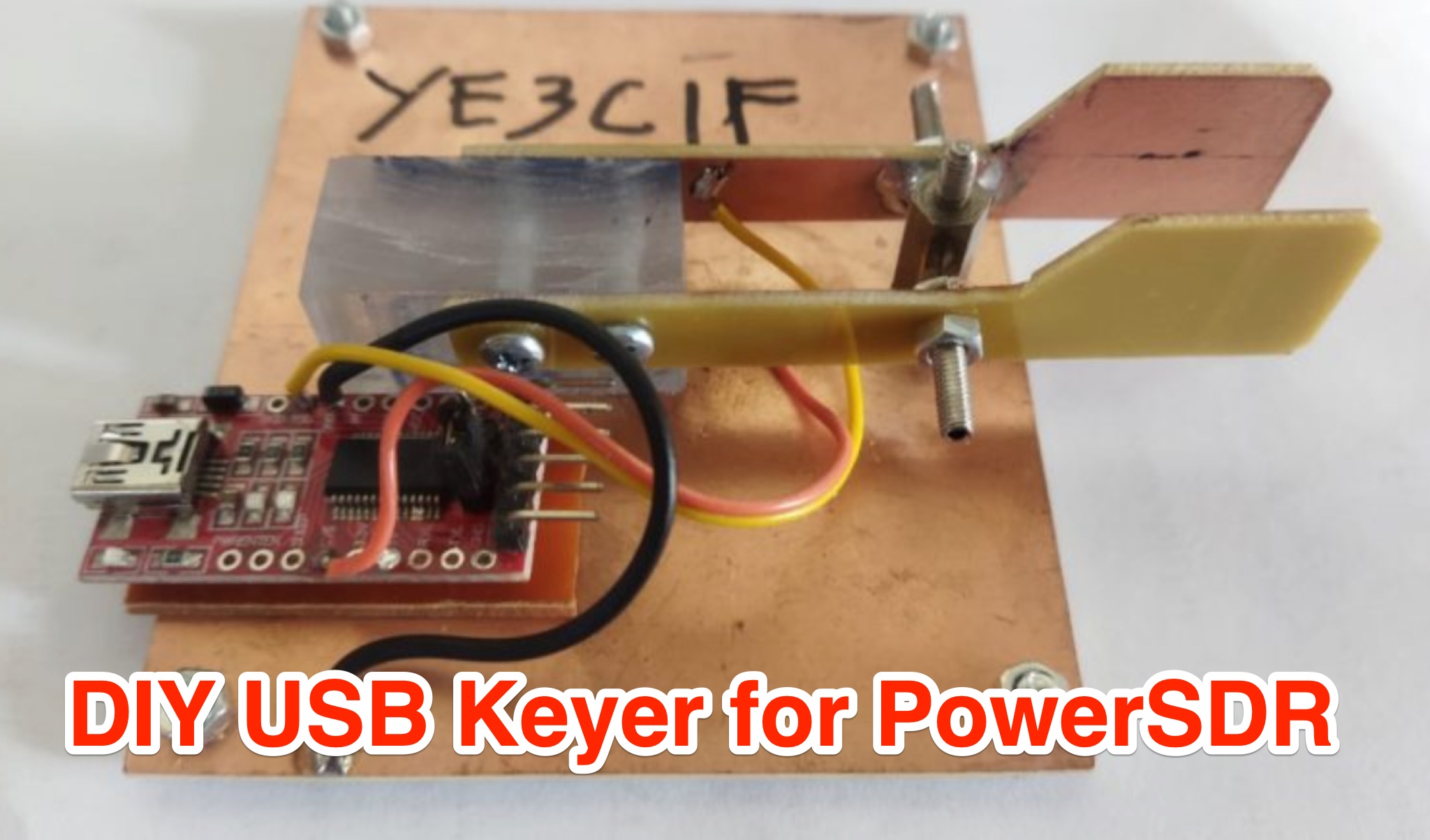 Learn how to create a USB Keyer for PowerSDR to enhance your CW experience. This article provides a step-by-step guide using affordable materials like a USB to TTL Module (FT232RTL) and a Keyer iambic. The tutorial includes a detailed wiring diagram and instructions for configuring the Keyer in the PowerSDR menu. The author also shares a helpful video demonstration to ensure smooth operation. Whether you're a seasoned ham operator or new to CW, this DIY project can improve your radio setup. Follow these instructions to build your USB Keyer and elevate your PowerSDR experience.
-
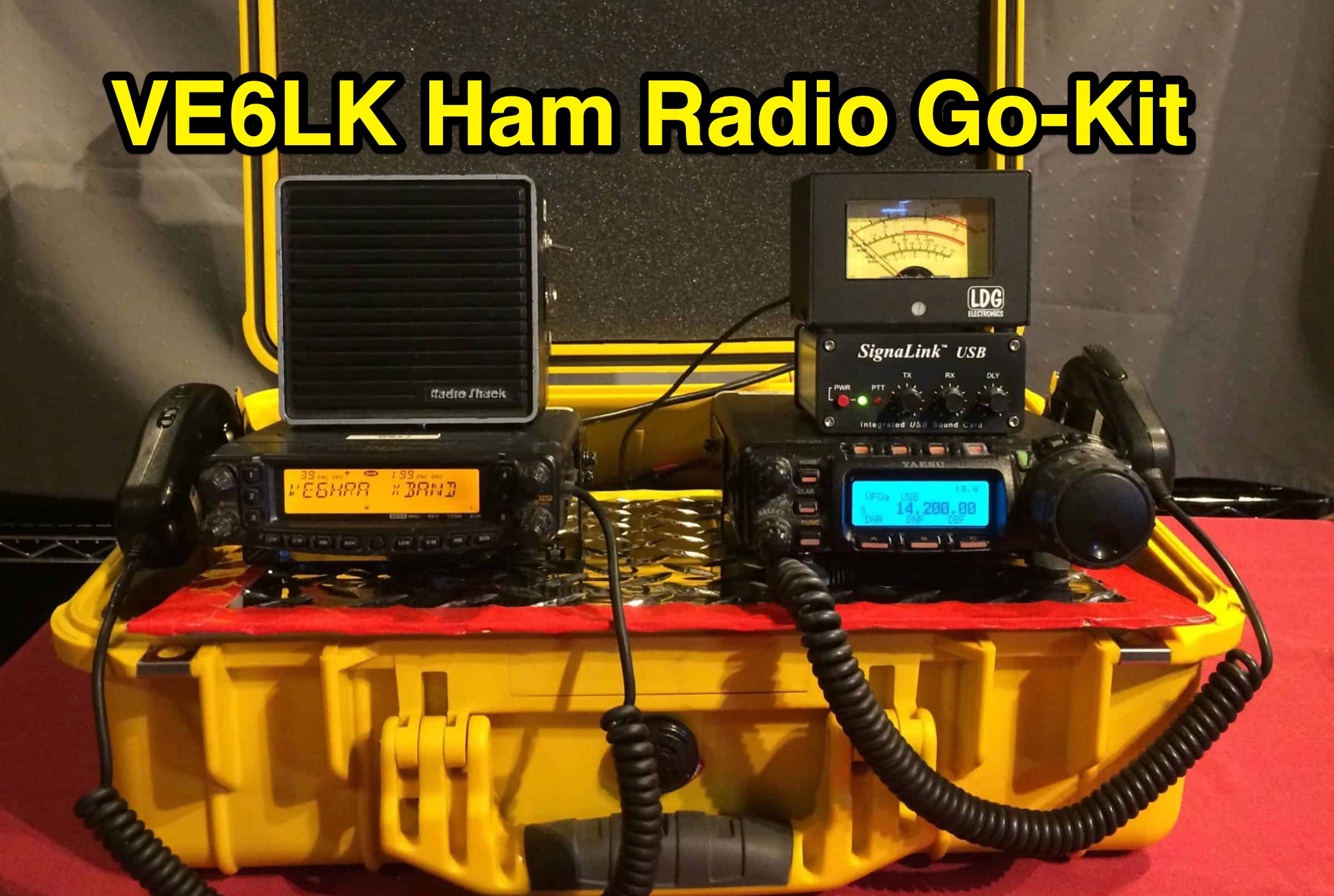 Learn how VE6LK built a comprehensive radio go-kit for emergency communication purposes. The kit includes Yaesu FT-8800, Yaesu FT-857, LDG FT-Meter, Powerwerx SS-30 power supply, SignaLink USB interface, and more. The author shares details on the equipment, organization, and practical tips for setting up the kit. Discover how to stay prepared for public service events, disaster responses, and general ham radio activities with a well-equipped go-kit.
-
 This tutorial demonstrates how to charge laptops or tablets, like the Microsoft Surface, using off-grid 12-volt batteries typically used for ham radio gear. The guide highlights the importance of selecting a reliable USB-C PD adapter, recommending a 15V, 60W minimum with 5–20V, 3–5A capability. Featured tools include a 100W USB-C adapter and a USB multimeter for monitoring power usage. The video also explores the compact, efficient Power Queen 50Ah LiFePO4 battery for portable power solutions.
-
 VE3SMA's document addresses several operational issues encountered with the Yaesu FTDX10 HF transceiver, offering practical solutions and technical explanations. It specifically tackles the high-frequency headphone hiss during CW operation with narrow filters, providing a schematic for a homebrew audio filter to mitigate this. The resource also investigates the FTDX10's behavior of transmitting CW via USB even when BK-IN is set to OFF, particularly when using N1MM+ contest software, and suggests tuning outside ham bands as a workaround. Furthermore, the document notes the rapid disappearance of band and mode selection screens, acknowledging a December 2021 software update that extended their display times. The analysis extends to audio harmonics generated in digital modes like FT8 and JS8CALL when using USB audio input, attributing the issue to unattenuated USB CODEC output and a low PRESET RPORT GAIN value. VE3SMA proposes a solution involving a higher RPORT GAIN setting (between 30 and 70) and a lower transmit audio level from the computer, demonstrating how to achieve a clean signal using the FTDX10's built-in spectrum scope. The document also discusses unstable power output in FT4/FT8 modes when driving an amplifier, recommending the use of Fake It or Rig Split modes in WSJT-X and operating with some ALC action. Finally, it explores methods for achieving a low-power continuous carrier for adjusting external antenna tuners, offering various techniques depending on the operating mode.
-
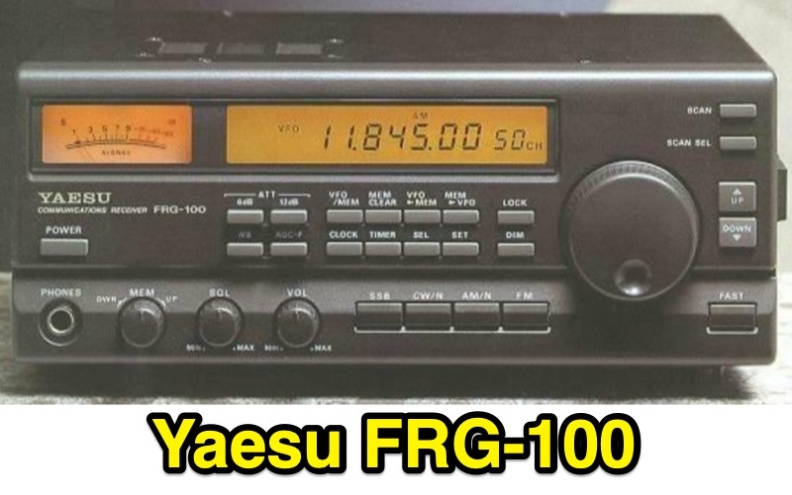 The **Yaesu FRG-100** shortwave receiver, introduced in 1992, operates across a frequency range of 50 kHz to 30 MHz, accommodating AM, LSB, USB, and CW modes, with an optional narrow-band FM capability. Its physical dimensions are 238 x 93 x 243 mm, with a weight of 3 kg, making it suitable for both portable and fixed station deployments. Power options include standard mains voltage or 12VDC, providing operational flexibility for diverse listening environments. The front panel integrates a manual tuning knob, an analogue signal strength meter, and an LCD display that provides critical information such as frequency, operating mode, memory channel, and time. Users can configure various operational parameters, including tuning steps and bandwidth filters, to optimize reception for specific signals. This review highlights the FRG-100's straightforward interface and its utility for shortwave listening enthusiasts. The design emphasizes user-friendly adjustments for settings, which contributes to its appeal among those interested in general coverage reception.
-
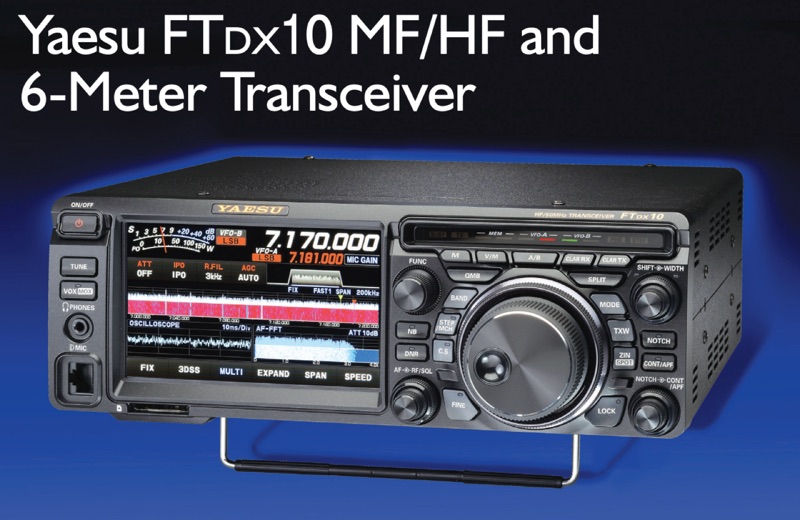 The Yaesu FTDX10 MF/HF and 6-meter transceiver, a 100-watt rig, is designed to bring high-performance receiver architecture to the intermediate-price class. It offers continuous receive coverage from 30 kHz to 75 MHz and transmit capabilities across all amateur bands from 160 through 6 meters, including five preset CW and SSB channels on 60 meters. The transceiver supports AM, FM, SSB, CW, and digital modes, with integrated decoders for CW, RTTY, and PSK31, making it a versatile station for various operating preferences. Physically, the FTDX10 measures 3½ × 10½ × 10½ inches and weighs 13 pounds, requiring a 20–25 A DC power supply for full 100 W output. Its front panel features a 5-inch TFT color touchscreen and a large VFO knob, complemented by an SD memory card slot for recording audio and saving settings. Rear panel connectivity includes a single SO-239 antenna port, multiple USB ports for CAT control and peripherals, and DIN jacks for external digital mode hardware and linear amplifiers, though it lacks a dedicated low-noise receive antenna provision. ARRL Lab tests confirm excellent receiver performance, with blocking dynamic range exceeding 137 dB at 2 kHz spacing and robust IMD dynamic range figures. The hybrid receiver design incorporates selectable roofing filters at 500 Hz, 3 kHz, and 12 kHz, along with two preamplifiers and various attenuation levels, allowing operators to tailor reception characteristics to challenging band conditions. Transmitter performance is also rated very good, with low transmit phase noise.
-
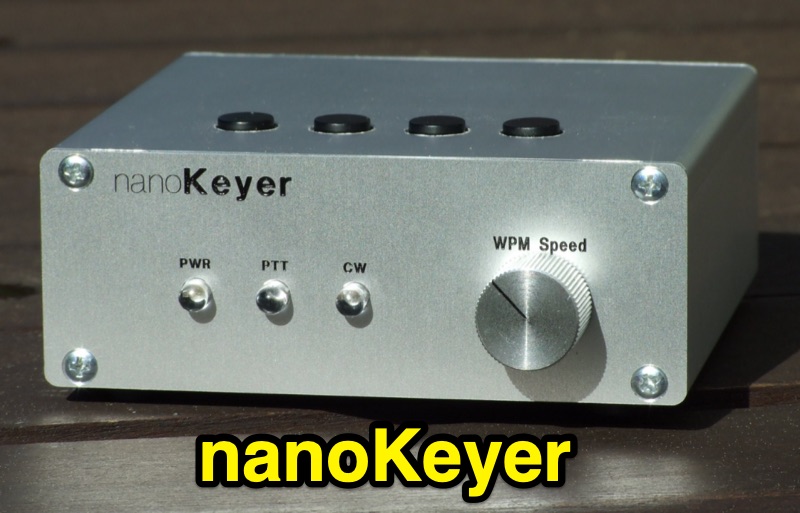 The _nanoKeyer_ is an Arduino Nano-based CW contest keyer, specifically designed for use with the _K3NG Arduino keyer_ open-source firmware. It supports CW speeds from 1 to 999 WPM and emulates the _K1EL Winkeyer_ interface protocol, making it compatible with major logging applications such as N1MM and HRD via its USB port. The device also features SO2R compatibility through K1EL Winkeyer 2 protocol emulation. Keyer functionalities include a command mode for settings adjustment, up to 12 memories with macro and serial number support, QRSS and HSCW modes, and Iambic A and B, Ultimatic, and Bug keying. It also offers Farnsworth Timing, Autospace, Wordspace Adjustment, Keying Compensation, Dah to Dit Ratio, and Weighting adjustment, with most settings stored in non-volatile memory. The nanoKeyer includes one optically isolated radio port for PTT and CW keying, a standard 6.3mm stereo jack for paddle connection, and a mini DIN jack for a PS2 keyboard for computerless operation. It can be powered via USB or an external battery/power supply.
-
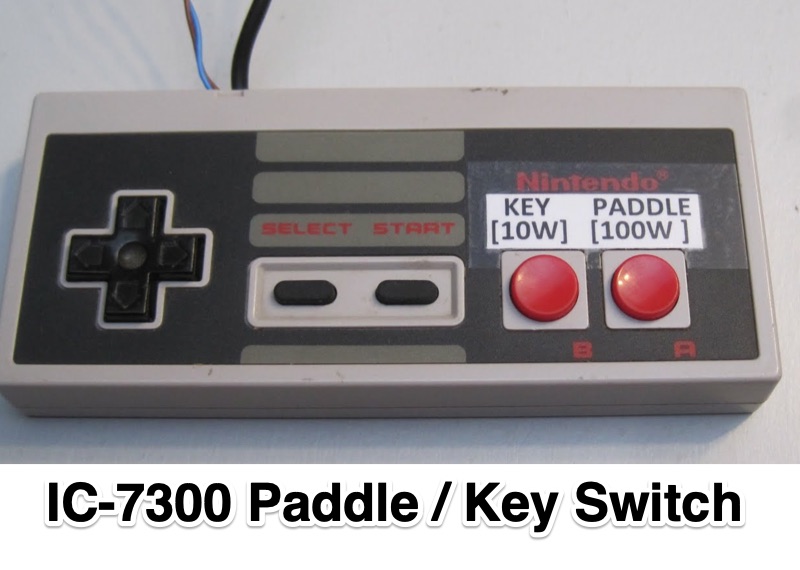 Demonstrates an **Arduino-based** solution for the Icom IC-7300 transceiver, specifically addressing the operational inconvenience of switching between a CW paddle and a straight key. The project leverages the IC-7300's **CI-V bus** (Computer Interface 5) to provide instant keyer type selection and two preset power levels, bypassing the rig's menu system which otherwise requires eight button presses. This implementation utilizes the 3.5mm CI-V connector, leaving the USB port free for CAT control and the internal soundcard, a critical design choice for integrated station setups. The system's utility is particularly evident for CW operators who frequently alternate between keying methods during contesting or general operating. The article details the hardware setup, including an Arduino Nano, a 3.5mm jack for CI-V, and pushbuttons for control. An update in 2023 expanded the project to incorporate an 8-button Nintendo controller, enhancing user interface flexibility and demonstrating the adaptability of the initial design for further customization and feature integration.