Search results
Query: G/T
Links: 82 | Categories: 0
-
 Hams have been putting stations in their cars since the Twenties. Today, there is great satisfaction in facing the challenge of installing a transceiver in our small cars and pick-ups, using somewhat inefficient antennas
-
 G/T (Gain-to-Noise Temperature) is a critical figure of merit for evaluating the receive performance of VHF/UHF antennas, particularly for weak-signal work like EME (Earth-Moon-Earth) or meteor scatter. This resource presents extensive simulation data for numerous 2-meter and 6-meter Yagi antenna designs, originally compiled by _VE7BQH_ (Lance Johnson). The lists, updated as of October 2017, include various antenna models from designers such as _DK7ZB_, G0KSC, and K1FO, providing key performance parameters. Each entry details the antenna's G/T value, gain, front-to-back ratio, beamwidth, and VSWR at specific frequencies like 144.1 MHz or 145.0 MHz. The data facilitates comparison of different Yagi configurations, including those with folded dipoles and varying intrinsic impedances, aiding radio amateurs in selecting optimal antennas for their specific operational needs on the 2-meter and 6-meter bands.
-

-
 A few thoughts on Multi Band VHF Aerials by Peter Ward VK3ZAV
-
 Installing mobile radios in your new megabucks car can be a frightening proposition - especially if RF from your rig could damage your shiny new roadster
-
 Using portable generators during emergencies or at field day site, using batteries and how to recharge them, using solar panels.
-
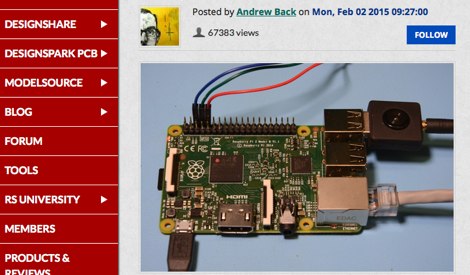 Taking the Raspberry Pi 2 for a Test Drive with GNU Radio. Installing GNU Radio and receiving aircraft radar with a USB TV tuner
-
 Collection of Kenwood TL-922 linear amplifier modifications
-
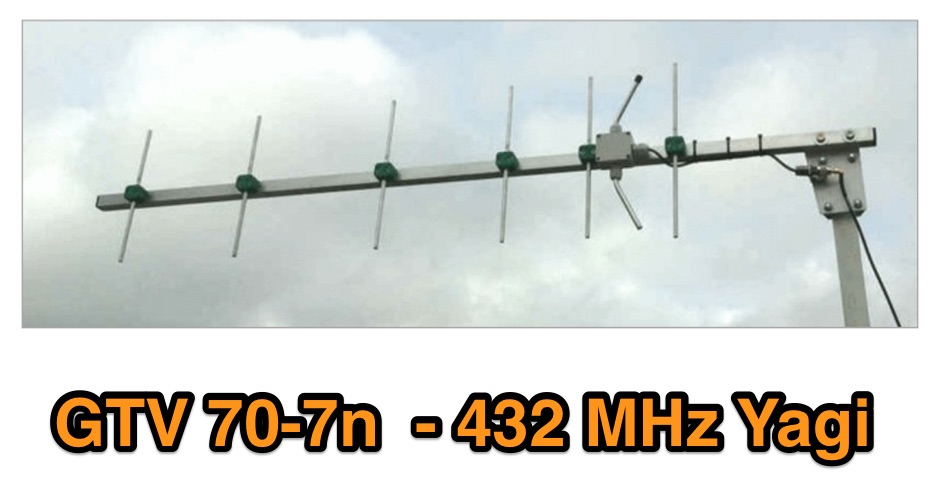 A 70 cm yagi designed for EME + SSB narrow bandwidth version, strictly G/T breeding. This little Yagi has a high F/B, which makes it quite useful as a contest stack
-
 Understanding the operational impact of Broadband over Power Line (BPL) on amateur radio communications is crucial for any radio amateur, especially given the potential for significant radio frequency interference (RFI). This ARRL tutorial delves into the technical aspects of BPL, explaining how the technology operates by transmitting data over existing electrical power lines, which can inadvertently radiate broadband noise across various amateur bands. My own field experience, particularly on the lower HF bands, has often involved tracking down noise sources that exhibit characteristics consistent with BPL emissions, making this a pertinent topic for maintaining clear receive conditions. The resource further details the specific FCC rules and regulations implemented to restrict BPL deployment. These regulations aim to protect licensed radio services, including amateur radio, from harmful interference. It outlines the technical standards and operational limitations imposed on BPL systems to minimize their impact on the electromagnetic spectrum, a critical aspect for contesters and DXers alike. For those engaged in RFI mitigation, the tutorial provides a foundational understanding of the regulatory framework that can be leveraged when addressing BPL-related interference issues. It serves as a valuable reference for hams seeking to comprehend the technical challenges and regulatory solutions surrounding this pervasive noise source.
-
 Getting squeaks and squawks from your H-T? Are pagers crunching your mobile rig's front end? Here's how intermod happens--and how to fight back!
-
 ARRL Resources about Lightning Protection for the amateur radio station
-
 Information about RF driven lamps
-
 A tape measure beam antenna, optimized for fox hunting with a 7.3 dBd gain
-
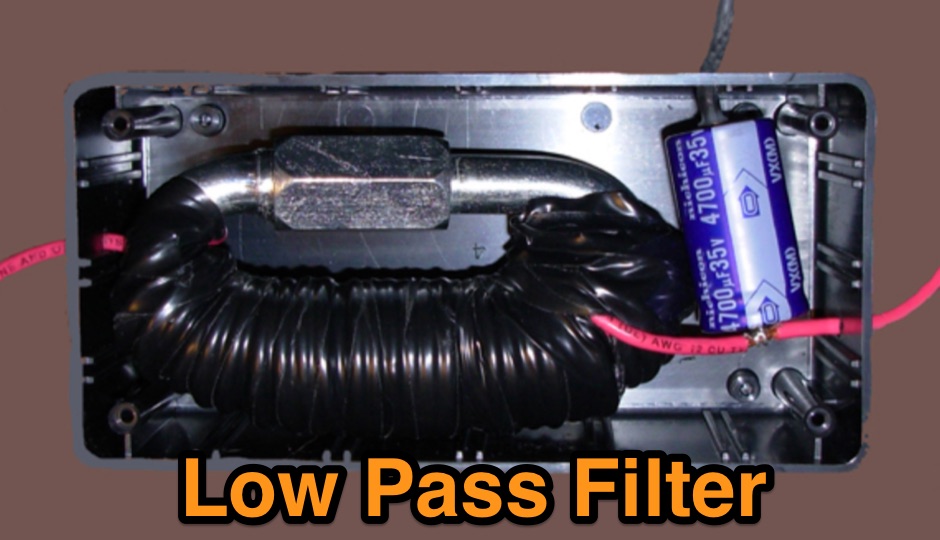 How to create a low pass filter able to reduce or even remove the noise generated from your car or truck alternator
-

-
 What the Numbers Mean, and Propagation Predictions--a brief introduction to propagation and the major factors affecting it.
-
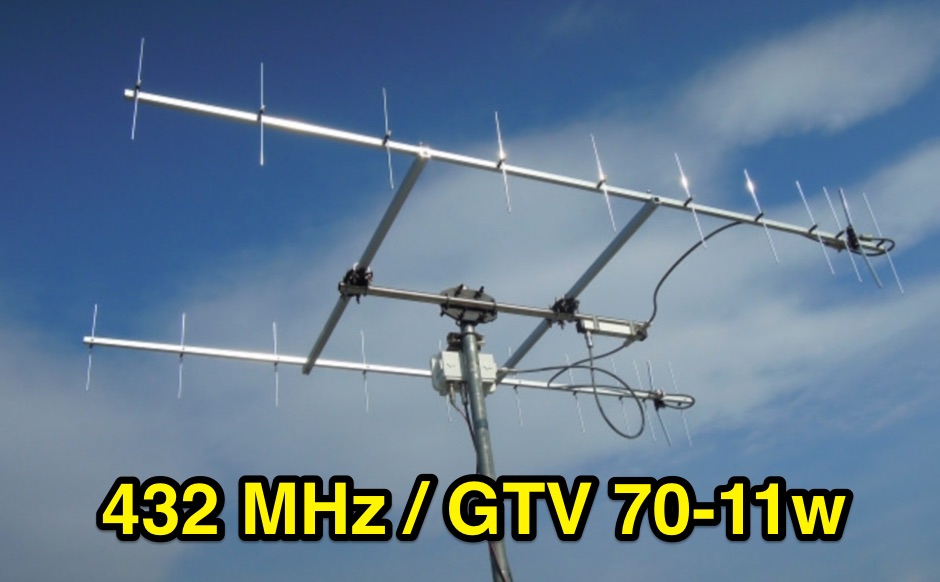 A high G/T Yagi with bent DE for compact contest arrays
-
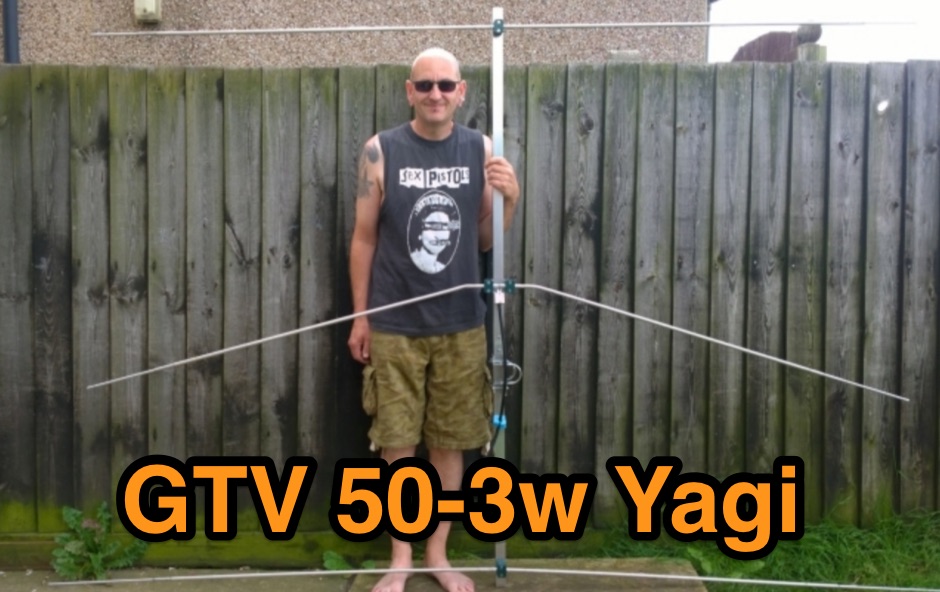 A compact high G/T Yagi with bent Drive element by DG7YBN
-
 The Washington Totem Award recognizes licensed radio amateurs who submit proof of two-way radio contact with the state of Washington. Applicants must confirm contacts with a specified number of Washington counties, with different requirements for stations located within and outside the state. For example, stations outside Washington need 25 confirmed contacts from 25 different counties, while Washington stations require 15 contacts from 15 different counties. Contacts must be made after January 1, 1970, and may be established on any amateur band using any mode. QSL cards or other acceptable proof of contact must be submitted with the application. The award promotes activity within Washington state and encourages DXers to seek out contacts across its diverse geographical areas. Applications are processed by the Western Washington DX Club, which also manages the award rules and verification process.
-
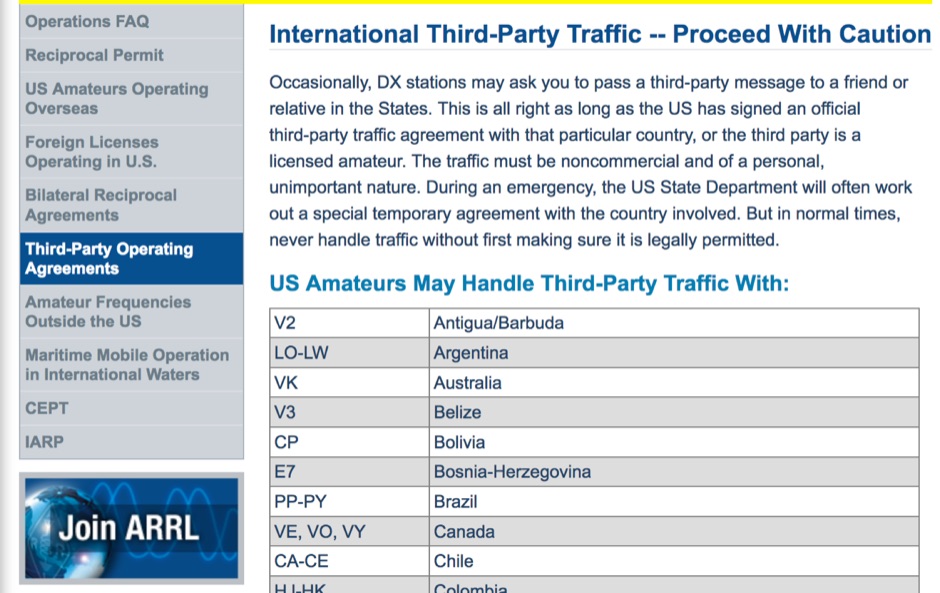 Third-Party Operating Agreements. Occasionally, DX stations may ask you to pass a third-party message to a friend or relative in the States. This is all right as long as the US has signed an official third-party traffic agreement with that particular country
-
 The FCC has answered some of ARRL questions about the RF-exposure rules. Changes to the regulations have a few pleasant surprises for Amateur Radio.
-
 A simple reading that allows to understand the basic working concepts and uses of an oscilloscope
-

-
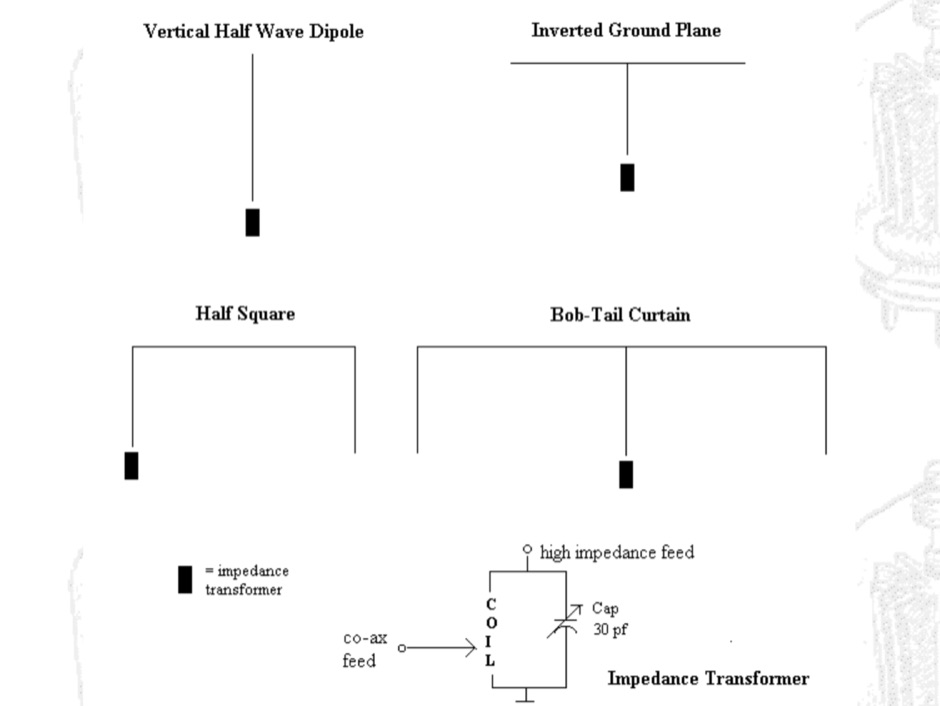 Dipole antennas, vertical half-wave dipole antennas with impedence tranformes that can be used for portable operations. Some well worn antenna configurations are the easiest and loudest lash-ups you can try.
-
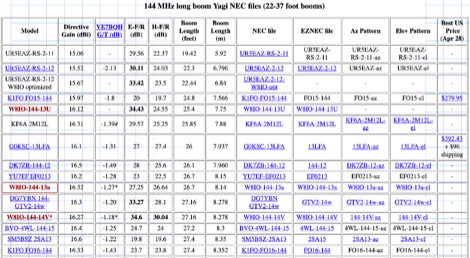 Experimental Long Boom Antennas - CP, LPDA, multiband with several NEC Files for 50MHz 144MHz 222 MHz 432MHz but also 902MHz and 1296 MHz Antenna projects. Includes also for each antenna model, in a general comparison table each antenna characteristics including Directive Gain, G/T, E-F/R, H-F/R abd Boom Length. This is a great value comparison table of several commercial and home made VHF UHF antenna projects.
-
 The Western Washington DX Club publishes a monthly newsletter
-
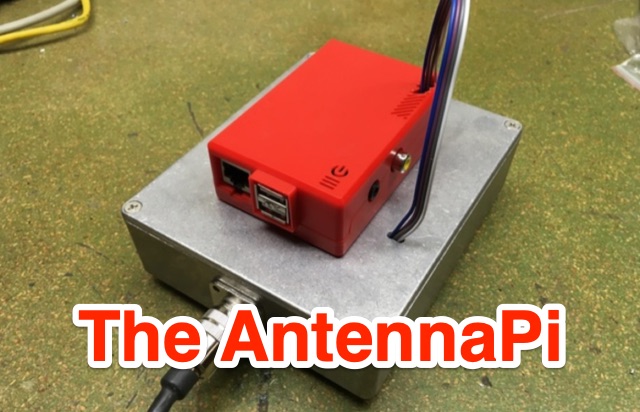 This is a remote antenna switch I use in my attic to connect transceivers in the basement to multiple antennas in the attic. The goal of this project is to be able to remotely connect one of the antennas in the attic to the only antenna cable available.
-
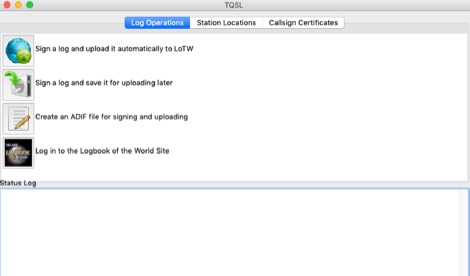 Official download page of TQSL software provided by ARRL as LoTW signing tool to upload QSO confirmations valid for ARRL Awards. TQSL download page provide links for Windows MacOS and Linux platforms.
-
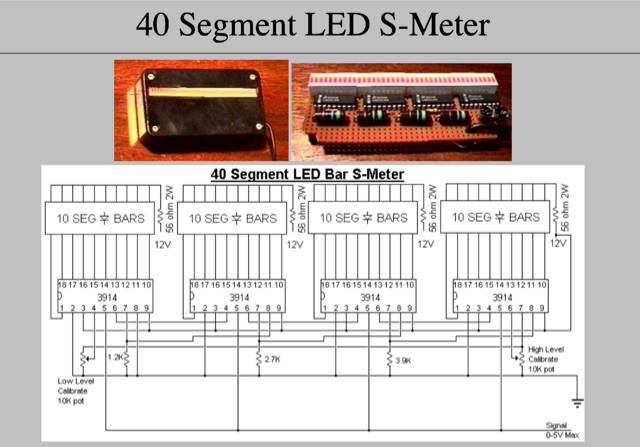 Provide your radio with a very string signal, then adjust the HIGH LEVEL pot to the threshold of illuminating the last LED (all LEDs on).
-
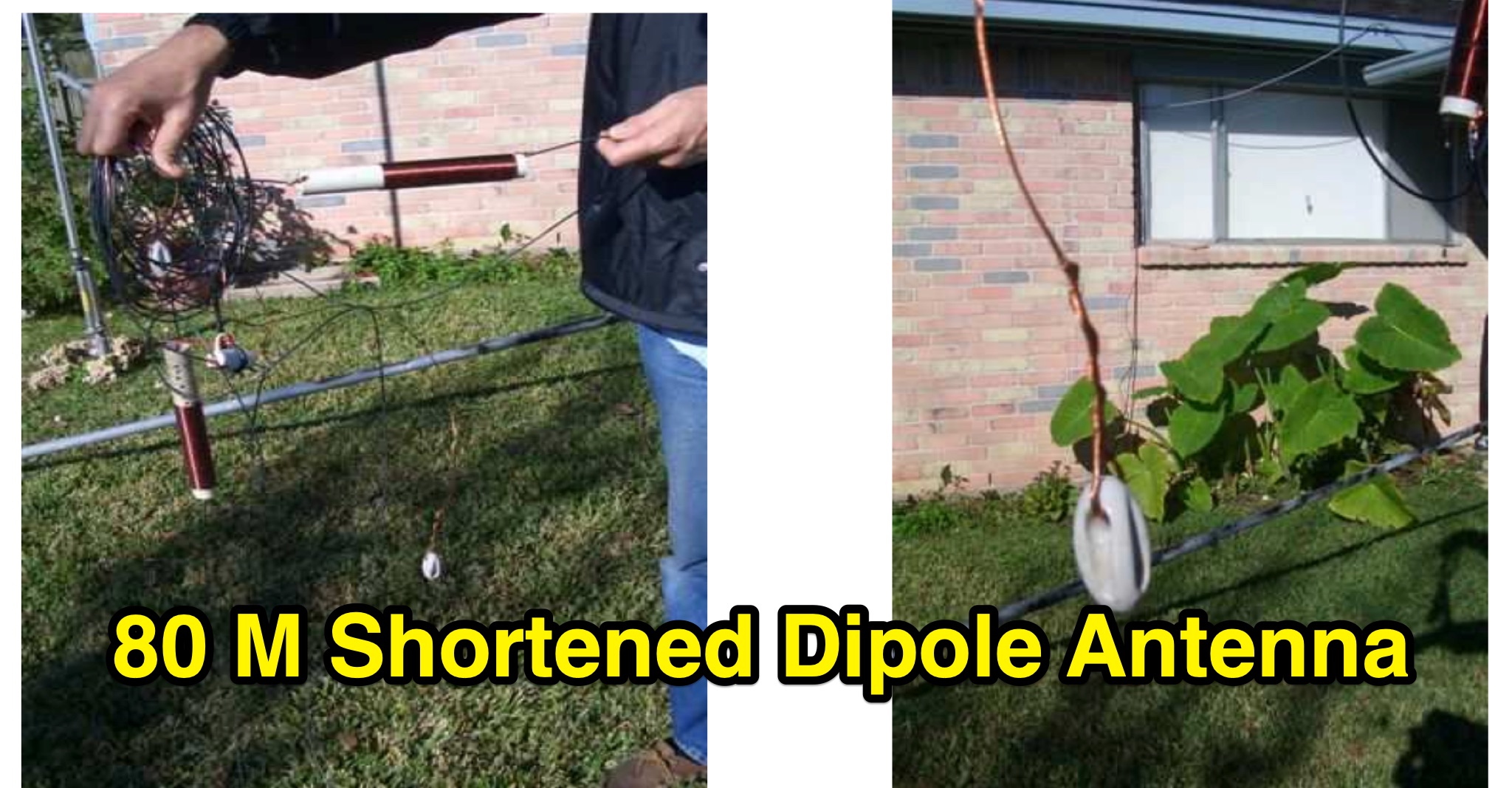 The LKJ Wednesday Night Special Antenna, designed by John Whiteman K5LKJ, is a compact 50-foot coil-loaded dipole for 80-meter operation, ideal for space-limited hams in residential areas. Using two 1-inch diameter PVC coils with 87 turns of #16 magnet wire each—placed 10 feet from the center—it tunes to 3.910 MHz for local nets like BVARC Rag Chew. Constructed with #14 wire, ceramic insulators, and Mini-8X feedline, it handles 1000W, performs well at low heights for NVIS, and requires a tuner for bandwidth. Collaborative tuning by club members ensured success.
-
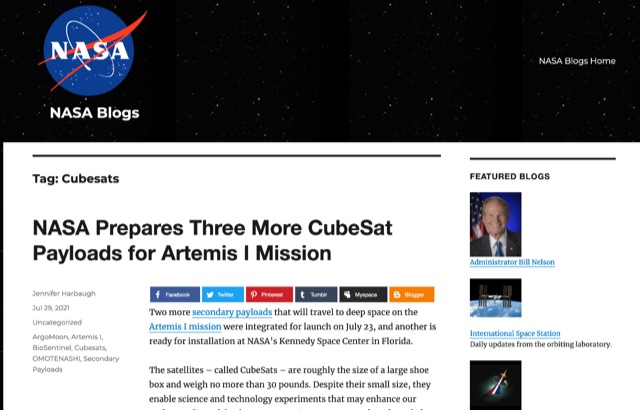 A blog that provides news and updates about CubeSats, as well as information about CubeSat-related events and projects.