Search results
Query: radio repeaters
Links: 132 | Categories: 24
Categories
- Manufacturers > Digital Mobile Radio
- Manufacturers > Repeaters
- Shopping and Services > Repeaters
- Operating Modes > Repeaters
- Operating Modes > Amateur Television
- Operating Modes > Repeaters > Europe
- Ham Radio > Clubs > North America > USA > Illinois
- Software > Internet Linking
- Ham Radio > Regional > Italy
- Ham Radio > Clubs > North America > USA > Kansas
- Internet and Radio > Live streaming
- Ham Radio > Clubs > Europe > Italy > Marche
- Ham Radio > Clubs > North America > USA > Montana
- Ham Radio > Clubs > North America > USA > New Hampshire
- Ham Radio > Clubs > Europe > UK > Northern Ireland
- Ham Radio > Clubs > North America > Canada > Ontario
- Technical Reference > Repeater
- Software > Repeater Control
- Technical Reference > Repeater > Repeater Maintenance
- Ham Radio > Clubs > North America > USA > South Carolina
- Ham Radio > Clubs > Europe > Italy > Trentino Alto Adige
- Operating Modes > Repeaters > USA
- Ham Radio > Clubs > North America > USA > Washington
- Internet and Radio > Web Cams
-
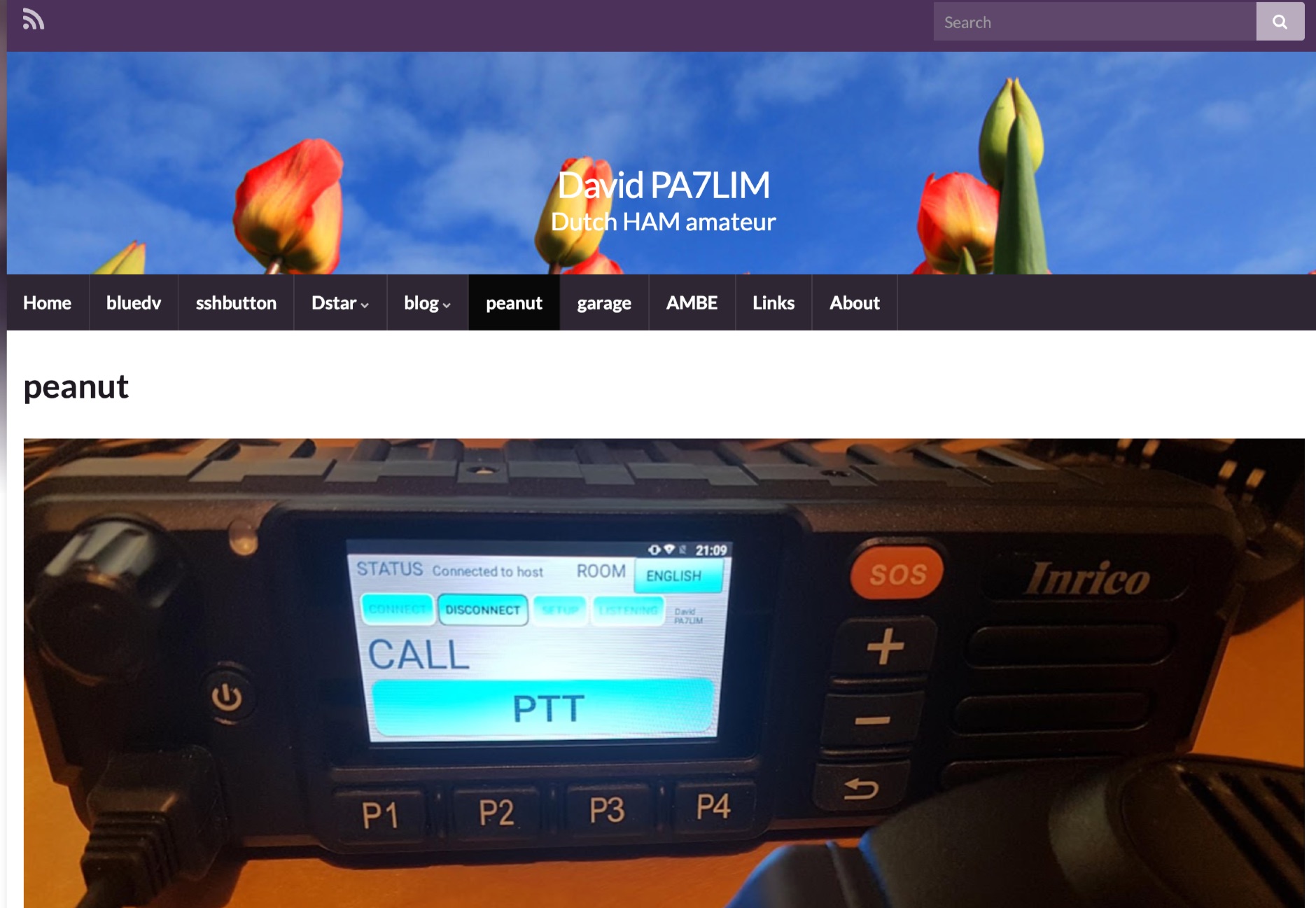 Peanut is a free Digital radio client Android App. The App requires a manual registration with the author and allow to chat in proprietary rooms or to connect room linked to DSTAR amateur radio repeaters worldwide. A central Peanut dashboard with current system activity is also available.
 -
 A General-Interest ARRL Affiliate Operating Open Repeaters in Canon City, Colorado
 -
 The Broadcast Employees Amateur Radio Society, Inc. (BEARS) operates an extensive network of **VHF and UHF repeaters** across New York, the Hudson Valley, Long Island, and New Jersey, accessible to all licensed amateur radio operators. This resource details the club's structure as a 501c3 tax-exempt non-profit, emphasizing its role in providing ham radio training, testing, and critical communications support to various public and private emergency response agencies. Key repeaters include W2ABC/RPT on 147.27 MHz with a 141.3 PL tone, serving as a central point for club activities and broader network access. BEARS is also a founding member of the **Disney Amateur Radio Interconnect (DARI)**, a consortium of open, linked VHF and UHF repeaters spanning major metropolitan areas such as Philadelphia, Baltimore/Washington DC, Orlando, Bristol, Los Angeles, and Boston. This interconnected system facilitates wide-area communication for members and supports emergency preparedness efforts across multiple regions. The club's focus extends beyond Disney employees, welcoming aspiring and current hams from outside the company to participate in its activities and utilize its robust repeater infrastructure.
 -
 Providing amateur radio 144 MHz & 440 MHz repeaters in the state of Oregon
 -
 Twenty-four repeaters, including D-STAR and Fusion systems, are maintained and operated by MARCA Inc., primarily located on Arizona mountaintops and around the Phoenix metropolitan area. The organization, holding the callsign _W7MOT_, facilitates a wide range of amateur radio activities, such as ARRL Field Day events near Forest Lakes, Arizona, and participation in ARRL FMT contests. Members engage in antenna experimentation, construction, and maintenance trips to repeater sites. The club's interests span diverse topics, including HF voice, digital modes like _WSPR_, _WSJT-X_ (FT8, FT4), and CW, alongside DXing, MESH networking, and EOC operations. It supports technologies from SDR radio building to antique radio restoration and computer-based operations like Echolink, fostering a Single Board Computer (SBC) and Raspberry Pi group. Monthly meetings, held on the third Tuesday, feature business discussions and guest presentations, with informal summer gatherings and an annual holiday dinner in December. Monthly VE testing sessions for Technician, General, and Extra Class licenses are conducted by Ray Vasquez, K4RMV. Post-meeting discussions often cover specialized interests such as repeater operations, technical topics, D-STAR, SDR, APRS, Fusion, and Raspberry Pi projects.
 -
 The Las Vegas Radio Amateur Club operates the K7UGE repeaters on 146.94 and and 448.500. Repeater is located on top of the Las Vegas Hilton Hotel & Casino, the UHF repeater is located on top of the Tropicana Hotel & Casino.
 -
 You'll find information about the club, membership, our newsletter, the BARC repeaters, and special club events.
 -
 Radio Amateur WEB TV, Streams for and from ATV repeaters, Live streams for and from events, Amateur Webcams from holland
 -
 The Club Radio Amateur de Québec (CRAQ) is a prominent amateur radio club based in Québec, Canada, dedicated to fostering interest and participation in amateur radio. It provides a platform for local hams to connect, share knowledge, and engage in various radio-related activities, including **DXing**, contesting, and technical experimentation. The club supports its members through regular meetings, technical presentations, and organized operating events, aiming to enhance their skills and enjoyment of the hobby. CRAQ also plays a role in public service communications, often collaborating with local authorities for emergency preparedness and response. CRAQ's activities include operating club stations, organizing **field day** events, and offering training sessions for new licensees. Members frequently participate in provincial and national contests, contributing to the club's competitive standing. The club maintains a network of repeaters, providing reliable local communication infrastructure for its members and the broader amateur radio community in the Québec area. These resources facilitate daily QSO traffic and serve as critical links during community service operations.
 -
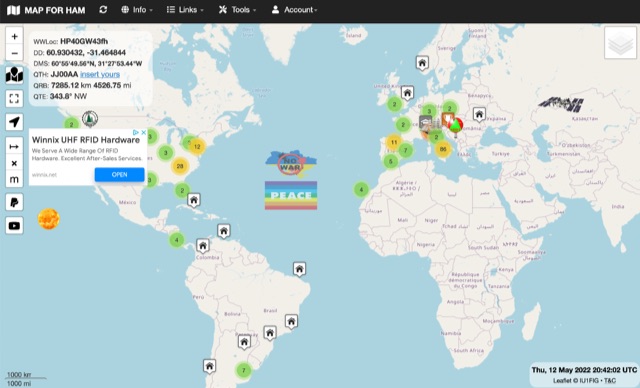 The first interactive map of amateur radio repeaters and more updated in REAL TIME.
 -
 supports three repeaters in the Florence SC area. The Club Callsign, W4ULH authorized by the Federal Communications Commission.
 -
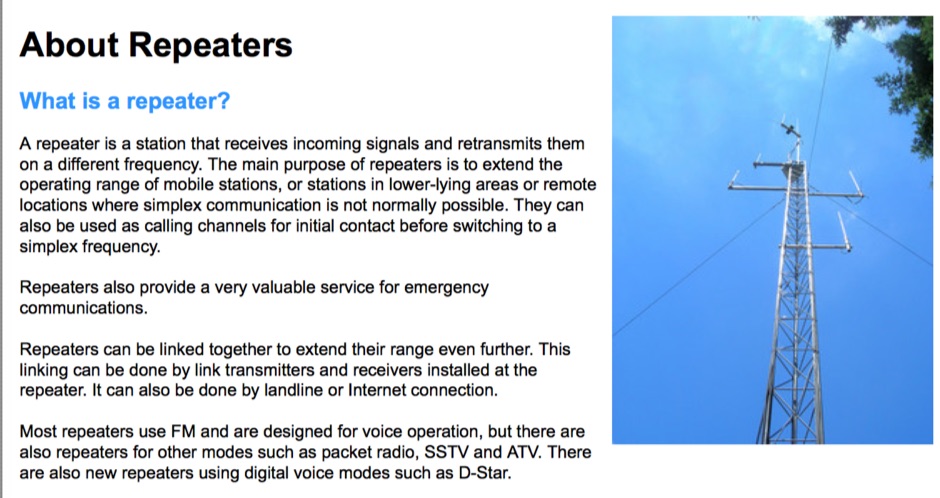 Amateur radio repeaters extend communication range for mobile and remote stations by retransmitting signals on a different frequency, often for emergency communications. The resource details various repeater bands, noting that 2 meters and 70 cm are primary for activity, with 10-meter repeaters offering potential national and overseas coverage. It specifies **18 channels** on 6 meters and **31 channels** on 2 meters, along with a new 70 cm offset of _7 MHz_ adopted in 2015. The content explains how repeaters can be linked via dedicated transmitters/receivers, landlines, or Internet VoIP systems like _IRLP_ and Echolink, enabling global connections. It also describes simplex gateways for multi-band operation and the use of CTCSS subaudible tones for access control and interference mitigation. The document highlights specialized repeaters for modes beyond voice, such as SSTV and ATV, particularly on 70cm and higher bands. Operational guidelines for efficient and courteous repeater use are referenced, along with links to Australian repeater listings and band plans.
 -
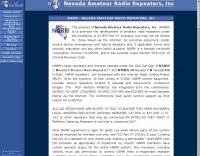 promote the development of amateur radio repeaters under the provisions of 47CFR Part 97 including, but may not be limited to, those linked via the internet, for personal enjoyment, public service during emergencies and natural disaster
 -
 Details the Big Thunder Amateur Radio Club (BTARC), a long-standing amateur radio organization based in Boone County, Illinois, established in 1962. It covers the club's mission to enhance the skills of local hams, promote radio knowledge, and foster social interaction among operators. The resource outlines BTARC's commitment to community service, including emergency communications support through RACES, and its active participation in events like Field Day, fox hunts, and public service communications for local races. Explains the club's history, including the establishment of its first repeater in the 1970s by members WD9JGH, Mike George, K9ORU, and Claude Horsman, WB9PMM, using a VHF Engineering kit and a Sinclair duplexer. It provides specifications for two club-maintained FM repeaters: a 2-meter repeater on 147.375 MHz (+600 KHz shift, 100.0 Hz PL tone) and a 70-cm repeater on 442.825 MHz (+5 MHz shift, 114.8 Hz PL tone). The club hosts a weekly 2-meter net on Sundays at 7:00 PM local time and holds monthly meetings on the second Thursday at the Spring Township Building in Belvidere, IL.
 -
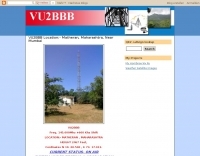 The VU2BBB repeater, located in Matheran, Maharashtra, commenced operations in the late 1980s, a significant undertaking by the Bombay Repeater Society. This repeater facilitates VHF and UHF communications for local amateur radio operators, providing extended range and improved signal reliability across challenging terrain. Its establishment marked a key development in regional amateur radio infrastructure, offering a crucial node for local nets and general QSO traffic. The repeater's operational parameters include specific input and output frequencies within the 2-meter band, typically utilizing a standard offset. CTCSS tones are often employed to mitigate interference and ensure selective access for authorized users, a common practice for repeaters in densely populated areas. Regular maintenance and upgrades ensure _VU2BBB_ remains a reliable asset for the amateur community, supporting emergency communications and daily amateur radio activities. The _Bombay Repeater Society_ continues to oversee its operation, reflecting a sustained commitment to local ham radio services.
 -
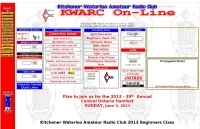 The Kitchener Waterloo Amateur Radio Club (KWARC) website provides a central hub for its members and the broader amateur radio community, detailing club activities, meeting schedules, and special events. It features a monthly newsletter, the _Kilowatter_, which archives club news and technical articles, offering insights into local amateur radio operations and projects. The site also includes information on the club's repeaters, operating on various bands, and details about the annual _Central Ontario Hamfest_. Content covers diverse aspects of the hobby, from general interest articles to specific technical discussions. The resource serves as a primary communication channel for KWARC, facilitating member engagement and disseminating information about club-sponsored activities like field days and public service events. It also lists contact information for club executives and provides resources for new licensees.
 -
 An Google Maps interactive layer showing Australian amateur radio repeaters. You can navigate and zoom as required and click on a repeater-site icon to display frequency, ctcss and other details and notes for that repeater.
 -
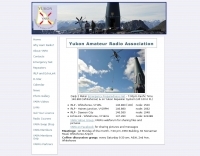 The Yukon Amateur Radio Association has a series of 11 repeaters located throughout the territory, that are all, except for Watson Lake, linked together.
 -
 The Eastman Amateur Radio Club (VE4TG) operates a **VHF repeater** at 146.73 MHz and a **UHF repeater** at 444.15 MHz, both located at the Manitoba Hydro gas-fired generating station near Selkirk. These repeaters are situated on the power plant roof, leveraging its infrastructure for antenna placement. The club's primary objective is to offer a reliable local repeater site for members in the East Selkirk and Lockport areas, ensuring consistent amateur radio access. Beyond routine communication, the club maintains a standby communications link to assist local municipal authorities during emergencies requiring communications support. The unique repeater site location at a generating station provides a robust backup power supply, enhancing reliability. The club also organizes activities such as a weekly net and participates in WARC Field Day, fostering community engagement and operational readiness.
 -
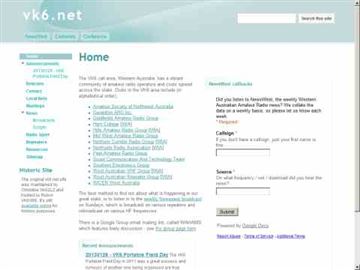 Since 1946, VK6 Weekly News has delivered weekly broadcasts to amateur radio operators across Australia, particularly in the VK6 region. The broadcasts include news updates, acknowledgments of contributors, and calls for operators to engage by transmitting news or submitting stories. This initiative strengthens community ties among amateur radio enthusiasts and encourages collaboration in maintaining the network of repeaters. The broadcasts reach various states, including Western Australia, Queensland, and New South Wales, ensuring that information is disseminated widely. VK6 Weekly News emphasizes the importance of operator contributions, thanking them for their efforts in sustaining the amateur radio community. Accessible through multiple platforms, it supports ongoing amateur radio activities and development in the region. Operators are invited to participate actively, enhancing the richness of the news content and fostering a collaborative spirit within the amateur radio community.
 -
 This resource presents a placeholder page for the _Tobacco Valley Amateur Radio Club_ (TVARC), signaling the future establishment of an online presence for this amateur radio organization. The page currently displays a "Coming Soon" message, indicating that the club's official website is in development. It serves as a preliminary marker for the club's digital footprint, suggesting an upcoming platform for members and prospective hams. The current state of the page offers no technical details, operational information, or specific club activities. It functions solely as a temporary landing page, prompting site owners to log in for launch and visitors to check back later. The resource does not provide any data on club repeaters, meeting schedules, or special events, nor does it detail any past achievements like **DX contacts** or **contest scores**.
 -
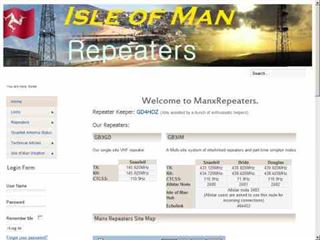 Isle of Man Repeaters maintained by David Osborn GD4HOZ this site covers the VHF repeater GB3GD and UHF internet linked 70cm repeater GB3IM. Using Allstar software for linking GB3IM is the only site in the uk to have three transmitters. Supported by the Isle of Man Amateur Radio Society
 -
 The High Point Amateur Radio Club (HPARC), operating under the callsign W4UA, provides a central hub for amateur radio enthusiasts in High Point, North Carolina, and surrounding communities. The club's website outlines its long-standing traditions and civic service, which date back to the 1930s, highlighting its sustained leadership and strong membership support over decades. It serves as a resource for individuals interested in obtaining or upgrading an FCC amateur radio license, offering assistance through direct contact with club officers. The site also features a newsletter archive for meeting notices and information on club activities, including Field Day. HPARC's diverse membership shares a common interest in the amateur radio hobby, encompassing various aspects such as VHF, UHF, HF, and digital modes like D-STAR. The club's commitment to public service is evident through its involvement in ARES and Skywarn, alongside educational initiatives for new hams and those pursuing license upgrades. The site also lists repeaters and provides information on emergency communications, technical projects, and participation in events like DXCC and contests, reflecting the broad interests of its members.
 -
 Repeaters: 146.970 444.475 La Crosse, Wisconsin
 -
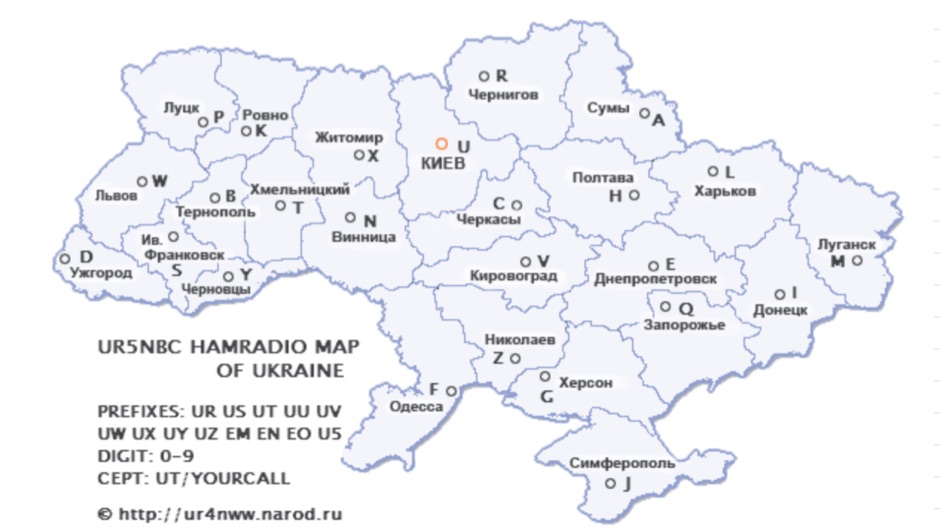 Map and list of amateur radio Repeaters in Ukraine in Russian
 -
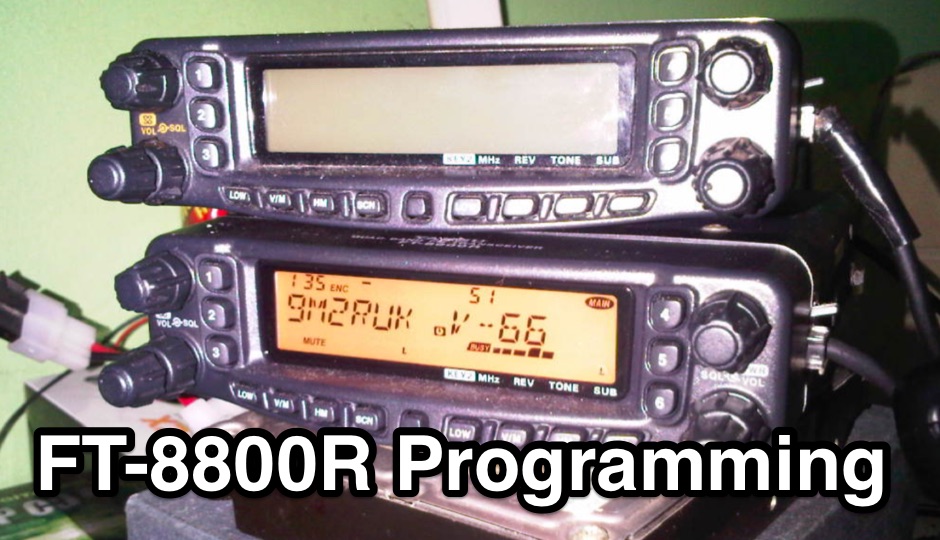 Programming the FT-8800R via the front panel and microphone keypad is not extremely difficult. Already having a list of local repeaters in CHIRP, the addition of a USB cable would allow you to coordinate the memory layout across multiple radios with ease.
 -
 The Newport County Radio Club (NCRC) serves as a central hub for amateur radio operators in Rhode Island, providing resources and activities for its members. The club maintains and operates two repeaters, W1SYE and W1AAD, which are critical infrastructure for local communications and emergency preparedness. These repeaters support various modes and are widely utilized by the amateur community for daily contacts and organized nets. The club's activities encompass a range of interests within the hobby, from general operating to specific technical pursuits. It offers opportunities for hams to engage in field operations, participate in contests, and develop their technical skills through shared knowledge and experience. The NCRC fosters a community environment where members can collaborate on projects and enhance their understanding of radio science. Membership provides access to club resources and participation in events, reinforcing the local amateur radio presence.
 -
 Kirisun a fully indipendent company on the professional radio communications equipment incuding DMR, portable two-way radio and mobile radio and repeaters.
 -
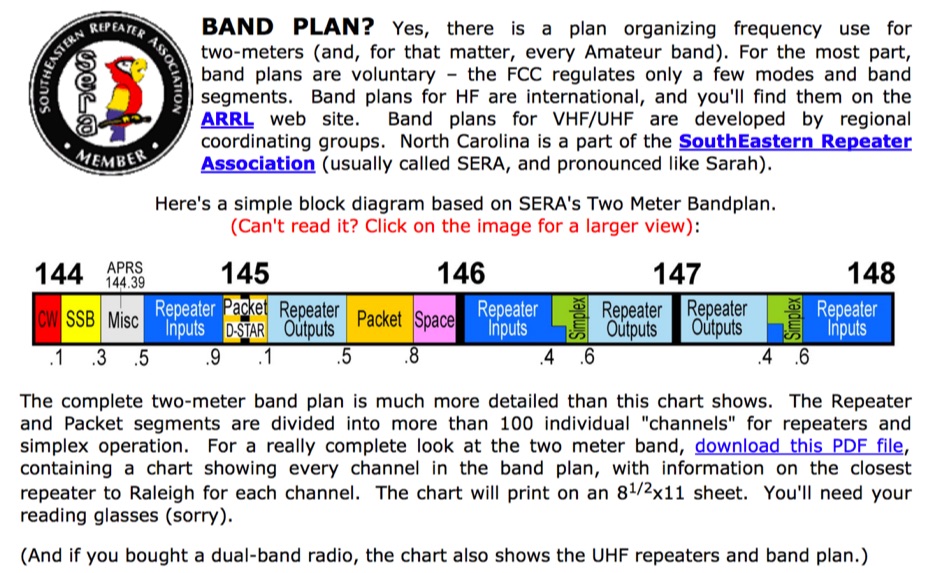 What is a repeater? How do you use repeaters. A great guide to use amateur radio repeaters incuding repeater frequencies, operating procedures and practices.
 -
 Outlines the Club de Radio Amateur de Charlevoix (VE2CCR), a regional amateur radio organization serving the Charlevoix area in Quebec, Canada. The resource details the club's objectives, which include promoting amateur radio, fostering technical knowledge among members, and supporting emergency communications. It lists various club activities such as regular meetings, field day participation, and local repeater maintenance. The site provides contact information for prospective members and details on how to join the club, including membership fees and application procedures. Information on the club's repeaters, including frequencies and access tones, is also presented, facilitating local amateur radio operations. The resource serves as a central hub for VE2CCR members and interested individuals seeking to engage with the amateur radio community in Charlevoix.
 -
 Home of the W9LY and K9JSI repeaters
 -
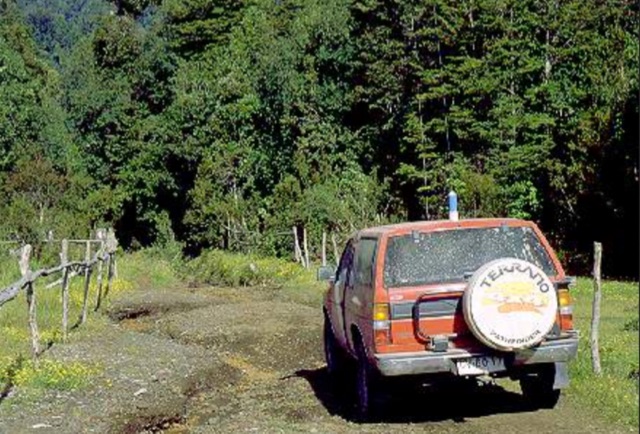 For every radio amateur who loves to travel by car, a mobile installation soon becomes a necessity. While in inhabited areas there is usually some coverage of VHF repeaters, in many other places VHF radios are useless. In these very places, HF can provide reliable contacts, and a lot of fun, from anywhere.
 -
 Effective operation of amateur radio repeaters, particularly in high-density areas, relies on coordinated frequency assignments to prevent interference. This resource from the _Illinois Repeater Association_ (IRA) serves as the official frequency coordination body for the state of Illinois, providing essential information for repeater owners and users. It details coordination policies, guidelines, and application forms for new and existing repeaters, ensuring fair and consistent spectrum utilization. The site also includes a comprehensive band plan, last revised in 2006, and a selective access policy (PL/Squelch Plan) updated in 2015, which are critical for maintaining orderly operations. The IRA website offers various repeater directories, sortable by frequency, city, and region, including a dedicated section for digital systems. These directories are invaluable for hams traveling through Illinois or setting up new repeater projects, helping them identify available frequencies and coordinated systems. The resource also provides meeting minutes, newsletters, and links to other regional repeater councils, demonstrating its role in fostering inter-state coordination. This structured approach to frequency management helps ensure reliable communications and minimizes QRM across the state, supporting thousands of repeater contacts annually.
 -
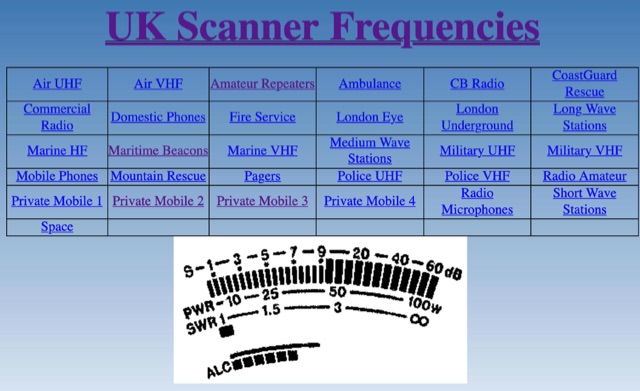 UK frequency list provide reference table to lister to Police scanner channels UHF VHF, Amateur Repeaters, Ambulance CB Radio CoastGuard Rescue, marine VHF, Military and more.
 -
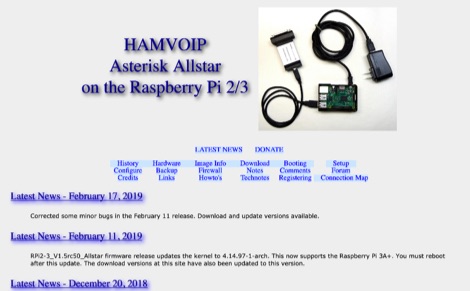 Reference site of the HAMVOIP AllstarLink AllstarLink provides hams with a means of connecting radios, repeaters or simplex links, over the internet. It is built upon the asterisk open source PBX and runs on Linux
 -
 The Reno County Kansas Amateur Radio Assocation is based in Hutchinson, KS, providing Ham radio activites, repeaters, and training to local residents.
 -
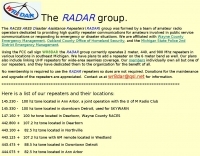 The RACES ARES Disaster Assistance Repeaters (RADAR) group was formed by a team of amateur radio operators dedicated to providing high quality repeater communications for amateurs involved in public service communications or response to emergency/disaster situations.
 -
 MARCA, Inc. operates approximately 24 repeaters across Arizona mountaintops and Phoenix-area rooftops, supporting modes like D-STAR and Fusion. The club, holding the **W7MOT** callsign, engages in diverse activities including ARRL Field Day events near Forest Lakes, AZ, ARRL FMT contests, and antenna experimentation. Members actively participate in HF operations such as voice, digital, CW, DXing, and various digital HF modes, alongside MESH and EOC operations within the valley. The club's interests span a broad technical spectrum, from SDR radio building to antique radio restoration, and include modern digital modes like WSPR, WSJT, FT8, and FT4. They also explore computer-based operations such as Echolink, fostering a dedicated Single Board Computer (SBC) and Raspberry Pi group. Monthly VE testing sessions for Technician, General, and Extra Class licenses are conducted by Ray Vasquez, K4RMV. Meetings are held on the third Tuesday of each month, typically lasting two hours, with a business segment followed by a technical presentation. These gatherings occur in-person at IHop in Mesa, AZ, and concurrently via Zoom, accommodating both local members and winter visitors. Informal chat groups often form post-meeting to discuss specialized topics like D-STAR, SDR, APRS, MESH, and Fusion.
 -
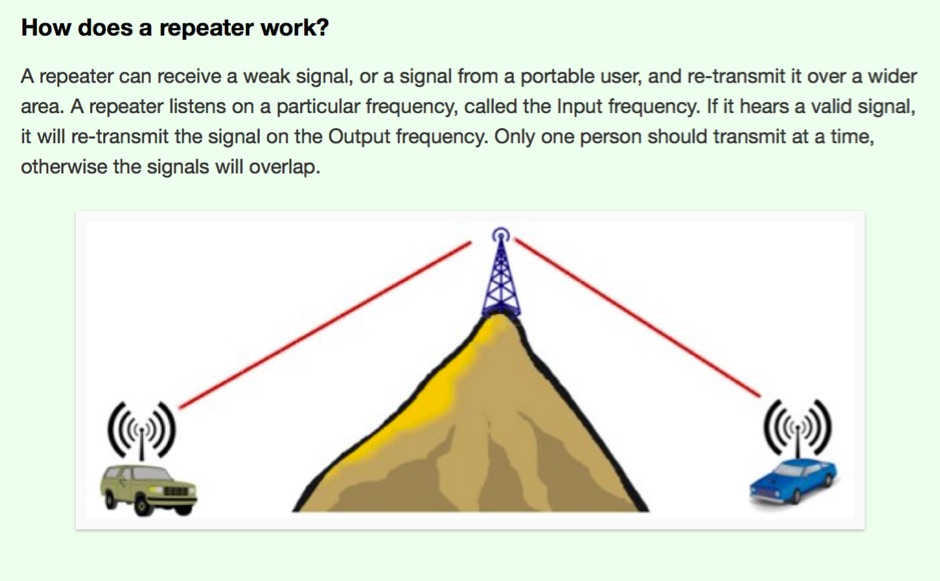 Amateur radio repeaters, often designated by an "R" number like _R6_ or _R5_, serve as crucial infrastructure for extending VHF/UHF communications range. This resource from Essex Ham explains the fundamental concept of a repeater, detailing how it receives on one frequency and simultaneously retransmits on another, typically with a 600 kHz offset for 2-meter repeaters. Understanding the input and output frequencies, along with the required CTCSS tone, is essential for successful access, ensuring your signal is processed and relayed across a wider service area. The article clarifies the importance of using the correct _CTCSS_ (Continuous Tone-Coded Squelch System) tone, often referred to as a sub-audible tone, to activate a specific repeater. It also touches upon the concept of _simplex_ operation versus repeater use, highlighting the benefits of repeaters for mobile and handheld transceivers. Proper operating procedures, such as listening before transmitting and keeping transmissions concise, are emphasized to maintain good amateur practice on shared repeater assets.
 -
 The Burlington Amateur Radio Club (BARC) provides a community hub for amateur radio operators in Burlington, Ontario, Canada, offering regular meetings, educational programs, and a dedicated hackspace for electronics and radio experimentation. The club operates several repeaters, including a 2m repeater (VE3RSB) on 147.210 MHz with a +600 kHz offset and 131.8 Hz tone, which supports AllStar node 542490. Additionally, BARC maintains a UHF repeater on 444.825 MHz with a +5 MHz offset and 131.8 Hz tone, and a 1.25m (220 MHz) repeater, facilitating local communication and digital mode access. BARC hosts multiple nets, including a Fusion Net on Mondays at 8:00 p.m. via VE3RSB-Room 61272, a Regular Wednesday Night Net on the VE3RSB system at 7:30 PM, and a 220 Net on Thursdays at 7:00 p.m. The club also runs a CW/SSB HF Net every Thursday at 7:00 p.m. local time on 40m, utilizing 7.125 MHz for LSB and 7.124.3 MHz for CW check-ins. These activities promote on-air participation, technical skill development, and social interaction among members, supporting both VHF/UHF local operations and HF DXing.
 -
 The Davis County Amateur Radio Club (DCARC) serves as a focal point for licensed amateur radio operators in Davis County, Utah, fostering community and promoting radio communication interests. Members engage in various aspects of the hobby, including local nets, public service events, and technical discussions. The club's activities often involve supporting emergency communications preparedness and providing opportunities for skill development among its members. DCARC maintains a presence in the local ham radio scene, facilitating contacts and knowledge exchange. They frequently participate in events like _Field Day_ and offer resources for those interested in obtaining or upgrading their amateur radio licenses. The club also supports local repeaters, ensuring reliable VHF/UHF communication infrastructure for the region. Their website, dcarc.net, provides information on club meetings, upcoming events, and contact details for prospective members.
 -
 The Covey Hill Amateur Radio Club operates a 146.685 MHz analog repeater with an 88.5 Hz PL tone, alongside several digital repeaters. The resource details specific frequencies and modes for D-STAR (145.590 MHz, 1266.300 MHz voice, 1297.675 MHz data on 23 cm), DMR-Marc (448.525 MHz), DMR-Brandmeister (441.750 MHz), Yaesu Fusion (449.725 MHz), and P-25 Digital (147.315 MHz). It also lists Echolink node 595040 (VE2REX-R) as an access point for the club's network. A recent update, dated June 19, 2024, announces the VE2REX analog repeater and Echolink are fully functional again, after resolving issues including a conflicting 100.0 Hz tone, software repairs for Allstar and Echolink, a suspected defective USB port on the Mini PC, and a faulty exciter in the Motorola Quantar repeater. Guy, VE2VMT, was instrumental in troubleshooting these problems. The club, established in 1994, provides a calendar, news, links, and membership information, with Linda Cullen, VE2NJK, serving as president and VA2DBJ as webmaster.
 -
 Upper New York Repeater Council, Inc, support the frequency coordination needs of the Amateur Radio repeaters operating in its area
 -
 The Anglo Scottish Repeater Group is a voluntary organisation which owns, operates and maintains four amateur radio FM repeaters in North Cumbria.
 -
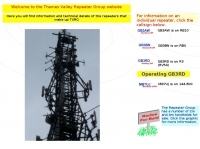 Thames valley repeater group homepage. information about the group, its activities and its four amatuer radio repeaters in the thames valley area
 -
 The Digital Communications Interconnect (DCI) resource details the operational philosophy and technical implementation of an open _MotoTRBO_ IPSC network, emphasizing the use of _c-Bridge_ technology for interconnecting DMR repeaters and talkgroups. It outlines the group's mission to facilitate dynamic connections within the regional DMR amateur radio community by openly sharing network resources and talkgroups, promoting independent network growth and exploring the capabilities of c-Bridge linking. The site provides insights into the technical advantages of c-Bridges, such as breaking the finite peer slot limitation of simple IPSC networks and enabling more flexible talkgroup routing beyond two timeslots. This legacy asset, last updated in October 2022, also reflects on the group's history and challenges encountered in national DMR efforts, citing political divisiveness among major c-Bridge groups. It discusses the practical application of c-Bridges for emergency communications and nets, ensuring redundant talkgroup servers for smooth day-to-day operations and priority events. The resource encourages other c-Bridge operators to adopt international talkgroups like "_iCall Talkgroup_" and a nationwide "Emergency Talkgroup," while also offering guidance on affiliating repeaters or IPSC networks with DCI's open network.
 -
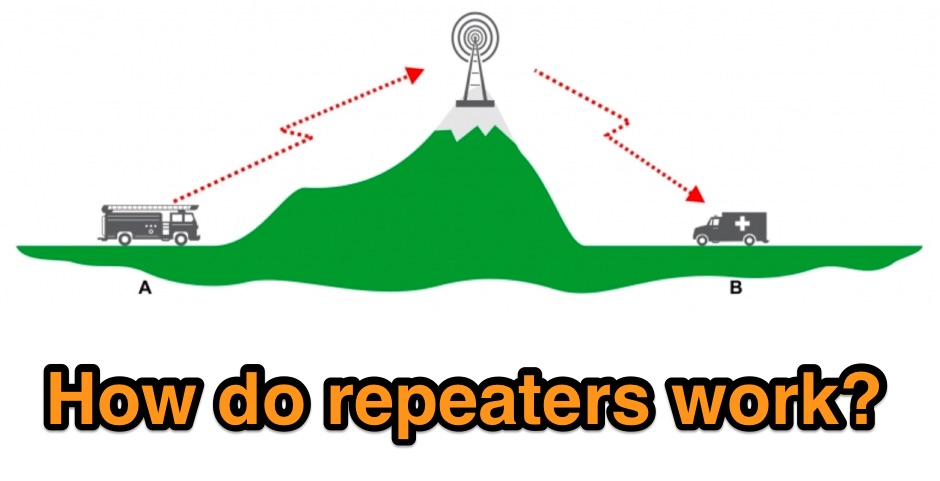 Illustrates the fundamental principles of radio repeaters, detailing their role in extending communication range beyond line-of-sight limitations. It begins by defining _simplex communication_ as a direct radio-to-radio link, effective only when no obstructions impede the signal path. The resource then introduces the concept of a repeater (or base station) strategically positioned on elevated terrain, such as a mountain, to overcome geographical barriers. The article clarifies the repeater's operational mechanism: it receives a signal on one frequency and simultaneously re-transmits it on a different frequency, enabling users on opposite sides of an obstruction to communicate. This _duplex operation_ is likened to satellite communication for VHF propagation, but with a fixed terrestrial station. Specific examples of signal paths are provided, showing how a handheld radio transmits up to the repeater, which then relays the message down to another user, effectively bypassing obstacles like hills or large buildings.
 -
 Manufacturer of two way radios based in Shenzhen China. Retevis produce commercial, personal and amateur radio handheld and mobile transceivers, either for analog and digital modes. Retevis produce also two-way radio accessories and repeaters.
 -
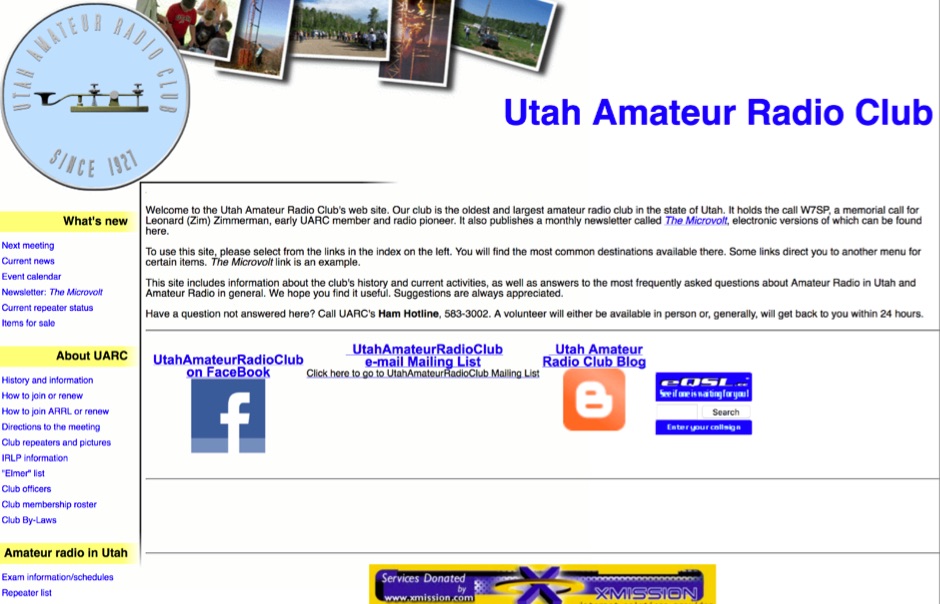 The Utah Amateur Radio Club (UARC), holding the callsign _W7SP_, provides a comprehensive resource for amateur radio operators, particularly within Utah. It details club activities such as Field Day, Winter Field Day, and annual social events like the Steak Fry and Christmas Dinner. The site also lists club resources including repeaters, _IRLP_ information, HF remotes, and a lending library. Information on becoming a ham, exam schedules, and a local repeater list are also available, catering to both new and experienced operators in the region. UARC hosts regular meetings on the second Thursday of each month, excluding July and August, at the University of Utah's Warnock Engineering Building, with presentations on topics like weather and _Skywarn_. The club publishes the monthly _Microvolt_ newsletter and maintains a YouTube channel for meeting playback. Additionally, UARC offers a Ham Hotline for questions and provides access to an "Elmer" list for mentorship, supporting the local amateur radio community.
 -
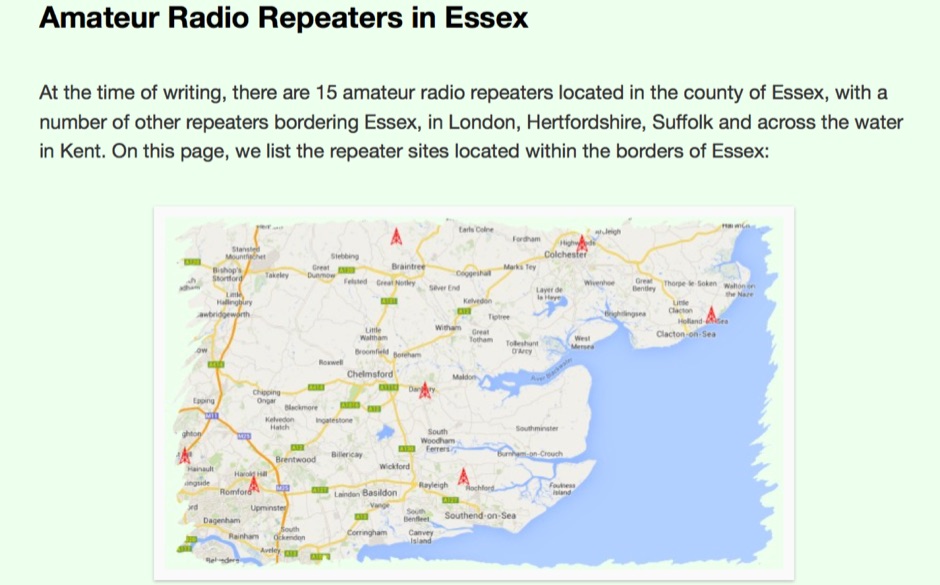 List of amateur radio repeaters in Essex England