Search results
Query: search
Links: 263 | Categories: 3
-
 W7VJD Lewis-Clark Amateur Radio Club is located in the Lewis-Clark Valley on the borders of Idaho and Washington. LCARC also provides emergency communcation support.
 -
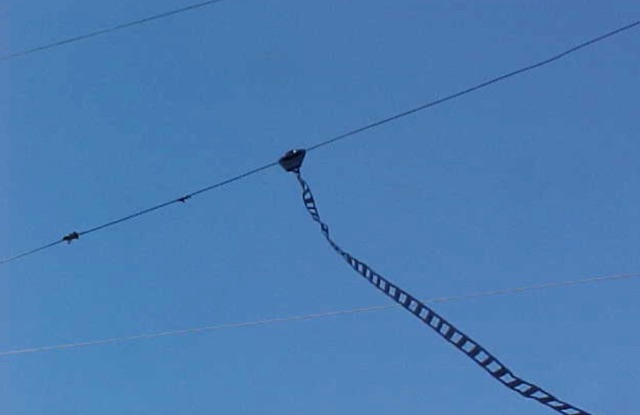 Complete collection of the four main parts of this excellet research on modelling and designing half wave dipole antennas for 40 meters band, covering all aspects beginning from full wave length antennas, to shortened, loaded and reshaped dipoles
 -
 First released around 1995 and significantly redesigned as QWTelnet 2, this software provides a dedicated interface for monitoring DX-Cluster traffic via Telnet. It integrates a **SOTAwatch parser** with configurable audio alerts, allowing operators to receive notifications for specific search patterns in DX-Cluster remarks without constant screen attention. The application also supports parsing for **GMAwatch (German Mountain Award)**, providing alerts for German Mountain Award activations. QWTelnet 2.4.0, released on 07-APR-2012, runs on Windows (tested on W7) and is distributed as a ZIP file containing the `qwtelnet.exe` executable. It does not require a formal installation process; users simply extract and run the program. The software can display DX information for single bands, integrate with the Reverse Beacon Network, and link to external web resources for DXCC and SOTA information. It also supports local reference files for IOTA, WFF, and RDA awards, which users must source and place in the `qwtelnet/files` directory. For IOTA data, users can convert `IOTA.CSV` from UCX-Log or `DX4WIN_IOTA.TXT` into `iota.csv`. WFF and RDA reference files are directly sourced from their respective websites.
 -
 Freeware windows program that allow you to read, search and archive dx news bullettins by Alex, VE3NEA
 -
 An article that explain with simple concepts and basic theory the correct usage of antenna tuners. It covers some aspects of common questions newcomers have on what antenna tuners are for, and what antenna tuners will never do.
 -
 Rock-n-rescue the source for safety and rescue equipment focused on delivering the best equipment for climbing, water fire and search rescue
 -
 Ham radio site with personal info, search facilities and some links pages
 -
-
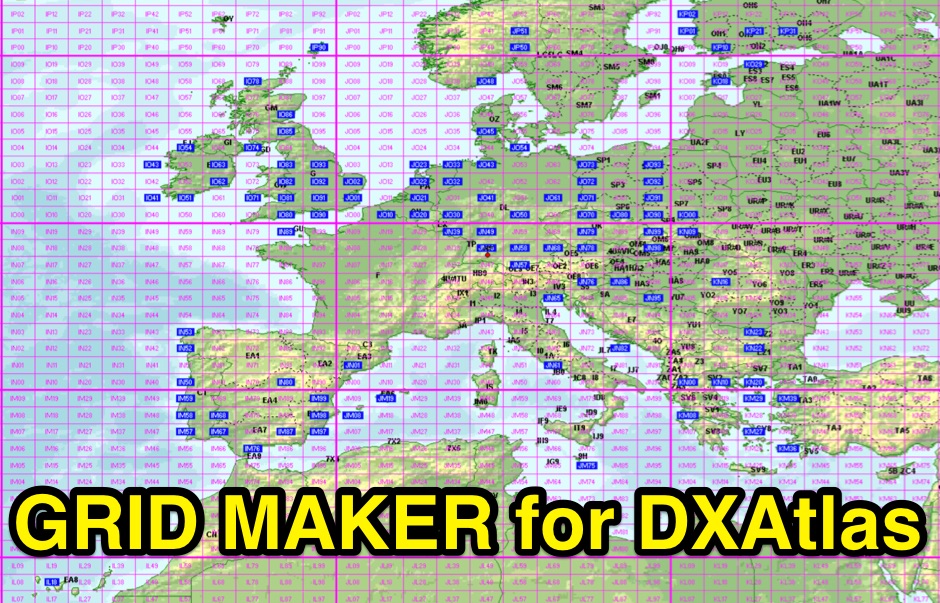 Gridmaker takes your ADIF-file and searches for all the grids on the specified band. It then makes files for use in DXAtlas
 -
-
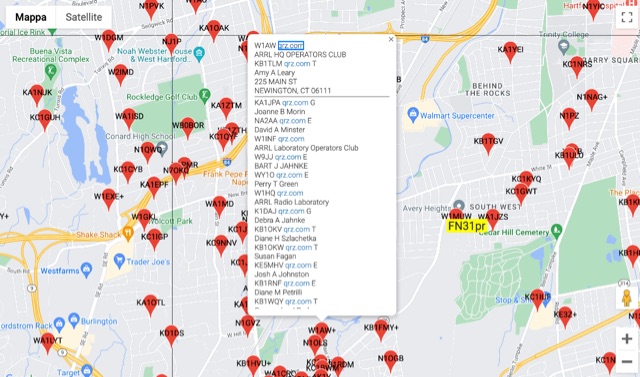 The resource provides an interactive map interface for locating amateur radio license holders across the United States. Users can input a _callsign_, _gridsquare_, zip code, or street address to center the map, which then dynamically populates with station markers. This functionality allows for precise geographical searches, revealing the distribution of hams within specific areas. Upon initial search, the map renders with adjustable zoom and pan capabilities. A key feature is its automatic reload mechanism: after two seconds of inactivity, the map updates to display stations within the newly viewed area. This ensures that the displayed data remains relevant to the user's current focus, whether exploring a densely populated urban center or a more remote region. Further interactive elements include clickable gridsquare labels, which re-center the map, and a "Show gridsquares" checkbox for toggling grid line visibility. Clicking on individual station markers reveals a popup containing the licensee's name and address information, making it a practical tool for geographical station identification.
 -
 Brookings Radio Research Club homepage, South Dakota
 -
-
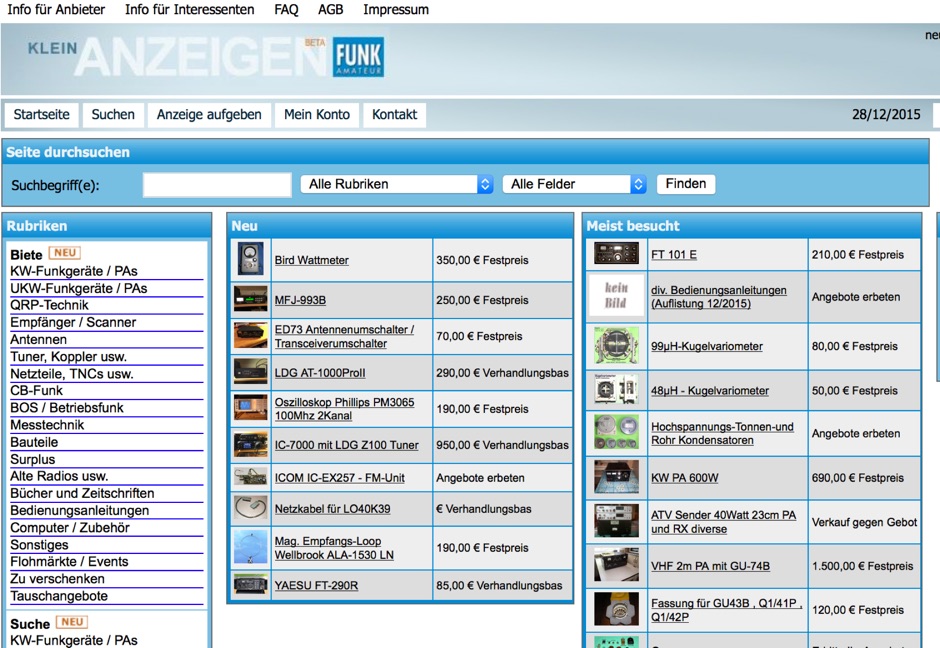 FA-Kleinanzeigen is a dedicated platform for amateur radio enthusiasts in Germany to buy and sell equipment. The site features a wide range of classified ads, including HF and VHF radios, antennas, and accessories. Users can post their listings for free, making it an accessible resource for both seasoned operators and newcomers looking for second-hand gear. The platform categorizes listings into various sections, such as QRP technology, military radios, and even antique equipment, catering to diverse interests within the ham radio community. In addition to equipment sales, FA-Kleinanzeigen also allows users to search for specific items, making it easier to find rare or specialized gear. The site emphasizes user engagement, encouraging individuals to create accounts for posting ads and interacting with other members. With a focus on the German market, it serves as a valuable resource for local hams seeking to expand their stations or offload surplus equipment. Whether you're looking for a new transceiver or just browsing for interesting finds, FA-Kleinanzeigen is a go-to destination for amateur radio classifieds.
 -
 Small Parts, Inc. has been supplying top quality Materials, Components and Tools to Researchers and Developers since 1963.
 -
 Records based on OZ2DXC Copenhagen DXcluster QSL and MGR databases.
 -
-
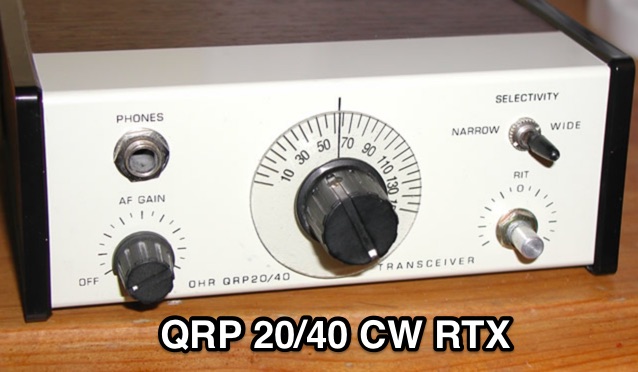 QRP CW transceiver Kit for 20 or 40 meter band, by OKA Hills Research, assembly history and description
 -
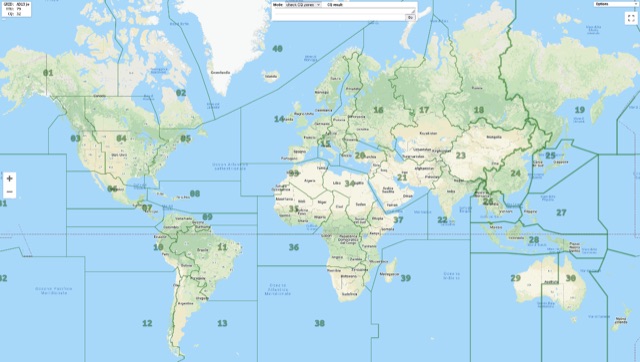 Show CQ and ITU Zone in an interactive clickable map based on google maps. Additional locator tool tip can be displayed by clicking on points, and a search function it is also available to locate addresses, and locators.
 -
 A Scientific endeavor aimed at studying the properties and behavior of the ionosphere.
 -
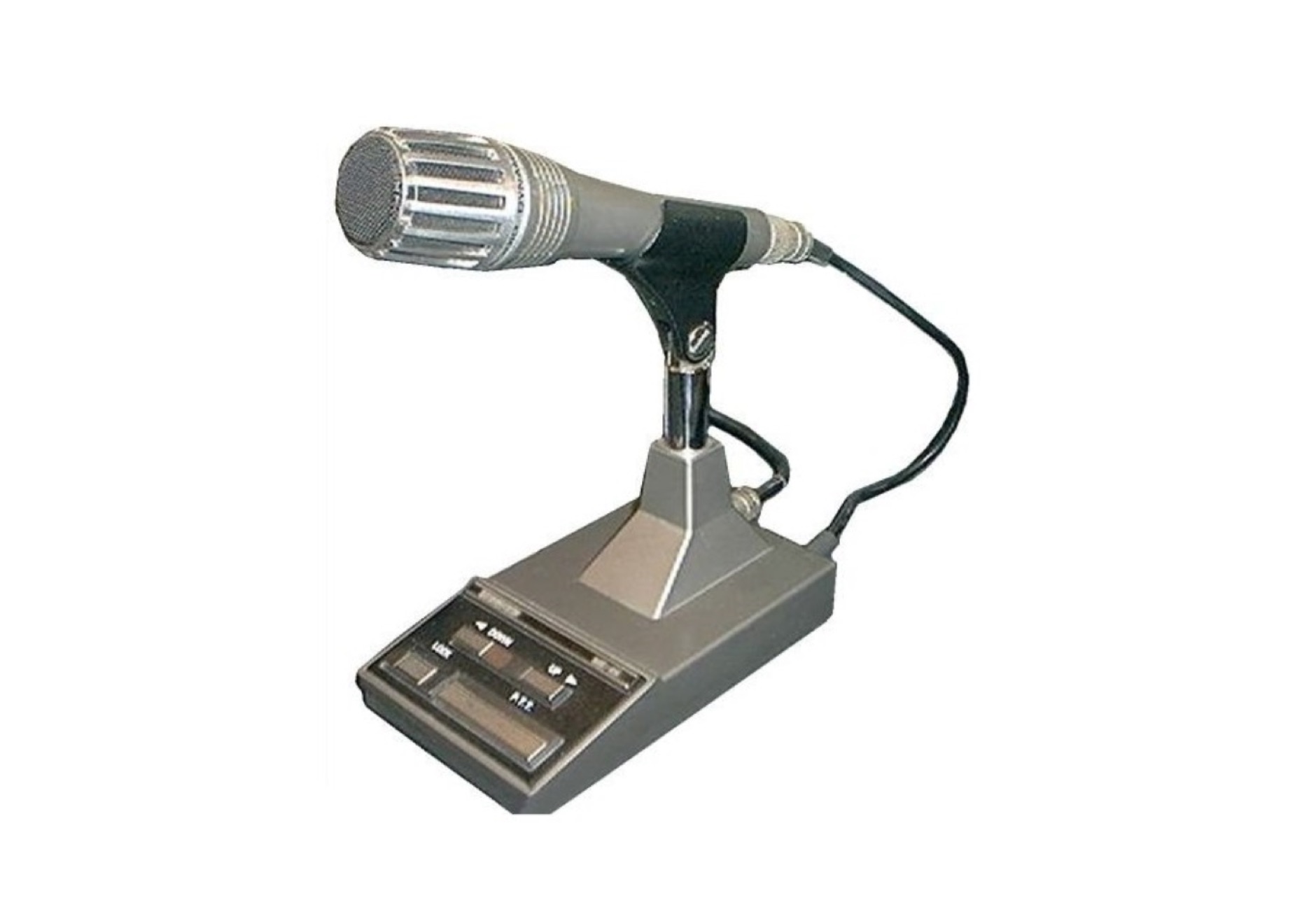 The Kenwood MC60A with preamp, suffers from RF feedback, a search on the web reveals the extent of the problem. This document explain how to fix this problem.
 -
 Over 1900 ARISS school events have been conducted since 2000, facilitating amateur radio contacts between students and ISS crew members. This resource details the Amateur Radio on the International Space Station (ARISS) program, outlining scheduled contacts, operational procedures, and application processes for educational institutions worldwide. It lists specific upcoming contacts, such as those with Lewis Center for Educational Research in California and Vauban, Ecole et Lycée français de Luxembourg, typically operating on a 145.800 MHz downlink frequency. The content also provides crucial guidelines for radio amateurs, emphasizing the importance of not interfering with scheduled school contacts and utilizing the crossband repeater for general QSOs when available. It clarifies crew availability for casual contacts, noting that astronauts are usually free during personal time, approximately one hour after waking and one hour before sleeping, and often on weekends. Constraints on scheduling, such as avoiding EVA weeks and specific crew rest periods, are also detailed. Furthermore, the resource includes historical statistics on direct versus telebridge contacts, QSL information, and links to related ARISS, AMSAT, ARRL, and NASA websites. It also provides information on applying to host an ARISS contact for schools and youth organizations in various regions, including the United States, Europe, Africa, the Middle East, Canada, Central and South America, Asia, and Australia.
 -
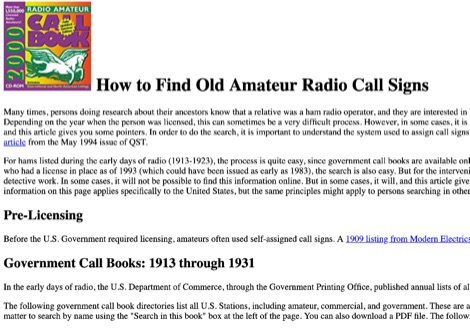 The W0IS resource outlines methods for finding historical US amateur radio call signs, particularly for genealogical research. It highlights the comprehensive collection of digitized call books from 1906-1996 available at leehite.org, stored as searchable PDF files. These resources significantly simplify what was previously a laborious manual search through physical call books, which were typically indexed by call sign rather than name. The guide details specific search techniques for various eras. For early radio days (1913-1923), government call books are readily available and searchable online via Google Books and hathitrust.org. For the period between the 1930s and 1980s, when private publishers like "Radio Amateur Call Book Magazine" dominated, the resource points to archive.org for scanned editions (1938, 1940, 1948, 1972) that support full-text OCR searches, despite potential scanning errors requiring flexible search terms. It also provides strategies for navigating Google Books' "snippet view" for the 1952 call book, including searching by name or address and interpreting often illegible snippets. The resource suggests cross-referencing findings with hamcall.net for call sign verification from 1921, 1954, 1960, 1969, and 1983 onwards. Additionally, it lists physical call book collections at institutions like the Pavek Museum of Broadcasting and individuals like W3HF, offering avenues for deeper research when digital methods fall short.
 -
 Website dedicated to vhf radio aurora operations by KG0VL
 -
-
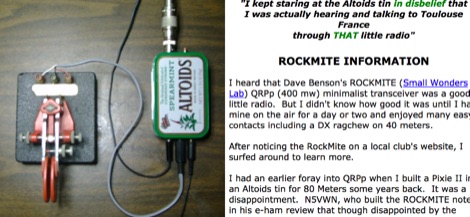 This resource indicates that the specific page detailing the RockMite QRPp Rig CW transceiver project, previously hosted by WY3A on QSL.net, is currently inaccessible. The QSL.net platform, which provides free web hosting services to over 30,000 amateur radio operators and organizations, confirms the file or page no longer exists. Users are advised to attempt direct contact with the website owner or utilize an internet search to locate the content. The platform's error message clarifies that QSL.net support cannot assist in finding individual missing pages due to the decentralized maintenance of its numerous hosted sites. It encourages reporting any missing files related to the QSL.net main site itself. Donations are encouraged to support the free email and web services provided to the amateur radio community.
 -
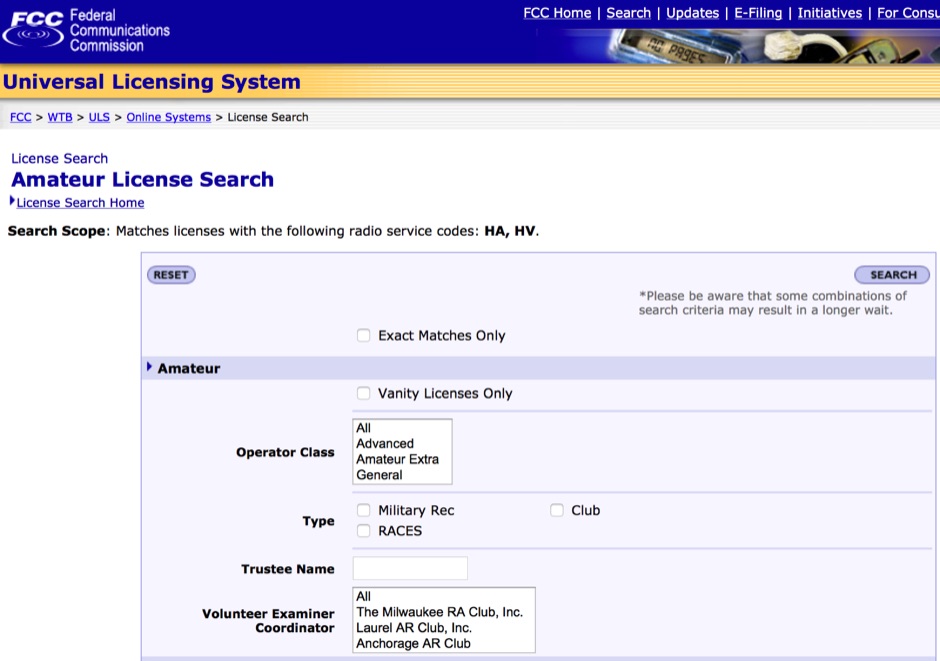 The FCC ULS Amateur License Search allow to search for licences based on several criterias, including call, Operator Class, Types, Addresses, Status, and dates.
 -
 AMRAD is the Portuguese Association of Amateur Radio for Education Research and Development
 -
-
-
-
-
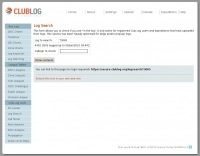
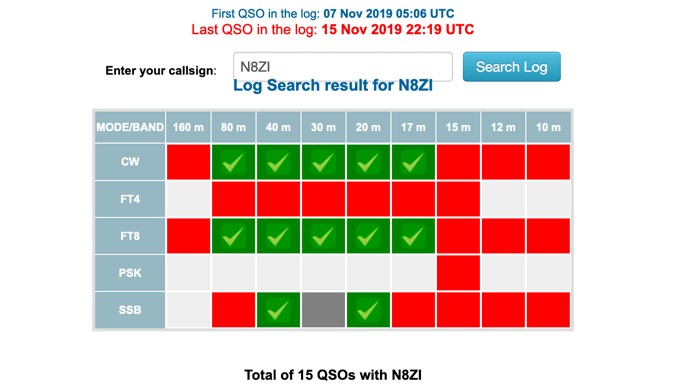
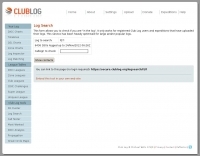
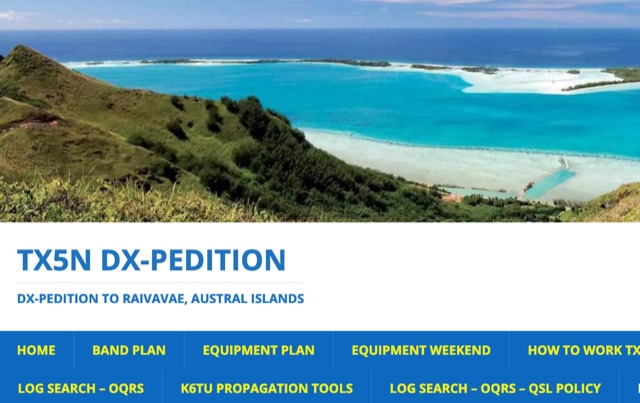
 Log Online for N5J Jarvis Island DXPedition 2024 provided by clublog
 -
 The K5BSA Venturing Crew 73 resource, intended for a ham radio club based in Richardson, Texas, currently presents a 404 "Page Cannot Be Found" error. This status indicates the original content, which likely detailed club activities, membership information, or amateur radio projects, is no longer accessible at the specified URL. The page provides general information about _QSL.net_ hosting services, noting it supports over 30,000 websites for amateur radio operators and organizations. The error message suggests contacting the website owner directly or using an internet search to locate the intended content. It also clarifies that QSL.net cannot assist in finding specific missing pages hosted by individual users, as each site is independently maintained. The platform offers its email and web services without cost to the amateur radio community. Despite the error, the page includes links to general QSL.net resources such as "About QSL.net," "The Help Page," and "EMail Mailing Lists." It also features a prominent "Make a Donation" option, emphasizing that while services are free, user contributions are encouraged to support the hosting infrastructure.
 -
 The EA8ALP personal page, hosted on QSL.net, is currently inaccessible, presenting a 404 "Page Cannot Be Found" error. This resource was intended to feature Adelto, an amateur radio operator from the Canary Islands, likely detailing his station, operating activities, or other personal ham radio interests. The QSL.net platform, which hosts over 30,000 amateur radio websites, provides free web and email services to operators and organizations, relying on donations for support. While the specific content of EA8ALP's page is unavailable, the platform's structure suggests it would typically include information relevant to **DXing** and **contesting**, common interests for operators in geographically desirable locations like the Canary Islands. Users encountering this error are advised to contact the website owner directly or use an internet search to locate the intended content, as QSL.net cannot assist with individual site content issues.
 -
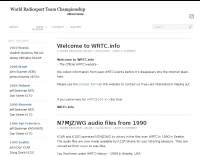 The World Radiosport Team Championship (WRTC) is a unique on-site ham radio competition, typically held every four years, bringing together top operators globally. Unlike traditional contests where participants operate from their home QTH, WRTC competitors travel to a designated location and operate from identical stations under field conditions, ensuring a level playing field. Past events have taken place in diverse locations such as Seattle (1990), Slovenia (2000), Russia (2010), and Italy (2023), showcasing the international scope of this **radiosport** challenge. Because each WRTC event is organized by a dedicated, volunteer-driven committee, historical information and results often become dispersed across various online platforms. This resource serves as a centralized repository, diligently collecting and preserving data from all previous WRTC competitions. It provides a consistent point of reference for participants, enthusiasts, and researchers interested in the history and evolution of this premier **DX contesting** event. The WRTC Sanctioning Committee officially endorses this site, ensuring its accuracy and completeness.
 -
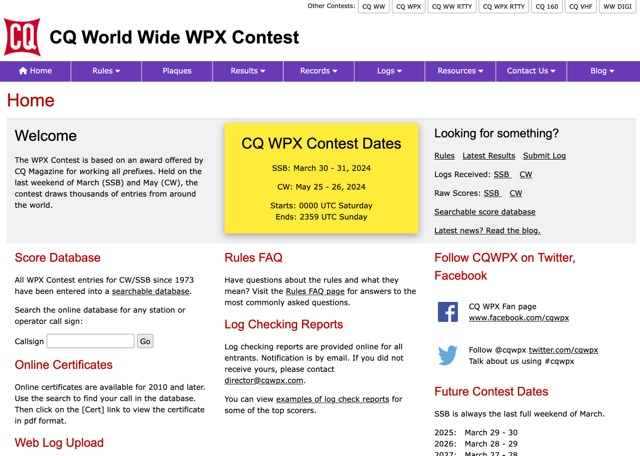 The CQ WPX Contest website provides information about the international contest based on working all prefixes, with details on dates, rules, results, log submissions, online certificates, and log checking reports. Users can also access a searchable score database, rules FAQ, and follow updates on the blog and social media. The site is a valuable resource for amateur radio operators participating in the WPX Contest.
 -
 Welcome to our line of Low Frequency, Natural Radio Research, Broadcast, Marine and Shortwave products. Our evolving product line is the result of our dedicated research efforts primarily in the areas of LF, VLF, MF, and HF.
 -
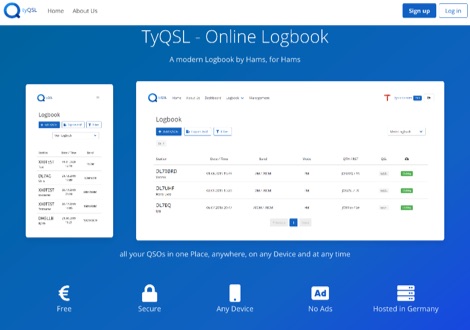 TyQSL provides a web-based online logbook platform, enabling users to manage all QSOs from any device with features like fast ADIF import, supporting up to **100,000 QSOs** per file. The platform facilitates real-time uploads to services such as _Clublog_ and _eQSL_, either automatically or with a single click, ensuring logs are current across multiple platforms. Operators can manage multiple callsigns and create various logbooks within a single account, allowing for flexible QSO organization. The integrated logger features a streamlined layout with live DXCC checking, duplicate QSO alerts, and autofill for satellite operations. It also supports one-click logging from _WSJT-X_. Users can share public profiles, displaying QSO statistics and searchable logbooks, enhancing community interaction. A PRO account offers additional features like an interactive QSO map, showing worked grids and future activities of other users.
 -
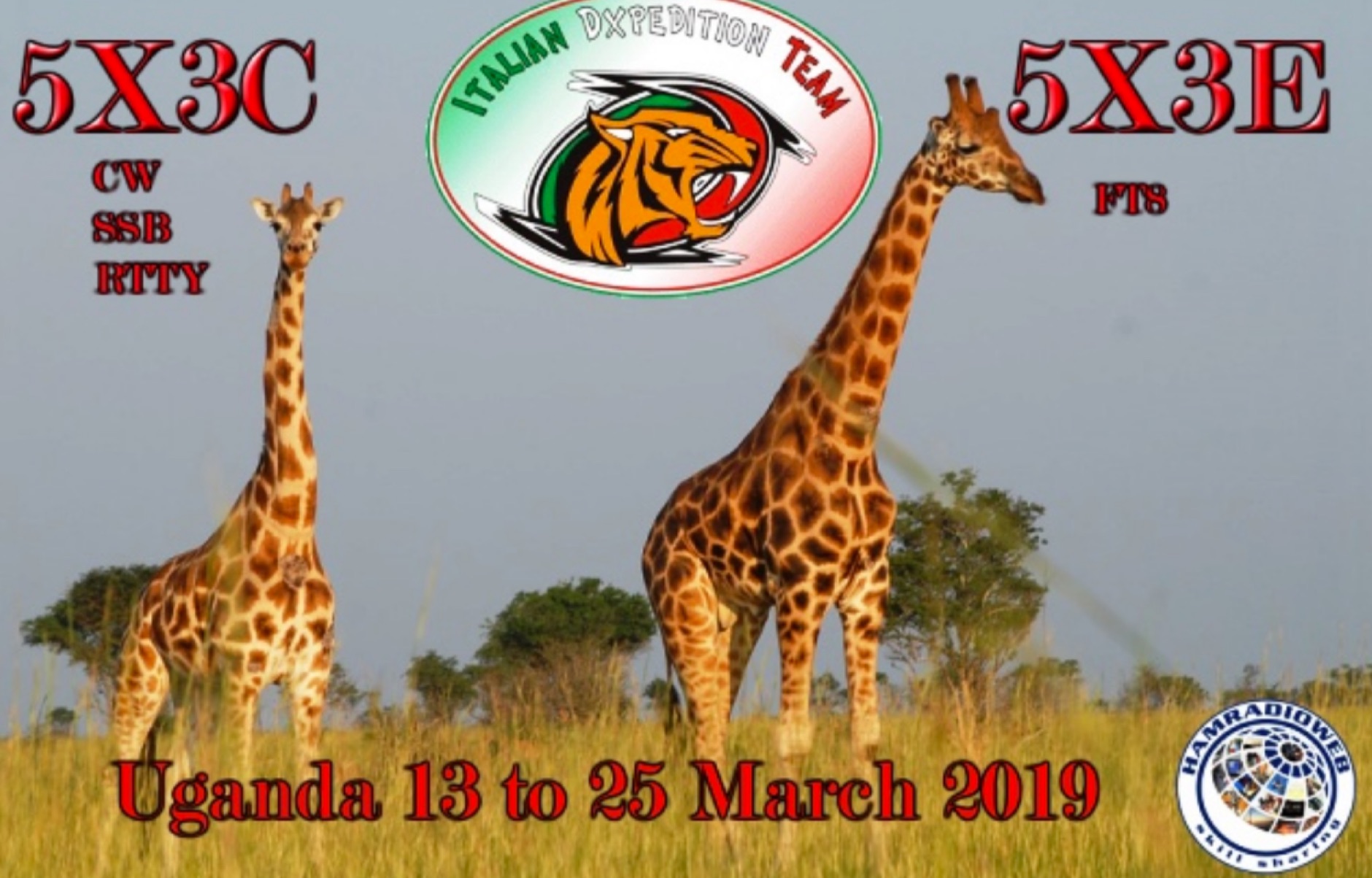 Realtime online log search for 5X3C DXpedition to Uganda 2019
 -
 I am an EMT-B,an Incident Commander for NM Search and Rescue and an Amateur Radio Operator - KD5KTY Dedicated to the Preservation of Life through Search, Rescue and Education services.
 -

-
 OK2ZC ex ok2bee homepage with log search and photos
 -
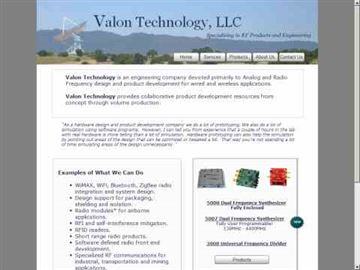 Valon Technology designs and manufacturers low cost, reliable radio frequency products such as RF Synthesizer modules, RF Frequency Dividers and Phase Gain Detectors. Main markets are military/defense, test engineering, radio astronomy, research centers and universities
 -
-
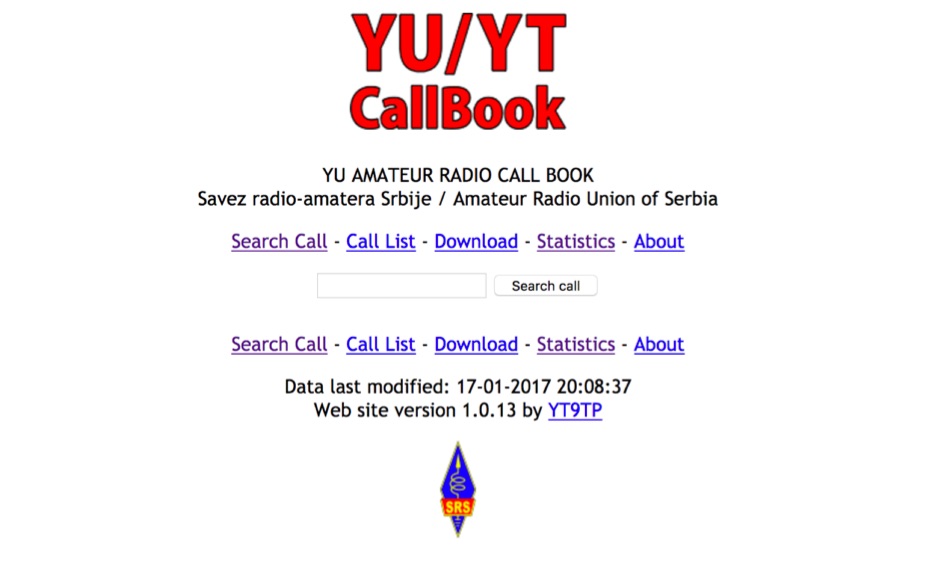 Presents an online callbook specifically for amateur radio operators within Serbia, offering a searchable database of YU callsigns. The resource allows users to query individual callsigns to retrieve associated station information, including operator details and licensing status. It also features a complete list of callsigns registered with the Amateur Radio Union of Serbia, providing a comprehensive directory for the region. The platform includes statistical summaries related to Serbian amateur radio, such as the total number of active licenses and distribution patterns. It displays the last modification date for the underlying data, indicating the currency of the information provided. The web interface is version 1.1.7, developed by YT9TP, ensuring a consistent user experience for accessing Serbian amateur radio data.
 -
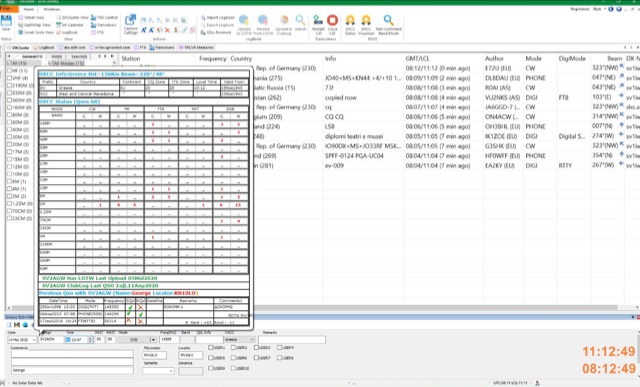 DxDozer is a Windows-based amateur radio logbook designed for both new and experienced DXers, featuring a robust logging system with extensive search capabilities. It offers seamless integration with FT8, displaying received stations from WSJT-X in a DX Cluster-like view, indicating LoTW status and prior contacts, and initiating QSOs directly. The software supports an unlimited number of callsign logbooks and allows multiple operators to log simultaneously to a single database, enhancing its utility for multi-operator stations or contest operations. The application includes a sophisticated DX Cluster with highly configurable filters based on band, mode, continent, worked/confirmed status, and LoTW participation, enabling users to monitor specific calls or countries. DxDozer simplifies QSL management by facilitating one-button uploads to LoTW and ClubLog, and downloads of new confirmed QSOs, with a dedicated field for QSL medium. The software provides both 'Easy' and 'Expert' modes to cater to different user proficiency levels, and is available via a yearly subscription after an initial free trial period.
 -
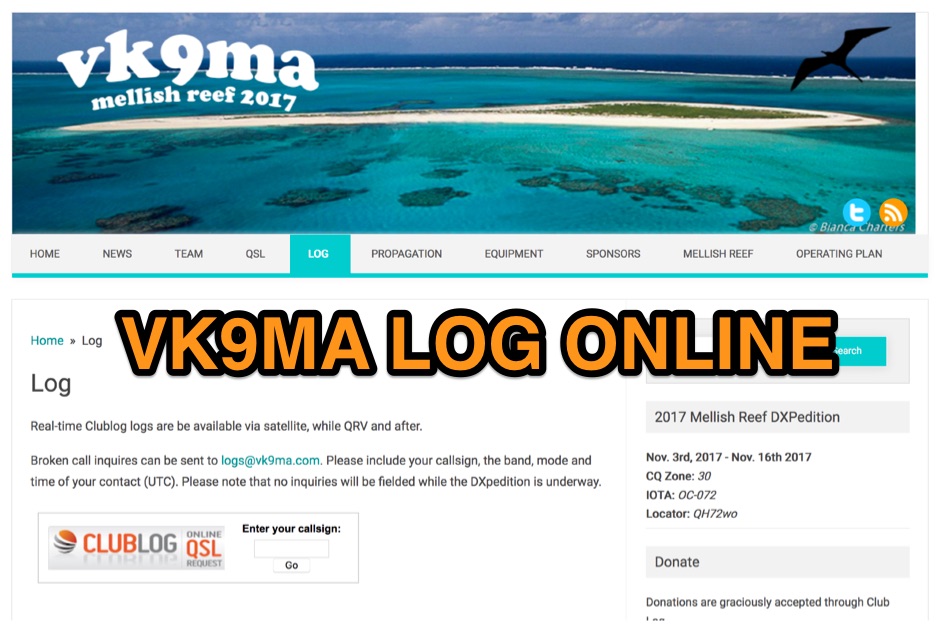 Search VK9MA Log Online DX Pedition to mellish reef 2017
 -
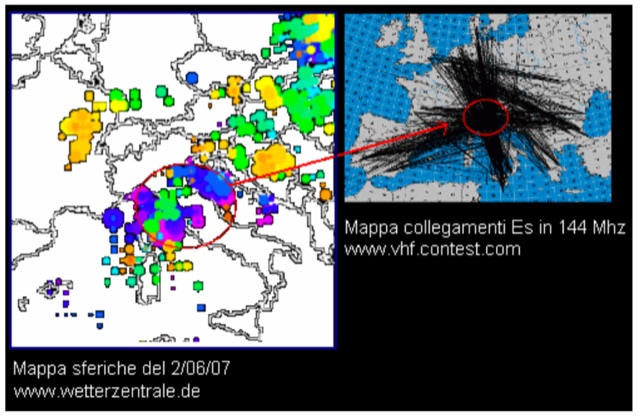 Recent researches seem to support the hypothesis that Sporadic E propagation could be connected to presence of thunderstorms.
 -
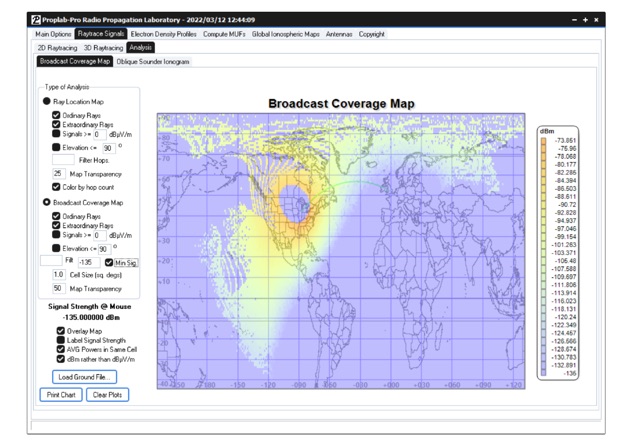 Ray-trace radio signals through a realistic three-dimensional ionosphere using Proplab-Pro. This software has been used by the military, researchers, universities and amateur radio operators around the world to assist in determining radio propagation conditions and radio signal behavior. It is one of the most respected and well established software packages for radio engineers and enthusiasts, being actively updated for over 28 years.