Search results
Query: N1MM Logger
Links: 17 | Categories: 0
-
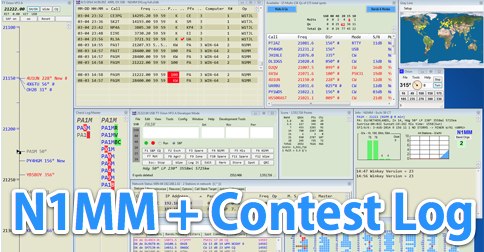 N1MM Logger+ is one of the most popular contest logging programs for Windows and it is the evolution of the N1MM classic. N1MM Logger plus is fully free to download and to use software featuring automatic CW generation, rotator and radio control, suport for So2R, cluster support, winkeyer interface, import export cabrillo and adif formats and many more features. Download N1MM from the official web site with latest callsign files and updated.
-
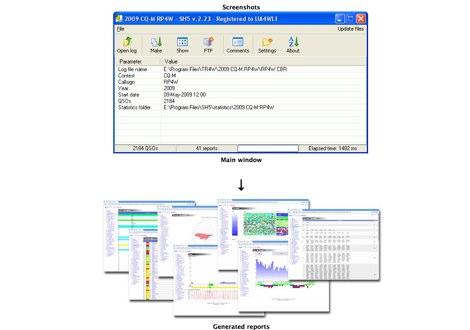 SH5 is easy to use contest logs analyzer which creates a variety of HTML statistics from the Cabrillo format log generated by most popuplar contest log software (N1MM Logger+, Win-Test, Writelog, TR4W and others). SH5 allows you to upload contest results to your web site.
-
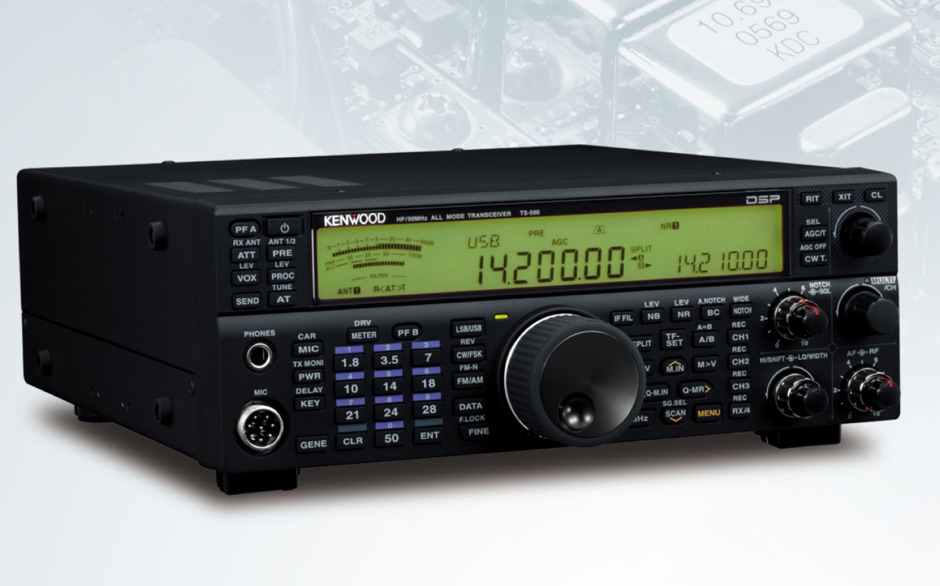 Step by step instructions for setting up N1MM Logger to communicate with the TS-590S using the USB connection
-
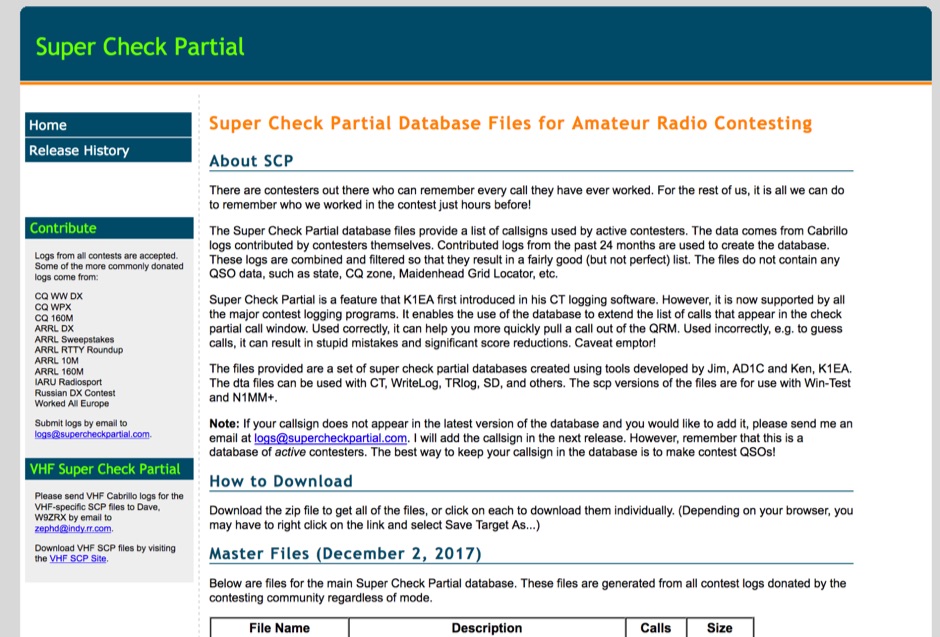 The Super Check Partial database files provide a list of callsigns used by active contesters. The data comes from Cabrillo logs contributed by contesters themselves. Contributed logs from the past 24 months are used to create the database. These logs are combined and filtered so that they result in a fairly good (but not perfect) list. The files do not contain any QSO data, such as state, CQ zone, Maidenhead Grid Locator, etc. The dta files can be used with CT, WriteLog, TRlog, SD, N1MM Logger, NA, Win-Test, and others
-
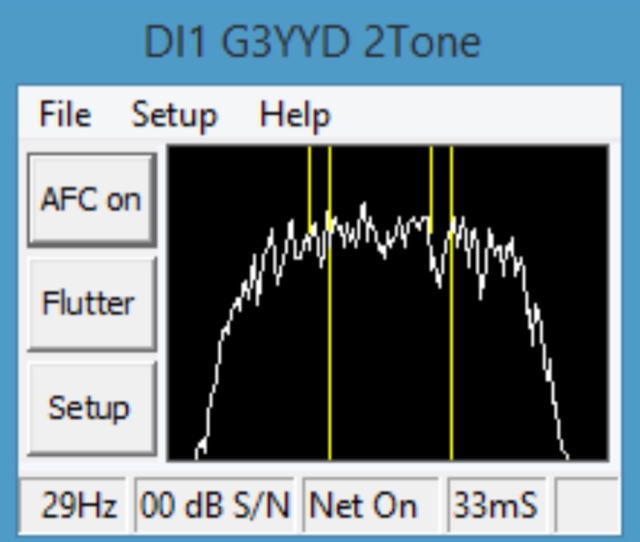 Operating RTTY digital mode, this resource provides access to various versions of the _2Tone_ software engine, specifically designed for decoding and encoding RTTY signals. It details the evolution of the software, highlighting a significant technical requirement change where versions 24.09b through 26.01a necessitate a PC CPU with the AVX instruction set, a crucial detail for operators considering system compatibility. The page lists numerous historical and current releases, enabling users to select a version compatible with their hardware and operating environment. The utility of 2Tone lies in its ability to interface with established amateur radio programs such as _N1MM Logger+_, WriteLog, and QARtest, enhancing their RTTY capabilities. While specific performance metrics like decoding accuracy or WPM limits are not quantified on this page, the availability of multiple versions, including those without AVX requirements, suggests a commitment to broad user accessibility. The software's integration with major contest logging applications indicates its primary application in competitive RTTY operations, where reliable decoding is paramount for achieving high scores.
-
 The _Alessandro Volta RTTY Contest_ is an annual digital mode competition focusing on Radioteletype (RTTY) operation, challenging participants to make contacts across various HF bands. This event typically occurs in January, drawing a global field of operators aiming to maximize their QSO count and multiplier accumulation. The contest emphasizes accurate exchange of signal reports and serial numbers, with specific rules governing single operator, multi-operator, and SWL categories. Participants utilize software like _N1MM Logger+_ or _WriteLog_ to manage their logs and generate Cabrillo files for submission. Scoring is based on points per QSO, multiplied by unique DXCC entities and Italian provinces worked on each band. The contest encourages both seasoned RTTY contesters and those new to digital modes to engage in competitive HF activity, promoting skill development in digital communication. Final results and logs are typically published on the contest website, showcasing top performers and providing detailed breakdowns of scores.
-
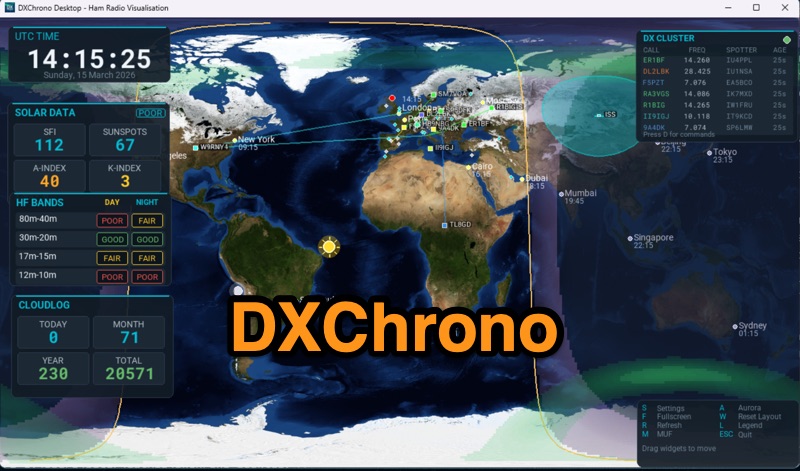 DXChrono Desktop presents a comprehensive suite of real-time amateur radio data, including NOAA solar indices, HF band conditions, and a worldwide _F5LEN tropo_ overlay for VHF openings. It integrates live spots from Telnet DX Cluster, PSK Reporter, and Reverse Beacon Network, displaying them on a dynamic 3D globe or 2D flat map. Additional features include aurora and MUF layers, QTH display with optional cities and grid/CQ/ITU layers, and dedicated support for SOTA and POTA activations. The software also offers a Watch List for callsign alerts and Sun/Moon Az/El widgets for satellite and EME operations. The application provides extensive contest and logging context through integration with _N1MM Logger+_ UDP, Cloudlog API, QRZ Logbook, and ADIF file support, allowing recent QSOs to be mapped directly. A Special Event mode is available for club stations, enhancing field day operations. DXChrono Desktop runs on Windows, macOS, Linux, and Raspberry Pi 4/5, requiring a 64-bit OS and at least 4 GB RAM for optimal performance, distinguishing it from simpler HamClock-style appliances.
-
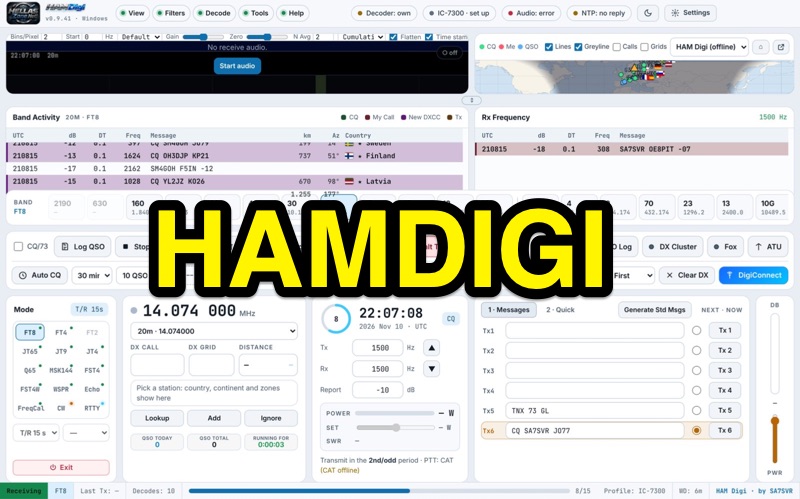 20 meters and other HF bands are commonly used for digital mode operations, where software like HAM Digi provides a unified platform for various weak-signal and keyboard-to-keyboard modes. This application supports a wide array of digital protocols, including **FT8**, FT4, JT65, JT9, JT4, Q65, MSK144, FST4, FST4W, WSPR, CW, RTTY, PSK31, Echo, and FreqCal, each with its own decoder and encoder. It integrates comprehensive radio control via Hamlib 4.7, Ham Radio Deluxe, OmniRig, and TCI, facilitating automatic USB radio detection and offering per-radio profiles for seamless operation across different transceivers. The software streamlines contest participation with features like automatic CQ and replies, Wait & Pounce, and specific support for events such as Field Day and ARRL Digi. HAM Digi automatically logs QSOs to popular platforms including HRD Logbook, N1MM, Log4OM, LoTW, QRZ, Club Log, eQSL, Cloudlog/Wavelog, PSK Reporter, and HZ Logger. It also includes a live map with greyline and QSO lines, a waterfall display for signal analysis, and DXCC/worked-before coloring, enhancing situational awareness during operations. The program is available for Windows 10/11, macOS (Apple Silicon and Intel), and Linux (Ubuntu, Debian, Mint) with automatic updates.
-
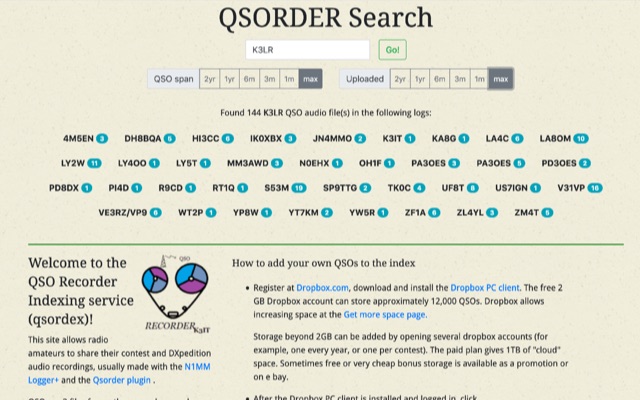 QSO Recorder Indexing service. This site allows radio amateurs to share their contest and DXpedition audio recordings, usually made with the N1MM Logger+ and the Qsorder plugin
-
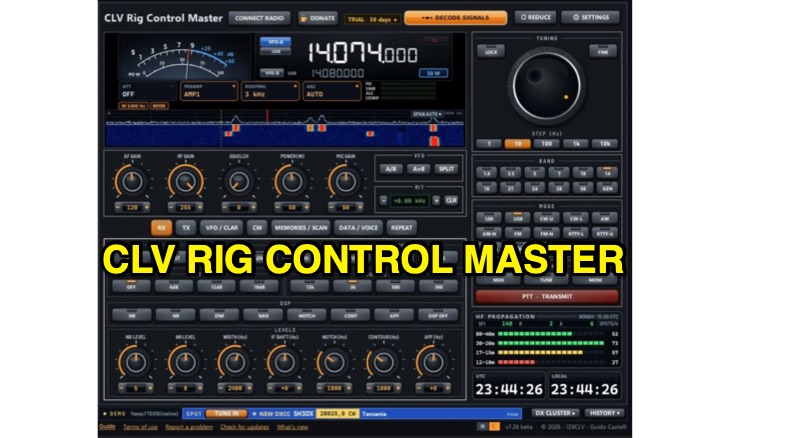 CLV Rig Control Master is a freeware Windows application providing comprehensive **CAT control** for amateur radio transceivers. It directly supports the Yaesu FTDX10 via its Enhanced COM Port and integrates with hundreds of other rigs through **Hamlib**. The software functions as a master, sharing the radio's CAT port with multiple logging and digital mode applications like N1MM Logger+, Log4OM, WSJT-X, and JTDX, thereby eliminating port conflicts. Key features include a large frequency display, analog-style S-meter, PO, SWR, ALC, and COMP bar graphs, along with spectrum and waterfall displays derived from USB audio. It also incorporates decoders for CW, RTTY, PSK31/63, NAVTEX, SSTV, and WEFAX, featuring automatic mode detection and a dedicated CLV-SSTV window supporting 12 SSTV modes. The application provides detailed control over FTDX10 receive and transmit settings, memory channels, and audio/TX profiles. For other radios, it adapts the panel to supported controls, maintaining stable connections even with slower CAT interfaces such as the FT-817. The DX Cluster window includes band and mode filters, Club Log Most Wanted integration, and new DXCC tracking from ADIF logs. Contest features encompass F1-F8 message macros, CW and RTTY transmission from the PC, and ADIF QSO logging. It also displays UTC and local time, alongside HF propagation data sourced from N0NBH, and is compatible with Windows 10 and 11.
-
 How to setup and work SO2R with N1MM the popular free contest logging software
-
 Twigger is a very lightweight, free ham radio logger designed for Windows, offering seamless integration with transceivers via _TCI_ or OmniRig. This software stores all logged contacts in a SQLite database, with the flexibility to export daily ADIF files for import into a main logger or to send real-time QSO data via UDP in N1MM XML format. It also supports direct, real-time uploads to popular online logbooks like Clublog and QRZ.com, streamlining the logging process for active operators. The application has seen continuous development, with version 1.1.34 fixing an ADIF log importer bug and earlier versions adding crucial features like WSJT-X/JTDX UDP support. Author OE3IDE, Ernst, has incorporated user feedback, including ideas and testing from MW0LGE, to refine the software. Key enhancements include the transition to SQLite for data storage in version 1.1.32, allowing for easy import of previous Twigger ADIFs upon initial startup. The logger also features integrated DX cluster support, enabling users to send spots directly and query QRZ.com for callsign information, which is then cached to reduce redundant queries. The software's compact design and essential logging capabilities make it a practical tool for casual logging or as a secondary logger during contests, with the ability to handle **25 downloads** for version 1.1.34.
-
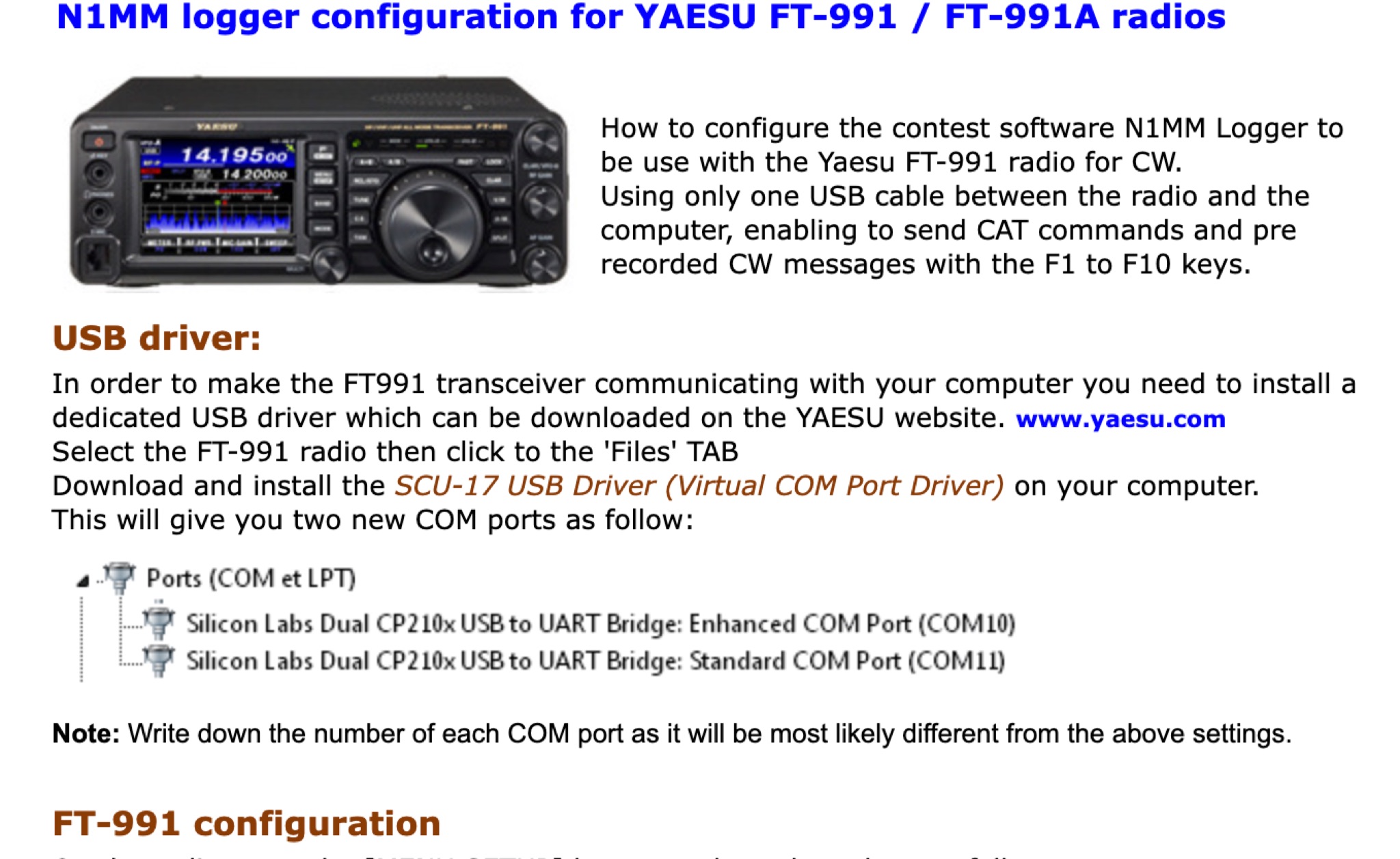 Learn how to set up N1MM Logger+ software for your FT-991 transceiver. This article provides a step-by-step guide on configuring your transceiver settings to work seamlessly with the N1MM Logger+ program. By following these instructions, hams can enhance their contesting and logging experience with improved efficiency and accuracy. Whether you are a beginner or an experienced operator, this tutorial will help you optimize your FT-991 setup for contesting and general ham radio operations.
-
 Provides access to a robust DX cluster node, G6NHU-2, running DX Spider software, which facilitates real-time amateur radio contact spotting across HF bands. This service is engineered for high reliability and low latency, ensuring rapid dissemination of DX spots from a global network of interconnected nodes. It features multiple redundant links to prevent data loss and maintain continuous operation, even if individual connections drop. The cluster integrates directly with the Reverse Beacon Network (RBN), allowing users to enable or disable skimmer spots for specific modes like CW, RTTY, FT8, and FT4. It also offers an extensive one-year spot history, significantly longer than most other DX clusters, which typically retain only a month of data. The node supports various lookup commands for callsign information, beam headings, QSL routing, and FCC database lookups, enhancing operational efficiency for DXers and contesters. Additionally, it permits self-spotting, a feature increasingly relevant in modern contests, and provides detailed instructions for connecting popular logging software such as N1MM+, HamRadioDeluxe, MacLoggerDX, LOG4OM2, Logger32, and N3FJP's Amateur Contact Log.
-
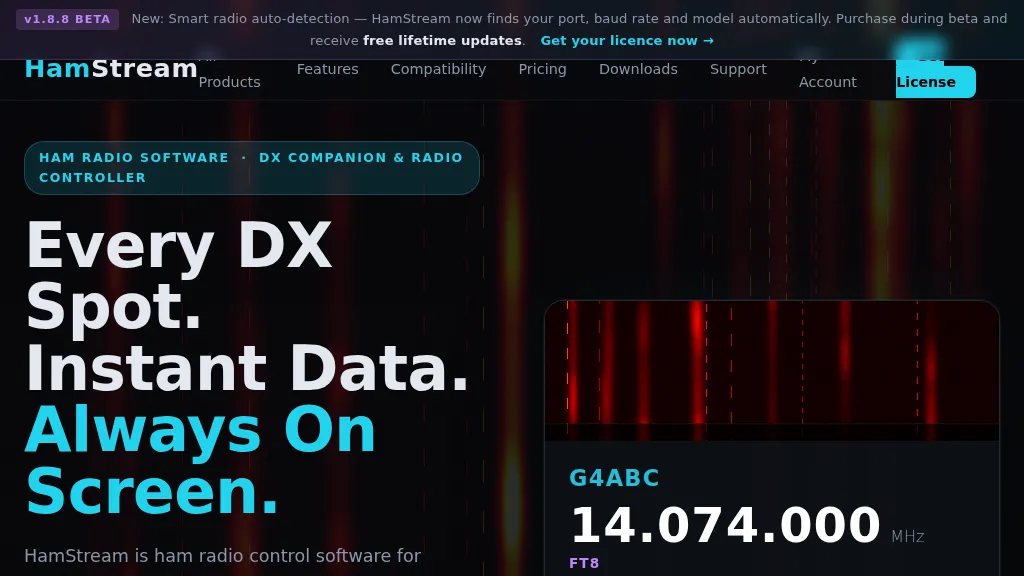 HamStream, a versatile ham radio control software, integrates real-time DX cluster data directly into the operator's workflow, eliminating the need for constant alt-tabbing. As an Extra Class operator, I appreciate how it instantly displays callsign, country, distance, bearing, and QRZ profile data for spotted stations, mirroring the efficiency of a well-organized shack. The software acts as a comprehensive radio controller, reading frequency, mode, and S-meter in real time from connected rigs, supporting CAT via serial, CI-V, _HAMLIB_, and direct connections to _FlexRadio SmartSDR_ and Apache Labs ANAN (via Thetis). Key features include instant QRZ lookups, distance and bearing calculations with a live great-circle minimap, and favorite alerts for specific callsigns. The one-click logging functionality is particularly useful, populating callsign, frequency, and mode into _N1MM+_, Log4OM, DXKeeper, Logger32, StationMaster Pro, and Ham Radio Deluxe via UDP, streamlining contest and casual logging alike. Its smart radio auto-detection for port, baud rate, and model simplifies setup, a welcome relief from manual configuration. Beyond core operating, HamStream also displays 'Also on this frequency' information and can tune the radio to spotted frequencies, enhancing situational awareness. For those who stream their operations, it offers an OBS overlay with live viewer counts and chat integration, making it a compelling tool for modern amateur radio engagement.
-
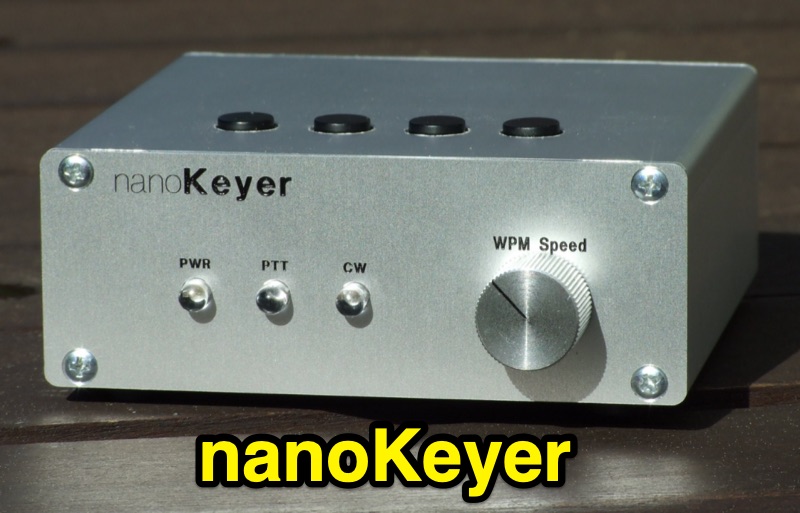 The _nanoKeyer_ is an Arduino Nano-based CW contest keyer, specifically designed for use with the _K3NG Arduino keyer_ open-source firmware. It supports CW speeds from 1 to 999 WPM and emulates the _K1EL Winkeyer_ interface protocol, making it compatible with major logging applications such as N1MM and HRD via its USB port. The device also features SO2R compatibility through K1EL Winkeyer 2 protocol emulation. Keyer functionalities include a command mode for settings adjustment, up to 12 memories with macro and serial number support, QRSS and HSCW modes, and Iambic A and B, Ultimatic, and Bug keying. It also offers Farnsworth Timing, Autospace, Wordspace Adjustment, Keying Compensation, Dah to Dit Ratio, and Weighting adjustment, with most settings stored in non-volatile memory. The nanoKeyer includes one optically isolated radio port for PTT and CW keying, a standard 6.3mm stereo jack for paddle connection, and a mini DIN jack for a PS2 keyboard for computerless operation. It can be powered via USB or an external battery/power supply.
-
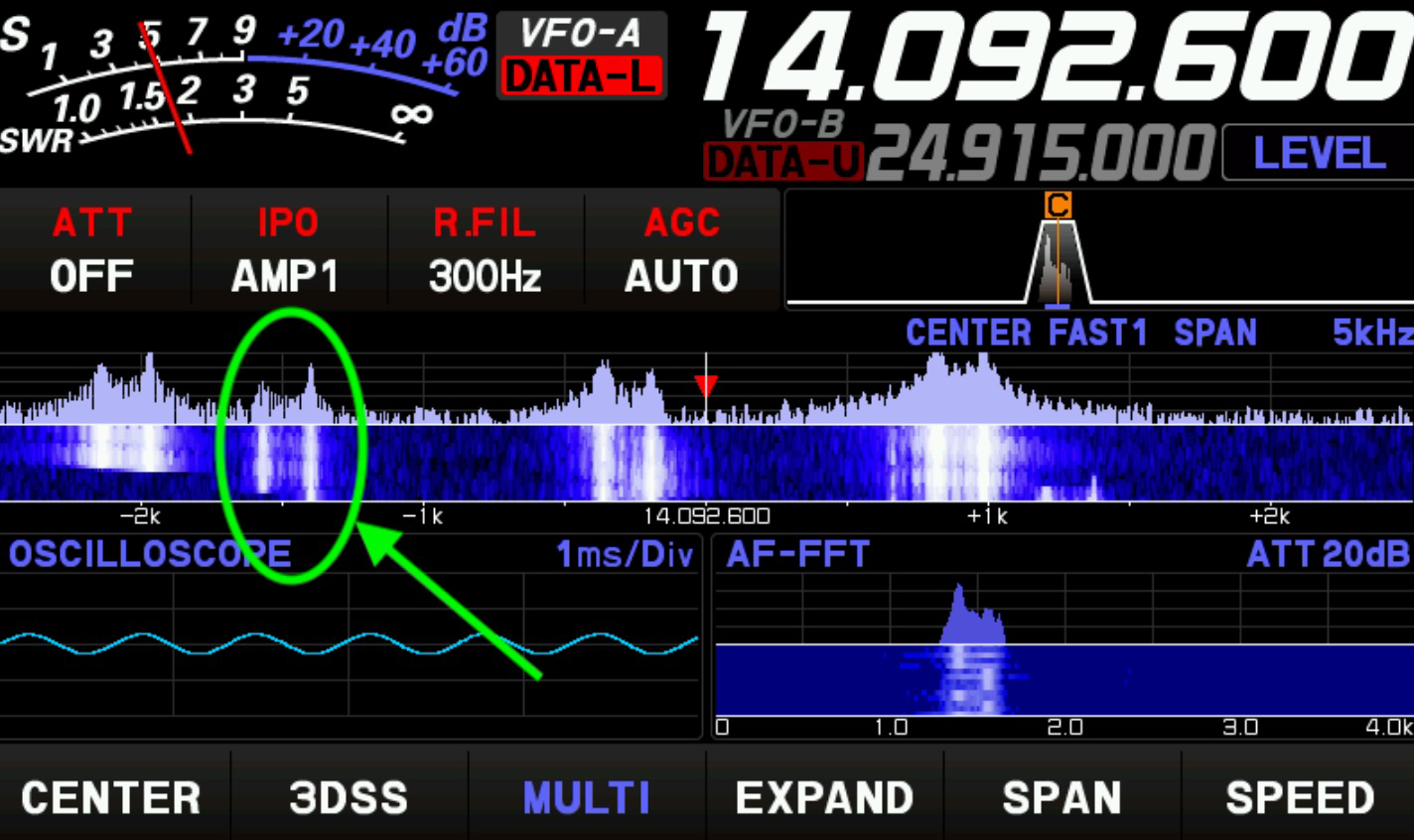 Setting up a digital mode station for Radioteletype (RTTY) contesting requires careful integration of transceiver and logging software. This guide outlines the specific configuration for a Yaesu FTDX10 and N1MM Logger, focusing on settings relevant for the 2025 CQ WW RTTY contest. It covers digital mode setup within N1MM, mode control, and RTTY-specific parameters, including the use of the FTDX10's DATA-L or RTTY-L modes. Operational guidance includes leveraging the 300Hz CW roofing filter for enhanced adjacent signal rejection and proper MMTTY window resizing to ensure accurate FFT and XYScope displays. The author notes a consistent received signal offset of -1.5 kHz from the VFO frequency during operation. Specific software versions used are N1MM V1.0.10936.0, MMTTY 1.70, and various FTDX10 firmware versions. The document also mentions an unsuccessful attempt to integrate a WinKeyer USB (WKSMT, firmware 31.03) for FSK waveform generation, where N1MM could key the radio and 100W was measured, but no tones were observed on the FTDX10's scope displays.