Search results
Query: car
Links: 745 | Categories: 21
Categories
- Ham Radio > Clubs > North America > USA > North Carolina
- Technical Reference > Sound Card Radio Interfacing
- Ham Radio > Clubs > North America > USA > South Carolina
- Software > ACARS
- Radio Scanning > Aeronautical
- Technical Reference > Programming Radio > Cheat Sheets
- Software > Digital SSTV
- Internet and Radio > Humor
- Ham Radio > Blogs > Asia > India
- Manufacturers > Interfaces
- DX Resources > QSLing > International reply coupons
- Antennas > Mobile
- Operating Modes > Satellites > QO-100
- Software > QSL
- DX Resources > QSL Bureaus
- DX Resources > QSLing > QSL Galleries
- Shopping and Services > QSL Printing
- DX Resources > QSLing
- DX Resources > Shack Rental
- Software > Signal Generator
- Antennas > Windom
-
 This article discusses the Disk-Yagi antenna, also known as the "gun antenna," popularized by the video blogger KREOSAN. It explains the design, differences from standard Yagi-Uda antennas, and key features like the use of patch antennas and the integration of MIMO technology. The article covers the construction, tuning challenges, scaling issues, and provides insights on practical applications, such as optimizing signal performance with a 75-ohm antenna. It emphasizes that while DIY versions may vary, careful tuning and design are crucial for effectiveness.
 -
 The Carolina Amateur Radio Club is a service-oriented club and has been in existence for more than 30 years
 -
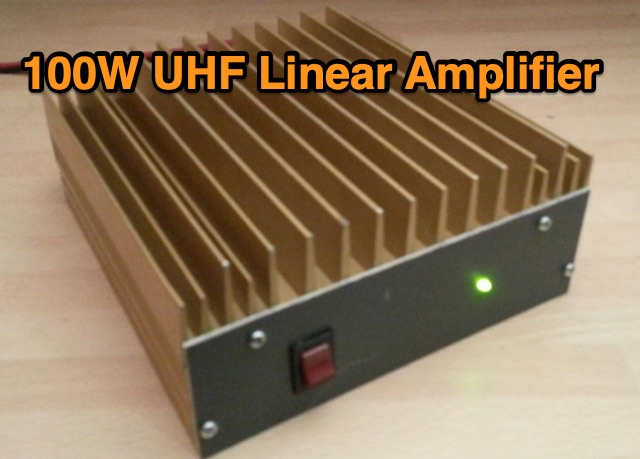 This page details my building of a 100 Watt Power Amplifier for the 432 MHz Band based on two Motorola MRF646 transistors taking inspiration by Carlo Gnaccarini VK3PY, formerly VK3BRZ
 -
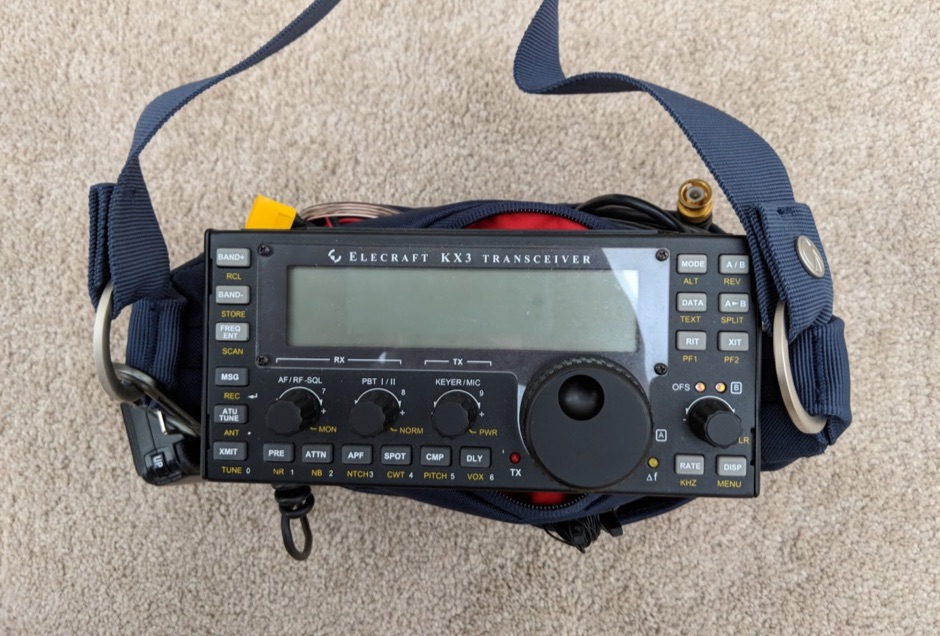 Manfrotto shoulder bag Amica 25W can be used as a low cost carry bag for Elecraft KX3.
 -
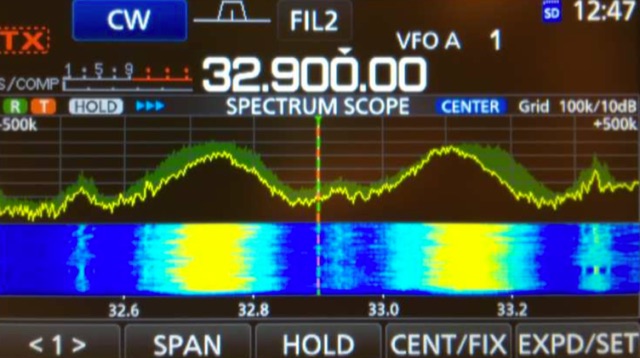 The Icom IC-7300 is a popular SDR transceiver known for its excellent performance in ham bands. However, users have reported issues with reception reliability outside these bands due to ADC aliasing. This phenomenon occurs when the sampling rate of the radio interacts with frequencies outside the intended range, leading to unwanted signals being received. For instance, when tuned between 30 to 36 MHz, users may inadvertently pick up WFM broadcast signals or PMR communications due to aliasing effects. This guide outlines modifications to improve the IC-7300's performance by addressing the low-pass filter design, which is crucial for reducing interference from these unwanted signals. The proposed modifications involve adjusting the low-pass filter on the PA unit to better attenuate frequencies that cause aliasing. Measurements indicate that the original filter design allows significant signal leakage, leading to false receptions. By implementing the suggested changes, users can achieve a notable reduction in unwanted signals, enhancing the overall functionality of the IC-7300. While the modification requires careful soldering, the benefits in performance make it a worthwhile endeavor for serious operators looking to optimize their SDR experience.
 -
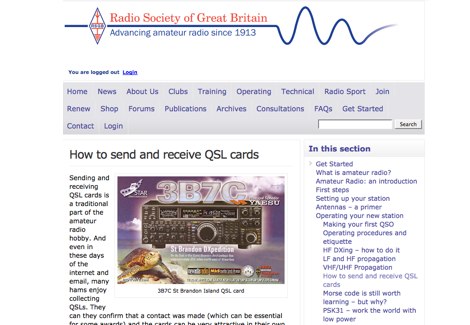
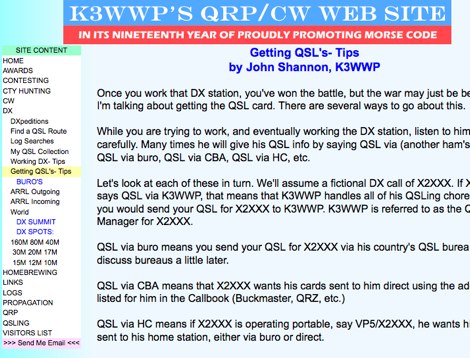 Tips on QSLing. Once you work that DX station, you have won the battle, but the war may just be beginning. I am talking about getting the QSL card. There are several ways to go about this.
 -
 A distance of 1/8 lambda between the antenna and the vehicle roof is suggested for optimal performance, with slight adjustments possible to lower the take-off angle for terrestrial contacts. This resource details the adaptation of an _Eggbeater_ antenna for mobile use, specifically for VHF operation, leveraging the car's metal roof as a ground plane. It illustrates the mounting method, repurposing a magnetic ski carrier base, and describes the integration of coaxial relays for polarization reversal, a feature also applicable to UHF versions as discussed in "_Eggbeater Antenna VHF/UHF – Part 2_". This mobile configuration proves effective for satellite communications, such as through the International Space Station (ISS), while also maintaining strong performance for land-based radio contacts. The inclusion of switches with indicator lights for VHF and UHF polarization control, powered by the vehicle's battery, highlights practical considerations for field deployment. The system's adaptability for portable operations underscores its versatility beyond fixed mobile installations.
 -
 The Davis County Amateur Radio Club (DCARC) serves as a focal point for licensed amateur radio operators in Davis County, Utah, fostering community and promoting radio communication interests. Members engage in various aspects of the hobby, including local nets, public service events, and technical discussions. The club's activities often involve supporting emergency communications preparedness and providing opportunities for skill development among its members. DCARC maintains a presence in the local ham radio scene, facilitating contacts and knowledge exchange. They frequently participate in events like _Field Day_ and offer resources for those interested in obtaining or upgrading their amateur radio licenses. The club also supports local repeaters, ensuring reliable VHF/UHF communication infrastructure for the region. Their website, dcarc.net, provides information on club meetings, upcoming events, and contact details for prospective members.
 -
 Monthly dx newsletter published by the Carolina DX Association
 -
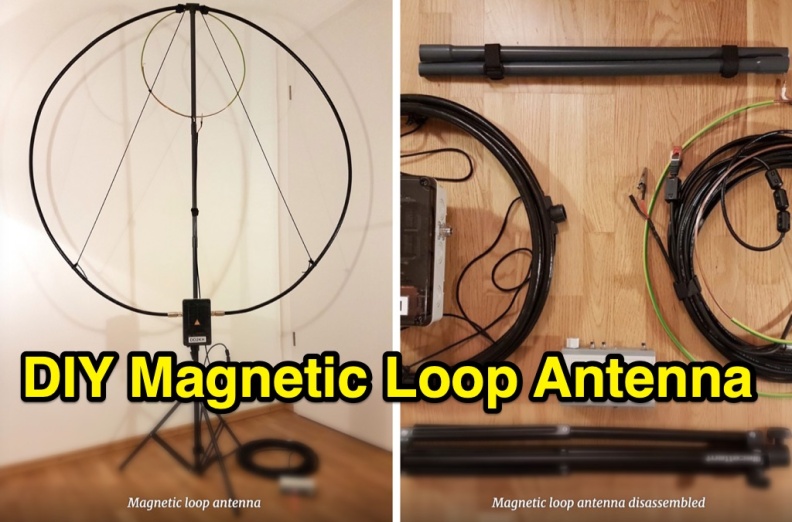 This tutorial provides detailed instructions for constructing a DIY magnetic loop antenna, ideal for amateur radio operators seeking efficient short wave communication. The design features a remote tuning system utilizing an Arduino and RC servo, making it suitable for indoor use where larger antennas cannot be installed. Magnetic loop antennas are compact and can operate effectively in confined spaces, but they do require careful handling due to the high voltages and currents they generate during operation. Users should possess the necessary technical skills to implement this project safely. The tutorial includes a comprehensive overview of the antenna's theory, specifications, and mechanical design. It outlines the components needed, including a Soviet-made variable capacitor and a digital RC servo for tuning. Safety precautions are emphasized, as the antenna can produce several kilovolts of voltage and high currents. The project is not certified for safety, and users are advised to proceed at their own risk. The tutorial also provides diagrams and explanations of the antenna's operation, making it a valuable resource for both beginners and experienced operators looking to enhance their setup.
 -
 The Sinbad Desert Amateur Radio Club is a general-purpose club that mainly serves the Carbon and Emery Counties but has members from all over Utah and surrounding states. The Club was formed by local Hams in Eastern Utah in 1982 by individuals with a common interest
 -
 Frequency coordinations on BC Canada
 -
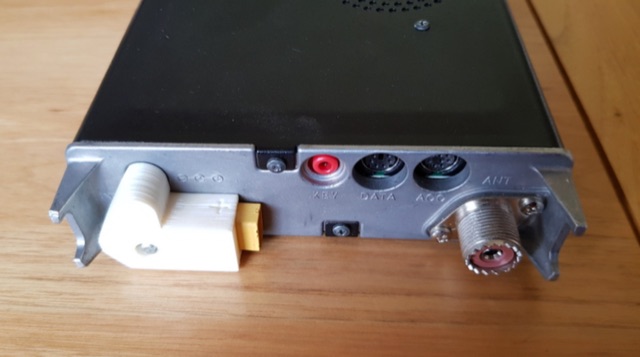 DC plug adaptor using an XT60 connector. 18650 Lithium battery 3 cell carrier, Three band end fed half wave antenna, XT60 chassis mounted flange.
 -
 Orchard City ham radio club in Kelowna, BC Canada
 -
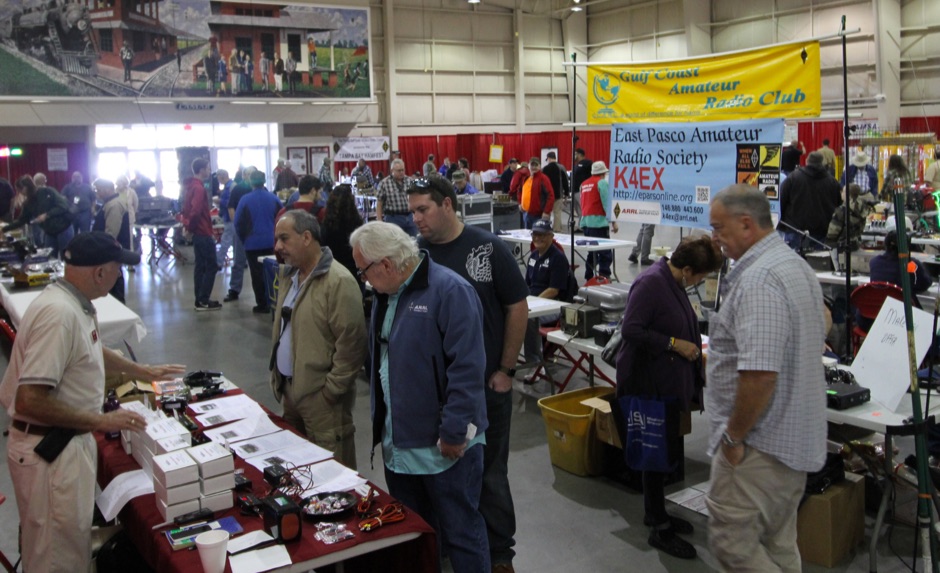 The largest Amateur Radio trade show on Florida s West coast
 -
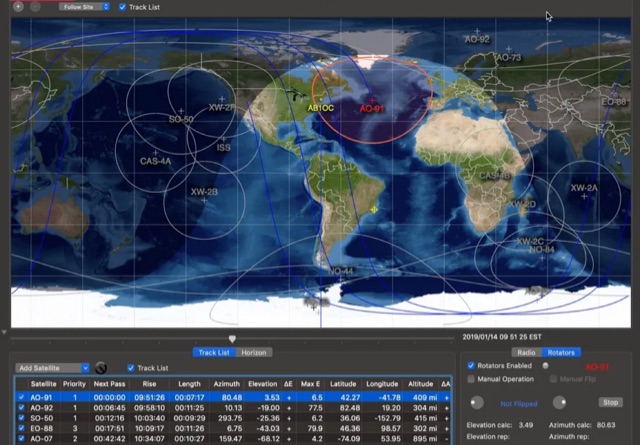 This article provides a step-by-step guide for assembling a Raspberry Pi-based Satellite Tracker Interface, designed to work with Green Heron Engineering's RT-21 controllers and MacDoppler software. The guide covers hardware assembly, SD card image installation, and system configuration for satellite tracking.
 -
 Serving amateur radio and our community since 1962!
 -
 The Mission of CCARES is to train and organize amateur radio operators in emergency communications.
 -
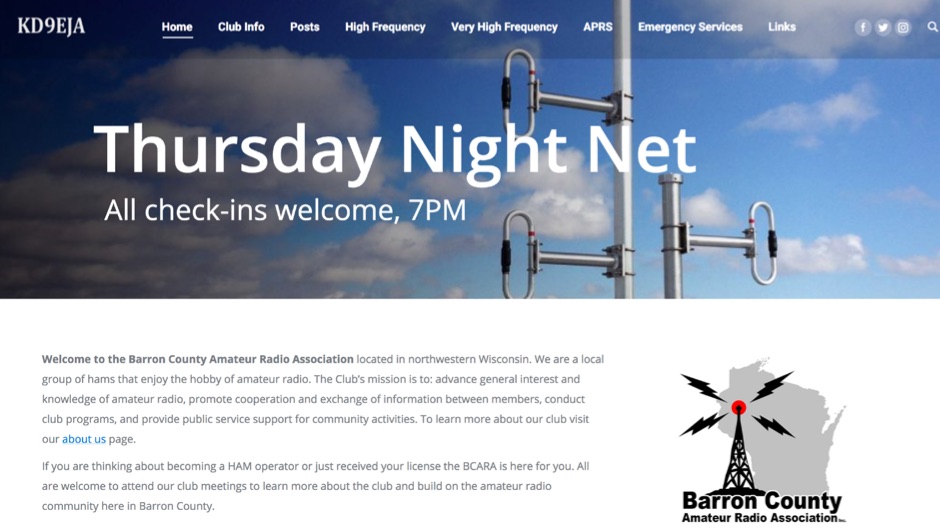 Amateur radio operators in northwestern Wisconsin often seek local community and technical support, which the Barron County Amateur Radio Association (BCARA) provides. This organization facilitates regular meetings, nets, and events, connecting hams across the region for shared learning and operational experiences. Members engage in various aspects of the hobby, from contesting and DXing to emergency communications and technical projects, reinforcing local Elmering traditions. The BCARA maintains a presence on social media, including a Facebook group with over **100** members, enabling real-time communication and event coordination. The club also supports local public service events, demonstrating the practical utility of amateur radio. Their activities encompass both VHF/UHF operations and _HF bands_, ensuring a broad appeal to operators with diverse interests and equipment setups.
 -
-
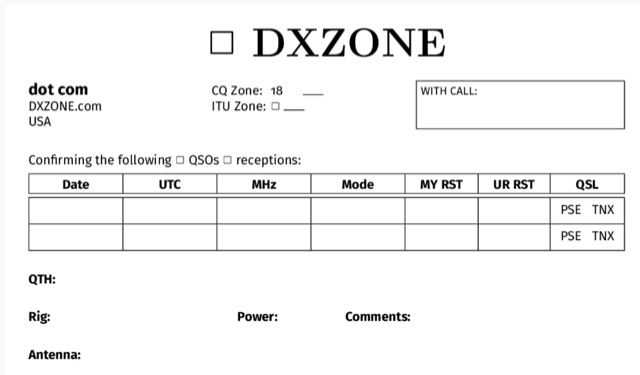 This app will generate a QSL card design based on the input paramters as a PDF. Fields marked by a * are required, but the rest are optional. The options at the bottom allow you to customise the look and feel of the QSL card. If you would like, you can also download the LaTeX source file and customise it.
 -
 The QMX+ Transceiver Kit from QRP Labs is a high-performance, feature-packed 160-6m 5W transceiver designed for hams. This multi-mode kit includes embedded SDR, USB sound card, CAT control, synthesized VFO, RTC, and optional internal GPS. It can be used in CW, digital, and SSB modes, with standalone CW operation, digi mode via USB to PC, or SSB operation. The kit offers standalone beacon functionality and shares firmware with the QMX model. With an optional enclosure, battery-backed RTC, and GPS, the QMX+ is versatile and easy to build, making it ideal for ham radio operators looking for a customizable transceiver kit.
 -
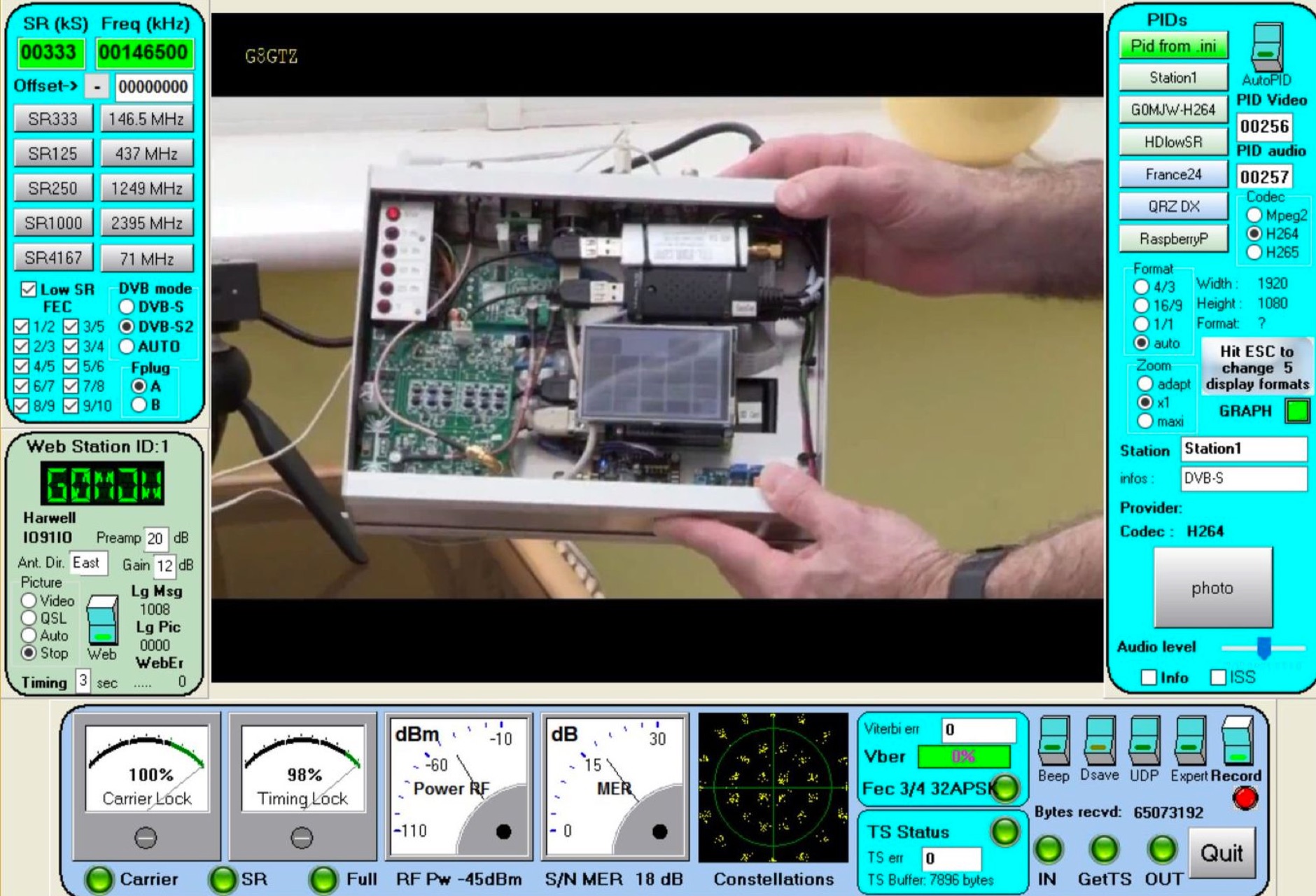 The MiniTioune receiver project, developed by Jean-Pierre F6DZP, consists of the home constructed MiniTiouner hardware which interfaces via a standard USB 2.0 port to a Windows PC running the MiniTioune software. It can be used to receive satellite broadcasts transmissions making it ideal for use on Q-oscar 100 Es hail-2 without any external frequency converters.
 -
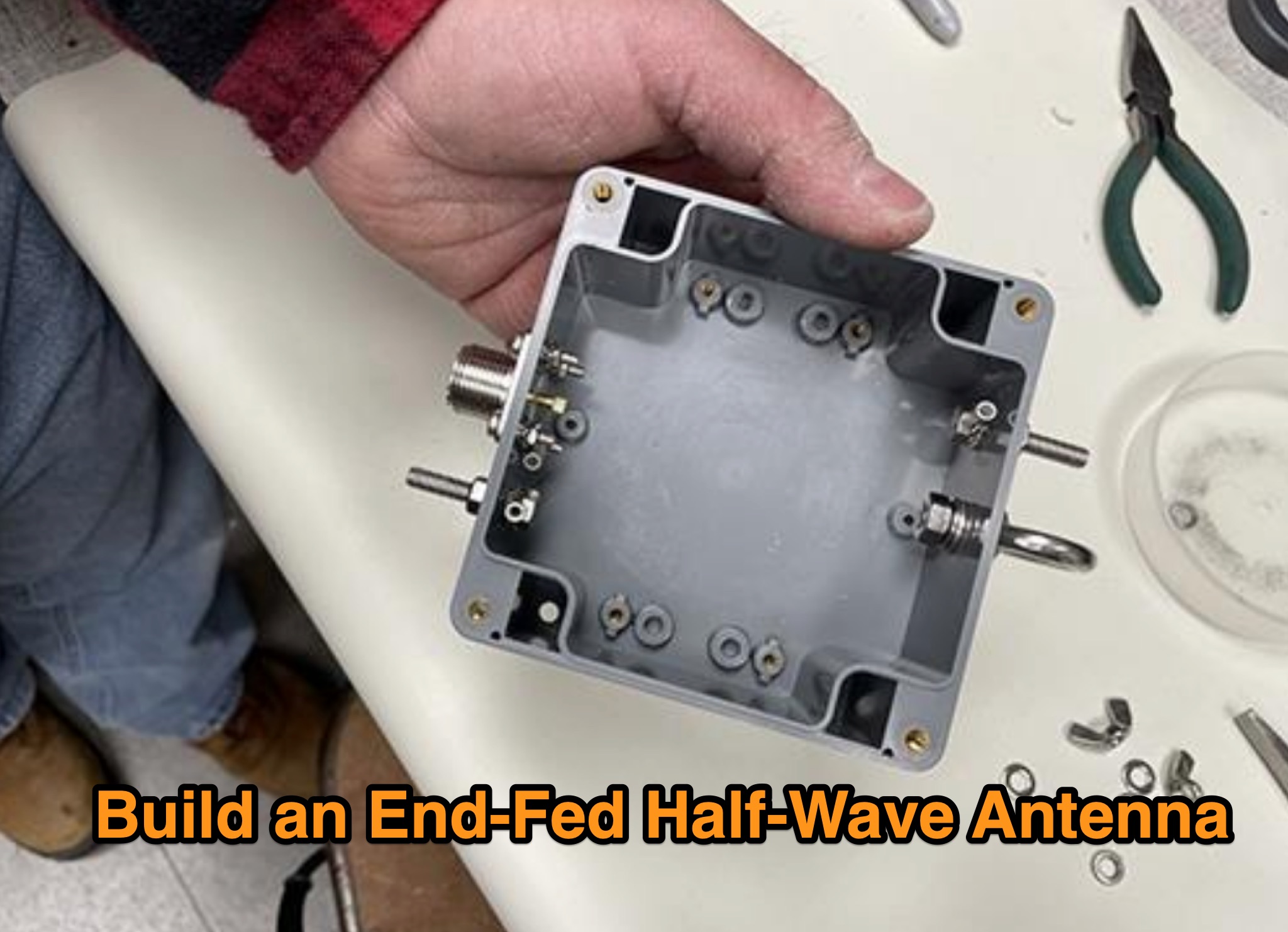 Building an End-Fed Half-Wave (EFHW) antenna from a kit, as detailed by Frank Bontenbal, PA2DKW, with process photos by Bob Inderbitzen, NQ1R, offers a practical approach for hams. This specific kit, a collaboration between ARRL and HF Kits, targets 10, 15, 20, and 40 meters, making it a versatile option for HF operations. Unlike a center-fed dipole, the EFHW is a half-wavelength antenna fed at one end, which simplifies deployment, particularly for portable use. The construction guide meticulously outlines the assembly of the 49:1 impedance matching network, crucial for transforming the antenna's high impedance (around 2,500 Ohms) to a transceiver-friendly 50 Ohms. Steps include preparing the enclosure by drilling holes for the coaxial connector and antenna connections, followed by the precise winding of enameled copper wire onto a toroid to create the transformer. The guide emphasizes careful insulation removal and soldering for reliable connections. Final assembly involves integrating a 100 pF capacitor for higher band compensation, soldering the transformer's primary and secondary sides, and conducting SWR tests with a 2K7 resistor or a half-wavelength wire. The document also provides examples of wire lengths for different bands, such as 16 feet for 10 meters or 66 feet for 40 meters, demonstrating the transformer's adaptability for various half-wavelength configurations.
 -
 An informal group of ham radio operators sharing information and knowledge about radio-related technologies.
 -
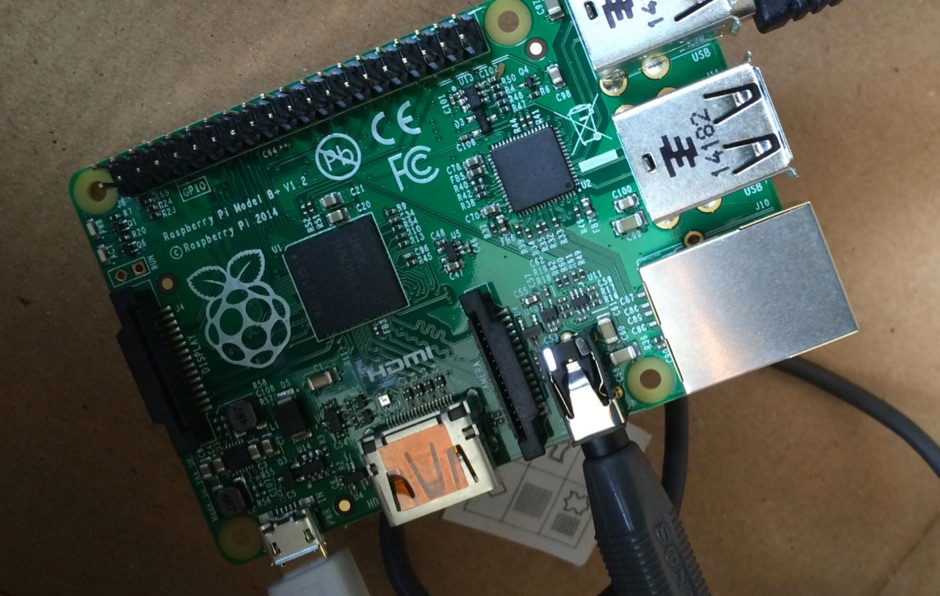 Super Simple APRS Position Reporter. This project idea has been in response to the more hardware heavy Raspberry Pi projects that involve extra TNC hardware, additional sound cards, and custom cabling. This APRS position reporter is done using a Raspberry Pi B+, USB GPS receiver, Baofeng UV-5R, and a mono 3.5mm audio cable between the Pi and HT.
 -
 Franklin County Amateur Radio Club , North Carolina
 -
 The sudden explosion of new digital modes has taken the Amateur Radio world by storm. New modes such as PSK31 FT8 JT65 FSK441, ISCAT as well as established modes such as RTTY, SSTV, Hellschreiber and others have rocketed in popularity. In order to use these modes all that is required is a simple computer-to-radio interface which couples the computer soundcard to the radio
 -
 Crawley, West Sussex UK.
 -
 The WCARC is an organization of amateur radio operators in Woodford County.
 -
 The Dickson County Amateur Radio Club (DCARC) operates as a local organization for amateur radio enthusiasts in Middle Tennessee, providing a focal point for hams in the area. The club's activities typically encompass local nets, technical discussions, and support for emergency communications, aligning with the public service aspects of amateur radio. Members often engage in various operating modes and bands, sharing knowledge and experience to enhance their collective skills. Club members participate in field days, local contests, and community events, demonstrating the practical applications of amateur radio. These gatherings offer opportunities for new hams to gain practical experience and for seasoned operators to mentor others, strengthening the local amateur radio community. The DCARC serves as a hub for camaraderie and mutual support among its members, contributing to the vibrant ham radio scene in Tennessee.
 -
 G3ztt mid cheshire amateur radio society, cheshire uk
 -
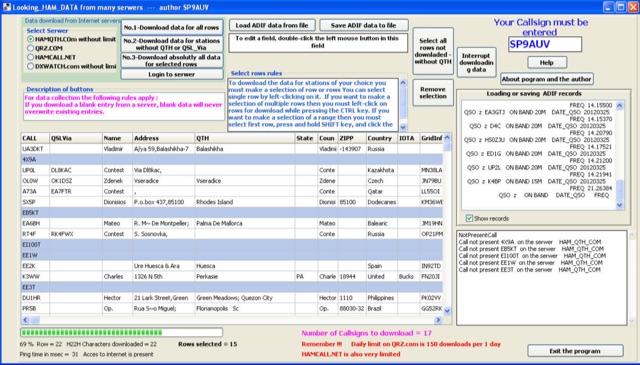 The program serves to assist in a ham-radio activities secretarial with his hobby , such as Printing QSL cards or print labels directly from the program , printing envelopes and mailing envelopes for the feedback you send direct QSL cards, download address for sending cards direct from QRZ.COM or for any station. Checking whether for the QSO and his country is present QSL bureau.
 -
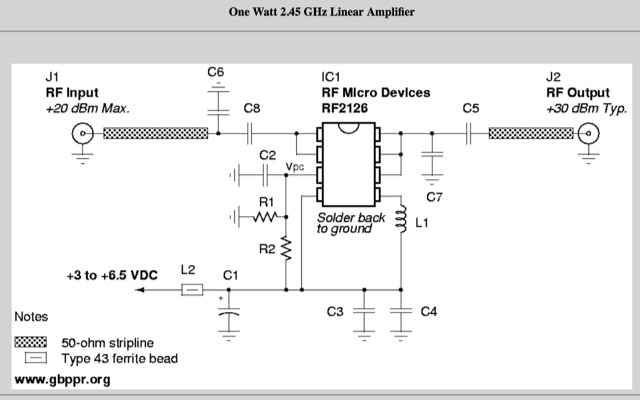 This will show you how to add a RF power amplifier to your Proxim Symphony for under $50. The cost is reduced by using the existing components on the Symphony, such as the PIN diode switch, and just inserting a higher power final amplifier. Increase the RF output power of your wireless network card to 1 Watt.
 -
 S.C.A.R.T is a club based in the Southampton area of the UK open to everybody who is interested in amateur television and video related subjects.
 -
 _Amphenol RF_ manufactures RF connectors, RF adapters, RF attenuators, RF cable assemblies, and RF terminators. The company offers custom RF solutions, including modified connectors and integrated cable assemblies. Product examples include SMP to SMPM adapters, surface-mount SMB jack connectors, end-launch SMA bulkhead connectors, and non-magnetic SMPM connectors. The company's product portfolio also features single-crimp N-Type connectors, USCAR compliant Mini-FAKRA connectors, 2.4 mm to 2.4 mm adapters, and 2.92 mm plugs for 0.141-inch cable. _Amphenol RF_ produces MMCX and MCX cable assemblies on RG-316 and RG-174 cable, PFAS-free SMA connectors, and FAKRA rear mount bulkhead plugs for RG-58 and LMR-195 cable. Additional offerings include 2.92 mm to 2.92 mm adapters, BNC bulkhead jacks, SMA to MHF 4 LK cable assemblies, and 2.92 mm to SMA adapters. _Amphenol RF_ is headquartered in Danbury, Connecticut, and operates as part of _Amphenol Corporation_. The company maintains a global manufacturing and distribution network. DXZone Focus: RF connectors | Cable assemblies | Danbury, Connecticut | _Amphenol Corporation_
 -
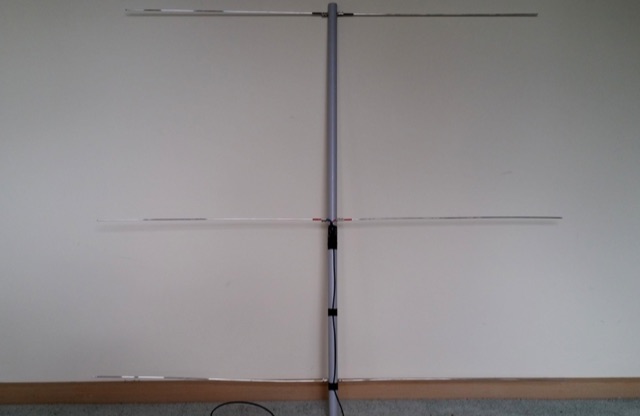 A Lightweight 2m Yagi for SOTA. The boom is 20mm PVC electrical conduit and the elements are 2.4mm aluminium TIG welding rod. The antenna is carried as a single length of conduit with the elements stowed inside the boom, sealing them in with a bung. The driven element is connected directly to 50 Ohm coax with a BN-43-202 balun core to decouple the coax shield.
 -
-
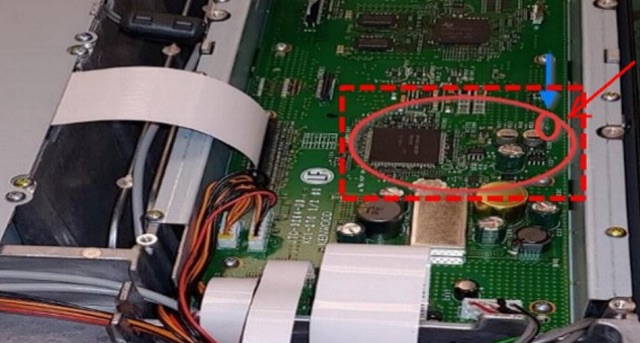 Doing the MARS Mod on the TS890S. This will take care of any of your HF or Mars needs, and any new bands added in the future. You will now have the new 60m Band also. It is unclear if it will open up the 4m Band that some EU Countries are now allowed.
 -
-
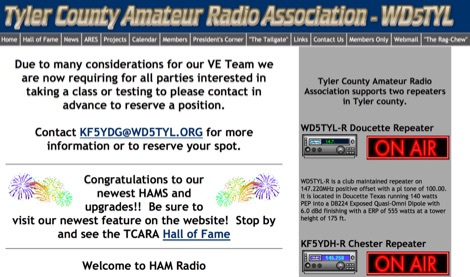 The Tyler County Amateur Radio Association (TCARA) serves as a focal point for amateur radio operators in Woodville, Texas, and surrounding areas, emphasizing knowledge sharing and skill advancement among its members. The association actively participates in public service communications, including _ARES_, _RACES_, and _Skywarn_ initiatives, demonstrating a commitment to community support through amateur radio. Regular meetings are held on the first Thursday of each month at 6 PM at Calvary Baptist Church, 909 N Magnolia St, Woodville, TX, providing a consistent venue for fellowship and operational planning. TCARA facilitates amateur radio license examinations, offering testing sessions for all license classes, from Technician to Amateur Extra. This commitment to education supports new hams entering the hobby and existing operators upgrading their privileges. Prospective members or individuals interested in licensing, Technician classes, or general club activities are encouraged to reach out via email for further information, indicating a direct channel for engagement.
 -
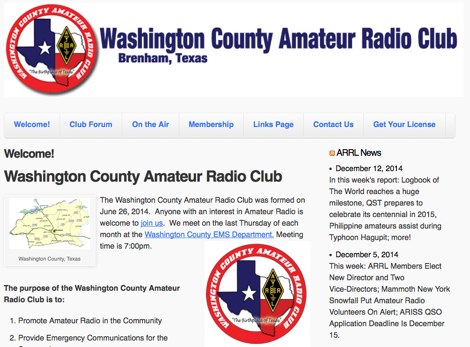 The Washington County Amateur Radio Club (WCARC) was formally established on June 26, 2014, serving amateur radio operators and enthusiasts in Washington County, Texas. The club provides a local community for hams to gather, share knowledge, and participate in various radio activities. Its formation date indicates a relatively recent establishment within the amateur radio landscape. The WCARC aims to foster interest in amateur radio, offering a welcoming environment for both licensed operators and individuals new to the hobby. Membership is open to anyone with an interest in amateur radio, promoting engagement across different experience levels. The club's activities likely include regular meetings, field operations, and support for emergency communications within the local area.
 -
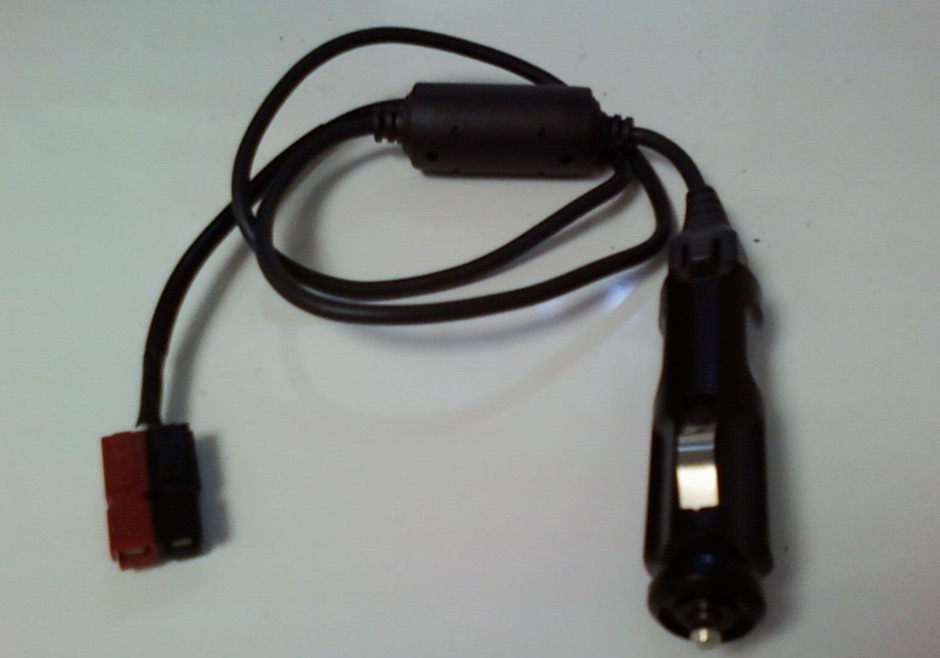 In this article we share a useful and simple project to convert an unneeded car power cable to an Anderson PowerPole adapter.
 -
 Since 1992, MATsolutions has delivered the assurance our clients need when acquiring, maintaining, and managing high-quality test and measurement equipment. Used Electronic Test & Measurement Equipment Sales, Calibration, Repair & Services
 -
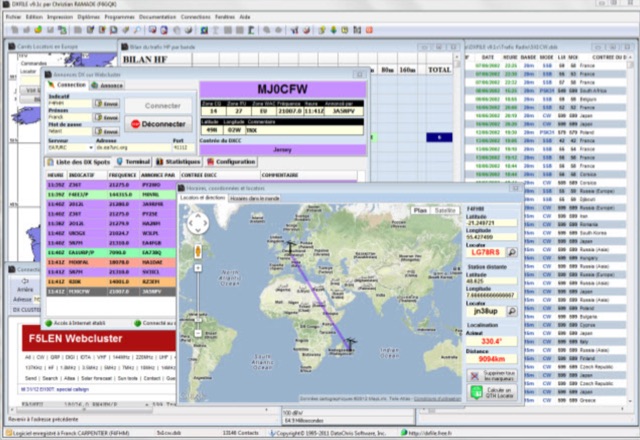 DXFile is a Windows shareware application designed for amateur radio operators, providing comprehensive log management capabilities. The software, developed in Pascal, facilitates real-time and deferred QSO entry, automatically populating fields like frequency, mode, and DXCC country based on user input and system time. It includes features for searching, modifying, and deleting QSO records, with options to sort logs by date, callsign, or entry order. The program offers various printing functions, including QSL card labels in multiple formats, and can generate standard logbook printouts. Beyond basic logging, DXFile integrates modules for tracking progress towards major operating awards such as DXCC, _IOTA_, WAZ, WAS, DDFM, and DIFM. It provides detailed summaries of contacts by band and mode, including graphical representations of HF traffic. A dedicated QSL Manager module assists in processing received QSLs, allowing users to mark confirmations and print multi-line QSL labels. The application also incorporates a DXCC list viewer, which can be updated to ensure accurate country and zone data for logging and award tracking. A distinctive feature is its HF propagation prediction module, which calculates optimal frequencies and signal levels for paths between **250 km** and **6000 km**, considering both E and F layer ionospheric conditions. This module helps operators determine the best times for long-distance contacts. Additionally, DXFile includes a _Web-Cluster_ interface, enabling connection to various DX cluster servers like DXLITE, DXSCAPE, and NC7J for real-time spot information.
 -
 The TCARES membership provides communications assistance with fires, floods, search & rescue, and health & welfare message assistance to the Red Cross, without pay, using their own equipment, usually in twelve hour shifts.
 -
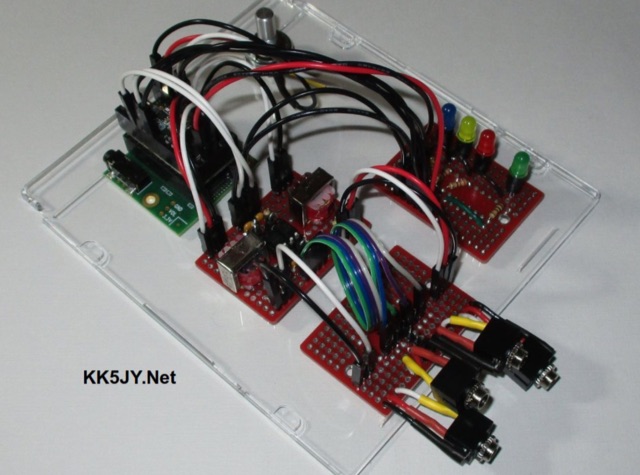 This project uses an inexpensive Teensy microcontroller as the core of a flexible interface that provides a high-fidelity sound card and VOX functions for controlling the radio.The interface firmware supports variable VOX delay, CW and RTTY keying via audio (such as is available from Fldigi), and RTS and DTR control of any keying function, all via a single USB connection to the PC.
 -
 From 24 January to 14 of February 2015 a group of SP hams will be sailing in the area of the Caribbean from J6 J8 J3 FM
 -
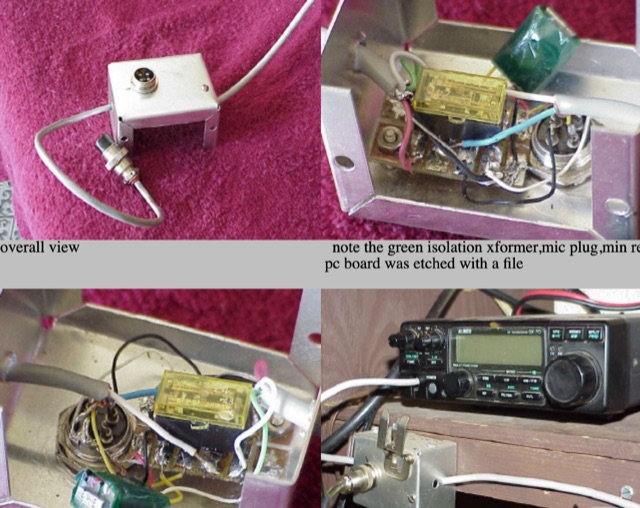 A SSTV interfsace (soundcard) to minimize RF feed back and a soundcard limiter to prevent over driving the soundcard
 -
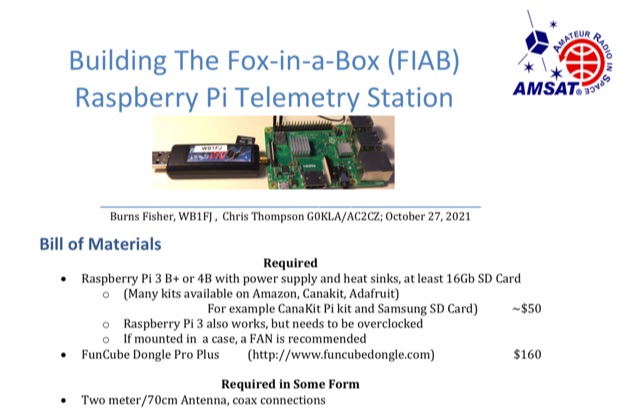 Raspberry Pi Telemetry Station project by Burns Fisher, WB1FJ , Chris Thompson G0KLA/AC2CZ. A step by step guide on Building a Fox-In-A-Box The Easy Way, A Prebuilt SD Card Image or from scratch.